
Simple Red Bean Paste (Anko) Desserts Anyone Can Make

Welcome to BakeWithEase, your guide to delicious and approachable baking!
Ever wondered how to create those subtly sweet and satisfying Asian treats? We're about to unlock a world of flavor with our guide to easy red bean paste desserts. Anko, as it's traditionally known, offers a unique depth that will elevate your baking game. Intrigued? Let's dive into the surprisingly simple steps and transform this versatile ingredient into unforgettable creations!
- Introduction to Easy Red Bean Paste (Anko) Desserts
- What is Red Bean Paste (Anko)?
- 5 Easy Red Bean Paste Dessert Recipes for Beginners
- Tips for Working with Red Bean Paste in Baking
- Mastering Asian-Inspired Desserts with Anko
- Conclusion: Your Journey into Easy Anko Baking Starts Now
-
Frequently Asked Questions
- What exactly is red bean paste (anko), and is it difficult to make from scratch?
- Are there any easy red bean paste desserts that don't require baking?
- Can I substitute other types of beans for azuki beans when making red bean paste desserts?
- How long does red bean paste last, and how should I store it?
- What are some common mistakes to avoid when working with red bean paste in desserts?
- Final Reflection: The Enduring Sweetness of Simple Pleasures
- Unlock Your Inner Pastry Chef: Simple Anko Adventures Await!
Introduction to Easy Red Bean Paste (Anko) Desserts
Discover the Delicious World of Anko Baking
Welcome to the delightful realm of anko! If you've ever enjoyed a sweet treat from an Asian bakery or restaurant, chances absolutely are you've encountered red bean paste, known as anko in Japanese cuisine. This versatile ingredient, made from sweetened adzuki beans, offers a unique sweetness and creamy texture that's surprisingly easy to incorporate into a variety of baked goods and no-bake treats right in your own kitchen. Forget complex techniques; many of the most beloved easy red bean paste desserts require minimal effort and common ingredients.
Exploring anko allows you to expand your baking horizons beyond traditional Western sweets. From fluffy pancakes to chewy mochi and satisfying energy balls, the possibilities for simple, delicious creations are vast. Many traditional recipes have been adapted over time, making them more accessible for home bakers using readily available ingredients and equipment. You might be surprised just how quickly you can whip up a batch of delightful treats that will impress your friends and family, offering a taste of something wonderfully different.
BakeWithEase's Guide to Simple Anko Treats
At BakeWithEase, our mission is to demystify baking and make it accessible for everyone, regardless of their skill level. This guide focuses on introducing you to the world of simple anko treats, providing straightforward recipes and helpful tips to ensure your success. We've curated a selection of easy red bean paste desserts that are perfect for beginners, requiring no special equipment or advanced techniques. Think of this as your friendly introduction to a staple ingredient in many Asian confections.
We'll walk you through understanding anko itself, exploring its different forms, and then dive into five distinct recipes designed for ease and enjoyment. Each recipe breaks down the process into manageable steps, focusing on minimal fuss and maximum flavor. Our aim is to build your confidence, showing you that creating delicious desserts with anko is not only possible but genuinely fun and rewarding. Get ready to bake (or not bake!) some truly delightful treats!
What is Red Bean Paste (Anko)?
Understanding Anko: A Baking Essential
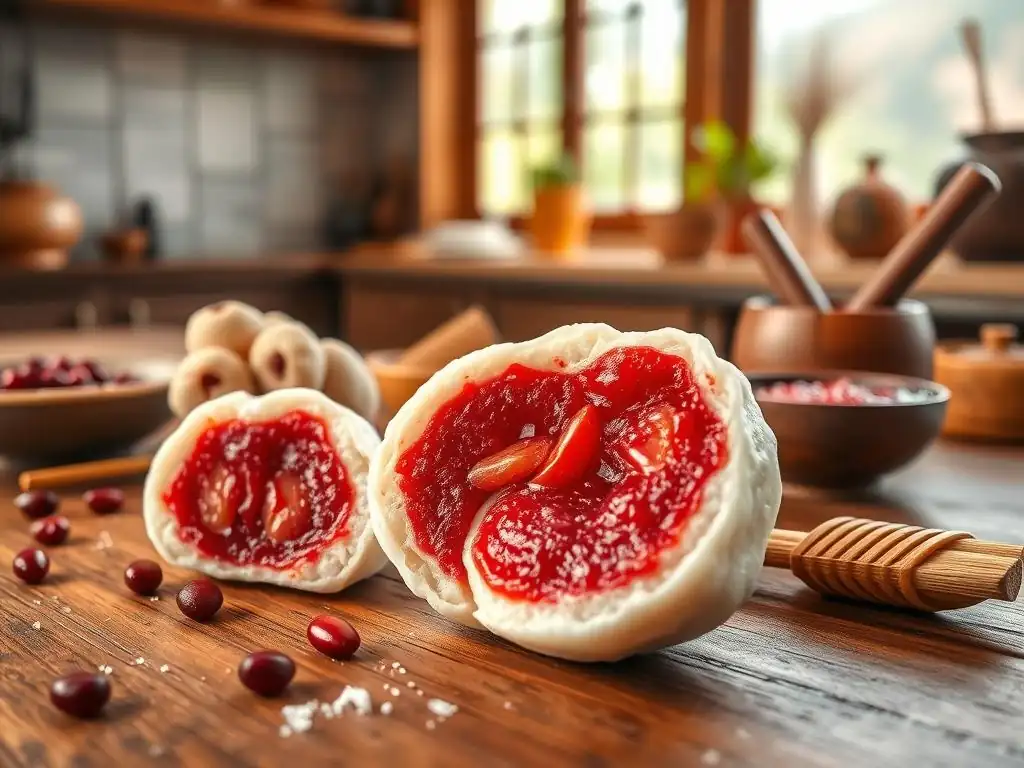
Anko, or red bean paste, is a sweet paste made from boiled adzuki beans, sugar, and often a pinch of salt. It's a fundamental ingredient in many East Asian sweets, particularly in Japan, China, and Korea. The adzuki bean itself is smaller and redder than the kidney beans you might be more familiar with, and it possesses a naturally slightly nutty flavor that pairs beautifully with sugar. The process typically involves boiling the beans until very soft, then mashing or pureeing them, and finally sweetening them to the desired level.
This paste serves a similar function to jams, custards, or fruit fillings in Western baking, providing sweetness and moisture to various confections. Its texture can range from smooth to chunky, depending on how the beans are processed. Historically, anko was sweetened with ingredients like honey or dried fruits before refined sugar became widely available, showcasing its long-standing place in culinary traditions. Understanding anko is the first step to mastering easy red bean paste desserts.
Types of Anko: Smooth vs. Chunky Red Bean Paste
There are primarily two main types of anko you'll encounter: koshi-an and tsubu-an. Koshi-an is the smooth version, where the bean skins are removed after boiling and the beans are sieved or pureed into a fine, velvety paste. This type offers a very consistent texture, making it ideal for fillings where a smooth mouthfeel is desired, such as inside mochi or delicate pastries. It's often perceived as more refined and requires more processing.
Tsubu-an, on the other hand, is chunky anko. Here, the beans are simply boiled and mashed, leaving the skins intact and some whole or partially mashed beans visible. This gives it a more rustic texture and a slightly more pronounced bean flavor. Many people prefer tsubu-an for its heartier feel and visual appeal, often using it in dorayaki (pancakes), anpan (sweet buns), or as a topping. Both types are used in easy red bean paste desserts, and your preference often comes down to the texture you enjoy most.
Where to Buy or How to Make Your Own Anko
For convenience, pre-made anko is widely available. You can typically find it in Asian grocery stores, often in cans or sealed pouches, in both smooth ( koshi-an) and chunky ( tsubu-an) varieties. Some larger supermarkets with international sections may also carry it. When buying, check the ingredients list for sugar content, as sweetness levels can vary significantly between brands. A standard 400g can is usually sufficient for several small batches of easy red bean paste desserts.
Making your own anko is also a rewarding process and allows you to control the sweetness and texture precisely. The basic method involves soaking adzuki beans (e.g., 250g) overnight, boiling them until very soft (this can take 1-2 hours, possibly requiring multiple water changes), draining, and then simmering them with sugar (start with 100-150g, adjusting to taste) until a thick paste forms. While it requires more time than buying, homemade anko often has a fresher flavor.
5 Easy Red Bean Paste Dessert Recipes for Beginners
Recipe 1: Simple Anko Mochi
Anko Mochi are delightful, chewy rice cakes filled with sweet red bean paste. While traditional mochi making can be complex, this simplified version uses readily available mochiko (glutinous rice flour) and a microwave for incredible ease. It's a fantastic entry point into easy red bean paste desserts that look impressive but are surprisingly quick to make. The soft, slightly sticky exterior combined with the sweet, smooth (or chunky!) anko filling is truly addictive.
This recipe focuses on creating small, bite-sized mochi, perfect for snacking or serving as mini-desserts. You'll find that the process takes less than 30 minutes from start to finish, making it an ideal spontaneous treat. We'll guide you through measuring, mixing, microwaving, and shaping, ensuring you achieve that perfect chewy texture without the traditional steaming or pounding methods. Get ready to enjoy these classic Japanese treats made simple.
Ingredients for Anko Mochi
- 100g mochiko (glutinous rice flour)
- 100g sugar
- 180ml water
- Cornstarch or potato starch (for dusting, generous amount)
- Approx. 150-200g prepared anko (smooth or chunky)
Step-by-Step Anko Mochi Instructions
- Combine mochiko and sugar in a microwave-safe bowl.
- Gradually whisk in the water until smooth; there should be no lumps.
- Cover the bowl loosely with plastic wrap (leave a small vent).
- Microwave on high for 2 minutes.
- Stir the mixture thoroughly with a wet spatula. It will be partially cooked and sticky.
- Re-cover and microwave for another 1-2 minutes, or until opaque and dough-like.
- Generously dust a clean surface or baking sheet with cornstarch/potato starch.
- Carefully transfer the hot mochi dough onto the starch.
- Dust the top of the dough and your hands generously with starch.
- Gently flatten the dough into a rectangle using your hands or a rolling pin (keeping it thick enough to hold filling).
- Cut the dough into squares, roughly 5x5 cm (you should get about 9-12 pieces).
- Place a small dollop (about 15-20g) of anko in the center of each square.
- Gently bring the corners of the dough up and pinch them together to seal the anko inside, forming a ball.
- Lightly dust the finished mochi with more starch to prevent sticking.
Anko Mochi Baking Tips & Variations
Working with hot mochi dough can be sticky! Keep your spatula, hands, and the work surface well-dusted with starch. Using a plastic dough scraper can also help handle the sticky dough. Don't overcook the mochi in the microwave; it should be opaque and slightly translucent when done, not hard. If it seems undercooked after the second microwave interval, give it another 30 seconds.
For variations, you can knead a small amount of matcha powder (about 1 tsp) into the dough with the water for green tea flavored mochi. A tiny drop of food coloring can also add visual appeal. Try filling some mochi with a small piece of fresh strawberry along with the anko for Ichigo Daifuku (strawberry mochi). These easy red bean paste desserts are best enjoyed fresh, as the mochi can harden over time.
Recipe 2: Quick Anko Pancakes (Dorayaki Style)
Dorayaki are iconic Japanese pancakes filled with anko, famously associated with the character Doraemon. Our quick version simplifies the process using a standard pancake batter base, making it one of the most approachable easy red bean paste desserts. These are perfect for breakfast, a snack, or dessert, offering a delightful combination of soft, slightly sweet pancakes and rich anko filling.
This recipe yields fluffy, golden-brown pancakes that are just right for sandwiching a generous layer of red bean paste. The batter comes together in minutes, and cooking them is just like making regular pancakes. The magic happens when you pair the warm, fresh pancakes with the sweet, creamy anko. It's comfort food with an Asian twist that's incredibly satisfying.
Dorayaki Ingredients for Home Bakers
- 150g all-purpose flour
- 1 tsp baking powder
- 50g sugar
- 2 large eggs
- Approx. 100-120ml milk or water
- 1 tbsp honey or maple syrup (optional, for flavor)
- Vegetable oil (for greasing the pan)
- Approx. 200-250g prepared anko (smooth or chunky)
How to Make Anko-Filled Pancakes
- In a bowl, whisk together the flour, baking powder, and sugar.
- In a separate bowl, whisk together the eggs, milk/water, and honey/maple syrup (if using).
- Pour the wet ingredients into the dry ingredients and whisk gently until just combined. A few small lumps are okay; do not overmix.
- Heat a non-stick frying pan or griddle over medium heat. Lightly grease with oil if needed, wiping off excess.
- Pour about 2-3 tablespoons of batter per pancake onto the hot pan, aiming for round shapes about 8-10 cm in diameter. Cook 2-3 pancakes at a time, depending on your pan size.
- Cook for 2-3 minutes per side, or until bubbles appear on the surface and the edges look set, then flip and cook for another 1-2 minutes until golden brown.
- Transfer cooked pancakes to a wire rack to cool slightly.
- Once cooled enough to handle, take two pancakes of similar size. Spread a generous amount of anko (about 2-3 tbsp) on the flat side of one pancake.
- Place the second pancake on top, flat side down, to form a sandwich. Gently press the edges together.
- Repeat with the remaining pancakes and anko.
Serving Suggestions for Anko Pancakes
Anko pancakes are best served warm or at room temperature. They make a delightful breakfast alongside a cup of tea or coffee. For a more decadent dessert, you could serve them with a small scoop of vanilla ice cream or a drizzle of maple syrup, although the anko provides plenty of sweetness. They are also quite portable once assembled, making them a great snack to pack.
You can easily adjust the size of the pancakes to make mini-dorayaki or larger ones. Experiment with the amount of anko filling to find your perfect ratio. While classic dorayaki uses tsubu-an (chunky anko), using koshi-an (smooth) is also delicious and creates a different texture experience. These easy red bean paste desserts are incredibly adaptable and fun to make with kids.
Recipe 3: No-Bake Anko Energy Balls
Looking for a healthy-ish treat that requires zero baking? These No-Bake Anko Energy Balls are the perfect solution. Combining the natural sweetness of anko with wholesome ingredients like oats and nuts, they offer a satisfying chewiness and sustained energy. They are incredibly quick to prepare, making them an ideal easy red bean paste dessert for busy days or as a post-workout snack.
This recipe is highly customizable, allowing you to add your favorite mix-ins for extra flavor and nutrition. They store well, making them great for meal prepping snacks for the week. The simple process involves just mixing and rolling, proving that you don't need an oven to create delicious and relatively healthy treats using red bean paste.
Healthy Anko Energy Ball Ingredients
- Approx. 150-200g prepared anko (any type)
- 100g rolled oats (not instant)
- 50g chopped nuts (almonds, walnuts, pecans, etc.) or seeds (chia, flax)
- 2 tbsp shredded coconut (optional)
- Pinch of salt
- Optional add-ins: mini chocolate chips, dried cranberries, a drizzle of honey/maple syrup (if anko isn't sweet enough)
- Coating options: more shredded coconut, sesame seeds, matcha powder, cocoa powder
Easy Instructions for No-Bake Anko Treats
- In a medium bowl, combine the anko, rolled oats, chopped nuts/seeds, shredded coconut (if using), and salt.
- Add any optional add-ins you like.
- Mix everything together thoroughly using a spoon or your hands until the mixture is well combined and holds together when squeezed. If it seems too dry, add a tiny splash of water or a drizzle of syrup. If too wet, add a little more oats.
- Prepare your coating ingredients on separate small plates or shallow bowls.
- Scoop out portions of the mixture (about 1-2 tablespoons) and roll them into balls between your palms.
- Roll each ball in your desired coating (coconut, sesame seeds, etc.) to cover the surface.
- Place the finished energy balls on a plate or container lined with parchment paper.
- Refrigerate for at least 30 minutes to allow them to firm up before serving.
Customizing Your Anko Energy Balls
The beauty of this recipe lies in its flexibility. Feel free to swap out the nuts for seeds if you have allergies, or use a mix of both. Add a tablespoon of cocoa powder to the mix for a chocolatey twist, or a teaspoon of matcha powder for a green tea flavor. Strikethrough You could also add protein powder for an extra boost, though this might affect texture.
These easy red bean paste desserts can be stored in an airtight container in the refrigerator for up to a week or frozen for longer storage (up to a month). Thaw them in the fridge before enjoying. They are perfect for portion control and make a great grab-and-go snack.
Recipe 4: Anko-Filled Sweet Buns (Simplified)

Anpan, or sweet buns filled with anko, are a staple in Japanese bakeries. While traditional bread making involves kneading and proofing, this simplified recipe uses a quicker dough method to make Anko-Filled Sweet Buns more accessible. It's a wonderfully satisfying project that results in soft, slightly sweet buns bursting with the classic red bean paste filling. This is a step up from no-bake, but still firmly in the realm of easy red bean paste desserts.
Our simplified dough requires minimal kneading and a single, relatively short proofing time, making it manageable for novice bread bakers. The result is a fluffy bun that perfectly complements the sweet, dense anko inside. Shaping the buns is also straightforward, and the aroma of them baking is simply irresistible.
Ingredients for Easy Anko Buns
- 250g all-purpose flour
- 1 tsp instant dry yeast
- 30g sugar
- 1/4 tsp salt
- 1 large egg, lightly beaten
- 100ml lukewarm milk
- 30g unsalted butter, melted and slightly cooled
- Approx. 250-300g prepared anko (preferably chunky, but smooth works too)
- Optional: Egg wash (1 egg yolk + 1 tbsp water) for brushing, sesame seeds for topping
Baking the Simplified Anko Buns
- In a large bowl, whisk together the flour, yeast, sugar, and salt.
- In a separate bowl, whisk together the beaten egg, lukewarm milk, and melted butter.
- Pour the wet ingredients into the dry ingredients and mix with a spoon or spatula until a shaggy dough forms.
- Turn the dough out onto a lightly floured surface and knead for about 5-7 minutes until it becomes relatively smooth and elastic. It might be slightly sticky.
- Place the dough in a lightly oiled bowl, cover with plastic wrap, and let it rise in a warm place for about 45-60 minutes, or until roughly doubled in size.
- Punch down the dough and divide it into 8 equal pieces (about 60-70g each). Roll each piece into a ball.
- Flatten each dough ball into a disc (about 10-12 cm diameter). Place about 30-35g of anko in the center of each disc.
- Gather the edges of the dough up and around the anko, pinching firmly to seal the filling inside. Place the buns seam-side down on a baking sheet lined with parchment paper.
- Gently flatten each bun slightly with the palm of your hand. You can optionally make a small indentation in the center with your finger or a chopstick.
- Cover the buns loosely with plastic wrap and let them rest for another 15-20 minutes while your oven preheats.
- Preheat your oven to 180°C (350°F).
- If using, brush the tops of the buns with egg wash and sprinkle with sesame seeds.
- Bake for 15-20 minutes, or until golden brown.
- Transfer to a wire rack to cool slightly before serving.
Tips for Perfect Anko Buns
Ensure your milk is lukewarm, not hot, to activate the yeast properly. Kneading is important but doesn't need to be extensive for this simplified recipe; just until the dough comes together smoothly is fine. Don't overfill the buns, or the anko might leak out during baking. About 30-35g per bun is a good amount for an easy red bean paste dessert bun.
For extra softness, you can add a tablespoon of milk powder to the dry ingredients. If you don't have instant yeast, you can use active dry yeast; just proof it in the lukewarm milk with a pinch of sugar for 5-10 minutes before adding to the dry ingredients. Enjoy these warm from the oven for the best experience!
Recipe 5: Anko Ice Cream Sandwiches
This recipe is arguably the easiest of the bunch, requiring zero baking skills whatsoever! Simply combine store-bought cookies and ice cream with anko for a refreshing and delightful treat. Anko Ice Cream Sandwiches are perfect for a hot day and allow the unique flavor of red bean paste to shine through alongside cold, creamy ice cream. This is the ultimate easy red bean paste dessert when you need something quick and satisfying.
The beauty of this recipe is its flexibility. You can choose your favorite cookies and ice cream flavors to pair with the anko, creating endless combinations. It's less about following strict steps and more about assembling delicious components. Kids and adults alike will love customizing and devouring these simple, frozen delights.
Quick Anko Ice Cream Sandwich Recipe
- Select your cookies (see tips below). You'll need two cookies per sandwich.
- Soften your preferred ice cream slightly in the freezer or at room temperature for a few minutes until it's scoopable but not melted.
- Take one cookie and spread a layer of anko (about 1-2 tablespoons) on the flat side.
- Place a scoop or slice of slightly softened ice cream on top of the anko.
- Place the second cookie on top, flat side down, and gently press to form a sandwich.
- Roll the edges of the sandwich in optional coatings like sprinkles or chopped nuts if desired.
- Wrap each sandwich individually in plastic wrap or parchment paper.
- Place the wrapped sandwiches back in the freezer for at least 30-60 minutes to firm up completely before serving.
Choosing Your Ice Cream for Anko Sandwiches
The best ice cream flavors to pair with anko are typically those that complement its sweet, earthy profile without overpowering it. Vanilla is a classic choice, offering a smooth, neutral base. Green tea (matcha) ice cream is another popular and complementary option, enhancing the Asian-inspired theme.
Other good choices include black sesame, coffee, or even a simple sweet cream flavor. Avoid overly strong or busy flavors like chocolate chip cookie dough or fruit sorbets, which might clash with the delicate taste of the red bean paste. Experiment with different pairings to find your favorite combination for these easy red bean paste desserts.
Assembling and Enjoying Your Anko Ice Cream Sandwiches
Any relatively flat, sturdy cookie can work. Classic options include digestive biscuits, shortbread cookies, or even larger butter cookies. You can also use homemade cookies if you prefer! Make sure your anko is at a spreadable consistency; if it's very firm, you can warm it slightly (just a few seconds in the microwave) to make it easier to spread.
These sandwiches are best enjoyed straight from the freezer once they've firmed up. They are a refreshing alternative to traditional ice cream sandwiches and a surprisingly elegant way to use anko. Prepare a batch ahead of time for an effortless dessert option when entertaining or simply for a personal treat.
Tips for Working with Red Bean Paste in Baking
Storing Anko Properly for Freshness
Proper storage is key to keeping your anko fresh and ready for your next baking project. Unopened store-bought anko can typically be stored at room temperature in a cool, dark pantry until its expiration date. Once opened, however, it becomes perishable.
Transfer any leftover anko from a can or pouch into an airtight container. It should be stored in the refrigerator and is best used within 7-10 days. For longer storage, anko freezes exceptionally well. Portion it into smaller containers or freezer bags (e.g., 100g or 200g portions) and freeze for up to 3-4 months. Thaw it in the refrigerator overnight before use. Always check for any off smells or visible mold before using stored anko.
Adjusting Sweetness Levels in Anko Recipes
Anko comes in varying degrees of sweetness depending on the brand or how it's made. Some commercial varieties can be quite sweet, while others are less so. This impacts the overall sweetness of your finished easy red bean paste desserts.
If you find your anko is very sweet, you might slightly reduce the amount of added sugar in the recipe's dough or batter, if any. Conversely, if your anko is less sweet, you can add a pinch more sugar to the main recipe component or even stir a teaspoon or two of sugar directly into the anko before using it as a filling. Tasting your anko before you start is a good practice to gauge its sweetness and make necessary adjustments to the recipe for perfect balance.
Creative Ways to Use Leftover Anko
Even after making a batch of easy red bean paste desserts, you might find yourself with a bit of anko left over. Don't let it go to waste! Anko is surprisingly versatile beyond traditional Asian sweets.
- Spread it on toast or crackers for a simple snack.
- Stir a spoonful into yogurt or oatmeal for added sweetness and texture.
- Use it as a filling for crepes or waffles.
- Blend it with milk or soy milk for a sweet, creamy drink.
- Add a dollop to the center of muffins or cupcakes before baking.
- Mix it into softened butter for a unique spread.
Mastering Asian-Inspired Desserts with Anko

Expanding Your Anko Dessert Repertoire
Once you've gotten comfortable with these easy red bean paste desserts, you might find yourself eager to explore more complex or traditional Asian-inspired baking. Anko is a cornerstone ingredient, appearing in everything from steamed buns (baozi) to layered pastries, jellies (yokan), and even incorporated into bread doughs.
Think about trying your hand at making your own dorayaki pancakes from scratch using a more traditional recipe, or attempting steamed mochi. You could also look into recipes for anko-filled puff pastry or mooncakes (though mooncakes can be quite involved!). Each new recipe offers a chance to deepen your understanding of this fascinating ingredient and the culinary traditions it belongs to.
BakeWithEase's Resources for More Asian Baking Recipes
BakeWithEase is dedicated to helping you explore a wide world of baking, including the rich traditions of Asian-inspired desserts. While this article focuses on easy red bean paste desserts, we offer a growing collection of recipes that delve into various Asian baking techniques and ingredients.
Whether you're interested in trying other Asian sweet pastes, working with rice flour in different ways, or exploring fermented doughs, our resources are here to guide you. Look for tutorials on ingredients like matcha, black sesame, and various flours, as well as recipes for things like green tea cookies, almond tofu, and more. We strive to break down these recipes into manageable steps, ensuring you have the confidence to try new things and expand your baking repertoire.
Conclusion: Your Journey into Easy Anko Baking Starts Now
Enjoy Delicious and Simple Red Bean Paste Desserts
You've now explored the delightful world of anko and discovered just how easy it is to incorporate into your home baking. From chewy mochi made in minutes to comforting pancake sandwiches and no-bake energy boosts, these easy red bean paste desserts are designed to be accessible and enjoyable for everyone. Red bean paste offers a unique, satisfying sweetness that provides a wonderful alternative to more common dessert fillings.
We hope this guide has inspired you to grab some anko and start creating! Don't be afraid to experiment with the recipes, adjusting them to your taste or trying out different variations. Baking, especially when it comes to exploring new ingredients like anko, should be a fun and rewarding process. So, preheat your oven, grab your ingredients, or simply head to the kitchen for a no-bake treat – your journey into delicious, simple red bean paste desserts begins right now.
Frequently Asked Questions
What exactly is red bean paste (anko), and is it difficult to make from scratch?
Anko, or red bean paste, is a sweetened bean paste made primarily from azuki beans. While you can make it from scratch, it requires time and patience; however, many pre-made options are readily available for convenience.
Are there any easy red bean paste desserts that don't require baking?
Yes, several! Consider making red bean paste mochi, red bean paste filled dorayaki (Japanese pancakes) using a simple batter, or even just spreading it on toast with butter for a quick and satisfying treat.
Can I substitute other types of beans for azuki beans when making red bean paste desserts?
While azuki beans are traditional, you could experiment with other beans, but the flavor and texture will be different. Mung bean paste is a popular alternative, but it has a lighter flavor profile.
How long does red bean paste last, and how should I store it?
Homemade red bean paste will last about a week in the refrigerator in an airtight container. Store-bought paste usually has a longer shelf life; check the expiration date. Freezing is also an option for extended storage.
What are some common mistakes to avoid when working with red bean paste in desserts?
One common mistake is using too much paste, which can make the dessert overly sweet. Also, ensure the paste is smooth and evenly distributed in your desserts. Finally, don't overcook desserts that contain red bean paste, as it can dry out.
Final Reflection: The Enduring Sweetness of Simple Pleasures
The accessibility of delicious food shouldn't be a luxury, and the joy found in creating it should be within everyone's reach. This article explored the surprisingly simple process of making red bean paste (anko), opening up a world of easy and delightful desserts for home cooks of all skill levels. We've seen how a few basic ingredients can transform into a versatile base for countless sweet treats, proving that culinary satisfaction doesn't require complicated techniques or expensive ingredients.
The enduring appeal of red bean paste, a staple in many Asian cultures, lies not just in its taste but in its ability to connect us to tradition and family. It's a taste of home, a reminder of simpler times, and a testament to the power of shared culinary experiences. Food is symbolic of love when words are inadequate.
- Alan D. Wolfelt. This quote perfectly encapsulates the emotional resonance that simple, homemade treats like those made with anko can hold. The process itself, from simmering the beans to the final sweet taste, becomes a meditative practice, a moment of mindful creation.
Now, I invite you to embrace the simplicity and explore the possibilities. Don't be intimidated by the seemingly endless array of dessert recipes; start with this foundational red bean paste and let your creativity guide you. Experiment with different fillings, toppings, and presentations. Share your creations with loved ones, and savor the sweet reward of a homemade treat. The journey of culinary exploration begins with a single, simple step – and in this case, that step is as sweet as red bean paste itself.
Unlock Your Inner Pastry Chef: Simple Anko Adventures Await!
Thanks for joining us on this delicious journey into the world of simple red bean paste desserts! We hope you’ve gained the confidence to create sweet treats that are both beautiful and unbelievably tasty. Now it's time to put your newfound skills to the test!
- Bake your first Anko masterpiece: Try one of the recipes from the article—or let your creativity run wild and experiment with your own unique variations! What flavors will you combine?
- Share your creations: Show off your Anko artistry on social media using #BakeWithEaseAnko and inspire others to get baking!
- Explore the world of Anko: Research other delicious red bean paste recipes and variations online – there’s a whole world of sweet possibilities waiting to be discovered!
Ready to unleash your inner pastry chef and share the joy of homemade Anko desserts? What’s your first Anko creation going to be?