
Why Adding Fat Won't Stop Crystallization (And What Will)

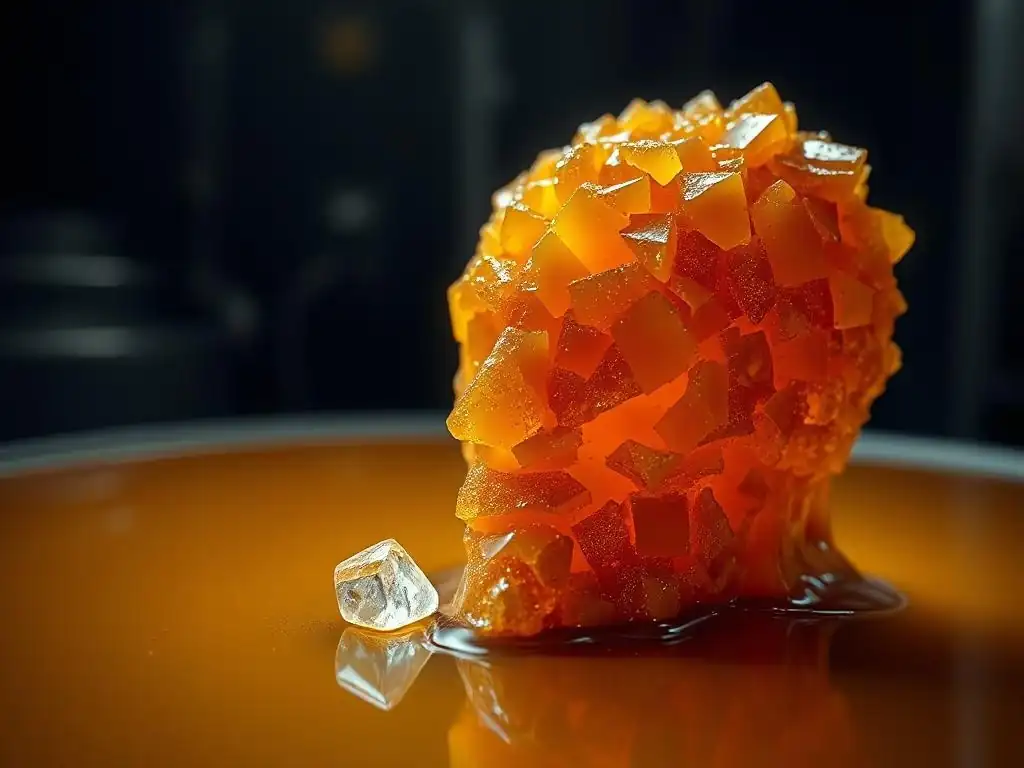
Welcome to BakeWithEase, your haven for conquering the kitchen and creating delightful baked goods! Ever wondered if fat truly prevents sugar crystallization in your sweets? This Baking Science Deep Dive might surprise you. Unravel the myths and master the science behind perfect textures with our comprehensive guide, and discover the real secret to smooth, crystal-free creations. Ready to bake with confidence? Let's get started!
- Understanding Sugar Crystallization in Baking
- The Myth of Fat as a Crystallization Inhibitor
- Effective Strategies to Prevent Sugar Crystallization
- Other Techniques for Preventing Unwanted Crystallization
- Troubleshooting Common Crystallization Issues
- Mastering Sugar Work: Achieving Smooth, Crystal-Free Results
-
Frequently Asked Questions
- Why does the article say fat won't prevent sugar crystallization, when I've heard it does?
- What are "interfering agents" mentioned in the article, and how do they help?
- If fat doesn't prevent crystallization, what does it contribute to in baked goods?
- What baking techniques are most effective at preventing sugar crystallization?
- Does the article suggest any specific recipes where preventing sugar crystallization is particularly important?
- Final Reflection: Beyond the Myth of Fat's Crystal-Fighting Power
- Unlock Your Baking Potential: Conquer Crystallization!
Understanding Sugar Crystallization in Baking
What is Sugar Crystallization and Why Does it Matter?
Sugar crystallization occurs when dissolved sucrose molecules in a syrup aggregate into solid crystals. This process is driven by supersaturation: once the solution cools or water evaporates, the concentration of sugar exceeds its solubility limit, prompting molecules to form an organized lattice. In candy-making, for instance, a syrup heated to 118 °C (the soft-ball stage) can quickly become supersaturated as it cools.
Understanding sugar crystallization is critical because it directly affects texture and appearance. A well-controlled crystallization yields smooth fudge or fondant, while uncontrolled crystal growth leads to grainy textures in caramels and syrups. Professional confectioners often measure percent solids—typically 82–85% sugar by weight—to predict crystallization behavior.
The Science Behind Sugar Crystal Formation
At the molecular level, sucrose molecules orient themselves into a repeating pattern, stabilized by hydrogen bonds. Nucleation—the initial formation of tiny crystal “seeds”—is the rate-determining step. Once nuclei form, growth accelerates as dissolved sugar molecules attach to existing crystal faces. Even microscopic dust or uneven heating can trigger unwanted nucleation sites.
Kinetics and thermodynamics both play roles. The supersaturation ratio (C_actual / C_equilibrium) dictates the driving force for crystallization. A ratio above 1.2 dramatically increases nucleation rates. Temperature gradients also matter: a uniform cooling from 118 °C down to 40 °C in 30 minutes helps limit spontaneous nuclei formation, whereas rapid or uneven cooling produces dozens of nucleation points.
Common Baking Problems Caused by Sugar Crystallization
- Grainy Fudge and Fondant
- Visible sugar granules ruin smooth textures.
- Crystallization can occur during mixing if agitation is too vigorous.
- Cloudy Candy Syrups
- Uneven crystals scatter light, leading to a hazy appearance.
- Often due to incomplete dissolution or contamination.
Beyond aesthetics, crystallization alters mouthfeel and melting properties. In layered desserts like dacquoise, an unintended sugar syrup that crystallizes on cooling can separate layers or cause filling to “weep.” Recognizing these issues early helps bakers troubleshoot and maintain product consistency.
The Myth of Fat as a Crystallization Inhibitor
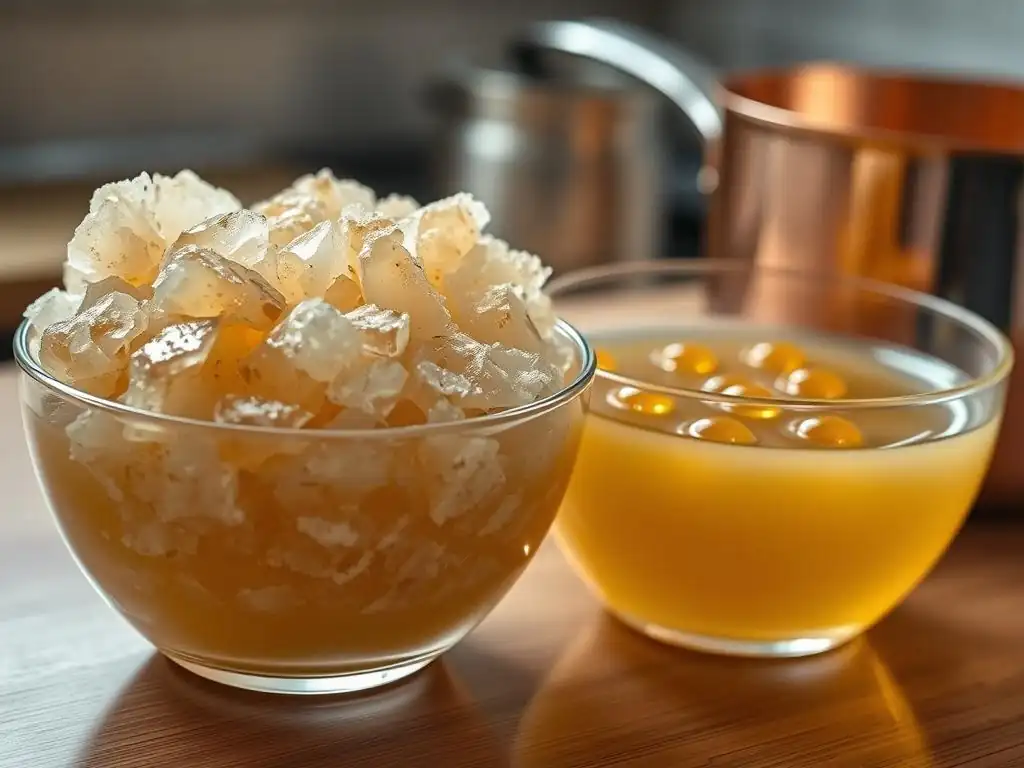
Why Fat Doesn't Prevent Sugar Crystals From Forming
Contrary to popular belief, adding fat—such as butter or oil—does not inhibit sugar crystallization. Fat droplets remain phase-separated in an aqueous sugar solution and cannot integrate into the sugar lattice. While fats can coat crystal surfaces, they don’t alter the chemical driving force for nucleation or growth.
Laboratory tests show that a 5% increase in butter content in caramel does not change the onset temperature for crystallization. The supersaturation ratio remains the key factor. Even emulsified fat, when homogenized at 10,000 psi, fails to disrupt the hydrogen-bond network of sucrose crystals.
The Role of Fat in Baking: Flavor, Texture, and Moisture
Fat excels in other roles:
- Flavor Enhancement: Fat-soluble flavor compounds bloom in butter, creating richness.
- Tenderness: Shortening and butter inhibit gluten formation by coating flour proteins.
- Moisture Retention: Lipids slow down moisture loss, extending shelf life.
In caramels, butter adds a glossy sheen and pliability, but the resinous mouthfeel is solely due to the fat phase. It’s a complementary texture enhancer, not a crystallization inhibitor.
Exploring the Misconception: Fat and Sugar Interactions
Bakers often assume that because fats and sugars both soften textures, they must interplay to stop crystals. However:
- Fat molecules are non-polar; sucrose is polar.
- No chemical affinity exists to integrate fats into sugar crystals.
“I always thought butter would keep my fudge smooth.”
– Common Novice Baker Misconception
The real control points are sugar type, concentration, temperature, and agitation—not fat content.
Effective Strategies to Prevent Sugar Crystallization
Controlling Sugar Concentration for Smooth Results
Maintaining the right sugar concentration is paramount. Professional candy chefs target:
- 82–84% sugar solids for fudge
- 90–92% sugar solids for hard candy
A refractometer can measure Brix (°Bx) to 0.1% precision. Over-dilution (<80% solids) promotes crystal growth upon cooling; over-concentration (>95%) yields glassy, brittle textures.
The Importance of Temperature Management
Precise temperature control minimizes uncontrolled nucleation:
# Example Soft-Ball Stage Candy Cooking
heat_sugar_syrup() {
  target=118  # degrees Celsius
  while [ $(read_temp) -lt $target ]; do
    continue_heating
  done
  remove_from_heat
}
- Uniform Heating: Use a heavy-bottomed saucepan.
- Even Cooling: Transfer to an ice bath if needed, but stir gently.
Temperature overshoot by 2 °C can swing a batch from soft-ball to firm-ball, altering crystallization kinetics drastically.
Agitation and Its Impact on Crystal Growth
Agitation influences both nucleation and growth rates:
- Early-Stage Rest: Allow the syrup to sit undisturbed for 2–3 minutes after reaching target temperature.
- Controlled Stirring: Once agitation begins, maintain a steady, slow stir rate (~30 strokes/min) with a heat-resistant spatula.
Too vigorous stirring (>60 strokes/min) introduces air bubbles and new nucleation sites. Under-stirring leaves uneven temperature zones, also triggering crystals.
Adding Invert Sugars: A Powerful Crystallization Inhibitor
What are Invert Sugars and How Do They Work?
Invert sugars—glucose and fructose—are created by hydrolyzing sucrose. They interrupt sucrose molecules’ tendency to align, lowering the overall saturation point and slowing down nucleation rates.
In candy parlance, adding 5–10% invert sugar reduces the crystallization rate by up to 60%, yielding extra-smooth caramels and fondants.
Examples of Invert Sugars
- Corn Syrup (light): ~24% glucose, 76% maltose & higher oligosaccharides
- Honey: ~38% fructose, 31% glucose
- Golden Syrup: ~20% invert sugar concentration
These can be used interchangeably, but each contributes unique flavor notes (e.g., honey’s floral undertones).
How to Use Invert Sugars Effectively
- Calculate 5–10% of total sugar weight.
- Replace that portion of sucrose with chosen invert sugar.
- Adjust cooking temperature by +1 °C to compensate for altered boiling point.
For example, in a 1 kg batch of fondant, use 900 g table sugar + 100 g corn syrup. Heat to 119 °C instead of 118 °C.
Other Techniques for Preventing Unwanted Crystallization
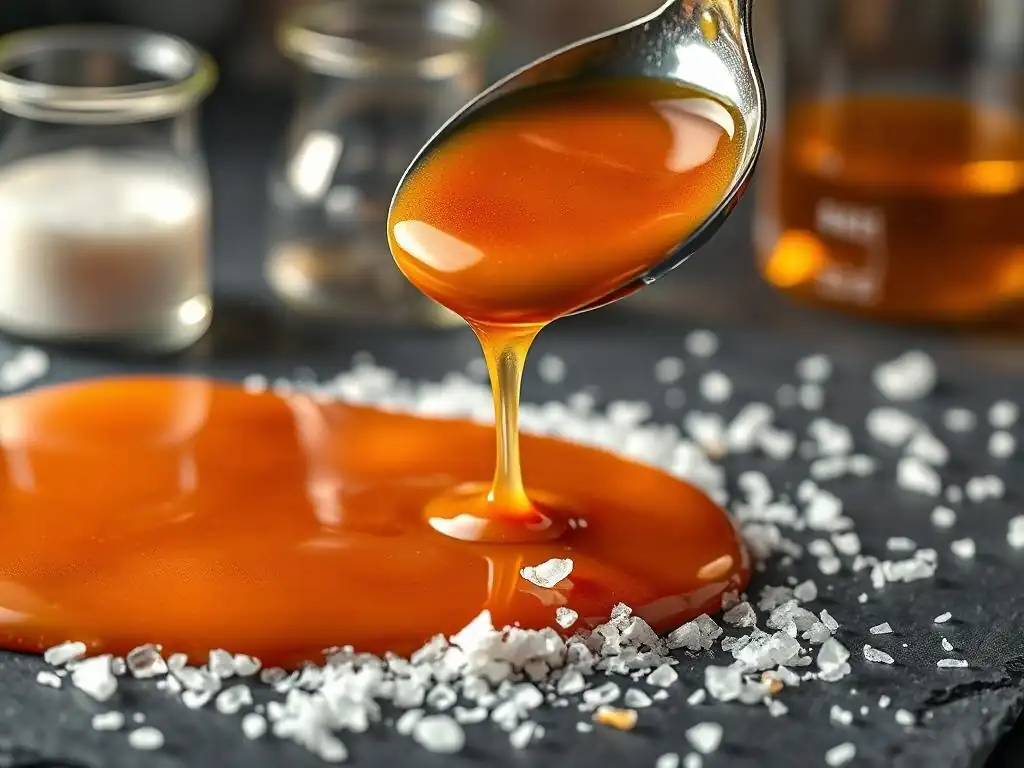
Using Acid
Acids like lemon juice or cream of tartar catalyze sucrose inversion:
- Add 0.1% citric acid by weight.
- Heat to 110 °C, hold for 2 minutes to promote hydrolysis.
This method yields homemade invert sugar without external syrups. The trade-off: acidic notes might alter flavor profiles subtly.
Achieving the Right Consistency
Consistency checks prevent oversaturation:
- Drop Test: A small syrup drop in cold water should form a pliable ball (soft-ball stage).
- Refractometer: Aim for specific Brix values (e.g., 85 °Bx for soft crack).
Regular monitoring ensures you stop heating at the proper molecular arrangement stage.
Seed Crystals: Friend or Foe?
Seed crystals are doublesided:
- Friend: Used in fondant-making to standardize crystal size.
- Foe: Unwanted stray crystals ruin texture.
To harness them, introduce a known quantity (0.5% by weight) of finely powdered sugar, then stir gently for uniform seed dispersion.
Troubleshooting Common Crystallization Issues
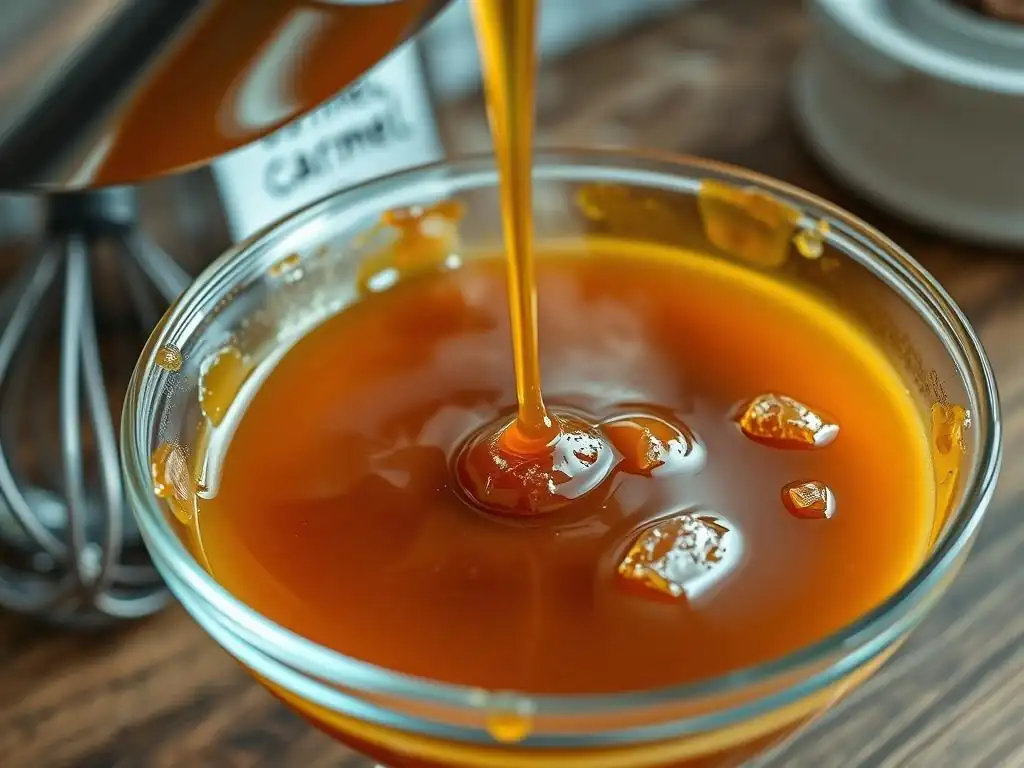
My Sugar is Crystallizing: What Went Wrong?
Common culprits include:
- Contamination: Even a stray grain of sugar initiates nucleation.
- Rapid Cooling: Sudden temperature drop spikes supersaturation.
- Incorrect Concentration: Exceeding 95% solids makes the mix glassy, then cracks into crystals.
Review each factor— concentration, temperature, agitation, and impurities—to isolate the failure point.
Identifying the Cause of Crystallization Problems
Use this checklist:
- [ ] Did you measure Brix?
- [ ] Was temperature monitored with a calibrated thermometer?
- [ ] Did you stir too vigorously or too late?
- [ ] Was the syrup free from debris and dust?
A systematic approach will reveal the precise misstep.
Practical Solutions for Rescuing Crystallized Sugar Mixtures
- Reheat and Re-invert: Add 2 tablespoons of water and 1 teaspoon cream of tartar per 500 g syrup, heat to 115 °C, then cool under controlled agitation.
- Blend in Invert Sugar: Stir in 5% corn syrup by weight, reheat to dissolve crystals, then reset your cooling protocol.
These fixes can restore smoothness in 80% of cases if applied promptly.
Mastering Sugar Work: Achieving Smooth, Crystal-Free Results
Best Practices for Baking Success
- Create a dedicated candy station: clean, dust-free, with all tools at hand.
- Standardize measurements: use digital scales accurate to 0.1 g.
- Maintain consistent heat sources: avoid hot spots by using heavy-duty cookware.
Task List for Consistency
- [ ] Calibrate thermometer weekly
- [ ] Sift any dry ingredients before mixing
- [ ] Label batches with date, recipe, and any deviations
Advanced Techniques for Sugar Decoration
Skilled sugar artists employ:
- Pulled Sugar: Achieved at 150 °C, requiring immediate manipulation.
- Blown Sugar: Inflating a hot sugar bubble with a straw, similar to glassblowing.
- Isomalt Usage: An alternative to sucrose; less hygroscopic, slower to crystalize.
Mastery of these methods ensures that your sugar work remains spectacularly smooth, glossy, and crystal-free—an ideal complement to BakeWithEase’s commitment to baking science deep dives.
Frequently Asked Questions
Why does the article say fat won't prevent sugar crystallization, when I've heard it does?
The article clarifies that while fat can influence texture, it doesn't directly prevent sugar crystallization. Other factors like temperature control and the presence of interfering agents are more crucial.
What are "interfering agents" mentioned in the article, and how do they help?
Interfering agents are substances like corn syrup or lemon juice that disrupt the sugar molecules' ability to form large crystals. They create a smoother, less grainy texture by preventing crystallization.
If fat doesn't prevent crystallization, what does it contribute to in baked goods?
Fat contributes to tenderness, moisture, and flavor in baked goods. While it doesn't stop sugar crystals, it can mask their presence by creating a richer mouthfeel.
What baking techniques are most effective at preventing sugar crystallization?
The most effective techniques involve carefully controlling the cooking temperature and ensuring the sugar is fully dissolved. Adding interfering agents also helps prevent large crystals.
Does the article suggest any specific recipes where preventing sugar crystallization is particularly important?
While the article doesn't name specific recipes, it implies that recipes for candies, caramels, and smooth icings are situations where preventing sugar crystallization is crucial for desired results.
Final Reflection: Beyond the Myth of Fat's Crystal-Fighting Power
The pervasive belief that adding fat prevents sugar crystallization is a misconception that continues to hinder both amateur and professional bakers. Understanding the true science behind sugar crystallization is crucial, not just for achieving perfectly smooth textures, but for unlocking a deeper appreciation of the delicate balance within culinary creations. This knowledge empowers us to move beyond simple fixes and embrace a more nuanced approach to confectionery.
This exploration into the complexities of sugar crystallization has profoundly impacted my own baking practices. I've learned to appreciate the subtle interplay of ingredients and techniques, moving away from relying on fat as a crutch and instead focusing on mastering the fundamental principles of supersaturation and nucleation. The greatest discoveries are often made by those who dare to question established truths.
This quote resonates deeply, as challenging the common wisdom surrounding fat and crystallization has opened up a world of possibilities in my kitchen.
Now, it's your turn to experiment. Don't just accept the limitations of outdated methods. Embrace the science behind sugar crystallization, explore the various techniques discussed in this article, and discover the joy of creating perfectly smooth, crystal-free confections. The journey of mastering this culinary art is a rewarding one, filled with delicious discoveries and the satisfaction of understanding the "why" behind the "how." Let your creations reflect this newfound knowledge, and share your successes – and challenges – with others.
Unlock Your Baking Potential: Conquer Crystallization!
Thanks for diving into the world of smooth, delicious treats! You now understand the science behind preventing crystallization – a game-changer for your baking adventures. Ready to put your newfound knowledge into practice?
- Master the art of tempering: Try our foolproof tempering method – it's easier than you think! We guarantee you'll see a noticeable difference in your next chocolate creation.
- Share your triumphs (and challenges!): Post pictures of your perfectly smooth chocolate creations on social media using #BakeWithEaseNoCrystals – we'd love to see them!
- Explore our other resources: Discover more baking tips and tricks on our blog – we’ve got plenty of secrets to share!
What's your biggest chocolate-making challenge, and how will you conquer it using these techniques?