
Explore Regional Italian Focaccia: Beyond the Classic

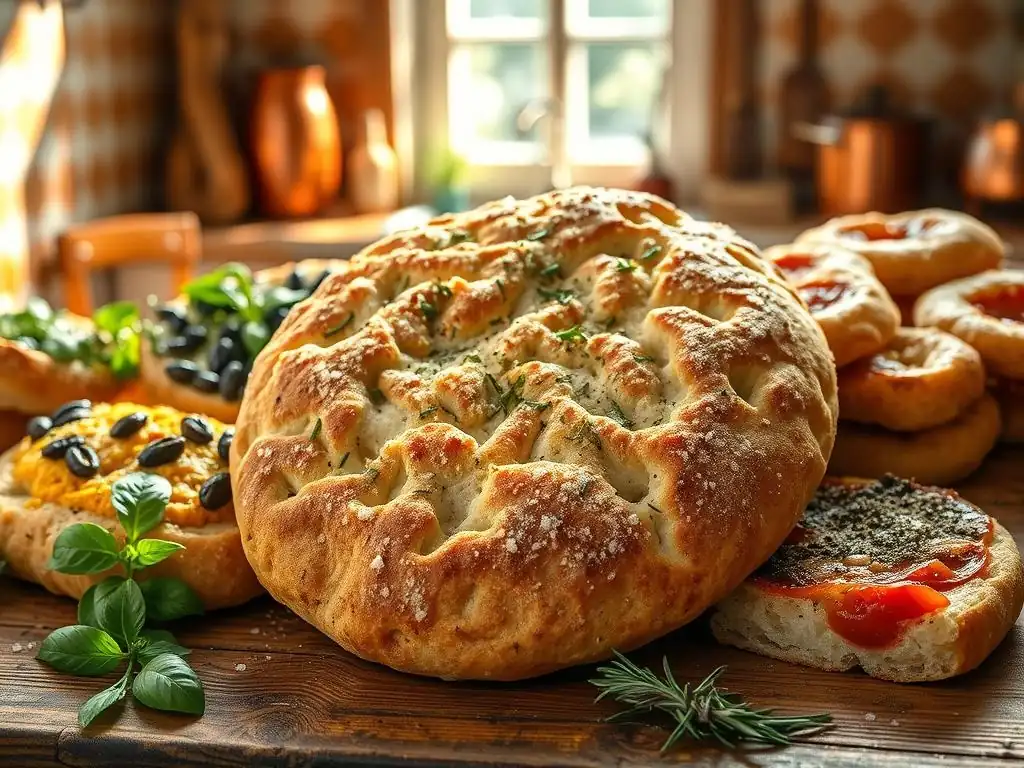
Welcome to BakeWithEase, where baking becomes a delightful journey! Ever wondered how to bring the authentic taste of Italy to your kitchen? Dive into our collection of Easy Italian Focaccia Recipes and discover regional variations that go far beyond the classic. Prepare to unlock the secrets of fluffy, flavorful focaccia, one delicious bake at a time. What will your next focaccia masterpiece be?
- Discovering the Diverse World of Italian Focaccia
- Understanding the Fundamentals of Focaccia Baking
- Regional Variations of Focaccia: A Culinary Journey
- Easy Italian Focaccia Recipes: Adapting Regional Styles at Home
- Baking the Perfect Focaccia: Expert Tips and Techniques
- Serving and Enjoying Your Homemade Focaccia
-
Frequently Asked Questions
- What exactly is focaccia, and how is it different from other breads?
- What are some regional variations of Italian focaccia mentioned in the article?
- Are "easy Italian focaccia recipes" suitable for beginner bakers?
- What kind of toppings can I add to my focaccia besides olive oil and herbs?
- How can I ensure my focaccia has a light and airy texture?
- Final Reflection: The Enduring Allure of Focaccia
- Unleash Your Inner Focaccia Maestro!
Discovering the Diverse World of Italian Focaccia
Focaccia, a beloved Italian flatbread, might seem simple at first glance – flour, water, yeast, salt, and olive oil. Yet, this humble combination gives rise to a surprising array of regional variations across Italy, each reflecting local ingredients, traditions, and culinary preferences. From the moist, dimpled loaves of Liguria to the tomato-studded rounds of Puglia, exploring Italian focaccia is a delicious journey through the country's diverse gastronomic landscape. It's more than just bread; it's a canvas for flavor, a staple snack, and often, the perfect accompaniment to a meal.
While the basic components remain consistent, the nuances in technique, hydration levels, proofing times, and the generous use of olive oil contribute significantly to the final texture and taste of each regional style. Understanding these variations not only enriches your appreciation for Italian baking but also opens up a world of possibilities for creating your own easy Italian focaccia recipes right in your kitchen. Whether you're a beginner baker or looking to expand your repertoire, diving into the world of regional focaccia offers rewarding experiences and incredibly tasty results.
Understanding the Fundamentals of Focaccia Baking
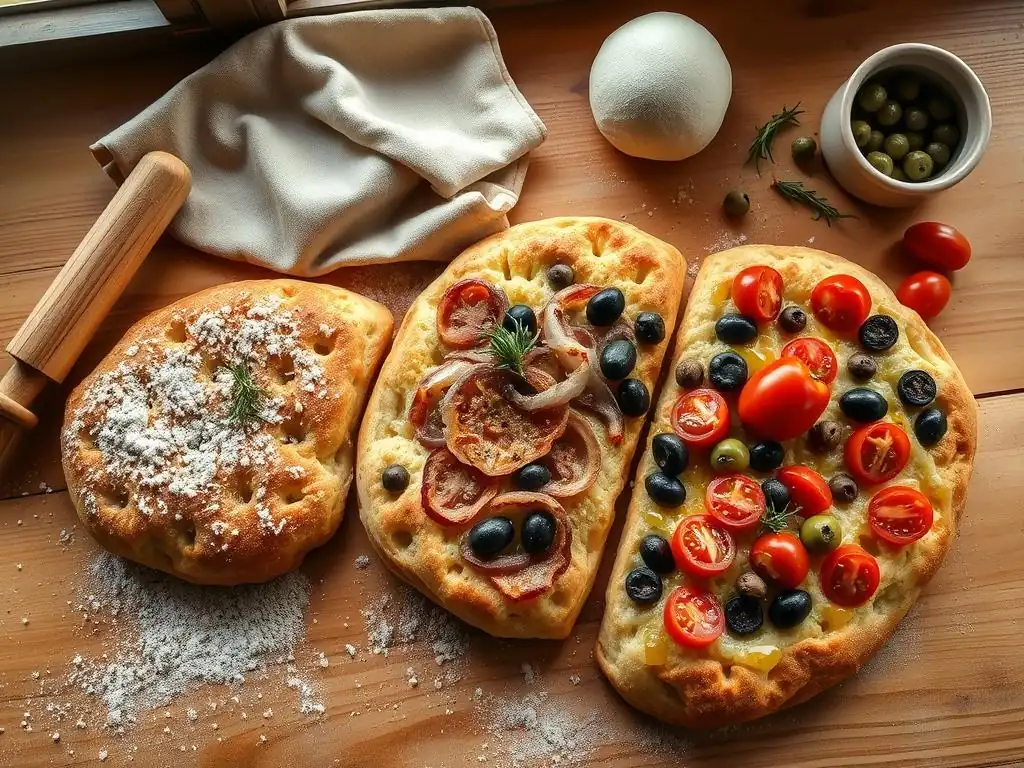
Focaccia baking, while seemingly straightforward, relies on mastering a few fundamental principles that differentiate it from other bread types. The high hydration of the dough, the liberal application of olive oil, and the specific proofing and baking techniques are key to achieving that signature light, airy interior and wonderfully crisp, golden crust. Grasping these basics is the first step towards successfully recreating authentic regional styles or developing your own easy Italian focaccia recipes.
Success in focaccia baking often comes down to patience and attention to detail. Allowing sufficient time for fermentation develops flavor and improves the dough's structure, leading to a lighter texture. The generous use of good quality extra virgin olive oil is non-negotiable; it not only adds richness and flavor but also contributes to the crust's texture and prevents the dough from sticking. Learning to read the dough – understanding its texture, how it responds to kneading (or lack thereof), and when it's properly proofed – is a skill that develops with practice and is crucial for consistent results.
Key Ingredients for Authentic Focaccia
The core ingredients for focaccia are simple: flour, water, yeast, salt, and olive oil. However, the type and quality of these ingredients make a significant difference. Typically, a strong bread flour (high protein content, around 12-14%) is preferred for its ability to develop gluten, which provides structure to the often wet dough.
Some regional variations, like Focaccia Barese, famously incorporate durum wheat semolina flour, adding a unique texture and slightly nutty flavor. The hydration level (water weight relative to flour weight) is usually high, often ranging from 70% to 85%, resulting in a very wet, sometimes sticky, dough that contributes to the open, airy crumb structure.
High-quality extra virgin olive oil is perhaps the most critical ingredient after the flour. It's used generously in the dough, for coating the pan, for dimpling the top before baking, and sometimes even drizzled over the finished focaccia. The flavor of the olive oil permeates the bread, so choose one you genuinely enjoy. Yeast can be active dry, instant, or fresh; the key is ensuring it's active and gives the dough proper leavening time. Salt not only adds flavor but also controls fermentation; a typical ratio is around 1.8% to 2.2% of the flour weight.
Essential Focaccia Baking Tools and Equipment
While you don't need a professional bakery setup, a few essential tools will make baking focaccia much easier and more successful. A sturdy mixing bowl, large enough to accommodate the dough as it doubles or triples in size during proofing, is fundamental. Accurate measuring tools, especially a digital kitchen scale to weigh ingredients precisely (particularly flour and water for consistent hydration), are highly recommended. Dough scrapers are invaluable for handling sticky, high-hydration doughs and cleaning work surfaces.
A baking pan is crucial, and the size and type will influence the focaccia's thickness and crust. A rectangular or square metal pan, typically 9x13 inches or a half-sheet pan (13x18 inches), is common. Deeper pans, like a 9x13 inch cake pan with sides around 2-3 inches high, are excellent for thicker focaccia styles like Genovese or Barese, allowing the dough to rise significantly. Using parchment paper to line the pan makes removal easy and prevents sticking, though a very well-oiled pan can also work. A warm spot for proofing, free from drafts, is also important for dough development.
Mastering the Basic Focaccia Dough Recipe
Mastering a basic focaccia dough recipe involves understanding the process from mixing to the first proof. Start by combining the water, yeast, and a pinch of sugar (optional, to help activate the yeast). In a separate bowl, mix the flour and salt. Once the yeast is bubbly (if using active dry), add it to the flour mixture along with a generous amount of olive oil – perhaps 2-3 tablespoons for a recipe using 500g of flour. Mix until just combined; the dough will be shaggy and wet.
Kneading focaccia dough is often minimal, especially for high-hydration versions. Many recipes employ a "stretch and fold" technique over a period of 1-2 hours, performed every 20-30 minutes. This gentle method develops gluten structure without vigorous kneading, resulting in a more tender crumb.
After the stretching and folding, the dough undergoes its first proof (bulk fermentation), typically in a well-oiled bowl covered tightly. This can take anywhere from 1.5 to 4 hours at room temperature, or significantly longer in the refrigerator (12-24 hours) for enhanced flavor development. The dough should at least double in size and become bubbly and airy.
Regional Variations of Focaccia: A Culinary Journey
Italy's culinary landscape is wonderfully fragmented, and its focaccia reflects this regional diversity. While a basic focaccia exists, specific styles have become iconic representatives of their origin provinces. Exploring these variations offers a true taste of Italy's local flavors and traditions. From the Ligurian coast to the southern plains of Puglia and the central hills of Tuscany, each region puts its unique stamp on this versatile flatbread, creating distinct textures, flavors, and uses.
Understanding these regional differences goes beyond just ingredients; it involves variations in dough hydration, proofing times, pan preparation, and baking temperatures. Some regions favor a thick, pillow-like texture, while others prefer a thin, crisp crust. Toppings range from simple coarse salt and olive oil to fresh vegetables, herbs, and even sweet additions. Diving into these styles is not just about learning new easy Italian focaccia recipes; it's about appreciating the history and culture baked into each loaf.
Focaccia Genovese: The Ligurian Classic
Focaccia Genovese is arguably the most famous Italian focaccia globally, hailing from Genoa in the Liguria region. It's characterized by its relatively thick profile (often 1-2 cm high), a wonderfully moist and airy interior riddled with large air pockets, and a slightly crisp bottom crust generously coated in olive oil. The top surface is marked by distinctive dimples, created by pressing fingers into the dough just before baking, which capture pools of olive oil and coarse sea salt, resulting in pockets of intense flavor.
This focaccia is traditionally eaten plain, often for breakfast dipped in coffee or cappuccino (a local custom that might surprise outsiders! ), or as a mid-morning snack (merenda). Its rich flavor, derived from good quality extra virgin olive oil and sea salt, makes it satisfying on its own. The high hydration dough, typically around 75-85%, contributes to its characteristic airy texture. Baking is usually done in a hot oven, often starting with high heat to set the crust before slightly reducing the temperature to cook the interior through.
Characteristics of Focaccia Genovese
The defining features of Focaccia Genovese include its specific thickness, the presence of numerous, deep dimples across the surface, and the abundant use of olive oil both in and on the dough. The crumb is exceptionally open, with irregular, large holes, indicative of a high-hydration dough that has been handled gently to preserve air pockets.
The crust is relatively thin on top but can be quite substantial and crisp on the bottom due to the oil-lined pan. The flavor is predominantly savory, driven by the quality of the olive oil and the sharpness of the coarse salt sprinkled into the dimples.
Authentic Focaccia Genovese achieves a balance between a chewy interior and a crisp exterior. The dimpling process is crucial; it prevents the dough from rising too much like a loaf of bread and creates reservoirs for the olive oil and salt, which caramelize slightly during baking, enhancing the flavor. Some traditional recipes might include a small amount of lard in the dough or pan for added tenderness and crispness, though olive oil is the primary fat. The taste should be clean and distinctly of good olive oil and sea salt.
Tips for Achieving the Perfect Focaccia Genovese Texture
To achieve the characteristic airy and moist texture of Focaccia Genovese, several techniques are key. First, use a high-hydration dough (75% water to flour or more) and handle it gently. Avoid excessive kneading; instead, use stretch and fold techniques during the initial proofing period. This develops gluten while preserving the delicate air bubbles. Second, allow ample time for the first proof (bulk fermentation), ideally several hours at room temperature or even longer in the refrigerator, which develops flavor and makes the dough easier to handle.
The second proof, after the dough is transferred and spread into the oiled pan, is also vital. Let the dough relax and rise in the pan for 30-60 minutes or until puffy. Before baking, generously coat the surface with olive oil and create deep dimples with your fingertips, ensuring they go almost all the way down to the bottom of the pan.
Pour additional olive oil and sprinkle coarse sea salt over the dimpled surface. Bake in a hot oven (around 220-240°C or 425-475°F) until golden brown. The high heat helps create a crispy base while the interior stays soft.
Focaccia Barese: A Puglian Delight
From the sun-drenched region of Puglia in southern Italy comes Focaccia Barese, a thick, soft, and incredibly flavorful focaccia distinct from its northern cousin. Originating from Bari, the capital of Puglia, this focaccia is instantly recognizable by the fresh ingredients often pressed into its surface before baking, most notably cherry tomatoes and olives. It's a staple snack and street food throughout the region, enjoyed warm from the bakeries.
Focaccia Barese typically incorporates durum wheat semolina flour alongside regular bread flour, which contributes to its unique texture – slightly coarser and chewier than Focaccia Genovese, yet still soft and moist inside. The dough is often enriched with mashed potato or boiled potato water, adding to its tenderness and keeping qualities. Generous amounts of olive oil are used, both in the dough and to coat the pan, ensuring a rich flavor and a crisp bottom crust.
The Unique Flavors of Focaccia Barese
The flavor profile of Focaccia Barese is a delightful combination of the rich, slightly nutty taste of durum wheat semolina, the sweetness of fresh cherry tomatoes that burst and caramelize during baking, the briny notes of olives (often local varieties like Bari olives), and the pervasive aroma of Puglian extra virgin olive oil. Oregano is a common herb sprinkled over the top, adding an aromatic, slightly peppery note that complements the other ingredients beautifully.
Unlike the relatively plain Focaccia Genovese, the toppings are integral to the identity of Focaccia Barese. The cherry tomatoes are typically halved or quartered and pressed cut-side up into the dough's surface, allowing their juices to seep into the bread as it bakes. Olives, often whole with the pit still in (a sign of authenticity! ), are also pressed in. The result is a focaccia that is moist, savory, and bursting with the fresh flavors of Puglia.
Semolina Flour and Fresh Tomatoes: Key to Focaccia Barese
The use of durum wheat semolina flour is a defining characteristic of Focaccia Barese. When combined with bread flour, it imparts a slightly different texture compared to focaccia made solely with soft wheat flour – it's often described as having a pleasant chewiness and a more rustic feel. The semolina also absorbs moisture differently, contributing to the focaccia's moist crumb. The proportion of semolina to bread flour varies, but it's typically a significant percentage, sometimes up to 30-50% of the total flour weight.
Fresh cherry tomatoes and olives are non-negotiable toppings for authentic Focaccia Barese. The tomatoes aren't just placed on top; they are pressed into the dough, sometimes quite firmly, so they sit partially submerged. This ensures they stay in place and that their juices infuse the surrounding bread as they cook. The heat of the oven causes the tomatoes to soften and their sugars to concentrate, adding pockets of sweet and tangy flavor. Olives provide bursts of salty, briny contrast, making each bite a complex experience.
Focaccia Toscana: Simple and Savory
Moving to Central Italy, Focaccia Toscana, or Schiacciata (meaning "squashed" or "flattened"), is a much simpler and often thinner variation compared to its northern and southern counterparts. Hailing from Tuscany, this focaccia reflects the region's emphasis on high-quality, straightforward ingredients. It's typically less airy and more compact than Focaccia Genovese, with a focus on a crisp crust and a savory, slightly salty flavor profile.
Schiacciata is traditionally baked on a flat sheet pan, often without the deep sides used for thicker focaccia. This contributes to its thinner profile, usually less than 1 cm high. While some versions are plain with just olive oil and salt, others might incorporate lard in the dough or pan for extra crispness and richness. The key is simplicity and allowing the quality of the flour and olive oil to shine through. It's a versatile bread, perfect for slicing horizontally and filling, or simply enjoyed torn into pieces.
How Tuscan Focaccia Differs from Other Regions
The primary difference between Focaccia Toscana (Schiacciata) and styles like Genovese or Barese lies in its thickness and texture. It is significantly thinner and tends to have a more uniform, less open crumb structure. While it still uses olive oil generously, the dimpling is often less pronounced, or sometimes absent altogether, as the goal isn't to create deep pools of oil but rather a general distribution over the thinner surface. The crust is a key feature – it should be notably crisp, almost cracker-like in some areas, providing a satisfying contrast to the slightly chewy interior.
Ingredient-wise, Tuscan focaccia often relies on standard bread flour and high-quality local olive oil. It typically doesn't include additions like semolina or potato found in Focaccia Barese. The focus is on achieving a good balance of saltiness and the pure flavor of the olive oil. Its simplicity makes it a versatile base, often used for sandwiches (schiacciata farcita) or served alongside cured meats and cheeses, reflecting Tuscany's culinary traditions.
Pairing Suggestions for Tuscan Focaccia
Due to its simple, savory profile and often thinner, crispier texture, Tuscan Focaccia (Schiacciata) is an excellent accompaniment to a wide range of foods. It pairs beautifully with the classic Tuscan antipasti: cured meats like Prosciutto Toscano, Finocchiona (fennel salami), and Salame Toscano, as well as regional cheeses such as Pecorino Toscano. The saltiness of the focaccia complements the richness of the meats and cheeses.
It's also perfect for making sandwiches. Schiacciata can be sliced horizontally and filled with various ingredients – think prosciutto and mozzarella, grilled vegetables, or even simple tomato and basil. Its sturdy yet slightly yielding texture holds up well to fillings. Alternatively, serve it alongside soups, stews, or salads to soak up delicious sauces and dressings. Its straightforward flavor doesn't overpower other dishes, making it a versatile bread for many meals.
Focaccia Veneta: Sweet and Savory Options
Venturing into the Veneto region in northeastern Italy reveals Focaccia Veneta, which presents a fascinating deviation from the typical savory profile. While savory versions exist, Veneto is known for its focaccia dolce, a sweet variant often baked during Easter, resembling more of a brioche or sweet bread than a traditional focaccia. This highlights the regional diversity and how the term "focaccia" can encompass a broader category of flat or slightly raised breads.
The savory versions of Focaccia Veneta are less universally known than Genovese or Barese but share similarities with other northern Italian styles. They are typically made with wheat flour, yeast, water, salt, and olive oil. However, some traditional Venetian savory focaccia incorporates specific local ingredients like onions and sometimes anchovies, creating a distinctly regional flavor combination. These savory types are often enjoyed as a snack or alongside meals.
Exploring the Sweet Variations of Venetian Focaccia
Focaccia Dolce, the sweet Venetian focaccia, is a rich, leavened bread often studded with candied fruits, raisins, or flavored with citrus zest. It's made with a dough enriched with eggs, butter, and sugar, akin to panettone or pandoro but typically flatter and baked in a round shape. This sweet bread is a traditional part of Easter celebrations in the Veneto, enjoyed for breakfast or as a dessert.
The texture of Focaccia Dolce is soft, tender, and cake-like rather than airy and open like savory focaccia. It's often topped with a simple glaze or sprinkled with sugar or almonds before baking. This sweet interpretation demonstrates how regional traditions can adapt a basic bread form into something entirely different, serving a specific cultural or celebratory purpose. While not an "easy Italian focaccia recipe" in the savory sense, it's a fascinating regional variant.
Focaccia with Onions and Anchovies: A Savory Venetian Delight
Among the savory Focaccia Veneta variations, one notable combination involves caramelized onions and anchovies. This topping creates a pungent, savory, and slightly sweet flavor profile that is characteristic of some Venetian coastal or lagoon area cuisine, where seafood and onions feature prominently. The onions are typically sliced thinly and slow-cooked until sweet and caramelized before being scattered over the focaccia dough.
Small pieces of anchovy fillets are then distributed among the onions. As the focaccia bakes, the anchovies dissolve slightly into the olive oil and onion mixture, infusing the bread with their intense, salty, umami flavor. This topping transforms the simple bread base into a rich, flavorful dish, often served as an appetizer or part of a cicchetti (Venetian tapas) spread. It's a bolder flavor profile than the simpler olive oil and salt toppings found elsewhere.
Easy Italian Focaccia Recipes: Adapting Regional Styles at Home
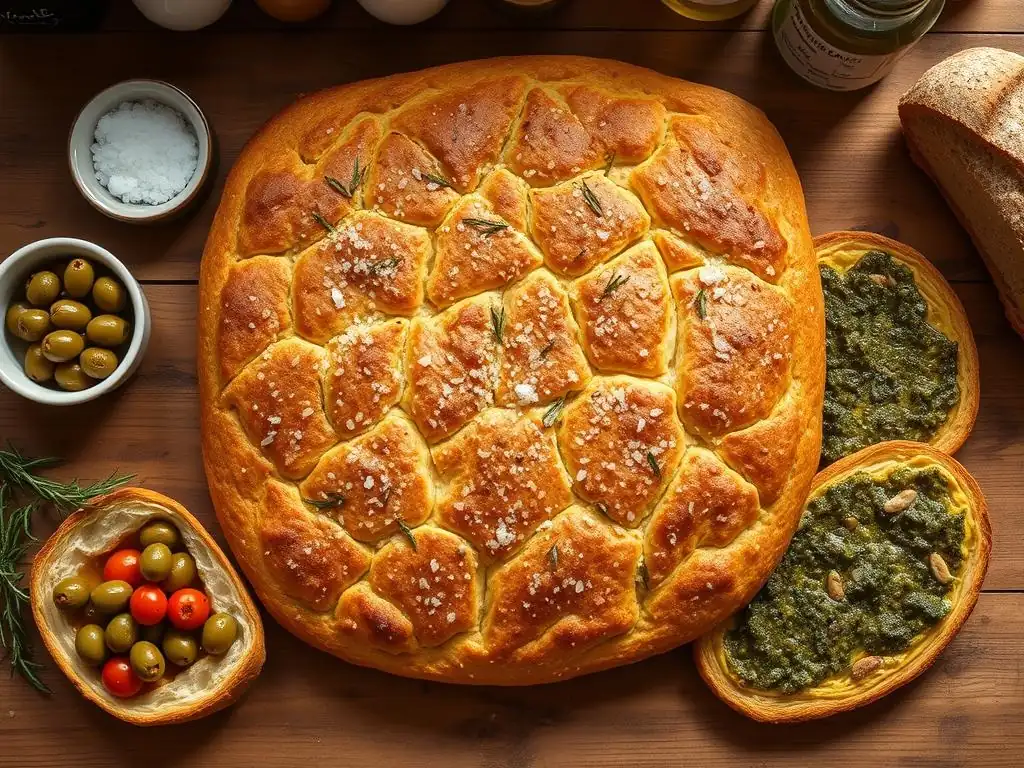
Bringing the flavors of Italian regional focaccia into your own kitchen is more accessible than you might think. Many easy Italian focaccia recipes simplify the techniques while still capturing the essence of the regional styles. The key is focusing on good ingredients and understanding the basic principles of dough handling and proofing. You don't need years of experience to bake a delicious focaccia that rivals those found in Italy.
Whether you're aiming for a thick, dimpled Genovese style or a thinner, crispier Tuscan Schiacciata, adapting easy Italian focaccia recipes allows you to experiment and find what works best with your available tools and time. Focusing on the hydration level, the amount and timing of olive oil addition, and the proofing environment are crucial steps that can be mastered with a few attempts. Don't be afraid to start simple and gradually refine your technique.
Simple Focaccia Recipe: A Beginner's Guide
For beginners, starting with a basic, easy Italian focaccia recipe is the best approach. This typically involves a moderately hydrated dough (around 70-75%), using active dry or instant yeast, and a relatively straightforward mixing and proofing process. The focus is on getting comfortable with a wet dough and understanding how it behaves as it ferments. A simple topping like rosemary and coarse sea salt is perfect for a first attempt.
A good beginner recipe might involve mixing flour, salt, and yeast in a bowl, then adding warm water and olive oil. Stir with a spoon or spatula until a shaggy dough forms. Instead of intensive kneading, perform a few sets of stretch and folds over an hour or two. Then, let the dough rise in an oiled bowl until doubled. Transfer to an oiled pan, gently spread it out, let it proof again until puffy, dimple, top, and bake. This streamlined process makes baking easy Italian focaccia recipes achievable for anyone.
Step-by-Step Instructions for an Easy Italian Focaccia
Here is a simplified breakdown for an easy Italian focaccia recipe:
- Mix Ingredients: In a large bowl, whisk together 500g bread flour and 10g salt. In a separate bowl, combine 400g warm water (around 35-40°C or 95-105°F) and 7g instant yeast. Add 2 tablespoons of olive oil to the water mixture.
- Combine: Pour the wet ingredients into the dry ingredients. Mix with a wooden spoon or spatula until just combined into a shaggy dough. It will be very wet and sticky.
- First Proof (Bulk Fermentation): Cover the bowl and let the dough rest at room temperature for 15-20 minutes. Then, perform a set of stretch and folds: wet your hand, grab a side of the dough, stretch it upwards, and fold it over the center. Rotate the bowl and repeat 3-4 times. Repeat this stretch and fold process every 30 minutes for a total of 2 hours. The dough should become smoother and more elastic.
- Pan Prep & Transfer: Generously oil a 9x13 inch baking pan with 2-3 tablespoons of olive oil, ensuring the sides are coated. Gently transfer the dough to the pan.
- Second Proof (Pan Proofing): Gently nudge and spread the dough towards the edges of the pan. Don't force it; let it relax. Cover the pan and let it proof at room temperature for 45-60 minutes, or until it looks visibly puffy and has spread to fill most of the pan.
- Dimpling & Topping: Preheat your oven to 220°C (425°F). Pour another 2-3 tablespoons of olive oil generously over the surface of the dough. Wet your fingertips with olive oil or water and gently but firmly press down into the dough, creating dimples that go almost to the bottom of the pan. Sprinkle generously with coarse sea salt and desired toppings (like fresh rosemary sprigs).
- Bake: Bake for 20-30 minutes, or until the focaccia is golden brown on top and feels light when lifted from the pan (check the bottom crust).
- Cool & Serve: Carefully remove from the oven. You can drizzle a little more olive oil over the hot focaccia if desired. Let it cool slightly in the pan before transferring to a wire rack. Serve warm.
Troubleshooting Common Focaccia Baking Problems
Even with easy Italian focaccia recipes, you might encounter issues. A common problem is a dense or tough crumb. This can happen if the dough was under-proofed, meaning it didn't have enough time to rise and develop air pockets. It could also be due to using too little water (low hydration) or overworking the dough during mixing or spreading in the pan, which can tighten the gluten too much. Ensure your yeast is active and give the dough plenty of time to rise in a warm environment.
Another issue is a dry or hard crust. Focaccia relies heavily on olive oil for its characteristic crust. Ensure you are generously oiling the pan and the top of the dough before baking. Baking at too low a temperature or for too long can also result in a dry texture. If your focaccia is sticking to the pan, you likely didn't use enough olive oil or didn't line it with parchment paper. If the toppings sink, they might be too heavy for the dough's structure; try pressing them in more gently or adding them later in the second proof.
Elevating Your Focaccia: Topping Ideas and Flavor Combinations
Once you're comfortable with a basic easy Italian focaccia recipe, you can start experimenting with toppings to create your own signature flavors or mimic regional styles. Focaccia serves as an incredible base for both savory and surprisingly, sweet additions. The key is to not overload the focaccia, allowing the bread itself to remain a star, while the toppings provide bursts of complementary flavor.
Think about balancing textures and tastes. A combination of something soft or juicy (like tomatoes or caramelized onions) with something firm or briny (like olives or capers) works well. Herbs are classic, adding aroma and a hint of bitterness or freshness. Cheese can be added, but often towards the end of baking to prevent it from burning. Don't forget a final sprinkle of sea salt, even with other toppings, as it enhances all the flavors.
Savory Topping Combinations for Focaccia
Beyond the classic rosemary and sea salt, countless savory topping combinations can elevate your focaccia. Mimic Focaccia Barese with halved cherry tomatoes and pitted olives, perhaps adding a sprinkle of dried oregano. Caramelized onions are a popular choice, offering sweetness and depth; combine them with a little fresh thyme or sage. Thinly sliced potatoes and rosemary make a rustic, satisfying topping.
Other ideas include:
- Roasted red peppers and crumbled feta cheese (add cheese in the last 10 minutes of baking)
- Thinly sliced zucchini and garlic
- Artichoke hearts and sun-dried tomatoes
- Pesto dollops (added after baking)
- Slices of cured meat like prosciutto or salami (added after baking or for the last few minutes)
- Wild mushrooms sautéed with garlic and parsley
- Anchovies and capers (a bold, salty option)
Sweet Topping Ideas to Transform Your Focaccia
While less common than savory versions, sweet focaccia is a delightful treat, especially inspired by styles like Focaccia Veneta. Transform your easy Italian focaccia recipe into a dessert or sweet snack by adding fruits or sweet elements. One simple approach is to sprinkle sugar over the olive-oiled surface before baking, creating a slightly crisp, sweet crust.
More elaborate sweet toppings include:
- Fresh grapes (especially seedless varieties), which caramelize and burst, creating sweet pockets. Sprinkle with a little sugar and maybe a pinch of cinnamon.
- Thinly sliced apples or pears, optionally tossed with sugar and a touch of spice.
- Figs, fresh or dried, paired with a drizzle of honey after baking.
- Candied citrus peel or chopped dried fruits (like raisins or apricots), perhaps soaked in a little liqueur first.
- A simple sprinkle of cinnamon sugar over the olive oil.
Sweet focaccia is wonderful served warm on its own, or alongside a dollop of ricotta cheese or a scoop of vanilla ice cream.
Creating Your Own Regional Focaccia Fusion
Having explored the distinct characteristics of various regional focaccia styles, you're now equipped to experiment and create your own "fusion" focaccia. This could involve combining techniques or ingredients from different regions, or simply using the focaccia base as a canvas for non-traditional toppings inspired by other cuisines or your own preferences. The goal is to bake easy Italian focaccia recipes that are uniquely yours and deliciously satisfying.
Think about what you appreciate from each style. Do you love the thick, airy texture of Focaccia Genovese but prefer the toppings of Focaccia Barese? Or perhaps you enjoy the crispness of Schiacciata but want to add some herbs typically found elsewhere? There are no strict rules when you're baking at home; the best part is the freedom to innovate and discover new favorite combinations.
Combining Ligurian Dimples with Tuscan Simplicity
One interesting fusion could be combining the signature deep dimples and high hydration of Focaccia Genovese with the simpler flavor profile and potential thinness (or moderate thickness) of Focaccia Toscana. Use a relatively high hydration dough and the generous olive oil application and dimpling technique of Genoa, but bake it on a flat sheet pan or in a shallower pan like a baking sheet for a thinner result, more akin to Schiacciata.
Top this fusion focaccia simply with good quality olive oil and coarse sea salt, perhaps adding just a hint of rosemary as is common in Tuscany, but skipping the more elaborate toppings of Puglia. This approach focuses on achieving a wonderful texture – airy and dimpled with a crisp bottom – with a clean, pure flavor that highlights the quality of the ingredients, embodying a blend of Ligurian technique and Tuscan ingredient philosophy.
Tips for Experimenting with Different Flours and Oils
Experimenting with different types of flour is a great way to alter the texture and flavor of your focaccia. Try incorporating a percentage of whole wheat flour for a nuttier flavor and denser texture, or use Italian 'Tipo 00' flour for a very tender crumb if you can find it. Adding a small amount of rye flour can introduce a tangy note. Remember that different flours absorb water differently, so you may need to adjust the hydration level when substituting.
Varying the type of olive oil can also significantly impact the final taste. While extra virgin olive oil is standard and highly recommended for its flavor, different varieties of extra virgin oil have distinct profiles – some are peppery, others fruity or mild. Using a very robust, peppery oil will give your focaccia a different character than using a mild, fruity one. You could even experiment with infusing olive oil with garlic, chili flakes, or herbs before using it for an extra layer of flavor.
Baking the Perfect Focaccia: Expert Tips and Techniques
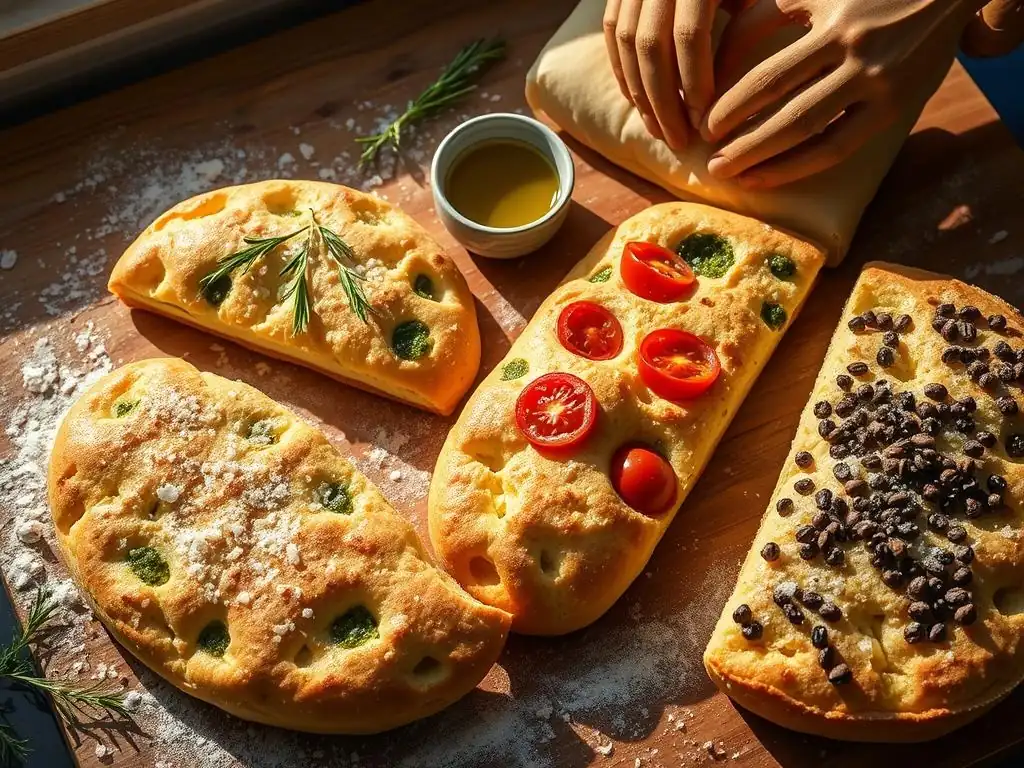
Beyond the basic recipe, a few expert tips can help you consistently bake focaccia with the ideal texture and flavor. These techniques often relate to managing the dough's fermentation, handling high hydration, and optimizing the baking environment. Paying attention to these details can transform a good focaccia into a truly exceptional one, whether you're following easy Italian focaccia recipes or more complex ones.
Achieving the perfect balance between a crispy crust and a soft, airy interior is the hallmark of great focaccia. This balance is influenced by everything from the initial mixing of the dough to the final minutes in the oven. Understanding the role of heat, steam (often created by the dough's moisture and the olive oil), and proofing times is crucial for mastering this beloved Italian bread.
Achieving a Crispy Crust and Soft Interior
The secret to a crispy bottom crust and a soft, airy interior in focaccia lies in a combination of factors: high hydration, generous olive oil, proper proofing, and hot oven temperature. High hydration (75%+ water) results in a wetter dough that naturally creates steam during baking, contributing to an open, tender crumb. Using ample olive oil in the pan helps fry the bottom surface, creating that desirable crispness, and also adds moisture to the dough itself.
Proper proofing allows the dough to develop a strong gluten structure and fill with air bubbles, which expand in the oven heat. Baking in a very hot oven (220-240°C or 425-475°F) is essential. The initial burst of high heat causes rapid oven spring, creating large air pockets, and quickly sets the crust. The moisture from the dough and the oil helps prevent the top from becoming too hard while the bottom crisps up in the hot, oiled pan.
The Importance of Olive Oil in Focaccia Baking
Olive oil is more than just an ingredient in focaccia; it's fundamental to its identity and texture. It contributes richness and flavor, prevents sticking, and plays a crucial role in achieving the desired crust. Using a good quality extra virgin olive oil is paramount, as its flavor is prominent in the finished bread. The amount used might seem excessive compared to other bread recipes, but it's necessary for authentic results.
Olive oil is typically incorporated into the dough, used to generously grease the baking pan (creating that crisp bottom), poured over the top before dimpling (forming pools that fry the surface), and sometimes drizzled on the hot focaccia after baking for added aroma and moisture. The oil helps create a barrier that keeps the crumb soft and moist while promoting a golden, crispy exterior. Don's skimp on the oil when baking focaccia!
Proofing and Shaping Your Focaccia Dough
Proper proofing is critical for focaccia's texture. The first proof (bulk fermentation) develops flavor and strength. For easy Italian focaccia recipes, this might be a few hours at room temperature with periodic stretch and folds. For deeper flavor, a cold fermentation in the refrigerator for 12-24 hours is highly recommended; the dough will rise slowly and develop complexity.
The second proof, in the pan, is where the focaccia gets its final shape and height. Transfer the dough gently to the oiled pan, trying not to deflate it. Allow it to relax and spread naturally. You may need to gently nudge it towards the edges over 30-60 minutes.
Don't stretch or pull it aggressively. Once it looks puffy and has relaxed into the pan, it's ready for dimpling and baking. The dimpling step is crucial during the second proof; it prevents the dough from rising too much like a loaf and creates the signature look and pockets for oil and salt.
Baking Temperatures and Times for Different Focaccia Styles
Baking temperature and time should be adjusted slightly depending on the thickness and style of focaccia you are making. For a thicker Focaccia Genovese or Barese (baked in a deeper pan), a common approach is to start at a high temperature, around 220-240°C (425-475°F), for the first 10-15 minutes to achieve oven spring and set the crust, then reduce the temperature slightly (to around 200-210°C or 400-410°F) for the remaining 10-20 minutes to ensure the interior cooks through without the top burning. Total time might be 25-35 minutes.
For thinner styles like Focaccia Toscana (Schiacciata) baked on a flat sheet, a consistently high temperature throughout the bake is often used, as the bread cooks quickly. Bake at 220-240°C (425-475°F) for a shorter duration, typically 15-25 minutes, until golden brown and crisp. Always keep an eye on the focaccia as it bakes, as oven temperatures can vary. The focaccia should be golden brown on top and sound hollow when tapped on the bottom.
Serving and Enjoying Your Homemade Focaccia
The moment your homemade focaccia emerges from the oven, golden and fragrant, is incredibly satisfying. But how best to enjoy it? Focaccia is wonderfully versatile and can be served in numerous ways, from a simple snack to the base of a substantial meal. Letting it cool slightly before slicing or tearing allows the texture to set properly, though many can't resist a warm piece straight away!
Whether you've made a classic rosemary and salt version or experimented with regional toppings from your easy Italian focaccia recipes, consider how its texture and flavor can complement other dishes or stand proudly on its own. Its ability to soak up juices and sauces makes it a fantastic companion, while its hearty nature means it can also be the main event.
Pairing Focaccia with Different Meals
Focaccia is a fantastic bread to serve alongside a variety of meals. A simple, savory focaccia is excellent with soups, stews, or chili, perfect for soaking up the rich broth. It pairs beautifully with pasta dishes, particularly those with tomato or olive oil-based sauces. Serve it alongside grilled meats or fish, or as part of a large salad.
For a more substantial pairing, especially with a thinner Schiacciata-style focaccia, consider serving it with an antipasto platter featuring cured meats, cheeses, marinated vegetables, and olives. A thick, soft focaccia can also be served with dips like hummus, baba ghanoush, or a simple white bean dip. The versatility of focaccia means it rarely feels out of place on the dining table.
Storing and Reheating Focaccia for Optimal Freshness
Focaccia is best enjoyed the day it is baked, ideally warm. However, leftovers can be stored and reheated. To store, let the focaccia cool completely, then wrap it tightly in plastic wrap or aluminum foil, or place it in an airtight container. It will keep at room temperature for 1-2 days. For longer storage, you can freeze focaccia. Wrap cooled focaccia tightly in plastic wrap, then in aluminum foil, and freeze for up to 2-3 months.
To reheat, especially if you want to revive that lovely crispy crust, it's best to avoid the microwave, which can make it chewy. For room temperature focaccia, place pieces directly on an oven rack or a baking sheet and warm in a preheated oven at 180°C (350°F) for 5-10 minutes until heated through and the crust crisps up. If reheating from frozen, thaw first at room temperature, then reheat as above. A toaster oven also works well for smaller pieces.
Focaccia as a Versatile Base for Sandwiches and Snacks
Focaccia's sturdy yet yielding texture makes it an ideal base for sandwiches. Slice a thick piece horizontally and fill it with your favorite ingredients – Italian classics like prosciutto and mozzarella, grilled vegetables, or mortadella and pistachios are excellent. The dimples and olive oil pockets add extra flavor and moisture to the sandwich.
Beyond sandwiches, focaccia makes a wonderful snack on its own, perhaps dipped in olive oil and balsamic vinegar, or simply enjoyed as is. Leftover pieces can be cut into croutons for salads or soups. A slightly stale piece can be refreshed by quickly dipping it in water and warming it in the oven. Its versatility ensures that any easy Italian focaccia recipe you bake will provide delicious enjoyment in multiple ways.
Frequently Asked Questions
What exactly is focaccia, and how is it different from other breads?
Focaccia is a flatbread originating in Italy, often seasoned with olive oil and herbs. Its key difference lies in its high olive oil content and the dimpling technique that creates pockets for flavor.
What are some regional variations of Italian focaccia mentioned in the article?
The article explores focaccia beyond the classic, highlighting regional variations like Focaccia Genovese known for its crispy crust and Focaccia Barese which often includes potatoes in the dough.
Are "easy Italian focaccia recipes" suitable for beginner bakers?
Yes, many focaccia recipes are relatively simple, requiring basic ingredients and techniques. The article focuses on easy-to-follow instructions and step-by-step guides perfect for beginners.
What kind of toppings can I add to my focaccia besides olive oil and herbs?
Focaccia is incredibly versatile! You can add toppings like cherry tomatoes, olives, onions, rosemary, or even a sprinkle of sea salt for added flavor and texture.
How can I ensure my focaccia has a light and airy texture?
Achieving a light and airy focaccia requires proper hydration and a slow rise. The article provides tips on dough hydration and proofing techniques to ensure a perfect texture.
Final Reflection: The Enduring Allure of Focaccia
The simple act of baking focaccia transcends mere culinary creation; it's a journey through Italian regional heritage, a testament to the power of accessible ingredients transformed into something truly extraordinary. This exploration of regional variations has revealed not only the diverse flavors and textures of focaccia across Italy, but also the deep-rooted connection between food, culture, and community. The ease of these recipes, often relying on pantry staples, makes this journey accessible to everyone, regardless of experience.
The enduring appeal of focaccia lies in its versatility and adaptability. It's a canvas for creativity, allowing for endless experimentation with herbs, cheeses, and vegetables, reflecting the bounty of each region. Food is symbolic of love when words are inadequate.
- Alan D. Wolfelt. This quote perfectly encapsulates the emotional connection we forge with food, particularly when sharing it with others, and focaccia, in its simple yet profound nature, embodies this sentiment beautifully. The act of sharing a warm, fragrant loaf with friends and family becomes a celebration of both culinary artistry and shared experience.
Now, it's your turn. Don't just read these recipes; experience them. Choose a region that sparks your interest, gather your ingredients, and embark on your own focaccia adventure. Let the aroma fill your kitchen, the warmth of the oven comfort your soul, and the taste transport you to the sun-drenched landscapes of Italy. Share your creations, your stories, and your passion for this humble yet magnificent bread. The journey of flavor awaits.
Unleash Your Inner Focaccia Maestro!
Thanks for joining us on this delicious journey through the world of regional Italian focaccia! We hope you've gained a newfound appreciation for the diversity and artistry behind this beloved bread. Now it's time to put your knowledge to the test!
- Bake your own regional focaccia: Choose a recipe that sparked your interest – Ligurian, Pugliese, or even a unique variation – and get baking! This is your chance to experiment with flavors and techniques.
- Share your focaccia creations: Tag us on social media with your photos – we'd love to see your culinary masterpieces! Let's build a community of focaccia enthusiasts.
- Explore further: Delve deeper into Italian baking traditions by researching other regional specialties. What other bread wonders await you?
Ready to transform your kitchen into a little corner of Italy?