
The Secret to Flaky Pastry? It's All About the Right Butter

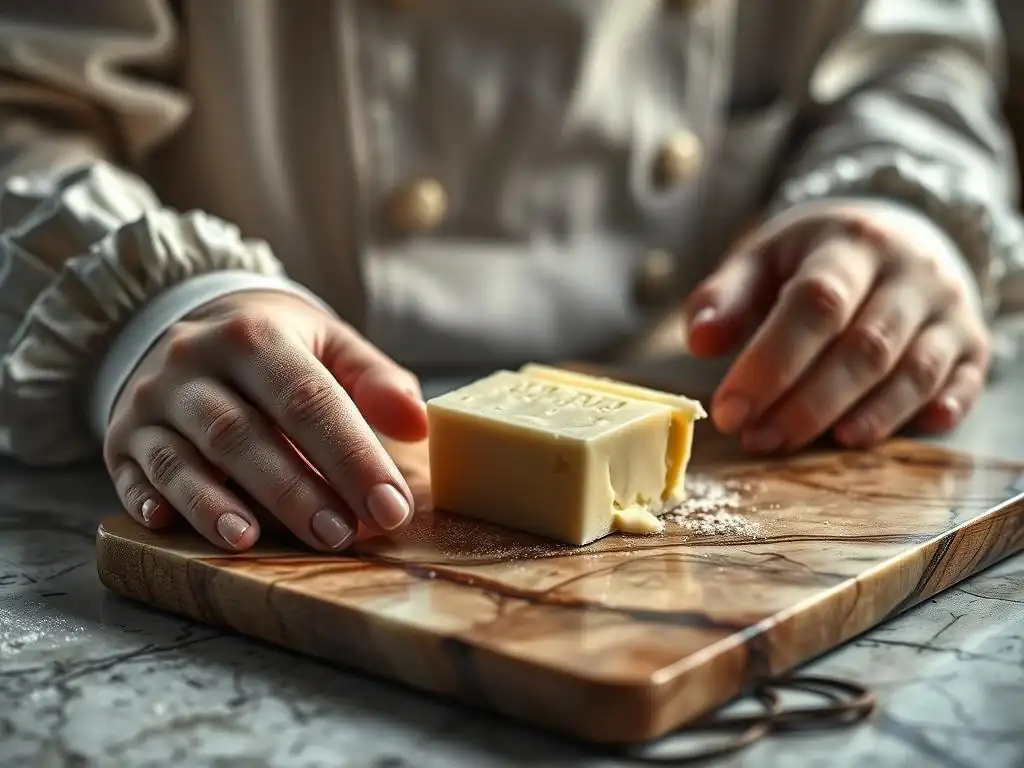
Welcome to BakeWithEase, where baking becomes a joy, not a chore! Ever wondered how to achieve that perfectly flaky, melt-in-your-mouth pastry? Discover the secret ingredient and technique that professional bakers swear by. This article delves into the cold butter pastry technique, revealing the simple steps that will transform your baking forever. Intrigued? Read on to unlock the secrets to pastry perfection!
- Unlocking Flaky Perfection: Mastering the Cold Butter Pastry Technique
- Choosing the Best Butter for Your Pastry: A Taste Test & Comparison
- The Cold Butter Pastry Technique: A Step-by-Step Guide
- Beyond the Basics: Advanced Techniques for Cold Butter Pastry
- Troubleshooting Common Cold Butter Pastry Problems
- Recipes to Showcase Your Cold Butter Pastry Skills
- Optimizing Your Pastry Baking with the Right Tools
- Where to Buy the Best Butters for Cold Butter Pastry
-
Frequently Asked Questions
- What is the "cold butter pastry technique" and why is it important?
- How does the cold butter pastry technique improve the texture of pastries?
- What are some common mistakes people make when using the cold butter pastry technique?
- Can I use any type of butter for the cold butter pastry technique?
- Besides cold butter, what other factors contribute to a successful cold butter pastry technique?
- Final Reflection: Mastering the Art of Flaky Pastry
- Unlock Your Flakiest Pastry Ever!
Unlocking Flaky Perfection: Mastering the Cold Butter Pastry Technique
Creating light, airy, and shatteringly flaky pastry is often considered a baking superpower. Whether you're aiming for a perfect pie crust, delicate croissants, or savory puff pastry, the secret weapon isn't just in your technique – it starts with one humble ingredient: butter. Specifically, cold butter is the non-negotiable foundation for achieving those desirable layers that define truly great pastry.
Understanding how butter interacts with flour and water at low temperatures is the first step on your journey to pastry success. This simple principle, central to the cold butter pastry technique, is what separates dense, tough dough from the ethereal flakiness you crave.
Mastering the use of cold butter involves more than just pulling it straight from the fridge. It's about maintaining that temperature throughout the mixing and handling process, ensuring the butter remains in distinct pieces rather than blending smoothly into the dough. These small, cold pockets of fat are what create steam during baking, pushing the layers of dough apart. Without this steam-generating process, the pastry remains flat and heavy. Embracing the cold butter pastry technique means paying attention to details like the temperature of your ingredients, your workspace, and even your hands.
The Importance of Cold Butter in Pastry Making
When you're aiming for flaky layers in your pastry, the state of your butter is paramount. Using butter that is thoroughly chilled, straight from the refrigerator and often cut into small pieces, is essential for the cold butter pastry technique. As you work the cold butter into the flour, it doesn't fully combine; instead, it breaks down into various-sized pieces, ranging from pea-sized chunks to smaller crumbs. These distinct butter pieces are coated with flour, and crucially, they remain solid and separate within the dough matrix before baking begins.
The magic happens in the oven. As the pastry bakes, the solid pieces of cold butter begin to melt. Because butter contains a small percentage of water (typically around 16-18% even in high-fat varieties), this water quickly turns to steam when exposed to high oven temperatures.
This steam is trapped within the layers of dough created by the flour-coated butter pieces. As the steam expands, it forces the layers of dough apart, creating tiny air pockets and resulting in the characteristic lift, separation, and flakiness that is the hallmark of a well-made pie crust or puff pastry using the cold butter pastry technique.
Why Temperature Matters: The Science Behind Flaky Crusts
The science behind why temperature is so critical in the cold butter pastry technique boils down to two main factors: the state of the fat and the development of gluten. When butter is cold and solid, it can be cut or rubbed into the flour, creating discrete pockets. If the butter is too soft or melted, it will blend too easily with the flour and water, forming a more homogenous mixture.
This prevents the formation of those crucial butter pockets needed for steam creation during baking, leading to a dense, rather than flaky, result. The goal is to have many small, solid pieces of butter interspersed throughout the dough.
Furthermore, keeping the dough cold significantly slows down gluten development. Gluten is a protein network that forms when flour is hydrated and worked. While some gluten structure is necessary for the dough to hold together, excessive gluten development makes pastry tough and elastic – the opposite of flaky and tender.
By using cold ingredients and keeping the dough chilled throughout the process, you inhibit the gluten strands from becoming too strong and interconnected. This allows the pastry to remain tender and encourages the layers to separate cleanly during baking, contributing significantly to the overall flakiness achieved with the cold butter pastry technique.
Choosing the Best Butter for Your Pastry: A Taste Test & Comparison
Selecting the right butter can elevate your pastry from good to extraordinary. While the cold butter pastry technique is fundamental, the composition of the butter itself plays a significant role in both the texture and flavor of the final product. Different types of butter vary primarily in their fat and water content, and this difference directly impacts how they behave when incorporated into dough and baked. Understanding these distinctions helps you make an informed choice for your specific baking project.
For achieving maximum flakiness and richness, many bakers prefer butters with a higher fat percentage. These butters contain less water, meaning there's more pure fat to create those desirable layers and contribute to a tender crumb. While standard American butter works well and is widely available, exploring European-style butters, often containing 82% fat or more compared to the typical 80% of American butter, can noticeably improve the texture and richness of your pastry. The choice of butter is a crucial component when applying the cold butter pastry technique effectively.
Understanding Butter Types: European vs. American Butter for Baking
The primary difference between European-style butter and standard American butter lies in their fat content and how they are cultured. American butter is typically made from pasteurized cream churned until it separates into butterfat and buttermilk, resulting in a product that is legally required to contain at least 80% butterfat. European-style butter, on the other hand, is often cultured, meaning bacteria are added to the cream before churning, giving it a tangier flavor profile.
More significantly for pastry, European-style butters generally have a higher butterfat content, commonly ranging from 82% to 86%. This higher fat content means less water (14-18% compared to up to 20% in American butter), which is a key factor when using the cold butter pastry technique.
The higher fat content in European-style butter provides several advantages for pastry making. With less water, there's less moisture to activate gluten prematurely, helping to keep the dough tender. More fat means more material to create distinct layers when the butter melts and produces steam during baking.
This leads to a more pronounced separation of layers and a richer, more tender crumb structure. While American butter is perfectly suitable for many baking applications, opting for a higher-fat European-style butter can significantly enhance the flakiness and overall quality of pastries made using the cold butter pastry technique, especially laminated doughs like croissants or puff pastry.
High Fat Content: The Key to a Tender and Flaky Result
The amount of fat in your butter is directly correlated to the potential for tenderness and flakiness in your pastry. Butterfat tenderizes baked goods by coating flour particles, preventing the formation of long, tough gluten strands. The higher the fat content, the more effectively the fat can interfere with gluten development, resulting in a more tender bite. For instance, using a butter with 83% fat versus one with 80% means there's 3% more fat to coat those flour particles and 3% less water to develop gluten. This difference, though seemingly small, can be significant in delicate pastries.
Beyond tenderness, high fat content is crucial for maximizing flakiness when employing the cold butter pastry technique. As discussed, flakiness comes from the steam created when the water in the butter heats up and expands, pushing the dough layers apart. While butter always contains some water, a higher fat percentage means a greater proportion of the butter is dedicated to fat.
This allows for more robust fat pockets to form within the dough, which melt and contribute to lubrication between the layers during baking, ensuring they separate cleanly and rise effectively. Using a butter with a fat content closer to 82-83% can often yield noticeably flakier results compared to one at the 80% threshold when mastering the cold butter pastry technique.
Taste Test: Ranking Butters for the Perfect Pastry
Choosing the best butter for your pastry involves considering both its technical performance (flakiness, tenderness) and its flavor contribution. Different butters, even those with similar fat contents, can impart distinct tastes due to variations in cream quality, pasteurization methods, and whether they are cultured. We've explored several popular options often recommended for the cold butter pastry technique, evaluating how they stand up to the demands of creating flaky, tender dough. Here's a breakdown of some top contenders and why they excel in pastry applications.
When conducting a taste test specifically for pastry made with the cold butter technique, the goal is not just to evaluate the raw butter flavor, but how that flavor integrates into the baked good and how the butter's composition affects the final texture. We look for butters that yield maximum flakiness while providing a pleasant, rich dairy flavor that complements, rather than overpowers, the other ingredients. Butters with higher fat content generally perform better in terms of texture, but flavor is a subjective yet important aspect of the final pastry experience.
Kerrygold Irish Butter: Rich Flavor and High Fat Content
Kerrygold Irish Butter is a popular choice among bakers, widely recognized for its vibrant golden color and rich, creamy flavor. Made from the milk of grass-fed cows, it often boasts a higher butterfat content than standard American butters, typically around 82-84%. This elevated fat level makes it exceptionally well-suited for the cold butter pastry technique, as it contributes significantly to both flakiness and tenderness. The higher fat means less water, which helps inhibit gluten development and creates more substantial fat pockets for steam generation during baking.
Beyond its technical advantages for creating flaky layers, Kerrygold's distinctive flavor adds a wonderful richness to baked goods. Its slightly tangy, pronounced dairy taste enhances the overall profile of pastries like pie crusts, scones, and biscuits. While it might be slightly more expensive than conventional butters, many bakers find the superior texture and flavor it imparts when used in the cold butter pastry technique to be well worth the investment, resulting in a truly memorable pastry experience.
Plugrá European-Style Butter: Ideal for Delicate Pastries
Plugrá European-Style Butter is specifically marketed towards bakers and cooks, emphasizing its higher butterfat content, which is guaranteed at 82%. This consistency in fat percentage makes it a reliable choice for recipes where the precise fat-to-flour ratio is important for executing the cold butter pastry technique. Its composition is designed to provide superior flakiness and a tender crumb, making it a favorite for laminated doughs like croissants, puff pastry, and even delicate tart shells.
Plugrá is known for its smooth texture and mild, clean dairy flavor. While it may not have the same distinct tang as some cultured butters, its neutral profile allows the other ingredients in the pastry to shine. Its higher melting point compared to some lower-fat butters can also be advantageous when working with dough, helping it stay colder longer. For those seeking a high-performing, consistent butter specifically formulated for baking techniques like the cold butter pastry technique, Plugrá is an excellent option that consistently delivers impressive results in terms of both texture and handling.
Land O'Lakes Unsalted Butter: A Widely Available Option
Land O'Lakes Unsalted Butter is the quintessential standard American butter, readily available in most grocery stores across the country. It contains the required minimum of 80% butterfat. While it has a lower fat content compared to European-style butters like Kerrygold or Plugrá, it is still perfectly capable of producing good, flaky pastry when the cold butter pastry technique is applied correctly. Its accessibility and consistent quality make it a reliable workhorse for everyday baking needs.
Using Land O'Lakes for your cold butter pastry technique means you might achieve slightly less dramatic flakiness compared to higher-fat butters, but the results are still far superior to using softened or melted butter. It provides a clean, classic butter flavor that is familiar and versatile. For beginners or those who bake infrequently, starting with a reliable and widely available butter like Land O'Lakes allows you to focus on mastering the technique itself before experimenting with higher-fat or specialty butters. It's a solid foundation for learning the cold butter pastry technique.
The Cold Butter Pastry Technique: A Step-by-Step Guide
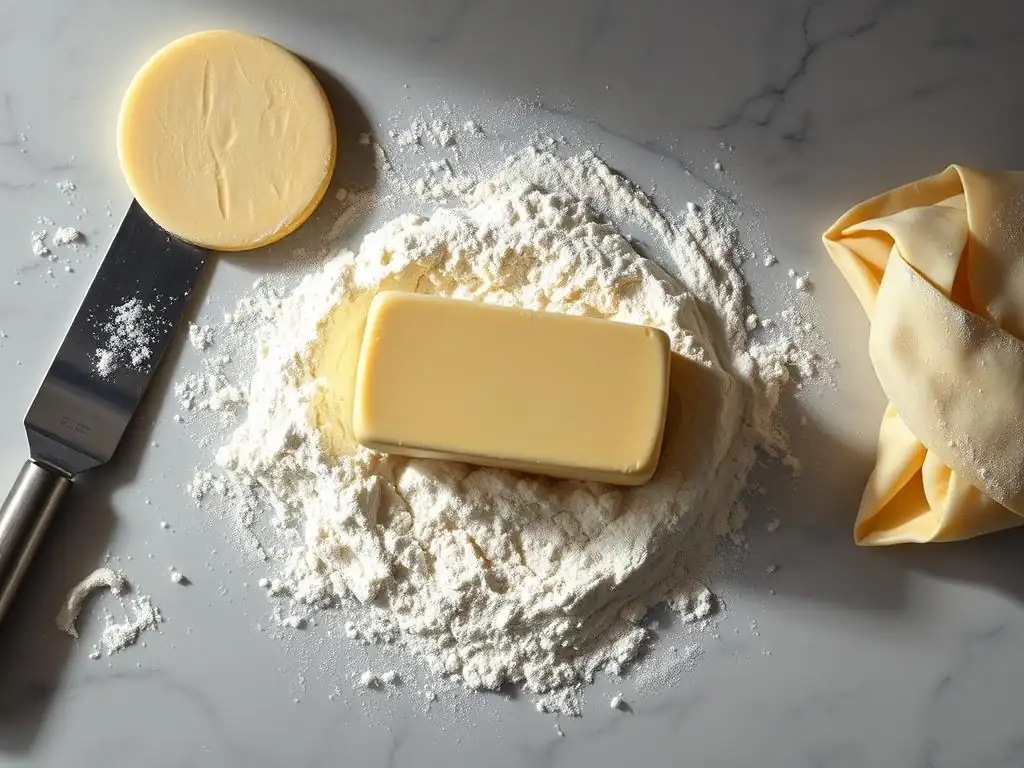
Mastering the cold butter pastry technique is a fundamental skill for creating flaky crusts and doughs. While variations exist depending on the specific recipe (pie crust, biscuits, puff pastry), the core principle remains the same: incorporating solid, cold pieces of butter into flour and keeping the mixture chilled throughout the process. This guide outlines the essential steps involved in this crucial baking method. Remember, the key is to minimize handling and maintain a low temperature at every stage.
Successfully executing the cold butter pastry technique requires patience and attention to detail, particularly regarding temperature. It's not just about using cold butter initially; it's about ensuring the butter remains cold and distinct within the dough until it hits the hot oven. This process often involves chilling ingredients beforehand, working quickly, and chilling the dough multiple times. Following these steps diligently will significantly increase your chances of achieving that desired flaky texture.
Preparing Your Butter: Cubing vs. Grating for Optimal Results
The first step in the cold butter pastry technique is preparing your butter so it can be easily incorporated into the flour while remaining in solid pieces. The most common method is cubing.
Take your very cold butter (straight from the refrigerator) and cut it into small cubes, typically around 1/2 inch or 1/4 inch depending on the recipe and your preferred method of incorporation (by hand, pastry blender, or food processor). Place the cubes back in the refrigerator or even the freezer for a few minutes before adding them to the flour to ensure they are thoroughly chilled and firm.
Another effective method, especially for smaller batches or when working by hand, is grating the cold butter. Using a box grater, grate the cold butter directly into the flour mixture. This creates very small, thin strands of butter, which can be quicker to work into the flour evenly without overworking the dough.
Whichever method you choose – cubing or grating – the crucial element is that the butter must be very cold and firm when you begin incorporating it using the cold butter pastry technique. Room temperature or soft butter will simply blend into the flour, preventing the formation of those essential fat pockets.
Combining the Butter and Flour: The Lamination Process Explained
Once your cold butter is prepared (cubed or grated) and added to the flour (often mixed with salt and sometimes sugar), the next step in the cold butter pastry technique is to combine them without fully blending the butter. This is where the process of creating layers, or a basic form of lamination, begins.
Using your hands, a pastry blender, or pulses in a food processor, work the butter into the flour until it resembles coarse crumbs with some larger, pea-sized pieces of butter still visible. The goal is to coat the butter pieces with flour while keeping them separate.
For doughs like puff pastry or croissants, this lamination process is more pronounced and involves repeatedly folding and rolling the dough (which contains larger pieces or sheets of butter) to create hundreds or thousands of thin alternating layers of dough and butter. For simpler pastries like pie crusts or biscuits using the cold butter pastry technique, the lamination happens on a smaller scale during the initial cutting-in of the butter and subsequent gentle handling and folding (like folding biscuit dough a few times).
Each piece of butter, coated in flour, represents a potential layer that will separate during baking, contributing to flakiness.
Keeping it Cool: Tips for Maintaining a Low Temperature Throughout the Process
Maintaining a low temperature is absolutely paramount to the success of the cold butter pastry technique. From the moment you take the butter out of the fridge to the point the pastry goes into the oven, heat is the enemy of flakiness. Warm butter melts and blends with the flour, eliminating the pockets needed for steam. Warm dough develops gluten too quickly, leading to toughness. Therefore, consciously working to keep everything cold is non-negotiable.
Practical tips for keeping it cool when using the cold butter pastry technique include chilling your flour and mixing bowl in advance, using ice water (adding it gradually only until the dough just comes together), working on a cold surface like marble or granite if possible, and minimizing how much you handle the dough with warm hands. If at any point the butter seems to be softening or the dough feels warm or sticky, stop working and place the dough back in the refrigerator or freezer for a period to firm up before continuing.
This patience in keeping things cold pays huge dividends in the final flaky texture.
Chilling the Dough: The Secret Weapon for Preventing Gluten Development
Chilling the dough is perhaps the most critical step after incorporating the butter when using the cold butter pastry technique. Once the dough has just come together and is lightly shaped into a disk or rectangle (depending on the recipe), it must be chilled. A minimum of 30 minutes in the refrigerator is usually required, but longer chilling times (1-2 hours or even overnight) are often beneficial, especially for pie crusts. This chilling period serves multiple vital purposes.
Firstly, chilling allows the butter pieces within the dough to firm up completely. If the butter has softened at all during mixing, refrigeration solidifies it again, ensuring those distinct pockets are ready to create steam in the oven. Secondly, and equally important for the cold butter pastry technique, chilling allows the gluten that has developed during mixing to relax. This relaxation prevents the dough from being elastic and tough, making it easier to roll out without shrinking and contributing to a more tender baked product. Skipping this chilling step is a common pitfall that leads to less-than-flaky results.
Working Quickly: Minimizing Heat Exposure for Maximum Flakiness
Even with chilled ingredients and dough, the heat from your hands, the warmth of your kitchen, and friction from rolling can cause the butter to soften during the rolling and shaping stages of the cold butter pastry technique. Therefore, working quickly and efficiently is essential. Have all your tools ready – rolling pin, pastry cutter, baking sheet – before you take the dough out of the refrigerator.
Roll out the dough firmly but swiftly, using minimal strokes. If you're making cutouts, work quickly to cut and transfer them to the baking sheet. Avoid excessive re-rolling of scraps, as this overworks the gluten and further softens the butter. If the dough becomes difficult to handle, sticky, or the butter starts to look greasy, immediately stop and return it to the refrigerator or freezer for 10-15 minutes to firm up before continuing. Speed and minimizing heat exposure are key to preserving the integrity of the butter pockets and ensuring maximum flakiness with the cold butter pastry technique.
Beyond the Basics: Advanced Techniques for Cold Butter Pastry
Once you've mastered the fundamental cold butter pastry technique of cutting cold butter into flour and chilling the dough, you can explore more advanced methods that offer efficiency or produce even more dramatic layers. These techniques build upon the core principles of keeping ingredients cold and creating distinct fat layers, but they utilize different tools or approaches to achieve specific results. They are particularly useful for bakers looking to refine their skills or tackle more complex pastry projects.
Advanced techniques often involve using specific tools or preparing the butter in different ways to optimize its distribution within the dough. They can also include exploring alternative fats, such as vegan butters, while still adhering to the crucial requirement of keeping the fat cold and separate from the flour before baking. Incorporating these methods into your repertoire can help you achieve consistently excellent results and expand the range of pastries you can confidently create using the cold butter pastry technique.
Using a Food Processor: A Time-Saving Method for Incorporating Butter
For many home bakers, a food processor offers a convenient and quick way to incorporate cold butter into flour when using the cold butter pastry technique. The sharp blades, used with short pulses, can cut the cold butter into the desired pea-sized pieces much faster than working by hand or with a pastry blender. This speed is a significant advantage, as it minimizes the time the butter and flour are exposed to warmer temperatures, helping to keep the butter solid.
To use a food processor for the cold butter pastry technique, add the flour, salt, and sugar (if using) to the bowl. Add your cubed, very cold butter. Pulse the mixture in short bursts (1-2 seconds each) just until the butter is cut into pieces resembling coarse meal or small peas.
Be careful not to over-process; you don't want a smooth, homogenous mixture. Then, add ice water one tablespoon at a time, pulsing just until the dough barely comes together. This method is efficient but requires careful attention to avoid overworking the dough or turning the butter into a paste.
Laminating with Butter Sheets: Achieving Extra-Flaky Layers
For pastries known for their numerous, distinct layers, such as croissants, puff pastry, and danishes, the cold butter pastry technique is taken to the next level through precise lamination using a sheet of butter. This involves encasing a large, relatively thin sheet of cold butter within a simple dough (often called the détrempe) and then repeatedly folding and rolling the dough. Each fold multiplies the layers of dough and butter. For example, a single tri-fold creates 3 layers; repeating this three times results in 3x3x3 = 27 layers of dough separated by butter.
Achieving successful lamination requires butter that is specifically formulated or prepared to be pliable yet firm when cold. Some manufacturers offer "butter sheets" or "block butter" with a higher melting point or specific texture ideal for this purpose.
Alternatively, you can create your own butter sheet by pounding and rolling cold butter between parchment paper until it forms a rectangle of the desired size and thickness. This advanced application of the cold butter pastry technique demands precise temperature control and careful handling to ensure the butter sheet remains intact and doesn't break or melt through the dough during the folding and rolling process.
Variations: Vegan Butter Alternatives for Cold Pastry
For bakers seeking plant-based options, the cold butter pastry technique can often be adapted using vegan butter alternatives. The key challenge is finding a vegan butter substitute that has a similar fat content and, crucially, behaves like dairy butter when cold and heated. Like dairy butter, vegan butters are typically a blend of plant oils (like palm, soy, shea, or coconut), water, and sometimes emulsifiers and flavorings. Their composition varies significantly between brands, which impacts their performance in pastry.
When choosing a vegan butter for the cold butter pastry technique, look for products specifically designed for baking, as these often have a higher fat content and firmer texture when cold compared to spreadable versions. The goal is still to create distinct, solid pieces of fat within the dough that will melt and create steam during baking. While the flavor and exact texture may differ slightly from traditional butter pastry, many high-quality vegan butters can yield surprisingly flaky and tender results when the principles of keeping ingredients cold and minimizing handling are strictly followed.
Miyoko's Kitchen Cultured Vegan Butter: A Plant-Based Option
Miyoko's Kitchen Cultured Vegan Butter is a popular and often highly-regarded plant-based alternative that can be used in the cold butter pastry technique. Made primarily from a blend of organic cashews, coconut oil, and sunflower oil, and cultured for flavor, it aims to mimic the taste and performance of European-style dairy butter. It has a relatively high fat content compared to some other vegan spreads and becomes quite firm when chilled, making it suitable for cutting into dough.
When using Miyoko's for cold pastry, ensure it is thoroughly chilled, just like dairy butter. Its firmness allows it to be cut into pieces and incorporated into flour, creating pockets of fat that can contribute to flakiness when baked. While its melting point and exact behavior may differ slightly from dairy butter, many bakers report successful results, achieving flaky layers in pies, tarts, and even laminated doughs when applying the cold butter pastry technique with this alternative. Its cultured flavor also adds a pleasant depth to the finished pastry.
Melt Organic Vegan Butter: Taste Test and Performance
Melt Organic Vegan Butter is another plant-based option that can be used in the cold butter pastry technique. It is typically made from a blend of coconut oil, palm oil, and shea butter. When chilled, it solidifies sufficiently to be cut into pieces and incorporated into flour for pastry dough. Its texture when cold is generally firm, though it may soften more quickly than dairy butter depending on the kitchen temperature.
In terms of performance in the cold butter pastry technique, Melt Organic can yield flaky results, though the degree of flakiness might vary compared to dairy butter or other vegan alternatives depending on the specific blend. The flavor is generally mild and buttery, without a strong coconut taste. It's a widely available option that provides a functional fat for creating pastry layers. As with any vegan butter alternative, keeping it very cold and working quickly are essential steps to maximize its effectiveness in producing a flaky crust.
Troubleshooting Common Cold Butter Pastry Problems
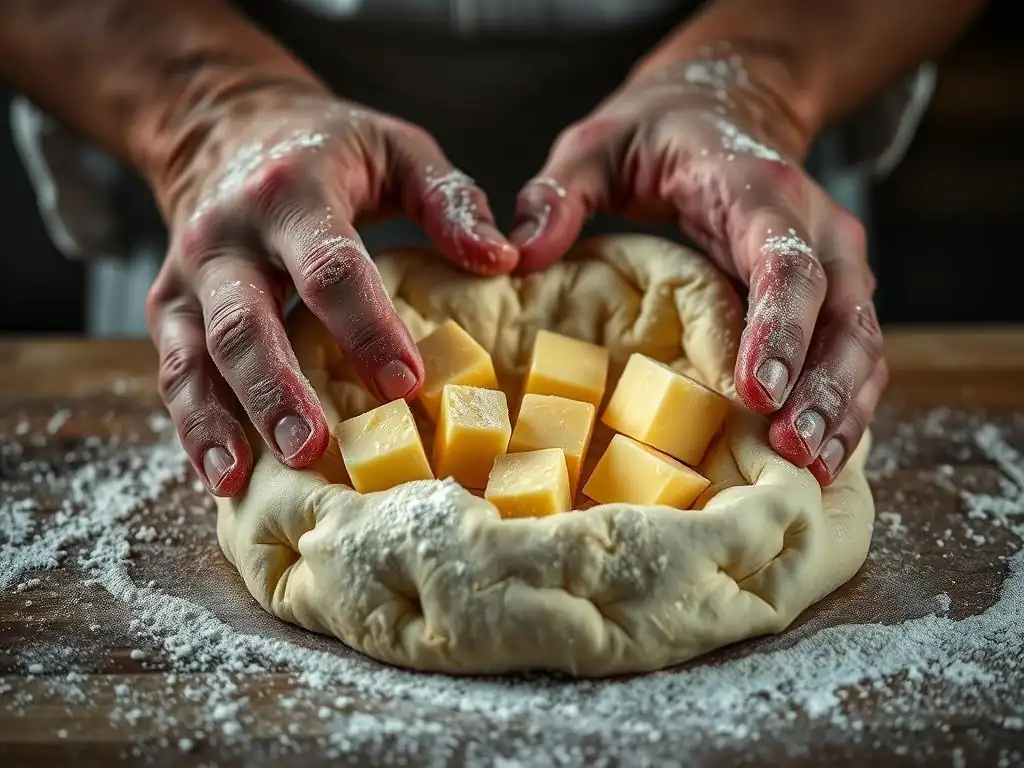
Even experienced bakers encounter challenges when working with pastry dough, especially when employing the cold butter pastry technique. Because temperature and handling are so critical, small deviations can lead to common problems like tough dough, butter melting too quickly, or uneven baking. Understanding the root cause of these issues is the first step to fixing them and achieving consistently excellent results. Don't be discouraged by setbacks; they are part of the learning process.
Troubleshooting pastry problems often involves revisiting the fundamentals of the cold butter pastry technique: ensuring ingredients are cold, minimizing handling, and providing adequate chilling time. Sometimes the issue lies in the environment (a warm kitchen) or equipment (an inaccurate oven). By systematically addressing these potential culprits, you can diagnose the problem and adjust your approach for future baking attempts, improving your mastery of the cold butter pastry technique.
Butter Melting Too Quickly: Solutions for a Warm Kitchen
One of the most frequent frustrations when using the cold butter pastry technique is the butter softening or melting before you can finish incorporating it or rolling out the dough. This is particularly challenging in warm kitchens. When butter melts into the flour rather than staying in distinct pieces, you lose the potential for flaky layers. The dough might also become greasy and difficult to handle.
To combat butter melting too quickly in a warm environment, take proactive measures. Ensure your butter is extremely cold – consider putting the cut cubes in the freezer for 10-15 minutes before using them. Chill your flour and mixing bowl in the refrigerator for at least 30 minutes beforehand.
Use ice water to hydrate the dough. If mixing by hand, minimize contact with the dough; use a pastry blender or fork as much as possible. If rolling, work on a cold surface like marble or place a baking sheet in the freezer and roll the dough on that (covered with parchment).
Most importantly, if the butter starts to look greasy or the dough feels warm, immediately stop working and place the dough in the refrigerator or freezer for 15-20 minutes to firm up before continuing. Patience and chilling breaks are key to successfully executing the cold butter pastry technique in a warm setting.
Dough Too Tough: Understanding Gluten Development
A tough, elastic pastry dough is a common problem that directly counteracts the goal of achieving tenderness and flakiness with the cold butter pastry technique. Toughness is almost always a result of excessive gluten development. Gluten, formed when water interacts with proteins in flour and is then worked, provides structure. While some structure is needed, too much makes the dough resistant to rolling and results in a hard, chewy crust when baked.
Overworking the dough is the primary cause of excessive gluten development. This can happen during the initial mixing stage (cutting in the butter) or during rolling and shaping. When combining flour and water, mix only until the dough just comes together. Avoid kneading or mixing vigorously after the water is added.
During rolling, use minimal, firm strokes and avoid stretching the dough. Insufficient chilling is also a culprit; chilling allows the gluten network to relax. If your dough feels tough and snaps back when you try to roll it, it needs more time to rest and chill. Ensuring ingredients are cold also helps slow gluten formation during the initial mixing phase of the cold butter pastry technique.
Uneven Baking: Ensuring Consistent Heat Distribution
Even after successfully executing the cold butter pastry technique and achieving flaky layers, uneven baking can ruin the final result. This manifests as areas that are too pale and undercooked next to areas that are overly browned or even burnt. Uneven baking prevents the butter from melting consistently and generating steam across the entire pastry, leading to some parts being flaky while others are dense or raw.
The most common cause of uneven baking is an oven with hot spots or inaccurate temperature calibration. Using an oven thermometer to check your oven's actual temperature can be very helpful. Rotating your baking sheet halfway through the baking time can also help ensure even browning. For pie crusts, using a baking stone or steel on the rack below the pie can help provide more even heat from the bottom, promoting a crisper bottom crust.
Ensure your pastry is placed on the correct oven rack position specified in the recipe (usually the lower-middle or middle rack). Preheating your oven fully is also essential; don't put the pastry in until the oven has reached the target temperature and had time to stabilize. Consistent heat is vital for the butter to melt and steam properly throughout the pastry when using the cold butter pastry technique.
Recipes to Showcase Your Cold Butter Pastry Skills
Putting your newfound knowledge of the cold butter pastry technique into practice is the best way to solidify your understanding and build confidence. Start with classic recipes that highlight the flakiness achieved by this method. Each recipe provides a slightly different application of the technique, allowing you to see how variations in method or butter choice impact the final outcome. These recipes are designed to help you celebrate the beautiful layers you can create with cold butter.
Experimenting with different types of pastry using the cold butter pastry technique will deepen your appreciation for how temperature, handling, and ingredients interact. Whether it's the simple elegance of a pie crust or the rich complexity of a croissant, each project reinforces the core principles. Get ready to impress yourself and your friends with pastries that are truly flaky, tender, and delicious, all thanks to mastering the art of using cold butter.
Classic Pie Crust Recipe Using Kerrygold Butter
A classic double-crust pie is an excellent way to demonstrate your mastery of the cold butter pastry technique. Using a high-quality, high-fat butter like Kerrygold can significantly enhance both the flakiness and the flavor of your pie crust. The richness of the grass-fed butter complements sweet or savory fillings beautifully, while its higher fat content (around 82-84%) ensures maximum steam production for incredibly flaky layers.
For a standard 9-inch double crust, you might use about 1 cup (2 sticks, 8 ounces) of very cold Kerrygold butter, cut into 1/2-inch cubes, worked into about 2 1/2 cups of all-purpose flour with a teaspoon of salt. Adding about 1/2 cup of ice water, a tablespoon at a time, until the dough just comes together is crucial.
Form the dough into two disks, wrap them tightly, and chill for at least an hour (or up to two days) before rolling. This recipe truly showcases how the cold butter pastry technique, combined with excellent ingredients, creates a tender, flaky base for any pie filling.
Croissant Recipe with Plugrá Butter for Exceptional Flakiness
Croissants are the pinnacle of laminated dough and the ultimate test of the cold butter pastry technique applied through extensive folding. Achieving hundreds of paper-thin, distinct layers requires a butter that is pliable yet firm when cold and has a high melting point, making Plugrá European-Style Butter (82% fat) an ideal choice. Its consistent texture and high fat content are perfectly suited for creating the butter sheet needed for lamination.
A typical croissant recipe involves making a simple dough (détrempe), chilling it, and then enclosing a prepared sheet of very cold Plugrá butter within it. The dough is then repeatedly rolled and folded (usually three times with chilling periods in between) to create numerous layers of dough separated by butter. As the croissants bake, the Plugrá butter melts, generating steam that puffs the layers apart, resulting in that iconic airy, flaky interior. Mastering this complex application of the cold butter pastry technique yields a truly rewarding and impressive result.
Quiche Lorraine Recipe with Land O'Lakes Butter
A savory Quiche Lorraine relies on a sturdy yet flaky crust to hold its rich egg and bacon filling. Using Land O'Lakes Unsalted Butter (80% fat) in the cold butter pastry technique provides a reliable and accessible way to create a delicious, flaky base for this classic dish. While it has a slightly lower fat content than European-style butters, applying the cold butter pastry technique correctly with Land O'Lakes still yields a significantly flakier crust than using softer butter or a different method.
For a Quiche Lorraine crust baked in a 9-inch pie plate, you might use about 3/4 cup (1 1/2 sticks, 6 ounces) of very cold Land O'Lakes butter cut into cubes, combined with about 1 1/2 cups of all-purpose flour and a pinch of salt. Incorporating just enough ice water (usually 1/4 to 1/3 cup) to bring the dough together, chilling it thoroughly for at least 30 minutes, and then rolling it out and blind-baking it creates a perfect foundation.
This recipe demonstrates that the cold butter pastry technique, even with a standard butter, is the key to achieving a flaky and tender crust that holds up beautifully to a wet filling.
Optimizing Your Pastry Baking with the Right Tools
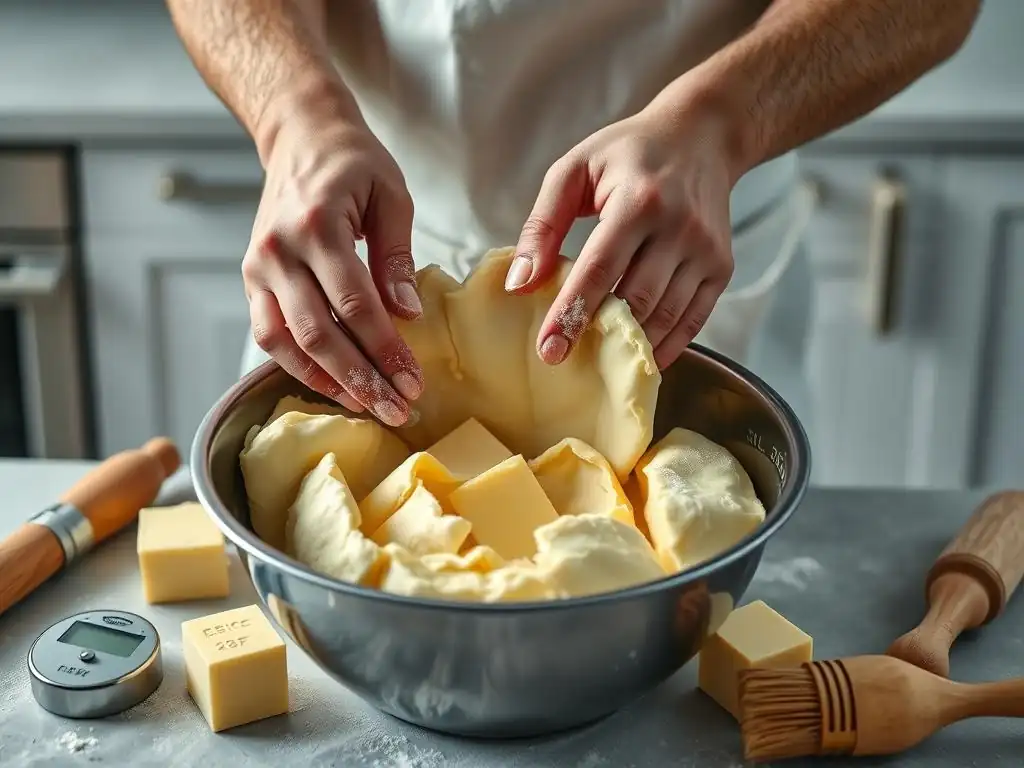
While the cold butter pastry technique fundamentally relies on cold ingredients and careful handling, having the right tools can make the process significantly easier and help ensure more consistent results. These tools are designed to help you work with cold, often delicate, dough more efficiently, minimize heat transfer from your hands, and achieve precise shaping and even baking. Investing in a few key items can elevate your pastry-making experience and improve the outcome of your efforts.
The tools you choose can impact everything from how easily you incorporate the cold butter to how evenly your pastry bakes. They are extensions of your technique, allowing you to execute the steps of the cold butter pastry technique more effectively. From the initial mixing to the final bake, having the appropriate equipment on hand can be the difference between a frustrating baking session and a rewarding one filled with flaky success.
The Best Rolling Pins for Working with Cold Dough
Choosing the right rolling pin is important when working with dough made using the cold butter pastry technique. Because the dough contains solid pieces of cold butter and needs to be kept cool, you want a rolling pin that doesn't transfer heat easily and provides good control.
Heavy rolling pins, particularly those made of marble or granite, can be chilled before use, providing a cold surface that helps keep the dough cool as you roll. Their weight also assists in rolling out the dough evenly with less effort, reducing the need for excessive passes which can warm the dough and overwork the gluten.
Alternatively, classic wooden rolling pins are also effective, especially if they are solid and relatively heavy. Avoid rolling pins with ball bearings or handles that detach, as these can be less stable and harder to control. French-style tapered rolling pins, without handles, offer excellent control and allow you to feel the dough directly, which can be helpful for sensing the butter distribution and preventing tearing. Whichever type you prefer, ensuring it's clean, smooth, and potentially chilled (for marble/granite) will aid in successfully rolling out dough prepared with the cold butter pastry technique without causing the butter to melt prematurely.
Pastry Cutters and Scrapers: Essential Tools for Precision
Pastry cutters and scrapers are invaluable tools for several stages of the cold butter pastry technique. A pastry blender (or pastry cutter) is specifically designed with wire blades or solid bars to cut cold butter into flour efficiently, creating those crucial pea-sized pieces while minimizing contact with warm hands. This tool helps ensure the butter remains cold and distinct, which is fundamental to achieving flakiness.
A bench scraper or dough scraper is a versatile tool useful throughout the process. It has a flat metal blade and a handle and is excellent for scooping up flour and butter mixture, transferring dough, dividing dough into portions, and cleaning your work surface. When working with sticky or fragile dough made with the cold butter pastry technique, a scraper helps you handle it gently without warming it up with your hands.
The straight edge can also be useful for squaring up dough edges before folding for lamination. These simple tools aid in keeping ingredients cold and handling dough efficiently.
Baking Sheets and Parchment Paper: Ensuring Even Baking
While not directly part of the dough-making process of the cold butter pastry technique, the tools you use for baking are crucial for the final result. Sturdy, light-colored metal baking sheets are recommended for most pastries. Dark-colored or flimsy sheets can absorb too much heat and cause the bottom of your pastry to brown too quickly or even burn before the top is done. A heavy-gauge aluminum baking sheet provides even heat distribution.
Lining your baking sheet with parchment paper is highly recommended when baking pastry made with the cold butter pastry technique. Parchment paper prevents the pastry from sticking to the pan, making transfer easy. More importantly, it creates a non-stick surface that allows the pastry to spread slightly and puff up properly as the butter melts and creates steam. It also helps prevent the bottom crust from getting too dark too quickly, contributing to more even baking and ensuring those hard-won flaky layers develop fully and evenly across the entire pastry.
Where to Buy the Best Butters for Cold Butter Pastry
Finding high-quality butters is key to maximizing the potential of the cold butter pastry technique. While most grocery stores carry standard unsalted butter, some of the higher-fat or specialty butters favored by bakers might require looking in specific sections or at different retailers. Knowing where to source these ingredients ensures you have the best foundation for your flaky pastry projects.
Whether you're looking for a specific brand or a certain type of butter (like European-style), availability can vary by location. However, many premium butters are becoming more widely accessible. Check the dairy aisle, specialty food sections, or consider online options for convenience. Having access to excellent butter is the first step in applying the cold butter pastry technique to its fullest potential.
Purchasing Kerrygold Irish Butter Online
Kerrygold Irish Butter is increasingly available in mainstream grocery stores, often found alongside other butter brands in the dairy aisle or sometimes in a specialty cheese or international foods section. Its distinctive gold foil packaging makes it easy to spot.
If you have difficulty finding Kerrygold locally, it is also widely available for purchase online through various retailers that specialize in gourmet foods or even through major online marketplaces. Purchasing online can be a convenient option, especially if you plan to buy in bulk, but factor in potential shipping costs, particularly for perishable items like butter. Checking online grocery delivery services in your area is another way to potentially source Kerrygold for your cold butter pastry technique endeavors.
Finding Plugrá European-Style Butter at Your Local Grocery Store
Plugrá European-Style Butter is typically found in the dairy section of well-stocked supermarkets. Because it is often marketed specifically for baking and cooking, it might be located near other butter and margarine products, or sometimes in a separate section dedicated to premium or European dairy items. Look for its white and blue packaging.
Many larger grocery store chains and specialty food stores make an effort to carry Plugrá due to its popularity among home bakers using the cold butter pastry technique. If you don't see it immediately, ask a store employee, as it might be stocked in a less obvious spot. Its consistent 82% butterfat content makes it a reliable choice for achieving excellent flakiness, so it's worth seeking out for your pastry projects.
Link to Buy Land O'Lakes Butter Online
Land O'Lakes Unsalted Butter is one of the most widely available butter brands in the United States. You can find it in virtually any grocery store, from large supermarkets to smaller local markets, typically located prominently in the dairy aisle. Its familiar packaging is easily recognizable.
While Land O'Lakes is readily available in brick-and-mortar stores, it is also possible to purchase it online through grocery delivery services offered by major retailers or through general online marketplaces that sell groceries. This can be a convenient option if you are already placing an online grocery order. Using this accessible butter allows you to focus on perfecting the cold butter pastry technique itself before exploring other butter types.
Frequently Asked Questions
What is the "cold butter pastry technique" and why is it important?
The cold butter pastry technique refers to keeping the butter extremely cold when making pastry. This prevents it from melting into the flour, creating layers of butter that, when baked, create a flaky texture.
How does the cold butter pastry technique improve the texture of pastries?
By keeping the butter cold, it remains in small, solid pieces within the dough. During baking, the butter melts, creating steam that separates the layers of dough, resulting in a flaky and tender pastry.
What are some common mistakes people make when using the cold butter pastry technique?
Common mistakes include using butter that is too warm, overmixing the dough (which develops gluten and makes it tough), and not chilling the dough sufficiently before baking.
Can I use any type of butter for the cold butter pastry technique?
While you can use different types of butter, high-fat European-style butter is often recommended for its lower water content, resulting in a flakier and richer pastry. Consider using unsalted butter to control the salt level in your recipe.
Besides cold butter, what other factors contribute to a successful cold butter pastry technique?
Besides keeping the butter cold, using ice water in the dough and avoiding overmixing are crucial. Also, chilling the dough thoroughly before baking allows the gluten to relax and the butter to firm up, leading to a more tender and flaky final product.
Final Reflection: Mastering the Art of Flaky Pastry
The pursuit of the perfect flaky pastry is more than just a culinary quest; it's a testament to the power of precision and understanding fundamental techniques. The seemingly simple act of incorporating cold butter into flour becomes a journey of texture and taste, a dance between solid and liquid that ultimately determines the success – or failure – of your creation. This article has explored the crucial role of cold butter in achieving that coveted flakiness, highlighting the science behind the process and offering practical tips for consistent results.
The impact of mastering this technique extends far beyond the kitchen. It’s a metaphor for the dedication and attention to detail required in any pursuit of excellence. The meticulous care taken in handling the cold butter mirrors the patience and precision needed to achieve goals in other areas of life. As Julia Child famously said, Find something you're passionate about and keep tremendously interested in it.
This passion for perfecting the flaky pastry, for understanding the nuances of the process, is what truly elevates it from a simple recipe to a rewarding experience.
Now, I invite you to take what you've learned and apply it not just to your next pie crust, but to your own aspirations. Consider how the principles of precision, patience, and understanding the fundamentals can translate to your own personal and professional endeavors. Embrace the challenge, experiment with different techniques, and most importantly, enjoy the journey of mastering the art of flaky pastry – and perhaps, even more importantly, the art of achieving your own goals with similar dedication and care.
Unlock Your Flakiest Pastry Ever!
Thanks for joining us on this buttery journey! You've now unlocked the secrets to achieving perfectly flaky pastry – a skill that will impress even the most discerning palates. Ready to put your newfound knowledge into practice?
- Bake a batch of your favorite pastry today! Challenge yourself to create something delicious using the techniques we've discussed. This is where the real magic happens.
- Share your baking triumphs (and even your flops!) with our community on social media using #BakeWithEaseFlakyPastry. Let's inspire each other!
- Explore more of our baking guides on bakewithease.com for even more delicious inspiration.
What incredible pastry creation will you bake first?