
How to Store Your Baking Spices for Peak Freshness

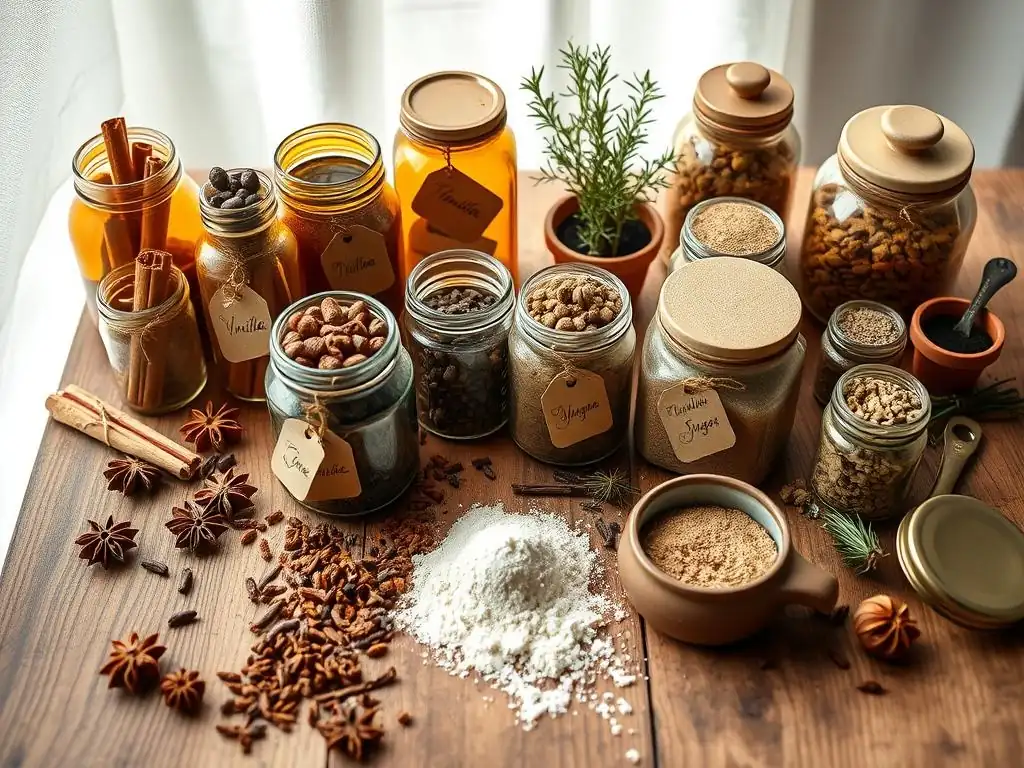
Welcome to BakeWithEase, where the joy of baking meets effortless execution! Tired of bland bakes? Discover the secret to unlocking truly vibrant flavors: proper spice storage. Our latest article dives deep into fresh baking spice storage tips, revealing how to keep your cinnamon, nutmeg, and ginger as potent as the day you bought them. Read on to discover how simple changes can dramatically elevate your baking and transform your kitchen into a spice-filled haven!
- Optimal Storage for Baking Spices: Preserving Flavor and Extending Shelf Life
- Introduction: The Importance of Proper Spice Storage in Baking
- Why Storage Matters: Preserving Flavor and Aroma
- Enemies of Fresh Spices: Heat, Light, Moisture, and Air
- Best Practices: A Step-by-Step Guide
- Specific Storage Tips: Ground vs. Whole Spices
- Testing for Freshness: Smell, Taste, and Appearance
- Reviving Spices: Toasting for Enhanced Flavor
- Conclusion: Maximizing Flavor and Minimizing Waste
- Frequently Asked Questions
- Final Reflection: The Enduring Aroma of Freshness
- Unlock the Flavor: Keep Your Spices Fresh and Vibrant!
Optimal Storage for Baking Spices: Preserving Flavor and Extending Shelf Life
Introduction: The Importance of Proper Spice Storage in Baking
Welcome to BakeWithEase, where we believe that the secret to truly spectacular baked goods lies in the quality of your ingredients. Spices are the aromatic heart of many recipes, providing depth, warmth, and complexity. Think about the comforting scent of cinnamon rolls baking or the festive aroma of gingerbread – these experiences are thanks to vibrant, fresh spices. However, even the highest quality spices can quickly lose their magic if not stored correctly. Mastering fresh baking spice storage tips is just as crucial as perfecting your pastry technique.
Properly storing your spices ensures that every pinch and dash delivers the maximum flavor intended by the recipe. It's not just about preventing spoilage; it's about preserving the volatile oils and compounds that give spices their unique character and potency. Without effective storage, those precious flavors can evaporate, leaving your baked goods tasting flat and uninspired. Let's dive into how you can protect your investment in quality ingredients and keep your spice rack a treasure trove of flavor.
Why Storage Matters: Preserving Flavor and Aroma
Understanding why proper storage is critical is the first step to implementing effective fresh baking spice storage tips. Spices, whether ground or whole, contain complex aromatic compounds that are sensitive to environmental factors. These compounds are what give your baked goods their signature taste and smell. When exposed to unfavorable conditions, these delicate molecules break down, diminishing the spice's quality.
Moreover, effective storage isn't just about flavor; it's about economic sense. Spices can be an investment, especially high-quality or specialty varieties. Extending their useful life through proper storage means you get more value from each purchase and reduce waste. Instead of frequently replacing faded, ineffective spices, you can rely on your well-maintained collection to deliver consistent, powerful flavor whenever you need it for your baking projects.
Impact of Improper Storage: Loss of Flavor and Aroma
Improper storage is the primary culprit behind bland baking spices. Exposure to enemies like air, light, heat, and moisture rapidly degrades the volatile oils and aromatic compounds that define a spice's flavor profile. For instance, the cinnamaldehyde in cinnamon, the eugenol in cloves, or the curcuminoids in turmeric (often used in savory baking) are all susceptible to degradation. When these compounds break down, the spice loses its characteristic warmth, pungency, or sweetness.
Consider a common baking staple like ground nutmeg. Freshly grated nutmeg is intensely aromatic and flavorful. If stored in a clear jar on a sunny countertop, its flavor can become noticeably weaker and less vibrant within a few months. Studies and culinary experience suggest that ground spices can lose up to 50-70% of their volatile oils within a year if stored poorly, compared to potentially retaining 70-90% if stored optimally in airtight, opaque containers away from heat and light. This significant loss directly impacts the final taste of your cookies, cakes, and pies.
Extending Shelf Life: Maintaining Quality and Potency
Implementing good fresh baking spice storage tips significantly extends the useful life and potency of your spices. While spices technically don't "spoil" in a way that makes them unsafe to consume (unless mold is present due to moisture), they lose their flavor and aroma over time. Proper storage slows this degradation process considerably.
Ground spices, due to their increased surface area, typically have a shorter peak shelf life than whole spices. Stored correctly, ground spices like cinnamon or ginger might retain good potency for 2-3 years, whereas if stored poorly, they might be noticeably faded after just 6-12 months.
Whole spices, such as cloves or star anise, have a much longer potential lifespan, often remaining potent for 3-5 years or even longer when stored optimally. This difference highlights the power of proper storage in keeping your spice collection effective for longer periods, saving you money and ensuring flavorful results every time you bake.
Enemies of Fresh Spices: Heat, Light, Moisture, and Air
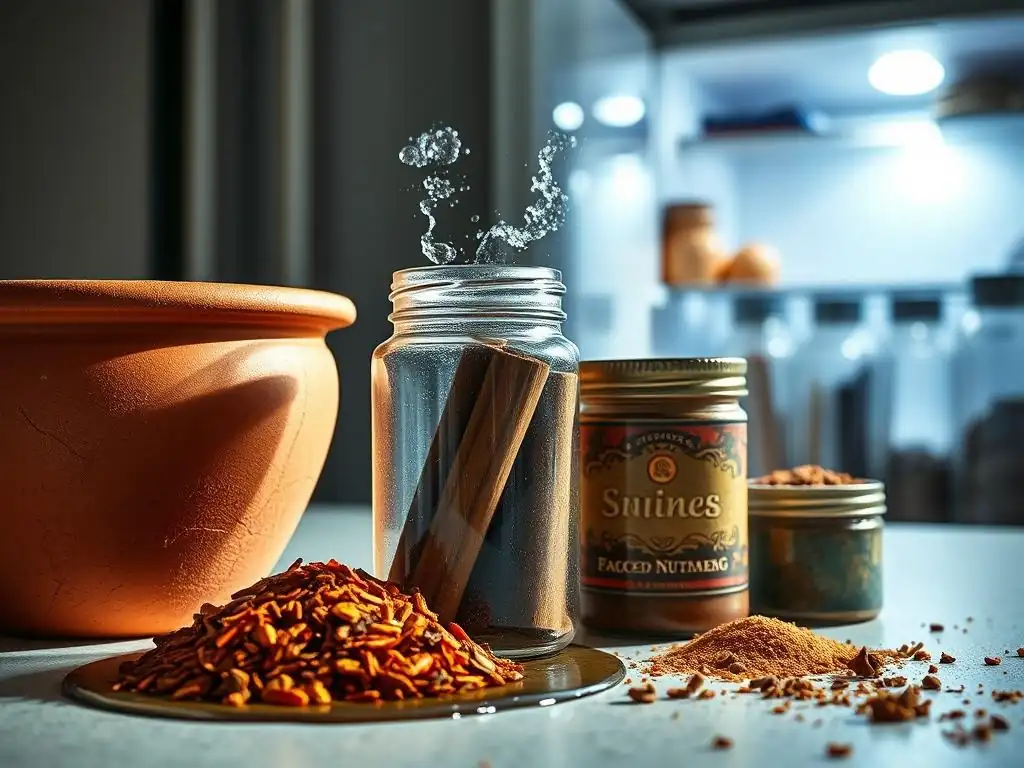
To truly master fresh baking spice storage tips, you must understand the primary culprits behind spice degradation. These four environmental factors are the main enemies that strip away the flavor, aroma, and potency of your valuable baking spices. Protecting your spices from these elements is the core principle of effective storage.
By minimizing exposure to heat, light, moisture, and air, you create an environment where the delicate flavor compounds within your spices can remain stable for as long as possible. This proactive approach ensures that when you reach for that jar of ground cardamom or those whole vanilla beans, they deliver the vibrant, aromatic punch your recipes deserve.
Heat: Degradation of Volatile Oils
Heat is a major accelerator of chemical reactions, including the breakdown of the aromatic compounds found in spices. Volatile oils, which are responsible for much of a spice's flavor and aroma, are particularly susceptible to heat. Storing spices near heat sources causes these oils to evaporate or degrade more quickly than they otherwise would.
Common heat sources in a kitchen include the oven, stovetop, toaster, microwave, and even appliances like dishwashers or refrigerators (due to their motors). Storing your spice rack directly above the oven or in a cupboard next to the stove, where temperatures can fluctuate significantly and often exceed typical room temperature (ideally 50-70°F or 10-21°C), will dramatically shorten their lifespan. Even consistent temperatures above 75°F (24°C) can accelerate flavor loss compared to cooler conditions.
Light: Breakdown of Flavor Compounds
Light, especially ultraviolet (UV) light, can cause photochemical reactions that break down the complex molecules responsible for a spice's flavor and color. Think about how pigments in fabric fade in direct sunlight; similar processes occur with the compounds in spices. This is why spices stored in clear glass jars on a sunny windowsill or even under bright kitchen lights can lose their vibrancy and potency rapidly.
Certain spices are particularly sensitive to light. Paprika, chili powder, and other red spices containing carotenoids are prone to color and flavor degradation when exposed to light. While less visually obvious, the volatile oils in many common baking spices like cloves or allspice are also negatively impacted. Storing spices in opaque containers is a critical step in protecting them from this damaging element.
Moisture: Clumping, Mold, and Reduced Potency
Moisture is another significant enemy of fresh baking spice storage. Humidity in the air can cause ground spices to clump together, making them difficult to measure and use. More seriously, excessive moisture can create an environment suitable for microbial growth, including mold, rendering the spices unsafe for consumption. Even if mold doesn't appear, absorbed moisture dilutes the concentration of flavor compounds and can accelerate other degradation processes.
Using a wet measuring spoon directly from the spice jar is a common way to introduce moisture. The small amount of residual water can be enough to start a clumping problem, especially in hygroscopic (water-absorbing) spices like salt-based seasonings or finely ground powders. Keeping spices in a dry environment, ideally below 60% relative humidity, is essential to prevent clumping, maintain texture, and avoid potential spoilage.
Air: Oxidation and Flavor Loss
Exposure to air, specifically oxygen, leads to oxidation. This chemical process causes many organic compounds, including the volatile oils in spices, to break down. Oxidation can lead to off-flavors developing and a general weakening of the spice's original aroma and taste. The more a spice is exposed to air, the faster this degradation occurs.
Ground spices have a much larger surface area exposed to air compared to whole spices, which is a major reason they lose potency more quickly. Every time you open a container, you introduce fresh air. Storing spices in containers that are not airtight allows a continuous exchange of air, constantly exposing the spice to oxygen. An open bag or a loosely lidded jar will result in significantly faster flavor loss than a properly sealed, airtight container.
Best Practices: A Step-by-Step Guide
Implementing a few key fresh baking spice storage tips can make a world of difference in the longevity and quality of your spice collection. It doesn't require a complete kitchen overhaul, just a few mindful practices when choosing containers, deciding where to store them, and keeping track of what you have.
By following these best practices, you create an optimal environment that shields your spices from their primary enemies: heat, light, moisture, and air. This proactive approach ensures that every time you reach for a spice jar, you're greeted with a strong, vibrant aroma, ready to infuse your baked goods with delicious flavor.
Choosing Containers: Airtight and Opaque
Selecting the right containers is perhaps the most critical step in effective fresh baking spice storage. The ideal container provides a barrier against the damaging effects of air and light, which are major contributors to flavor loss and degradation. The material and design of the container directly impact how well it protects its contents.
Investing in high-quality spice jars or tins designed for storage is a worthwhile endeavor. While the small jars you purchase spices in are often adequate initially, consider transferring spices from bags or bulk purchases into better containers for long-term freshness.
Airtight Containers: Preventing Air Exposure
Airtight containers are essential for minimizing exposure to oxygen, preventing oxidation, and keeping moisture out. A container is considered airtight if its seal prevents air from easily entering or leaving. This is typically achieved with tight-fitting lids, rubber gaskets, or clamp closures.
Glass jars with tight-fitting screw-on lids or those with bail-and-lever closures and rubber seals are excellent choices. Metal tins with snug lids can also work well, provided the lid creates a tight seal. Avoid using plastic bags with simple twist ties or containers with loose-fitting lids, as these allow significant air exchange, rapidly diminishing the spice's freshness and potency.
Opaque Containers: Blocking UV Light
Opaque containers are crucial for protecting spices from light-induced degradation. Light, especially UV light, can break down flavor compounds and cause colors to fade. While some spices are more sensitive than others, protecting all your spices from light is a good practice.
Tinted glass jars (like amber or cobalt blue), metal tins, or ceramic containers are all good opaque options. If you prefer clear glass jars for visibility, they must be stored inside a dark cupboard or pantry where they are not exposed to light. Storing clear jars on open shelves, especially near windows, is detrimental to spice freshness.
Material Considerations: Glass vs. Plastic
When choosing container materials, both glass and plastic have pros and cons. Glass is non-reactive, meaning it won't absorb odors or flavors from the spices, nor will it impart any off-flavors. It's also easy to clean and sterilize. Opaque glass options are available, and clear glass works well if stored in the dark. However, glass can break.
Plastic containers are often lighter and more durable than glass. However, some plastics can absorb the strong aromas of spices over time, potentially making it difficult to use the container for other spices later. There are also concerns about certain chemicals in some plastics leaching into food, although food-grade plastics are generally considered safe for dry goods like spices. For optimal fresh baking spice storage, non-reactive glass or metal is often preferred over plastic.
Optimal Storage Locations: Cool, Dark, and Dry
Once you have the right containers, the next step in effective fresh baking spice storage is choosing the best location in your kitchen. The ideal spot should protect your spices from the environmental enemies we've discussed: heat, light, and moisture.
Selecting a consistent and protected location helps maintain stable conditions for your spices, significantly slowing down the rate of degradation. Avoid the temptation to store spices purely for convenience if that location exposes them to damaging elements.
Ideal Environment: Consistent Temperature and Low Humidity
The best storage environment for spices is one with a consistent, cool temperature and low humidity. A temperature range between 50°F and 70°F (10°C and 21°C) is ideal, though average room temperature (up to about 75°F or 24°C) is usually acceptable if consistent. Fluctuating temperatures are worse than a slightly warmer but stable temperature.
Low humidity is also critical to prevent clumping and potential mold growth. Aim for a relative humidity below 60%. A dry pantry or cupboard is typically the best place, as kitchen environments near stovetops or dishwashers often experience higher humidity levels.
Avoiding Heat Sources: Oven, Stove, and Direct Sunlight
As previously mentioned, heat accelerates spice degradation. Never store your spices directly above or next to your oven or stovetop. These are hot zones with widely fluctuating temperatures. Similarly, avoid storing spices on countertops near appliances that generate heat or in direct sunlight from windows.
A cupboard or pantry shelf that is away from these heat sources is the most suitable location. Even a cupboard directly above a refrigerator might be warmer than ideal due to the heat generated by the appliance's motor. Choose the coolest, most stable spot available.
Organizing Spices: Accessibility and Visibility
While not strictly a preservation tip, organizing your spices contributes to better storage practices. When your spices are well-organized and visible, you're more likely to use them before they lose potency, avoid repurchasing duplicates, and notice if any are nearing the end of their useful life.
Consider using tiered racks, lazy Susans, or drawer inserts to make your spices easy to access and see. Storing them alphabetically or by frequency of use can help. While clear jars stored in a dark pantry offer visibility when the door is open, opaque containers still require good labeling to identify contents without opening.
Labeling and Dating: Tracking Freshness
Effective fresh baking spice storage involves more than just containers and location; it also requires good record-keeping. Because spices don't have strict expiration dates like perishable foods, keeping track of when you purchased them is the best way to monitor their potential freshness and potency.
Proper labeling ensures you always know exactly what's in the jar and how long it's been in your pantry. This simple step helps you rotate your stock and use older spices before they lose their peak flavor, contributing to less waste and more flavorful baking.
Purchase Dates: Monitoring Shelf Life
The most important piece of information to include on your spice label is the purchase date. While spice companies often provide "best by" dates, these are typically conservative estimates. Knowing the purchase date gives you a realistic starting point for assessing the spice's age in your possession.
For ground spices, aim to use them within 1-2 years of purchase, though stored optimally they might last longer. Whole spices are best used within 3-4 years. Mark the date clearly on the bottom or side of the container. This allows you to easily identify older spices that might need a freshness check.
Spice Identification: Clear and Accurate Labeling
Beyond the date, ensure each container is clearly and accurately labeled with the name of the spice. This might seem obvious, but it's easy to confuse similar-looking ground spices like cinnamon, nutmeg, or allspice, or whole spices like cloves and allspice berries.
Use clear, legible labels. If you transfer spices from original packaging, double-check the identity before labeling. This prevents frustrating mix-ups when you're in the middle of a recipe and ensures you're using the correct ingredient.
Labeling Methods: Durability and Readability
Choose a labeling method that is durable and easy to read. Permanent markers directly on the container (if surface allows) or on masking tape are simple options. Pre-printed or handwritten labels on sticker paper also work well. Ensure the labels are placed in a consistent location on the container for easy scanning.
Consider the storage environment – if your pantry is slightly humid, choose labels and ink that won't smudge or peel easily. Rewritable labels are also a good option if you frequently refill containers with new batches of spices, allowing you to update the date easily.
Specific Storage Tips: Ground vs. Whole Spices
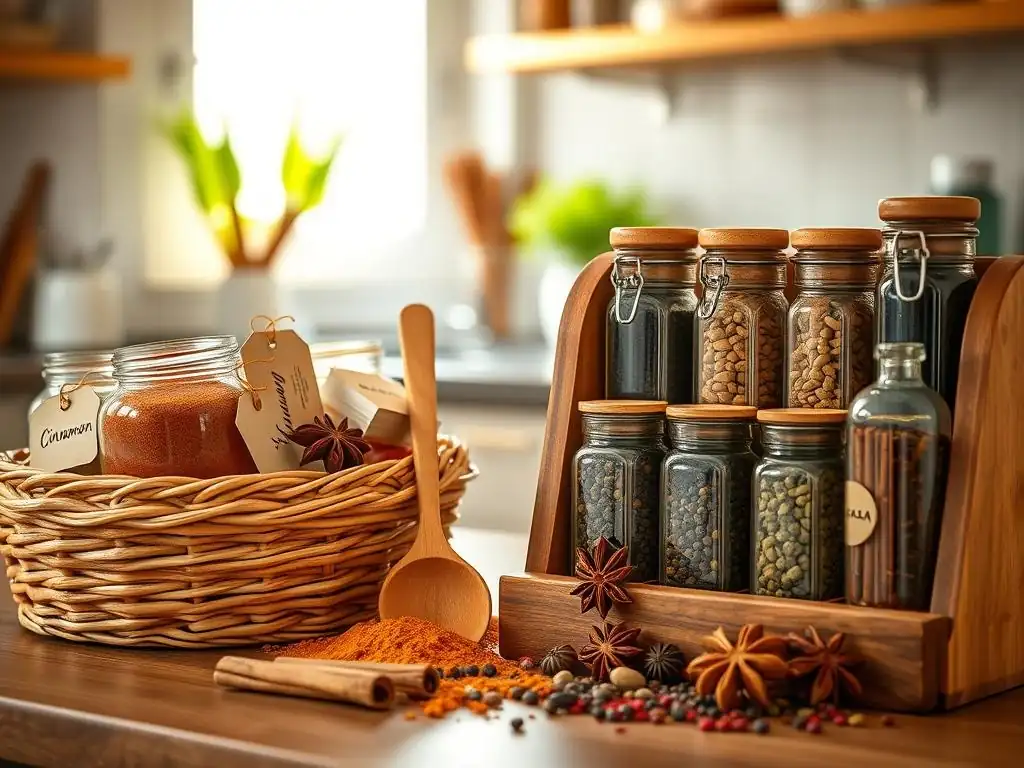
While the general principles of fresh baking spice storage apply to most spices, there are nuances depending on whether the spice is ground or whole, or if it's an extract or fresh herb. Understanding these differences helps tailor your storage approach for optimal results.
The form of the spice significantly impacts its surface area and exposure to air, which in turn affects its susceptibility to oxidation and loss of volatile oils. Extracts and fresh herbs represent entirely different categories requiring distinct storage methods.
Ground Spices: Cinnamon, Nutmeg, and Ginger
Ground spices like ground cinnamon, nutmeg, ginger, cloves, or allspice have a much larger surface area exposed to air compared to their whole counterparts. This makes them more prone to oxidation and loss of volatile oils. Consequently, they have a shorter peak freshness period.
Store ground spices in airtight, opaque containers in a cool, dark, and dry place. While they might technically be usable for longer, their flavor and aroma are typically best within 6-12 months of grinding, and can be kept reasonably potent for 2-3 years with ideal storage. Purchase smaller quantities of ground spices that you use frequently, rather than large bulk amounts that may lose potency before you can finish them.
Whole Spices: Cloves, Peppercorns, and Star Anise
Whole spices, such as whole cloves, peppercorns, star anise, cardamom pods, or cinnamon sticks, retain their volatile oils much longer because they are protected within the spice's structure. They have significantly less surface area exposed to air.
Store whole spices in airtight, opaque containers in a cool, dark, and dry location, just like ground spices. Their lifespan is considerably longer; they can remain potent for 3-5 years or even longer if stored correctly. Grinding spices just before use is the best way to experience their full flavor potential, as the aromatic compounds are released upon grinding.
Extracts and Flavorings: Vanilla, Almond, and Citrus
Baking extracts like vanilla extract, almond extract, or lemon extract are typically made by dissolving flavor compounds in alcohol. Alcohol is a preservative, giving extracts a much longer shelf life than dry spices.
Store extracts in their original dark glass bottles with tight-fitting caps. Keep them in a cool, dark place, away from direct heat or light. While they don't truly "spoil," their flavor can become weaker over time, often after several years. Ensure the caps are screwed on tightly after each use to prevent the alcohol from evaporating, which concentrates the flavor but also reduces the volume and can eventually dry out certain compounds.
Fresh Herbs: Parsley, Mint, and Basil
While not strictly "spices" in the dried sense, fresh herbs like mint, basil, or parsley are frequently used in baking (think lemon-herb scones or berry tarts with basil). Their storage requirements are entirely different from dried spices.
Fresh herbs are perishable and require refrigeration. Wash them gently, pat them dry, and then store them in the refrigerator. A common method is to place the stems in a small jar of water, cover the leaves loosely with a plastic bag, and refrigerate. Alternatively, wrap them in a damp paper towel and place them in a sealed container or bag in the crisper drawer. Used this way, many fresh herbs will last for 1-2 weeks. Freezing or drying are options for longer-term storage, but the flavor profile may change.
Testing for Freshness: Smell, Taste, and Appearance
Even with the best fresh baking spice storage tips, spices won't last forever. Over time, their potency naturally diminishes. Before using a spice, especially one that's been in your pantry for a while, it's wise to perform a quick freshness check. This helps ensure your baked goods have the vibrant flavor you expect.
The three primary ways to assess the freshness of a spice are by using your senses: smell, taste, and sight. A spice's aroma, potency when tasted, and visual appearance can tell you a lot about its remaining quality.
The Smell Test: Detecting Off-Flavors
The smell test is often the first and most telling indicator of a spice's freshness. A fresh spice should have a distinct, strong, and characteristic aroma. Rub a small amount of the ground spice (or crush a whole spice) between your fingers to release its volatile oils, then take a good whiff.
If the aroma is faint, dusty, or has a musty or chemical smell, the spice has likely lost much of its potency or may have absorbed off-odors from its environment. For example, fresh ground cinnamon should smell warm and sweet; if it smells like little more than dust, it's past its prime. This test is crucial for effective fresh baking spice storage management.
The Taste Test: Assessing Potency
If a spice passes the smell test, a small taste test can further confirm its potency. Take a tiny pinch of the ground spice (or a small piece of a whole spice) and taste it. A fresh spice should have a noticeable flavor that corresponds to its aroma, perhaps even a slight tingle or warmth depending on the spice (like ginger or black pepper).
If the spice tastes bland, flat, or like very little at all, its flavor compounds have significantly degraded. While it won't harm you, it also won't contribute much flavor to your baking. Comparing the taste to a known fresh sample of the same spice, if possible, can be helpful.
Visual Inspection: Identifying Spoilage
Finally, visually inspect the spice. While appearance can be less indicative of flavor loss than smell or taste, it can alert you to potential moisture issues or other problems.
Look for vibrant color. Many spices lose color as they age, especially if exposed to light. Red spices like paprika or chili powder should be bright, not dull or brownish. Check for signs of clumping, which indicates moisture exposure. Most importantly, look for any signs of mold or insect activity – if present, discard the spice immediately. A dull color combined with a weak aroma is a strong signal that the spice is past its peak.
Reviving Spices: Toasting for Enhanced Flavor
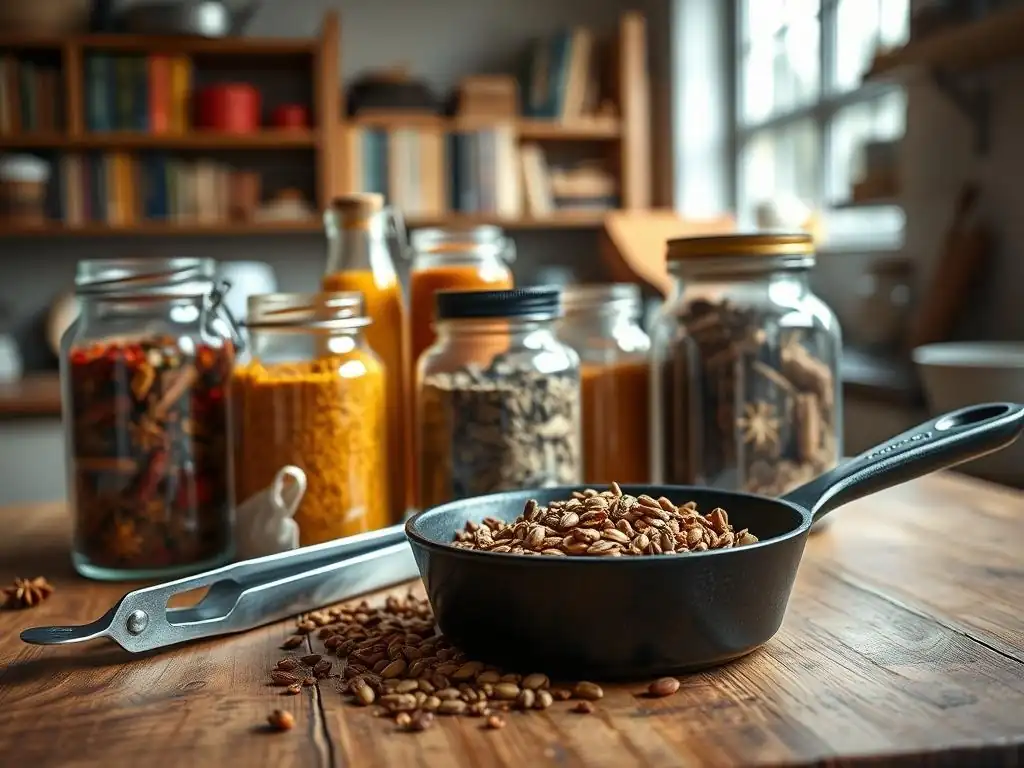
While you can't truly restore freshness to a spice that has lost its volatile oils, you can often enhance the flavor of whole spices by lightly toasting them. This process helps to release the remaining volatile oils and can add a deeper, nuttier dimension to their flavor profile.
Toasting is a useful technique, particularly for whole spices like cumin seeds, coriander seeds, or even whole peppercorns (though less common in sweet baking). It's important to note that this technique does not work for ground spices, which will simply burn.
Toasting: Releasing Aromatics
Toasting whole spices is a simple process. Heat a dry skillet (no oil) over medium heat. Add the whole spices in a single layer. Gently shake or stir the pan frequently to prevent burning. Toast for a few minutes, until the spices become fragrant and perhaps slightly darker in color. Be careful not to burn them, as burnt spices will taste bitter.
Once toasted, immediately remove the spices from the hot pan and let them cool completely on a plate before grinding or using them. This process doesn't bring a truly "dead" spice back to life, but it can significantly improve the flavor of whole spices that are merely dormant or slightly aged by making their existing aromatic compounds more accessible and adding a new layer of flavor complexity.
Conclusion: Maximizing Flavor and Minimizing Waste
Mastering fresh baking spice storage tips is a fundamental skill for any baker who cares about the quality and flavor of their creations. By understanding the enemies of spice freshness – heat, light, moisture, and air – and implementing simple best practices for storage, you can dramatically extend the life and potency of your spice collection.
Choosing the right airtight, opaque containers, storing them in a cool, dark, and dry location, and diligently labeling with purchase dates are key steps. Regularly checking your spices using the smell, taste, and visual tests ensures you're always baking with ingredients that deliver peak flavor. While whole spices can sometimes be enhanced by toasting, there's no true substitute for starting with spices that have been properly stored from the beginning.
By prioritizing fresh baking spice storage, you not only elevate the taste of your baked goods but also reduce food waste, making your baking both more delicious and more sustainable. Happy baking!
Frequently Asked Questions
What are the biggest enemies of baking spice freshness?
The biggest enemies are heat, light, and moisture. These factors can degrade the flavor and potency of your spices quickly.
How should I store my baking spices to maximize their shelf life?
Store your spices in airtight containers in a cool, dark, and dry place, away from direct sunlight and the stove. This helps preserve their volatile oils.
Are clear spice jars okay, or should I use opaque containers?
Opaque containers are better because they block out light, which can degrade the quality of your spices. If you use clear jars, store them in a dark cupboard.
How can I tell if my baking spices have gone bad?
A simple test is to smell and taste them. If the aroma is weak or the flavor is dull, it's time to replace them. Spices lose potency over time.
Should I store my spices in the refrigerator or freezer?
Generally, avoid the refrigerator or freezer unless you live in a very humid climate. The temperature fluctuations and moisture can actually damage the spices.
Final Reflection: The Enduring Aroma of Freshness
The quest for perfectly spiced baked goods is a journey as much about preservation as it is about creation. Maintaining the vibrant flavors and potent aromas of your baking spices is not merely a matter of convenience; it's crucial to achieving the desired taste and texture in your culinary masterpieces. Ignoring proper storage can lead to disappointing results, transforming a potential delight into a culinary disappointment.
The impact of properly stored spices extends beyond the individual baker, influencing the overall quality of home-baked goods and contributing to a richer culinary experience for everyone. The subtle nuances of freshly ground cinnamon, the bright warmth of freshly cracked nutmeg – these are the details that elevate baking from a task to an art. As the renowned chef Julia Child once said, Find something you're passionate about and keep tremendously interested in it.
For me, that passion lies in the pursuit of perfect flavor, and that journey begins with the careful preservation of my spices.
Now, consider your own spice rack. Are those jars filled with vibrant, aromatic treasures, or are they harboring faded, lifeless remnants of their former glory? Take a moment to assess your current storage methods. Are you utilizing airtight containers, storing spices in cool, dark places, and grinding whole spices just before use? By implementing the simple yet effective techniques outlined in this article, you can unlock a new level of flavor in your baking, transforming ordinary treats into extraordinary experiences. Embrace the journey towards fresher, more flavorful baking – your taste buds will thank you.
Unlock the Flavor: Keep Your Spices Fresh and Vibrant!
Thanks for taking the time to learn how to keep your baking spices at their peak! We hope you now feel confident in creating delicious, flavorful treats. Ready to put your new knowledge into action?
- Prioritize your spice drawer: Take 15 minutes today to organize and date your spices. Discard anything past its prime to make room for fresh flavors.
- Share your favorite spice storage tip in the comments below! Let's build a community of baking enthusiasts with top-notch spice secrets.
- Experiment with a new spice blend this week – you might discover your next favorite baking magic!
Ready to transform your baking game with perfectly preserved spices?