
What is the Best Temperature for Baking Rolls?

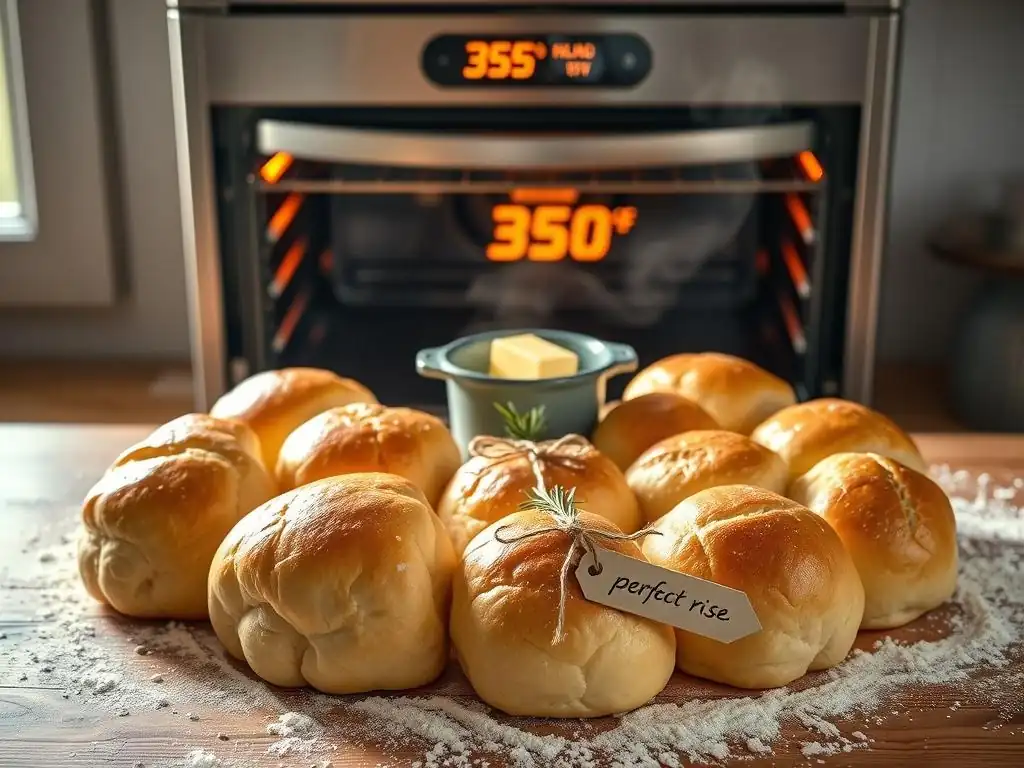
Welcome to BakeWithEase, where the joy of baking meets simplicity! Ever wondered if you're really getting the most out of your rolls? Find out if you are using the best temperature baking rolls to achieve that perfect golden-brown crust and delightfully soft interior. Get ready to unlock the secrets to baking phenomenal rolls, and discover the surprisingly simple tweaks that will transform your baking game! Let's get baking!
- Understanding the Importance of Temperature in Bread Baking
-
Frequently Asked Questions
- What is the generally recommended temperature for baking rolls?
- How does oven temperature affect the texture of rolls?
- Should I adjust the baking time if I alter the oven temperature for rolls?
- What's the ideal temperature for baking enriched dough rolls (like brioche or cinnamon rolls)?
- How can I ensure my rolls are baked evenly, regardless of the oven temperature?
- Final Reflection: The Golden Ratio of Roll Baking
- Unlock Perfectly Golden Rolls: Your Baking Journey Starts Now!
Understanding the Importance of Temperature in Bread Baking
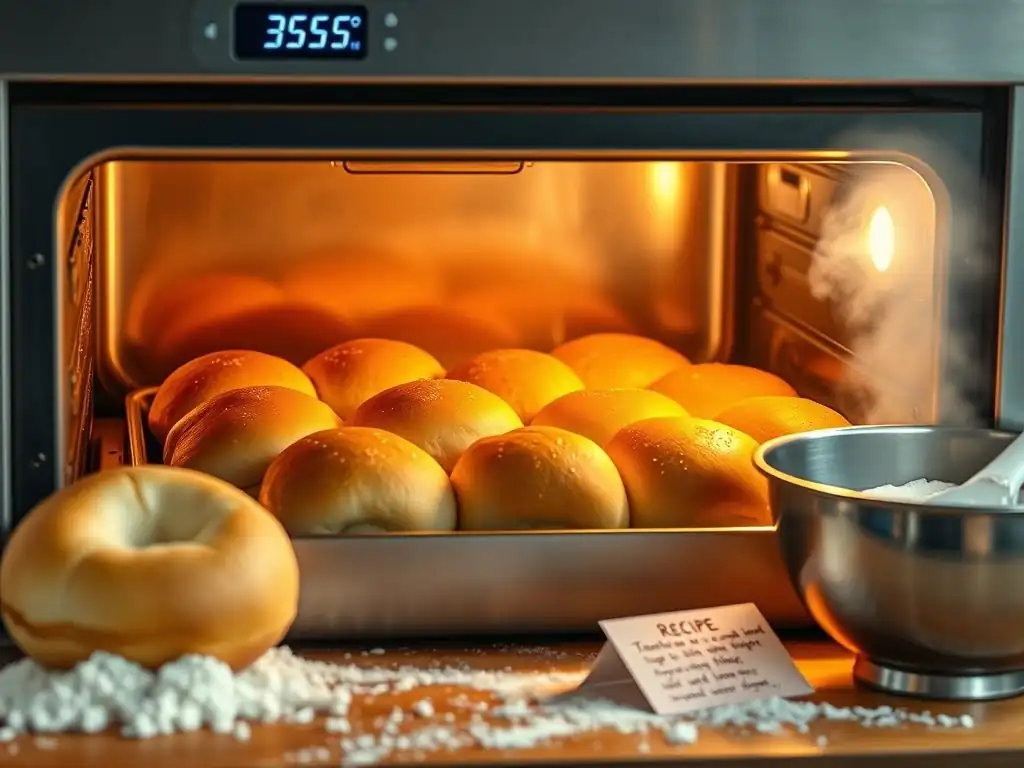
Baking bread is a fascinating blend of science and art, and perhaps no factor is as critical to success as oven temperature. It's not just about heating the dough; it's about controlling a series of complex chemical reactions that transform simple ingredients into a delicious loaf or batch of rolls. Understanding the role of temperature is fundamental to achieving that perfect crumb and crust, whether you're making a rustic sourdough or fluffy dinner rolls. Getting the best temperature baking rolls or a loaf just right can make all the difference between a mediocre bake and a truly exceptional one.
The oven's heat provides the energy for yeast to perform its final burst of activity, known as "oven spring." This rapid expansion occurs in the first few minutes of baking before the yeast dies off. A sufficient initial temperature is crucial for maximizing this rise, leading to a well-aerated crumb structure.
If the temperature is too low, the yeast might not have enough energy for a vigorous spring, resulting in a dense loaf or rolls. Conversely, too high an initial temperature might kill the yeast too quickly, inhibiting expansion before the structure is set. Mastering the best temperature for baking rolls ensures that your dough achieves its maximum potential volume and airy texture.
Why Temperature Matters for Bread Texture and Rise
The internal texture, or crumb, of your bread is profoundly influenced by the temperature at which it bakes. When dough enters a hot oven, the water within it turns to steam, causing the dough to expand rapidly. This steam pushes against the developing gluten structure, creating air pockets that become the holes in your finished crumb. The rate and extent of this steaming and expansion are directly tied to the oven's temperature. A temperature that's too low won't generate enough steam quickly enough, potentially leading to a tighter crumb.
Beyond the initial oven spring, temperature dictates how the gluten structure sets. As the temperature increases, the protein network of gluten becomes firmer, locking in the shape and airy texture created by the steam and yeast activity. If the oven temperature is too high, the exterior of the dough might set too quickly, preventing further expansion and potentially resulting in a dense interior despite a seemingly good rise before baking. Finding the best temperature for baking rolls helps ensure that the inside cooks through evenly and achieves a light, open texture, preventing that disappointing gummy or doughy center.
The Impact of Oven Temperature on Crust Formation and Color
The crust is the bread's first impression, and its development is almost entirely a function of oven temperature and baking time. The beautiful golden-brown color and appealing texture of a well-baked crust are the result of two primary chemical reactions: the Maillard reaction and caramelization. The Maillard reaction, a complex interaction between amino acids and reducing sugars, begins to occur at temperatures around 300°F (150°C) and is responsible for the rich flavors and browning of the crust. Caramelization, the browning of sugars, happens at slightly higher temperatures, typically above 320°F (160°C), contributing sweetness and darker hues.
A sufficiently high oven temperature is essential to kickstart these reactions effectively on the surface of the dough before the interior is fully cooked. If the temperature is too low, the crust may remain pale and soft, lacking the desired flavor and texture complexity. Too high, however, can lead to rapid, uneven browning or even burning on the exterior while the inside remains undercooked.
Achieving the best temperature baking rolls ensures a beautiful, evenly browned crust that is both crisp and flavorful, providing a delightful contrast to the soft interior crumb. This balance is key to a truly successful bake.
Frequently Asked Questions
What is the generally recommended temperature for baking rolls?
The most common temperature for baking rolls is between 350°F (175°C) and 400°F (200°C). The exact temperature depends on the type of roll and desired crust.
How does oven temperature affect the texture of rolls?
A higher temperature will result in a crispier crust and a slightly denser interior. Lower temperatures create a softer crust and a more tender, airy inside.
Should I adjust the baking time if I alter the oven temperature for rolls?
Yes, you absolutely should. If you lower the temperature, you'll need to increase the baking time to ensure the rolls are fully cooked. Conversely, a higher temperature requires shorter baking time.
What's the ideal temperature for baking enriched dough rolls (like brioche or cinnamon rolls)?
Enriched dough rolls, due to their higher fat and sugar content, often benefit from a slightly lower temperature, around 350°F (175°C). This prevents the exterior from burning before the inside is cooked through.
How can I ensure my rolls are baked evenly, regardless of the oven temperature?
Rotating the baking sheet halfway through the baking process is crucial for even baking. Also, ensure your oven is properly preheated and that you're using an oven thermometer to verify the temperature's accuracy.
Final Reflection: The Golden Ratio of Roll Baking
The perfect bake hinges on precision, and when it comes to rolls, that precision begins with temperature. A seemingly small detail, the ideal oven temperature drastically impacts the final product, transforming a potentially dense, gummy mess into light, airy perfection. This exploration into the optimal baking temperature for rolls highlights the often-overlooked importance of mastering this single variable.
The quest for the perfect roll transcends mere culinary technique; it speaks to a deeper human desire for comfort and connection. The aroma of freshly baked bread, warm and inviting, evokes feelings of home and shared meals. Bread is the staff of life,
a simple phrase that encapsulates its profound significance in cultures worldwide. This article's exploration into the science of baking rolls, therefore, is not just about achieving the ideal temperature, but about understanding the artistry and tradition behind this everyday staple. The subtle nuances of temperature control reflect the care and attention we invest in creating something beautiful and nourishing.
Now, consider your own baking journey. Have you experimented with different temperatures? What discoveries have you made? I encourage you to embrace the challenge of finding your perfect roll-baking temperature, to refine your technique, and to share the delicious results with those you love. The journey of perfecting a recipe is as rewarding as the final product itself, a testament to the enduring power of culinary exploration and the simple joy of sharing a warm, perfectly baked roll.
Here's a CTA tailored for the article "What is the Best Temperature for Baking Rolls?" on BakeWithEase.com:
Unlock Perfectly Golden Rolls: Your Baking Journey Starts Now!
Thanks for taking the time to learn about baking the perfect rolls! We hope you now feel confident in achieving that golden-brown crust and fluffy interior. Ready to put your newfound knowledge into practice?
- Bake a batch today! Use the optimal temperature from the article to create your most delicious rolls yet. Challenge yourself to experiment with different flours or fillings.
- Share your baking triumphs (and challenges!) on social media. Use #BakeWithEase to connect with our community and inspire other bakers.
- Explore our other baking guides: Discover more tips and techniques for bread making – from sourdough starters to artisan loaves.
Ready to create your signature roll recipe? What unique twist will you add to elevate your baking game?