
Elevate Your Home Baking Game: A Guide to Artisan Flour Types

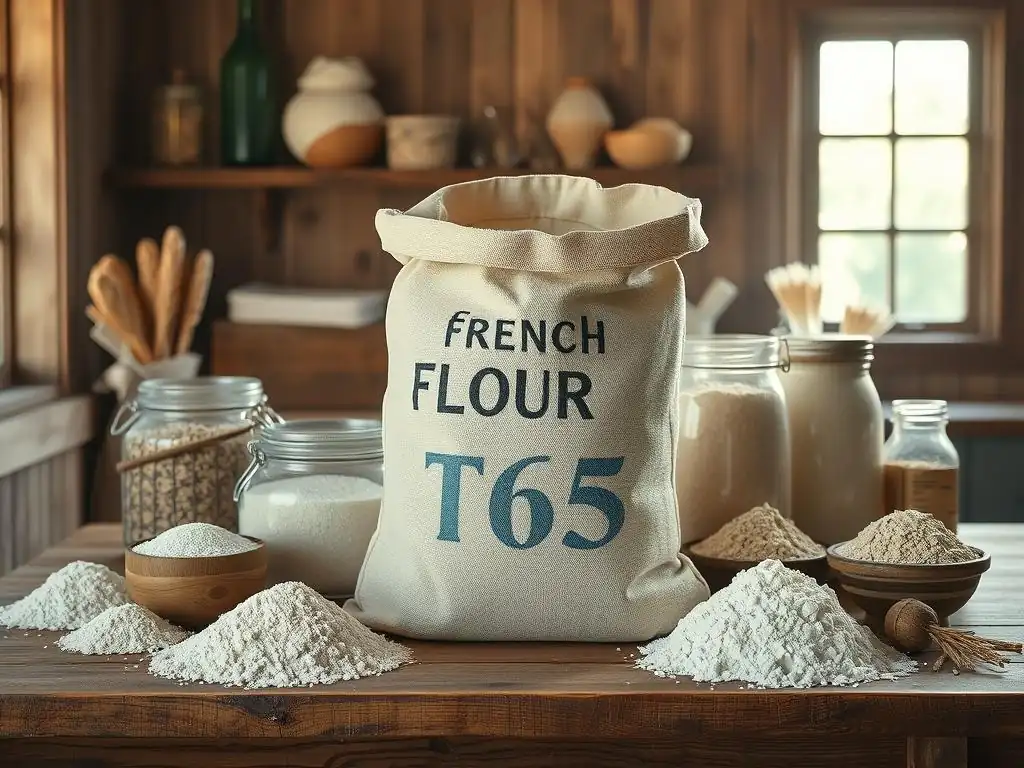
Welcome to BakeWithEase, where baking becomes a joy, not a chore! Ever wondered if the secret to that perfect crust or exquisitely tender crumb lies beyond the standard all-purpose flour? This is where your baking adventure truly begins. Dive into our Artisan Flour Types Baking Guide to unlock a world of flavor and texture, and discover how the right flour can elevate your creations from ordinary to extraordinary. Curious to learn which flour creates the most delectable sourdough? Let's explore!
- Artisan Flour Types Baking Guide: Unleash Your Baking Potential
- Understanding Artisan Flours: Key Differences & Baking Applications
- Exploring Popular Artisan Flour Varieties for Baking
- Choosing the Right Artisan Flour: A Baking Project Guide
- Where to Buy Artisan Flours: Online and Local Options
- Tips for Storing Artisan Flours: Maintaining Freshness
- Conclusion: Mastering Artisan Flour for Baking Success.
-
Frequently Asked Questions
- What exactly are artisan flour types, and how do they differ from regular flour?
- Why should I consider using artisan flour types in my baking?
- Are artisan flour types more difficult to work with than all-purpose flour?
- Where can I find artisan flour types?
- Can artisan flour types be used for all types of baking, or are they better suited for specific recipes?
- Final Reflection: The Flour Power of Artisan Baking
- Unleash Your Inner Baker: Flour Power Awaits!
Artisan Flour Types Baking Guide: Unleash Your Baking Potential
Welcome to the wonderful world of artisan baking! If you've been baking for a while or are just starting your journey, you might have heard about artisan flours and wondered how they differ from the standard options at your local grocery store. This artisan flour types baking guide is designed to demystify these premium ingredients and show you how they can transform your baked goods from good to absolutely incredible. Understanding the nuances of different artisan flours is key to achieving those coveted crusts, tender crumbs, and complex flavors that define true artisan baking.
Exploring the vast array of artisan flour types opens up a new dimension of possibilities in your kitchen. From hearty loaves of sourdough to delicate pastries and flavorful cookies, the flour you choose plays a starring role. We'll delve into what makes a flour "artisan," explore popular varieties, and guide you on selecting the perfect flour for your specific baking projects. Get ready to elevate your home baking game and discover the magic that quality ingredients, guided by this artisan flour types baking guide, can bring to your table.
Understanding Artisan Flours: Key Differences & Baking Applications
Artisan flours stand apart from conventional flours primarily due to their sourcing, milling process, and often, the specific grain varieties used. While standard flours are typically roller-milled for consistency and shelf life, artisan flours often utilize traditional methods like stone milling, which can preserve more of the grain's germ and bran, contributing to richer flavor and nutrient profiles. For instance, a stone-milled flour might retain more natural oils and enzymes compared to a highly refined roller-milled version. This difference in processing significantly impacts the flour's performance in baking, affecting everything from hydration needs to crust development and overall taste.
Beyond the milling method, the origin and type of grain are crucial. Many artisan flours come from specific regional farms or heritage grain varieties that offer unique characteristics. For example, a flour milled from a specific type of hard red winter wheat grown in a particular region might have a distinct protein structure or flavor profile compared to a generic blend.
These factors combine to give artisan flours their unique qualities, making them a preferred choice for bakers seeking to achieve complex flavors and textures reminiscent of traditional bakeries. Understanding these fundamental differences is the first step in mastering the use of artisan flour types in your baking.
What Makes Artisan Flour "Artisan"?
The term "artisan" when applied to flour often refers to a combination of factors that prioritize quality, tradition, and unique characteristics over mass production and standardization. This can include the use of heritage or regionally specific grain varieties, which often possess distinct flavor profiles and baking properties not found in common commercial grains. For example, some mills source ancient grains like Einkorn or Emmer, or specific wheat types known for their exceptional baking performance. The focus is on the grain itself, often grown using sustainable or organic practices, ensuring a higher quality starting material for your baked goods.
Furthermore, the milling process is a key differentiator. While most commercial flour is roller-milled, which is efficient but removes much of the bran and germ, many artisan flours are stone-milled. Stone milling grinds the entire grain slowly between large stones, retaining more of the grain's natural oils, vitamins, and minerals, which contribute to a richer flavor and aroma.
This less aggressive process also results in a flour with varied particle sizes, which can impact hydration and fermentation in dough. The freshness of the flour is also paramount; artisan mills often mill in smaller batches and distribute more directly, meaning the flour reaches the baker sooner after milling, preserving its vitality and flavor.
The Impact of Protein Content in Artisan Baking Flours
Protein content, specifically the amount of gluten-forming proteins, is arguably one of the most critical factors when choosing any flour, and this is especially true for artisan baking. Gluten provides the structure, elasticity, and chewiness in baked goods, particularly in bread.
When water is added to flour and mixed, these proteins form a network that traps gases produced by leavening agents (like yeast or sourdough starter), allowing dough to rise and hold its shape. Flours with higher protein content develop stronger gluten networks, which are essential for loaves with a good rise and open crumb structure, characteristic of many artisan breads.
Conversely, flours with lower protein content develop weaker gluten networks. While this is undesirable for crusty bread, it's perfect for achieving tender, delicate results in cakes, pastries, and cookies. A high-protein flour would result in tough cookies or a dense cake.
Understanding the typical protein ranges for different flour types – high (above 12%), medium (10-12%), and low (below 10%) – is crucial for selecting the right artisan flour type for your specific baking project. For instance, King Arthur Bread Flour is known for its consistently high protein content, often around 12.7%, making it a go-to for many bread bakers seeking reliable gluten development.
-
High Protein Artisan Flours: Ideal for Bread (e.g., King Arthur Bread Flour, protein often ~12.7%)
These flours develop strong gluten, providing the necessary structure for loaves with excellent volume and chew. They can handle long fermentation times typical of artisan bread making.
-
Medium Protein Artisan Flours: Perfect for Pastries and All-Purpose Baking (e.g., Bob's Red Mill Artisan Bread Flour, often ~11.5%)
Offering a balance, these flours are versatile enough for both rustic breads and lighter baked goods. They provide enough structure for a decent loaf but won't make pastries tough.
-
Low Protein Artisan Flours: Best for Delicate Cakes and Cookies (e.g., Soft Pastry Flour, often 8-9%)
These flours minimize gluten development, resulting in tender, soft textures ideal for cakes, biscuits, and delicate cookies where a crumbly or tender structure is desired.
Exploring Popular Artisan Flour Varieties for Baking
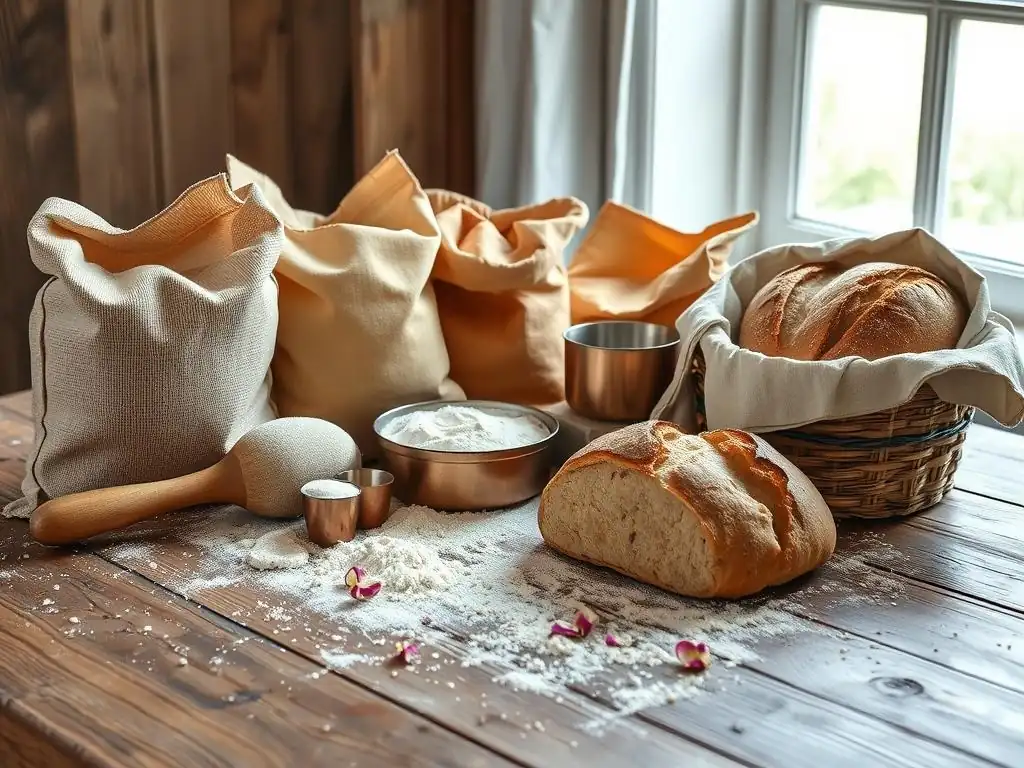
Navigating the world of artisan flour types for baking can seem daunting at first, given the sheer number of options available. However, focusing on a few key varieties commonly used in artisan baking can simplify the process and yield fantastic results. Each type offers unique characteristics in terms of flavor, texture, and how it behaves in dough, making it suited for specific applications. Understanding these differences is fundamental to choosing the best flour for your desired outcome, whether you're aiming for a chewy sourdough or a light, airy pastry.
From the ubiquitous bread flour, the workhorse of many bakeries, to more specialized grains like rye and spelt, each flour brings something distinct to the table. We'll explore some of the most popular artisan flour varieties and discuss their typical uses, helping you build your pantry with the right ingredients to tackle a wide range of baking challenges. This section serves as a practical artisan flour types baking guide to stocking your kitchen with quality ingredients.
Bread Flour: The Foundation of Artisan Loaves
Bread flour is the cornerstone of many artisan bread recipes, specifically milled from hard wheat varieties that are high in protein. This high protein content, typically ranging from 12% to 14%, is crucial for developing a strong and elastic gluten network when hydrated and kneaded. This robust gluten structure is what allows bread dough to trap the carbon dioxide produced by yeast or sourdough starter, resulting in a well-risen loaf with a desirable open crumb structure and a satisfyingly chewy texture. Without sufficient protein, a bread dough would struggle to hold its shape and achieve good volume.
Artisan bread flours are often less refined than standard commercial versions, sometimes retaining more of the bran and germ, which adds flavor and nutritional value. Brands like King Arthur Baking Company's Bread Flour, with its consistent protein level often cited around 12.7%, are popular among home bakers for their reliability. Another excellent option is Central Milling's Artisan Bakers Craft Plus, which is often praised for its exceptional performance and subtle, complex flavors that contribute beautifully to sourdough and yeasted breads. Using a quality bread flour is the first step towards achieving bakery-quality loaves at home.
- King Arthur Bread Flour: A reliable choice for consistent results. Known for its high protein (approx. 12.7%) and strong gluten.
- Central Milling Artisan Bakers Craft Plus: Offers a unique flavor profile. A favorite among professional bakers for its performance in hearth breads.
Whole Wheat Flour: Adding Nutrients and Flavor
Whole wheat flour is produced by grinding the entire wheat kernel – the bran, germ, and endosperm – resulting in a flour that is significantly richer in fiber, vitamins, minerals, and flavor compared to refined white flour. The presence of the bran and germ adds a nutty, earthy taste and contributes to a denser texture in baked goods.
While 100% whole wheat loaves can be quite heavy, incorporating whole wheat flour into blends with white flour adds nutritional value and complexity without sacrificing too much volume. For example, substituting 20-30% of white bread flour with whole wheat in a recipe can dramatically enhance the flavor of a loaf.
Artisan whole wheat flours, like those from King Arthur White Whole Wheat Flour or Bob's Red Mill Whole Wheat Flour, often come from specific wheat varieties chosen for their flavor and baking qualities. White whole wheat flour, for instance, comes from a naturally lighter-colored wheat and offers a milder flavor than traditional red whole wheat, making it an easier introduction for those new to baking with whole grains.
The bran in whole wheat flour can interfere with gluten development, so recipes using high percentages often require more hydration and careful handling. Despite the challenges, the depth of flavor and nutritional boost make whole wheat an essential component in many artisan flour types baking guide recipes.
- King Arthur White Whole Wheat Flour: A milder whole wheat option. Made from white wheat kernels, offering a less intense flavor than red whole wheat.
- Bob's Red Mill Whole Wheat Flour: A classic choice for hearty breads. Stone-ground from dark red wheat, providing a robust, traditional whole wheat flavor.
Rye Flour: For Distinctive Flavor Profiles
Rye flour, milled from the rye grain, is celebrated for its distinctive tangy, slightly sour flavor and aroma, which are characteristic of many traditional European breads. Unlike wheat flour, rye contains less gluten-forming protein. Instead, it has pentosans, complex carbohydrates that absorb a large amount of water and contribute to the sticky texture of rye doughs.
Because it forms less gluten, rye bread tends to be denser than wheat bread. Rye flour is often categorized by its color or "darkness," which indicates how much of the bran and germ are included – light rye is primarily the endosperm, while dark rye includes more of the outer layers.
Baking with rye flour requires different techniques than baking with wheat. Rye doughs are often stickier and don't develop the same elastic structure as wheat doughs. They also ferment faster.
Rye is frequently used in sourdough starters because of its rich nutrient content, which feeds wild yeasts and bacteria effectively. Bob's Red Mill Dark Rye Flour is a popular choice for creating robust, full-flavored rye breads, while Hodgson Mill's Light Rye Flour offers a more subtle rye presence, suitable for blending with wheat flour to add just a hint of that unique rye character without overwhelming the loaf. Incorporating rye is a fantastic way to explore diverse artisan flour types and expand your baking repertoire.
- Bob's Red Mill Dark Rye Flour: Ideal for dense, flavorful rye breads. Stone-ground and includes more of the rye berry for intense flavor.
- Hodgson Mill Light Rye Flour: A more subtle rye flavor. Milled from the inner part of the rye berry, resulting in a lighter color and milder taste.
Spelt Flour: An Ancient Grain for Modern Baking
Spelt is an ancient grain, a cousin to modern wheat, that has seen a resurgence in popularity among artisan bakers and health-conscious consumers. It boasts a slightly nutty, sweet flavor profile and contains gluten, although its gluten structure is more fragile and water-soluble than that of modern wheat. This means spelt dough can be stickier and requires a gentler touch during mixing and handling to avoid breaking down the gluten network. Despite the difference in gluten structure, spelt can often be substituted for wheat flour in many recipes, sometimes requiring slight adjustments to hydration.
Nutritionally, spelt is comparable to or slightly higher in protein than modern wheat and contains a good amount of fiber and nutrients. Its unique flavor makes it a wonderful addition to breads, muffins, pancakes, and even cookies. Bob's Red Mill Spelt Flour is a widely available option that performs well in various baked goods, imparting its characteristic nutty sweetness. Arrowhead Mills Organic Spelt Flour is another popular choice, known for adding a pleasant depth of flavor. Baking with spelt is a great way to experiment with different artisan flour types and bring ancient grains into your modern kitchen.
- Bob's Red Mill Spelt Flour: A nutritious and flavorful alternative. Offers a nutty, slightly sweet taste and works well in breads and pastries.
- Arrowhead Mills Organic Spelt Flour: Adds a nutty taste to your baked goods. Certified organic, providing a clean, earthy flavor.
Semolina Flour: The Secret to Perfect Pasta and Some Breads
Semolina flour is a coarse flour milled from durum wheat, a hard wheat variety with particularly high protein content and a vibrant yellow hue. While most commonly associated with making traditional Italian pasta – its high gluten strength and coarse texture create firm pasta that holds its shape beautifully when cooked – semolina is also used in certain breads, particularly those from Southern Italy. In bread making, semolina contributes a unique texture, a slightly sweet flavor, and a beautiful golden crumb. It can be used on its own (often requiring high hydration) or blended with bread flour.
Using semolina in bread, like in a Pane di Altamura or a simple Semolina bread, results in a loaf with a rustic crust and a dense, yet tender interior. The coarse grind gives the crumb a distinctive feel. Bob's Red Mill Semolina Flour is a popular choice for both pasta and bread, offering reliable quality.
Giusto's Fine Semolina Flour is another option, often favored for its slightly finer texture which can result in a smoother dough while still providing the benefits of durum wheat. While maybe not the first flour that comes to mind in an artisan flour types baking guide, semolina is a versatile ingredient worth exploring for its unique contributions to texture and flavor.
- Bob's Red Mill Semolina Flour: For authentic Italian pasta and breads. Milled from hard durum wheat, known for its high protein and golden color.
- Giusto's Fine Semolina Flour: Creates a smoother texture. A finely ground semolina that still provides the structure and flavor of durum wheat.
Choosing the Right Artisan Flour: A Baking Project Guide
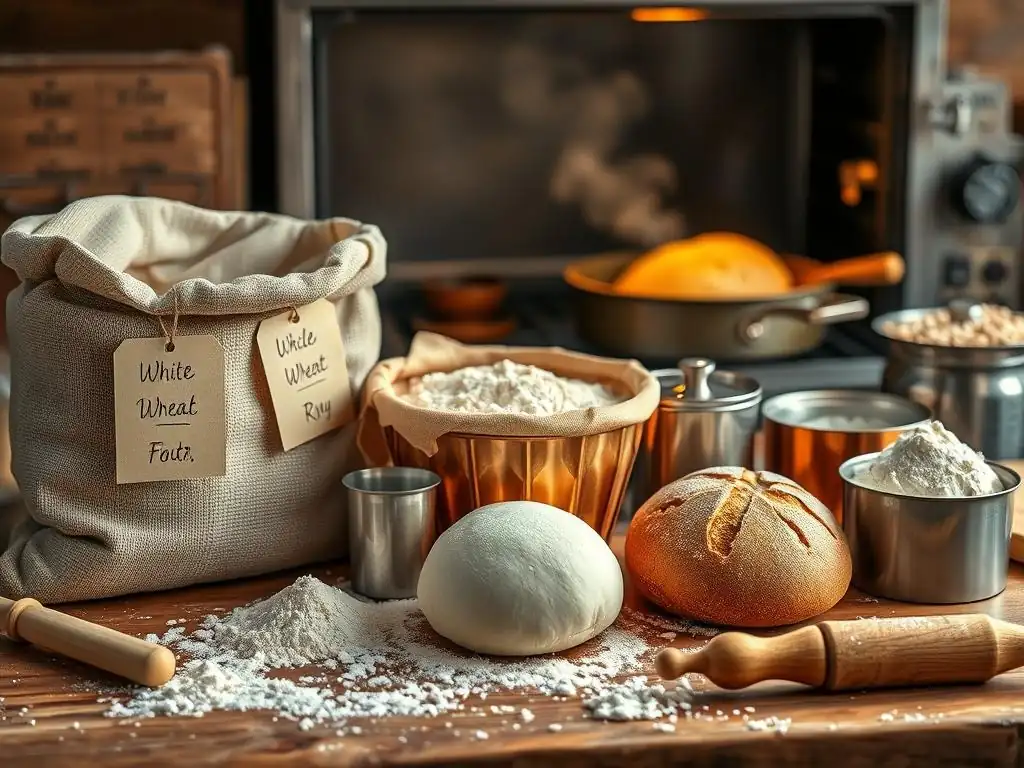
Selecting the perfect artisan flour type depends entirely on the specific baking project you have in mind. The characteristics of different flours – their protein content, grind size, flavor profile, and absorption rate – all play a critical role in the final outcome of your bake. What works wonderfully for a chewy sourdough loaf will likely result in a tough or dense cake. This section provides a practical guide to matching the right artisan flour to some popular baking endeavors, helping you make informed choices for optimal results.
Whether you're aiming for the perfect open crumb in a sourdough loaf, the delicate layers of a croissant, or the ideal balance of chew and tenderness in a chocolate chip cookie, the flour choice is paramount. Thinking about the desired texture, flavor, and structure will lead you to the most suitable artisan flour type. Let this guide help you navigate your options and achieve baking success.
Baking Sourdough Bread: The Best Artisan Flour Choices
For baking classic artisan sourdough bread, the primary requirement is a flour with sufficient protein to build a strong gluten network capable of trapping the gases produced during the long fermentation process. High-protein bread flour is typically the backbone of a good sourdough loaf. A protein content of 12% or higher is generally recommended to ensure the dough has the strength and elasticity needed for a good rise and that desirable open, airy crumb structure. Using a high-quality bread flour, like King Arthur Bread Flour (approx. 12.7% protein) or Central Milling's Artisan Bakers Craft Plus, provides the necessary foundation.
While high-protein bread flour forms the bulk of the recipe, many sourdough bakers also incorporate small percentages of other artisan flour types to add complexity and depth of flavor. A common practice is to include 10-20% whole wheat or rye flour. Rye flour, even in small amounts (say, 5-10%), significantly contributes to the tang and aroma of the sourdough, while whole wheat adds nutty notes and nutrients. This blending of flours allows bakers to fine-tune the characteristics of their sourdough, creating loaves with unique textures and taste profiles that go beyond a simple white loaf.
- High-Protein Bread Flour: Essential for structure. Look for flours with 12%+ protein for optimal gluten development.
- Rye Flour (Small Percentage): Adds complexity and flavor. Even 5-10% can significantly impact the taste and aroma of the loaf.
Baking Croissants: Achieving Flaky Perfection with Artisan Flour
Achieving the signature delicate flakiness and airy layers of a croissant requires a flour that provides a balance of strength and tenderness. While some professional bakers use specialized pastry flour blends, a good quality all-purpose flour with a moderate protein content (typically 10-11.5%) or a dedicated pastry flour (lower protein, 8-9%) is often suitable for home bakers.
The key is to develop enough gluten to give the dough structure for rolling and folding with butter, but not so much that the layers become tough. A flour like Bob's Red Mill Artisan Bread Flour (~11.5% protein) can work, or a blend of all-purpose and cake flour could mimic a lower-protein pastry flour.
Crucially, the success of croissants relies heavily on the lamination process and the quality of the butter used. Incorporating high-quality, high-fat European-style butter (with at least 82% butterfat) is vital. This butter has less water than standard butter, which helps create distinct layers of fat that separate the dough during baking, resulting in flakiness. While the flour provides the necessary structure for the dough matrix, it's the interaction between the carefully folded layers of dough and high-quality butter, combined with precise temperature control, that truly defines the croissant's texture.
- All-Purpose or Pastry Flour: Provides the right balance of gluten. A protein level around 10-11.5% is ideal for structure without toughness.
- European-Style Butter (82% Butterfat): Essential for creating distinct, flaky layers.
For classic chocolate chip cookies, the goal is often a balance between a slightly chewy edge and a soft, tender center. This texture is best achieved with a flour that has a moderate protein content, allowing for some gluten development for chewiness but not so much that the cookies become tough or cakey. A good quality all-purpose flour (around 10-11.5% protein) is standard, but using an artisan all-purpose or even blending a bit of low-protein pastry flour can enhance tenderness. Some bakers even use a blend of bread flour and cake flour to control texture precisely.
While flour provides the structure, the flavor of a great chocolate chip cookie is heavily influenced by other ingredients and techniques. Using brown butter instead of melted butter adds a nutty depth, while high-quality chocolate chips (with a higher cocoa butter content) melt into luscious pockets of flavor.
The sugar ratio (more brown sugar for chewiness, more white sugar for spread) and baking time also significantly impact the final texture. While you might not think of artisan flour types specifically for cookies, choosing a quality all-purpose or pastry flour from an artisan mill can contribute a subtle depth of flavor compared to standard options.
- All-Purpose Flour or Pastry Flour Blend: Creates a tender crumb. A protein content around 10-11.5% offers a good balance of chew and tenderness.
- Brown Butter Technique (Optional): Adds a nutty, caramelized flavor that complements the chocolate.
- High-Quality Chocolate Chips: Use chocolate with a higher cocoa butter content for better melting and flavor.
Where to Buy Artisan Flours: Online and Local Options
Once you've decided which artisan flour types you want to experiment with, the next step is finding them. While some larger grocery stores are beginning to carry a wider selection of flours, the best sources for premium artisan flours are often dedicated online retailers, local mills, or even bakeries that sell their preferred ingredients. These sources typically offer a broader range of varieties, including heritage grains and specific grinds, and ensure the flour is relatively fresh, which is crucial for optimal baking performance and flavor.
Exploring both online and local options allows you to access a diverse selection of artisan flours. Online stores offer convenience and access to mills across the country or even internationally, while local sources provide the opportunity to buy directly from the producer and potentially find unique regional flours. Knowing where to look is key to building your pantry with high-quality ingredients for your artisan flour types baking guide journey.
Online Retailers for Artisan Flours
Purchasing artisan flours online offers unparalleled convenience and access to a wide variety of options that might not be available in your local area. Many reputable mills and baking supply companies have robust online stores where you can browse their full product lines, read detailed descriptions, and have flour delivered directly to your door. This is particularly useful for finding specific grain varieties, unique blends, or flours from mills located far away. For example, King Arthur Baking Company's website provides their entire range of flours, along with detailed information and baking resources.
Other excellent online sources include Bob's Red Mill, which offers a vast selection of stone-ground flours, including many organic and gluten-free options, easily searchable on their website. Amazon also carries a surprising number of artisan flour brands, offering competitive pricing and fast shipping, though selection can vary. When buying online, it's wise to check the milling date or 'best by' date if possible, and consider buying in slightly larger quantities to save on shipping, provided you can store the flour properly to maintain freshness.
- King Arthur Baking Company: Direct access to their range of flours. A trusted source for quality and consistency.
- Bob's Red Mill: A wide selection of organic and gluten-free options. Known for their stone-ground flours.
- Amazon: Convenient shopping with diverse choices. Offers flours from many different brands, though inventory can fluctuate.
Finding Artisan Flours at Local Mills and Bakeries
Buying artisan flours from local mills or bakeries offers a unique opportunity to support local businesses and access incredibly fresh, high-quality products. Local mills often specialize in grains grown in their region, providing flours with unique characteristics tied to the local terroir. Buying directly from a mill means you're getting flour that was likely milled very recently, preserving its full flavor and vitality, which can make a noticeable difference in your baking. A quick search for "local grain mill" or "artisan flour near me" might reveal hidden gems in your area.
Many artisan bakeries also sell the flours they use, either pre-packaged or sometimes even by weight. Asking your favorite local baker where they source their flour is a great way to discover high-quality options. Some bakeries might even mill their own flour in-house. Purchasing from a local source not only ensures freshness but also connects you to the community of bakers and millers, offering potential insights and recommendations for your baking projects. It's a more personal way to source your artisan flour types.
- Support Local Businesses: Discover unique and freshly milled flours specific to your region.
- Ask for Recommendations: Bakeries often sell or recommend specific flours they trust and use daily.
Tips for Storing Artisan Flours: Maintaining Freshness
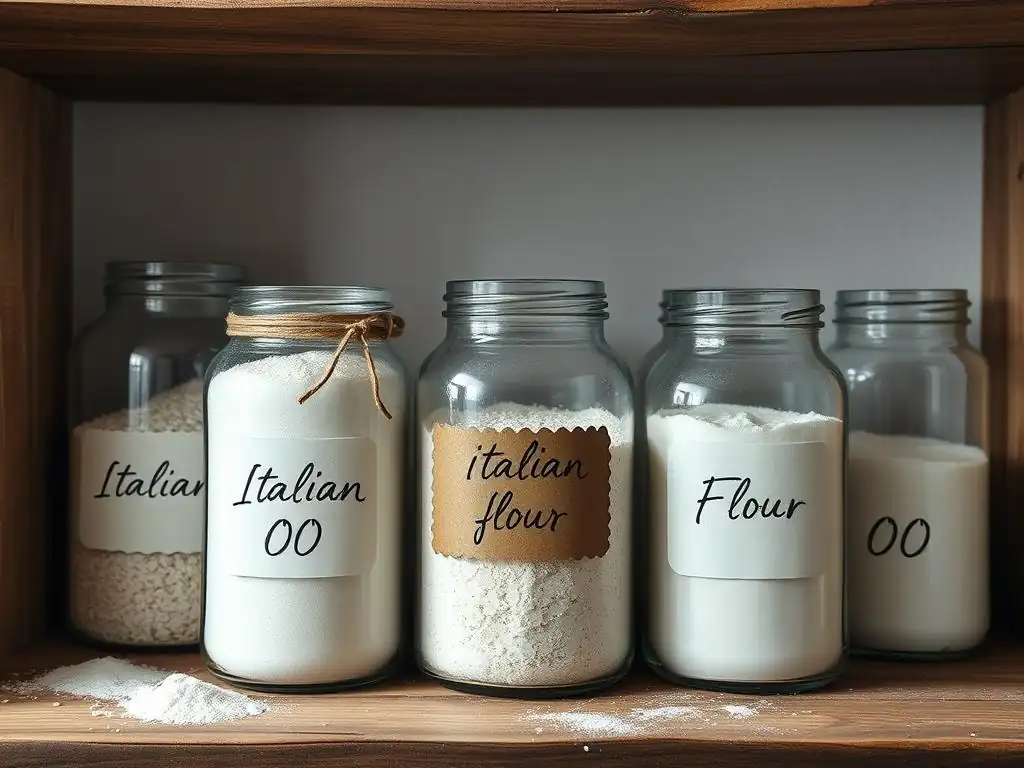
Proper storage is essential for maintaining the quality, flavor, and nutritional value of your artisan flours. Because many artisan flours, especially whole grain or stone-milled varieties, contain more of the grain's natural oils and germ compared to highly refined flours, they are more susceptible to spoilage, particularly rancidity. Rancidity occurs when the fats in the flour oxidize, resulting in off-flavors and aromas that can ruin your baked goods. Storing flour correctly extends its shelf life and ensures that the complex flavors you paid for are preserved until you're ready to bake.
Keeping your artisan flour types fresh involves protecting them from moisture, air, light, and pests. The ideal environment is cool, dark, and dry. Investing in the right storage containers and being mindful of the flour's shelf life are crucial steps in preventing spoilage and ensuring that every batch you bake with your premium ingredients is as delicious as possible.
Proper Storage Containers: Airtight and Cool
To protect your artisan flour from moisture, air, and potential pantry pests, it's crucial to store it in airtight containers. Original paper bags are breathable but not airtight, and can easily be punctured or exposed to humidity. Transferring your flour to rigid, airtight containers made of plastic, glass, or metal is the best practice. Ensure the container is clean and dry before adding the flour. Glass jars with tight-fitting lids, plastic containers with locking mechanisms, or food-grade metal tins are all excellent options.
Storing the sealed container in a cool location further helps preserve the flour's freshness. A pantry shelf away from the oven or direct sunlight is suitable, but for longer-term storage or for flours with higher fat content (like whole wheat or rye), the refrigerator or freezer is ideal. Cooler temperatures significantly slow down the oxidation process that leads to rancidity. If storing in the refrigerator or freezer, allow the flour to come to room temperature before using it in a recipe, as cold flour can affect dough hydration and fermentation.
Preventing Rancidity: Protecting the Flour's Oils
Rancidity is a common issue with whole grain and less refined artisan flours because they retain the germ, which is rich in delicate oils. These oils can oxidize over time, especially when exposed to heat, light, and air. The resulting flavor is unpleasant and can ruin your baked goods. The best way to prevent rancidity is to store these flours in a cool, dark, and airtight environment, as discussed above. For flours you don't use frequently, or if you buy in larger quantities, storing them in the freezer is the most effective method to halt the process of oxidation.
Freezing flour effectively puts the oils into a state of suspended animation, preserving their freshness for many months. Simply transfer the flour to an airtight container or heavy-duty freezer bag, squeeze out as much air as possible, and place it in the freezer. Frozen flour does not require thawing before use; you can measure it directly from the freezer, though some bakers prefer to let it sit at room temperature for an hour or two to avoid condensation affecting hydration measurements. By taking these steps, you ensure your valuable artisan flour types remain fresh and flavorful.
Shelf Life Considerations: Knowing When to Use Your Flour
Even with perfect storage, flour does not last indefinitely. Refined white flours typically have a longer shelf life, often up to a year or more when stored properly, due to the removal of the germ and bran. However, artisan flours, especially whole grain, stone-milled, or high-fat varieties like rye, have a shorter shelf life. Their higher oil content means they are more prone to turning rancid, usually within a few months, even under ideal pantry conditions. Freezing can extend the life of these flours significantly, often for up to two years.
It's a good practice to label your flour containers with the date of purchase or milling date (if available) and the type of flour. Before using flour that has been stored for a while, give it a quick smell test. Fresh flour should have a mild, slightly sweet, or nutty aroma depending on the grain. If it smells stale, metallic, or like old crayons, it has likely gone rancid and should be discarded. Paying attention to these shelf life considerations ensures you are always baking with the freshest, most flavorful artisan flour types.
Conclusion: Mastering Artisan Flour for Baking Success.
Embarking on the journey with artisan flour types is a rewarding step towards elevating your home baking. By understanding what makes these flours special – from their unique grains and milling processes to the crucial role of protein content – you gain the knowledge to select the perfect flour for any baking project. We've explored popular varieties like high-protein bread flour for sturdy loaves, flavorful whole wheat and rye for character, versatile spelt, and specialty semolina, providing an artisan flour types baking guide to building your ingredient knowledge.
Choosing the right flour for specific bakes, whether it's a complex sourdough, flaky croissants, or tender cookies, is paramount to achieving desired results. Knowing where to source these premium flours, from online retailers offering convenience to local mills providing freshness and regional character, ensures you have access to the best ingredients. Finally, mastering proper storage techniques guarantees your artisan flours remain fresh and potent, preserving their quality and flavor until the moment they hit your mixing bowl. With this guide, you're well-equipped to experiment confidently and enjoy the unparalleled results that baking with quality artisan flour types brings.
Frequently Asked Questions
What exactly are artisan flour types, and how do they differ from regular flour?
Artisan flours are typically milled from heritage grains and often undergo less processing than standard flours. This results in a more flavorful and nutritious final product, impacting the taste and texture of your baked goods. They also often have a higher protein content.
Why should I consider using artisan flour types in my baking?
Using artisan flours can significantly enhance the flavor of your baked goods, offering more complexity and depth. They can also offer better texture and a more visually appealing crust or crumb. They also boast improved nutritional value.
Are artisan flour types more difficult to work with than all-purpose flour?
Some artisan flours require slight adjustments to your recipes due to their unique gluten content and absorption rates. It's important to experiment and adjust hydration levels as needed. BakeWithEase offers guidance on this.
Where can I find artisan flour types?
Artisan flours can typically be found at specialty grocery stores, bakeries that sell their flour, and online retailers specializing in baking ingredients. Look for flours labeled with specific grain varieties.
Can artisan flour types be used for all types of baking, or are they better suited for specific recipes?
While some artisan flours are versatile, others are better suited for specific applications. For example, rye flour is excellent for breads, while spelt flour works well in cookies and muffins. BakeWithEase provides recipe recommendations.
Final Reflection: The Flour Power of Artisan Baking
The pursuit of perfect bread, pastries, and cakes transcends mere culinary skill; it's a journey into the heart of ingredient understanding. This guide has explored the diverse world of artisan flours, revealing how their unique properties dramatically impact the final product. From the nutty depth of whole wheat to the airy lightness of pastry flour, the right flour is the cornerstone of any exceptional bake.
The impact of artisan flour on the baking landscape is undeniable. It's moved beyond a niche interest to become a key element in the modern food movement, emphasizing quality ingredients and mindful consumption. Bread is the staff of life,
a simple phrase that speaks volumes about the fundamental role of flour in our diets and cultures. This journey into the world of artisan flours has highlighted not just the technical aspects of baking, but also the rich history and cultural significance woven into each grain. It's a connection to the land and a celebration of simple, yet powerful, ingredients.
Now, it's your turn. Don't just bake; experience baking. Explore the nuances of different artisan flours, experiment with new recipes, and discover the unique textures and flavors each one brings. Embrace the challenge, the learning, and the joy of creating something delicious and meaningful with your own hands. The world of artisan flour awaits – are you ready to elevate your baking game?
Unleash Your Inner Baker: Flour Power Awaits!
Thanks for diving into the world of artisan flours with us! We hope you now feel confident in choosing the perfect flour to elevate your baking creations. Ready to put your newfound knowledge into action?
- Experiment with a new flour type this week: Try substituting one of the flours discussed in a favorite recipe. Note the differences in texture and flavor – you might discover your new go-to!
- Share your baking triumphs (and challenges!): Tell us about your flour-powered adventures on our social media channels – we love seeing your creations!
- Challenge yourself with a new bread recipe: Many of the flours we explored are particularly well-suited for bread making. Why not try a sourdough with a new type of flour to see how it impacts the flavor and texture?
So, what exciting flour-based adventure will you embark on next?