
Quick & Easy Eastern European Dessert Ideas

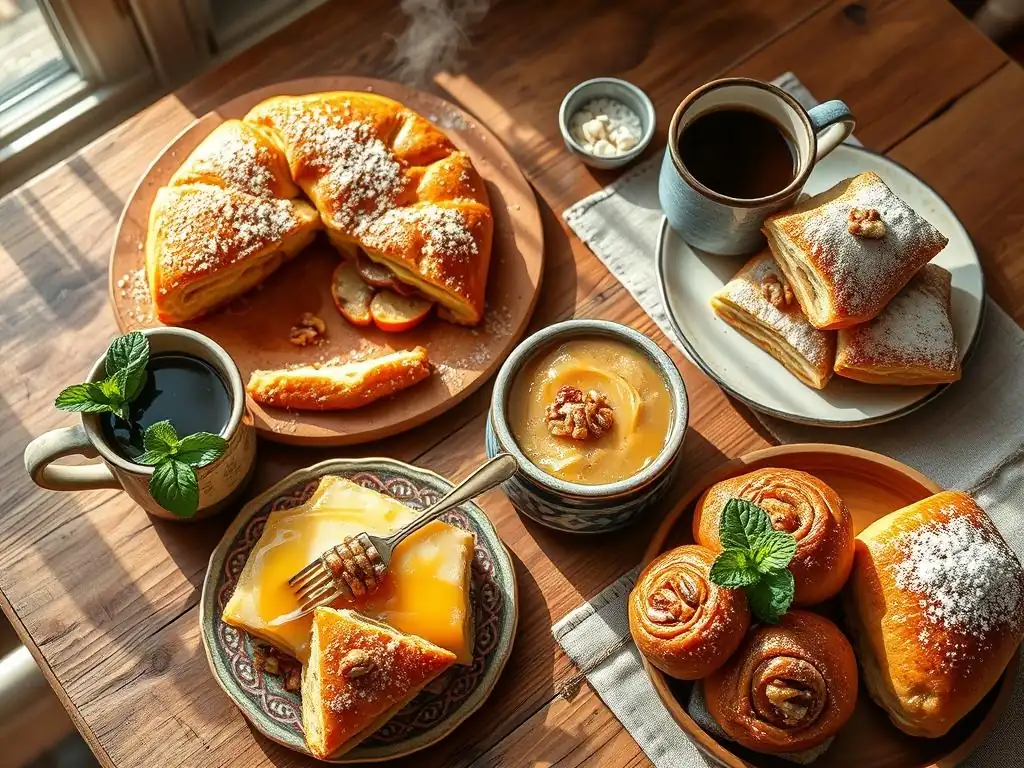
Welcome to BakeWithEase, your trusted guide to unlocking the delightful world of baking!
Ready to explore the rich and flavorful traditions of Eastern European desserts? Dive into our collection of Easy Eastern European dessert recipes and discover treats so simple, yet so satisfying, you'll wonder why you haven't tried them before. Intrigued? Keep reading to uncover the secrets to crafting authentic and delicious sweets from across the region!
- Quick & Easy Eastern European Dessert Ideas for Home Bakers
- Discover Simple Eastern European Desserts to Bake With Ease
- Why Eastern European Baking is Perfect for Beginner Bakers
-
Top 5 Quick & Easy Eastern European Dessert Recipes
- 1. Lazy Pierogi (Leniwe Pierogi): A Simplified Polish Delight
- 2. Russian Apple Cake (Sharlotka): An Easy and Flavorful Treat
- 3. Czech Kolaches: Easy Homemade Pastries with Sweet Fillings
- 4. Romanian Placinte: Quick Cheese or Apple Filled Pastries
- 5. Hungarian Cottage Cheese Noodles (Turos Teszta): A Sweet and Savory Delight
- Tips for Baking Eastern European Desserts Successfully
- Elevate Your Baking: Adaptations and Variations for Eastern European Recipes
- Enjoy the Sweet Flavors of Eastern Europe With These Easy Recipes
-
Frequently Asked Questions
- What defines an "easy" Eastern European dessert recipe according to BakeWithEase?
- What types of Eastern European desserts can I expect to find on BakeWithEase?
- Are the ingredients for these Eastern European dessert recipes readily available?
- Does BakeWithEase offer step-by-step guides for these dessert recipes?
- Can I find tips and techniques for improving my baking skills while making these desserts?
- Final Reflection: A Sweet Taste of Heritage, A Bridge to Connection
- Unleash Your Inner Pastry Chef!
Quick & Easy Eastern European Dessert Ideas for Home Bakers
Discover Simple Eastern European Desserts to Bake With Ease
BakeWithEase Presents: Delicious and Easy Eastern European Treats
Welcome to BakeWithEase, your friendly guide to exploring the wonderful world of baking! Today, we're taking a sweet journey to Eastern Europe, a region renowned for its comforting and delicious desserts. Often perceived as complex, many traditional Eastern European sweets are surprisingly simple to make at home, relying on basic ingredients and straightforward techniques. Whether you're a complete beginner or looking for new inspiration, these easy Eastern European dessert recipes are perfect for expanding your baking repertoire without requiring hours in the kitchen or fancy equipment.
Eastern European baking traditions are deeply rooted in using readily available ingredients like flour, eggs, dairy, and seasonal fruits. This accessibility translates into recipes that are not only economical but also forgiving and adaptable for the home baker. From light and fluffy cakes to simple pastries and sweet dumplings, these easy Eastern European desserts offer a taste of rich cultural heritage with minimal effort. Get ready to discover delightful new flavors and impress your friends and family with these accessible and quick baking ideas from the heart of Europe.
Why Eastern European Baking is Perfect for Beginner Bakers
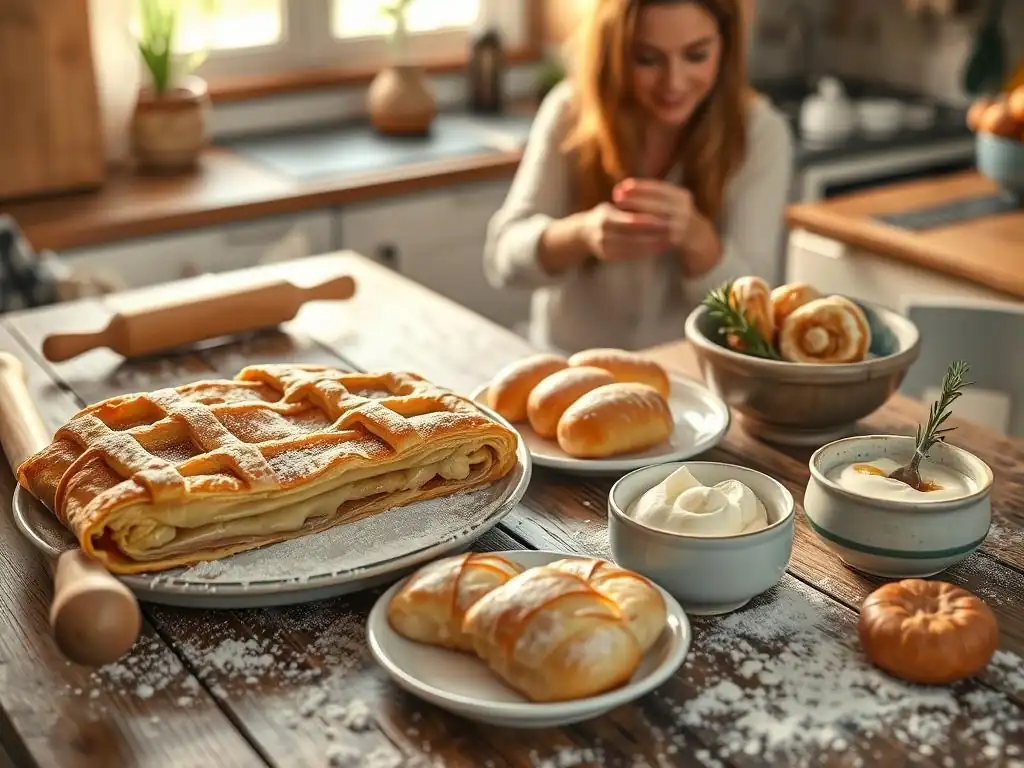
Simple Ingredients and Techniques in Eastern European Dessert Recipes
One of the primary reasons why focusing on easy Eastern European dessert recipes is ideal for beginners is the reliance on common, everyday ingredients. You won't find a long list of obscure spices or specialized flours here. Think all-purpose flour, granulated sugar, eggs, milk, butter, cottage cheese, and fresh or preserved fruits. These staples are likely already in your pantry, making it easy to start baking on impulse. For example, many simple cakes, like the Russian Sharlotka, require just apples, eggs, sugar, and flour – ingredients universally available.
Beyond the simple ingredients, the techniques involved in many easy Eastern European desserts are also very approachable. Recipes often involve basic mixing, simple doughs that don't require extensive kneading (or sometimes no kneading at all), and straightforward baking or simmering methods. There's less emphasis on intricate decorating or complex layering, focusing instead on letting the natural flavors of the ingredients shine. Mastering a basic batter for a simple fruit cake or learning to form easy dumplings are fundamental skills that build confidence for any new baker.
Exploring the Rich Flavors of Eastern European Sweets at Home
Eastern European desserts are celebrated for their comforting and often fruit-forward flavors. Apples are incredibly popular, featuring prominently in cakes, pies, and pastries across the region. Berries, both fresh and preserved (like in jams), are also widely used, adding bursts of tartness and sweetness. Dairy, particularly cottage cheese and sour cream, plays a crucial role, lending richness and a slight tang to many sweet dishes and fillings. Other beloved flavors include poppy seeds, ground nuts (walnuts, hazelnuts), cinnamon, vanilla, and sometimes a hint of citrus zest.
Baking these easy Eastern European dessert recipes at home allows you to experience these distinct flavor profiles firsthand. Imagine the aroma of cinnamon-spiced apples baking in a simple cake, the creamy texture of sweetened cottage cheese filling a delicate pastry, or the unique earthiness of poppy seeds in a sweet roll. These flavors are often less intensely sweet than Western desserts, allowing the natural taste of the fruit, nuts, or dairy to come through. It's a delightful exploration of taste that is both satisfying and easy to achieve in your own kitchen.
Top 5 Quick & Easy Eastern European Dessert Recipes
1. Lazy Pierogi (Leniwe Pierogi): A Simplified Polish Delight
Leniwe Pierogi, meaning "lazy pierogi," are a fantastic entry point into the world of Polish sweets, offering all the comfort of traditional pierogi without the laborious process of making and filling individual dough pockets. These aren't your typical stuffed dumplings; instead, they are simple, soft dumplings made from a mixture of cottage cheese, flour, and eggs. The dough is quickly rolled into ropes, cut into simple shapes (often diamonds or discs), and then boiled briefly until they float.
The beauty of Leniwe Pierogi lies in their speed and simplicity. There's no intricate dough rolling or sealing required, making them genuinely 'lazy' and perfect for a quick weeknight treat. They are traditionally served sweet, often tossed with melted butter, a sprinkle of sugar, and perhaps some cinnamon or a dollop of sour cream. Their light, pillowy texture and gentle sweetness make them a beloved comfort food across Poland and a wonderfully easy Eastern European dessert recipe for anyone to try.
Recipe: Quick Leniwe Pierogi with Sour Cream and Cinnamon
Yields: Approx. 4 servings Prep time: 10 minutes Cook time: 5-7 minutes
Ingredients:
- 500 grams (about 2 cups) cottage cheese, preferably farmer's cheese or dry curd, pressed or drained slightly
- 2 large eggs
- Approx. 1 cup all-purpose flour, plus more for dusting
- Pinch of salt
- Melted butter, for serving
- Granulated sugar, for serving
- Ground cinnamon, for serving
- Sour cream or plain yogurt, for serving (optional)
Instructions:
- Bring a large pot of lightly salted water to a rolling boil.
- In a medium bowl, combine the cottage cheese, eggs, and salt. Mix well with a fork until relatively smooth (small curds are fine).
- Add about 3/4 cup of the flour and mix until a soft dough begins to form.
- Turn the dough out onto a lightly floured surface. Knead gently, adding just enough of the remaining flour (up to 1/4 cup) until the dough is smooth and no longer excessively sticky, but still soft. Be careful not to add too much flour, or the pierogi will be tough.
- Divide the dough into 2 or 3 portions. Roll each portion into a rope about 1-inch thick.
- Using a knife, cut the ropes into diagonal pieces or diamonds, about 1 to 1.5 inches long.
- Carefully drop the pierogi into the boiling water. Stir gently to prevent sticking.
- Cook for 3-5 minutes after they float to the surface, ensuring they are cooked through. They will puff up slightly.
- Remove the pierogi from the water using a slotted spoon.
- Serve immediately, drizzled generously with melted butter and sprinkled with sugar and cinnamon. Add a dollop of sour cream if desired.
2. Russian Apple Cake (Sharlotka): An Easy and Flavorful Treat
Sharlotka is arguably one of the simplest and most beloved apple cakes in Russian and Eastern European baking. It's famous for requiring minimal effort and producing consistently delicious results. Unlike many traditional cakes that rely on creaming butter and sugar, Sharlotka often involves simply mixing eggs and sugar, then folding in flour and sliced apples. The magic happens in the oven as the apples soften and infuse the light batter with their flavor and moisture.
This cake's ease of preparation makes it a perfect candidate for anyone looking for easy Eastern European dessert recipes. It's typically made with just a handful of pantry staples and requires no special techniques or equipment beyond a bowl, whisk (or mixer), and a baking pan. The result is a moist, tender cake studded with soft, sweet apples – a comforting classic that's ready to enjoy with a dusting of powdered sugar or a scoop of ice cream. It's a testament to how simple ingredients can create something truly wonderful.
Baking a Perfect Sharlotka: A Step-by-Step Guide
Yields: 6-8 servings Prep time: 15 minutes Bake time: 40-50 minutes
Ingredients:
- 4-5 medium apples (such as Gala, Honeycrisp, or Granny Smith), peeled, cored, and sliced or diced
- 3 large eggs
- 1 cup granulated sugar
- 1 cup all-purpose flour
- 1 teaspoon vanilla extract (optional)
- Ground cinnamon (optional, for dusting apples)
- Butter and flour, for greasing the pan
- Powdered sugar, for dusting
Instructions:
- Preheat your oven to 350°F (175°C). Grease and flour a 9-inch round cake pan. You can also line the bottom with parchment paper for easier removal.
- Spread the sliced or diced apples evenly across the bottom of the prepared pan. You can sprinkle them with a little cinnamon if you like.
- In a large bowl, beat the eggs and granulated sugar together using an electric mixer (or whisk vigorously by hand) until the mixture is pale yellow and slightly thickened, about 3-5 minutes.
- Gently fold in the flour and vanilla extract (if using) using a spatula or wooden spoon, until just combined. Do not overmix. The batter will be relatively thin.
- Pour the batter evenly over the apples in the pan.
- Bake for 40-50 minutes, or until a wooden skewer inserted into the center of the cake comes out clean. The top should be golden brown.
- Let the cake cool in the pan for about 10-15 minutes before inverting it onto a wire rack to cool completely. If you prefer, you can serve it warm directly from the pan.
- Dust generously with powdered sugar before slicing and serving.
3. Czech Kolaches: Easy Homemade Pastries with Sweet Fillings
Czech Kolaches (Koláče) are beloved sweet pastries traditionally made with a slightly sweet, enriched yeast dough and filled with various sweet fillings like poppy seed, sweetened cottage cheese (tvaroh), prune jam (povidla), or fruit. While traditional kolaches can involve specific shaping techniques, a simpler, home-baker-friendly version is quite accessible. These pastries are a staple at celebrations and bakeries across the Czech Republic and neighboring regions, representing a classic example of Eastern European baking.
For an easy version, the yeast dough doesn't need to be overly complex or require hours of rising. A single rise or even a quicker method can yield delicious results. The key is a soft, slightly sweet dough that forms a tender base for the flavorful fillings. Making these easy Eastern European dessert recipes at home allows you to customize the fillings to your preference, offering a taste of authentic Czech baking with minimal fuss.
Simple Kolache Dough Recipe and Poppy Seed Filling
Yields: Approx. 12-15 kolaches Prep time: 20 minutes + rising time Bake time: 15-20 minutes
Dough Ingredients:
- 1/2 cup warm milk (105-115°F / 40-46°C)
- 1 teaspoon granulated sugar
- 2 1/4 teaspoons active dry yeast (one standard packet)
- 2 1/2 cups all-purpose flour
- 1/4 cup granulated sugar
- 1/4 teaspoon salt
- 1/4 cup unsalted butter, melted and slightly cooled
- 1 large egg
Poppy Seed Filling Ingredients:
- 1 cup ground poppy seeds
- 1/2 cup milk
- 1/4 cup granulated sugar
- 1 tablespoon honey or jam
- 1 teaspoon lemon zest (optional)
Instructions:
- Activate Yeast: In a small bowl, combine warm milk and 1 teaspoon sugar. Sprinkle yeast over the top and let stand for 5-10 minutes until foamy.
- Make Dough: In a large bowl, whisk together flour, 1/4 cup sugar, and salt. Pour in the activated yeast mixture, melted butter, and egg. Mix with a spoon or in a stand mixer with a dough hook until a soft dough forms.
- Knead: Turn the dough out onto a lightly floured surface and knead for about 5-7 minutes until smooth and elastic. (Or knead in a stand mixer for 3-4 minutes).
- First Rise (Optional for quicker version): Place the dough in a lightly greased bowl, cover, and let rise in a warm place for about 1 hour, or until doubled. For a quicker method, you can proceed to shaping after a 10-15 minute rest.
- Prepare Filling: While the dough rises (or rests), combine all filling ingredients in a small saucepan. Heat over medium heat, stirring constantly, until the mixture thickens to a spreadable consistency, about 5-7 minutes. Let cool completely.
- Shape Kolaches: Punch down the dough (if risen). Divide into 12-15 equal pieces. Roll each piece into a ball. Place balls on a baking sheet lined with parchment paper, spacing them a few inches apart.
- Form Depression: Using the bottom of a glass or your fingers, create a shallow depression in the center of each ball, leaving a border of dough around the edge.
- Fill: Spoon about 1-2 tablespoons of the cooled poppy seed filling (or other filling) into the depression of each kolache.
- Second Rise (Optional): Cover the kolaches loosely and let rise for another 20-30 minutes while you preheat the oven to 375°F (190°C).
- Bake: Bake for 15-20 minutes, or until the edges are golden brown and the dough is cooked through.
- Finish: Let cool slightly on the baking sheet before transferring to a wire rack. Optionally, brush the edges with melted butter while warm.
4. Romanian Placinte: Quick Cheese or Apple Filled Pastries

Placinte are versatile pastries popular in Romania and Moldova, often described as flat pies or turnovers. They can be sweet or savory and are typically made with a simple dough that is rolled thin, filled, folded, and then cooked. While some versions involve yeast or more complex doughs, many easy Eastern European dessert recipes for placinte use a very basic dough similar to a strudel or even a simple unleavened dough, making them incredibly quick to prepare.
The sweet versions are commonly filled with sweetened cottage cheese (often mixed with raisins or vanilla) or grated apples seasoned with cinnamon and sugar. The ease comes from the dough preparation – it's often just flour, water, a little oil or butter, and salt, mixed quickly and rolled out. These easy placinte can be pan-fried until golden and crispy or baked, offering flexibility depending on your preference and available equipment. They are a delightful example of how simple ingredients can create a satisfying and delicious sweet treat.
Easy Placinte Recipe: Sweet Cheese and Apple Variations
Yields: 8-10 placinte Prep time: 20 minutes Cook time: 20-30 minutes total (depending on method)
Dough Ingredients:
- 2 cups all-purpose flour, plus more for dusting
- 1/2 teaspoon salt
- Approx. 3/4 cup warm water
- 2 tablespoons vegetable oil or melted butter
Sweet Cheese Filling:
- 1 1/2 cups cottage cheese (dry curd or farmer's cheese preferred), drained
- 1/4 cup granulated sugar
- 1 large egg yolk
- 1 teaspoon vanilla extract (optional)
- 2 tablespoons raisins (optional)
Sweet Apple Filling:
- 2 medium apples, peeled, cored, and grated or finely diced
- 2 tablespoons granulated sugar (adjust to apple sweetness)
- 1 teaspoon ground cinnamon
- 1 tablespoon lemon juice (optional)
Instructions:
- Make Dough: In a medium bowl, whisk together flour and salt. Add the oil/butter and about 1/2 cup of warm water. Mix with a fork or your hands, adding more water gradually until a soft, slightly sticky dough forms.
- Knead (briefly): Turn the dough onto a lightly floured surface and knead for just 2-3 minutes until smooth. Cover and let rest for 10-15 minutes.
- Prepare Fillings: While the dough rests, prepare your chosen filling.
- For Cheese: Combine all cheese filling ingredients in a bowl and mix well.
- For Apple: Combine all apple filling ingredients in a bowl. If using grated apples, you can briefly cook them in a pan for 5 minutes to soften and reduce moisture, then let cool.
- Shape and Fill: Divide the dough into 8-10 equal portions. On a lightly floured surface, roll each portion into a thin circle or square (about 6-8 inches).
- Place about 2-3 tablespoons of filling on one half of the dough circle/square, leaving a border.
- Fold the other half of the dough over the filling to create a semi-circle or rectangle. Press the edges firmly to seal (you can use a fork).
- Cook (Pan-fry Method - Quickest): Heat 1-2 tablespoons of oil or butter in a large non-stick skillet over medium heat. Carefully place 1-2 placinte in the pan (do not overcrowd). Cook for 3-5 minutes per side, until golden brown and puffed.
- Cook (Bake Method): Place placinte on a baking sheet lined with parchment paper. Brush tops with melted butter or milk. Bake in a preheated oven at 375°F (190°C) for 20-25 minutes, or until golden brown.
- Serve warm. Sweet placinte are delicious dusted with powdered sugar.
5. Hungarian Cottage Cheese Noodles (Turos Teszta): A Sweet and Savory Delight
Turos Teszta is a simple Hungarian dish typically made with egg noodles (teszta) mixed with cottage cheese (turo) and often served with crispy bacon bits and sour cream. However, a popular variation transforms this humble dish into a simple, comforting sweet treat by omitting the bacon and sweetening the cottage cheese mixture. This sweet version is incredibly easy and quick to prepare, making it a fantastic example of easy Eastern European dessert recipes that double as a simple meal or snack.
The sweet Turos Teszta requires just cooked noodles and a sweetened cottage cheese mixture. It's a dish that relies on the quality of the cottage cheese and the perfect texture of the noodles. It's the kind of traditional comfort food that highlights the use of dairy in Eastern European sweets and is so straightforward, even a novice cook can master it in minutes.
Turos Teszta Recipe: A Beginner-Friendly Guide
Yields: 2-3 servings Prep time: 5 minutes Cook time: 10-15 minutes (pasta cooking time)
Ingredients:
- 250 grams (about half a standard bag) wide egg noodles or other short pasta shape
- 250-300 grams (about 1.5 cups) cottage cheese (full-fat is best for creaminess)
- 2-4 tablespoons granulated sugar (adjust to taste)
- 1 teaspoon vanilla extract (optional)
- Pinch of salt
- Melted butter (optional, for serving)
- Sour cream or plain yogurt (optional, for serving)
- Powdered sugar, for dusting (optional)
Instructions:
- Bring a large pot of salted water to a rolling boil. Add the egg noodles and cook according to package directions until al dente.
- While the noodles are cooking, prepare the cottage cheese mixture. In a medium bowl, combine the cottage cheese, granulated sugar, vanilla extract (if using), and a pinch of salt. Stir well until the sugar is dissolved and the mixture is creamy. Taste and adjust sweetness if needed.
- Once the noodles are cooked, drain them thoroughly in a colander.
- Return the hot, drained noodles to the pot or a large bowl. Add the sweetened cottage cheese mixture to the hot noodles.
- Stir gently but quickly to combine, allowing the heat from the noodles to warm the cottage cheese mixture.
- Serve immediately. You can drizzle with melted butter, add a dollop of sour cream, or dust with powdered sugar for extra richness and sweetness.
Tips for Baking Eastern European Desserts Successfully
Using Common Ingredients in Eastern European Baking
Successfully baking easy Eastern European dessert recipes starts with understanding and selecting the core ingredients. Flour quality matters; while all-purpose flour works for most easy recipes, using a slightly lower protein flour can yield a tenderer crumb in cakes and pastries. Pay attention to dairy: the type of cottage cheese can vary significantly by region.
For dishes like Leniwe Pierogi or sweet Turos Teszta, a drier, farmer's cheese-style cottage cheese is often preferred over creamy supermarket varieties, as it holds its shape better and integrates nicely with flour. If you can only find creamy cottage cheese, try draining it in cheesecloth for an hour or two.
Additionally, the quality of fruit is crucial, especially in recipes like Sharlotka or apple placinte. Ripe, flavorful apples will make a significant difference in the final taste. Using good quality butter for richness and fresh eggs for structure and binding are also key. Don't be afraid to adjust sugar levels slightly based on the sweetness of your fruit or personal preference – many traditional recipes are less sweet than modern ones. Using these common ingredients mindfully will elevate your simple Eastern European baking.
Mastering Basic Baking Techniques for Eastern European Sweets
Even with easy Eastern European dessert recipes, mastering a few basic techniques will ensure your success. For recipes involving simple batters, like Sharlotka, the key is often in how you handle the eggs and flour. Beating eggs and sugar until light and airy creates volume, while gently folding in the flour prevents deflating that volume, resulting in a tender cake. For doughs, whether yeast-based like kolaches or unleavened like placinte, the goal is a smooth, workable consistency. Avoid adding too much flour, which can make baked goods tough.
Understanding cooking times and temperatures is also vital. Ovens can vary, so using an oven thermometer is helpful. For cakes and baked pastries, baking until golden brown and testing with a skewer ensures they are cooked through without drying out. For boiled items like Leniwe Pierogi or Turos Teszta noodles, cooking just until they are done (al dente for noodles, floating and slightly puffed for pierogi) prevents them from becoming mushy. These fundamental techniques, combined with the straightforward nature of these easy Eastern European desserts, make them perfect for building baking confidence.
Elevate Your Baking: Adaptations and Variations for Eastern European Recipes
Making Eastern European Desserts Healthier: Using Applesauce Instead of Oil
Adapting traditional recipes to be a bit healthier is a great way to enjoy your favorite easy Eastern European dessert recipes more often. One simple and effective substitution in many cake and muffin recipes, including some variations of simple fruit cakes, is replacing oil or butter with applesauce. Unsweetened applesauce provides moisture without the added fat, often resulting in a tender and moist crumb. For example, in a Sharlotka or a simple apple cake recipe that might call for a small amount of added fat, substituting it with an equal amount of applesauce can reduce calories and fat content.
Other healthy adaptations include reducing the amount of added sugar, perhaps relying more on the natural sweetness of fruit, or using alternative sweeteners if preferred. Swapping a portion of white flour for whole wheat flour can increase fiber content, although this might change the texture slightly, so start with substituting just a quarter or a third of the flour. Incorporating more nuts or seeds can also boost nutritional value. These small adjustments allow you to enjoy the comforting flavors of easy Eastern European desserts with a slightly healthier twist.
Adding a Modern Twist to Classic Eastern European Recipes
While the charm of easy Eastern European dessert recipes lies in their tradition and simplicity, adding a modern twist can be a fun way to experiment and personalize them. Consider incorporating flavors not traditionally found in the region but that pair well with the core ingredients. For instance, adding cardamom or ginger to an apple filling for Sharlotka or placinte can introduce a new dimension of warmth. Drizzling a simple glaze made from powdered sugar and lemon juice over kolaches or placinte adds a bright, modern finish.
Experimenting with presentation can also give classic recipes a contemporary feel. Instead of a large Sharlotka, bake individual mini apple cakes in muffin tins. Shape Leniwe Pierogi into gnocchi-like ridges for a different texture. Try different fruit combinations in fillings – perhaps cherry and almond, or apricot and walnut. Even simple additions like a sprinkle of toasted nuts or a dollop of flavored whipped cream can elevate these easy Eastern European desserts, proving that tradition can be a springboard for creative culinary exploration.
Enjoy the Sweet Flavors of Eastern Europe With These Easy Recipes
Embarking on the journey of baking easy Eastern European dessert recipes is a rewarding experience. These recipes offer a perfect blend of comforting flavors, accessible ingredients, and straightforward techniques, making them ideal for bakers of all skill levels. From the simple pleasure of Leniwe Pierogi to the warm embrace of Sharlotka, the versatility of placinte, the comforting kolaches, and the unique sweetness of Turos Teszta, there's a delicious discovery waiting for everyone.
We hope these easy Eastern European dessert recipes inspire you to get into the kitchen and explore the delightful world of baking from this rich culinary region. Baking is a wonderful way to connect with different cultures and create delicious moments to share. Don't hesitate to try these recipes, experiment with the suggested variations, and make them your own.
We love seeing what our community bakes! If you try any of these easy Eastern European dessert recipes or come up with your own creative twists, we'd be thrilled to hear about it. Share your experiences, tips, and photos of your delicious creations. Happy baking, and enjoy the sweet, comforting tastes of Eastern Europe made easy with BakeWithEase!
Frequently Asked Questions
What defines an "easy" Eastern European dessert recipe according to BakeWithEase?
An "easy" recipe, according to BakeWithEase, focuses on simple ingredients and straightforward instructions, suitable for bakers of all skill levels. The aim is to create delicious desserts without requiring advanced baking knowledge.
What types of Eastern European desserts can I expect to find on BakeWithEase?
You can expect a variety of desserts, including pastries, cakes, and cookies that are popular in Eastern European cuisine. Specific examples might include kolaches, babka, and medovnik.
Are the ingredients for these Eastern European dessert recipes readily available?
BakeWithEase prioritizes recipes that use easy-to-find ingredients commonly available in most grocery stores. Substitutions might be suggested for less accessible items, ensuring everyone can bake.
Does BakeWithEase offer step-by-step guides for these dessert recipes?
Yes, BakeWithEase provides detailed, step-by-step guides for each recipe. These guides aim to make the baking process clear and manageable, even for beginners.
Can I find tips and techniques for improving my baking skills while making these desserts?
Absolutely! BakeWithEase includes baking tips and techniques alongside the recipes. This helps users not only create delicious desserts but also improve their overall baking skills.
Final Reflection: A Sweet Taste of Heritage, A Bridge to Connection
The enduring appeal of Eastern European desserts lies not just in their delicious simplicity, but in their power to connect us to history, culture, and family. These recipes, passed down through generations, offer a tangible link to the past, a comforting taste of home for many, and a delightful introduction for those eager to explore new culinary horizons. The ease of preparation only enhances their accessibility, making them perfect for both seasoned bakers and enthusiastic beginners.
The impact of these recipes extends beyond the simple act of baking; they represent a vibrant tapestry of traditions and shared experiences. They are a testament to the ingenuity and resourcefulness of Eastern European cultures, often utilizing readily available ingredients to create something truly special. Food is symbolic of love when words are inadequate.
- Alan D. Wolfelt. This quote perfectly encapsulates the emotional resonance these desserts hold, transcending mere sustenance to become expressions of care and connection. The act of sharing these treats fosters a sense of community and belonging, bridging cultural gaps and creating lasting memories.
Now, I invite you to explore the recipes further. Don't just bake these desserts; experience them. Consider the history behind each ingredient, the hands that have prepared them before you, and the stories they whisper of family gatherings and cherished moments. Let the sweet aroma fill your kitchen, and share the joy of these simple yet profound treats with those you love. Let the legacy of Eastern European baking continue to flourish, one delicious bite at a time.
Unleash Your Inner Pastry Chef!
Thanks for joining us on this delicious journey through Eastern European desserts! We hope you’ve discovered some sweet inspiration to brighten your day. Ready to get baking?
- Bake your favorite recipe today! Grab your apron and try one of the recipes featured – we guarantee a delightful experience.
- Share your baking creations with us on social media! Tag us @BakeWithEase (fictional social media handle) and show off your culinary skills. Let's build a community of dessert lovers!
- Explore more Eastern European baking secrets on BakeWithEase.com (replace with actual link if needed in real implementation). Who knows what delicious discoveries await?
What Eastern European treat will you bake first? Let us know in the comments!