
Unlock the Secrets of Baking with Nuts & Seeds

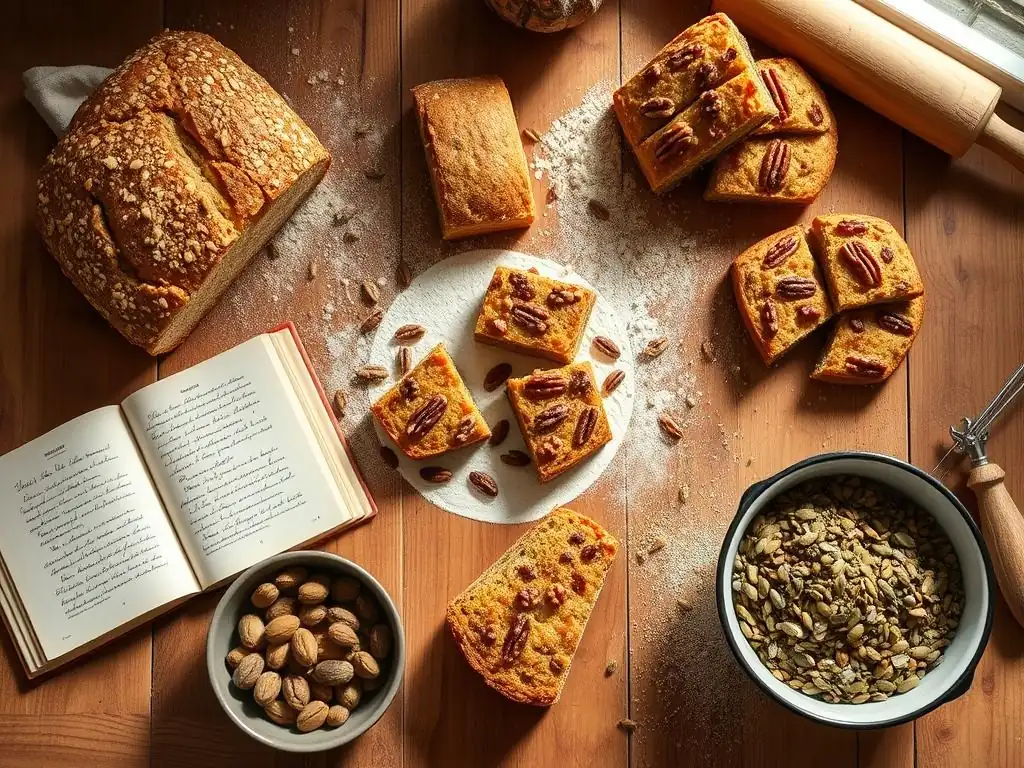
Welcome to BakeWithEase, your kitchen companion for baking adventures!
Intrigued by the nutty possibilities? Unlock the Secrets of Baking with Nuts & Seeds and discover how these little powerhouses can transform your everyday bakes. From adding delightful textures to boosting nutritional value, our guide to easy nut seed baking will inspire you to create delicious and wholesome treats. Curious to learn more? Let's get baking!
- Baking with Nuts & Seeds: Elevate Your Recipes
- Exploring Nut and Seed Baking
- The Benefits and Flavors of Nuts and Seeds in Baking
- Essential Nuts and Seeds for Baking
- Recipes: Easy Nut and Seed Baking
- Tips and Tricks for Baking with Nuts and Seeds
- Troubleshooting Common Issues
- Gluten-Free Nut and Seed Baking
- Creative Applications Beyond Traditional Recipes
-
Frequently Asked Questions
- What makes baking with nuts and seeds easy?
- Are there any nut and seed baking recipes suitable for beginners?
- Can I substitute different nuts and seeds in a recipe?
- What are some tips for ensuring my nuts and seeds stay fresh in baked goods?
- Where can I find more easy nut and seed baking recipes and tips?
- Final Reflection: The Enduring Allure of Nutty & Seed-Filled Baking
- Unleash Your Inner Nutty Baker!
Baking with Nuts & Seeds: Elevate Your Recipes
Exploring Nut and Seed Baking
Baking with nuts and seeds opens up a world of flavor, texture, and nutritional benefits. These versatile ingredients can transform simple recipes into extraordinary creations, adding richness, crunch, and depth. Whether you're a seasoned baker or just starting with easy nut seed baking, incorporating nuts and seeds is a fantastic way to enhance your culinary skills and delight your taste buds.
From classic additions like chopped walnuts in banana bread to innovative uses of chia seeds as binders in vegan recipes, the possibilities are nearly endless. Exploring these ingredients allows you to experiment with different textures – from the smooth creaminess of ground almonds to the satisfying crunch of toasted pumpkin seeds – and discover how they interact with other baking components like flour, sugar, and fats.
Unlock Flavor and Nutrition
Nuts and seeds are powerhouses of both flavor and nutrition, making them ideal additions to baked goods. Their natural oils contribute moisture and richness, while their inherent flavors, ranging from subtly sweet pecans to robust walnuts, add complexity that plain flour cannot provide. Think about the warm, inviting aroma of a pecan pie or the satisfying bite of a seedy whole-grain loaf.
Beyond taste, nuts and seeds pack a significant nutritional punch. For instance, a 1/4 cup serving of almonds provides roughly 6 grams of protein and 3.5 grams of fiber, along with healthy fats. Sunflower seeds offer Vitamin E and magnesium, crucial nutrients often lacking in standard baked goods. Incorporating these ingredients is a simple way to boost the health profile of your treats, making your easy nut seed baking both delicious and nourishing.
The Benefits and Flavors of Nuts and Seeds in Baking
Incorporating nuts and seeds into your baking goes far beyond just adding a pleasant crunch. These ingredients offer substantial benefits, both nutritionally and in terms of the final product's flavor profile and texture. Understanding these advantages can inspire you to explore new recipes and techniques.
They can act as structural components, provide moisture, contribute to browning, and even help with leavening in certain contexts. For example, finely ground almonds (almond flour) can replace a portion of wheat flour, resulting in tender, moist cakes and cookies. Seeds like poppy or sesame add visual appeal and a delicate, nutty undertone. Mastering the art of easy nut seed baking means leveraging these multifaceted benefits.
Nutritional Advantages and Flavor Profiles
The nutritional benefits of adding nuts and seeds to baking are considerable. They are excellent sources of healthy fats (omega-3 and omega-6 fatty acids), protein, fiber, vitamins (like E and B vitamins), and minerals (such as magnesium, zinc, and selenium). Swapping some refined flour or sugar for nuts and seeds can increase the fiber content significantly; for instance, adding just 2 tablespoons of chia seeds introduces approximately 5 grams of fiber to a recipe.
Flavor-wise, the spectrum is vast. Almonds offer a delicate, slightly sweet flavor. Walnuts have a more robust, earthy, and slightly bitter note. Pecans are sweet and buttery, often described as caramel-like when toasted. Seeds like pumpkin seeds provide a mild, nutty taste, while sesame seeds offer a distinct, slightly toasted aroma. These varied profiles allow for endless experimentation in easy nut seed baking.
From Earthy to Sweet: Exploring Flavor Combinations
The beauty of baking with nuts and seeds lies in their ability to complement a wide range of flavors. Earthy nuts like walnuts pair wonderfully with spices like cinnamon, nutmeg, and cloves, making them perfect for autumnal baked goods like apple pie or pumpkin muffins. Their slight bitterness also provides a pleasant contrast to sweet elements.
On the sweeter side, pecans and almonds shine. Pecans are a classic pairing with maple syrup, brown sugar, and chocolate, creating decadent desserts like pecan pie or turtle brownies. Almonds work beautifully with fruits like cherries, apricots, and berries, and are a staple in pastries like frangipane tarts or almond croissants. Exploring these combinations is key to successful and delicious easy nut seed baking.
Essential Nuts and Seeds for Baking
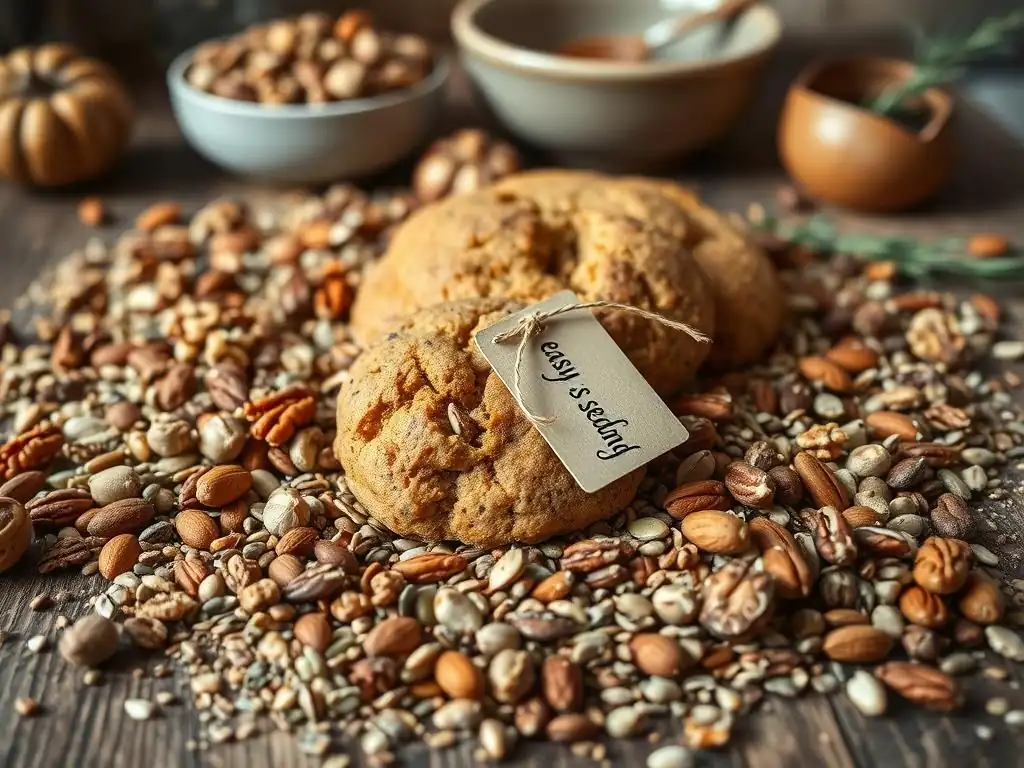
Certain nuts and seeds are staples in the baking world due to their versatility, flavor, and texture. Understanding their individual properties can help you choose the right ingredient for your specific recipe.
Almonds: Versatile and Nutty
Almonds are perhaps one of the most widely used nuts in baking, prized for their delicate flavor and adaptability. They can be used whole, slivered, sliced, or ground into flour. Almond flour, in particular, is a foundational ingredient in many gluten-free and low-carb baking recipes, providing a tender crumb and rich flavor.
From classic French macarons, which rely heavily on finely ground almonds, to simple almond biscotti or almond extract-flavored cakes, almonds offer a sweet, nutty base that pairs well with countless other ingredients. Their versatility makes them an essential ingredient for anyone exploring easy nut seed baking.
Walnuts: Rich and Buttery
Walnuts are known for their distinctive earthy and slightly bitter flavor, as well as their substantial size and satisfying crunch. They are often used in rustic baked goods, lending their richness to breads, muffins, and cookies. Walnuts are particularly popular in recipes featuring fruits like bananas, apples, and cranberries.
A classic example is banana nut bread, where the walnuts provide a crucial textural contrast and a depth of flavor that complements the sweet banana. They also feature prominently in sticky buns, coffee cakes, and various bar cookies. Their rich, buttery texture when chopped makes them a versatile choice for easy nut seed baking.
Pecans: Sweet and Caramel-Like
Pecans are beloved for their naturally sweet, buttery, and almost caramel-like flavor, especially when toasted. They have a softer texture than walnuts and a less bitter profile, making them a favorite for sweet applications.
Pecan pie is the quintessential example, showcasing the nuts' ability to create a rich, gooey filling with a satisfying crunch. They are also excellent in brownies, cookies, streusels, and toppings for cakes and muffins. Their inherent sweetness makes them a delightful addition to any easy nut seed baking project, often requiring less added sugar to achieve a pleasing result.
Sunflower Seeds: Mild and Nutritious
Sunflower seeds offer a mild, slightly nutty flavor and a satisfying crunch. They are a great alternative for those with nut allergies and provide a good source of Vitamin E and healthy fats. They are commonly used in bread recipes, granola, and energy bars.
Adding sunflower seeds to whole-grain breads provides texture and a subtle flavor boost. They are also a key ingredient in many homemade granola recipes, offering crunch and nutrients. Their affordability and nutritional value make them a practical choice for easy nut seed baking, especially in rustic or health-focused goods.
Chia Seeds: Adding Texture and Fiber
Chia seeds are tiny powerhouses known for their ability to absorb liquid and form a gel-like consistency. This unique property makes them valuable as a binder or egg substitute in vegan baking. They are also packed with fiber and omega-3 fatty acids.
While not typically used for crunch like larger nuts, chia seeds can add a subtle texture and significant nutritional boost to muffins, breads, and puddings. A popular application is chia seed pudding, which requires no baking but demonstrates their gelling property perfectly. Incorporating chia seeds is an easy way to enhance the nutrition of your easy nut seed baking.
Flax Seeds: Boosting Nutrition and Binding
Flax seeds, like chia seeds, are nutritional powerhouses, rich in fiber and omega-3s. When ground (creating flax meal), they can be mixed with water to form a gel ("flax egg"), serving as a binder in vegan baking, similar to chia seeds.
Ground or whole, flax seeds add a slightly nutty flavor and significant fiber to breads, muffins, and cookies. Using flax meal in recipes can improve moisture retention and contribute to a tender crumb. They are an excellent ingredient for boosting the health profile of your easy nut seed baking.
Recipes: Easy Nut and Seed Baking
Ready to put your knowledge to the test? Here are a few simple recipes showcasing how easy nut seed baking can be, highlighting the unique qualities of different nuts and seeds.
These cookies use almond flour for a tender, slightly crumbly texture and a delicate nutty flavor that complements the chocolate.
- Combine 1 cup almond flour, 1/2 teaspoon baking soda, and 1/4 teaspoon salt.
- In a separate bowl, cream 1/2 cup softened butter with 1/4 cup granulated sugar and 1/4 cup brown sugar until fluffy.
- Beat in 1 large egg and 1 teaspoon vanilla extract.
- Gradually add dry ingredients to wet ingredients.
- Stir in 1 cup chocolate chips.
- Drop spoonfuls onto a baking sheet.
- Bake at 350°F (175°C) for 10-12 minutes, or until edges are golden.
Walnut Streusel Coffee Cake
A moist coffee cake topped with a classic walnut streusel, perfect for breakfast or a snack.
- Cake: Cream 1/2 cup butter with 1 cup sugar. Beat in 2 eggs and 1 tsp vanilla. Combine 1 1/2 cups flour, 1 1/2 tsp baking powder, 1/4 tsp salt. Alternate adding dry ingredients and 1/2 cup milk to butter mixture.
- Streusel: Combine 1/2 cup chopped walnuts, 1/4 cup flour, 1/4 cup brown sugar, 1/2 tsp cinnamon, and 2 tablespoons melted butter.
- Pour half the batter into a greased pan, sprinkle half the streusel. Add remaining batter, top with remaining streusel.
- Bake at 375°F (190°C) for 30-35 minutes.
Pecan Pie Brownies
Rich, fudgy brownies topped with a sweet, gooey pecan mixture, combining two classic desserts.
- Prepare your favorite brownie batter (using approximately 1 cup flour, 1/2 cup cocoa, 1 cup sugar, etc. ).
- Pour batter into a baking pan.
- Pecan Topping: In a saucepan, melt 1/4 cup butter. Stir in 1/4 cup brown sugar, 2 tablespoons corn syrup, and 1/2 teaspoon vanilla. Bring to a simmer, then stir in 1 cup chopped pecans.
- Spoon the pecan mixture over the brownie batter.
- Bake according to brownie recipe instructions, typically around 30-40 minutes at 350°F (175°C), until a toothpick comes out with moist crumbs.
Sunflower Seed and Cranberry Granola Bars
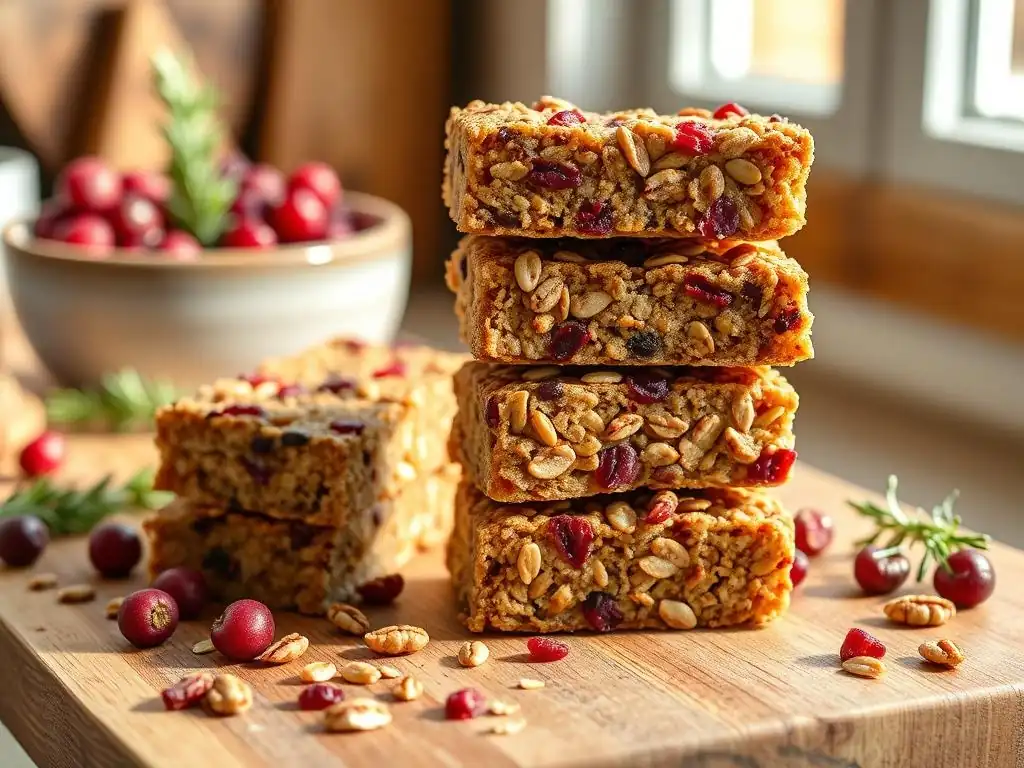
Chewy granola bars packed with oats, sunflower seeds, and tart cranberries for an easy, portable snack.
- Combine 2 cups rolled oats, 1/2 cup sunflower seeds, 1/4 cup dried cranberries, and 1/4 tsp salt in a bowl.
- In a saucepan, heat 1/3 cup honey or maple syrup and 2 tablespoons butter or coconut oil until melted and bubbly. Stir in 1/2 tsp vanilla extract.
- Pour liquid mixture over dry ingredients and mix well.
- Press mixture firmly into a lined 8x8 inch pan.
- Bake at 325°F (160°C) for 20-25 minutes until lightly golden around the edges. Cool completely before cutting.
Chia Seed Pudding Parfaits
While not baked, this recipe highlights the gelling power of chia seeds in a simple layered dessert or breakfast.
- Whisk together 1/4 cup chia seeds, 1 cup milk (dairy or non-dairy), 1-2 tablespoons sweetener (maple syrup, honey, or sugar), and 1/2 tsp vanilla extract.
- Let sit for 5-10 minutes, then whisk again to break up any clumps.
- Refrigerate for at least 2 hours, or preferably overnight, until thickened to a pudding consistency.
- Layer the chia pudding with yogurt, fresh fruit, or granola in glasses or jars.
Tips and Tricks for Baking with Nuts and Seeds
Achieving the best results in easy nut seed baking involves a few key techniques. Proper preparation and handling can significantly impact the flavor, texture, and overall success of your baked goods.
Toasting for Enhanced Flavor
Toasting nuts and seeds before adding them to your batter or dough is one of the simplest ways to elevate their flavor. The heat brings out their natural oils, resulting in a deeper, richer, and nuttier taste. This step takes only a few minutes but makes a noticeable difference.
To toast, spread nuts or seeds in a single layer on a baking sheet. Bake at 300°F (150°C) for 8-15 minutes, depending on the size, stirring occasionally, until fragrant and lightly golden. Alternatively, you can toast them in a dry skillet over medium heat for a few minutes, stirring constantly. Be careful, as they can burn quickly!
Proper Storage for Freshness
Nuts and seeds contain oils that can go rancid over time, leading to an unpleasant bitter flavor. Proper storage is crucial to maintain their freshness and quality for your easy nut seed baking.
Store nuts and seeds in airtight containers in a cool, dark place. For longer storage, especially for ground nuts like almond flour, the refrigerator or freezer is recommended. This significantly extends their shelf life, preserving their fresh flavor and nutritional value.
Grinding for Homemade Flours
Grinding nuts and seeds allows you to make your own flours or meals, which are excellent for adding moisture, flavor, and nutrients to baked goods, particularly in gluten-free recipes. Almond flour is the most common, but you can also make walnut meal, pecan meal, or seed flours.
Use a food processor, blender, or dedicated grinder. Pulse the nuts or seeds until a fine, flour-like consistency is achieved. Be careful not to over-process, as they will turn into nut butter. Homemade flours are best used relatively quickly or stored properly to prevent spoidity.
Even Distribution Techniques
Ensuring nuts and seeds are evenly distributed throughout your batter or dough prevents clumps and ensures every bite has the desired texture and flavor. This is particularly important in muffins, quick breads, and cookies.
One simple technique is to toss chopped nuts or seeds with a tablespoon or two of the dry ingredients (flour, baking soda, etc.) before combining wet and dry components. This coating helps prevent them from sinking to the bottom during baking. For toppings, sprinkle them evenly over the batter before baking.
Troubleshooting Common Issues
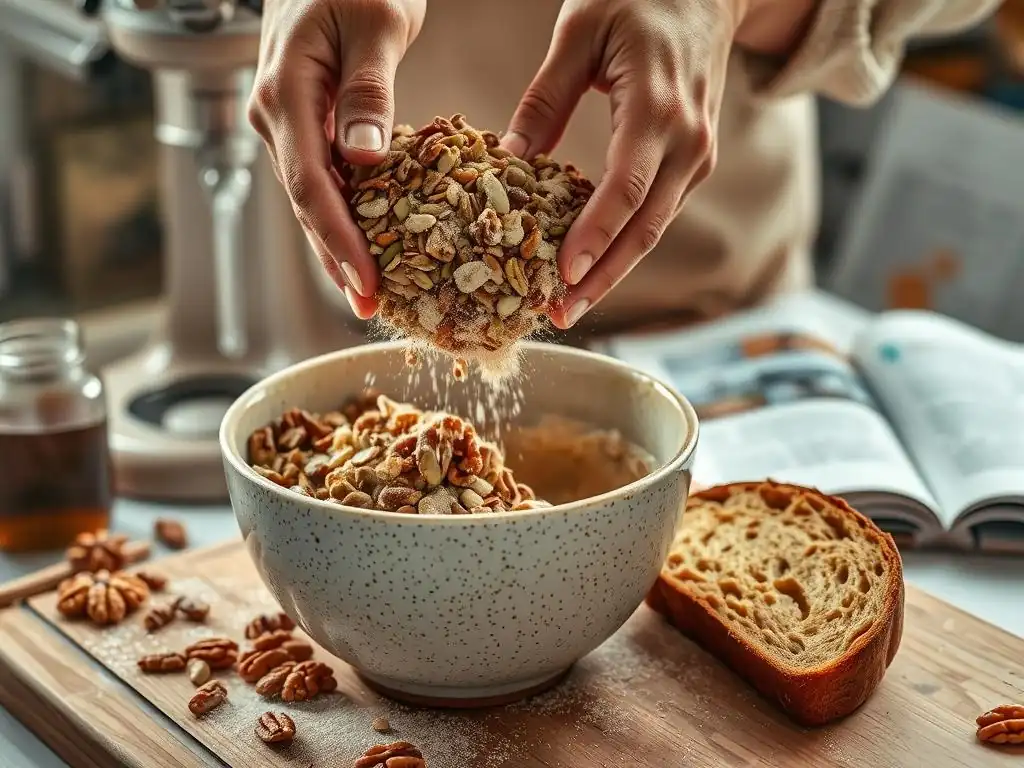
Even with easy nut seed baking, you might encounter a few common challenges. Knowing how to address them can save your baked goods and improve your results.
Addressing Dryness and Crumbly Texture
Baking with nut flours or adding large quantities of chopped nuts and seeds can sometimes lead to a dry or crumbly texture. This is often because these ingredients absorb moisture differently than wheat flour or disrupt the gluten structure.
If a recipe consistently turns out dry, try slightly increasing the wet ingredients (like butter, oil, milk, or eggs) or decreasing the baking time slightly. Using finely ground nuts/seeds rather than coarsely chopped ones can also help improve moisture distribution. Ensure you are measuring ingredients accurately, especially flours.
Preventing Burning
Nuts and seeds, especially when chopped or used in toppings, can burn easily due to their oil content and exposed surface area. Burnt nuts will impart a bitter, unpleasant flavor to your entire baked good.
If using nuts or seeds as a topping, consider adding them partway through the baking process, perhaps during the last 10-15 minutes, or covering the top loosely with foil if it starts browning too quickly. Toasting them before baking is good, but toast gently and watch them closely during the main bake.
Achieving Even Baking
Baked goods containing nuts and seeds can sometimes bake unevenly, with edges browning faster than the center, especially if the nuts are concentrated around the edges.
Ensure your oven temperature is accurate, as inconsistent heat is a common culprit for uneven baking. Rotate your baking pan halfway through the baking time. If using a dark metal pan, the edges might brown faster; consider using a lighter colored pan or reducing the oven temperature slightly.
Gluten-Free Nut and Seed Baking
Nuts and seeds are naturally gluten-free and are cornerstone ingredients in many gluten-free baking recipes. They provide structure, moisture, and flavor that can be challenging to replicate when avoiding wheat flour.
Exploring gluten-free options is a fantastic avenue for easy nut seed baking, offering delicious alternatives for those with dietary restrictions or preferences.
Almond Flour Baking Guide
Almond flour is one of the most popular gluten-free flours derived from nuts. It's made from blanched, ground almonds and has a fine texture and slightly sweet flavor. It works well in cakes, cookies, muffins, and even pie crusts.
When substituting almond flour for wheat flour, remember that it behaves differently. It lacks gluten, so recipes often require more eggs or binders (like xanthan gum or psyllium husk) for structure. Generally, you might need about 25% more almond flour by volume than wheat flour, but it's best to follow recipes specifically developed for almond flour for optimal results in your easy nut seed baking.
Coconut Flour and Nut Blend Recipes
Coconut flour is another popular gluten-free option, but it's extremely absorbent. It's often used in combination with nut flours like almond flour to create a more balanced texture and moisture level in gluten-free baked goods.
Blending coconut flour with almond flour or other nut/seed meals (like sunflower seed meal) can yield excellent results in muffins, quick breads, and cakes. For example, a recipe might use a blend of 1 part coconut flour to 3-4 parts almond flour. These blends offer a good balance of structure, moisture, and flavor, making gluten-free easy nut seed baking accessible and delicious.
Creative Applications Beyond Traditional Recipes
While nuts and seeds are classic additions to cookies, breads, and muffins, their use in baking can extend to more creative applications, adding unique textures and flavors to various desserts and pastries.
Nut and Seed Crusts for Pies and Tarts
Ground nuts or seeds can form the base for delicious and often gluten-free pie and tart crusts. These crusts offer a richer flavor and different texture compared to traditional pastry crusts.
A simple nut crust can be made by combining finely ground nuts (like pecans, walnuts, or almonds) with a binder like melted butter and a touch of sugar. Press the mixture into a pie or tart pan and bake until set. For example, a pecan crust for a chocolate tart or an almond crust for a fruit tart provides a wonderful flavor pairing and a satisfying crumbly texture.
Nut and Seed Toppings for Cakes and Muffins
Beyond simple chopped nuts sprinkled on top, nuts and seeds can be incorporated into more elaborate toppings like streusels, crumbles, or glazes.
A streusel topping, often made with flour, sugar, butter, and cinnamon, is greatly enhanced by the addition of chopped walnuts, pecans, or even pumpkin seeds. These toppings provide a delightful textural contrast to the soft cake or muffin beneath. Seed brittle or praline made with nuts can also serve as stunning and delicious garnishes.
Homemade Nut Butters and Spreads
While not strictly baking with nuts and seeds, making your own nut butters and spreads allows you to control ingredients and freshness, and these can then be used in baking recipes (like peanut butter cookies or swirls in brownies).
Making nut butter is simple: process roasted nuts in a food processor until creamy. For seed butter (like tahini from sesame seeds or sunflower seed butter), the process is similar. These homemade spreads can be incorporated into doughs, used as fillings, or swirled into batters, adding intense nut or seed flavor and moisture to your easy nut seed baking.
Frequently Asked Questions
What makes baking with nuts and seeds easy?
Baking with nuts and seeds is made easy through simple recipes and readily available ingredients. BakeWithEase provides step-by-step guides to ensure success even for beginners. You'll find tips on preparation and storage too!
Are there any nut and seed baking recipes suitable for beginners?
Absolutely! BakeWithEase offers a variety of beginner-friendly recipes focusing on easy nut and seed additions to cookies, breads, and muffins. These recipes typically involve minimal steps and common pantry items.
Can I substitute different nuts and seeds in a recipe?
Yes, in many cases you can! However, consider the flavor profile and texture of the original nut or seed. Substituting walnuts for pecans, or sunflower seeds for pumpkin seeds, is often a great easy way to customize!
What are some tips for ensuring my nuts and seeds stay fresh in baked goods?
To ensure freshness, toast nuts and seeds lightly before adding them to your batter. Store baked goods in an airtight container at room temperature or in the freezer for longer storage.
Where can I find more easy nut and seed baking recipes and tips?
Visit BakeWithEase.com! You'll find a dedicated section on nut and seed baking, with step-by-step instructions, photos, and helpful tips to master the art of easy baking.
Final Reflection: The Enduring Allure of Nutty & Seed-Filled Baking
The simple act of incorporating nuts and seeds into our baking isn't just a culinary trend; it's a powerful way to elevate both flavor and nutrition. From the humble muffin to the most elaborate cake, the addition of these humble ingredients transforms ordinary recipes into extraordinary experiences, offering a depth of flavor and texture that's hard to resist. This is especially relevant today, as consumers increasingly seek healthier and more flavorful options.
The influence of nuts and seeds in baking extends far beyond mere taste; it speaks to a deeper connection with nature and a desire for wholesome ingredients. Their versatility allows for endless creative possibilities, reflecting our evolving culinary landscape. The best things in life are simple,
a sentiment perfectly encapsulates the joy found in the uncomplicated elegance of nut and seed-based baking. This simple act of adding nature's bounty to our baked goods connects us to a richer, more sustainable food culture.
Now, I invite you to consider your own baking journey. What new nut or seed combination will you explore? Will you experiment with different flours or sweeteners to further enhance the nutty flavor profiles? The possibilities are as limitless as your imagination. Embrace the simplicity, the wholesome goodness, and the sheer deliciousness of unlocking the secrets of nut and seed baking. Let your kitchen become a haven of creativity and flavor, one nutty creation at a time.
Unleash Your Inner Nutty Baker!
Thanks for diving into the delicious world of nut and seed baking! We hope you've discovered some inspiring new recipes and techniques. Now it's time to put your newfound knowledge into practice.
- Bake your favorite nut-based treat today! Grab those ingredients and try out a recipe – you'll be amazed at the results.
- Share your baking creations! Snap a photo and tag us on social media – we love seeing what you've made!
- Explore our extensive recipe library for more nut and seed baking inspiration. Discover even more flavor combinations and techniques to elevate your baking skills!
So, what exciting nut or seed-filled adventure will you embark on first?