
Hungarian Kürtőskalács (Chimney Cake): Bake It Yourself

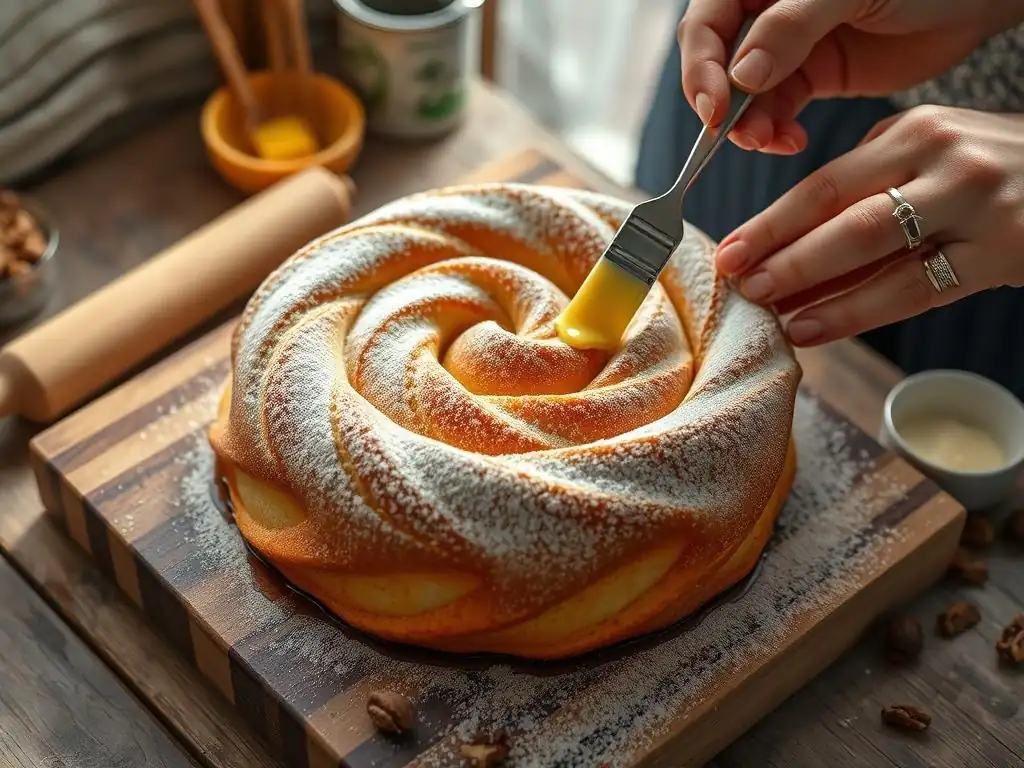
Welcome to BakeWithEase, your haven for delightful baking adventures! Ever dreamt of recreating authentic, globally-inspired treats in your own kitchen? Prepare to be amazed! Today, we're unwrapping the secrets behind a truly special delicacy. Intrigued by the idea of a crispy, caramelized, and utterly irresistible dessert hailing from Eastern Europe? Dive in and discover our Easy Hungarian chimney cake recipe – and unlock the magic of Kürtőskalács baking at home. What makes this recipe so simple yet authentic? Read on to find out!
- Authentic Hungarian Chimney Cake Recipe: Kürtőskalács at Home
- Discover the Deliciousness of Kürtőskalács: A Beginner's Guide
- Simple Kürtőskalács Recipe: Ingredients and Equipment
- Step-by-Step: Baking Kürtőskalács from Scratch
- Kürtőskalács Baking Tips and Tricks for Perfect Results
- Storing and Serving Your Homemade Kürtőskalács
- Exploring Hungarian Baking: More Recipes to Discover
- Frequently Asked Questions
- Final Reflection: The Sweet Symphony of Tradition and Simplicity
- Unleash Your Inner Baker: Make Your Own Kürtőskalács!
Authentic Hungarian Chimney Cake Recipe: Kürtőskalács at Home
Discover the Deliciousness of Kürtőskalács: A Beginner's Guide
What is Kürtőskalács? Exploring the Traditional Hungarian Chimney Cake
Kürtőskalács, often known as chimney cake due to its distinctive shape, is a beloved sweet pastry originating from Transylvania, a historical region now part of Romania with a significant Hungarian population. It's made from sweet, yeast-leavened dough, typically flavored with lemon zest, rolled into a strip, wrapped around a truncated cone-shaped baking spit, rolled in granulated sugar, and then baked over an open fire or in an oven until golden brown. As it bakes, the sugar caramelizes, forming a crispy, shiny crust. Once baked, it's often rolled in toppings like cinnamon, ground walnuts, or coconut flakes.
This pastry holds deep cultural significance, often associated with celebrations, festivals, and markets. Historically, it was considered a festive treat, particularly popular at weddings and religious holidays. While its exact origins are debated, with mentions dating back to the 18th century, it has become a symbol of Hungarian culture, enjoyed widely across Hungary and neighboring countries. The name "kürtőskalács" comes from "kürtő," meaning chimney or stovepipe, aptly describing its appearance. A typical chimney cake can range in size, often about 20-30 cm (8-12 inches) in length, perfect for sharing or enjoying solo.
Why Bake Your Own Kürtőskalács? Freshness and Customization
Baking your own Kürtőskalács at home offers an unparalleled level of freshness that's simply impossible to replicate with store-bought versions. Chimney cake is best enjoyed warm, straight out of the oven, when the caramelized sugar crust is still crisp and the inside is soft and fluffy. Making it yourself ensures you get to experience this delicious pastry at its absolute peak quality, filling your home with its sweet, inviting aroma. The difference between a freshly baked chimney cake and one that has cooled and traveled is significant, making the effort of baking at home truly rewarding.
Furthermore, baking allows for complete customization. While the classic cinnamon sugar is popular, you can experiment with a wide array of toppings to suit your taste. Think cocoa powder, toasted almonds, shredded coconut, or even crushed pistachios. You can also adjust the sweetness level in the dough or the sugar coating. For those seeking an easy Hungarian chimney cake recipe, the ability to control ingredients means you can opt for organic flour or dairy, or even explore variations like a slightly less sweet dough. It's a fantastic way to make this traditional treat uniquely yours.
Simple Kürtőskalács Recipe: Ingredients and Equipment
Essential Ingredients for Authentic Hungarian Chimney Cake
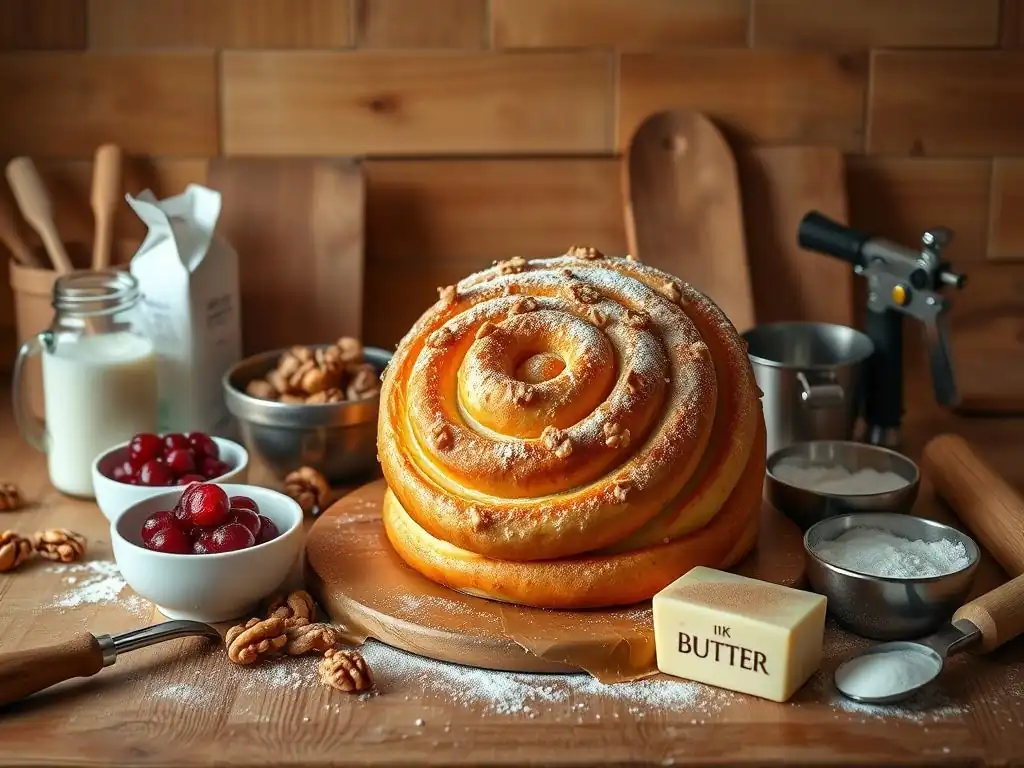
To embark on your journey to bake Kürtőskalács at home, you'll need some standard baking ingredients. The foundation is a simple yeast dough, requiring about 500 grams (approximately 4 cups) of all-purpose flour, around 250-300 ml (about 1 to 1.25 cups) of lukewarm milk, and active dry yeast (typically 7-10 grams or about 2.25 teaspoons).
You'll also need granulated sugar for both the dough (a few tablespoons) and for rolling (about 100-150 grams or 0.5 to 0.75 cups), a couple of eggs, melted butter (around 50-75 grams or 1/4 to 1/3 cup), a pinch of salt, and importantly, zest from one lemon for that authentic flavor.
For the classic coating, you'll primarily use granulated sugar for the initial caramelization and then a generous amount of ground cinnamon mixed with sugar for rolling after baking. For variations, have finely chopped walnuts, shredded coconut, cocoa powder, or other desired toppings ready. Using good quality ingredients, especially fresh yeast and fragrant lemon zest, will significantly impact the final taste and texture of your homemade Hungarian chimney cake. Ensure your milk is lukewarm (around 40-45°C or 105-115°F) to properly activate the yeast.
Must-Have Equipment for Baking Kürtőskalács at Home
While the traditional method involves baking over open coals using specialized rotating spits, you can successfully bake Kürtőskalács in a standard home oven with the right tools. The most crucial piece of equipment is the baking form, which is typically a truncated cone or cylinder. Traditionally, these are made of wood, but metal or even sturdy cardboard wrapped in foil can work as alternatives for an easy Hungarian chimney cake recipe at home. You'll need forms that fit comfortably in your oven. Ideally, they should be slightly tapered to allow the baked cake to slide off easily.
Besides the forms, you'll need standard baking tools: a large mixing bowl for the dough, a clean surface or board for kneading, a rolling pin to flatten the dough, a sharp knife or pizza cutter to cut the dough into strips, and a pastry brush for applying melted butter. Baking paper or foil might be useful for lining baking sheets if your forms require support or if you're using a makeshift setup.
Having cooling racks ready is also helpful. While dedicated chimney cake forms are ideal, many home bakers have successfully adapted by using items like sturdy, foil-wrapped rolling pins or even large metal cans.
Step-by-Step: Baking Kürtőskalács from Scratch
Preparing the Kürtőskalács Dough: A Detailed Guide
Begin by activating your yeast. In a small bowl, combine the lukewarm milk, a pinch of sugar, and the yeast. Stir gently and let it sit for 5-10 minutes until it becomes frothy, indicating the yeast is active. In a large mixing bowl, whisk together the flour, the remaining sugar, and salt. Make a well in the center. Pour the activated yeast mixture into the well, add the melted butter, eggs, and lemon zest.
Using a wooden spoon or a stand mixer with a dough hook, start mixing from the center, gradually incorporating the dry ingredients. Mix until a shaggy dough forms. Turn the dough out onto a lightly floured surface and knead for 8-10 minutes until it is smooth, elastic, and no longer sticky. Alternatively, use a stand mixer on medium speed for about 6-8 minutes.
The dough should spring back slowly when gently pressed. Place the kneaded dough in a lightly oiled bowl, cover it with plastic wrap or a clean kitchen towel, and let it rise in a warm place for about 1 to 1.5 hours, or until it has doubled in size. This first rise is crucial for developing flavor and texture in your homemade Hungarian chimney cake.
Shaping the Dough: Wrapping it Around the Baking Pin
Once the dough has doubled, gently punch it down and turn it out onto a lightly floured surface. Divide the dough into equal portions, depending on how many chimney cakes you plan to bake simultaneously based on your forms (typically 4-6 portions from the recipe above). Take one portion of dough and roll it out into a thin sheet, about 2-3 mm thick. The shape doesn't need to be perfect, but aim for a roughly rectangular shape if possible.
Using a sharp knife or pizza cutter, cut the dough into strips about 1.5 to 2 cm (approx. 0.6 to 0.8 inches) wide. Lightly brush your prepared Kürtőskalács forms with melted butter or oil. Take one strip of dough and start wrapping it around the wider end of the form, slightly overlapping each turn (about 1/4 to 1/3 of the strip width) to ensure it forms a continuous layer without gaps.
Gently press the seams together as you wrap. Roll the wrapped form lightly on your work surface to smooth out the dough, seal the seams, and ensure even thickness around the form. Repeat with the remaining dough portions and forms. This shaping step is key to achieving the characteristic chimney shape of the Kürtőskalács.
Baking the Kürtőskalács: Achieving the Perfect Golden-Brown
Preheat your oven to a relatively high temperature, typically around 180-200°C (350-400°F). Place a baking sheet on the bottom rack of the oven to catch any drips of sugar or butter. Before baking, brush the dough-wrapped forms with melted butter. Prepare a plate with granulated sugar and roll the buttered forms in the sugar, ensuring the dough is evenly coated. The sugar will caramelize during baking, creating the signature crispy crust.
Carefully place the sugar-coated, dough-wrapped forms in the preheated oven. If your forms have stands, place them upright on a baking sheet. If they are designed to lie flat, arrange them on a baking sheet, ensuring they don't touch. Bake for 10-15 minutes, rotating the forms halfway through baking (if possible, or simply turning the baking sheet) to ensure even browning.
Watch them closely, as the sugar can burn quickly. They are ready when they are a beautiful golden-brown color and the sugar has caramelized into a shiny crust. This is the moment your easy Hungarian chimney cake recipe comes to life!
Coating and Flavoring Your Kürtőskalács: Sweet and Savory Options
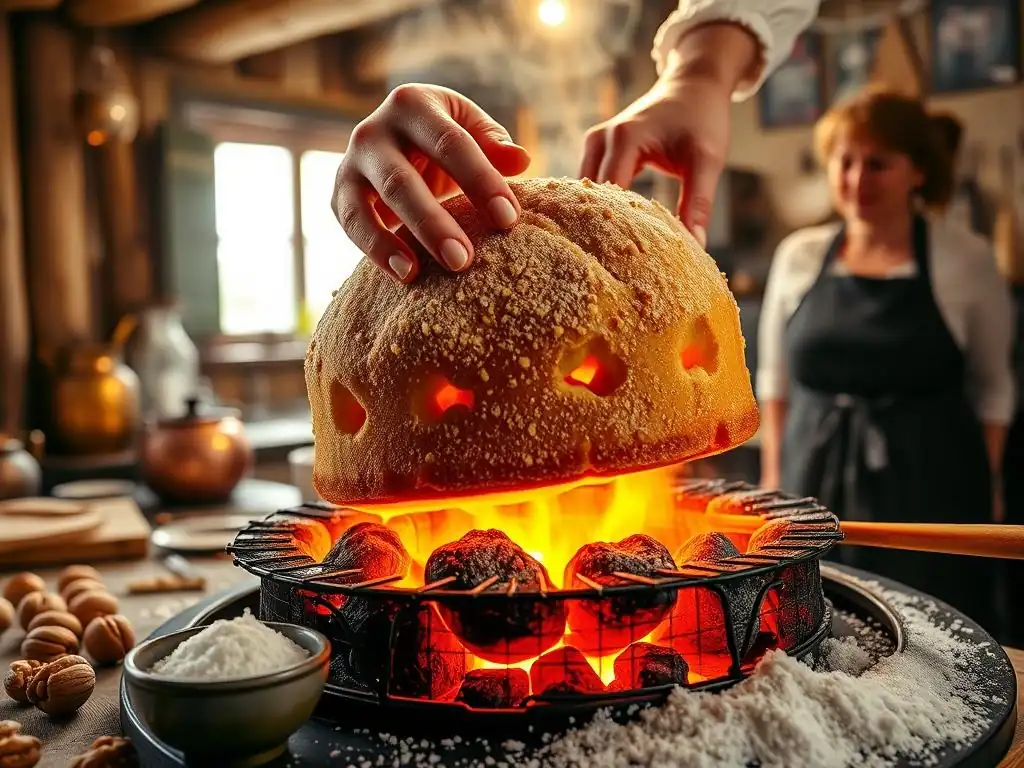
Immediately after taking the hot Kürtőskalács out of the oven, while the caramelized sugar is still sticky, it's time to add the final coatings. This step needs to be done quickly for the toppings to adhere properly. Prepare your desired toppings on separate plates beforehand. The most classic is a mix of granulated sugar and ground cinnamon. Simply roll the hot, baked chimney cake in the cinnamon-sugar mixture until it's fully coated.
Other popular options include finely chopped walnuts, ground almonds, shredded coconut, cocoa powder, or even poppy seeds. For a different twist, you could try finely crushed pistachios or a mix of spices like cardamom and nutmeg with the sugar. While sweet coatings are traditional, some modern variations might include savory options, although these are less common for the classic Kürtőskalács. The key is to apply the coating generously while the cake is still hot and the caramelized sugar is tacky, ensuring a thick, flavorful layer around your homemade Hungarian chimney cake.
Kürtőskalács Baking Tips and Tricks for Perfect Results
Troubleshooting Common Kürtőskalács Baking Problems
One common issue when baking Kürtőskalács is the dough not sticking properly to the form or separating during baking. This can happen if the dough strips weren't overlapped enough when wrapping, or if they weren't pressed together firmly. Ensuring a slight overlap (about 1/4 to 1/3 of the strip width) and gently rolling the wrapped form on the counter before coating helps seal the seams.
Another problem is uneven browning, which is often due to inconsistent oven temperature or not rotating the forms during baking. Using an oven thermometer can help verify the temperature, and rotating the forms midway is crucial for an evenly golden crust.
Sometimes, the baked cake can stick to the form, making it difficult to remove. This is usually because the forms weren't greased sufficiently before wrapping the dough. Applying a generous layer of melted butter or oil to the forms before wrapping is essential. If a cake is stuck, try gently twisting the form and the cake in opposite directions, or use a thin spatula to carefully loosen the edges. Allowing the cake to cool slightly on the form (just for a minute or two) can sometimes help before attempting to slide it off.
Expert Tips for a Crispy and Delicious Kürtőskalács
Achieving that perfect crispy exterior and soft interior is the goal of any easy Hungarian chimney cake recipe. One expert tip is to ensure your dough is not too dry; it should be slightly sticky but manageable after kneading. A well-hydrated dough results in a softer interior crumb. Another tip is to let the wrapped dough rest on the forms for 10-15 minutes before applying the sugar coating and baking. This allows the dough to relax slightly and ensures a more even texture.
The temperature of the oven is also critical. Baking at a relatively high heat (180-200°C or 350-400°F) helps the sugar caramelize quickly, creating that desirable crispy crust before the inside overbakes. Don't be afraid to brush generously with melted butter before rolling in sugar – this helps the sugar adhere and promotes better caramelization. Finally, serving the Kürtőskalács warm is non-negotiable for the best experience; the contrast between the hot, crispy exterior and the soft, steamy interior is what makes this pastry so special.
Flavor Variations for Your Homemade Chimney Cake
While the classic cinnamon sugar is a timeless favorite for Hungarian chimney cake, the beauty of making it at home is the freedom to experiment with different flavor combinations. After rolling in the initial granulated sugar, you can roll the hot, baked cake in various toppings. A popular variation is finely ground walnuts or almonds, which adds a lovely nutty crunch and depth of flavor. Shredded coconut is another common and delicious choice, providing a slightly chewy texture and tropical hint.
For chocolate lovers, a mix of cocoa powder and sugar is fantastic. You could also use finely crushed pistachios for a vibrant color and distinct taste. Consider adding a pinch of cardamom or nutmeg to your cinnamon-sugar mix for a warmer spice profile. Some modern interpretations even use sprinkles, crushed cookies, or drizzle with chocolate after baking. The key is to have your chosen topping ready on a plate to roll the hot Kürtőskalács immediately after it comes out of the oven, ensuring the topping sticks to the melted sugar.
Storing and Serving Your Homemade Kürtőskalács
How to Properly Store Leftover Kürtőskalács
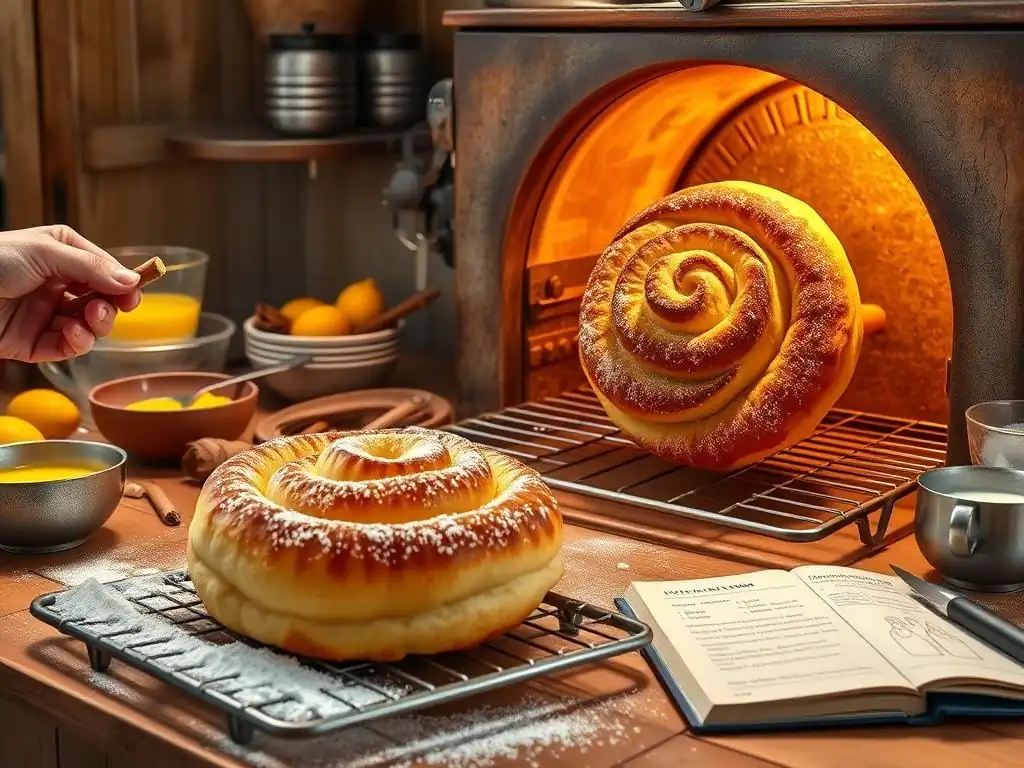
Kürtőskalács is undoubtedly best enjoyed fresh and warm, ideally within an hour or two of baking. However, if you find yourself with leftovers (a rare occurrence! ), they can be stored, although the texture will change. The crispy exterior will soften over time as moisture from the inside permeates the crust. To store leftover homemade Hungarian chimney cake, allow it to cool completely.
Wrap the cooled Kürtőskalács tightly in plastic wrap or aluminum foil, or place it in an airtight container. Stored this way at room temperature, it will keep for about 2-3 days. While it won't have the fresh crispness, it will still be a delicious sweet bread. Reheating briefly in a warm oven (around 150°C or 300°F) for 5-10 minutes can help restore some of the warmth, but the original crispness is hard to fully recover. Avoid refrigerating, as this tends to dry out the dough.
Serving Suggestions: Enjoying Your Freshly Baked Chimney Cake
The most traditional and arguably best way to enjoy Kürtőskalács is simple: freshly baked, warm, and pulled apart piece by piece. The "chimney" shape allows you to easily break off sections from the spiral. Serve it plain or with a variety of dipping sauces if you like, though it's perfectly delicious on its own.
For a more indulgent treat, serve warm Kürtőskalács alongside a scoop of vanilla ice cream or whipped cream. The contrast of the warm pastry and cold dairy is delightful. It also pairs wonderfully with a hot beverage, such as coffee, tea, or hot chocolate, especially on a chilly day. Consider serving different flavored Kürtőskalács together on a platter for a fun dessert presentation. Remember, the goal is to enjoy it while it's warm to experience the full effect of the crispy, caramelized exterior and soft interior of your easy Hungarian chimney cake recipe creation.
Exploring Hungarian Baking: More Recipes to Discover
Beyond Kürtőskalács: Other Hungarian Baking Delights
Hungary boasts a rich and diverse baking tradition, offering a wide array of delicious pastries and cakes beyond the famous Kürtőskalács. One iconic pastry is Beigli, a rolled pastry filled with a dense poppy seed or walnut filling, traditionally baked for Christmas and Easter. The filling-to-dough ratio is very high, making it incredibly rich and flavorful. Another classic is Dobos Torte, an elegant layered sponge cake with chocolate buttercream, topped with hard caramel slices. It's known for its intricate preparation and sophisticated taste.
For those who enjoy fruit pastries, Meggyes Rétes (Sour Cherry Strudel) is a must-try. Similar to Austrian strudel, it features thin, stretched dough filled with tart sour cherries, often mixed with sugar, breadcrumbs, and sometimes poppy seeds. Kifli, small crescent-shaped rolls, can be sweet or savory and are a staple in Hungarian bakeries. Exploring these recipes offers a deeper dive into the flavors and techniques that define Hungarian baking, providing many more delightful projects for the home baker.
If you enjoyed baking Kürtőskalács and are looking to expand your repertoire with similar types of pastries, there are several related recipes to explore. Many cultures have their own versions of spit cakes or rolled pastries. For instance, the Slovakian Trdelník is very similar to Kürtőskalács, often baked with the same technique and coatings. Exploring a Trdelník recipe would feel very familiar after mastering your easy Hungarian chimney cake recipe.
Consider trying other yeast-based sweet breads or brioche-like doughs, which share similarities in texture and handling with Kürtőskalács dough. Recipes for sweet rolls, cinnamon buns, or even challah bread can help you refine your yeast dough skills. Looking into other Eastern European pastries that utilize rolled or shaped dough, such as Polish Kolaczki or Czech Kolache, could also be a fascinating next step. These related recipes allow you to build upon the techniques you learned baking chimney cake and discover new favorites.
Frequently Asked Questions
What is Kürtőskalács (Chimney Cake)?
Kürtőskalács, also known as Chimney Cake, is a traditional Hungarian pastry. It's made by wrapping dough around a cylindrical spit and baking it over an open fire or in an oven.
Is the Kürtőskalács recipe on BakeWithEase.com truly easy?
Yes! We focus on simplified instructions and easy-to-find ingredients. Our goal is to make even complex recipes, like Kürtőskalács, accessible to bakers of all skill levels.
What special equipment do I need to bake Kürtőskalács at home?
While a traditional spit is ideal, you can use aluminum foil-covered rolling pins or even sturdy metal cans as substitutes. The recipe provides instructions for alternative methods.
What are some popular toppings for Kürtőskalács?
Common toppings include cinnamon sugar, chopped walnuts, and ground almonds. You can also experiment with other flavors like coconut flakes or cocoa powder.
How should I store leftover Kürtőskalács to keep it fresh?
Store it in an airtight container at room temperature. It's best enjoyed fresh, but it can last for a day or two. Reheating it briefly can help restore some of its original crispness.
Final Reflection: The Sweet Symphony of Tradition and Simplicity
The enduring appeal of the Kürtőskalács, or chimney cake, lies in its delicious simplicity and rich cultural heritage. This seemingly straightforward recipe, easily replicated at home, unlocks a gateway to Hungarian culinary tradition, proving that complex flavors can arise from surprisingly accessible ingredients. The ease of the process, detailed in this article, makes this delightful treat achievable for everyone, regardless of baking experience.
The chimney cake's journey from traditional Hungarian ovens to modern kitchens worldwide speaks volumes about the power of shared culinary experiences. It's more than just a dessert; it's a symbol of connection, a taste of history, and a testament to the enduring appeal of simple pleasures. Food is symbolic of love when words are inadequate.
- Alan D. Wolfelt. This quote perfectly encapsulates the emotional resonance of sharing a Kürtőskalács, whether with loved ones or as a personal act of self-care.
Now, I invite you to embrace the spirit of this recipe. Don't just bake a Kürtőskalács; bake a piece of history, a taste of Hungary, and a moment of joy. Experiment with different toppings, share your creations with others, and let the sweet aroma fill your kitchen with the warmth of tradition and the satisfaction of a job well done. The journey from recipe to reality is just as rewarding as the final, delicious bite.
Unleash Your Inner Baker: Make Your Own Kürtőskalács!
Thanks for joining us on this delicious journey into the world of Hungarian Kürtőskalács! We hope you've gained the confidence to tackle this seemingly complex treat. Now it's time to put your newfound knowledge into action.
- Bake your own Kürtőskalács! Use the recipe and tips from this article to create your own masterpiece. Don't be afraid to experiment with different flavors!
- Share your baking journey! Post pictures of your Kürtőskalács creation on social media using #BakeWithEaseKürtőskalács and tag us! Let's inspire others.
- Challenge a friend: See who can bake the most impressive Kürtőskalács and share your results!
Ready to experience the sweet satisfaction of homemade Kürtőskalács? What unique flavor combination will you try first?