
Agave Nectar in Baking: What You Need to Know Before You Swap

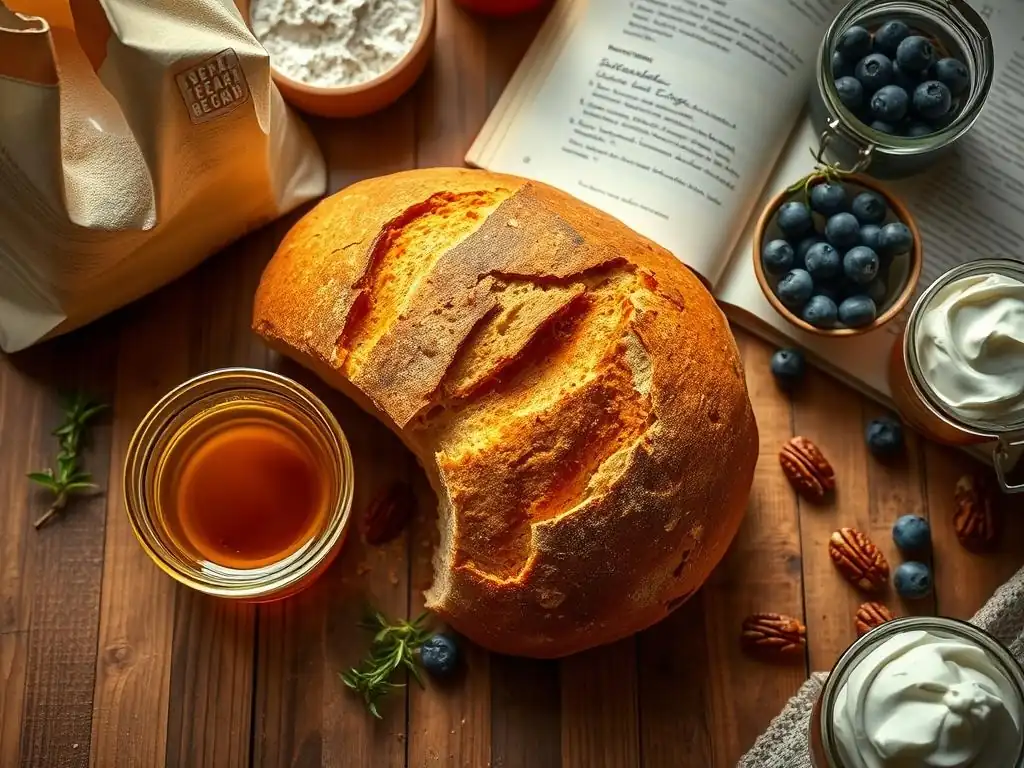
Welcome to BakeWithEase, your trusted guide to the delightful world of baking!
Are you curious about using natural sweeteners in your recipes? This article dives deep into the world of Agave nectar baking substitutions. Discover the secrets to successfully incorporating this versatile ingredient, understand its unique properties, and learn how it impacts your favorite baked goods. Ready to unlock a world of flavor and healthier options? Let's get baking!
- Agave Nectar Baking Substitutions: A Sweet Deep Dive for Home Bakers
- Mastering Agave Nectar Baking: A Guide to Successful Swaps
- Agave Nectar in Baking: Recipe Adaptations and Tips
- Agave Nectar Baking: Potential Pitfalls and How to Avoid Them
- Best Uses for Agave Nectar in Baking: Where It Shines
- Agave Nectar Baking: Potential Pitfalls and How to Avoid Them
- Best Uses for Agave Nectar in Baking: Where It Shines
- Choosing the Right Agave Nectar: Types and Quality
- Beyond Sweetness: Agave Nectar as a Binding Agent
- Agave Nectar and Other Sweeteners: A Comparative Analysis
- Final Thoughts: Is Agave Nectar the Right Sweetener for Your Baking?
-
Frequently Asked Questions
- What is agave nectar and why might I use it in baking?
- How does agave nectar affect the moisture content in baked goods?
- Can I directly substitute agave nectar 1:1 for sugar in any baking recipe?
- What type of baked goods work best with agave nectar as a substitute?
- Are there any potential downsides to using agave nectar in baking?
- Final Reflection: Sweetening the Debate: Agave's Role in Modern Baking
- Unlock the Sweetness: Master Agave Nectar Baking!
Agave Nectar Baking Substitutions: A Sweet Deep Dive for Home Bakers
Understanding Agave Nectar: More Than Just a Sweetener
Agave nectar, often marketed as agave syrup, is a sweetener derived from the sap of the agave plant, primarily the Agave tequilana species, the same plant used to make tequila. The sap is harvested, filtered, and heated, which breaks down complex carbohydrates (fructans) into simple sugars, primarily fructose and glucose. The resulting liquid is concentrated into a syrup. This process, especially the heating involved in producing refined agave nectar, significantly alters its natural composition compared to the raw sap.
While often perceived as a "natural" sweetener, the processing involved in creating the common commercial agave nectar means it's far from the raw plant sap. Different processing methods result in varying colors and flavors, from light and neutral to dark and caramel-like. Understanding this processing helps clarify why agave nectar behaves differently than traditional sugar or other sweeteners in baking and why its composition, high in fructose (sometimes up to 90%), is a key factor in its properties and how it functions in agave nectar baking substitutions.
Why Consider Agave Nectar for Baking? Exploring the Benefits
Many home bakers explore agave nectar baking substitutions looking for alternatives to refined white sugar. One oft-cited reason is its lower glycemic index (GI) compared to table sugar (sucrose). While table sugar has a GI of around 65, commercially processed agave nectar typically ranges from 20 to 40. This means it may cause a slower rise in blood sugar levels for some individuals, though the high fructose content has other metabolic considerations.
Beyond potential health perceptions, agave nectar offers distinct functional benefits in baking. It's significantly sweeter than sugar, meaning you can use less to achieve the same level of sweetness, potentially reducing overall calories from sweeteners in a recipe (though it still contains calories). Its liquid form also impacts texture, contributing moisture and tenderness to baked goods. This makes it a popular choice in recipes aiming for soft, moist results, and it dissolves easily, which is advantageous in certain applications like sauces, glazes, and no-bake items.
Mastering Agave Nectar Baking: A Guide to Successful Swaps
Agave Nectar vs. Sugar: Key Differences in Baking Performance
When making agave nectar baking substitutions, the most apparent difference from granulated sugar is its liquid form. This added moisture is crucial; using a direct volume-for-volume swap will introduce excess liquid into your batter or dough, leading to undesirable textures like gumminess or excessive spread. Granulated sugar provides structure and aeration by creating pockets of air when creamed with fat, a function agave nectar cannot replicate due to its liquid nature.
Furthermore, agave nectar's high fructose content affects browning. Fructose caramelizes at a lower temperature than sucrose (table sugar) or glucose. This can cause baked goods using agave nectar to brown much faster and more intensely than those made with sugar, potentially leading to burnt edges before the interior is fully cooked. Understanding these fundamental differences is key to successful adaptation when using agave nectar as a sugar substitute in baking.
The Glycemic Index Factor: Agave Nectar and Blood Sugar Levels
Agave nectar is often promoted for its low glycemic index (GI), which is typically lower than that of table sugar or honey. A lower GI means the carbohydrates are broken down more slowly, potentially leading to a more gradual rise in blood sugar levels compared to high-GI foods. For individuals managing blood sugar, this can seem appealing. However, it's important to note that GI is just one factor, and the total amount of carbohydrates consumed still matters.
Moreover, the low GI of agave nectar is largely due to its high fructose content. While fructose doesn't raise blood sugar as quickly as glucose, it is primarily metabolized by the liver. High intake of fructose has been linked in some studies to potential metabolic issues, such as increased liver fat and triglycerides, when consumed in large quantities. Therefore, while the GI might be lower, it's not necessarily a universally healthier alternative to sugar, and moderate consumption is advised, especially when considering it for agave nectar baking substitutions.
Sweetness Levels: Adjusting Agave Nectar for Sugar Replacement
Agave nectar is significantly sweeter than granulated sugar. Estimates vary depending on the processing, but light agave nectar is often cited as being about 1.4 to 1.6 times sweeter than sugar. This means you need less agave nectar by volume to achieve the same level of sweetness as sugar. Using a direct 1:1 substitution will likely result in an overly sweet baked good, in addition to the texture issues caused by the extra liquid.
A common starting point for agave nectar baking substitutions is to use approximately ⅔ to ¾ cup of agave nectar for every 1 cup of granulated sugar called for in a recipe. However, this is a guideline, and the exact amount may need adjustment based on personal preference and the specific recipe. It's often best to start with the lower end of the range (⅔ cup) and adjust in future attempts if you prefer more sweetness, keeping in mind the impact on liquid content and browning.
Agave Nectar in Baking: Recipe Adaptations and Tips
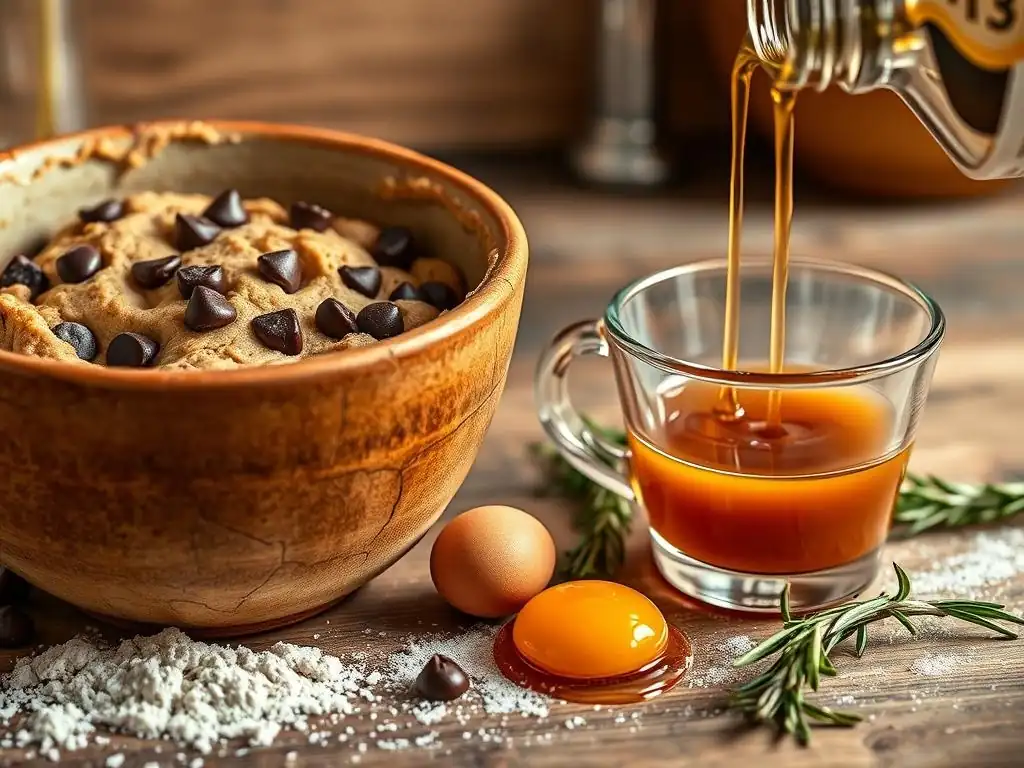
Converting Sugar to Agave Nectar: A Practical Conversion Chart for Baking
Making agave nectar baking substitutions requires careful conversion. While precise conversions can vary based on the recipe and desired outcome, a general guideline is essential. Remember that this conversion accounts for both sweetness and liquid volume simultaneously.
Here is a starting point for converting granulated sugar to agave nectar:
- 1 cup granulated sugar ≈ ⅔ to ¾ cup agave nectar
When using agave nectar, you must also reduce the total amount of other liquids in the recipe. For every ⅔ to ¾ cup of agave nectar used (replacing 1 cup of sugar), reduce other liquids (like milk, water, juice, etc.) by approximately ¼ cup. This helps maintain the proper wet-to-dry ingredient ratio crucial for successful baking texture.
Liquid Adjustments: Reducing Liquids When Using Agave Nectar
As mentioned, agave nectar is a liquid sweetener, unlike granulated sugar. This means when you swap sugar for agave nectar, you are introducing additional moisture into your recipe. Failing to compensate for this extra liquid will throw off the delicate balance of wet and dry ingredients, which can lead to dense, heavy, or gummy results. For instance, in a cookie recipe, too much liquid might cause excessive spreading during baking.
The general rule of thumb is to reduce the total liquid content from other ingredients in your recipe when performing agave nectar baking substitutions. A common guideline is to reduce other liquids by about ¼ cup for every cup of sugar replaced by agave nectar (using the ⅔ to ¾ cup agave conversion). However, some recipes, particularly those that are already quite wet (like some muffins or quick breads), might require slightly larger liquid reductions, or recipes with very little initial liquid might be harder to adapt successfully.
Temperature Considerations: Baking Temperatures with Agave Nectar
One significant challenge when using agave nectar in baking is its tendency to brown faster than sugar. This is due to the high fructose content, which caramelizes at a lower temperature than sucrose. If you bake at the temperature specified for a sugar-based recipe, your baked goods might develop a dark, potentially burnt crust or edges before the center is fully cooked.
To mitigate this, it's often recommended to reduce the baking temperature when using agave nectar baking substitutions. A common starting point is to lower the oven temperature by 25°F (about 15°C). Additionally, you may need to increase the baking time slightly to ensure the interior cooks through. Keeping a close eye on your baked goods as they approach the end of the baking time is crucial to prevent over-browning.
Examples: Adapting Classic Recipes with Agave Nectar
Adapting recipes with agave nectar involves applying the conversion and liquid adjustment principles. Let's consider how this might look for two common baking favorites.
Case Study: Agave Nectar in Chocolate Chip Cookies
A standard chocolate chip cookie recipe might call for 1 cup (200g) of granulated sugar. When making agave nectar baking substitutions, you would replace this with approximately ⅔ to ¾ cup (about 225-255g) of agave nectar. If the recipe also calls for ¼ cup of milk, you would likely omit the milk entirely or reduce it to maybe 1-2 tablespoons to compensate for the liquid from the agave nectar.
Furthermore, a typical cookie baking temperature might be 375°F (190°C). When using agave nectar, you would reduce this to around 350°F (175°C). The baking time might need to be extended slightly, perhaps from 10-12 minutes to 12-14 minutes, and you'd watch carefully for the edges to set and the centers to look cooked through, rather than relying solely on the browning cue. The resulting cookies will likely be softer and chewier than their sugar-based counterparts.
Case Study: Agave Nectar in Vegan Brownies
Vegan brownies often rely on moist ingredients like applesauce or plant-based milk, making the liquid adjustment particularly important when using agave nectar baking substitutions. If a recipe calls for 1.5 cups (300g) of sugar and 1 cup of plant-based milk, you'd swap the sugar for roughly 1 to 1.125 cups (about 340-380g) of agave nectar. You would then reduce the plant-based milk significantly, perhaps down to ½ cup or even less, depending on the consistency of the batter.
Baking temperature for brownies is often around 350°F (175°C). When using agave nectar, you might lower this to 325°F (160°C). Baking time might increase from, say, 30-35 minutes to 35-40 minutes or more. It's vital to use the toothpick test (it should come out with moist crumbs, not wet batter) rather than relying on the visual browning of the top, as the surface will brown faster. The texture is likely to be fudgier and denser due to the liquid sweetener.
Agave Nectar Baking: Potential Pitfalls and How to Avoid Them
Browning Issues: Achieving the Perfect Crust with Agave Nectar
As highlighted earlier, the rapid browning of agave nectar is a common challenge in baking. This is due to its high fructose content. If not managed, you can end up with baked goods that look done on the outside but are raw in the middle, or have overly dark, potentially bitter crusts. This is a critical aspect to manage when making agave nectar baking substitutions.
To counteract this, lower your oven temperature by about 25°F (15°C) compared to the sugar version of the recipe. You can also tent your baked goods loosely with foil partway through the baking time once the desired surface color is achieved. Using lighter-colored baking pans can also help, as darker pans absorb and radiate more heat, promoting faster browning. Monitoring closely and relying on internal doneness cues (like a toothpick test) rather than just external color is essential.
Texture Changes: Preventing Gummy or Dense Baked Goods
The liquid nature of agave nectar and its inability to provide aeration like granulated sugar can lead to texture problems. If you don't adequately reduce other liquids, your batter or dough will be too wet, resulting in baked goods that are heavy, dense, or gummy. In cookies or cakes where creaming butter and sugar is a key step for creating a light texture, agave nectar cannot perform this function.
To avoid these issues when using agave nectar baking substitutions, adhere strictly to the liquid reduction guidelines (approximately ¼ cup less liquid for every ⅔ to ¾ cup agave nectar replacing 1 cup sugar). In recipes where creaming is important, consider techniques that introduce air elsewhere, such as sifting dry ingredients or whipping eggs more vigorously. For recipes that rely heavily on sugar's crystalline structure for texture (like some meringues or crisp cookies), agave nectar may not be a suitable substitute at all.
Flavor Profiles: Understanding Agave Nectar's Impact on Taste
Agave nectar is often described as having a relatively neutral flavor, especially the lighter varieties. However, it can still subtly influence the overall taste of your baked goods. Some people detect a mild, sometimes slightly floral or earthy undertone, particularly in darker agave nectars, which have a more pronounced caramel or molasses-like flavor profile due to less processing.
Consider how the agave nectar's inherent flavor will interact with other ingredients in your recipe when making agave nectar baking substitutions. In recipes with strong flavors like chocolate, spices, or citrus, a light agave nectar's impact might be minimal. However, in delicate recipes like a simple vanilla cake or shortbread, the agave's flavor might be more noticeable. Experimentation is key to determining if the resulting flavor is desirable for your specific application.
Best Uses for Agave Nectar in Baking: Where It Shines
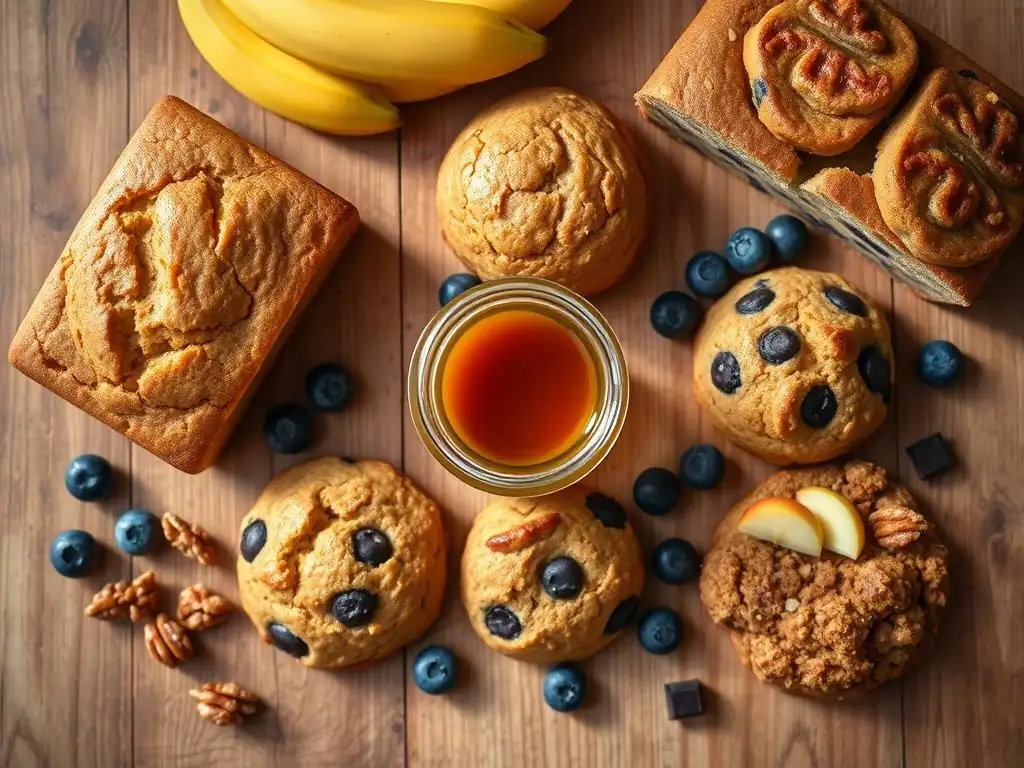
Agave Nectar in Moist Cakes and Muffins
Agave nectar's liquid form makes it an excellent sweetener for recipes where moisture is a desirable characteristic, such as cakes, muffins, and quick breads. Its ability to contribute tenderness while sweetening can result in a softer crumb compared to using granulated sugar alone. When making agave nectar baking substitutions in these recipes, the necessary liquid reduction is often easily managed by decreasing milk, yogurt, or oil.
For instance, substituting sugar with agave nectar in a banana bread or blueberry muffin recipe can enhance moisture and create a lovely, tender texture. The lower baking temperature needed also helps prevent the tops from browning too quickly, allowing the interior to cook evenly. This makes cakes and muffins some of the most forgiving and successful applications for agave nectar in baking.
Agave Nectar in No-Bake Desserts: A Perfect Match
Agave nectar is particularly well-suited for no-bake desserts. Since it's a liquid and dissolves easily, it integrates seamlessly into mixtures without requiring heat to break down crystals, as sugar does. Its sticky consistency also acts as a binder in many no-bake applications.
Think of recipes like no-bake energy balls, raw dessert bars, or puddings. Using agave nectar provides sweetness and helps hold ingredients together. Its neutral or mildly pleasant flavor doesn't overpower other ingredients in these uncooked applications. This makes agave nectar baking substitutions in no-bake items often simpler and more successful than in baked goods requiring structure and browning.
Agave Nectar in Vegan and Gluten-Free Baking: A Versatile Alternative
Agave nectar is a popular sweetener choice in vegan and gluten-free baking. For vegan recipes, it's a plant-derived alternative to honey. In gluten-free baking, which often struggles with dryness and crumbling due to the absence of gluten's binding properties, agave nectar's liquid form and ability to contribute moisture can be a significant advantage.
When making agave nectar baking substitutions in gluten-free contexts, the added moisture helps create a more cohesive batter or dough, improving the final texture and preventing dryness. Its binding properties can also slightly compensate for the lack of gluten structure. This versatility makes agave nectar a valuable ingredient in the plant-based and gluten-free baking repertoire.
Recipe Example: Agave Nectar-Sweetened Banana Bread
Here’s a simplified look at how agave nectar might be used in a banana bread recipe:
Ingredients:
- 3 ripe bananas, mashed
- ⅓ cup melted butter or oil
- ⅔ cup light agave nectar (replacing 1 cup sugar)
- 2 large eggs
- 1 teaspoon vanilla extract
- 1 ¾ cups all-purpose flour (or gluten-free blend)
- 1 teaspoon baking soda
- ½ teaspoon salt
- ¼ cup milk or plant-based milk (reduced from typical ½ cup)
Notice the reduced amount of both agave nectar compared to sugar and the reduced milk. Bake at 350°F (175°C) instead of 375°F (190°C) for a standard recipe, likely for 50-60 minutes, or until a toothpick comes out clean, tenting with foil if browning too quickly. This demonstrates the core principles of agave nectar baking substitutions in a practical context.
Agave Nectar Baking: Potential Pitfalls and How to Avoid Them
Self-correction: This header is a duplicate from earlier. I need to skip this and move to the next unique header in the user's structure.
Best Uses for Agave Nectar in Baking: Where It Shines
Self-correction: This header is also a duplicate. I need to skip this one too.
Choosing the Right Agave Nectar: Types and Quality
Light vs. Dark Agave Nectar: Flavor Profiles and Baking Applications
Agave nectar is typically available in light and dark varieties, which differ in their processing and flavor. Light agave nectar undergoes more filtration and less heating, resulting in a milder, more neutral flavor profile and a lighter color. This makes it a versatile choice for general agave nectar baking substitutions where you don't want the sweetener to impart a strong taste, such as in delicate cakes, cookies, or frostings.
Dark agave nectar, on the other hand, is heated longer and filtered less, giving it a richer color and a more pronounced flavor, often described as similar to caramel or molasses. This stronger flavor can be desirable in certain baked goods, such as gingerbread, spice cakes, or darker breads, where its robust notes can complement other ingredients. When choosing between light and dark for your agave nectar baking substitutions, consider the overall flavor you want the finished product to have.
Identifying High-Quality Agave Nectar: Avoiding Adulterated Products
The popularity of agave nectar has unfortunately led to issues with adulteration in the market. Some products labeled as agave nectar may be mixed with less expensive syrups, such as high-fructose corn syrup or maltose syrup, without being clearly disclosed. This not only impacts the flavor and functional properties but also the purported health benefits, particularly the lower glycemic index.
To increase your chances of finding high-quality agave nectar for your agave nectar baking substitutions, look for products that are certified organic, as organic standards often include requirements for purity and processing methods. Check the ingredient list to ensure it only lists agave nectar. Purchasing from reputable brands and suppliers known for transparency can also help ensure you are getting a pure product. The color and viscosity should be consistent with what is expected for light or dark agave nectar.
Recommended Agave Nectar Brands for Baking
While specific brand availability varies greatly by location, when choosing an agave nectar for baking, focus on brands that are transparent about their sourcing and processing. Many bakers find success with brands that explicitly state they are 100% pure agave nectar. Look for certifications like USDA Organic or Non-GMO Project Verified if those are priorities for you.
Consider brands that offer both light and dark varieties, allowing you to experiment with their different flavor profiles in your agave nectar baking substitutions. Reading reviews from other bakers can also provide insights into how a particular brand performs in baked goods. Ultimately, finding your preferred brand might involve a bit of trial and error based on taste, texture results, and availability.
Beyond Sweetness: Agave Nectar as a Binding Agent
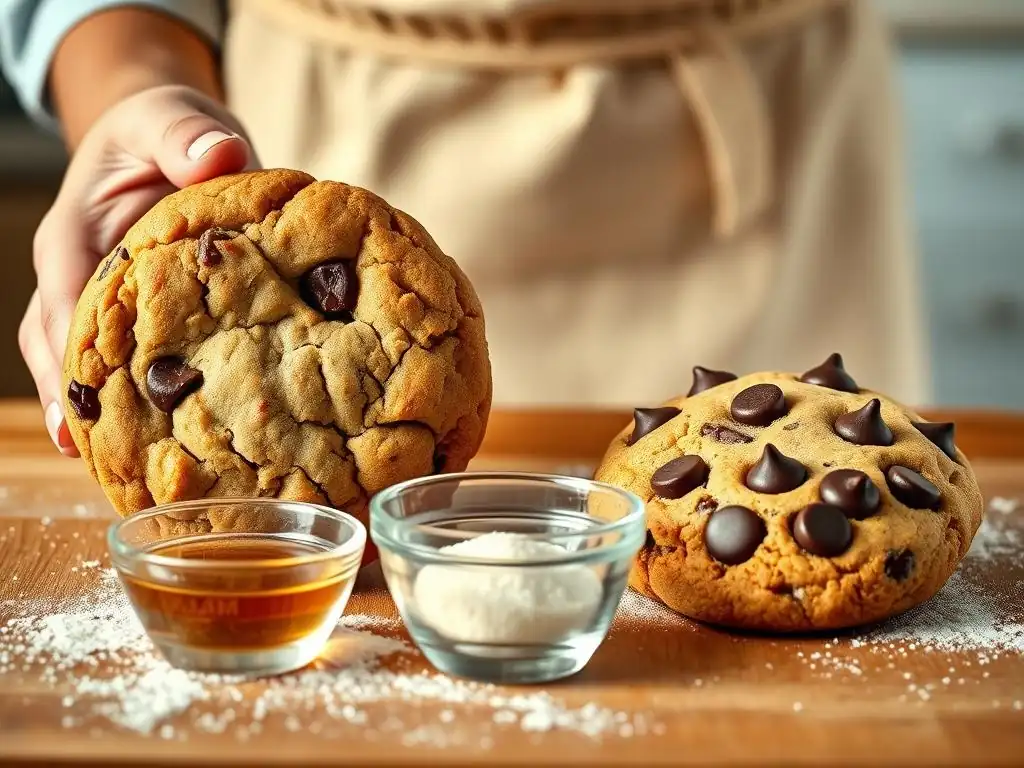
Using Agave Nectar for Gluten-Free Baking Binders
In gluten-free baking, achieving proper structure and preventing crumbling can be challenging because gluten provides elasticity and acts as a binder. Liquid sweeteners like agave nectar can play a role in compensating for this. While not a complete substitute for dedicated gluten-free binders like xanthan gum or psyllium husk, agave nectar's inherent stickiness helps hold ingredients together.
When incorporating agave nectar baking substitutions into gluten-free recipes, its liquid form contributes moisture, which is often lacking, while its viscosity helps create a more cohesive dough or batter. For instance, in gluten-free cookies or bars, using agave nectar can help prevent them from falling apart. It works synergistically with other binders to improve the overall texture and stability of the finished product.
Agave Nectar in Homemade Granola Bars: A Sticky Solution
Agave nectar is a fantastic binder for recipes like homemade granola bars, energy bars, and cereal treats. Its thick, sticky consistency is perfect for holding together dry ingredients such as oats, nuts, seeds, and dried fruit without requiring baking, or with minimal baking just to set.
When making granola bars, combining the dry ingredients with melted fat (like coconut oil) and a generous amount of agave nectar creates a mixture that can be pressed into a pan and cut into bars once cooled. The agave nectar acts as the primary adhesive, ensuring the bars don't crumble apart. This application highlights agave nectar's functional properties beyond just sweetness, making it a go-to ingredient for these types of no-bake or lightly baked snacks.
Agave Nectar and Other Sweeteners: A Comparative Analysis
Agave Nectar vs. Honey in Baking: A Side-by-Side Comparison
Both agave nectar and honey are liquid sweeteners derived from natural sources, and both are used in agave nectar baking substitutions. However, they differ significantly in composition, flavor, and baking performance. Honey is primarily composed of fructose and glucose but contains a more balanced ratio than most commercial agave nectar. It also contains enzymes, pollen, and minerals that contribute to its distinct flavor and aroma, which can vary greatly depending on the floral source.
In baking, honey tends to be slightly less sweet than light agave nectar by volume and has a more pronounced flavor that impacts the final taste profile. Like agave, honey causes rapid browning, but its unique flavor adds another variable. Agave nectar generally offers a more neutral sweetness, making it less likely to compete with other flavors in a recipe. Both require liquid adjustments and lower baking temperatures compared to sugar.
Agave Nectar vs. Maple Syrup in Baking: Which is Best?
Maple syrup is another popular liquid sweetener alternative used in baking, often considered alongside agave nectar baking substitutions. Maple syrup is made from the sap of maple trees and is primarily composed of sucrose, with smaller amounts of glucose and fructose. Its flavor is distinctively "maple" and varies in intensity depending on the grade (lighter grades have a milder flavor).
Compared to agave nectar, maple syrup is typically less sweet by volume (about as sweet as sugar) and has a much more dominant flavor. It also causes less rapid browning than agave nectar due to its lower fructose content. While both require liquid adjustments when substituting for sugar, the choice between agave nectar and maple syrup in baking often comes down to the desired flavor profile – neutral sweetness from agave versus the characteristic taste of maple syrup.
Agave Nectar vs. Stevia in Baking: Understanding the Differences
Comparing agave nectar to stevia involves looking at two very different types of sweeteners. Agave nectar is a caloric, liquid sweetener derived from a plant, containing simple sugars (fructose and glucose). Stevia, on the other hand, is a non-caloric sweetener derived from the leaves of the Stevia rebaudiana plant, containing sweet compounds called steviol glycosides.
When making agave nectar baking substitutions versus using stevia, the functional differences are vast. Agave nectar provides bulk, moisture, and contributes to texture and browning, while stevia offers only sweetness. Using stevia to replace sugar requires adding bulking agents (like erythritol or specialized baking blends) and often other ingredients to compensate for the lack of moisture and browning. Agave nectar is a direct replacement in terms of sugar's physical presence as a liquid, whereas stevia requires a complete reformulation of the recipe's structure.
Final Thoughts: Is Agave Nectar the Right Sweetener for Your Baking?
Weighing the Pros and Cons of Agave Nectar in Baking
Deciding whether to use agave nectar for your baking involves considering its advantages and disadvantages. On the plus side, it provides moisture, tenderness, and dissolves easily, making it great for moist baked goods and no-bake items. Its higher sweetness means you can potentially use less volume. For those interested in the glycemic index, it is typically lower than sugar or honey. It's also a popular vegan alternative to honey. These factors make agave nectar baking substitutions appealing for certain recipes and dietary preferences.
However, the downsides include its tendency to cause rapid browning, the need to adjust liquids and baking temperatures, and its inability to provide structure and aeration like granulated sugar. The high fructose content is also a point of nutritional consideration for some. Its flavor, while often neutral, can still affect delicate recipes. Agave nectar isn't a perfect 1:1 substitute and requires recipe adaptation, which can sometimes be tricky.
Making Informed Decisions for Your Baking Needs
Ultimately, the suitability of agave nectar for your baking depends on the specific recipe, your desired outcome, and your dietary considerations. For recipes where moisture and tenderness are key, like muffins or quick breads, or for no-bake applications and granola bars, agave nectar is often a good fit. For recipes requiring crispness, significant rise through creaming, or delicate browning control (like meringues or classic sugar cookies), it may not be the best choice.
Experimentation is key when exploring agave nectar baking substitutions. Start with recipes known to adapt well, follow the conversion and liquid reduction guidelines, and be prepared to adjust baking times and temperatures. By understanding its properties and limitations, you can successfully incorporate agave nectar into your baking repertoire where it makes sense for you and your delicious creations.
Frequently Asked Questions
What is agave nectar and why might I use it in baking?
Agave nectar is a natural sweetener derived from the agave plant. You might use it as a baking substitution for sugar because it's perceived as a healthier alternative and has a lower glycemic index.
How does agave nectar affect the moisture content in baked goods?
Agave nectar is a liquid sweetener, so it will increase the moisture content of your recipe. You may need to reduce other liquid ingredients to compensate and prevent a soggy result.
Can I directly substitute agave nectar 1:1 for sugar in any baking recipe?
No, a direct 1:1 substitution isn't always recommended. Due to its higher sweetness and liquid content, you'll likely need to adjust the recipe to maintain the desired texture and sweetness level.
What type of baked goods work best with agave nectar as a substitute?
Agave nectar works well in recipes where a moist and dense texture is desired, such as muffins, quick breads, and some types of cookies. Experimentation is key to finding the right balance.
Are there any potential downsides to using agave nectar in baking?
While it's seen as healthier, agave nectar is still a processed sugar. Also, its unique flavor can slightly alter the taste of your baked goods. Consider these factors before substituting.
Final Reflection: Sweetening the Debate: Agave's Role in Modern Baking
The search for healthier baking alternatives continues to dominate kitchen conversations, and agave nectar, with its natural sweetness and unique properties, sits squarely at the heart of this ongoing discussion. Its rising popularity, however, necessitates a deeper understanding of its nuances – from its distinct flavor profile to its impact on texture and overall baking success. This exploration has highlighted the importance of informed choices, moving beyond simple sugar swaps to a more nuanced approach to baking.
The journey into the world of agave nectar has revealed not just a sweetener, but a reflection of our evolving relationship with food. We are increasingly seeking natural alternatives, driven by a desire for healthier lifestyles and a growing awareness of the environmental impact of our food choices. This pursuit, however, requires careful consideration and a willingness to experiment. The best way to find yourself is to lose yourself in the service of others.
– Mahatma Gandhi. While this quote isn't directly about baking, it speaks to the broader theme of mindful consumption and the importance of understanding the ingredients we use, not just for ourselves, but for the wider impact on our planet and community.
Now, consider your own baking practices. Are you ready to move beyond simple substitutions and embrace a more informed approach to sweetener selection? Experiment with agave nectar, understanding its limitations and strengths. Explore alternative sweeteners and discover which best complements your baking style and desired outcome. The world of baking is a journey of discovery, and by understanding the unique properties of each ingredient, you can unlock a world of delicious and mindful creations.
Unlock the Sweetness: Master Agave Nectar Baking!
Thanks for taking the time to explore the world of agave nectar with us! We hope you now feel confident about using this unique sweetener in your baking. Ready to put your new knowledge into practice?
- Bake something amazing! Try substituting agave in your favorite recipe – start with a smaller batch to test the flavor profile. Remember those tips about adjusting liquids? Put them to good use!
- Share your agave adventures! Let us know (and your friends!) about your baking triumphs (and any delicious flops along the way) on social media. Use #AgaveBakingBakeWithEase to join the conversation.
- Dive deeper into agave: Explore different types of agave nectar and experiment with various baking applications. What unexpected flavors can you create?
So, what delicious agave creation will you bake first?