
Stop Sugar Crystallization: Your Guide to Perfectly Smooth Candy

Welcome to BakeWithEase, where baking becomes a joy, not a chore! Ever wondered how to achieve candy perfection, avoiding that dreaded grainy texture? This week, we're diving deep into the science behind sugar crystallization and revealing the secrets to creating a perfectly smooth candy recipe every single time.
Discover the techniques and tips that separate the pros from the novices in our Baking Science Deep Dive, and unlock the potential to create confections that are as delightful to look at as they are to taste. Ready to say goodbye to sugar crystals and hello to flawless candy? Let's get started!
- Understanding Sugar Crystallization in Candy Making
- Key Factors Influencing Sugar Crystallization in Candy Recipes
- Essential Techniques to Prevent Sugar Crystallization
- Step-by-Step Guide to Making Perfectly Smooth Candy
- Troubleshooting Sugar Crystallization Issues
- Tips and Tricks for Consistently Smooth Candy
- Advanced Techniques for Expert Candy Makers
- Frequently Asked Questions
- Final Reflection: The Sweet Science of Smooth Candy
- Unlock Your Candy-Making Confidence!
Understanding Sugar Crystallization in Candy Making
What is Sugar Crystallization and Why Does it Happen?
Sugar crystallization is a common issue in candy making where dissolved sugar molecules (specifically sucrose) reform into solid crystals. When you dissolve sugar in water and heat it, you create a supersaturated solution as the water evaporates. This means there's more sugar dissolved than would normally be possible at room temperature.
However, this state is unstable. If the sugar molecules find a surface or a 'seed' (even a tiny dust particle or an undissolved sugar grain), they can quickly link together in a highly ordered structure, forming crystals. This process can happen rapidly, turning a clear, smooth syrup into a grainy, opaque mass.
For achieving a perfectly smooth candy recipe, preventing this crystallization is absolutely crucial. Think of it like building with tiny Lego bricks: dissolved sugar molecules are like individual bricks floating in water. When they crystallize, they snap together into a rigid, structured wall (the crystal).
For smooth candy like lollipops, taffy, or clear caramels, you want the sugar to cool into an amorphous state, like glass, where the molecules are locked in place randomly, without forming that structured wall. Even microscopic crystals, too small to see, can ruin the desired smooth, non-grainy texture, making the candy brittle or gritty instead of delightfully chewy or clear.
The Science Behind Smooth Candy: Achieving Amorphous Solids
The goal of many candy recipes is to create a supercooled liquid that solidifies into an amorphous solid, essentially a sugar glass. This happens when the sugar solution is heated to a very high temperature (driving off water to achieve a high concentration), and then cooled rapidly enough that the sugar molecules don't have time to arrange themselves into a crystalline structure. Instead, they become locked in a disordered, non-crystalline state as the mixture hardens. This is the state desired for perfectly smooth candy.
To achieve this amorphous state consistently for a perfectly smooth candy recipe, we rely on 'interfering agents'. These are substances that get in the way of the sucrose molecules trying to link up and form crystals. Common interfering agents include glucose and fructose (which make up invert sugar), corn syrup, and even fats like butter. By adding these agents, you make it much harder for the sucrose molecules to find each other and form that ordered crystalline lattice, forcing the sugar to cool into that desirable glassy, amorphous state that defines smooth candy texture.
Key Factors Influencing Sugar Crystallization in Candy Recipes
Temperature Control: The Cornerstone of Smooth Candy
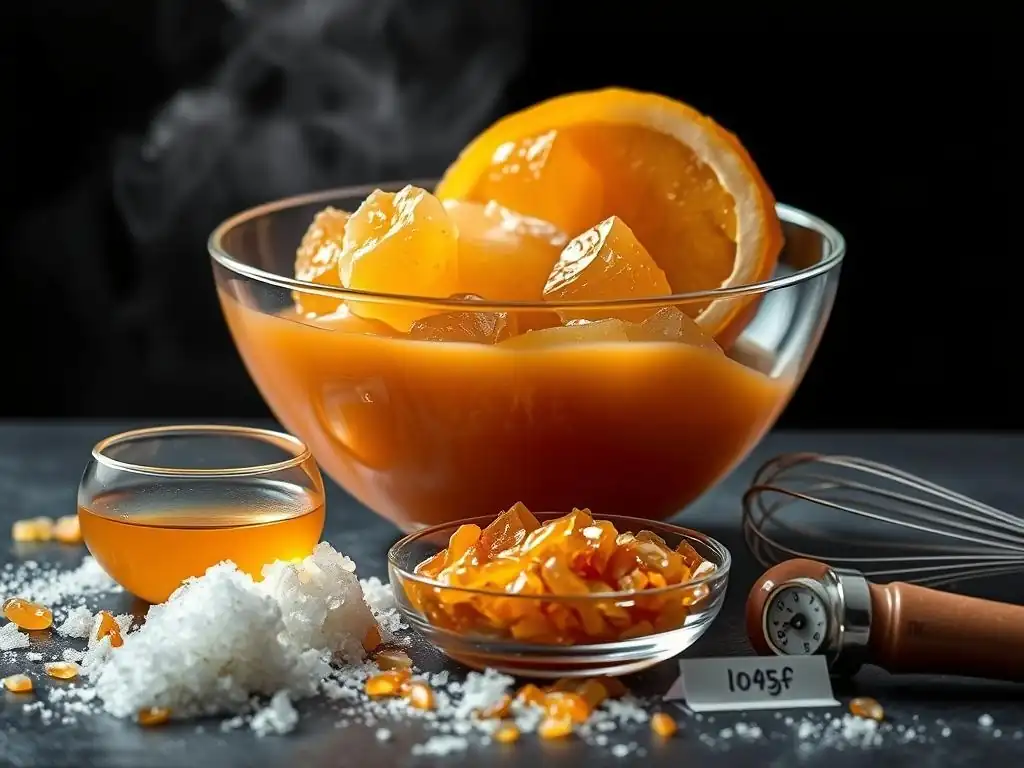
Precise temperature control is arguably the most critical factor in preventing sugar crystallization and ensuring a perfectly smooth candy recipe. As sugar syrup heats up, the concentration of sugar increases as water evaporates. Different candy types require the syrup to reach specific temperature stages, which correspond to different sugar concentrations and textures (e.g., soft ball at around 235-245°F or 118-121°C, hard crack at around 300-310°F or 149-154°C). Heating the syrup too slowly or unevenly can encourage crystallization, as it gives sugar molecules more time to find each other and form bonds.
Furthermore, once the desired temperature is reached, cooling must often be managed carefully. For many perfectly smooth candy recipes, minimal agitation during cooling is essential because stirring or disturbing the syrup as it cools provides nucleation points for crystals to form. A reliable candy thermometer is indispensable here; relying on visual cues alone is risky. Even a few degrees difference can mean the difference between a smooth, glassy texture and a grainy, failed batch of candy.
Sugar Concentration: Finding the Sweet Spot for Non-Crystalline Candy
Sugar concentration is inherently linked to temperature in candy making, as heating the sugar syrup boils away water, increasing the sugar-to-water ratio. A high sugar concentration is necessary to achieve the firm textures of candies like taffy, caramels, or hard candy. However, the higher the sugar concentration (and thus the temperature), the more susceptible the syrup becomes to crystallization. This is because the solution becomes supersaturated, a highly unstable state where the sugar molecules are eager to precipitate out of solution and form crystals.
Finding the 'sweet spot' involves heating the syrup just enough to reach the desired texture stage (based on temperature) without pushing it so far that crystallization becomes inevitable with the slightest disturbance. For instance, a simple syrup (equal parts sugar and water) is unlikely to crystallize rapidly, but a syrup heated to the hard crack stage (over 95% sugar solids) is extremely prone to crystallization. Using interfering agents helps mitigate this risk even at high concentrations, allowing for a perfectly smooth candy recipe even when aiming for very firm textures.
Agitation: When to Stir and When to Resist
Agitation, or stirring, plays a dual role in candy making, and knowing when not to stir is key to preventing crystallization for a perfectly smooth candy recipe. Initially, when dissolving the sugar in water over low heat, stirring is necessary to ensure all the sugar crystals dissolve completely. Any undissolved sugar grain acts as a seed crystal later on. You can stir gently until the sugar is fully dissolved and the syrup is clear.
However, once the syrup comes to a boil and you are increasing the temperature to reach a specific candy stage, stirring should generally stop. Boiling creates natural convection currents that distribute heat.
Stirring a supersaturated solution introduces air bubbles and causes friction against the sides of the pan, both of which can provide nucleation sites for sugar crystals to start forming. For many perfectly smooth candy recipes, once boiling begins, the best approach is often to let the syrup cook undisturbed until it reaches the target temperature, relying on interfering agents and careful temperature monitoring to achieve the desired smooth texture.
Essential Techniques to Prevent Sugar Crystallization
Using Invert Sugar: A Natural Crystallization Inhibitor
Invert sugar is a powerful tool in the quest for a perfectly smooth candy recipe. It's created by breaking down sucrose (table sugar) into its two component sugars: glucose and fructose. Unlike sucrose, glucose and fructose molecules are less likely to align and form crystalline structures. By introducing invert sugar into your candy mixture, you disrupt the ability of sucrose molecules to bond with each other, effectively inhibiting crystallization.
Sources of invert sugar include natural ones like honey and maple syrup, or you can make it yourself by adding an acid (like cream of tartar or lemon juice) to a sucrose solution and heating it, which hydrolyzes the sucrose. Commercial liquid invert sugar is also available. Even a small percentage of invert sugar in the mix can significantly improve the smoothness and shelf life of candies like fudges, caramels, and nougats, making it a staple technique for achieving a reliable and perfectly smooth candy recipe.
Adding Corn Syrup: An Effective Anti-Crystallization Agent
Corn syrup is perhaps the most commonly used interfering agent in home candy making for preventing crystallization and ensuring a perfectly smooth candy recipe. Corn syrup is primarily composed of glucose (dextrose) and other complex sugars, which are different in structure from sucrose. When added to a sucrose solution, the glucose molecules in corn syrup get in the way of the sucrose molecules, preventing them from coming together in an organized fashion to form crystals.
The amount of corn syrup needed varies depending on the recipe and the desired texture, but even a small addition, perhaps 1/4 to 1/2 cup per cup of sugar in some applications, can make a significant difference in preventing graininess. It works particularly well in recipes that require heating to high temperatures, like hard candy or taffy. While it does affect the flavor slightly and can make the candy slightly chewier or softer depending on the amount used, its effectiveness in ensuring a perfectly smooth candy recipe makes it an invaluable ingredient.
Cream of Tartar: A Secret Weapon for Smooth Candy
Cream of tartar, a powdered acid (potassium bitartrate), acts as a secret weapon against sugar crystallization by helping to create invert sugar directly in your pan. When added to a sugar and water solution and heated, the acid in the cream of tartar helps to break down some of the sucrose molecules into glucose and fructose through a process called hydrolysis. As discussed, these resulting sugars are far less likely to crystallize than sucrose.
Only a tiny amount of cream of tartar is needed – often just 1/8 to 1/4 teaspoon per cup of sugar is sufficient. Too much can result in a noticeable acidic or metallic flavor. This technique is particularly effective in recipes like lollipops or clear hard candies where clarity and smoothness are paramount for a perfectly smooth candy recipe. It's an easy and accessible way to incorporate the benefits of invert sugar without needing a separate ingredient like corn syrup or honey, relying instead on a simple chemical reaction during the cooking process.
The Importance of a Clean Pan and Utensils for Crystal Prevention
This might seem basic, but starting with impeccably clean equipment is fundamental to preventing sugar crystallization and achieving a perfectly smooth candy recipe. Any tiny, residual sugar crystal left on the sides of the pan from a previous batch, on a stirring spoon, or even on a candy thermometer can act as a 'seed' crystal. Once introduced into the hot, supersaturated sugar syrup, this single seed can trigger a chain reaction, causing the dissolved sugar molecules to rapidly attach to it and start forming a mass of undesirable crystals throughout the batch.
To combat this, ensure your saucepan, stirring utensils, and thermometer are thoroughly washed and dried before you begin. Some candy makers even recommend wiping down the inside of the pan with a damp cloth or paper towel before adding ingredients.
During cooking, particularly after the syrup begins to boil, it's good practice to occasionally wash down any sugar crystals that splash onto the sides of the pan above the liquid level using a clean pastry brush dipped in hot water. This simple step removes potential seed crystals before they can fall back into the syrup and ruin your perfectly smooth candy recipe.
Step-by-Step Guide to Making Perfectly Smooth Candy
Preparing Your Ingredients and Equipment for Success
Before you even turn on the heat, proper preparation is key to a perfectly smooth candy recipe. First, gather all your ingredients and measure them accurately. Using weight measurements (like grams) is often more precise than volume (cups) for sugar and liquids, reducing variability. Have everything ready to go, as candy making moves quickly once the syrup starts heating. This includes having your interfering agents (like corn syrup or cream of tartar) measured out, flavorings ready, and any add-ins (like nuts or extracts) prepared.
Next, prepare your equipment. Choose a heavy-bottomed saucepan, preferably stainless steel, as it distributes heat evenly and prevents scorching. Ensure the pan and all utensils (spoons, thermometer, cooling surface) are spotlessly clean and dry to avoid introducing seed crystals. Prepare your cooling surface – this might be a silicone mat, parchment paper, or a buttered dish, depending on the type of candy. Having everything measured, clean, and ready within reach minimizes the chance of errors or delays that could lead to crystallization or overcooking.
Cooking the Sugar Syrup: Achieving the Desired Consistency
Begin by combining your sugar and liquid (usually water, sometimes milk or cream for caramels) in the clean saucepan. Stir gently over low heat only until the sugar is completely dissolved. You should see a clear syrup with no grainy crystals at the bottom or clinging to the sides. Once the sugar is dissolved, stop stirring. Increase the heat to medium-high and bring the syrup to a boil. Insert your candy thermometer, making sure the bulb is fully submerged but not touching the bottom of the pan.
Allow the syrup to boil steadily, watching the temperature rise. Resist the urge to stir during the boiling phase for most perfectly smooth candy recipes, as this can induce crystallization. If sugar crystals form on the sides of the pan above the boiling line, carefully wash them down with a clean pastry brush dipped in hot water.
Continue boiling until the syrup reaches the specific temperature required for your candy type (e.g., 245°F/118°C for soft caramel, 300°F/149°C for hard candy). Reaching the exact temperature ensures the correct sugar concentration for the desired texture and is vital for a perfectly smooth candy recipe.
Cooling and Handling: The Delicate Art of Smooth Candy Creation
Once the sugar syrup reaches the target temperature, immediately remove the pan from the heat. This stops the cooking process. For many perfectly smooth candy recipes, the cooling phase is just as critical as the cooking. Avoid stirring or disturbing the syrup as it cools, especially if you are making hard candy or taffy, as agitation at this stage is a prime cause of crystallization. Allow the syrup to cool undisturbed until it reaches a temperature where it can be safely handled or poured.
For candies like brittle or hard candy, the syrup is typically poured onto a prepared surface (like a silicone mat) and allowed to cool completely without touching it until it hardens. For candies like taffy or some caramels, the syrup might be cooled to a specific temperature (e.g., around 120-140°F / 49-60°C) before being handled, pulled, or cut. The key is to manage the cooling process according to the specific perfectly smooth candy recipe instructions, avoiding any action that could encourage crystal formation until the candy has set into its desired amorphous state.
Smooth Caramel Recipe: Preventing Crystallization
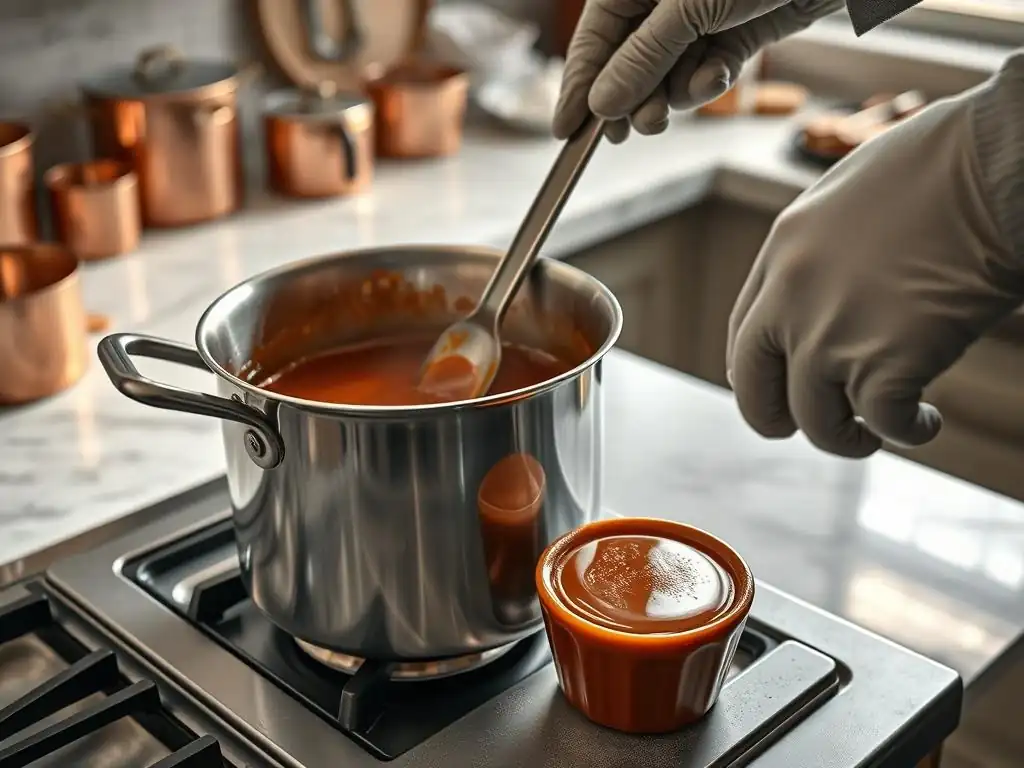
Creating a perfectly smooth caramel recipe relies heavily on preventing sugar crystallization. Here's a basic approach: Start with sugar, water, and corn syrup in a clean pan. Dissolve the sugar over low heat, stirring only until dissolved. Stop stirring and increase heat, boiling the mixture while monitoring the temperature. The corn syrup acts as an interfering agent from the start.
Once the syrup reaches a deep amber color (around 320-340°F / 160-170°C, be careful, this is very hot), remove it from the heat. Immediately and carefully whisk in warm cream and butter. The fat and liquid from the cream and butter also help prevent crystallization by disrupting the sugar structure and rapidly cooling the mixture.
Continue to whisk until smooth. Pour the hot caramel into a prepared pan and let it cool completely without stirring or disturbing it. This method, using corn syrup and fat, is a classic way to achieve a beautifully smooth, non-grainy caramel, essential for a perfectly smooth candy recipe.
- Combine 1 cup granulated sugar, 1/4 cup water, and 2 tablespoons light corn syrup in a heavy saucepan.
- Stir over low heat *only* until sugar dissolves.
- Increase heat to medium-high, bring to a boil, and insert candy thermometer. Do *not* stir while boiling.
- Cook until syrup reaches a deep amber color (approx. 330°F / 165°C).
- Remove from heat and carefully whisk in 1/2 cup warm heavy cream and 4 tablespoons unsalted butter, cut into pieces. (Mixture will bubble vigorously).
- Stir until smooth.
- Pour into an 8x8 inch pan lined with parchment paper.
- Let cool completely without disturbing before cutting.
Troubleshooting Sugar Crystallization Issues
Identifying and Addressing Seed Crystals
Identifying seed crystals early is crucial for potentially saving a batch of candy and understanding why your perfectly smooth candy recipe attempt failed. Seed crystals are often tiny, sometimes microscopic, and can appear as faint cloudiness or graininess in the syrup, usually clinging to the sides of the pan or around the edges. If you notice this before the syrup has reached its final high temperature and texture stage, you might be able to intervene.
One common method to address seed crystals is to add a small amount of water (perhaps 1-2 tablespoons) to the pan, tilting it gently to wash the crystals back into the main syrup. Then, gently reheat the mixture, stirring only until the crystals dissolve back into the solution. Once clear, stop stirring again and continue cooking to the desired temperature. This doesn't always work, especially if crystallization is advanced, but it's worth a try before discarding the batch. Prevention is always easier than trying to fix the issue once it starts.
Rescuing Crystallized Candy: Can it be Saved?
Once a batch of candy has fully crystallized into a grainy mass, especially after cooling, it's often difficult to rescue it back to a perfectly smooth candy recipe texture. For hard candies or caramels that have gone grainy, the ordered crystalline structure is firmly set. However, depending on the type of candy, there might be limited options.
For some types of fudge that have crystallized, you can sometimes try melting the candy down again very slowly over low heat, adding a small amount of liquid (like milk or water) and sometimes a bit more interfering agent like corn syrup or butter. Stir gently until it's completely melted and smooth, then recook it to the soft ball stage and cool carefully.
This process isn't guaranteed to restore the original texture but can sometimes salvage the ingredients. For hard candy or brittle that has crystallized, it's usually beyond saving for its intended purpose and might be best repurposed or discarded.
Common Mistakes That Lead to Crystallization (and How to Avoid Them)
Several common pitfalls can lead to frustrating sugar crystallization, ruining your chance at a perfectly smooth candy recipe. One of the most frequent mistakes is stirring the sugar syrup after it has come to a boil. This introduces air bubbles and provides surfaces for crystals to form. Avoid this by stopping stirring once the sugar is dissolved and the syrup is boiling.
Another common issue is not using clean equipment; residual sugar is a major culprit. Always start with a spotless pan and utensils. Allowing sugar crystals to splash onto the sides of the pan and dry there is also problematic; remember to wash down the sides with a wet pastry brush. Finally, cooking at too low a temperature or for too short a time can leave too much water in the syrup, making it more prone to crystallization, while overcooking can also increase the risk. Following temperature guidelines precisely and using interfering agents consistently helps avoid these common errors.
Tips and Tricks for Consistently Smooth Candy
Choosing the Right Sugar for Your Candy Recipe
While granulated white sugar (sucrose) is the base for most perfectly smooth candy recipes, the type and quality can matter. Using fine or superfine granulated sugar can help it dissolve more quickly and completely at the start, reducing the risk of undissolved sugar crystals acting as seeds. Confectioners' sugar (powdered sugar) is not suitable for making boiled candies as it contains cornstarch, which affects texture and clarity.
For recipes incorporating other types of sugar, like brown sugar or honey, understand that they inherently contain different components (molasses in brown sugar, glucose and fructose in honey) that can influence texture and crystallization. Honey, being a natural invert sugar, is often used because it helps prevent crystallization in recipes like nougat.
Brown sugar can make candies softer and slightly grainier due to the molasses content, but it's essential for its flavor in certain candies like toffee or penuche. Stick to the sugar type specified in a perfectly smooth candy recipe unless you understand how substitutions will affect the outcome.
Measuring Ingredients Accurately for Optimal Results
Precision in measuring ingredients is paramount in candy making, perhaps more so than in almost any other type of baking, especially when aiming for a perfectly smooth candy recipe. Small variations in the ratio of sugar to liquid, or the amount of interfering agent used, can significantly impact the final texture and the likelihood of crystallization. Using a kitchen scale to weigh sugar and liquids is highly recommended for maximum accuracy, as volume measurements (cups) can vary depending on how ingredients are scooped or packed.
For example, using slightly too much water might mean you have to boil the syrup longer to reach the correct temperature, increasing the risk of crystallization during the prolonged heating. Using too little interfering agent (like corn syrup or cream of tartar) might leave the syrup unprotected against crystal formation. Following the perfectly smooth candy recipe measurements exactly, ideally by weight, provides the best foundation for success and helps ensure consistent, smooth results every time.
Storing Candy Properly to Maintain Smoothness
Even after successfully creating a perfectly smooth candy recipe, improper storage can lead to the development of graininess over time. Sugar is hygroscopic, meaning it absorbs moisture from the air. When moisture is absorbed unevenly, it can cause localized dissolution and then recrystallization of the sugar on the candy's surface or interior, leading to a cloudy or grainy texture.
To maintain the smooth texture, store candy in an airtight container at room temperature. Avoid refrigeration or freezing for most types of hard candy, caramels, or brittle, as temperature fluctuations and condensation can introduce moisture. Layer candies with parchment or wax paper to prevent sticking. Storing candy properly protects it from humidity and temperature changes, preserving that desirable perfectly smooth candy recipe texture for as long as possible.
Advanced Techniques for Expert Candy Makers
Working with Different Types of Sugar (Brown Sugar, Honey, etc.)
Expert candy makers understand that different sugars behave differently when heated and cooled, impacting crystallization and final texture. While sucrose forms hard, brittle crystals, other sugars like glucose and fructose (found in honey and corn syrup) are less prone to crystallization and remain more pliable. Brown sugar, which contains molasses, introduces moisture and acids that affect the sugar's behavior and contribute to a softer, sometimes slightly grainier texture in candies like fudge or penuche compared to those made with pure white sugar.
Creating a perfectly smooth candy recipe using these alternative sugars requires adjusting techniques. For instance, when using honey, you might need less added interfering agent because honey is already high in glucose and fructose. Brown sugar recipes often rely more heavily on fat (butter, cream) and lower cooking temperatures (like the soft ball stage) to manage its crystallization tendencies. Mastering the nuances of each sugar type allows for a wider range of textures and flavors while still achieving smoothness appropriate for the specific candy style.
Exploring Flavor Combinations and Their Impact on Crystallization
Beyond the main sugar base, the addition of flavorings can sometimes subtly impact sugar crystallization, a factor considered by expert candy makers aiming for a perfectly smooth candy recipe. Liquid extracts, especially those containing alcohol or water, added too early in the cooking process can affect the sugar concentration and temperature. Adding them at the very end, off the heat, is generally recommended.
Certain natural flavorings or ingredients, like fruit purees or acidic components, can also introduce moisture or substances that might encourage or inhibit crystallization depending on the recipe. For example, adding acidic fruit juice might help create invert sugar, aiding smoothness, but the extra water needs to be boiled off precisely. Expert candy makers learn how different flavor profiles integrate with the sugar cooking process, adjusting temperatures or techniques slightly to ensure the flavor is incorporated effectively without compromising the perfectly smooth candy recipe texture.
Mastering the Art of Sugar Pulling and Blowing for Decorative Candy
Sugar pulling and blowing are advanced techniques used to create intricate, artistic sugar decorations, requiring a deep understanding of sugar's properties, including how to manage crystallization. For these techniques, sugar syrup (often with added glucose or corn syrup for flexibility) is cooked to the hard crack stage (around 300-310°F / 149-154°C), then cooled to a specific temperature (typically 160-180°F / 71-82°C) where it is pliable but still hot. The high concentration of sugar and the presence of interfering agents are crucial for maintaining the amorphous state needed for pulling and shaping.
Crystallization is the enemy of sugar pulling and blowing; a single crystal can cause the entire piece to become brittle and break. Experts prevent this by ensuring the initial syrup is perfectly smooth, using ample interfering agents, controlling cooling precisely, and working quickly and cleanly in a humidity-controlled environment. Mastering these techniques goes beyond a simple perfectly smooth candy recipe; it's about manipulating the amorphous sugar glass state to create stunning, non-crystalline edible art.
Frequently Asked Questions
How do I prevent sugar crystallization when making candy?
Prevent sugar crystallization by using the correct sugar-to-liquid ratio, adding an interfering agent like corn syrup or cream of tartar, and avoiding stirring the mixture once it starts boiling.
What are some common causes of grainy candy?
Grainy candy often results from premature sugar crystallization, which can be triggered by stray sugar crystals on the pan or utensils, or stirring during the cooking process. Incorrect temperature also plays a role.
What is an "interfering agent" and how does it help prevent crystallization?
An interfering agent, such as corn syrup or cream of tartar, disrupts the formation of large sugar crystals. It works by coating the sugar molecules, preventing them from easily binding together.
What is the ideal temperature for making smooth, non-crystallized candy?
The ideal temperature varies depending on the candy type, but generally, using a candy thermometer to reach the correct hard-crack or soft-ball stage is crucial. Check specific recipes for accurate temperature ranges.
Can I fix candy that has already crystallized?
Sometimes, you can rescue crystallized candy by adding more water, gently heating it until all the sugar dissolves, and then carefully following the recipe again, ensuring you avoid stirring after boiling and use an interfering agent.
Final Reflection: The Sweet Science of Smooth Candy
The pursuit of perfectly smooth candy isn't just about aesthetics; it's a testament to the precision and understanding required in the culinary arts. Achieving that flawless, glassy finish speaks to a mastery of temperature control, ingredient ratios, and the subtle nuances of the candy-making process. This journey into the world of smooth candy-making highlights the importance of attention to detail and the rewarding satisfaction of a perfectly executed recipe.
The quest for the ideal candy texture has captivated confectioners for centuries, influencing everything from traditional recipes passed down through generations to the innovative techniques employed in modern candy-making. The subtle art of preventing sugar crystallization is a constant challenge, a delicate dance between heat and cooling that demands patience and precision. As I explored this topic, I was reminded of the words of Julia Child: Don't be afraid to experiment. To err is human; to forgive, divine. But to learn from your mistakes is truly heavenly.
This sentiment perfectly encapsulates the spirit of candy-making, where each batch, whether successful or not, provides valuable lessons and a deeper understanding of the process.
Now, it's your turn. Take what you've learned here – the importance of precise measurements, the significance of controlled cooling, and the patience required for success – and apply it to your own candy-making adventures. Don't be discouraged by imperfections; embrace them as opportunities for growth. The journey to creating perfectly smooth candy is a rewarding one, filled with delicious discoveries and the sweet satisfaction of a job well done. So, gather your ingredients, embrace the challenge, and create your own masterpiece.
Unlock Your Candy-Making Confidence!
Thanks for taking the time to explore the world of perfectly smooth candy! We hope you've gained valuable insights and techniques to avoid those pesky sugar crystals. Now it's time to put your new knowledge into practice.
- Master your first crystal-free candy: Choose your favorite recipe and give it a try using the tips we shared. Don't be afraid to experiment!
- Share your sweet success: Tag us on social media with your delicious creations – we'd love to see your candy-making journey!
- Explore advanced candy techniques: Dive deeper into our other articles to learn more about tempering chocolate and creating unique candy textures.
Ready to create your next candy masterpiece? What's your favorite candy to make (or eat)?