
Master Soft & Fluffy Japanese Milk Bread Using the Tangzhong Method

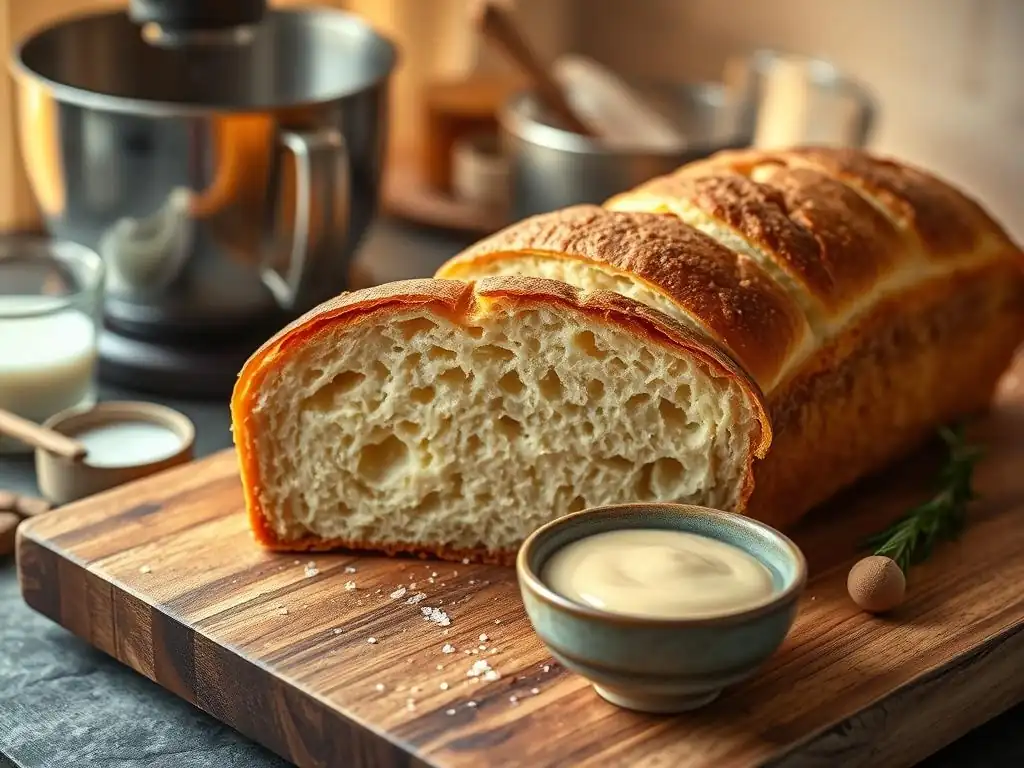
Welcome to BakeWithEase, your haven for all things baking! Ever dream of achieving that impossibly soft, cloud-like texture in your bread? Prepare to unlock the secret with our guide to the Tangzhong method Japanese milk bread. Intrigued? Discover how this simple technique can revolutionize your baking and elevate your loaves to new levels of fluffy perfection. Let's get baking!
- Introduction to Tangzhong Japanese Milk Bread
- Understanding the Tangzhong Method
-
Tangzhong Japanese Milk Bread Recipe: Step-by-Step
- Ingredients for the Tangzhong Starter
- Ingredients for the Milk Bread Dough
- Equipment You'll Need for Baking Shokupan
- Step 1: Preparing the Tangzhong Starter
- Step 2: Making the Milk Bread Dough
- Step 3: First Proofing (Bulk Fermentation)
- Step 4: Shaping the Dough for Baking
- Step 5: Second Proofing (Final Rise)
- Step 6: Baking Your Japanese Milk Bread
- Step 7: Cooling and Storing Your Shokupan
- Tips and Tricks for Perfect Tangzhong Milk Bread
- Serving and Enjoying Your Homemade Shokupan
- The Secret to Long-Lasting Softness in Milk Bread
- Conclusion: Your Journey to Perfect Shokupan
-
Frequently Asked Questions
- What is the Tangzhong method and why is it important for Japanese milk bread?
- Can I use a different type of flour besides bread flour for Tangzhong Japanese milk bread?
- How do I know if my Tangzhong is cooked properly?
- What temperature should my ingredients be for the best results with the Tangzhong method?
- How long should I knead the dough for Tangzhong Japanese milk bread?
- Final Reflection: The Enduring Magic of Tangzhong
- Unleash Your Inner Baker: Craft the Perfect Loaf!
Introduction to Tangzhong Japanese Milk Bread
What is Japanese Milk Bread (Shokupan)?
Japanese Milk Bread, known in Japan as Shokupan, is a staple bread renowned for its exceptionally soft, fluffy, and slightly sweet crumb. Unlike many Western breads, Shokupan boasts a fine, tight texture that remains incredibly moist and tender for days. Its distinctive square shape, often achieved by baking in a lidded pullman pan, allows for uniform slices perfect for toast or sandwiches. The appeal of Shokupan lies in this unique combination of softness and structure, making it a beloved bread worldwide.
Traditionally, Shokupan's softness comes from a careful balance of rich ingredients like milk, butter, and sometimes eggs, combined with specific kneading and proofing techniques. The high hydration level often used contributes significantly to its moistness. While classic methods yield a soft loaf, incorporating advanced techniques like the Tangzhong method elevates this softness to an almost ethereal level, creating a bread that feels incredibly light and airy, truly living up to its "cloud bread" nickname.
Why the Tangzhong Method Matters for Milk Bread
The Tangzhong method is a Chinese technique that involves cooking a small portion of the flour and liquid (usually milk or water) into a paste or slurry before adding it to the main dough. This cooked paste, or 'starter,' gelatinizes the starch in the flour. When this gelatinized starch is added to the main dough, it can absorb and retain significantly more liquid than uncooked flour. This increased hydration is the secret weapon behind the extraordinary softness and prolonged freshness of Tangzhong milk bread.
Incorporating the Tangzhong method into Japanese milk bread recipes fundamentally changes the dough's hydration capacity and the starch structure. A typical Tangzhong starter uses a 1:5 ratio of flour to liquid, cooked until it reaches a temperature of about 65°C (149°F), transforming it into a thick, glossy paste. This process locks in moisture that would otherwise evaporate during baking, resulting in a loaf that is not only incredibly soft straight from the oven but also stays moist and tender for several days longer than bread made without this technique.
Achieving Superior Texture: A Guide to Perfect Shokupan
Achieving the signature superior texture of Japanese milk bread using the Tangzhong method involves mastering several key steps, from preparing the starter to the final bake. The initial hydration boost from the Tangzhong is critical, but equally important are the subsequent dough development and proofing stages. Proper kneading is essential to develop gluten strong enough to support the high hydration while remaining extensible, allowing for that characteristic fine, even crumb structure.
Beyond the Tangzhong starter and kneading, precise temperature and timing during the two proofing stages play a vital role in the final texture. The first proof allows the dough to develop flavor and strength, typically doubling in size over 1 to 1.5 hours at a warm room temperature of 24-27°C (75-80°F). The second proof, after shaping, gives the loaf its final volume and airy quality before baking. Baking at the correct temperature ensures the bread sets properly without drying out, preserving the moisture locked in by the Tangzhong method, leading to that coveted soft, fluffy Shokupan texture.
Understanding the Tangzhong Method
The Science Behind the Tangzhong Starter
The science behind the Tangzhong method is rooted in starch gelatinization. Flour contains starch molecules, which are long chains of glucose. When flour is mixed with cold liquid, the starch granules absorb some water, but their structure remains largely intact. However, when a flour and liquid mixture is heated to a specific temperature range, typically between 60°C and 80°C (140°F and 176°F), the starch granules swell dramatically and burst, releasing starch molecules that form a gel-like network. This process is known as gelatinization.
In the context of a Tangzhong starter, using a 1:5 ratio of flour to water or milk and heating it to around 65°C (149°F) creates a stable, gelatinized paste. This paste effectively traps water within the starch network.
When this cooked Tangzhong is added to the main bread dough, it contributes this bound water, allowing the dough to handle a higher overall hydration level without becoming excessively sticky or difficult to work with. During baking, this trapped moisture is released more slowly, keeping the crumb moist and delaying staling, which is why Tangzhong milk bread stays soft for so long.
Tangzhong vs. Other Bread Baking Techniques
The Tangzhong method stands apart from many traditional bread-making techniques due to its pre-cooking step. Methods like the straight dough method simply mix all ingredients at once, while preferments such as poolish or biga involve a long, slow fermentation of a portion of the dough ingredients before mixing the final dough. While preferments contribute flavor and some improvements in texture and shelf life through fermentation byproducts, they don't achieve the same level of moisture retention through starch gelatinization as Tangzhong.
Compared to enriching dough with fats and sugars (like in brioche), which also contribute to softness and moisture, the Tangzhong method achieves a similar or even superior softness without relying as heavily on large quantities of butter or eggs. This can result in a lighter crumb structure. For Japanese milk bread, the Tangzhong method is particularly effective because it complements the rich ingredients already present, amplifying the desired soft, cottony texture in a way that neither a straight dough method nor a simple preferment can replicate as effectively for this specific bread type.
Benefits of Using Tangzhong for Soft Bread
The primary benefit of using the Tangzhong method for soft bread, especially Japanese milk bread, is the dramatic increase in the dough's ability to hold moisture. A standard bread dough might be around 60-65% hydration relative to the flour weight, but a Tangzhong dough can often handle 70% hydration or even higher, with the extra liquid being bound by the cooked starch. This higher hydration directly translates to a softer, more tender crumb texture in the final baked loaf.
Beyond initial softness, the Tangzhong method significantly extends the shelf life of the bread. Because moisture is locked within the gelatinized starch network, it evaporates much slower than in bread made with uncooked flour. This means that Tangzhong milk bread retains its soft and fresh quality for several days at room temperature, often staying delightfully tender for up to 3-4 days, compared to traditional loaves which might start to dry out after just one or two. This makes it an excellent technique for home bakers who want their bread to last longer.
Tangzhong Japanese Milk Bread Recipe: Step-by-Step
Ingredients for the Tangzhong Starter
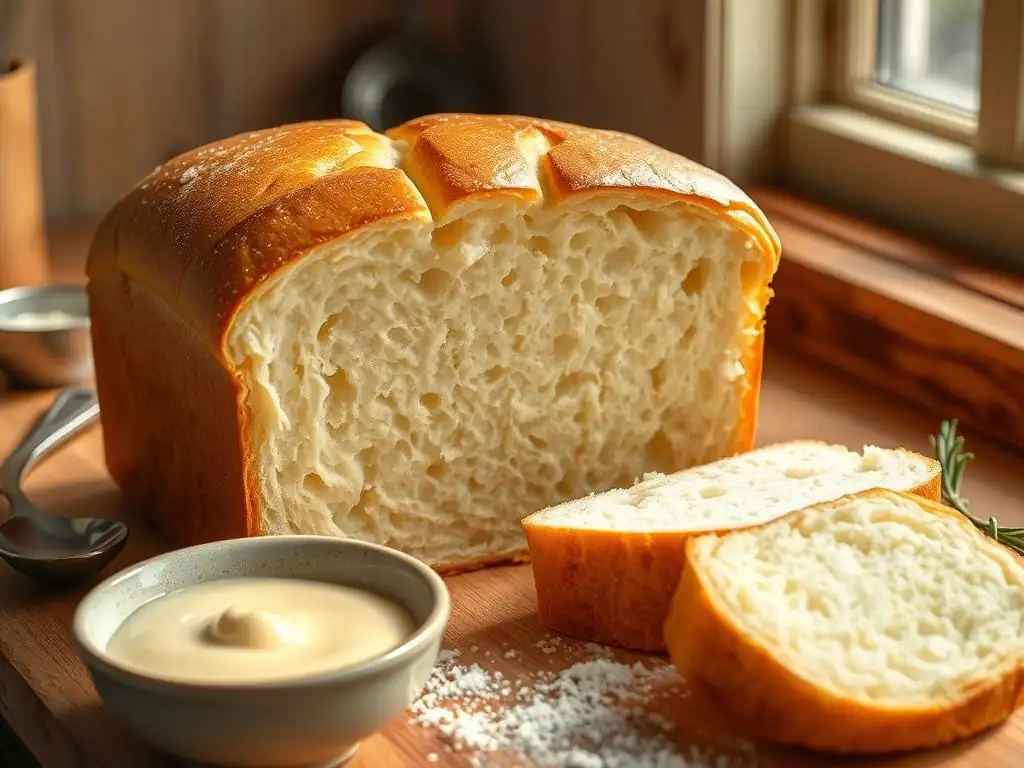
To create the essential Tangzhong starter for your Japanese milk bread, you'll need just two simple ingredients: flour and liquid. Typically, the liquid is milk, which adds richness, but water can also be used. The ratio is crucial, generally 1 part flour to 5 parts liquid by weight.
For a standard loaf of Tangzhong milk bread, you might use:
- 20 grams bread flour (or all-purpose flour)
- 100 grams milk (whole milk is recommended for richness)
These quantities are relatively small compared to the total dough ingredients, usually representing about 5-10% of the total flour in the recipe. Using a kitchen scale to measure these small amounts precisely is highly recommended for consistent results.
Ingredients for the Milk Bread Dough
Once your Tangzhong starter is prepared and cooled, you'll combine it with the remaining ingredients to form the main milk bread dough. This dough is enriched with fat and sugar, contributing further to the bread's softness and flavor.
A typical recipe for one loaf of Tangzhong method Japanese milk bread might include:
- All of the prepared Tangzhong starter (approx. 120g)
- 280 grams bread flour (high protein content helps with structure)
- 40 grams granulated sugar
- 5 grams salt
- 6 grams instant dry yeast (or 18g fresh yeast)
- 1 large egg (about 50g)
- 100 grams milk (lukewarm)
- 30 grams unsalted butter, softened
You'll also need a little extra milk or an egg wash for brushing the top of the loaf before baking, which helps create a golden crust. Ensure all cold ingredients like egg and milk are at room temperature for easier incorporation and better dough development.
Equipment You'll Need for Baking Shokupan
Having the right equipment can make the process of baking Tangzhong milk bread much smoother and help achieve optimal results. While some steps can be done by hand, a stand mixer is highly recommended for developing the dough's elasticity, especially given its high hydration.
Essential equipment includes:
- Small saucepan for making the Tangzhong starter.
- Whisk for stirring the starter.
- Kitchen scale for accurate ingredient measurements.
- Large mixing bowl (if kneading by hand) or a stand mixer with a dough hook.
- Bench scraper for handling and dividing dough.
- Clean kitchen towels or plastic wrap for covering dough during proofing.
- Rolling pin for shaping the dough.
- Loaf pan (a 9x5 inch pan is standard, or a pullman pan with a lid for the classic square shape).
- Wire rack for cooling the baked bread.
- Instant-read thermometer (optional, but helpful for checking Tangzhong temperature and internal bread temperature).
Step 1: Preparing the Tangzhong Starter
Begin by making the Tangzhong starter. In a small saucepan, whisk together the 20 grams of flour and 100 grams of milk until no lumps remain. Place the saucepan over medium-low heat.
Cook the mixture, stirring constantly with a whisk or spatula, until it thickens into a smooth, paste-like consistency. This typically happens when the mixture reaches around 65°C (149°F). It should take just a few minutes. The texture will resemble a thick gravy or pudding.
Avoid boiling, as this can damage the starch structure. Once thickened, immediately remove the saucepan from the heat. Transfer the Tangzhong to a small bowl or plate, cover the surface directly with plastic wrap to prevent a skin from forming, and let it cool completely to room temperature. This cooling step is crucial before adding it to the main dough.
Step 2: Making the Milk Bread Dough
In the bowl of your stand mixer, combine the cooled Tangzhong starter, 280 grams bread flour, 40 grams sugar, 5 grams salt, 6 grams instant dry yeast, 1 large egg, and 100 grams lukewarm milk. Attach the dough hook.
Mix on low speed for 2-3 minutes until the ingredients are just combined and a shaggy dough forms. Scrape down the sides of the bowl as needed. Increase the speed to medium-low and knead for about 5-7 minutes. The dough will start to come together but will likely still be quite sticky.
At this point, gradually add the 30 grams of softened unsalted butter, a little bit at a time, allowing each addition to be incorporated before adding more. Continue kneading on medium speed for another 10-15 minutes. The dough should become smooth, elastic, and pull away from the sides of the bowl. You should be able to stretch a small piece of dough thinly enough to see light through it without tearing easily – this is the "windowpane test," indicating proper gluten development for your Tangzhong milk bread.
Step 3: First Proofing (Bulk Fermentation)
Once the dough is kneaded to a smooth, elastic state, transfer it to a lightly greased large bowl. Turn the dough over to coat it lightly with oil. Cover the bowl tightly with plastic wrap or a damp kitchen towel.
Place the covered bowl in a warm, draft-free place for the first proofing, also known as bulk fermentation. The ideal temperature range is typically between 24°C and 27°C (75°F and 80°F). Let the dough rise until it has roughly doubled in size. This usually takes about 1 to 1.5 hours, depending on the room temperature and the yeast activity. The dough should look visibly larger and feel soft and airy when gently poked. This step allows the yeast to produce carbon dioxide, expanding the dough, and also develops flavor.
Step 4: Shaping the Dough for Baking
After the first proof, gently punch down the dough to release the air. Turn the dough out onto a lightly floured surface. Divide the dough into equal portions, typically 3 or 4 depending on the size of your loaf pan and desired shape. For a standard pullman loaf, dividing into 3 equal pieces (around 200-220g each for a 9x5 inch pan) is common.
Shape each portion into a smooth ball by tucking the edges underneath. Let the balls rest for 10-15 minutes, covered, to allow the gluten to relax. Then, roll each ball into an oval or rectangle shape. Fold the top edge down to the center, then the bottom edge up to overlap, sealing the seam.
Turn the dough 90 degrees and roll it up tightly from one end to the other, creating a cylinder or log shape. Pinch the final seam closed and tuck in the ends. Place these shaped logs seam-side down into your greased loaf pan, ensuring they are evenly spaced.
Step 5: Second Proofing (Final Rise)
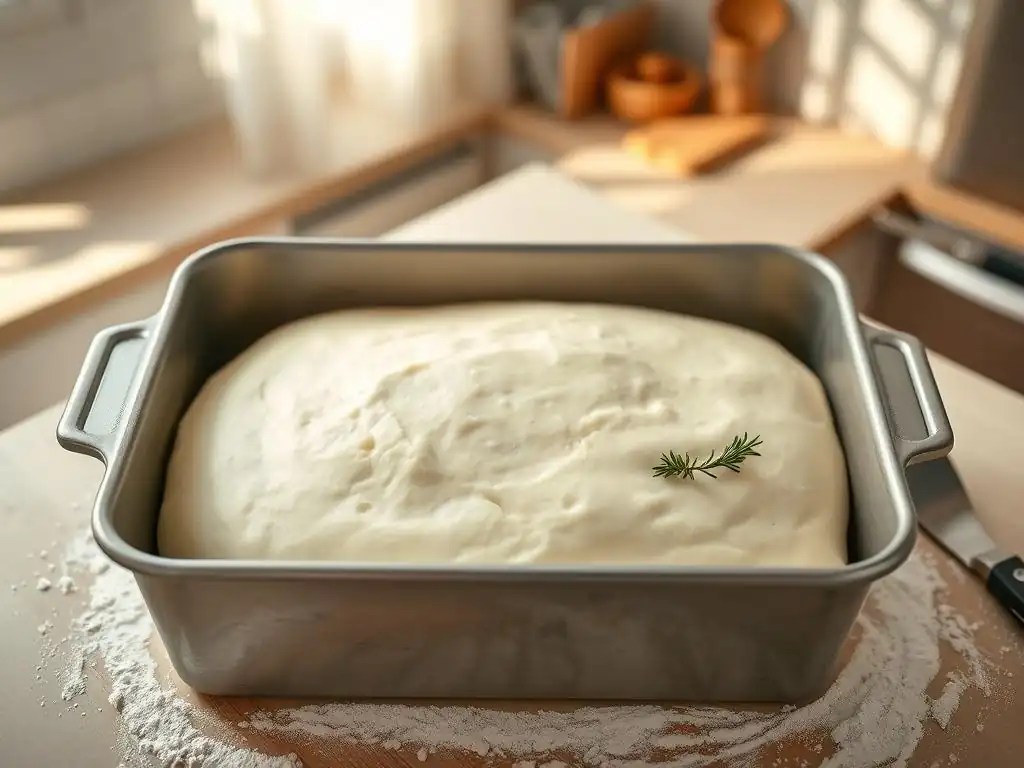
Once the dough logs are placed in the loaf pan, cover the pan loosely with plastic wrap or a light kitchen towel. Place the pan back in a warm, draft-free spot for the second proofing (final rise).
This proof is crucial for achieving a light and airy crumb in your finished Tangzhong method Japanese milk bread. The dough needs to rise significantly again, typically until it has nearly doubled in volume and fills the loaf pan. For a standard 9x5 inch pan, the dough should rise about 1-1.5 inches above the rim. This usually takes between 45 minutes and 1 hour, sometimes longer depending on the temperature.
You can gently poke the dough; if the indentation springs back slowly, it's ready to bake. If it springs back immediately, it needs more time. If it collapses, it's over-proofed.
Step 6: Baking Your Japanese Milk Bread
Preheat your oven to 180°C (350°F) for a standard oven, or potentially slightly higher (e.g., 190°C / 375°F) if using a pullman pan with a lid, as the lid can slightly reduce the internal temperature. If using a lidded pullman pan, place the lid on before baking. If baking in an open pan, you may optionally brush the top of the loaf with an egg wash (1 egg beaten with 1 tbsp milk or water) for a golden, glossy crust.
Bake the Tangzhong milk bread for approximately 30-40 minutes. If baking in an open pan, tent the top loosely with aluminum foil after 15-20 minutes if it starts browning too quickly. The bread is done when the crust is golden brown and an instant-read thermometer inserted into the center reads between 88°C and 93°C (190°F and 200°F). If baking in a lidded pullman pan, remove the lid for the last 5-10 minutes of baking to allow the top to brown slightly, unless you prefer a completely pale, soft top.
Step 7: Cooling and Storing Your Shokupan
Immediately after removing the Tangzhong milk bread from the oven, carefully turn it out of the loaf pan onto a wire rack. This prevents the bottom crust from becoming soggy from trapped steam.
Allow the bread to cool completely on the wire rack before slicing. Slicing warm bread can compress the delicate crumb structure and make it gummy. Cooling typically takes at least 1.5 to 2 hours. Once fully cooled, the Tangzhong method Japanese milk bread will be incredibly soft and ready to enjoy. For storage, ensure the bread is at room temperature before placing it in an airtight bag or container to maintain its signature softness. Proper cooling and storage are key to preserving the wonderful texture achieved through the Tangzhong method.
Tips and Tricks for Perfect Tangzhong Milk Bread
Achieving the Right Dough Consistency
The consistency of your Tangzhong milk bread dough is a critical factor in achieving the desired soft and fluffy texture. Due to the high hydration from the Tangzhong starter, the dough will be quite soft and potentially sticky compared to many other bread doughs. Resist the urge to add too much extra flour during kneading, as this will result in a drier, tougher loaf. The dough should be smooth, elastic, and pass the windowpane test, meaning it can be stretched thin without tearing.
If kneading by hand, keep your hands and work surface lightly floured, but rely more on technique than adding excessive flour. Scrape the dough off the surface frequently and fold it over itself to build tension. If using a stand mixer, let the machine do the hard work. The dough should eventually clear the sides of the bowl, although it might still stick slightly to the bottom. Trust the process and the hydration levels specified in the recipe; the Tangzhong method allows for this higher moisture content beautifully.
Troubleshooting Common Milk Bread Baking Problems
Even with the Tangzhong method, you might encounter issues. If your bread is dense, it could be due to insufficient kneading, which means gluten didn't develop enough to support the rise, or under-proofing, where the yeast didn't have enough time to produce sufficient gas. Ensure your yeast is active and your proofing environment is warm enough, ideally 24-27°C. Knead until the dough passes the windowpane test.
If the crust is too hard, it might be due to over-baking or insufficient moisture in the oven environment (though Tangzhong helps retain internal moisture, the crust can still dry out). Ensure you're baking at the correct temperature and time, and consider tenting with foil if the crust browns too quickly. If the loaf collapses after baking, it could be over-proofing or under-baking; ensure the internal temperature reaches 88-93°C. Patience during kneading and proofing is key to successful Tangzhong method Japanese milk bread.
Variations: Adding Flavors and Toppings to Your Shokupan
While classic Tangzhong milk bread is delightful on its own, the base recipe is versatile and can be adapted with various additions to create flavored Shokupan. Incorporating ingredients like matcha powder (typically 5-10g per loaf, mixed with a little milk or water before adding to the dough) yields a beautiful green loaf with a subtle earthy flavor. Cocoa powder (10-15g) can create a chocolate version.
Other popular variations include adding mix-ins during the last stages of kneading or shaping, such as raisins, dried cranberries, chocolate chips, or even savory elements like cheese and herbs. Swirling fillings like cinnamon sugar, red bean paste (anko), or ube paste into the dough before the second proof also creates delicious variations. For toppings, a simple milk or egg wash provides a classic look, while sesame seeds, poppy seeds, or a streusel topping can add texture and flavor before baking. Experimenting allows you to personalize your Tangzhong method Japanese milk bread.
Ensuring a Soft and Fluffy Texture Every Time
Consistent softness and fluffiness in Tangzhong milk bread depend on several factors working together. Starting with accurate measurements using a kitchen scale is paramount, especially for the Tangzhong starter ratio. Proper development of the dough through thorough kneading is essential; the dough must be elastic enough to hold air but not tough. Achieving the windowpane test is a reliable indicator.
Controlling the temperature and duration of both the first and second proofing stages is also vital. Dough that is under-proofed will result in a dense loaf, while over-proofed dough can collapse or have a coarse texture. A gentle touch when shaping and handling the dough minimizes deflation. Finally, allowing the bread to cool completely on a wire rack before slicing ensures the internal moisture distributes evenly, maintaining that signature soft, fluffy texture achieved by the Tangzhong method.
Serving and Enjoying Your Homemade Shokupan
Delicious Ways to Eat Japanese Milk Bread
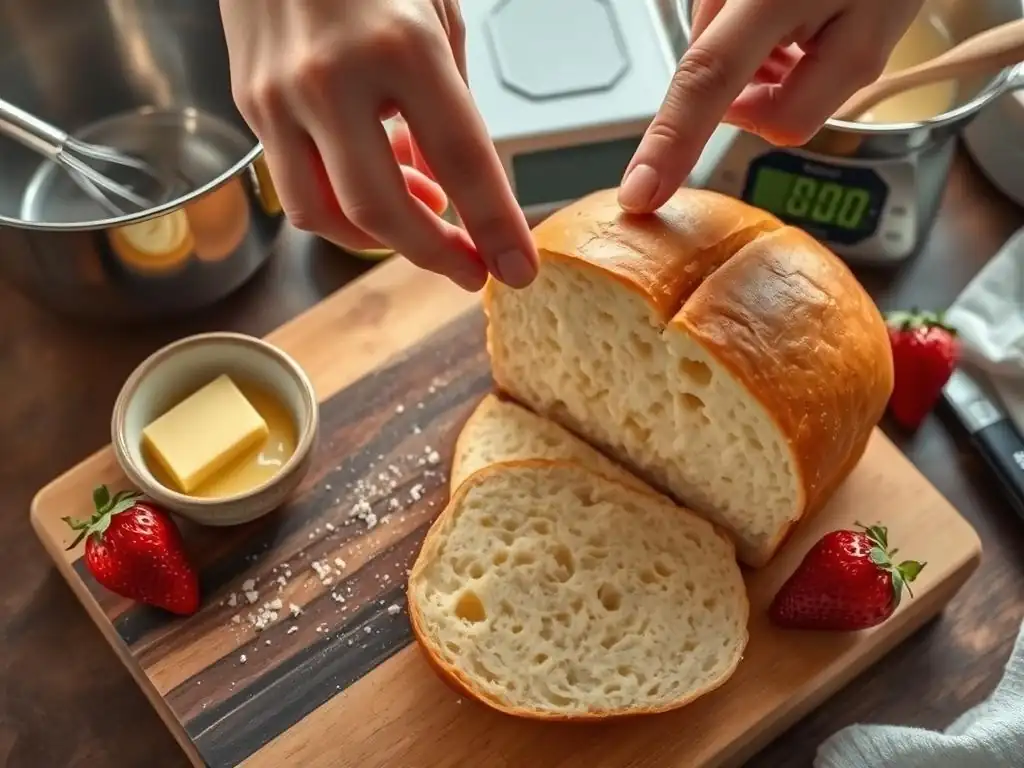
Your freshly baked Tangzhong method Japanese milk bread is incredibly versatile and delicious enjoyed in many ways. Its inherent softness and slight sweetness make it perfect for both sweet and savory applications. Straight from the cooling rack, a simple slice spread with butter is heavenly, allowing the pure flavor and texture of the bread to shine.
Beyond plain slices, it makes exceptional toast – it crisps up beautifully on the outside while remaining tender within. It's the ideal base for a myriad of sandwiches, both classic and creative. The substantial yet soft crumb holds fillings well without becoming soggy. Consider using it for French toast, bread pudding, or even as croutons, where its unique texture adds a special touch. The quality of homemade Tangzhong milk bread truly elevates simple meals.
Tangzhong Milk Bread for Sandwiches and Toast
The structure and softness of Tangzhong milk bread make it arguably one of the best breads for sandwiches. The tight, even crumb doesn't have large holes, ensuring fillings stay put. Its resilience means it won't easily compress into a dense brick when sliced, maintaining a pleasant mouthfeel. For sandwiches, you can use thick or thin slices depending on your preference; a thicker slice provides a more substantial bite, while thinner slices stack nicely.
When toasted, Tangzhong milk bread develops a delicate, golden crust that provides a satisfying contrast to the soft interior. It toasts evenly and quickly. Toasting slightly enhances its subtle sweetness. Whether used for a simple buttered toast or a more elaborate open-faced creation, the Tangzhong method ensures the toast remains tender and moist inside, avoiding the dryness often associated with toasted bread.
Serving Suggestion: Classic Egg Salad Sandwich
One classic and incredibly satisfying way to use your homemade Tangzhong milk bread is in an egg salad sandwich. The soft, slightly sweet bread perfectly complements the creamy, savory filling. For a typical sandwich, you might use two slices of bread.
To make a simple egg salad: mash 3-4 hard-boiled eggs with 2-3 tablespoons of mayonnaise, a teaspoon of Dijon mustard, salt, and pepper to taste. You can add finely chopped celery or onion for crunch if desired. Spread a generous amount of the egg salad onto one slice of your Tangzhong milk bread, top with the second slice, and slice in half. The bread's tenderness prevents the filling from being squeezed out, making for a perfect bite every time. The texture difference between the soft bread and creamy filling is delightful.
Serving Suggestion: Sweet French Toast
Transforming leftover (or even fresh!) Tangzhong milk bread into French toast is another excellent use. The bread's high moisture content and rich crumb absorb the custard mixture beautifully without becoming soggy, resulting in incredibly tender and flavorful French toast.
For a basic French toast batter: whisk together 2 large eggs, 1/2 cup milk (whole milk adds richness), 1 tablespoon sugar, 1/2 teaspoon vanilla extract, and a pinch of cinnamon. Slice your Tangzhong milk bread about 1 inch thick. Dip each slice into the batter, letting it soak for about 15-30 seconds per side, ensuring it's fully saturated but not falling apart.
Cook on a buttered griddle or non-stick pan over medium heat until golden brown on both sides, typically 3-4 minutes per side. Serve hot with your favorite toppings like maple syrup, berries, or whipped cream. The Tangzhong method ensures an exceptionally soft interior, making for truly luxurious French toast.
The Secret to Long-Lasting Softness in Milk Bread
Proper Storage Techniques for Shokupan
The Tangzhong method inherently helps Japanese milk bread stay soft for longer, but proper storage is key to maximizing its freshness. Once the bread has completely cooled to room temperature (this is crucial! ), store it in an airtight container or bag. A large zip-top plastic bag is effective, ensuring all air is squeezed out before sealing. Bread boxes designed to limit air circulation can also work well.
Avoid storing Tangzhong milk bread in the refrigerator, as this temperature range actually accelerates the staling process (retrogradation of starch). Storing at room temperature is best for maintaining softness for up to 3-4 days. If you won't consume the loaf within this timeframe, freezing is the best option.
Slice the cooled loaf before freezing, wrap individual slices or small portions tightly in plastic wrap, and then place them in a freezer-safe bag or container. This allows you to take out just what you need, and the Tangzhong method bread freezes and thaws exceptionally well, retaining much of its original soft texture.
Reheating Milk Bread to Retain Softness
If your Tangzhong method Japanese milk bread has been stored and you want to revive its fresh-baked softness, gentle reheating is the answer. Avoid using a microwave for too long, as this can quickly make bread tough and chewy as the moisture evaporates rapidly. A quick zap (10-15 seconds) might warm it slightly without adverse effects, but other methods are better for preserving texture.
To restore maximum softness, especially for slices that were frozen, gently steam them or wrap them in a damp paper towel and microwave for just a few seconds. For whole slices or toast, lightly toasting in a toaster or under a broiler for a very short time can warm it through while maintaining internal softness.
If you have a whole loaf that's a couple of days old, wrapping it loosely in foil and warming it in a low oven (150°C / 300°F) for 10-15 minutes can bring back some of its initial tenderness. The moisture locked in by the Tangzhong method makes this bread particularly forgiving with reheating.
Conclusion: Your Journey to Perfect Shokupan
Mastering the Tangzhong Method for Other Breads
Mastering the Tangzhong method for Japanese milk bread is a rewarding skill that opens up a world of possibilities in your baking. Once you've experienced the unparalleled softness and extended freshness it brings to Shokupan, you'll find that this technique can be applied to many other types of bread doughs to achieve similar results. Consider using a Tangzhong starter in recipes for dinner rolls, hamburger buns, hot dog buns, or even sweet rolls like cinnamon buns.
The principle remains the same: pre-cooking a small portion of flour and liquid to gelatinize the starch, increasing the dough's hydration capacity and improving moisture retention. While the ratio might be slightly adjusted depending on the specific bread recipe, the core technique of cooking the flour-liquid paste to 65°C (149°F) is consistent. Experimenting with the Tangzhong method in your favorite bread recipes will likely elevate their texture and keeping quality, making your homemade baked goods even more impressive and enjoyable.
Frequently Asked Questions
What is the Tangzhong method and why is it important for Japanese milk bread?
The Tangzhong method is a technique where a portion of the flour and liquid is cooked into a thick paste before being added to the rest of the dough. This pre-gelatinization of starch allows the bread to retain more moisture, resulting in a softer and fluffier texture.
Can I use a different type of flour besides bread flour for Tangzhong Japanese milk bread?
While bread flour is recommended for its high gluten content, which contributes to the bread's structure, you can experiment. However, using all-purpose flour may result in a slightly less chewy and less structured loaf. The results will vary.
How do I know if my Tangzhong is cooked properly?
The Tangzhong is ready when it forms a thick, pudding-like paste and leaves lines in the pan when stirred. Avoid overheating, as this can affect the hydration and structure of the final bread.
What temperature should my ingredients be for the best results with the Tangzhong method?
Ideally, your ingredients, particularly the milk and butter, should be at room temperature. This ensures proper yeast activation and uniform dough consistency. Cold ingredients can hinder the baking process.
How long should I knead the dough for Tangzhong Japanese milk bread?
Kneading is crucial for developing the gluten. Typically, you'll need to knead the dough for 8-10 minutes in a stand mixer or 10-12 minutes by hand. The dough should be smooth, elastic, and slightly tacky.
Final Reflection: The Enduring Magic of Tangzhong
The pursuit of the perfect loaf, soft and fluffy as a cloud, is a journey as old as bread itself. And the Tangzhong method, with its seemingly simple water-starch roux, has revolutionized our approach to achieving that airy perfection. This technique, far from being a fleeting trend, offers a pathway to consistently achieving the light, pillowy texture that defines the best Japanese milk bread. Its impact extends beyond mere technique; it's a testament to the power of understanding fundamental baking principles.
The Tangzhong method's influence on home baking is undeniable. It has empowered countless individuals, myself included, to conquer the challenges of achieving that elusive soft crumb. The satisfaction of biting into a perfectly risen loaf, the result of careful attention to detail and the magic of the roux, is truly unparalleled. The best bread is made with love and patience, and the Tangzhong method allows us to see the fruits of that labor in a truly remarkable way.
This quote, though not from a famous baker, encapsulates the feeling perfectly. It's a technique that fosters a deeper connection to the baking process, transforming it from a mere recipe into a mindful practice.
Now, it's your turn. Don't just read about the Tangzhong method; experience it. Gather your ingredients, embrace the process, and allow yourself to be amazed by the results. The journey to mastering this technique is a rewarding one, filled with the delightful aroma of baking bread and the immense satisfaction of creating something truly special. The soft, fluffy texture awaits – dare to bake your own perfect loaf.
Unleash Your Inner Baker: Craft the Perfect Loaf!
Thanks for joining us on this delicious journey into the world of Japanese milk bread! We hope you've gained valuable insights into the tangzhong method and are ready to create unbelievably soft and fluffy loaves. Now it's time to put your new skills to the test!
- Bake your masterpiece: Follow the recipe (found on our site) and experience the joy of creating this incredible bread from scratch. Imagine the delightful aroma filling your kitchen!
- Share your success: Tag us on social media (@BakeWithEase) with a picture of your perfectly risen loaf – we’d love to see your creations!
- Explore new flavors: Experiment with adding different extracts, fruits, or nuts to personalize your milk bread. What unique combination will you create?
Ready to transform your kitchen into a bakery haven? What delicious adventure will your first perfect loaf take you on?