
Simple Elegance: Dusting Choux with Powdered Sugar

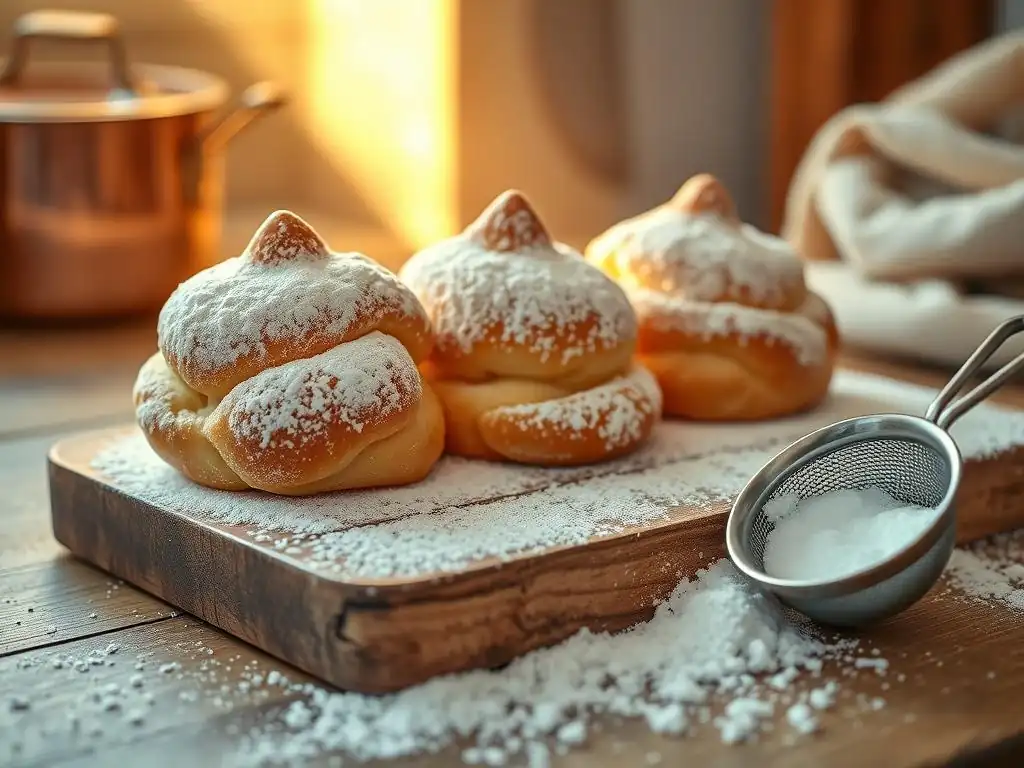
Welcome to BakeWithEase, where baking becomes a joy, not a chore! Ever wondered how to achieve that delicate, snow-kissed look on your pastries? This week, we're demystifying a simple yet transformative technique: How to dust choux pastry to elevate your creations. Discover the secrets to achieving that perfect, professional finish and unlock a new level of elegance in your baking. Get ready to sprinkle a little magic and find out more!
- Simple Elegance: Dusting Choux with Powdered Sugar on BakeWithEase
- Introduction to Dusting Choux Pastry with Powdered Sugar
- Understanding Choux Pastry and Powdered Sugar
- Step-by-Step Guide: How to Dust Choux Pastry Perfectly
- Troubleshooting Common Dusting Issues
- Creative Variations and Ideas for Dusting Choux
- Maintaining the Freshness of Dusted Choux Pastry
- Conclusion: Mastering the Art of Dusting Choux Pastry
-
Frequently Asked Questions
- How does dusting choux pastry with powdered sugar enhance its appeal?
- What is the best time to dust choux pastry with powdered sugar?
- What type of powdered sugar should I use for dusting choux pastry?
- Can I use other ingredients besides powdered sugar to dust choux pastry?
- How can I prevent the powdered sugar from dissolving into the choux pastry?
- Final Reflection: The Enduring Allure of Perfectly Dusted Choux
- Unleash Your Inner Pâtissier: Master the Art of Choux!
Simple Elegance: Dusting Choux with Powdered Sugar on BakeWithEase
Introduction to Dusting Choux Pastry with Powdered Sugar
Elevating Your Choux: The Finishing Touch
Dusting choux pastry with powdered sugar is far more than a mere afterthought; it's the final flourish that transforms a simple baked shell into a polished dessert ready for filling and presentation. This delicate coating provides a subtle sweetness and a visually appealing matte finish, adding a touch of classic elegance to everything from humble cream puffs to sophisticated éclairs. Mastering how to dust choux pastry effectively ensures your creations look as professional as they taste, making this step crucial for intermediate bakers looking to refine their skills.
Beyond the aesthetic, the act of dusting itself can be a mindful part of the baking process. It requires attention to detail, from ensuring the pastry is perfectly cooled to selecting the right tools for an even application. A well-executed dusting can hide minor imperfections on the surface of the choux, presenting a clean canvas for glazes, fillings, or simply enjoying them plain. It's a technique that, once perfected, adds significant value to your choux pastry repertoire.
Why Dust Choux Pastry? Aesthetics and Flavor
The primary reasons for dusting choux pastry with powdered sugar are twofold: enhancing its visual appeal and adding a complementary layer of flavor. A fine, even layer of powdered sugar instantly elevates the look of choux puffs or éclairs, giving them a soft, inviting appearance. This visual enhancement is particularly effective for pastries that might not be fully glazed or topped, allowing the beautiful rise and shape of the choux itself to be appreciated.
From a flavor perspective, powdered sugar provides a gentle sweetness that balances the inherently neutral taste of the choux pastry. Unlike a glaze, which can be quite sweet and potentially overwhelming, a dusting offers just a hint of sugary goodness. This makes dusted choux an excellent vehicle for richly flavored fillings, such as classic pastry cream, whipped cream, or even savory options, without clashing with their profiles. It's a versatile finishing technique that adds just the right touch.
Understanding Choux Pastry and Powdered Sugar
What is Choux Pastry? A Brief Overview for Intermediate Bakers
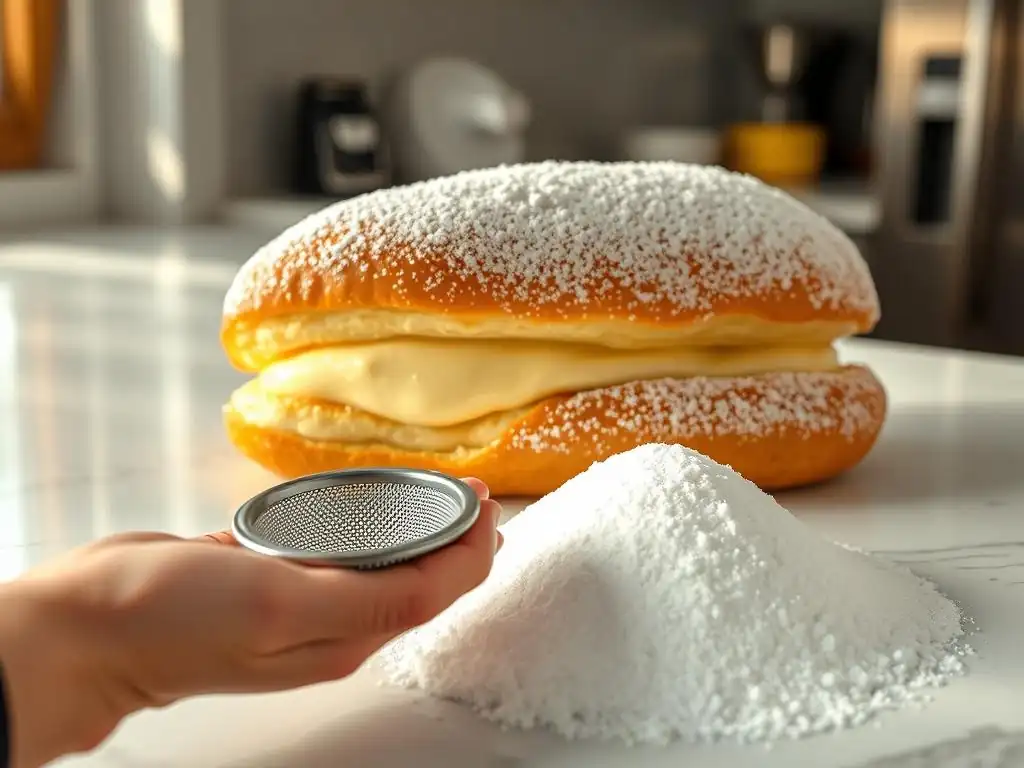
Choux pastry, or pâte à choux, is a light, airy dough used to make many classic French pastries like éclairs, cream puffs, profiteroles, and gougères. Unlike most doughs which use a leavening agent like baking powder or yeast, choux pastry relies on steam to rise. It's made by cooking flour, water (or milk), butter, and salt together to form a thick paste, then incorporating eggs one by one until the dough is smooth and glossy.
When baked at high temperatures, the moisture in the dough turns to steam, creating large cavities inside the pastry shell. This unique structure is what makes choux ideal for filling. A standard batch using 1 cup of water, 1/2 cup of butter, 1 cup of flour, and 4-5 eggs typically yields about 12-15 medium-sized cream puffs, each ready to be filled and finished, perhaps by learning how to dust choux pastry effectively.
The Role of Powdered Sugar: Sweetness and Visual Appeal
Powdered sugar, also known as confectioners' sugar or icing sugar, plays a crucial finishing role for many pastries, including choux. Its extremely fine texture, often containing a small amount of cornstarch (typically around 3-5%) to prevent clumping, allows it to adhere evenly to surfaces. On choux pastry, it creates a delicate, snow-like dusting that is both visually appealing and provides a subtle sweetness.
Visually, the matte finish of powdered sugar contrasts nicely with the slightly glossy surface of baked choux. It softens the appearance and gives a rustic yet elegant look. Flavor-wise, it adds a simple, clean sweetness that complements the richness of fillings without overpowering them. This makes it a perfect choice for those who prefer a less intensely sweet dessert compared to those finished with glazes or heavy icings.
Choosing the Right Powdered Sugar for Your Choux
Selecting the right powdered sugar is key to achieving the desired finish when learning how to dust choux pastry. Standard confectioners' sugar (often labeled 10X) is generally the best choice for dusting. The 'X' refers to the fineness of the grind; 10X is very fine and results in a smooth, consistent dusting. Avoid coarser grades if possible, as they might not adhere as well and can create a grainy texture.
Ensure the powdered sugar is fresh and free of moisture. Store-bought powdered sugar typically contains a small amount of anti-caking agent (like cornstarch) which helps maintain its powdery consistency. If using homemade powdered sugar or one without anti-caking agents, you might need to sift it multiple times to achieve the required fineness and prevent clumping, ensuring a beautiful, even dusting every time.
Step-by-Step Guide: How to Dust Choux Pastry Perfectly
Preparation: Cooling Your Choux and Gathering Supplies
Ensuring Your Choux is Properly Cooled
Before you even think about how to dust choux pastry, the most critical preparation step is ensuring your baked choux shells are completely cooled. Warm or hot choux pastry will cause the powdered sugar to melt on contact, resulting in a splotchy, sticky mess instead of a delicate dusting. The residual heat creates condensation on the surface, which is the enemy of dry powdered sugar.
Allow your choux to cool fully on a wire rack. This allows air circulation around the entire surface, helping them cool down faster and preventing condensation from forming on the bottom. Depending on the size of your choux and the ambient temperature, this could take anywhere from 30 minutes to an hour. Patience here is paramount for a successful dusting outcome.
Essential Tools for Dusting: Sifters and Spoons
Having the right tools makes all the difference when aiming for that perfect, even layer of powdered sugar. The most essential tool is a fine-mesh sieve or sifter. A sieve with a mesh size around 60-80 mesh is ideal for producing a very fine, cloud-like dusting. Larger mesh sizes might let through tiny clumps.
- Fine-mesh sieve: The preferred tool for an even, light dusting.
- Sifter: Useful for larger quantities or commercial settings, often incorporates an agitator.
- Spoon or scoop: To transfer the powdered sugar into the sifter or sieve.
You'll also need a clean, dry surface or plate to place the choux on while dusting. Avoid dusting directly over your cooling rack unless you don't mind sugar falling through.
The Dusting Technique: Achieving Even Coverage
Light Dusting vs. Heavy Dusting: Choosing Your Style
The amount of powdered sugar you apply depends on the desired aesthetic and sweetness level. A light dusting provides a subtle finish, allowing the color and texture of the choux to show through slightly. This is often preferred for éclairs or when the choux will be heavily filled or glazed elsewhere.
A heavy dusting creates a more opaque, snow-covered look. This is classic for cream puffs and gives a more significant boost of sweetness. To achieve an even heavy dusting when learning how to dust choux pastry, you might need to pass the sifter over the pastries multiple times, or even gently roll them in a shallow dish of powdered sugar after an initial dusting, though the latter can sometimes lead to a less refined finish.
Avoiding Common Mistakes: Clumps and Unevenness
The two most common pitfalls when dusting choux pastry are dealing with clumps and achieving uneven coverage. Clumps usually occur if the powdered sugar is old, contains moisture, or if you skip sifting. Always sift your sugar just before dusting, even if it looks fine in the box.
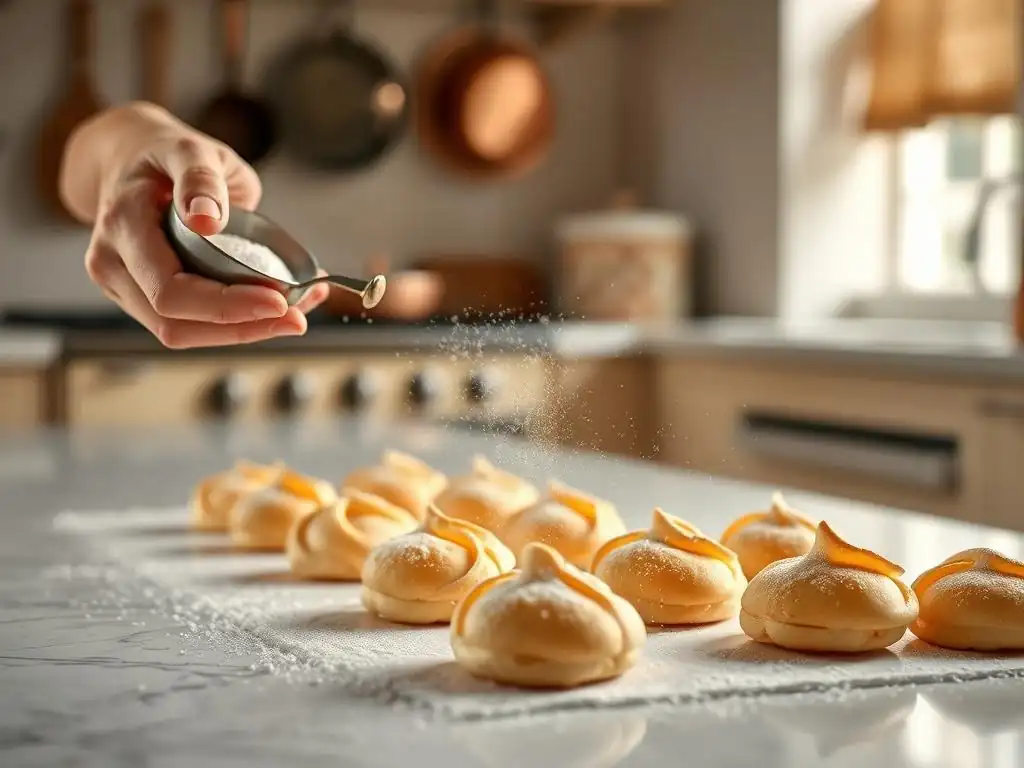
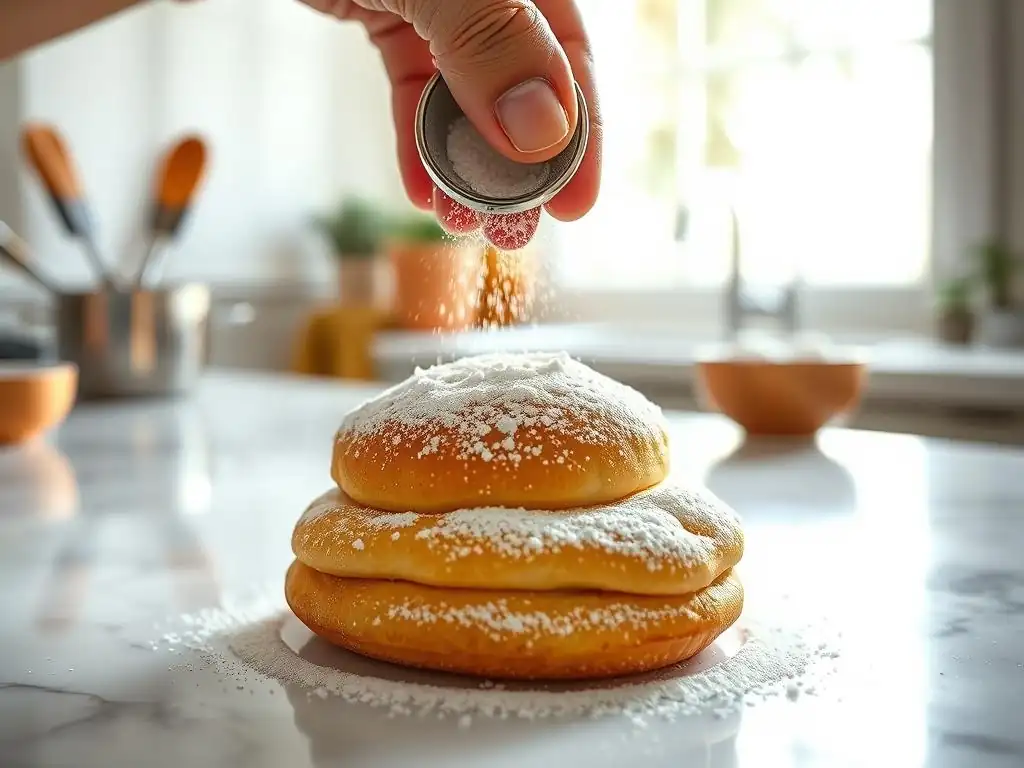
Unevenness often results from holding the sifter too close to the pastries, moving it too quickly, or concentrating the sugar in one spot. Hold the sifter several inches above the choux and tap or shake it gently while moving it slowly and steadily over all the pastries. Aim for a light, even "snowfall" rather than dumping the sugar on top. Rotating the choux can help ensure all sides receive an even coat.
Pro Tips for a Professional Finish
Using Stencils for Decorative Dusting
For an extra touch of elegance, consider using stencils. Stencils allow you to create patterns, shapes, or even letters on your choux pastry. Place the stencil carefully on the cooled choux surface. Hold the sifter above the stencil and dust lightly.
Pro Tip: Ensure the stencil lies flat against the choux to prevent sugar from seeping underneath. Lift the stencil straight up carefully to reveal the clean design.
This technique is fantastic for special occasions or adding a signature touch to your pastries. Common stencil designs include geometric shapes, floral patterns, or simple stripes.
Adding Flavor with Infused Powdered Sugar [Citrus Zest]
Elevate your powdered sugar dusting by infusing it with other flavors. A simple and delightful method is using citrus zest. For instance, finely grate the zest of one large orange or two lemons. Combine the zest with about 1 cup of powdered sugar in a bowl.
Rub the zest into the sugar with your fingertips until it's evenly distributed and fragrant. Then, sift this mixture before dusting your choux pastry. The citrus oils in the zest will impart a subtle, refreshing aroma and flavor to the sugar, adding another dimension to your finished product. Other infusions could include vanilla bean seeds, espresso powder, or ground spices like cardamom. Remember to sift thoroughly to remove any larger pieces of zest or spice.
Troubleshooting Common Dusting Issues
Dealing with Sticky Powdered Sugar
Sticky powdered sugar on your choux is almost always a sign of moisture. This can happen if the choux wasn't fully cooled, if the environment is very humid, or if condensation formed during storage. If you notice the sugar starting to dissolve or become pasty immediately after dusting, the pastries were likely still too warm.
If the issue is humidity, try dusting in a drier part of your kitchen if possible. If condensation occurred during storage, you might need to gently blot the pastries dry with a paper towel before attempting to dust again, though this can sometimes mar the surface. The best prevention is ensuring the choux are bone dry and cool before starting the dusting process.
Preventing the Sugar from Dissolving
To prevent the powdered sugar from dissolving after dusting, the key is minimizing contact with moisture. As mentioned, ensure the choux is completely cool. Once dusted, store the choux in a cool, dry place. Avoid refrigerating dusted choux if possible, as the humid environment inside a refrigerator can quickly cause the sugar to absorb moisture and disappear.
If you must store them, place them in an airtight container with a layer of paper towel at the bottom to absorb any potential moisture. Dusting just before serving is the absolute best way to ensure the powdered sugar remains pristine and doesn't dissolve.
Fixing Uneven Dusting
Uneven dusting can look messy and unprofessional. If you've just finished dusting and notice some areas are too heavy or too light, you might be able to partially fix it. For areas with too much sugar, you can gently brush away some excess with a soft pastry brush. Be very careful not to smear it.
For areas that are too light, you can attempt a second, very light pass with the sifter, focusing only on the sparse spots. However, multiple layers can sometimes look less natural than a single, even coat. Practice is key to mastering the consistent sifting motion needed for perfect coverage when learning how to dust choux pastry.
Creative Variations and Ideas for Dusting Choux
Beyond Basic Powdered Sugar: Exploring Different Toppings
While learning how to dust choux pastry with powdered sugar is fundamental, the technique opens the door to using other fine powders for different flavors and looks. Expanding your dusting repertoire can add exciting dimensions to your choux creations.
Cocoa Powder for a Chocolatey Twist
Dusting choux with unsweetened cocoa powder provides a sophisticated, slightly bitter contrast to sweet fillings. Use high-quality cocoa powder and sift it just like powdered sugar.
Note: Unsweetened cocoa powder can be intensely flavored. A light dusting is often sufficient.
Cocoa dusting works wonderfully with chocolate, coffee, or raspberry fillings in éclairs or cream puffs.
Cinnamon Sugar for Warmth and Spice
A mixture of fine sugar and ground cinnamon can add warmth and spice. Use a ratio of about 1 part cinnamon to 8-10 parts granulated sugar, then process it in a spice grinder or food processor until it becomes a fine powder. Sift before dusting.
This dusting is excellent for choux filled with apple, pear, or caramel flavors, evoking comforting dessert profiles.
Using Edible Glitter for a Festive Look
For celebrations, a touch of edible glitter mixed with powdered sugar can create sparkle. Use food-grade edible glitter (often made from gum arabic, maltodextrin, and colorants). Mix a small amount with your sifted powdered sugar before dusting.
This adds a festive, eye-catching element, perfect for holiday parties or special events. A ratio of about 1 teaspoon of glitter per cup of powdered sugar is usually enough for a noticeable shimmer.
Dusting Different Types of Choux Pastry
The technique of how to dust choux pastry remains consistent, but the application varies slightly depending on the specific shape and use of the pastry.
Dusting Cream Puffs for a Classic Treat
Cream puffs (choux au craquelin or plain choux) are typically round. Dusting them is straightforward: place them on a surface and sift sugar evenly over the tops. For a heavier coating, you can gently roll the cooled puff in a shallow dish filled with powdered sugar, ensuring the entire surface is coated. This classic finish is simple and universally appealing.
Dusting Éclairs for an Elegant Finish
Éclairs are long and narrow. While often glazed, a dusting of powdered sugar offers a lighter alternative. Hold the sifter over the length of the éclair, moving steadily to ensure an even line of sugar down the top. If dusting the entire surface, gently turn the éclair to dust the sides as well. A stencil with a pattern can look particularly striking on the flat top of an éclair.
Dusting Profiteroles for a Dessert Tower
Profiteroles are small choux puffs, often used in croquembouche towers or piled high and drizzled with sauce. Dusting profiteroles adds a delicate touch before assembling or serving. Due to their small size, it's efficient to place several on a tray or in a sieve and dust them simultaneously, gently shaking to coat all surfaces evenly.
Maintaining the Freshness of Dusted Choux Pastry
Storing Dusted Choux Pastry Properly
Proper storage is crucial to keep dusted choux looking its best. The enemy, as we've learned, is moisture. Store cooled, dusted choux in a single layer in an airtight container. Avoid stacking them if possible, as this can cause the sugar to smudge or stick.
Place a layer of parchment paper between layers if stacking is unavoidable. Store the container at room temperature in a cool, dry place away from direct sunlight or heat sources. A pantry shelf is often ideal. Avoid the refrigerator unless the filling requires it, and even then, dust just before serving.
Preventing the Powdered Sugar from Absorbing Moisture
The cornstarch typically found in commercial powdered sugar helps resist moisture absorption, but it's not foolproof. The best defense is controlling the environment. Ensure the choux is completely cool and dry before dusting.
Store the dusted choux in an airtight container to protect it from ambient humidity. If living in a very humid climate, consider dusting the choux as close to serving time as possible. For unfilled choux, they can be baked ahead and stored airtight (undusted) for a day or two, then dusted just before filling and serving.
Conclusion: Mastering the Art of Dusting Choux Pastry
Enjoying Your Beautifully Dusted Choux Pastry Creations
Mastering how to dust choux pastry with powdered sugar is a simple yet impactful technique that significantly enhances the visual appeal and subtle flavor of your baked goods. From achieving that perfect, even white coat on a classic cream puff to using stencils for decorative flair on éclairs, this skill adds a layer of professionalism to your baking. It’s a testament to the idea that sometimes, the simplest finishes are the most elegant and effective.
Take pride in your beautifully dusted choux creations. Whether filled with rich pastry cream, light whipped cream, or something entirely unique, the delicate powdered sugar finish invites anticipation and complements the delicious filling within. Share them with friends and family, knowing that this small step made a big difference in presentation.
Frequently Asked Questions
How does dusting choux pastry with powdered sugar enhance its appeal?
Dusting with powdered sugar adds a touch of visual elegance and sweetness. It elevates the pastry's presentation and creates a more appetizing experience.
What is the best time to dust choux pastry with powdered sugar?
It's best to dust the choux pastry just before serving. This prevents the sugar from absorbing moisture and becoming sticky or clumpy, maintaining a fresh look.
What type of powdered sugar should I use for dusting choux pastry?
Use confectioners' sugar, also known as powdered sugar or icing sugar. It has a fine texture that's perfect for evenly coating the pastry.
Can I use other ingredients besides powdered sugar to dust choux pastry?
Yes, you can experiment! Consider using cocoa powder for a chocolate flavor or a mixture of spices like cinnamon for added warmth.
How can I prevent the powdered sugar from dissolving into the choux pastry?
Ensure the choux pastry is completely cooled before dusting. A light, even layer applied right before serving minimizes dissolving.
Final Reflection: The Enduring Allure of Perfectly Dusted Choux
The seemingly simple act of dusting choux pastry with powdered sugar is, in reality, a powerful symbol of culinary precision and the transformative power of a delicate touch. A perfectly dusted choux, with its crisp exterior and ethereal dusting, elevates a humble pastry into a work of art, a testament to the care and attention lavished upon its creation. This seemingly minor detail speaks volumes about the dedication to craft and the pursuit of perfection.
The impact of this seemingly small detail extends far beyond the individual pastry. It speaks to a larger cultural appreciation for detail and the beauty found in simplicity. The delicate dance of powdered sugar settling onto the choux's surface mirrors the subtle nuances we find in life, reminding us that even the smallest actions can have a profound impact. Perfection is not achieved when there is nothing more to add, but when there is nothing left to take away.
- Antoine de Saint-Exupéry. This quote perfectly encapsulates the philosophy behind achieving the ideal dusting – less is truly more.
Consider the impact of your own actions, the subtle details that you might overlook. Take a moment to reflect on how a small act of care and attention can transform the ordinary into something extraordinary. Perhaps it's the way you present a gift, the care you take in crafting a letter, or the simple act of listening attentively to a friend. Embrace the power of the subtle detail, and let the elegance of the perfectly dusted choux inspire you to find beauty and perfection in the everyday.
Unleash Your Inner Pâtissier: Master the Art of Choux!
Thanks for joining us on this delicious journey into the world of choux pastry! We hope you gained a newfound appreciation for the simplicity and elegance of this classic technique. Now it's time to put your knowledge to the test!
- Craft your masterpiece: Try making your own choux pastry using the recipe and tips we shared. Experiment with different fillings and glazes – the possibilities are endless!
- Share your creations: Post a picture of your choux creations on social media and tag us – we'd love to see your beautiful bakes!
- Dive deeper: Explore other delightful recipes and baking techniques on BakeWithEase.com – we've got a whole world of culinary adventures waiting for you!
What unique flavor combination will you create with your perfectly puffed choux pastry?