
Why Your Baguette Crust Isn't Crispy (and How to Fix It)

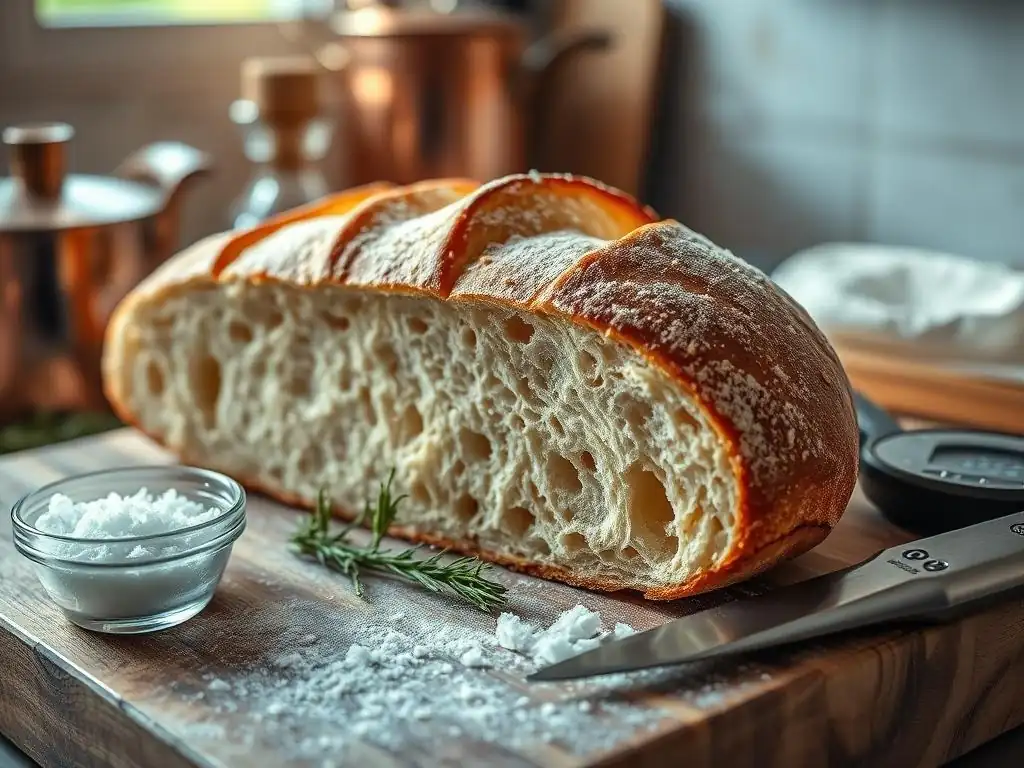
Welcome to BakeWithEase, your trusted guide in the delicious world of baking! Ever dream of achieving that perfectly crisp, golden crust on your baguette, the kind that shatters with a satisfying snap? You're not alone! This article dives deep into the secrets behind achieving that elusive crispy baguette crust, uncovering common pitfalls and revealing simple tips and tricks that will transform your bread baking game. Ready to unlock the secrets? Let's get started and turn those baking aspirations into delicious reality!
- Understanding the Importance of a Crispy Baguette Crust
- Common Reasons for a Soft Baguette Crust
- Crispy Baguette Crust Tips: A Step-by-Step Guide
- Troubleshooting Baguette Crust Problems
- Advanced Techniques for a Superior Baguette Crust
- Enjoying Your Perfectly Crispy Baguette
-
Frequently Asked Questions
- Why is my baguette crust not crispy even after baking it for the recommended time?
- What's the best way to create steam in a home oven for a crispy baguette crust?
- Does the type of flour I use affect the crispness of the baguette crust?
- How does scoring the baguette before baking contribute to a crispy crust?
- What if I don't have a pizza stone or baking steel? Can I still achieve a crispy baguette crust?
- Final Reflection: The Pursuit of the Perfect Crust – A Journey of Flour and Fire
- Unleash Your Inner Boulanger: Achieve Perfectly Crispy Baguettes!
Understanding the Importance of a Crispy Baguette Crust
Why is a Crispy Crust Desirable in Baguettes?
A truly great baguette is defined by its contrast: a light, airy interior (the crumb) encased in a thin, shatteringly crispy crust. This textural duality is fundamental to the classic baguette experience. When you bite into a baguette with a perfect, crispy crust, you hear a delightful crackle, a sound that signals freshness and proper baking technique.
This crispness isn't just about sound; it contributes significantly to the overall mouthfeel and enjoyment, providing a satisfying counterpoint to the soft, chewy crumb within. Without this characteristic crispness, a baguette loses much of its charm and authenticity, feeling more like a soft roll than the iconic French loaf.
Beyond the sensory pleasure, a crispy crust also plays a role in the baguette's structure and preservation. During baking, the crust forms a protective shell that helps the interior crumb set while retaining moisture. This rapid setting of the outer layer is crucial for oven spring and achieving that desirable open crumb structure.
Furthermore, a well-developed crust acts as a natural barrier, helping to slow down the staling process, although baguettes are notoriously best eaten within hours of baking. Mastering the art of achieving a crispy baguette crust is a hallmark of successful bread baking and a key goal for anyone making baguettes at home.
Factors Affecting Baguette Crust Crispness
Achieving that perfect crispy baguette crust involves juggling several critical variables in the baking process. The most significant factors include the oven temperature, the presence of steam during the initial phase of baking, the proofing state of the dough, the type of flour used, and the dough's hydration level.
Each of these elements interacts with the others, and getting them right in combination is essential for success. For example, a high oven temperature is necessary to rapidly set the crust, but without sufficient steam, the crust can harden too quickly before the dough has fully expanded, resulting in a thick, tough crust rather than a thin, crispy one.
Understanding how each factor influences the final outcome is the first step towards troubleshooting and improving your baguette baking. Insufficient heat might lead to a pale, soft crust, while too much or too little steam can drastically alter the crust's texture. Similarly, over-proofing can weaken the dough's structure, preventing adequate oven spring and resulting in a less satisfying crust.
Even the type of flour and the water-to-flour ratio (hydration) play a vital role, affecting gluten development and the dough's ability to crisp up properly. By paying close attention to these elements, you can significantly improve your chances of producing baguettes with that coveted crispy baguette crust.
Common Reasons for a Soft Baguette Crust
Insufficient Oven Temperature for Baguettes
One of the most frequent culprits behind a soft baguette crust is an oven that isn't hot enough or hasn't been adequately preheated. Baguettes require a high initial baking temperature, typically in the range of 450°F to 500°F (230°C to 260°C). This intense heat causes the surface of the dough to rapidly dehydrate and set, initiating the crust formation process.
If the oven temperature is too low, this rapid setting doesn't occur effectively. The dough surface remains pliable for too long, leading to a slower, less vigorous oven spring and ultimately a crust that is thicker, softer, and often pale in color rather than golden brown and crispy.
Furthermore, simply setting your oven to the target temperature isn't enough; proper preheating is crucial. The oven walls, baking stone, or baking steel need time to absorb and radiate sufficient heat. Placing dough into an oven that hasn't been fully preheated means the actual baking environment is cooler than intended, especially when the relatively cool dough is introduced.
This temperature deficit hinders the quick development of the crust, contributing to a soft texture. Aim for at least 30-60 minutes of preheating after your oven indicates it has reached the set temperature, especially if using a baking stone or steel, to ensure maximum heat retention and distribution for a crispy baguette crust.
Lack of Steam During Baking
Steam is absolutely vital for achieving a thin, crispy baguette crust. During the first 10-15 minutes of baking, while the dough is undergoing its most significant oven spring, steam keeps the surface moist and elastic. This prevents the crust from setting too early, allowing the dough to expand fully without tearing.
If there is insufficient steam, the crust sets prematurely, restricting the dough's expansion. This results in smaller loaves and a crust that is often thick, hard, and less likely to be truly crispy. The moisture from the steam also helps to gelatinize the starches on the surface of the dough, which contributes to the glossy sheen and crisp texture of a well-baked baguette crust.
Without adequate steam, the surface temperature of the dough rises too quickly, drying it out before the starches can properly transform. This leads to a dull-looking crust that cracks erratically and lacks that desirable delicate crispness. Providing a humid environment in the oven during the initial phase allows the crust to remain pliable as the internal temperature rises and the dough expands.
Once the dough has finished its primary expansion (typically after 10-15 minutes), the steam is vented, allowing the crust to dry out and crisp up in the remaining dry heat. Mastering steam injection is one of the most important crispy baguette crust tips to implement at home.
Over-Proofing the Baguette Dough
Proofing is the final rise of the shaped dough before baking. While essential for developing flavor and texture, over-proofing is a common pitfall that can lead to a soft baguette crust. Dough that is over-proofed has exhausted much of its leavening power.
The gluten structure, which provides the framework for the loaf, becomes weakened and less able to support the dough during oven spring. When an over-proofed baguette is placed in the oven, it lacks the strength for a vigorous rise. This results in a flatter loaf with less internal structure and a reduced ability for the crust to develop tension and crispness.
An over-proofed dough may also have a wetter, stickier surface, which can interfere with proper crust formation. Instead of forming a thin, taut skin that crisps beautifully, the surface can remain somewhat gummy, leading to a thicker, softer crust. Identifying properly proofed dough is key: it should be well-risen but still have some resilience when gently poked. If it springs back immediately, it needs more time; if the indentation remains, it's likely over-proofed. Paying close attention to proofing times and visual cues is crucial for achieving a successful and crispy baguette crust.
Incorrect Flour Type for Baguette Baking
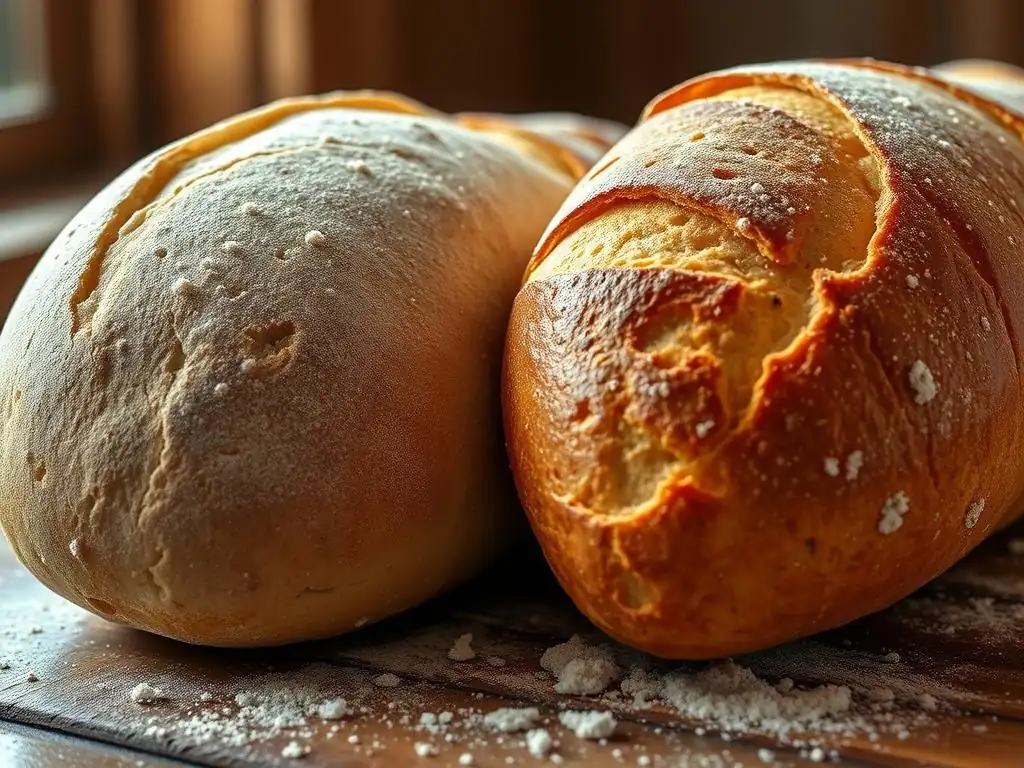
The type of flour you use significantly impacts the texture and crispness of your baguette crust. Baguettes are traditionally made with flour that has a moderate protein content, typically around 10-12%.
This level of protein is ideal for developing sufficient gluten structure to support the long shape and open crumb of a baguette while still allowing the crust to become thin and crispy. Using flour with too low a protein content (like cake flour, around 7-9%) will result in a weak dough that doesn't hold its shape well and produces a crumb that is too dense and a crust that is soft and lacks structure.
Conversely, using flour with a very high protein content (like some strong bread flours, 13%+), while excellent for chewy artisan loaves or pizzas, can lead to a tougher crust in baguettes. High-protein flours develop very strong gluten networks, which can result in a crust that is thick and chewy rather than delicate and crispy.
For classic crispy baguette crust tips, bakers often recommend using French Type 55 flour or a good quality unbleached all-purpose flour or bread flour with the appropriate protein level. Understanding the properties of your flour and selecting the right type is a fundamental step towards achieving that desired crispy texture.
Dough Hydration Issues and Baguette Crust
Dough hydration, the ratio of water to flour, is another critical factor influencing baguette crust crispness. Baguettes are typically made with relatively high hydration dough, often ranging from 70% to 80% or even higher. This high water content contributes to a more open crumb structure and also plays a role in crust development. During baking, the excess water near the surface of the dough evaporates, which helps to cool the surface slightly, prolonging the time the crust remains pliable in the presence of steam. This allows for greater oven spring and the formation of a thinner, more delicate crust.
If the dough hydration is too low, the dough will be stiffer and the surface will dry out more quickly in the oven, even with steam. This rapid drying can lead to a thicker, tougher crust that doesn't achieve the same level of crispness. However, working with very high hydration dough can be challenging as it is stickier and harder to handle.
Finding the right hydration level that you are comfortable working with, typically within the 70-75% range for beginners, is important. Experimenting with hydration while keeping other factors constant is a useful way to fine-tune your crispy baguette crust tips and techniques.
Crispy Baguette Crust Tips: A Step-by-Step Guide
Step 1: Achieving High Oven Temperature for a Crispy Crust
The Importance of Oven Preheating for Baguette Crispness
Proper oven preheating is non-negotiable for achieving a crispy baguette crust. As discussed earlier, the initial blast of high heat is what triggers rapid oven spring and sets the crust. A properly preheated oven, especially when using a baking surface like a stone or steel, provides the intense, radiant heat needed to quickly transform the dough's surface.
Think of it like searing meat – you need a hot pan to get a good crust. In baking, you need a hot oven environment. Skipping or rushing this step means the dough is exposed to gradually increasing heat rather than the immediate high temperature shock required for optimal crust formation.
To ensure your oven is truly ready, preheat it to your target temperature (e.g., 475°F or 245°C) for at least 30 minutes after the oven indicates it's reached temperature. If you are using a baking stone or steel, give it even more time, ideally 45-60 minutes, to fully heat through and store enough thermal energy. This stored heat will provide a powerful thermal boost from the bottom, contributing significantly to both oven spring and crust development. Consistent, high heat from the moment the baguettes enter the oven is a fundamental crispy baguette crust tip.
Using a Baking Stone or Steel for Optimal Heat
Using a baking stone or steel is one of the most effective ways to improve your crispy baguette crust. These surfaces absorb and retain heat much better than standard oven racks or baking sheets. When you place your shaped baguette dough directly onto a preheated stone or steel, the intense heat is transferred immediately to the bottom of the loaf. This rapid heat transfer provides a powerful lift (oven spring) and ensures the bottom crust starts developing its crispness right away. This is crucial because the bottom crust often struggles to get as much direct heat as the top.
A baking steel is generally considered even more efficient than a stone because it conducts heat more effectively. A steel approximately 1/4 inch thick can reach and maintain high temperatures very well. While a baking stone might take an hour to reach peak temperature, a steel might get there faster and deliver heat more intensely. Regardless of whether you use a stone or steel, ensure it is placed in the oven during the entire preheating period, ideally on the middle or upper-middle rack, to maximize its heat retention and contribute effectively to that sought-after crispy baguette crust.
Step 2: Mastering Steam Injection for Baguettes
Creating Steam in a Home Oven: Methods & Techniques
Generating sufficient steam in a home oven can be challenging, but it's essential for a crispy baguette crust. Several methods work:
- Using a Steam Pan: Place a metal tray or cast-iron pan on the bottom rack of your oven during preheating. Just before loading the baguettes, carefully pour about 1 cup (240ml) of boiling water into the hot pan. Close the oven door quickly to trap the steam.
- Using Lava Rocks or Metal Chains: Fill a tray with lava rocks or old metal chains and place it on the bottom rack. These materials have a high surface area and retain heat well. Pour boiling water over them just before baking for sustained steam.
- Using a Dutch Oven or Cloche: Baking baguettes inside a preheated Dutch oven or a specialized bread cloche traps the moisture released by the dough itself, creating a steamy environment around the loaf. This is often the easiest and most effective method for home bakers.
- Spraying the Oven Walls: While less effective and potentially damaging to some ovens, some bakers quickly spray the oven walls with water using a clean spray bottle just after loading the bread. Repeat once or twice within the first few minutes.
Whichever method you choose, aim to create a humid environment for the first 10-15 minutes of baking. After this initial period, you typically want to vent the steam by opening the oven door briefly or removing the steam pan, allowing the crust to dry out and crisp up in the dry heat for the remainder of the baking time. Proper steam management is one of the most impactful crispy baguette crust tips you can implement.
The Role of Steam in Crust Development
Steam plays a dual critical role in the development of a crispy baguette crust. Firstly, it keeps the surface of the dough moist and pliable during the crucial initial phase of baking (oven spring). This prevents the crust from setting prematurely, which would restrict the dough's expansion and lead to a smaller, denser loaf with a thick, tough crust. By delaying crust formation, steam allows the dough to rise to its full potential, contributing to a lighter crumb and a thinner, more delicate crust.
Secondly, the humid environment created by steam promotes the gelatinization of starches on the dough's surface. As the surface temperature reaches around 180°F (82°C), the starch granules absorb moisture and swell, forming a gel. When the steam is vented later in the baking process and the dry heat continues to rise, this gelatinized layer dehydrates and hardens, forming the characteristic thin, glassy, and crispy crust of a well-baked baguette.
Without sufficient steam, this gelatinization is incomplete, resulting in a dull, matte crust that lacks crispness. Understanding and utilizing steam effectively is paramount for achieving great crispy baguette crust tips results.
Step 3: Perfecting Baguette Dough Proofing
Avoiding Over-Proofing for a Better Crust
Over-proofing is detrimental to achieving a crispy baguette crust because it weakens the dough's structure. During proofing, yeast produces carbon dioxide gas, which expands the dough. However, if proofing goes on for too long, the yeast can run out of readily available sugars, and enzymes in the dough start to break down the gluten network.
This weakened structure cannot support the dough during oven spring. The loaf will likely collapse slightly when handled or loaded into the oven, and it won't achieve the necessary lift. A lack of vigorous oven spring means the crust doesn't stretch and thin out properly, resulting in a denser loaf with a thicker, softer crust that lacks the desired crispness.
To avoid over-proofing, pay close attention to the dough's appearance and feel. The proofing time will vary depending on the ambient temperature, the amount of yeast used, and the dough's temperature. Instead of relying solely on time, use visual cues. The shaped baguettes should look well-risen and puffy, but not overly inflated.
A gentle poke test is a reliable indicator: if you gently press the dough with a floured finger and the indentation slowly springs back about halfway, the dough is likely perfectly proofed. If it springs back immediately, it needs more time. If the indentation remains completely, it's probably over-proofed. Getting the proofing right is a crucial step among effective crispy baguette crust tips.
Signs of Properly Proofed Baguette Dough
Knowing when your baguette dough is perfectly proofed is key to a successful bake and a crispy crust. Visual cues are your primary guide. A properly proofed baguette will have increased significantly in size, typically by about 50-75%, depending on the recipe and temperature. The surface should appear smooth and slightly rounded, indicating tension within the dough. The edges should still hold their shape and not be spreading excessively.
The poke test is a more precise method. Gently flour your finger and press lightly into the side of a baguette.
- If the indentation springs back immediately, the dough is under-proofed and needs more time.
- If the indentation slowly springs back about halfway, the dough is properly proofed and ready for the oven.
- If the indentation remains completely, the dough is likely over-proofed.
Additionally, the dough should feel airy and light for its size. It should handle gently but still have enough structure to be transferred to the oven without collapsing. Baking at the correct proofing stage ensures maximum oven spring and the development of a thin, taut surface, which is essential for a truly crispy baguette crust. Mastering this timing is one of the most valuable crispy baguette crust tips.
Step 4: Selecting the Right Flour for a Crispy Baguette
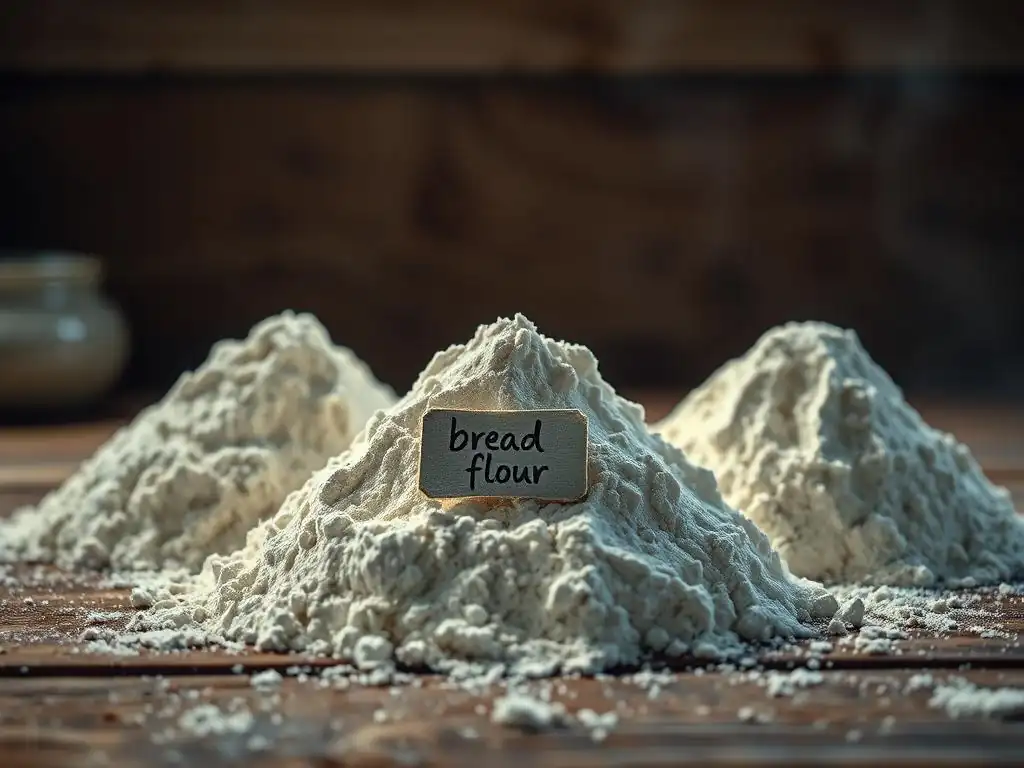
The Best Types of Flour for Baguette Baking
Choosing the correct flour is fundamental to achieving a classic crispy baguette crust. While various flours can make bread, not all are suitable for the specific characteristics of a baguette. Traditionally, French baguettes are made with T55 flour, a soft wheat flour with a protein content typically between 10-12%. This flour provides a good balance: enough protein for sufficient gluten development to create an open, airy crumb, but not so much that the crust becomes tough or overly chewy. T55 flour also has a specific mineral content (ash content) that contributes to the flavor and crust color.
For home bakers outside of France, finding T55 flour can be difficult. Good quality unbleached all-purpose flour (protein content around 10.5-11.5%) or a bread flour with a protein content on the lower end of the spectrum (11-12%) are often excellent substitutes. Look for flours labeled as "Artisan Bread Flour" or similar descriptions, as these are often milled to have characteristics closer to European bread flours.
Avoid using cake flour (low protein, weak gluten) or very high-gluten bread flours (strong gluten, can make crust too tough). The right flour provides the necessary structure for the crumb while allowing the crust to achieve that signature crispy texture.
Understanding Gluten Development and Flour Choice
Gluten development is the process where the proteins in flour (glutenin and gliadin) form an elastic network when hydrated and mixed. This network traps the gases produced by yeast, causing the dough to rise and giving bread its structure.
For baguettes, you need sufficient gluten development to create an open, airy crumb and provide strength for the long shape. However, excessive gluten development, often associated with very high-protein flours or prolonged, intense kneading, can result in a dough that is too elastic and resistant to shaping, and can lead to a crust that is thick and chewy rather than thin and crispy.
The type of flour dictates the potential for gluten development. Lower protein flours develop weaker gluten networks, while higher protein flours develop stronger ones. For a crispy baguette crust, the goal is to develop just enough gluten – enough to give the dough structure and allow for good oven spring, but not so much that it makes the crust tough.
This is why flours with moderate protein content are preferred. The right flour, combined with proper mixing and fermentation techniques (like folding the dough during bulk fermentation), helps strike the perfect balance for both crumb and crust. Selecting the appropriate flour is a foundational crispy baguette crust tip.
Step 5: Controlling Dough Hydration for an Ideal Crust
How Dough Hydration Impacts Baguette Crust
Dough hydration, the ratio of water to flour by weight, is a critical factor influencing both the crumb and the crust of a baguette. Higher hydration doughs (e.g., 75-80% water relative to flour weight) tend to produce a more open, airy crumb. They also contribute significantly to a crispy baguette crust.
The higher water content means there is more moisture available at the surface of the dough during the initial stages of baking. This surface moisture, combined with steam in the oven, keeps the crust pliable longer, allowing for maximum oven spring. As the bake progresses and the water evaporates, the starches gelatinize more effectively, leading to a thinner, more delicate, and ultimately crispier crust.
Lower hydration doughs (e.g., 60-65%) are much easier to handle but typically result in a denser crumb and a thicker, less crispy crust. The surface dries out faster in the oven, restricting oven spring and leading to a crust that can be tough rather than shatteringly crisp. While higher hydration is generally better for crust crispness, it does make the dough stickier and more challenging to shape.
Beginners might start with a moderate hydration (around 70-72%) and gradually increase it as they become more comfortable handling wetter doughs. Adjusting hydration is a powerful way to improve your crispy baguette crust tips results.
Achieving the Right Dough Consistency
Achieving the "right" dough consistency is closely tied to hydration and also influenced by the flour used. A properly hydrated baguette dough should feel relatively wet and sticky, but still manageable with wet or floured hands and a bench scraper. It should be extensible, meaning it can be stretched thinly without tearing easily, indicating good gluten development.
If the dough feels very stiff and dry, it's likely too low in hydration for a truly crispy crust. If it's excessively slack and difficult to handle even with wet hands, the hydration might be too high for your current skill level or the flour type.
The consistency should allow you to shape the dough into long, taut cylinders that hold their shape reasonably well during proofing. It should also have enough surface tension to score cleanly just before baking. Experienced bakers can often tell if the hydration is right just by the feel of the dough during mixing and kneading (or folding). Don't be afraid to adjust the water slightly based on how the dough feels, as flour absorption can vary. Practicing with different hydration levels will help you learn to recognize the ideal consistency for your desired crispy baguette crust.
Troubleshooting Baguette Crust Problems
My Baguette Crust is Crispy Initially, But Softens Quickly
This is a common frustration! A baguette crust that quickly loses its crispness after cooling is usually due to moisture migration. As the baguette cools, moisture from the still-warm interior (the crumb) travels outwards and is reabsorbed by the crust, causing it to soften. While baguettes are best eaten fresh, several factors can exacerbate this issue:
- Insufficient Baking: If the baguette wasn't baked long enough or at a high enough temperature, the crust may not have fully dried out and set during the bake. Aim for a deep golden-brown color.
- Lack of Ventilation During Cooling: Cooling baguettes on a solid surface traps moisture underneath. Always cool them on a wire rack, allowing air to circulate around the entire loaf.
- High Ambient Humidity: If your kitchen is very humid, the crust will absorb moisture from the air more quickly.
- Improper Storage: Storing a baguette in a plastic bag or airtight container traps moisture and guarantees a soft crust.
To mitigate this, ensure your baguettes are fully baked to a good color, cool them completely on a wire rack, and ideally, enjoy them within a few hours of baking. For slightly older baguettes that have softened, a quick reheat in a hot oven (around 350°F or 175°C) for 5-10 minutes can often revive some of the crispness. These crispy baguette crust tips help maintain texture post-bake.
My Baguette Crust is Too Thick
A thick baguette crust, while sometimes crispy, often lacks the delicate shatter of a perfect baguette and can be tough to chew. Several factors contribute to a thick crust:
- Insufficient Steam: Without adequate steam, the crust sets too early and thickens before the dough fully expands.
- Too Low Hydration: Lower hydration doughs tend to produce thicker crusts as the surface dries out faster.
- Over-Flouring: Using too much flour during shaping or proofing can create a dry layer on the surface that bakes into a thick crust.
- Under-Proofing: Under-proofed dough has a tighter structure and less oven spring, leading to a thicker crust relative to the loaf's volume.
- Baking Temperature Too Low: While low temperature leads to soft crust, a slightly low temperature with insufficient steam can sometimes result in a thick, chewy crust instead of a thin, crispy one.
Focus on increasing hydration (if comfortable), ensuring sufficient steam during the initial bake, proper proofing, and minimizing excess flour during shaping. Using a baking stone/steel and high initial temperature also promotes a thinner, crispier crust by encouraging better oven spring. Implementing these crispy baguette crust tips can help reduce crust thickness.
My Baguette Crust is Too Pale
A pale baguette crust indicates insufficient browning, which is essential for flavor and crispness. This is almost always a sign of insufficient heat or baking time.
- Oven Temperature Too Low: The most common reason. The Maillard reaction and caramelization, responsible for browning and flavor development, require high temperatures (above 300°F or 150°C). If your oven is running cool or not preheated properly, these reactions won't occur sufficiently.
- Insufficient Baking Time: The baguette simply hasn't been in the oven long enough for the crust to reach the desired color. Baking time depends on size and oven temperature, but typically ranges from 20-30 minutes for standard baguettes.
- Too Much Steam for Too Long: While steam is needed initially, maintaining a steamy environment for too long prevents the crust from drying out and browning in the dry heat. Vent the steam after 10-15 minutes.
- Flour Type: Some flours brown differently. Using flour with lower sugar content can result in less browning.
Ensure your oven is accurately calibrated and fully preheated to a high temperature (450-500°F). Bake until the crust is a deep golden brown and the internal temperature reaches around 200-210°F (93-99°C). Trust your eyes and an internal thermometer over the clock for proper doneness and color. Achieving good color is fundamental to crispy baguette crust tips.
Advanced Techniques for a Superior Baguette Crust
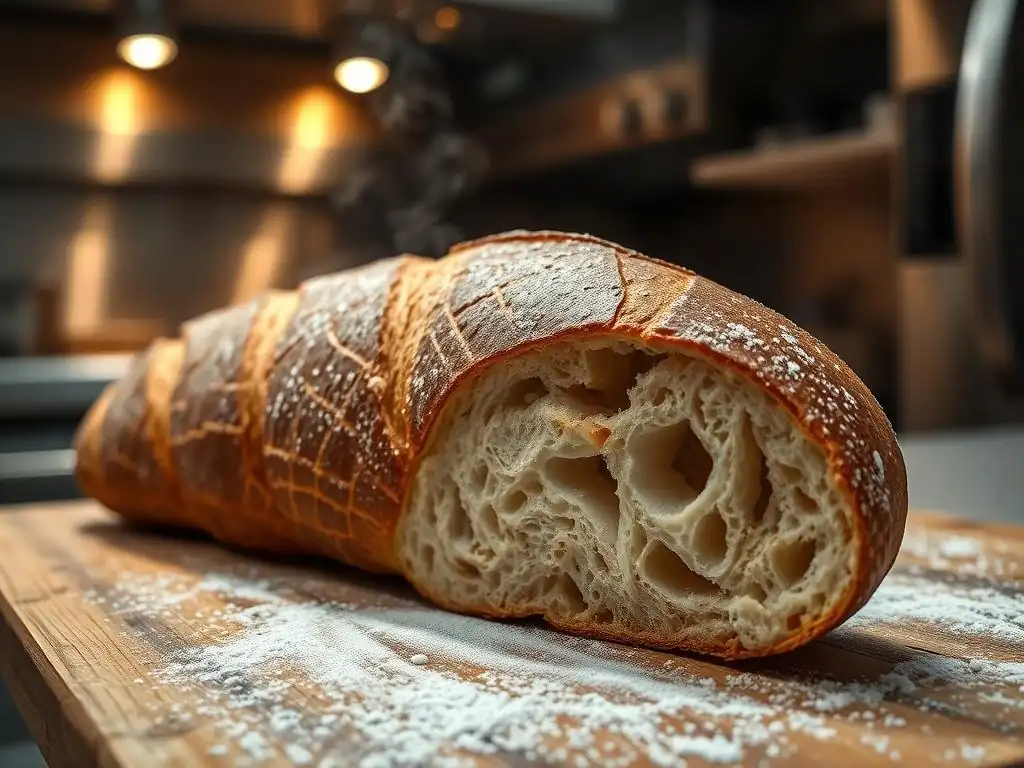
Using a Poolish or Biga for Enhanced Flavor and Crust
Using a pre-ferment like a poolish (a wet, liquid starter) or a biga (a stiff, firm starter) can significantly improve both the flavor and the crust of your baguettes. These starters are made by mixing a portion of the total flour and water with a small amount of yeast hours or even a day in advance of the main dough mix.
This slow, cool fermentation allows enzymes to break down starches into simpler sugars. These sugars are not only food for the yeast in the final dough (leading to better leavening), but they also contribute directly to crust browning and caramelization during baking.
Pre-ferments also contribute to increased acidity in the dough. This acidity strengthens the gluten network, which can help support a more open crumb and contributes to better oven spring. A stronger dough with better oven spring is more likely to develop a thinner, more delicate, and ultimately crispier crust. Additionally, the complex flavors developed in the pre-ferment carry through to the final loaf, making the baguette taste better overall. Incorporating a poolish or biga is an advanced crispy baguette crust tip that yields noticeable improvements.
Cold Fermentation for Improved Baguette Crust
Cold fermentation, typically involving refrigerating the dough for 12 to 48 hours (or sometimes even longer) during the bulk fermentation or after shaping, is another powerful technique for enhancing flavor and crust crispness. Like pre-ferments, cold fermentation allows enzymes more time to break down starches into sugars, contributing to better browning and caramelization in the crust. The slow fermentation also develops organic acids, which strengthen the gluten structure and contribute to a more open crumb and improved oven spring.
The slower activity of the yeast and enzymes at cold temperatures allows for a longer fermentation period without the dough becoming over-proofed. This extended time builds complex flavors. When the cold dough is transferred to a hot oven, the temperature difference creates a significant thermal shock, contributing to a more vigorous oven spring. This rapid expansion helps to stretch the crust thinly, setting the stage for maximum crispness. Using cold fermentation is a highly recommended crispy baguette crust tip for serious home bakers.
Scoring Techniques for Optimal Crust Expansion
Scoring, making shallow cuts on the surface of the shaped dough just before baking, is not just for aesthetics; it's crucial for controlling oven spring and achieving a beautiful, crispy baguette crust. As the dough heats up in the oven, the gases inside expand rapidly. Without scores, the crust would tear unpredictably at its weakest points, resulting in a lopsided loaf and an uneven crust. Proper scoring provides controlled weak points, allowing the dough to expand upwards and outwards along the cuts.
The angle and depth of the scores are important. For baguettes, overlapping diagonal scores are traditional. Each score should be made with a sharp blade (like a lame) at roughly a 30-45 degree angle to the surface, allowing a 'lip' or 'ear' to form as the dough expands underneath.
The cuts should be deep enough to penetrate the skin but not so deep that they go into the main body of the dough. Well-executed scores ensure even expansion, contribute to a beautiful shape, and result in a thinner, crispier crust along the edges of the cuts. Mastering your scoring technique is an essential component of achieving great crispy baguette crust tips results.
Enjoying Your Perfectly Crispy Baguette
Serving Suggestions for Freshly Baked Baguettes
You've put in the effort to achieve that perfect crispy baguette crust – now it's time to enjoy the fruits of your labor! A freshly baked baguette, still warm from the oven, is a simple pleasure that requires little adornment.
- Classic with Butter: Simply slicing the baguette and spreading it generously with good quality butter is perhaps the most quintessential way to enjoy it. The butter melts slightly into the warm, airy crumb, contrasting beautifully with the crispy crust.
- With Cheese and Charcuterie: Baguettes are the ideal vehicle for a cheese board or platter of cured meats. Their neutral flavor and satisfying texture complement a wide range of cheeses and charcuterie.
- Dipping in Olive Oil: Serve with a small bowl of high-quality extra virgin olive oil, perhaps infused with herbs or garlic, for dipping.
- As a Side to Soup or Salad: A crusty baguette is the perfect accompaniment to soak up broth from a hearty soup or to provide a textural contrast to a fresh salad.
- For Sandwiches or Tartines: While best eaten fresh, a baguette can be sliced lengthwise for incredible sandwiches or cut into rounds for open-faced tartines topped with various ingredients.
Remember, the crispy baguette crust is at its absolute best within the first few hours after baking. Plan to enjoy your baguettes soon after they cool for the ultimate experience.
Storing Baguettes to Maintain Crispness
Storing a baguette while trying to preserve its crispy crust is notoriously difficult because, as mentioned, moisture from the crumb wants to migrate to the crust. While it's best to eat baguettes quickly, if you must store one, avoid airtight containers or plastic bags at all costs – these will trap moisture and turn the crust soft and rubbery within hours.
- Room Temperature, Cut-Side Down: The simplest method for short-term storage (a few hours) is to stand the baguette cut-side down on a cutting board. This minimizes the surface area exposed to air and prevents the cut end from drying out too quickly, while still allowing the crust to breathe slightly.
- In a Paper Bag: A paper bag allows the crust to breathe, which helps maintain some crispness compared to plastic. This is a decent option for storing overnight, although the crust will soften.
- Wrapped in Cloth: Wrapping the baguette loosely in a clean linen or cotton cloth also allows for some air circulation.
For longer storage (beyond a day), the best option is often to slice the baguette and freeze the slices in a freezer-safe bag or container. You can then reheat individual slices in a toaster or oven to revive some of their crispness. Accepting that the crispy baguette crust is ephemeral is part of the charm, but these tips can help extend its life slightly.
Frequently Asked Questions
Why is my baguette crust not crispy even after baking it for the recommended time?
Several factors can affect crust crispness. It often boils down to insufficient steam during baking, oven temperature being too low, or the dough itself lacking enough hydration.
What's the best way to create steam in a home oven for a crispy baguette crust?
You can create steam by placing a hot, oven-safe pan on the bottom rack and pouring boiling water into it immediately after putting the baguettes in. This creates the necessary humid environment for a crispy crust.
Does the type of flour I use affect the crispness of the baguette crust?
Yes, the flour matters. Using a high-protein flour, such as bread flour, is crucial. It allows for better gluten development which contributes to a stronger, crispier crust after baking.
How does scoring the baguette before baking contribute to a crispy crust?
Scoring allows the baguette to expand properly during baking. This controlled expansion prevents the crust from cracking randomly and promotes a more even and crispy surface.
What if I don't have a pizza stone or baking steel? Can I still achieve a crispy baguette crust?
While a pizza stone or baking steel helps, you can still get a decent crust using a baking sheet. Preheating the sheet in the oven is key, and using steam is still vital for achieving that desirable crispy exterior.
Final Reflection: The Pursuit of the Perfect Crust – A Journey of Flour and Fire
The quest for a flawlessly crispy baguette crust is more than just a culinary pursuit; it's a reflection of our desire for perfection in a world often lacking crispness. From the seemingly simple act of baking bread, we learn about precision, patience, and the delicate balance of ingredients and technique. The seemingly small details – water temperature, fermentation time, oven temperature – all contribute to the final, satisfying crunch. Mastering these details isn't just about a better baguette; it's about mastering a process, and finding satisfaction in the result.
The pursuit of the perfect crust mirrors our own lives, where we strive for excellence in our endeavors. The journey, with its occasional failures and triumphs, is as important as the destination. The reward of a thing well done is to have done it.
– Ralph Waldo Emerson. This quote resonates deeply with the baking process; the satisfaction comes not just from the final product, but from the dedication and understanding gained along the way. The imperfect crusts taught me as much, if not more, than the perfect ones.
Now, I invite you to consider your own "crusts" – the areas in your life where you strive for perfection, where you seek that satisfying crunch of accomplishment. What adjustments can you make to your own "recipe" to achieve a crisper, more satisfying result? Don't be afraid to experiment, to adjust the "temperature," to let things rise properly. The journey to a better outcome, in baking and in life, is a rewarding one. Embrace the process, learn from the imperfections, and savor the delicious results.
Unleash Your Inner Boulanger: Achieve Perfectly Crispy Baguettes!
Thanks for taking the time to learn the secrets to a flawlessly crispy baguette crust! We hope you now feel empowered to tackle this baking challenge. Ready to put your newfound knowledge to the test?
- Bake your perfect baguette today! Experiment with the techniques we discussed – you'll be amazed at the difference. Remember to pay attention to those crucial details!
- Share your baking triumph (or even your struggles!) with us in the comments below. Let's build a supportive baking community together!
- Consider trying a different flour or hydration level next time – it's a fun way to expand your baguette horizons.
What's your favorite tip for achieving a perfectly crispy crust? Let’s discuss!