
Filling Your Layer Cake: Delicious Ideas and Simple Methods

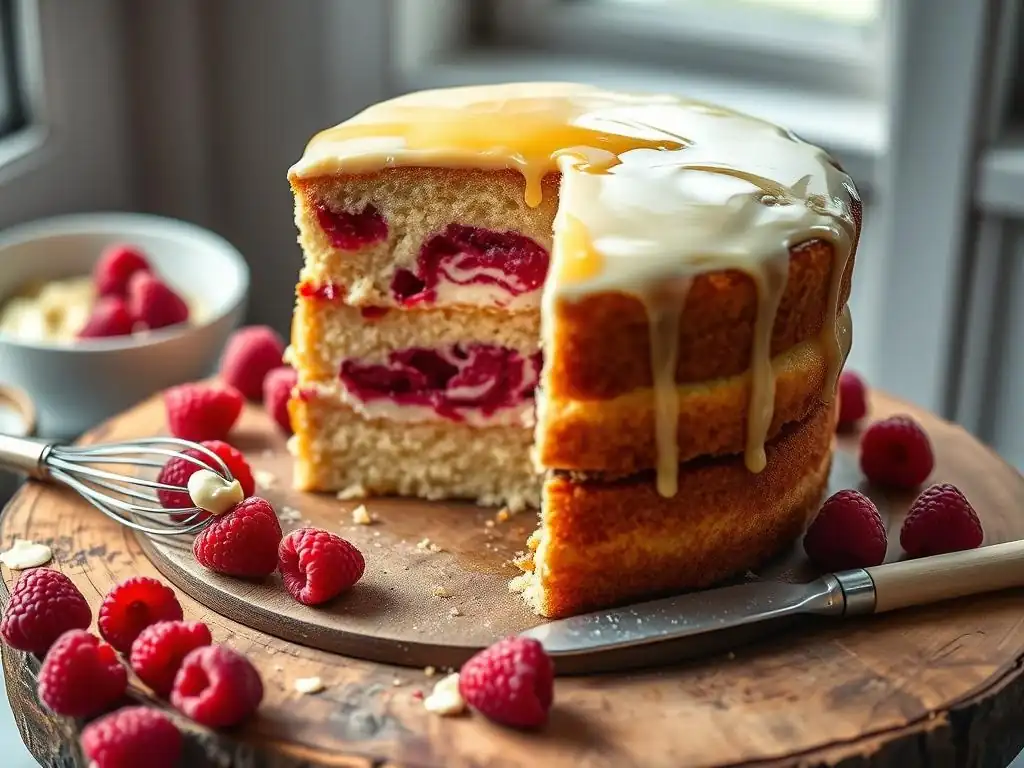
Welcome to BakeWithEase, your partner in crafting deliciousness! Ever dreamt of a layer cake that's both stunning and bursting with flavor? Dive into our guide on easy layer cake filling recipes and unlock the secrets to creating fillings that will elevate your baking from simple to sensational. Discover innovative combinations and foolproof methods that guarantee a perfect balance of taste and texture. Ready to transform your next layer cake into a masterpiece? Let's get baking!
- BakeWithEase Presents: Mastering Layer Cake Fillings
- Understanding Layer Cake Filling Basics for Baking Success
- Easy Layer Cake Filling Recipes: A Baker's Guide
- Simple Methods for Filling Your Layer Cake
- Delicious Layer Cake Filling Ideas: Beyond the Basics
- Troubleshooting Common Layer Cake Filling Problems
- Tips and Tricks for Perfect Layer Cake Filling Every Time
- Storing Your Filled Layer Cake: Keeping it Fresh
- Frequently Asked Questions
- Final Reflection: The Sweetness of Simplicity and Shared Moments
- Unleash Your Inner Cake Artist!
BakeWithEase Presents: Mastering Layer Cake Fillings
Creating a beautiful and delicious layer cake involves more than just baking perfect cake layers; the filling is often the star, adding moisture, flavor, and structure. Mastering easy layer cake filling recipes and techniques is key to elevating your baking from good to unforgettable. Whether you're a beginner tackling your first stacked cake or looking to refine your skills, understanding the fundamentals of filling is crucial. This guide from BakeWithEase will walk you through everything you need to know, from classic fillings to simple methods for assembly.
Layer cakes offer a wonderful canvas for creativity, and the filling plays a vital role in balancing flavors and textures. A well-chosen filling can complement the cake's flavor profile, add a creamy contrast to a tender crumb, or introduce a burst of fruitiness. Learning simple cake filling preparation and application techniques will significantly improve the final result of your baked masterpiece, ensuring stability and a delightful eating experience.
Understanding Layer Cake Filling Basics for Baking Success
Before diving into specific easy layer cake filling recipes, it's essential to understand the fundamental principles that make a filling successful. A great filling needs to contribute positively to the overall cake in terms of texture, flavor, and, importantly, stability, especially for stacked cakes. Ignoring these basics can lead to a beautiful cake collapsing or having an unpleasant consistency.
The interaction between the cake and the filling is also important. A very wet filling might make a delicate cake soggy, while a very stiff filling might push the cake layers apart. Finding the right balance is part of the art of cake assembly. By focusing on these foundational elements, you set yourself up for success with any of the simple layer cake filling options you choose to make.
What Makes a Great Layer Cake Filling? Texture, Flavor, and Stability
A great layer cake filling excels in three key areas: texture, flavor, and stability. Texture provides contrast to the cake layers; think of a smooth, creamy buttercream against a soft sponge, or a tangy fruit compote with a bit of chewiness. Flavor should complement or contrast with the cake itself – a rich chocolate ganache pairs beautifully with vanilla cake, just as a bright lemon curd elevates a berry-flavored layer. The filling should enhance, not overpower, the cake's primary taste.
Stability is paramount, particularly for taller cakes or those that need to hold their shape for transport or display. A filling that is too soft or runny will simply ooze out the sides when layers are stacked, leading to a leaning or collapsed cake. Fillings like firm buttercream, stable ganache, or chilled cream cheese frosting provide the necessary structure.
Even fruit fillings can be stabilized by cooking them down sufficiently or adding a thickening agent like cornstarch or pectin. For a three-layer cake, for instance, the filling must be firm enough to bear the weight of the two layers above it without significant compression or leakage.
Essential Tools and Ingredients for Easy Cake Filling Preparation
Having the right tools and ingredients simplifies the process of preparing and applying easy layer cake filling recipes. Basic kitchen equipment like mixing bowls, whisks (both balloon and whisk attachments for a stand mixer), spatulas (offset spatulas are particularly useful for spreading), and measuring cups and spoons are fundamental. For more complex fillings like curds or custards, a double boiler or a heavy-bottomed saucepan and a fine-mesh sieve might be necessary.
Beyond standard pantry staples like sugar, flour, butter, and eggs, specific ingredients can elevate your fillings. High-quality cocoa powder or chocolate is essential for rich chocolate fillings. Fresh or frozen fruits work wonderfully for compotes and purees. Cream cheese should be full-fat for the best stability and flavor in cream cheese fillings. Extracts like vanilla, almond, or citrus zest add crucial flavor notes. Having these readily available makes preparing delicious layer cake filling ideas much smoother.
Easy Layer Cake Filling Recipes: A Baker's Guide
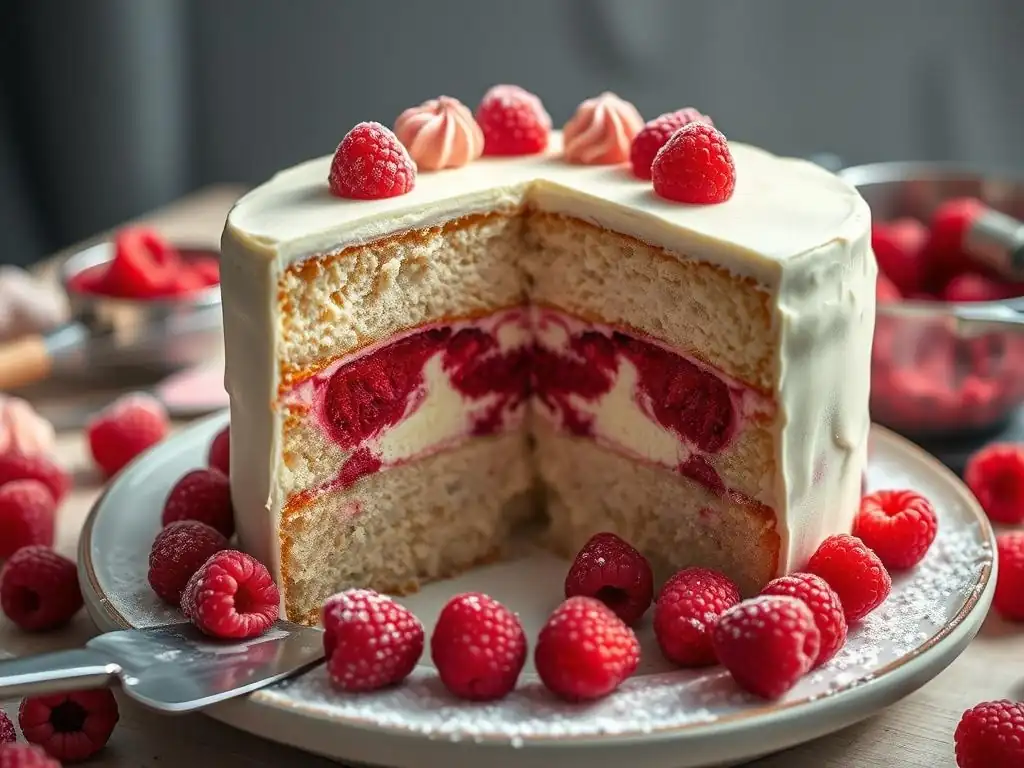
Finding reliable and easy layer cake filling recipes is a game-changer for any home baker. This section explores several popular and simple options that are not only delicious but also relatively straightforward to prepare. These fillings range from classic creamy textures to bright, fruity options, providing versatility for various cake flavors and occasions.
Each of these fillings can be adapted slightly to suit your taste or the specific cake you are making. The key is to start with a solid basic recipe and then feel free to experiment with flavorings and textures. These recipes are designed to be approachable, even for those new to layer cake assembly, offering delicious results without requiring advanced techniques.
Classic Buttercream Filling: A Timeless Choice for Layer Cakes
Buttercream is perhaps the most classic and versatile layer cake filling. Its creamy texture and ability to hold shape make it ideal for stacking. While there are many types of buttercream (American, Swiss Meringue, Italian Meringue, French, German), American buttercream is often considered one of the easiest layer cake filling recipes due to its simple preparation method, typically involving just butter, powdered sugar, and a liquid.
Beyond its ease of preparation, buttercream is incredibly adaptable. It can be flavored with extracts, melted chocolate, fruit purees, or coffee. Its stability is also a major advantage; once chilled, it sets up quite firmly, providing excellent support for multiple cake layers. A standard American buttercream recipe might use a ratio of approximately 1 part butter to 2 parts powdered sugar by weight, though this can be adjusted for desired consistency.
Simple Vanilla Buttercream Recipe for Cake Filling
A simple vanilla buttercream is a staple in easy layer cake filling recipes. It typically involves creaming softened unsalted butter until fluffy, gradually adding powdered sugar (often sifted to prevent lumps), and then mixing in a splash of milk or cream and vanilla extract. The resulting frosting is smooth, sweet, and perfect for pairing with almost any cake flavor, from vanilla bean to red velvet.
The consistency can be adjusted by adding more liquid (for a softer filling) or more powdered sugar (for a stiffer one). For use as a layer cake filling, a slightly stiffer consistency is generally preferred to provide better support. A typical batch using one pound of butter might require around two pounds of powdered sugar and a few tablespoons of liquid.
Chocolate Buttercream Filling: Rich and Decadent
Transforming vanilla buttercream into a rich chocolate filling is straightforward. This variation often involves melting unsweetened or semi-sweet chocolate and beating it into the finished vanilla buttercream, or incorporating cocoa powder along with the powdered sugar. Using high-quality cocoa powder, such as Dutch-processed, can deepen the chocolate flavor significantly.
For a truly decadent chocolate buttercream, one might use a mix of melted chocolate and cocoa powder. Ensure the melted chocolate is cooled slightly before adding it to the buttercream to avoid melting the butter. This simple adaptation turns a basic buttercream into a luxurious filling perfect for chocolate, vanilla, or even coffee-flavored cakes.
Cream Cheese Filling: Tangy and Delightful Layer Cake Option
Cream cheese filling, often in the form of cream cheese frosting, is another beloved option, especially for red velvet, carrot, and spice cakes. Its signature tangy flavor provides a pleasant contrast to sweet cake layers. While softer than some buttercreams, a well-made cream cheese filling can be stable enough for layer cakes, particularly when chilled properly.
The key to a stable cream cheese filling lies in using block-style, full-fat cream cheese and ensuring it is softened but still cool, not warm and mushy. Over-mixing can also make it too soft. Pairing it with the right cake texture, like a denser carrot cake, helps manage its slightly softer consistency compared to a firm buttercream.
Cream Cheese Frosting as a Cake Filling: Tips & Tricks
Using cream cheese frosting as a cake filling requires attention to consistency. Start with softened (but not warm) block cream cheese and beat it until smooth. Add softened butter and beat until combined. Then, gradually add powdered sugar and a splash of vanilla. Beat on low speed just until combined and smooth; over-beating incorporates too much air and can make it less stable.
For added stability when using it as a filling, consider reducing the amount of liquid (milk or cream) typically called for in a frosting recipe, or slightly increasing the ratio of powdered sugar to cheese/butter. Chilling the filled cake thoroughly is also essential for setting the cream cheese filling and ensuring it holds its shape. A standard recipe might use 8 ounces of cream cheese and 1/4 cup of butter to 2-3 cups of powdered sugar.
Fruit Filling for Layer Cakes: Fresh and Flavorful
Fruit fillings bring a burst of freshness and often a pleasant tartness that can cut through the sweetness of cake and frosting. They can range from simple compotes to thickened fruit sauces or purees. Using fresh or frozen fruits allows for vibrant flavors and colors. Fruit fillings are fantastic with vanilla, lemon, almond, or even chocolate cakes.
To make fruit fillings suitable for layer cakes, they often need to be thickened to prevent them from running out the sides. This can be achieved by simmering the fruit until it breaks down and the natural juices reduce, or by adding a thickener like cornstarch, pectin, or even a small amount of gelatin. The level of thickness required depends on the type of fruit and the desired texture; a compote might be chunkier, while a sauce is smoother.
Berry Compote Filling: A Sweet and Tart Delight
A berry compote is one of the most delicious easy layer cake filling recipes involving fruit. It typically involves simmering fresh or frozen berries (like strawberries, raspberries, blueberries, or a mix) with a bit of sugar and sometimes lemon juice. As the berries cook, they release juices, and the mixture thickens naturally. For a more stable filling, a cornstarch slurry can be added towards the end of cooking.
To make a cornstarch-thickened berry compote, combine about 2-3 cups of berries with 1/4 to 1/2 cup of sugar and 1-2 tablespoons of lemon juice in a saucepan. Simmer until the berries start to break down, about 10-15 minutes. Mix 1-2 tablespoons of cornstarch with an equal amount of cold water to form a slurry, then stir it into the simmering berries. Cook for another 1-2 minutes, stirring constantly, until thickened. Let it cool completely before using; it will thicken further as it cools.
Citrus Curd Filling: Zesty and Refreshing
Lemon curd, lime curd, or orange curd makes a wonderfully zesty and refreshing layer cake filling. Curds are rich, creamy, and intensely flavored, made from citrus juice, sugar, eggs, and butter, cooked until thickened. Their bright, tangy profile pairs exceptionally well with vanilla, almond, or even coconut cake layers.
Making citrus curd involves whisking together citrus juice, sugar, and eggs in a saucepan and cooking over low heat, stirring constantly, until the mixture thickens enough to coat the back of a spoon (reaching about 170°F or 77°C). Remove from heat, stir in cold butter until melted and smooth, then strain through a fine-mesh sieve for a silky texture. Chill thoroughly before using as a filling; it will become quite firm when cold. A typical recipe might use the juice and zest of 2-3 lemons, 1/2 cup sugar, 2 eggs, and 1/4 cup butter.
Chocolate Ganache Filling: Smooth and Luxurious Cake Layer
Chocolate ganache is a simple yet incredibly luxurious layer cake filling. Made from just two ingredients – chocolate and hot cream – it transforms into a smooth, rich, and intensely chocolatey filling. Depending on the ratio of chocolate to cream, ganache can range from a pourable glaze to a thick, spreadable filling that sets up firmly when chilled, providing excellent stability for layers.
Dark chocolate ganache is perhaps the most common, offering deep, bittersweet flavor. However, milk chocolate and white chocolate ganache are also popular options, providing sweeter, creamier alternatives. The simplicity of its preparation makes it one of the most appealing easy layer cake filling recipes for chocolate lovers.
Dark Chocolate Ganache Filling Recipe
Dark chocolate ganache for filling typically uses a ratio of about 1 part heavy cream to 1.5 to 2 parts finely chopped dark chocolate. Heat the cream in a saucepan until it just begins to simmer. Remove from heat and pour it over the chopped chocolate in a heatproof bowl. Let it sit for 5-10 minutes to allow the chocolate to melt, then gently whisk or stir from the center outwards until smooth and emulsified.
For a spreadable filling consistency, let the ganache cool at room temperature, stirring occasionally, until it reaches a thick, peanut butter-like texture. This can take anywhere from 1 to 3 hours depending on room temperature and quantity. Do not refrigerate it while cooling to this stage, as it can become too hard or grainy.
White Chocolate Ganache Filling Recipe
White chocolate ganache requires a different ratio due to the lower cocoa solid content in white chocolate. A common ratio for a spreadable white chocolate filling is about 2.5 to 3 parts finely chopped white chocolate to 1 part heavy cream. Heat the cream just to a simmer, pour over the chopped white chocolate, let sit, then stir until smooth.
White chocolate ganache can be trickier than dark or milk chocolate ganache and is more prone to seizing or becoming oily if overheated or over-stirred. Allow it to cool at room temperature to thicken, similar to dark chocolate ganache. It will also set up firmly when chilled, making it a good option for layer cake stability.
Simple Methods for Filling Your Layer Cake
Preparing delicious easy layer cake filling recipes is only half the battle; applying them correctly is just as important for a professional-looking and stable cake. Simple techniques can make a big difference in preventing filling leakage, ensuring even layers, and creating a clean finish. Mastering these methods will make your layer cake assembly process much smoother and more successful.
These techniques are applicable whether you're using buttercream, ganache, cream cheese, or even fruit fillings. They focus on preparing your cake layers, containing the filling, applying it neatly, and allowing it to set properly.
Leveling Your Cake Layers for Even Filling Distribution
Leveling cake layers is a crucial first step in creating a stable and attractive layer cake. Most cakes bake with a dome on top, making the surface uneven. Stacking domed layers results in a wobbly cake with inconsistent filling thickness. Use a serrated knife or a cake leveler to carefully slice off the dome, creating a flat surface.
Ensure your cake layers are completely cooled before leveling. Warm cakes are fragile and prone to crumbling. Aim for layers of equal thickness for a balanced look and even distribution of your delicious layer cake filling. The removed cake scraps, often called "cake tops," are perfect for snacking or making cake pops!
Creating a Dam to Prevent Filling Leakage
For softer fillings like fruit compotes, curds, or even less stable cream cheese frostings, creating a "dam" around the edge of the cake layer is essential. This dam acts as a barrier, preventing the softer filling from squeezing out when the next cake layer is placed on top and the cake is frosted.
The dam is typically made using a stiffer frosting, often buttercream, piped around the perimeter of the cake layer about 1/2 to 1 inch from the edge. The area within the dam is then filled with the softer filling. This technique is particularly important for multi-layer cakes where the weight of the upper layers can exert significant pressure.
Using Buttercream to Build a Filling Dam
Buttercream is the most common and effective material for creating a filling dam. Its stability and ability to hold a piped shape make it ideal. Load a piping bag with a stiff buttercream (American buttercream works well for this) fitted with a plain round tip or simply snip off the end of the bag.
Pipe a ring of buttercream around the top edge of the first cake layer, staying about 1/2 to 1 inch from the edge. Ensure the dam is uniform in height and thickness. Once the dam is complete, you can confidently spoon or spread your softer layer cake filling recipes within the ring.
Alternatives to Buttercream Dam
While buttercream is standard, other stiff frostings or materials can be used to create a dam. A very stiff ganache that has set up firmly can work, though it's less common for this purpose. In some cases, if the main frosting you plan to cover the cake with is very stable (like a firm Swiss meringue buttercream), you can use that same frosting to pipe the dam.
For certain fillings, like a very thick fruit jam or curd that sets up quite firmly when chilled, a dam might not be strictly necessary, but it still provides an extra layer of security, especially for taller cakes. Consider the consistency of your chosen layer cake filling ideas when deciding if a dam is needed.
Applying the Filling: Achieving Consistent Thickness
Once the dam is in place (if using one), applying the filling evenly is the next step. For softer fillings contained by a dam, simply spoon or pipe the filling into the center and gently spread it to the edges of the dam using an offset spatula or the back of a spoon. Avoid overfilling, which could still cause leakage.
For stiffer fillings like buttercream or ganache, you can spread them directly onto the cake layer using an offset spatula. Start with a generous dollop in the center and spread it outwards, maintaining an even thickness across the entire layer, right up to the edge. Aim for a consistent layer, perhaps 1/4 to 1/2 inch thick, depending on your preference and the filling's richness.
Chilling the Filled Cake: Setting the Filling for Stability
After assembling each layer with its filling, chilling the cake is a critical step, especially when using easy layer cake filling recipes that are soft or rely on temperature to set. Refrigerating the cake allows the filling to firm up, creating a more stable structure before adding the next layer or applying the final crumb coat and decoration.
Place the partially assembled cake in the refrigerator for at least 20-30 minutes after adding each layer of filling. For cakes with multiple layers or softer fillings like cream cheese or curd, chilling for an hour or more is beneficial. This ensures the layers don't shift and the filling is firm enough to support the weight of subsequent layers and frosting.
Delicious Layer Cake Filling Ideas: Beyond the Basics
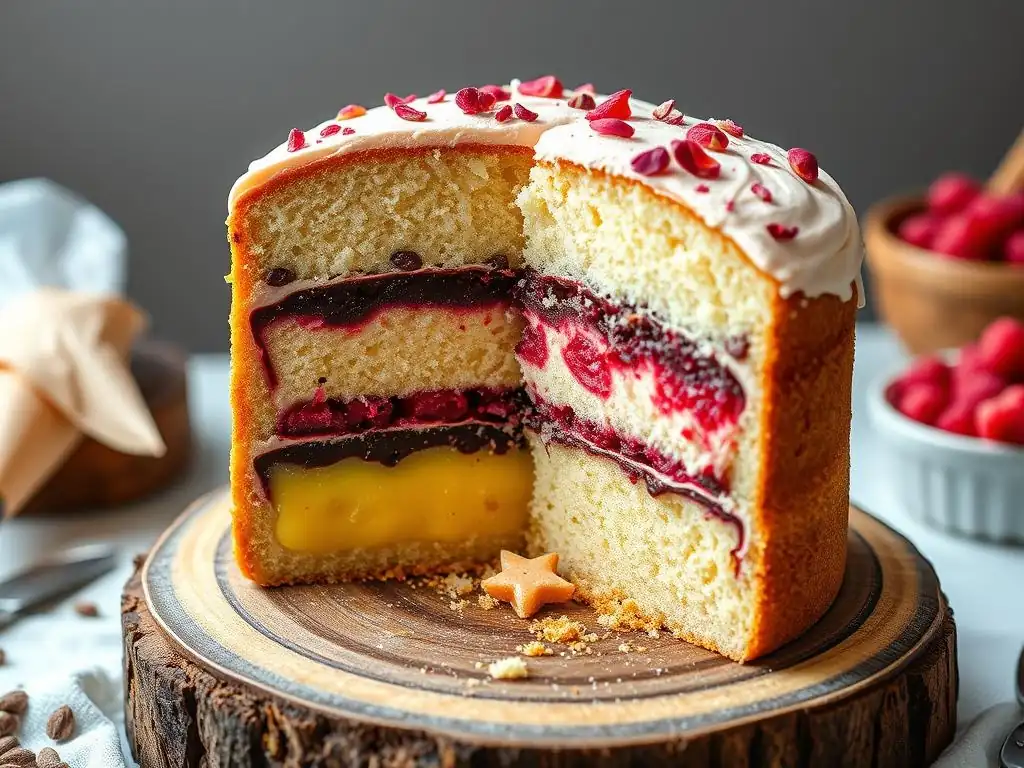
While classic fillings like buttercream and ganache are wonderful, exploring other delicious layer cake filling ideas can add unique flavors and excitement to your bakes. These options go beyond the most common choices, offering nutty, sweet-and-savory, or tropical notes that can elevate your cake to something truly special.
Experimenting with different flavors allows you to create custom cakes for specific tastes or occasions. These ideas demonstrate the versatility of layer cake fillings and encourage creativity in the kitchen.
Peanut Butter Filling: A Nutty Cake Indulgence
For peanut butter lovers, a peanut butter filling is an absolute treat. It can be made by whipping peanut butter into a standard buttercream base or by creating a lighter, fluffier version with cream cheese or whipped cream. The rich, nutty flavor pairs exceptionally well with chocolate, banana, or even vanilla cake.
A simple peanut butter buttercream can be made by creaming together softened butter and peanut butter, then beating in powdered sugar and a splash of milk until smooth. For added depth, a pinch of salt can enhance the peanut butter flavor. This filling is quite stable due to the peanut butter's texture and sets up well when chilled.
Salted Caramel Filling: Sweet and Savory Perfection
Salted caramel filling offers a delightful balance of sweet and savory flavors. It can be a simple pourable caramel sauce thickened slightly, or a caramel buttercream or mousse. The depth of flavor from the cooked sugar and the hint of salt creates an addictive combination that works beautifully with chocolate, vanilla, apple, or even coffee cakes.
Making a salted caramel involves cooking sugar until it caramelizes, carefully whisking in butter, and then adding warm heavy cream and salt. For a filling, this sauce can be used on its own (if thick enough) or, more commonly, whipped into buttercream or folded into whipped cream for a lighter texture. A stable version might involve cooking the caramel to a higher temperature or incorporating it into a Swiss meringue buttercream.
Coffee Flavored Filling for Cake: A Mocha Dream
For coffee aficionados, a coffee-flavored filling turns a cake into a mocha dream. This can be achieved by adding strong brewed coffee, espresso powder, or coffee liqueur to fillings like buttercream, ganache, or cream cheese frosting. The bitterness of coffee provides a lovely counterpoint to the sweetness of the cake and frosting.
Adding espresso powder directly to powdered sugar in a buttercream recipe or dissolving it in the liquid component is a simple way to infuse coffee flavor. For ganache, infusing the cream with coffee beans before heating, or adding instant espresso powder, works well. Aim for a balance where the coffee flavor is distinct but not overwhelming.
Coconut Cream Filling: Tropical Cake Paradise
A coconut cream filling brings a taste of the tropics to your layer cake. This can be a rich coconut pastry cream, a light and airy coconut whipped cream, or a coconut-flavored buttercream. It pairs wonderfully with vanilla, lime, pineapple, or even chocolate cake layers.
Using full-fat coconut milk or cream (the solid part from a can of chilled coconut milk) is key for rich flavor and texture. A coconut pastry cream involves cooking coconut milk with sugar, egg yolks, and a thickener like cornstarch. For a lighter option, whip chilled coconut cream with a little powdered sugar and vanilla. Adding shredded coconut can also enhance the texture and flavor.
Troubleshooting Common Layer Cake Filling Problems
Even with easy layer cake filling recipes, issues can sometimes arise during preparation or assembly. Knowing how to troubleshoot common problems like fillings that are too soft, too stiff, or cause layers to slide can save your cake and your sanity. Addressing these issues promptly ensures your final cake is stable and looks as good as it tastes.
Understanding the potential pitfalls and their solutions is part of mastering the art of cake assembly. Most problems have straightforward fixes that require simple adjustments to temperature, consistency, or technique.
Filling Too Soft or Runny: How to Fix It
A filling that is too soft or runny is a common issue and can lead to a collapsing cake. This often happens if ingredients weren't measured correctly, if the mixture was over-mixed (incorporating too much air into butter-based fillings), or if the filling is too warm.
- For Buttercream/Cream Cheese: If it's just slightly soft, try chilling it in the refrigerator for 15-30 minutes, then re-whipping briefly. If it's significantly too soft, you may need to add more powdered sugar (for American buttercream/cream cheese) or re-whip with chilled butter (for meringue-based buttercreams).
- For Ganache: If it's too runny, it needs more chocolate relative to cream. Gently reheat a small portion of the cream, pour it over more finely chopped chocolate, and stir until melted, then whisk this thicker mixture into your runny ganache. Alternatively, if it just needs to thicken for spreading, simply continue to cool it at room temperature, stirring occasionally. Refrigerating ganache to speed thickening often makes it too hard or causes texture issues.
- For Curds/Compotes: If they are not thick enough after cooking and cooling, you may need to gently reheat the mixture and add a cornstarch or pectin slurry, cooking for another minute or two until thickened.
Filling Too Stiff or Dry: Solutions and Adjustments
Conversely, a filling that is too stiff or dry can be difficult to spread and might result in a cake that feels heavy or crumbly. This can happen if too much powdered sugar was added, or if a filling like ganache was refrigerated too long and became too hard.
- For Buttercream/Cream Cheese: Gradually beat in a small amount of liquid (milk, cream, or even water) or melted butter, one teaspoon at a time, until the desired consistency is reached.
- For Ganache: If refrigerated and too hard, let it sit at room temperature until it softens. If it's still too stiff or has seized, gently warm it over a double boiler or in the microwave on low power in short bursts (stirring frequently) until it becomes spreadable. Be careful not to overheat. Adding a tiny amount of hot cream and stirring can also help.
- For Curds/Compotes: These are less likely to be too stiff unless overcooked. If they are, you could try stirring in a tiny amount of liquid (like juice or water) while gently warming, but be cautious not to make them too runny.
Preventing Cake Layers from Sliding: Filling Stability Tips
Sliding cake layers are often a symptom of an unstable filling or uneven layers. Ensuring your filling is the correct consistency and using proper assembly techniques are key to preventing this.
- Use a Stable Filling: Choose easy layer cake filling recipes that set up firmly when chilled, like American buttercream, firm ganache, or chilled cream cheese frosting. Softer fillings must be contained within a dam.
- Level Layers: Start with flat, level cake layers for even weight distribution.
- Chill: Chill the cake after adding each layer of filling to allow it to set and firm up. Chilling the entire filled stack before applying the crumb coat is also beneficial.
- Crumb Coat: Applying a thin layer of frosting (a crumb coat) to the outside of the filled and stacked cake and chilling it helps lock everything in place before the final frosting layer.
- Dowel (for tall cakes): For cakes with three or more layers, consider inserting cake dowels or supports through the stacked layers and filling. These provide internal structure, transferring the weight of upper layers to the cake board, not just the filling. A three-layer cake might benefit from 3-4 dowels spaced evenly.
Tips and Tricks for Perfect Layer Cake Filling Every Time
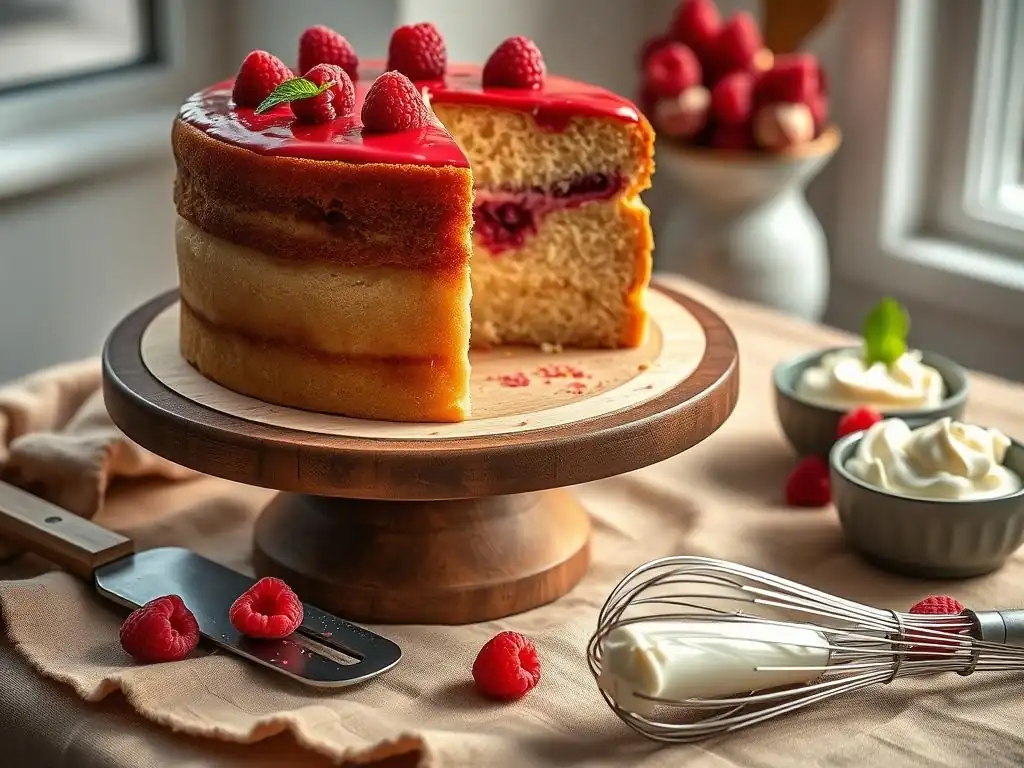
Achieving perfect layer cake filling consistently involves more than just following easy layer cake filling recipes. A few simple tips and tricks related to flavor pairing, sweetness adjustment, and flavor enhancement can make a significant difference in the final taste and overall success of your cake.
These insights help you tailor fillings to specific cakes and preferences, ensuring each bite is delicious and harmonious.
Choosing the Right Filling for Your Cake Flavor
The best filling complements the cake flavor. A rich chocolate cake pairs well with contrasting flavors like raspberry, coffee, or peanut butter, or it can be enhanced by more chocolate (ganache, chocolate buttercream). A delicate vanilla cake is versatile and works with almost anything – fruit, lemon curd, vanilla buttercream, or even a subtle caramel.
Consider the overall flavor profile you want to achieve. Do you want sweet and classic (vanilla cake with vanilla buttercream), tangy and fresh (lemon cake with berry filling), or rich and indulgent (chocolate cake with ganache)? Think about texture too; a dense cake might benefit from a lighter filling, while a light sponge can handle a richer one.
Adjusting Sweetness Levels in Your Filling
Many easy layer cake filling recipes can be quite sweet, especially those based on powdered sugar. Adjusting the sweetness is a simple way to balance the overall flavor of your cake. You can reduce the amount of sugar slightly, or introduce contrasting flavors like salt (in caramel or chocolate fillings), acidity (lemon juice in fruit fillings or cream cheese), or bitterness (cocoa powder, coffee).
Taste your filling as you go (where appropriate, like with buttercream or cream cheese). If it's too sweet, a pinch of salt or a splash of lemon juice or extract can sometimes help balance it. If using fruit, slightly less sugar in the compote lets the fruit's natural tartness shine.
Enhancing Filling Flavor with Extracts and Zests
Extracts and zests are powerful tools for boosting the flavor of your layer cake fillings without adding extra liquid or significantly changing the texture. Pure vanilla extract is a staple, enhancing almost any sweet filling. Almond extract pairs beautifully with cherry or raspberry fillings.
Citrus zests (lemon, orange, lime) add a bright, aromatic punch to buttercreams, cream cheese fillings, or fruit preparations. Use the zest of organically grown fruit if possible, and only scrape the colored part, avoiding the bitter white pith. A little goes a long way, so start with a small amount and add more to taste. Consider using a microplane zester for the finest texture and best flavor release.
Storing Your Filled Layer Cake: Keeping it Fresh
Proper storage is essential to keep your filled layer cake fresh, moist, and delicious. The best storage method depends largely on the type of filling used, as some fillings require refrigeration while others are stable at room temperature. Knowing how to store your cake ensures that your effort in preparing delicious easy layer cake filling recipes pays off in prolonged enjoyment.
Whether you plan to serve the cake within a day or two or need to store it for a longer period, following best practices will maintain its quality and safety.
Best Practices for Refrigerating a Filled Cake
Cakes filled with dairy-based fillings like cream cheese, pastry cream, whipped cream, mousse, or fillings containing fresh fruit or curd must be refrigerated to prevent spoilage. Even cakes with buttercream or ganache benefit from refrigeration, as it helps the filling and frosting set and maintain stability.
To refrigerate a filled cake, first ensure any exposed cut surfaces are covered (if storing leftovers). Place the cake in an airtight cake carrier or loosely cover it with plastic wrap, being careful not to smudge the frosting. Refrigerate until about 30-60 minutes before serving to allow the cake layers to soften slightly from the chill, resulting in a better texture. Cakes with dairy fillings can typically be stored in the refrigerator for 3-4 days.
Freezing a Filled Layer Cake: Long-Term Storage Options
Freezing is an excellent option for storing a filled layer cake for longer periods, up to 2-3 months, depending on the filling. Cakes filled with buttercream or ganache freeze very well. Cakes with delicate fillings like fresh fruit, pastry cream, or whipped cream can be frozen, but their texture may change slightly upon thawing.
To freeze a filled cake, first chill the cake in the refrigerator until the frosting is firm. Then, wrap the cake tightly in plastic wrap, followed by a layer of aluminum foil or place it in a freezer-safe container. This double layer of protection helps prevent freezer burn. To thaw, transfer the wrapped cake to the refrigerator overnight. Once thawed, unwrap and let it come to room temperature for an hour or two before serving.
Frequently Asked Questions
How can I prevent my layer cake filling from squeezing out the sides?
To prevent filling squeeze-out, create a dam of frosting around the edge of each cake layer before adding the filling. This acts as a barrier. Also, avoid using too much filling.
What are some easy, non-dairy options for layer cake fillings?
Consider using coconut cream, fruit purees, or a chocolate ganache made with dairy-free chocolate and plant-based milk. These options offer rich flavor and smooth texture.
How far in advance can I fill my layer cake?
Ideally, fill your cake no more than 24 hours before serving. This prevents the cake from becoming soggy. Store it covered in the refrigerator.
What's the simplest way to make a stable whipped cream filling?
Stabilize whipped cream by adding powdered sugar and a small amount of gelatin or cornstarch. This will help it hold its shape longer and prevent it from weeping.
Can I use store-bought frosting as a layer cake filling?
Yes, you can! Store-bought frosting is perfectly acceptable. Consider whipping it with a bit of heavy cream to make it lighter and fluffier.
The art of crafting a perfect layer cake isn't just about the recipe; it's about the joy of creating something beautiful and delicious to share. This article explored simple, yet impactful, filling recipes, proving that extraordinary flavor doesn't require extraordinary effort. From classic buttercream to vibrant fruit curds, the possibilities are endless, and surprisingly accessible.
The enduring appeal of layer cakes lies not only in their taste, but in the memories they evoke. They are symbols of celebration, of gatherings, of shared sweetness. The act of baking, and especially the careful layering and decorating, becomes a meditative process, a moment of mindful creation. A cake is a celebration; it's a moment of joy, a symbol of happiness.
This simple truth resonates deeply, reminding us of the power of food to connect us and create lasting memories.
Now, I invite you to consider your own approach to baking. Don't be intimidated by the seemingly complex world of layer cakes. Embrace the simplicity of these recipes, experiment with flavors, and most importantly, share your creations with those you love. Let the sweetness of a homemade layer cake be a reminder of the simple joys in life, and the power of connection through shared experiences. The next time you bake, remember the joy of filling your layer cake, and filling your life, with delicious moments.
Unleash Your Inner Cake Artist!
Thanks for joining us on this delicious journey into the world of layer cakes! We hope you've gained some inspiration and confidence in your baking abilities. Now it's time to put your newfound knowledge to the test.
- Bake your dream layer cake! Use the techniques and recipes we shared to create your masterpiece. Don't be afraid to experiment with flavors and frostings – the possibilities are endless!
- Share your creation with us! We'd love to see your beautiful cakes and hear about your baking experience. Tag us on social media – we’re always looking for inspiration.
- Consider challenging yourself: Try a new flavor combination or decorating technique this week!
What unique twist will you add to your next layer cake? Let's hear your ideas in the comments below!