
Naked Cakes Explained: How to Get That Effortless Look

Welcome to BakeWithEase, your trusted guide to the sweet world of baking! Ever wondered how to achieve that effortlessly chic look of a naked cake? Well, you're in the right place. Discover our naked cake frosting recipe and unlock the secrets to creating stunning, minimalist desserts that are as delicious as they are beautiful. Intrigued? Let's dive in and learn how to frost your way to cake perfection!
- What is a Naked Cake? Understanding the Trend
- Achieving the Effortless Naked Cake Look: A Step-by-Step Guide
- Naked Cake Frosting Recipe Variations: Exploring Flavors
- Tips and Tricks for Naked Cake Success
- Troubleshooting Common Naked Cake Problems
- Naked Cake Ideas and Inspiration
- Mastering the Art of the Naked Cake
- Frequently Asked Questions
- Final Reflection: The Enduring Allure of the Naked Cake
- Unleash Your Inner Cake Artist!
What is a Naked Cake? Understanding the Trend
Defining the Naked Cake Aesthetic: Simplicity and Elegance
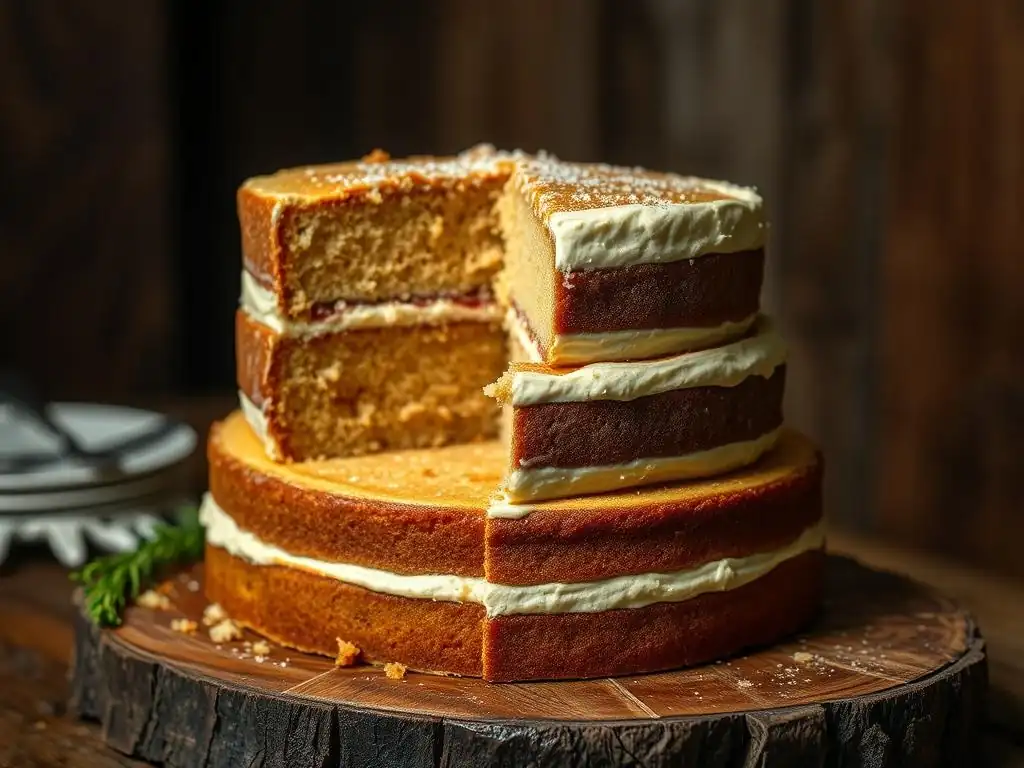
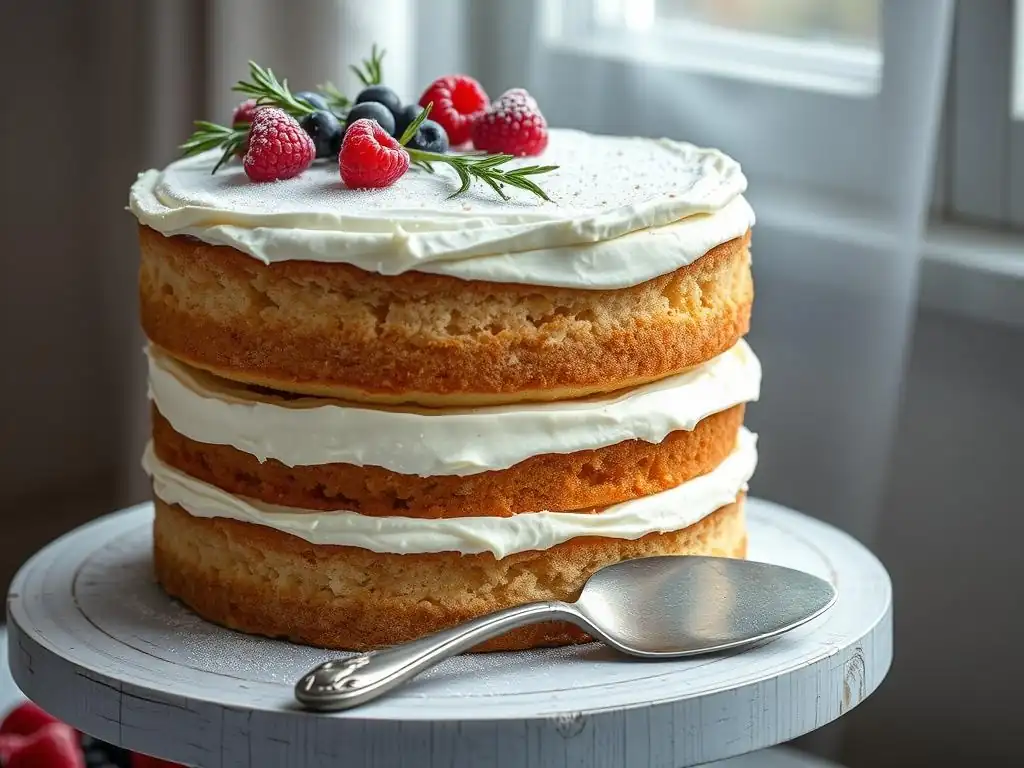
A naked cake is a style of cake where the outside is not completely covered in frosting. Instead, the cake layers and filling are intentionally left partially exposed, creating a rustic, minimalist, or natural look. The amount of frosting can vary from a very thin, almost transparent "scrape" coat that allows the cake's color to show through, to slightly thicker layers between tiers with minimal frosting on the sides, revealing large portions of the cake itself. The focus shifts from intricate frosting decorations to the beauty of the cake layers, fillings, and simple, natural adornments.
This aesthetic celebrates the texture and color of the baked goods themselves. Unlike traditional cakes where a thick layer of buttercream or fondant provides a smooth canvas for elaborate designs, the naked cake embraces imperfections and showcases the layers of sponge and filling. It often features clean lines between layers of cake and frosting, highlighting the structure rather than concealing it. This style is popular for those who prefer a less sweet cake or appreciate a more earthy, unpretentious presentation that feels both modern and timeless.
The Rise of Naked Cakes: Why Are They So Popular?
The popularity of naked cakes soared in the early 2010s, heavily influenced by wedding trends leaning towards rustic, bohemian, and outdoor themes. They offered a refreshing alternative to traditional, heavily frosted wedding cakes, fitting perfectly into barn venues, garden parties, and vineyard celebrations. This trend quickly spread beyond weddings to birthdays, anniversaries, and other special occasions, becoming a staple in contemporary cake design.
Several factors contributed to their rise. Firstly, the aesthetic aligns with a broader cultural shift towards natural, organic, and less processed appearances. Secondly, they are often perceived (though not always easier to execute perfectly) as simpler and less labor-intensive than flawlessly smooth, fully frosted cakes, appealing to busy bakers and customers alike. Furthermore, the reduced amount of frosting makes them potentially less sweet for some palates, and their unique look is highly photogenic, making them a favorite on social media platforms like Pinterest and Instagram, further fueling their demand.
Achieving the Effortless Naked Cake Look: A Step-by-Step Guide
Baking the Perfect Cake Layers for a Naked Cake
Choosing the Right Cake Recipe for a Naked Cake
Selecting the appropriate cake recipe is crucial for a successful naked cake. Since the sides are exposed, the cake layers must be sturdy enough to support the tiers without crumbling excessively when handled or when the minimal frosting is applied. Recipes that yield moist, slightly dense crumbs work best. Classic choices include vanilla bean, chocolate, red velvet, or even a sturdy lemon or almond cake. Avoid very delicate or crumbly cakes like some chiffon or angel food recipes, as they can be difficult to handle and assemble without significant breakage.
Moisture is paramount because the limited frosting doesn't seal in moisture as effectively as a full coat. Recipes incorporating ingredients like buttermilk, sour cream, oil, or melted butter tend to produce moist results. For instance, a rich butter cake or a classic oil-based chocolate cake often performs well. Consider the flavor pairing with your chosen naked cake frosting recipe as well; a tangy cream cheese frosting pairs beautifully with red velvet or carrot cake, while a light vanilla bean frosting complements almost any flavor.
Tips for Even Baking and Level Cake Layers
Achieving evenly baked and level cake layers is fundamental for the clean lines and stability required in a naked cake. Start by weighing your ingredients for accuracy, especially flour and sugar. Ensure your oven temperature is calibrated and consistent; using an oven thermometer is highly recommended. Fill your cake pans evenly – weighing the batter in each pan ensures uniform size and baking time.
To prevent doming and encourage level tops, you can use cake strips soaked in water and wrapped around the pans. Don't overbake the cakes; bake just until a toothpick inserted into the center comes out clean or with a few moist crumbs attached. Allow cakes to cool in their pans for 10-15 minutes before inverting onto a wire rack to cool completely.
Once fully cooled, use a serrated knife, cake leveler, or even dental floss to carefully trim off any domes and ensure each layer is perfectly flat. Chilling the trimmed layers in the refrigerator or freezer makes them firmer and easier to handle during assembly, minimizing crumbs.
Naked Cake Frosting Essentials: Creating the Perfect Base
Understanding Naked Cake Frosting Characteristics: Lightness and Stability
The frosting used for a naked cake serves two primary purposes: providing delicious flavor between the layers and acting as the structural glue that holds the tiers together. However, unlike traditional cakes, the frosting is not used to create a flawless exterior shell. Therefore, the ideal naked cake frosting needs to be stable enough to support the weight of the cake layers without bulging or squeezing out excessively, while also being light enough in texture and application so as not to completely obscure the cake layers.
A good naked cake frosting recipe should spread relatively smoothly but doesn't need to be perfectly airbrush-smooth. It should hold its shape when applied between layers and when scraped on the sides. Frostings that are too soft or runny will cause the cake to lean or collapse, especially in taller cakes. Conversely, frostings that are too stiff can be difficult to apply thinly or scrape back effectively to achieve the signature "barely there" look. The balance lies in a frosting that is firm enough for structure but pliable enough for manipulation.
The Best Types of Frosting for Naked Cakes
Several types of frosting are well-suited for the naked cake style, each offering different characteristics in terms of flavor, texture, and stability. The choice often depends on the cake flavor, desired level of sweetness, and the environment the cake will be in (e.g., a warm outdoor event requires a very stable frosting). Popular options include various buttercreams, cream cheese frosting, and stabilized whipped cream.
When considering a naked cake frosting recipe, think about how it complements the cake. A rich chocolate cake might pair well with a stable chocolate ganache or a dark chocolate buttercream, while a light vanilla cake could work with a simple Swiss meringue buttercream or a classic vanilla bean recipe. Let's look at some specific types often used for that perfect naked cake finish.
Whipped Cream Frosting for Naked Cakes: A Light and Airy Option
Whipped cream frosting offers a wonderfully light and airy texture, making it a less sweet alternative to buttercream. However, plain whipped cream is often too unstable for layering, especially in warmer conditions. To make it suitable for a naked cake, it must be stabilized. Stabilization can be achieved by adding ingredients like gelatin, cornstarch, or even a small amount of cream cheese or mascarpone.
A stabilized whipped cream frosting works beautifully as a filling and a very thin side coating for a naked cake, contributing to a delicate aesthetic. It pairs exceptionally well with fruit-forward cakes or fillings. However, even stabilized whipped cream is less forgiving in heat than buttercream or ganache, so it's best suited for cakes that will be kept chilled until serving time.
Cream Cheese Frosting for Naked Cakes: Tangy and Delicious
Cream cheese frosting is a classic choice, particularly for red velvet, carrot, or spice cakes. Its slight tanginess provides a lovely contrast to sweet cake layers. For a naked cake, it's essential to use a cream cheese frosting recipe that is firm enough to provide structure. This usually means ensuring a good ratio of butter and powdered sugar to cream cheese. Using block cream cheese (not spreadable tub varieties) is also key for stability.
A stable cream cheese naked cake frosting recipe can be applied in a thicker layer between tiers for a substantial filling, and then scraped back on the sides to achieve the naked look. It holds its shape relatively well when chilled but can soften significantly at room temperature, so refrigeration is necessary. Its slightly softer consistency compared to some buttercreams can make achieving a perfectly uniform scrape challenging, but this often contributes to the rustic charm of a naked cake.
Swiss Meringue Buttercream for Naked Cakes: Silky and Stable
Swiss meringue buttercream (SMBC) is made by whisking egg whites and sugar over heat, then whipping them into a stiff meringue before gradually adding butter. This process results in a frosting that is exceptionally smooth, silky, less sweet than American buttercream, and very stable. Its smooth texture makes it ideal for applying thinly and scraping back cleanly on the sides of a naked cake.
SMBC holds up well at room temperature compared to cream cheese or whipped cream frostings, making it a popular choice for wedding cakes or events where the cake will be displayed for a while. It can be flavored easily with vanilla, chocolate, fruit purées, or extracts. While the process might seem more complex than simply creaming butter and sugar, the resulting smooth, stable, and less sweet frosting is perfectly suited for the elegant finish of a naked cake.
Naked Cake Assembly: Layering and Filling Techniques
Preparing the Cake Layers for Assembly
Proper preparation of your cake layers is vital for a smooth assembly process and a beautiful final naked cake. As mentioned earlier, ensure your cake layers are completely cooled and perfectly level. Using a long serrated knife or a dedicated cake leveler, carefully trim off any domes from the tops of the layers. For multi-tiered cakes, it's often helpful to measure the height of each layer to ensure consistency.
To add moisture and flavor, especially important since the minimal frosting doesn't fully protect the cake, you can brush the cut sides of the layers with simple syrup (a mixture of equal parts sugar and water, heated until sugar dissolves and cooled). This step is particularly beneficial for cakes that might dry out quickly. Finally, and perhaps most importantly, chill your trimmed and potentially syrup-soaked cake layers in the refrigerator for at least 30 minutes, or the freezer for 15-20 minutes, until they are firm. Cold cakes are much easier to handle, stack, and frost with minimal crumbling.
Applying the Naked Cake Frosting: Achieving the "Barely There" Look
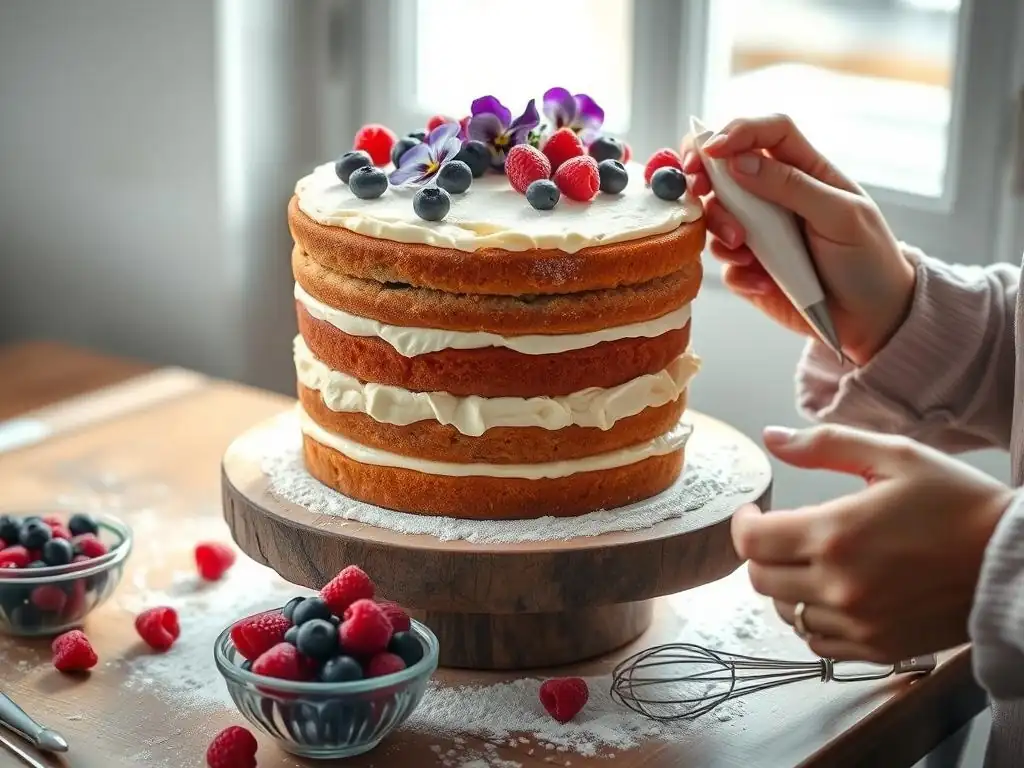
Applying the frosting for a naked cake requires a different approach than fully covering a cake. The goal is controlled imperfection. Start by placing the first cake layer on your cake stand or serving plate. Apply a generous, even layer of your chosen naked cake frosting recipe on top of this layer using an offset spatula. The amount of frosting here is usually more substantial than what will go on the sides, as it serves as the main filling.
Carefully place the next cake layer on top, ensuring it is centered and level. Gently press down to secure the layers and allow the frosting to spread slightly to the edges. Repeat for all layers. Once stacked, the frosting will be visible as a layer between the cakes.
Now, for the "naked" part: take a small amount of frosting on your offset spatula or a bench scraper. Starting from the top edge and working your way down, apply a very thin layer of frosting to the sides of the cake. The key is to use just enough frosting to barely cover some areas while leaving others exposed.
You can then use a bench scraper held perpendicular to the cake side to gently scrape away excess frosting, creating that signature streaky, exposed look. Some bakers prefer applying dollops and then scraping, while others apply a thin layer and then scrape most of it off. Practice will help you find the technique that achieves the desired level of "nakedness."
Filling Options for Naked Cakes: Jams, Curds, and More
While the frosting between the layers is essential for structure and flavor, naked cakes also offer a fantastic opportunity to incorporate additional fillings that peek out appealingly between the tiers. These fillings add extra moisture, flavor, and visual interest. Popular choices include fruit jams, lemon curd, pastry cream, caramel, chocolate ganache, or even fresh fruit slices embedded in the frosting layer.
When choosing a filling, consider how its texture and flavor will complement the cake and frosting. A bright raspberry jam or tangy lemon curd can cut through the richness of a buttercream or cream cheese frosting. A rich chocolate ganache makes a decadent filling for a chocolate or vanilla cake.
Ensure that any filling used is relatively thick and stable enough not to squeeze out excessively when the cake layers are stacked. For instance, if using jam, a thicker preserve works better than a runny one. Applying a ring of frosting around the edge of each layer before adding the filling inside this dam helps contain softer fillings.
Decorating Your Naked Cake: Natural and Rustic Touches
Fresh Fruit Decorations for Naked Cakes: Berries, Figs, and More
Fresh fruit is one of the most popular and visually appealing ways to decorate a naked cake, perfectly complementing its natural aesthetic. Berries like strawberries, raspberries, blueberries, and blackberries are classic choices, often piled on top or cascading down the sides. Sliced figs, pomegranate seeds, grapes, or even citrus segments can also add pops of color and texture.
When using fresh fruit, ensure it is washed and thoroughly dried. Arrange the fruit naturally on the top surface, positioning larger pieces strategically and filling in with smaller berries. You can also place pieces on the edges of the layers or tuck them into the frosting seams on the sides for a more organic look. Using seasonal fruit not only ensures the best flavor but also aligns with the natural, rustic theme.
Floral Decorations for Naked Cakes: Choosing the Right Blooms
Flowers add an element of romance and elegance to naked cakes, making them especially popular for weddings and anniversaries. However, it is crucial to use food-safe flowers or take precautions to prevent direct contact between flowers and the cake. Many florists can provide food-safe flowers (those grown without pesticides or harmful chemicals) or wire flowers with floral tape and insert them into plastic picks or straws before placing them in the cake.
Consider the overall color scheme and style of the event when choosing flowers. Popular food-safe options include roses, peonies, ranunculus, dahlias, and various herbs like rosemary or mint. Eucalyptus leaves or other non-toxic greenery can also be used for a natural touch. Always research the toxicity of any flower before placing it on or near food.
Dusting with Powdered Sugar: A Simple Finishing Touch
For the most minimalist naked cakes, or as a final touch after adding fruit or flowers, a light dusting of powdered sugar can provide a delicate, ethereal finish. This simple technique adds a subtle sweetness and visually softens the edges of the cake layers and frosting.
Use a fine-mesh sieve or a sugar shaker to lightly sift powdered sugar over the top surface of the cake. Avoid using too much, as it can obscure the naked look. A light, even dusting is usually sufficient. This technique is quick, easy, and enhances the elegant simplicity of the naked cake aesthetic.
Naked Cake Frosting Recipe Variations: Exploring Flavors
Vanilla Bean Naked Cake Frosting Recipe: A Classic Choice
A classic vanilla bean frosting is a versatile and always-popular choice for naked cakes. It pairs well with almost any cake flavor and allows the cake itself to be the star. A stable vanilla bean naked cake frosting recipe often starts with a base of butter and powdered sugar (American buttercream) or butter and meringue (Swiss or Italian buttercream), infused with the fragrant seeds scraped directly from a vanilla bean pod for intense flavor and visible speckles.
For a stable American-style vanilla bean frosting, you might cream about 1 cup (2 sticks) of unsalted butter until pale and fluffy, then gradually beat in 3-4 cups of sifted powdered sugar alternately with a few tablespoons of milk or cream and the seeds from 1-2 vanilla beans, plus a splash of vanilla extract, until smooth and spreadable but firm enough to hold shape. For a Swiss meringue version, whisk 4-5 egg whites and 1 cup sugar over a double boiler until the sugar dissolves, whip to stiff peaks, then gradually beat in 1.5 cups of softened unsalted butter and vanilla bean seeds/extract.
Both yield delicious results suitable for a naked cake.
Dark Chocolate Naked Cake Frosting Recipe: Indulgent and Rich
For chocolate lovers, a dark chocolate frosting provides a decadent complement to various cake flavors, from classic chocolate or vanilla to raspberry or even coffee. A rich dark chocolate naked cake frosting recipe can be a stable buttercream infused with melted dark chocolate or cocoa powder, or even a thick, spreadable chocolate ganache.
A robust dark chocolate buttercream might involve creaming 1 cup (2 sticks) of butter with about 3-4 cups of powdered sugar, then beating in 1/2 to 3/4 cup of unsweetened dark cocoa powder and enough milk or cream to reach desired consistency. For an even richer flavor, incorporate 4-6 ounces of melted and slightly cooled dark chocolate into the buttercream base.
Alternatively, a thick chocolate ganache made with a higher ratio of chocolate to cream (e.g., 2 parts chocolate to 1 part heavy cream by weight) can be whipped once cooled to a spreadable consistency perfect for filling and thinly coating a naked cake.
Lemon Curd Naked Cake Filling Recipe: Zesty and Refreshing
While not a frosting, lemon curd is a frequently used and much-loved filling in naked cakes, offering a bright, zesty contrast to sweet cake and frosting layers. A good lemon curd is smooth, tangy, and thick enough to stay in place between cake layers, often contained within a dam of frosting. It pairs exceptionally well with vanilla, almond, or even berry-flavored cakes, and complements many frosting types, including vanilla buttercream or cream cheese frosting.
Making lemon curd involves whisking together lemon juice, sugar, eggs, and often egg yolks, and cooking the mixture gently over low heat or a double boiler until it thickens to a pudding-like consistency. Once thickened, butter is often whisked in for richness and smoothness. A typical recipe might use juice from 2-3 lemons, 1 cup sugar, 2 whole eggs plus 2 yolks, and 1/2 cup unsalted butter. It must be cooled completely before use as a filling. Its vibrant yellow color also adds a beautiful visual element to the exposed layers of a naked cake.
Tips and Tricks for Naked Cake Success
Preventing Dry Cake Layers in a Naked Cake
Preventing dry cake layers is paramount for naked cakes because the limited frosting doesn't fully seal in moisture. Start with a reliable, moist cake recipe that incorporates ingredients known for moisture retention like oil, buttermilk, sour cream, or yogurt. Avoid overmixing your batter, which can develop gluten and lead to tough, dry cakes.
Crucially, do not overbake your cake layers. Bake them just until a toothpick comes out clean. Once baked and cooled slightly, wrap the layers tightly in plastic wrap while they are still slightly warm (the residual heat creates steam that keeps them moist) and let them cool completely this way. For an extra layer of moisture insurance, brush the cooled, trimmed layers with a simple syrup before assembling the cake. This infusion helps keep the crumb tender for longer.
Keeping Your Naked Cake Fresh
Naked cakes, especially those with fillings or frostings that require refrigeration (like cream cheese or stabilized whipped cream), need careful storage to stay fresh and maintain their structure. If the cake contains perishable components, it must be refrigerated.
To prevent the exposed cake from drying out in the refrigerator, store the cake in a cake carrier or cover it loosely with plastic wrap, trying not to disturb the frosting too much. For the best flavor and texture, allow the cake to come to room temperature for about 30-60 minutes before serving (unless it's a very hot day or the frosting is extremely soft).
For cakes with more stable buttercreams, they can often be kept at cool room temperature for a day or two, but refrigeration is generally the safest bet for freshness, especially for multi-day events like weddings.
Transporting a Naked Cake Safely
Transporting a naked cake requires careful planning due to its exposed nature and potential height. Ensure the cake is thoroughly chilled before transport; cold cake layers and firm frosting are much sturdier. Use a sturdy cake box that is slightly larger than the cake's base. Ideally, the cake should be placed on a non-slip mat or secured within the box to prevent it from sliding.
For tiered naked cakes, it is highly recommended to dowel the lower tiers to support the weight of the tiers above. Transport the cake on a flat surface in your vehicle, such as the floorboard or a level trunk space, rather than on a seat. Drive carefully, avoiding sudden stops or sharp turns. If transporting over a long distance or in warm weather, consider using a cooler or keeping the vehicle's air conditioning on to maintain a cool environment, which is essential for maintaining the structure and appearance of your beautiful naked cake.
Troubleshooting Common Naked Cake Problems
Frosting Sliding Off the Cake
If your frosting is sliding off the sides or bulging between layers, several factors could be the cause. First, ensure your cake layers are completely cooled and, ideally, chilled before assembly. Warm cakes will melt the frosting. Second, check the consistency of your naked cake frosting recipe.
If it's too soft, it won't hold its shape or support the layers. Try chilling the frosting or adding a little more powdered sugar (for American buttercream) or ensuring the butter was incorporated correctly (for meringue buttercreams). Also, ensure your cake layers are level; uneven layers can cause pressure points where frosting is squeezed out. Applying a very thin initial crumb coat and chilling it can also help create a stable surface for the final frosting scrape.
Cake Layers Crumbling
Crumbling cake layers can make achieving a clean naked look frustrating. This often happens if the cake is too warm, too delicate, or slightly dry. Always work with fully cooled, preferably chilled, cake layers. Use a sharp knife or leveler for trimming to make clean cuts.
Handle the layers gently. Applying a thin "crumb coat" of frosting first can help. This involves applying a very thin layer of frosting all over the cake (top and sides) to trap loose crumbs, then chilling the cake until the crumb coat is firm before applying the main frosting layer (even if it's a thin, scraped layer). This technique is invaluable for keeping crumbs out of your final, visible frosting.
Achieving a Balanced Look
Getting the "effortless" but balanced look of a naked cake can be trickier than it seems. Sometimes the frosting is too thick, too thin, or unevenly applied. Practice is key. Start by applying a thin, even layer of frosting to the sides using an offset spatula.
Then, use a bench scraper held perpendicular to the cake and scrape gently around the sides. Vary the pressure and angle slightly to achieve different levels of coverage – from a very scraped, almost bare look to one with more substantial streaks of frosting. Don't aim for perfect uniformity; the charm lies in the variation. Step back periodically to assess the look and add or remove frosting as needed until you are happy with the balance of cake showing versus frosting coverage.
Naked Cake Ideas and Inspiration
Naked Cake for Weddings
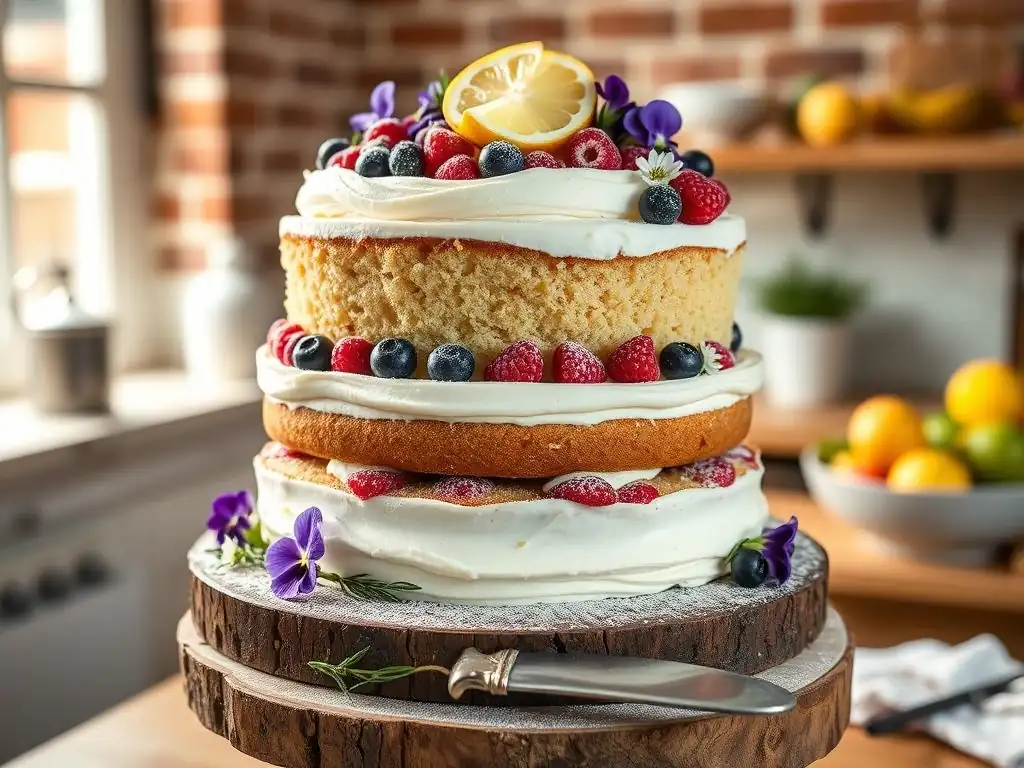
Naked cakes have become a quintessential element of many modern weddings, particularly those with rustic, bohemian, or natural themes. Their understated elegance complements floral arrangements, greenery, and natural venue settings beautifully. Couples often choose flavors that reflect the season or their personal favorites, paired with a stable naked cake frosting recipe like Swiss meringue buttercream or a sturdy cream cheese frosting to ensure the cake withstands the event. Decorations often include fresh flowers that match the bridal bouquet, seasonal fruits, or a simple cake topper.
Naked Cake for Birthdays
For birthdays, naked cakes offer a stylish alternative to traditional frosted cakes. They can be customized with vibrant fillings, colorful fruit decorations, or even a simple drip effect along the top edge. A fun twist is adding sprinkles just to the top edge of the cake layers or the frosting seams. A delicious chocolate naked cake frosting recipe paired with a rich chocolate cake is always a birthday crowd-pleaser. The less formal nature of many birthday celebrations allows for more playful decoration compared to the often more formal wedding style.
Naked Cake for Anniversaries
Naked cakes are also a wonderful choice for anniversaries, symbolizing the beauty of simplicity and authenticity in a relationship. They can be scaled down for a small, intimate celebration or made multi-tiered for a larger party. Elegant decorations like fresh roses, delicate greenery, or even edible gold leaf applied sparingly can enhance the romantic feel. Choosing a favorite flavor combination, perhaps the same one used for a wedding cake, adds a personal touch to an anniversary naked cake.
Mastering the Art of the Naked Cake
Mastering the art of the naked cake is about embracing imperfection and highlighting the natural beauty of the baked goods. It requires attention to detail in baking moist, level layers and choosing a stable yet pliable naked cake frosting recipe. While the aesthetic is "effortless," achieving the right balance of exposed cake and frosting requires practice and patience.
By focusing on quality ingredients, precise techniques for baking and assembly, and thoughtful decoration, you can create a stunning naked cake that is as delicious as it is beautiful. Experiment with different cake flavors, frosting types, and natural decorations to find your perfect combination. With these tips and a little practice, you'll be well on your way to creating gorgeous naked cakes for any occasion.
Frequently Asked Questions
What is a naked cake?
A naked cake is a cake that has minimal or no frosting on the outside, allowing the cake layers to be visible. It's known for its rustic and effortless aesthetic.
What kind of frosting is best for a naked cake?
Lighter frostings like whipped cream, buttercream, or cream cheese frosting are ideal because they don't weigh down the cake or completely cover it. The goal is a thin, subtle layer of frosting.
What is the key to preventing a naked cake from drying out?
The key is to moistening the cake layers with simple syrup or a flavored liquid before frosting. This is crucial as there's minimal frosting to trap moisture.
How do I achieve the "effortless" look of a naked cake?
Don't strive for perfection! Embrace small imperfections and uneven frosting. Using a palette knife for a rustic application helps achieve the desired look.
Can I decorate a naked cake, and if so, how?
Absolutely! Fresh flowers, berries, powdered sugar, or a simple drizzle are all great options. Keep the decorations minimal and natural to complement the cake's aesthetic.
Final Reflection: The Enduring Allure of the Naked Cake
The effortless elegance of the naked cake transcends mere frosting technique; it's a celebration of simplicity and natural beauty in a world obsessed with perfection. This seemingly simple dessert has captured the hearts (and taste buds) of bakers and cake lovers alike, proving that sometimes, less is truly more. Its popularity continues to grow, demonstrating a shift towards authenticity and a rejection of overly-processed aesthetics.
The naked cake's influence extends beyond the kitchen; it reflects a broader cultural movement towards embracing imperfection and celebrating natural textures. It's a visual representation of rustic charm and homemade goodness, a stark contrast to the highly stylized and often artificial-looking confections that once dominated the baking scene. Simplicity is the ultimate sophistication,
as Leonardo da Vinci famously said, and this sentiment perfectly encapsulates the naked cake's enduring appeal. It's a reminder that beauty can be found in the unadorned, in the subtle imperfections that make each cake unique.
Now, consider your own baking journey. Perhaps you've been intimidated by elaborate cake designs, feeling the pressure to achieve flawless results. But the naked cake offers a liberating alternative. I invite you to embrace the freedom of this style, to experiment with different flavor combinations and textures, and to find joy in the process of creating something beautiful, yet unpretentious. Don't be afraid to let your creativity shine through – your unique touch is what will truly make your naked cake special.
Unleash Your Inner Cake Artist!
Thanks for taking the time to explore the world of naked cakes with us! We hope you now feel confident in creating that effortlessly chic dessert. Ready to take the plunge and bake your own masterpiece?
- Bake your dream naked cake: Grab your favorite recipe (or try one of ours!) and get baking. Remember those frosting tips we shared? Put them to the test!
- Share your creation: We'd love to see your stunning naked cake! Tag us on social media – let's celebrate your baking success together!
- Explore our other cake decorating tutorials for even more inspiration! (We've got some amazing surprises in store!)
So, what delicious flavor combination will you create for your next naked cake adventure?