
Beginner's Guide to Working with Glutinous Rice Flour

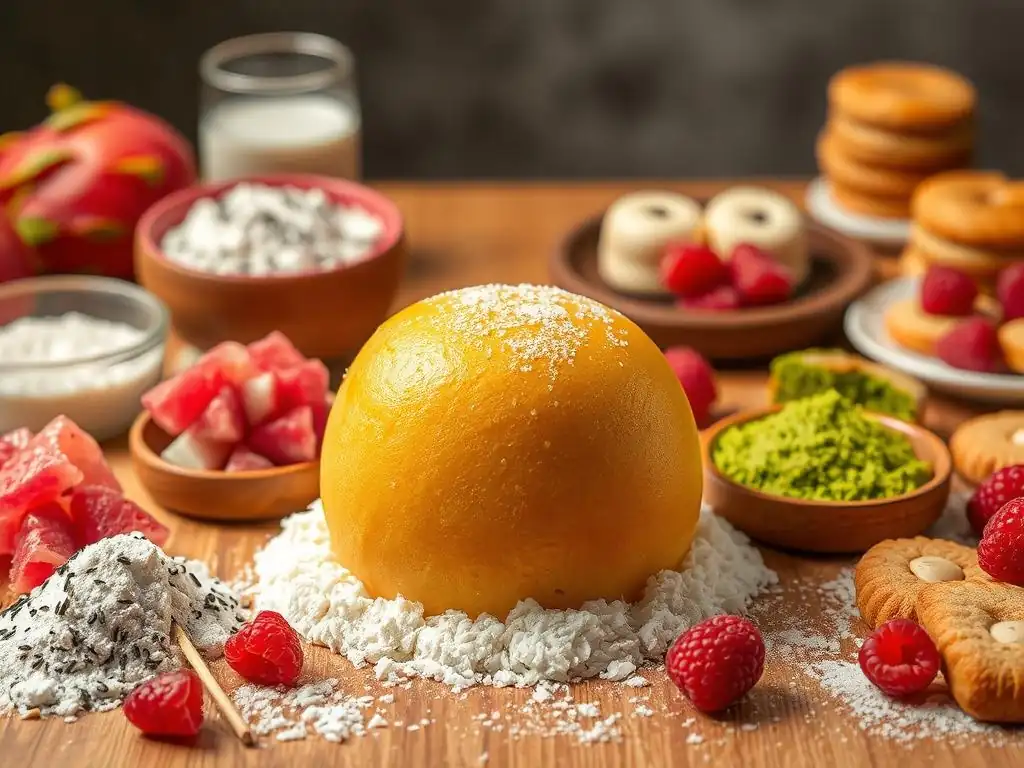
Welcome to BakeWithEase, your trusted guide to unlocking the delicious world of baking! Ever wondered how to create amazing treats that are both gluten-free and packed with flavor? Dive into our Beginner's Guide to Working with Glutinous Rice Flour and discover the secrets to mastering glutenfree rice flour baking. From delicate mochi to delectable pastries, prepare to explore a whole new realm of regional and cultural baking possibilities. What will you create first?
- Beginner's Guide to Working with Glutinous Rice Flour: BakeWithEase
- Introduction to Glutinous Rice Flour: A Baking Essential
- Mastering Glutinous Rice Flour Baking Techniques
- Delicious Recipes Using Glutinous Rice Flour: Asian-Inspired Desserts
- Troubleshooting Common Problems in Glutinous Rice Flour Baking
- Tips and Tricks for Successful Glutinous Rice Flour Baking
- Expanding Your Baking Horizons
-
Frequently Asked Questions
- What is glutinous rice flour and how does it differ from regular rice flour?
- Can glutinous rice flour be substituted one-to-one for wheat flour in baking recipes?
- What are some common uses for glutinous rice flour in baking?
- What are some tips for successfully using glutinous rice flour in gluten-free baking?
- Where can I purchase glutinous rice flour and how should it be stored?
- Final Reflection: Unlocking the Secrets of Gluten-Free Baking with Glutinous Rice Flour
- Unlock the Secrets of Glutinous Rice Flour!
Beginner's Guide to Working with Glutinous Rice Flour: BakeWithEase
Introduction to Glutinous Rice Flour: A Baking Essential
What is Glutinous Rice Flour? Understanding the Basics
Glutinous rice flour, also known as sweet rice flour, is a staple ingredient in many Asian cuisines, particularly for desserts and pastries. Despite its name, it contains no dietary gluten. The term "glutinous" refers to its sticky, glue-like texture when cooked, which comes from its high amylopectin starch content. Unlike regular rice flour, which is typically made from long-grain rice and has a more balanced ratio of amylose and amylopectin, glutinous rice flour is milled from short-grain glutinous rice. This unique starch composition is what gives baked goods that distinctively chewy, sometimes stretchy texture.
This flour is incredibly finely ground, feeling soft and powdery to the touch, similar to cornstarch or tapioca flour. When mixed with liquid and heated, the starch granules absorb a significant amount of water and swell, creating a thick, viscous, and ultimately chewy dough or paste. It's this property that makes it indispensable for treats like mochi, dango, and various steamed cakes. Understanding this basic property is key to successful glutenfree rice flour baking, as its behavior is quite different from wheat flour or even standard rice flour.
Why Use Glutinous Rice Flour in Baking? Benefits and Characteristics
The primary reason bakers turn to glutinous rice flour is for its unique texture. It imparts a delightful chewiness and elasticity that is hard to replicate with other flours. This makes it perfect for traditional Asian desserts where this consistency is desired. Furthermore, as mentioned, it is naturally gluten-free, making it an excellent option for glutenfree rice flour baking and for individuals with celiac disease or gluten sensitivities. It allows them to enjoy a wide range of pastries and desserts that would otherwise be off-limits.
Beyond texture, glutinous rice flour has a neutral flavor profile, allowing the other ingredients in your recipe to shine. It can absorb flavors well, making it versatile for both sweet and savory applications, although it's most famous in the dessert world. Its ability to create stable, chewy structures without gluten is particularly beneficial in gluten-free recipes, providing a binding quality that other gluten-free flours often lack on their own. Many gluten-free baking recipes benefit from the inclusion of glutinous rice flour to improve texture and structure.
Glutinous Rice Flour vs. Rice Flour: Key Differences Explained
While both come from rice, glutinous rice flour and regular rice flour (often labeled as "rice flour" or "white rice flour") are fundamentally different due to the type of rice used and their starch composition. Regular rice flour is made from standard long or medium-grain rice and has a more balanced starch profile, typically around 80% amylopectin and 20% amylose. This results in a flour that, when cooked, is less sticky and produces a crumbly or sandy texture, often used as a thickener or in baked goods where a less cohesive texture is desired, like shortbread.
Glutinous rice flour, conversely, is milled exclusively from glutinous rice, which contains a much higher percentage of amylopectin – often 90% or more – and very little amylose. This high amylopectin content is responsible for the extreme stickiness and chewiness when heated. You cannot substitute one for the other directly in most recipes, especially those relying on the unique properties of glutinous rice flour for texture.
Attempting to make mochi with regular rice flour, for instance, would result in a crumbly failure, not the signature chewy delight. Understanding this distinction is crucial for successful glutenfree rice flour baking and achieving desired textures.
Mastering Glutinous Rice Flour Baking Techniques
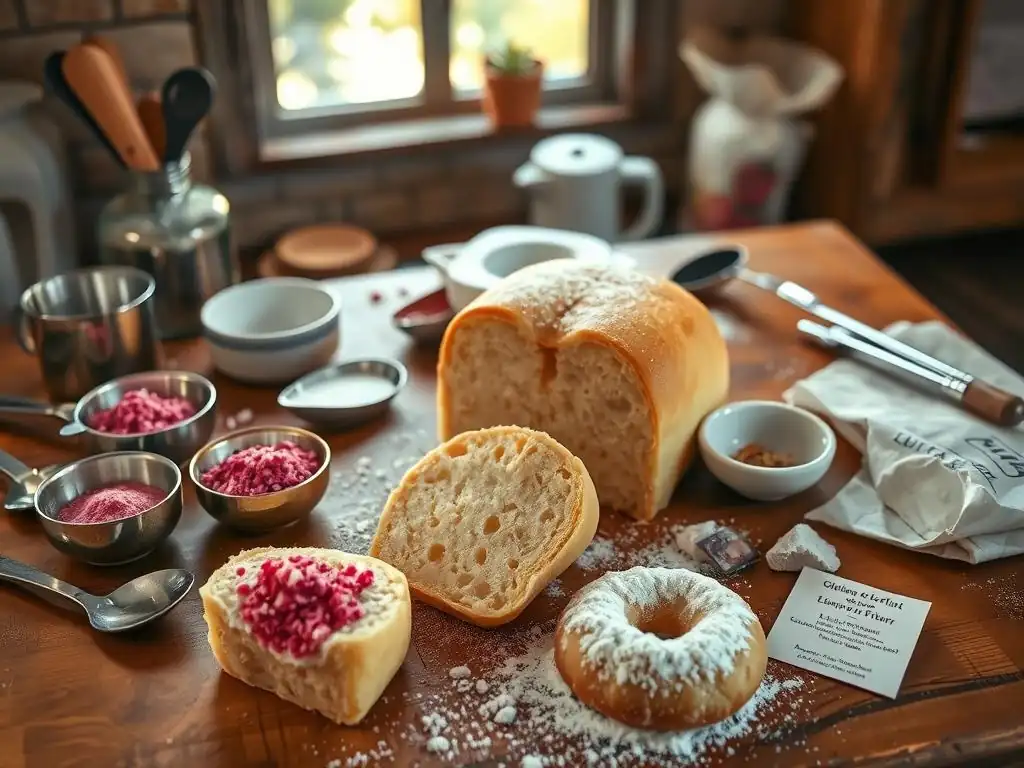
Essential Equipment and Ingredients for Baking with Glutinous Rice Flour
Working with glutinous rice flour often requires a few specific tools and ingredients to manage its unique properties. A good quality non-stick pot or a microwave-safe bowl is essential for cooking the dough, as it becomes incredibly sticky when heated. A sturdy spatula, preferably silicone or heat-resistant plastic, is needed for mixing and handling the hot, sticky dough. Parchment paper, plastic wrap, or even lightly oiled surfaces are crucial for preventing the dough from sticking to everything during shaping. For recipes involving steaming, a steamer basket or a bamboo steamer set over a pot of simmering water is necessary.
Beyond the flour itself, common ingredients include water or milk to hydrate the flour, sugar for sweetness (often granulated or powdered), and sometimes a small amount of oil or starch (like cornstarch or tapioca starch) to help with handling and prevent sticking. Fillings can vary widely, from sweet bean paste (anko) to crushed peanuts, sesame seeds, or fruit.
For glutenfree rice flour baking, ensure all other ingredients are also certified gluten-free if that is a requirement. High-quality glutinous rice flour is key; look for brands specifically labeled as "glutinous rice flour" or "sweet rice flour" from reputable sources, often found in Asian grocery stores or the international aisle of larger supermarkets.
Hydration is Key: Achieving the Right Consistency with Glutinous Rice Flour
Hydration is arguably the most critical factor when working with glutinous rice flour. The correct ratio of liquid to flour determines whether your dough will be workable, chewy, and not overly sticky or dry. Unlike wheat flour, glutinous rice flour dough doesn't develop gluten, so you're not worried about overmixing; instead, you're focused on fully hydrating the starch molecules.
A common starting ratio for a basic dough, like for mochi, might be around 1 part glutinous rice flour to 1 part liquid (by volume), but this can vary based on the specific recipe and desired texture. For instance, a dough meant for steaming might use slightly less liquid than one intended for boiling.
Too little liquid will result in a dry, crumbly dough that is difficult to shape and will cook into a hard, unpleasantly dense texture. Too much liquid, on the other hand, will yield a dough that is excessively sticky, hard to handle, and may not hold its shape properly during cooking. It's often best to add liquid gradually, mixing until a smooth, thick batter or soft dough forms before cooking.
The dough should be pliable and cohesive but not stick stubbornly to your hands after cooking. Achieving this balance is fundamental to successful glutenfree rice flour baking with this unique ingredient.
Cooking Methods: Steaming, Boiling, and Frying Glutinous Rice Flour Dough
Glutinous rice flour dough requires cooking to transform from a raw, powdery mix into its characteristic chewy state. Unlike conventional baking which often uses dry heat in an oven, glutinous rice flour preparations typically involve moist heat. Steaming is perhaps the most common method, used for things like mochi and many types of steamed cakes (like Nian Gao). The dough is typically placed in a heatproof dish or wrapped and steamed over high heat until it becomes translucent and incredibly sticky and elastic, usually taking 15-30 minutes depending on the thickness.
Boiling is another method, often used for smaller shapes like dango or tangyuan (sweet rice balls). The dough pieces are dropped into boiling water and cooked until they float to the surface and are cooked through, which usually takes just a few minutes. Frying is used for items like Banh Ran or Mochi Doughnuts, where a crispy exterior is desired alongside a chewy interior.
The dough (often formed into balls, sometimes filled) is fried in hot oil, typically around 320-350°F (160-175°C), until golden brown and puffed up, taking 5-10 minutes. Each method activates the starch differently, resulting in slight variations in the final texture, but all rely on heat and moisture to achieve that signature chewiness inherent in glutenfree rice flour baking using this ingredient.
Delicious Recipes Using Glutinous Rice Flour: Asian-Inspired Desserts
Mochi Magic: A Classic Glutinous Rice Flour Recipe
Mochi is perhaps the most iconic dessert made with glutinous rice flour, originating from Japan. It's essentially a sweet, soft, and incredibly chewy dough often filled with sweet bean paste (anko) or other sweet fillings. The process typically involves steaming a mixture of glutinous rice flour, sugar, and water until it transforms into a translucent, sticky mass.
This hot dough is then traditionally pounded (though home cooks often skip this step) and then shaped, often around a filling. A standard recipe might use 1 cup glutinous rice flour, 1/4 cup sugar, and 1 cup water, steamed for about 20 minutes.
Making mochi at home is a rewarding experience in glutenfree rice flour baking. While store-bought mochi is common, the texture of freshly made mochi is often superior – softer and more elastic. Handling the sticky dough requires dusting surfaces and your hands generously with cornstarch or potato starch to prevent sticking. The dough is incredibly pliable when warm, allowing it to be stretched and molded around fillings. It's a great entry point into using this unique flour and mastering its handling properties.
Making the Perfect Mochi Dough: Step-by-Step Instructions
- Combine Ingredients: In a microwave-safe bowl or a pot for steaming, whisk together 1 cup glutinous rice flour and 1/4 cup sugar. Gradually add 1 cup water, whisking until smooth and no lumps remain, forming a thin batter.
- Cook: If microwaving, cover loosely with plastic wrap and microwave on high for 1-2 minutes. Stir well. Repeat in 1-minute intervals, stirring between each, for a total of 3-5 minutes, or until the mixture is thick, translucent, and very sticky. If steaming, pour the batter into a heatproof dish, cover tightly, and steam over high heat for 15-20 minutes, or until translucent.
- Cool Slightly and Prepare Surface: Once cooked, the dough will be extremely hot and sticky. Let it cool slightly for a few minutes until it's manageable but still warm. Generously dust a clean work surface with cornstarch or potato starch.
- Transfer and Knead (Optional): Scrape the hot dough onto the prepared surface using a wet or oiled spatula. You can gently fold the dough onto itself a few times to make it smoother, using more starch as needed to prevent sticking. Be careful, it's hot!
- Shape: Roll the dough into a log or divide it into portions (e.g., 8-10 pieces). Flatten each piece into a disk, place your desired filling in the center, and carefully gather the edges to enclose the filling, pinching to seal. Dust the finished mochi balls with more starch to keep them from sticking together. This hands-on process is fundamental to glutenfree rice flour baking with mochi.
Flavor Variations for Mochi: Kinako, Black Sesame, Ube
While classic mochi is often filled with sweet red bean paste (anko), the neutral flavor of glutinous rice flour dough makes it a perfect canvas for numerous variations. One popular variation involves coating the mochi rather than filling it. Kinako Mochi is simply plain mochi dusted generously with kinako (roasted soybean flour) mixed with sugar. The nutty, slightly earthy flavor of kinako complements the chewy mochi beautifully.
Another delicious variation incorporates flavors directly into the dough or filling. Black sesame mochi uses a filling made from ground black sesame seeds mixed with sugar and sometimes butter or oil, offering a rich, nutty, and slightly savory profile. Ube mochi, popular in Filipino-inspired baking, incorporates ube (purple yam) paste into the filling, resulting in a vibrant purple color and a sweet, vanilla-like flavor. These examples showcase the versatility of glutinous rice flour in creating diverse and flavorful glutenfree desserts.
Banh Ran (Vietnamese Sesame Balls): A Crispy and Chewy Treat
Banh Ran, known as Jian Dui in Chinese cuisine, are delightful fried sesame balls that offer a fantastic contrast in textures: a crispy, sesame-coated exterior and a warm, chewy, hollow interior, often with a sweet filling inside. They are traditionally made with a dough based on glutinous rice flour and sometimes a small amount of wheat starch or rice flour to aid in crisping and expansion during frying. The dough is typically sweetened and filled with sweet bean paste before being rolled in sesame seeds and deep-fried until golden brown and puffed.
These treats are a wonderful example of how glutinous rice flour performs when fried. The dough puffs up significantly in the hot oil, creating that characteristic hollow center. The high heat transforms the surface starch into a crispy shell while the interior remains delightfully chewy. Mastering the frying technique is key to achieving the perfect texture – too low a temperature and they become greasy; too high and they burn before cooking through. They are a staple at many dim sum restaurants and Asian bakeries, showcasing the versatility of glutenfree rice flour baking in creating unique textures.
Preparing the Banh Ran Dough: Tips for Success
Preparing the dough for Banh Ran involves combining glutinous rice flour with a liquid (often hot water or a sugar syrup) and sometimes a small amount of another starch or flour. A typical ratio might be 1 cup glutinous rice flour mixed with about 1/4 cup sugar and enough hot water (around 1/2 cup) to form a pliable dough.
Kneading the dough while it's still warm helps activate the glutinous properties and makes it smooth and elastic. Some recipes also include a small amount of baking powder or a piece of cooked dough (a "starter dough") to help with the puffing effect during frying.
The dough should be smooth, non-sticky, and easy to handle. If it's too dry, add a tiny bit more hot water; if too sticky, add a little more glutinous rice flour. Dividing the dough into equal portions (e.g., 15-20g each) ensures even frying.
Flattening each portion, adding a ball of filling (like sweet red bean paste), and carefully sealing it shut is a crucial step. Rolling the sealed ball between your palms helps make it smooth before rolling it generously in sesame seeds, ensuring full coverage for that iconic look and extra crunch. Proper dough consistency is vital for successful glutenfree rice flour baking of Banh Ran.
Frying Banh Ran: Achieving the Golden-Brown Perfection
Frying Banh Ran requires attention to temperature and technique. Start with oil heated to a medium temperature, around 320-330°F (160-165°C). Adding the balls to oil that isn't hot enough will result in greasy, dense Banh Ran that don't puff properly. Overcrowding the pot will also lower the oil temperature significantly, so fry in batches. As the Banh Ran fry, they will initially sink, then float to the surface as they start to cook and expand.
Once they float, gently and continuously press them down into the oil using a spatula or spider. This helps them puff up evenly and prevents them from becoming lopsided. Continue frying, pressing occasionally, and turning them until they are uniformly golden brown and have expanded significantly, which usually takes 5-8 minutes per batch. Remove them with a slotted spoon and drain on paper towels. The sound should change from a gentle sizzle to a more vigorous one as they cook. Achieving that perfect golden color and hollow interior is the goal of this glutenfree rice flour baking technique.
Dango Delight: Japanese Sweet Rice Dumplings
Dango are sweet Japanese dumplings, typically served on a skewer, made from glutinous rice flour (or a mix of glutinous and regular rice flour) and served with various sauces. Unlike mochi, which is often steamed and pounded, dango dough is usually mixed with hot water, kneaded briefly, rolled into small balls, and then boiled. This simpler preparation makes them a relatively easy introduction to glutenfree rice flour baking. Common types include Mitarashi Dango (served with a sweet and savory soy glaze) and Anko Dango (topped with sweet red bean paste).
The texture of dango is delightfully chewy and slightly bouncy, similar to mochi but often a bit firmer depending on the flour ratio used. A typical recipe might use 1 cup glutinous rice flour and 1/4 cup regular rice flour, mixed with about 3/4 cup hot water. Boiling the small balls in water takes only a few minutes until they float, indicating they are cooked through. They are then often threaded onto skewers and served warm with their toppings.
Shaping Dango: Techniques and Variations
Shaping dango is straightforward and requires no special tools beyond your hands. After mixing the glutinous rice flour (and sometimes regular rice flour) with hot water and kneading until a smooth dough forms, divide the dough into small, equal portions. Roll each portion between your palms to form smooth, bite-sized spheres, typically about 1-1.5 inches (2.5-4 cm) in diameter. The dough should be pliable and easy to roll without sticking excessively (if it's too sticky, add a tiny bit more flour; if too dry, a drop of water).
Traditional dango are simple spheres, but variations exist. Sometimes they are shaped into small logs or even flattened disks before boiling. For presentation, they are usually arranged three, four, or five per skewer. Ensuring the balls are roughly the same size helps them cook evenly when boiled. This simple shaping technique is a fundamental step in glutenfree rice flour baking for dango.
Dango Toppings and Sauces: Enhancing the Flavor
The true delight of dango often comes from the variety of toppings and sauces they are served with. The most popular is Mitarashi sauce, a glossy, sweet and savory glaze made from soy sauce, sugar, mirin, and starch (like cornstarch or potato starch) thickened with water. The skewers of boiled dango are often grilled briefly before being generously coated in the warm Mitarashi sauce.
Other common toppings include sweet red bean paste (anko), which can be smooth (koshi an) or chunky (tsubu an). Kinako (roasted soybean flour) mixed with sugar is another simple yet delicious option, similar to Kinako Mochi. Some regional variations use crushed sweetened peanuts, black sesame paste, or even matcha powder mixed with sugar. These diverse toppings highlight how the neutral, chewy base of the glutinous rice flour dumpling serves as a versatile foundation for a wide range of flavors in glutenfree rice flour baking.
Troubleshooting Common Problems in Glutinous Rice Flour Baking
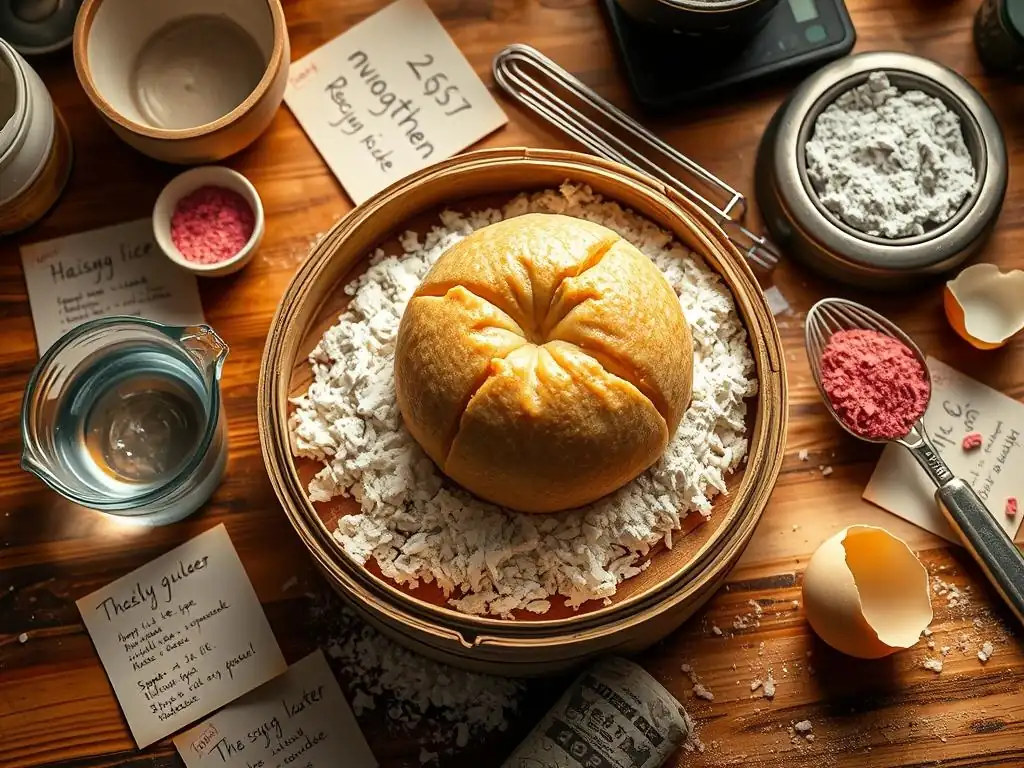
Dough Too Sticky: Solutions and Adjustments
One of the most common issues when working with glutinous rice flour is dealing with excessively sticky dough, especially after it's been cooked. This usually indicates too much liquid was added initially, or the dough hasn't been handled correctly after cooking. If your raw dough batter is too thin before cooking, you can whisk in a small amount of extra glutinous rice flour, about a tablespoon at a time, until it reaches the desired consistency (like a thick pancake batter for steaming).
If the dough is too sticky after cooking and cooling slightly, generous use of a dry starch is your best friend. Cornstarch, potato starch, or tapioca starch are commonly used. Dust your work surface, your hands, and the dough itself liberally. You can gently knead or fold the dough onto the starch to incorporate it and make it more manageable.
Avoid adding more liquid once it's cooked. Sometimes, allowing the cooked dough to cool for just a few more minutes can also help, as it becomes slightly less aggressive in its stickiness as it sets slightly. Proper handling with starch is key to successful glutenfree rice flour baking with sticky doughs like mochi.
Dough Too Dry: Hydration Tips for Baking
If your glutinous rice flour dough turns out dry, crumbly, or hard to bring together, it means you haven't added enough liquid or the flour wasn't fully hydrated. Unlike wheat dough, you can't easily "fix" a dry glutinous rice flour dough once it's been cooked, as the starch structure is already set. The correction needs to happen before cooking.
If your raw dough mixture is too dry or crumbly when mixing, gradually add more hot water or the liquid specified in your recipe, a teaspoon at a time, while mixing or kneading. Continue adding until the dough comes together and is smooth and pliable, not crumbly. Ensure you are using hot water if the recipe calls for it, as heat helps the starch begin to gelatinize and absorb the liquid more effectively before cooking. Proper initial hydration is crucial for achieving the right chewy texture in glutenfree rice flour baking.
Achieving the Right Texture: Mastering the Chewy Consistency
The hallmark of successful glutinous rice flour baking is the perfect chewy texture – not too hard, not too soft, and definitely not crumbly. This texture is primarily developed through proper hydration and cooking. If your cooked dough is too hard or dense, it likely means it was either under-hydrated initially or undercooked. The starch needs sufficient moisture and heat to fully gelatinize and become elastic.
If the texture is too soft or mushy, it might be over-hydrated or potentially overcooked (though overcooking usually leads to it becoming more dense and sticky, not mushy, unless it's disintegrating). Ensuring the correct flour-to-liquid ratio from the start is paramount. When cooking (steaming, boiling, or frying), make sure the dough is cooked all the way through until it's translucent and uniformly cooked, without burning the exterior.
For steaming, check by poking a skewer through; it should come out clean with no raw batter. Mastering the balance of hydration and cooking time is essential for achieving that signature chewy texture in glutenfree rice flour baking.
Tips and Tricks for Successful Glutinous Rice Flour Baking
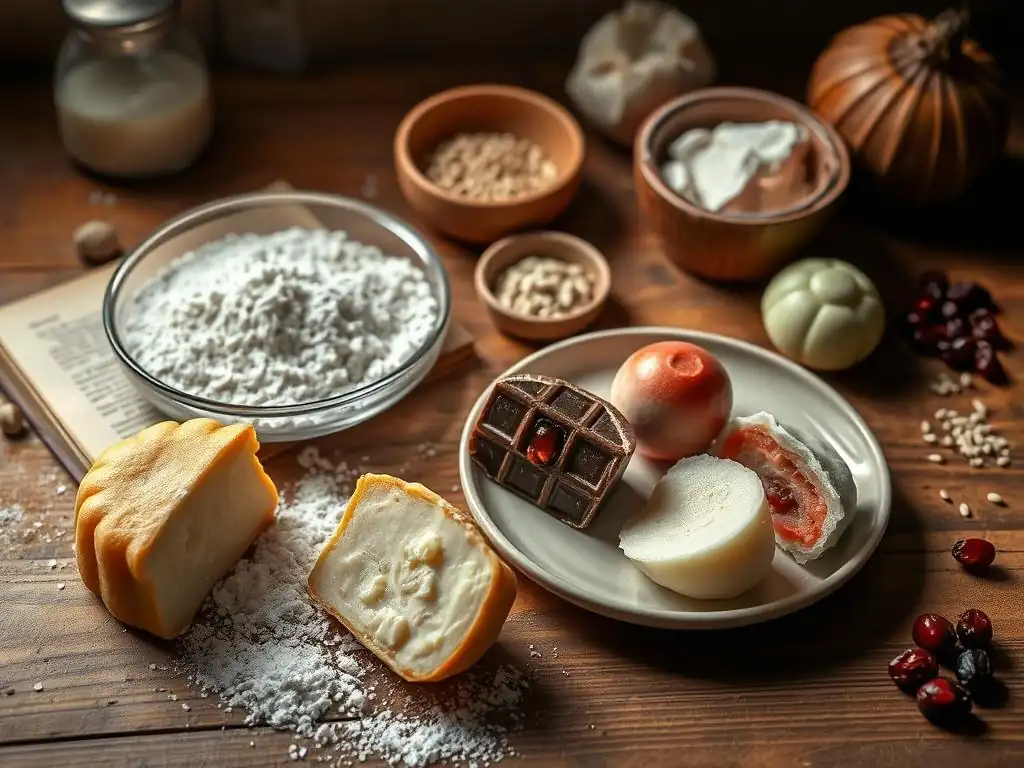
Sourcing High-Quality Glutinous Rice Flour: Brands and Recommendations
Finding good quality glutinous rice flour is the first step to success in glutenfree rice flour baking. Look for brands specifically labeled as "Glutinous Rice Flour" or "Sweet Rice Flour" (these terms are interchangeable for this product). Avoid products just labeled "Rice Flour," as this is typically regular rice flour. Reputable brands often found in Asian grocery stores include Erawan (often recognized by its green bag with three elephants), Mochiko (a popular brand in the US), and Thai Elephant. These brands are generally consistent in quality and texture.
You can also find glutinous rice flour in the international aisle of larger supermarkets or in health food stores, especially if they cater to gluten-free baking ingredients. When purchasing, check the packaging for any signs of damage and ensure the flour is finely ground and white. Sticking to well-known brands specifically marketed for cooking and baking is a good strategy to ensure you're getting the right type of flour with the desired starch properties for that perfect chewy texture. A 1-pound bag is a common size and a good starting point.
Storing Glutinous Rice Flour and Dough: Maintaining Freshness
Proper storage is important for keeping glutinous rice flour fresh and preventing it from absorbing moisture or odors. Like other flours, it should be stored in a cool, dry place, away from direct sunlight and heat. An airtight container is ideal to protect it from moisture, pantry pests, and strong smells from other foods. Stored correctly, dry glutinous rice flour can last for several months, typically following the best-by date on the package.
Once you've made dough with glutinous rice flour, it's best used relatively soon, especially if it contains fresh ingredients. Cooked dough or shaped items like mochi or dango can be stored in an airtight container at room temperature for a day or two, depending on the humidity, though their texture is best when fresh. For longer storage, they can be refrigerated for up to 3-4 days, but refrigeration can make the texture firmer; allowing them to come to room temperature or gently warming them can help restore some softness.
For extended storage (up to a month), plain cooked dough or shaped items can be frozen, wrapped tightly to prevent freezer burn. Thaw in the refrigerator and gently warm before serving.
Experimenting with Flavors: Unleashing Your Creativity in the Kitchen
Glutinous rice flour's neutral taste makes it incredibly versatile for flavor combinations in glutenfree rice flour baking. While traditional recipes feature classics like red bean, sesame, and kinako, don't be afraid to experiment! You can add flavorings directly to the dough, such as matcha powder for a subtle green tea taste and color, cocoa powder for chocolate, or a few drops of extract like vanilla or almond.
Fillings offer even more room for creativity. Consider using fruit fillings (like strawberry or mango puree, thickened), dulce de leche, chocolate ganache, peanut butter, or even cream cheese for a fusion twist. For savory applications (less common in desserts but possible), you could fill dough with seasoned meat or vegetables before steaming or frying.
The key is to balance the sweetness and texture of the chewy dough with fillings or coatings that offer complementary or contrasting flavors. Think about textures too – adding something crunchy like chopped nuts to a soft filling or a smooth sauce to a chewy dumpling.
Expanding Your Baking Horizons
Other Flour Options for Baking: Tapioca Flour, Sweet Rice Flour, Potato Starch
When exploring gluten-free baking, you'll encounter various starches and flours beyond glutinous rice flour. Tapioca flour (or tapioca starch), derived from the cassava root, is another common ingredient known for its binding properties and ability to create a chewy or gooey texture when heated. It's often used in gluten-free blends or specifically for puddings and chewy baked goods.
Sweet rice flour is actually another name for glutinous rice flour, so if you see a recipe calling for sweet rice flour, you can confidently use glutinous rice flour. Potato starch, extracted from potatoes, is a very fine powder used as a thickener and to add tenderness and a light, crispy crust to baked goods.
While these flours share some properties with glutinous rice flour (like being gluten-free and contributing to texture), their starch compositions differ, leading to different results. Understanding these differences helps you choose the right flour for the desired outcome in your glutenfree rice flour baking projects.
Combining Glutinous Rice Flour with Other Flours: Achieving Optimal Results
While glutinous rice flour is powerful on its own for specific textures, combining it with other flours is common in gluten-free baking to achieve a more balanced result. For example, mixing glutinous rice flour with regular rice flour, as often seen in dango recipes, can yield a texture that is chewy but slightly less sticky and more firm than pure glutinous rice flour.
Combining it with starches like tapioca starch or potato starch can enhance chewiness while potentially improving structure or providing a crispier exterior in fried items. In broader gluten-free bread or cake recipes, a small amount of glutinous rice flour might be included in a blend with flours like brown rice flour, sorghum flour, or almond flour to improve the overall texture, providing some binding and preventing excessive crumbling.
Experimenting with blends allows you to leverage the unique properties of glutinous rice flour while mitigating potential downsides like excessive gumminess or stickiness in certain applications, expanding the possibilities of glutenfree rice flour baking.
Resources for Further Learning: Books, Websites, and Online Communities
To deepen your understanding and skills in glutenfree rice flour baking, particularly with Asian-inspired desserts, numerous resources are available. Cookbooks focusing specifically on Asian desserts or gluten-free baking often feature recipes using glutinous rice flour and provide detailed instructions and cultural context. Look for titles by authors specializing in Japanese, Korean, Vietnamese, or Chinese sweets.
Many reputable food blogs and websites dedicated to Asian cooking or gluten-free baking offer a wealth of recipes, tips, and troubleshooting guides for working with glutinous rice flour. Websites like serious eats, justonecookbook, or vietworldkitchen often have well-tested recipes. Online communities, forums, and social media groups focused on gluten-free baking or specific Asian cuisines are also valuable resources where you can ask questions, share experiences, and find inspiration. Engaging with these resources can significantly enhance your journey in mastering glutenfree rice flour baking.
Frequently Asked Questions
What is glutinous rice flour and how does it differ from regular rice flour?
Glutinous rice flour, also known as sweet rice flour, is made from short-grain rice and has a higher starch content than regular rice flour. This results in a sticky and chewy texture when cooked, unlike the drier result of regular rice flour.
Can glutinous rice flour be substituted one-to-one for wheat flour in baking recipes?
No, it cannot. Glutinous rice flour lacks gluten, which is essential for the structure of many traditional baked goods. Using it as a direct substitute will result in a very different texture, generally dense and gummy.
What are some common uses for glutinous rice flour in baking?
It's commonly used in Asian desserts like mochi, daifuku, and biko. It provides the characteristic chewy texture to these treats and can also be used as a thickener in sauces and gravies.
What are some tips for successfully using glutinous rice flour in gluten-free baking?
It's best to combine it with other gluten-free flours and a binding agent, like xanthan gum, to improve the structure and prevent excessive stickiness. Carefully follow the recipe's instructions for the correct ratios.
Where can I purchase glutinous rice flour and how should it be stored?
Glutinous rice flour is readily available in most Asian grocery stores and some larger supermarkets. Store it in an airtight container in a cool, dry place to prevent it from absorbing moisture and clumping.
Final Reflection: Unlocking the Secrets of Gluten-Free Baking with Glutinous Rice Flour
The versatility and unique properties of glutinous rice flour are revolutionizing gluten-free baking, offering a pathway to creating delicious and satisfying treats for those with dietary restrictions and those simply seeking new culinary adventures. This isn't just about avoiding gluten; it's about embracing a new world of textures and possibilities in the kitchen.
Working with glutinous rice flour has profoundly changed my own approach to baking. It's a journey of experimentation, requiring patience and a willingness to adapt, but the rewards are immense. The subtle chewiness it brings to gluten-free recipes is truly remarkable, a quality often missed in other gluten-free alternatives. The best things in life are worth waiting for,
and mastering this ingredient is a testament to that sentiment. It's about understanding the nuances of this flour, respecting its unique characteristics, and allowing it to shine in your creations.
Now, it's your turn to explore the world of glutinous rice flour. Don't be afraid to experiment, to try new recipes, and to adjust techniques as needed. Embrace the learning process, celebrate your successes, and learn from any setbacks. The journey of mastering gluten-free baking with glutinous rice flour is a rewarding one, filled with delicious discoveries and the satisfaction of creating something truly special. So, gather your ingredients, dust off your baking tools, and embark on this exciting culinary adventure!
Unlock the Secrets of Glutinous Rice Flour!
Thanks for exploring the wonderful world of glutinous rice flour with us! We hope you've gained a newfound appreciation for its versatility and unique properties. Now it's time to put your newfound knowledge into action.
- Try your hand at one of the recipes mentioned in the article: Choose a recipe that excites you—whether it's mochi, tangyuan, or something else entirely—and get baking! This is your chance to experience the magic firsthand.
- Share your baking journey: Post your creations on social media and tag us @BakeWithEase! We'd love to see your delicious results and share them with our community.
- Dive deeper into our rice flour recipe collection: Explore our website for more inspiring recipes using glutinous rice flour and other rice flours. You might just discover your new favorite dessert!
What delicious glutinous rice flour creation will you tackle first?