
Moisture Mastery: Balancing Fat and Liquid in Banana and Zucchini Breads

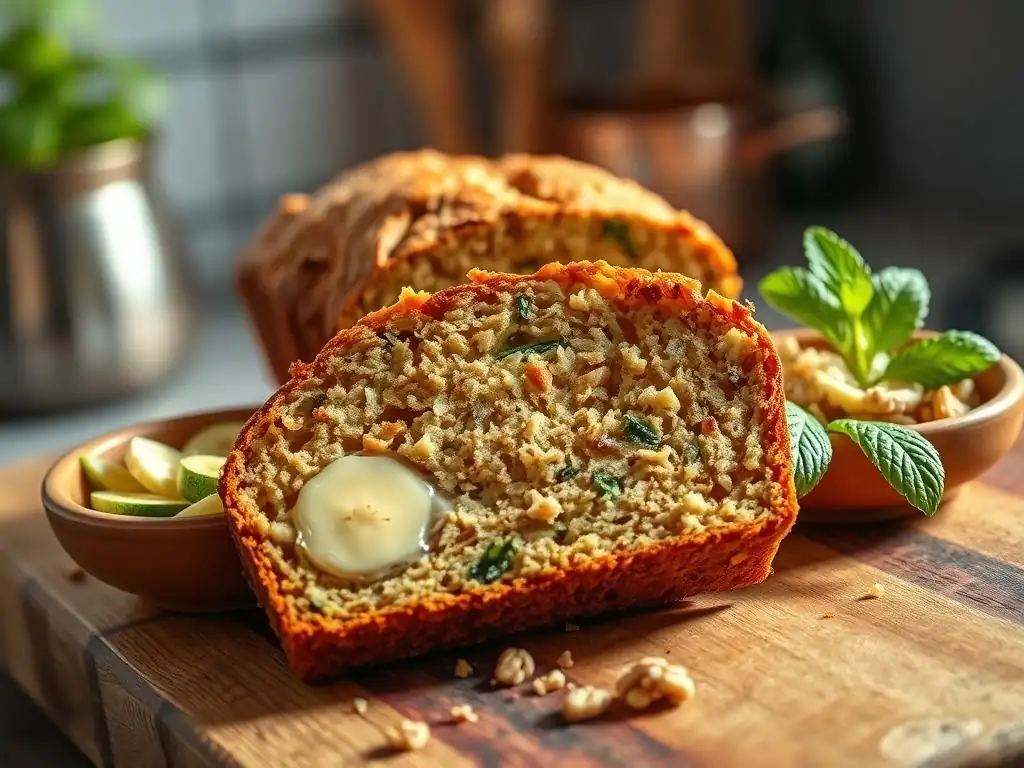
Welcome to BakeWithEase, where baking dreams become delicious realities!
Ever wondered how to achieve that perfect balance of moisture and texture in your baked goods? Dive in and unlock the secrets to creating incredibly moist and flavorful breads, starting with our incredibly popular banana zucchini bread recipe. Discover how to master the delicate art of balancing fats and liquids, and say goodbye to dry, crumbly loaves forever. Ready to elevate your baking game? Let's get started!
- Moisture Mastery: Balancing Fat and Liquid in Quick Breads
- Understanding Moisture's Role in Quick Bread Baking
- Deconstructing the Recipe: A Moisture Analysis
- The Fat Factor: Choosing the Right Fats for Quick Breads
- Liquid Ingredients: Boosting Moisture and Flavor
- Troubleshooting Moisture Issues in Quick Breads
- Perfecting Your Quick Bread Recipe: Tips and Tricks
- Mastering Moisture for the Ultimate Quick Bread
-
Frequently Asked Questions
- How does BakeWithEase help me find a good banana zucchini bread recipe?
- What are the key factors in achieving moisture mastery in a banana zucchini bread recipe?
- What level of baking experience is required to follow a banana zucchini bread recipe on BakeWithEase?
- Can I adapt the banana zucchini bread recipe on BakeWithEase if I have dietary restrictions?
- What other types of baking recipes can I find on BakeWithEase besides a banana zucchini bread recipe?
- Final Reflection: The Sweet Science of Perfect Bread
- Unlock Your Baking Brilliance!
Moisture Mastery: Balancing Fat and Liquid in Quick Breads
Understanding Moisture's Role in Quick Bread Baking
Why Moisture Matters for Delicious Quick Breads
Moisture is a fundamental component in achieving the perfect texture and longevity in quick breads, such as a delightful banana zucchini bread recipe. It plays a critical role in keeping the crumb tender and preventing it from becoming dry and crumbly. Think of moisture as the glue that holds the structure together while simultaneously keeping it soft and pleasant to eat. Without adequate moisture, your quick bread might feel stale just hours after baking, lacking that desirable soft chewiness.
Beyond texture, proper moisture content contributes significantly to the overall eating experience and the shelf life of your baked goods. A well-hydrated quick bread remains palatable for several days, often improving in flavor as the moisture distributes evenly throughout the loaf. For instance, a loaf baked with sufficient moisture can stay fresh-tasting for 3-4 days when stored properly, whereas a dry loaf might become unappealing after just one day. This balance is key whether you're baking a simple loaf or tackling a complex banana zucchini bread recipe with multiple additions.
The Impact of Fat and Liquid on Texture
Fat and liquid ingredients work in concert to define the final texture of your quick bread, each contributing in distinct ways. Liquid, such as milk, buttermilk, or even the moisture from mashed bananas in a banana zucchini bread recipe, hydrates the dry ingredients, dissolving sugar and salt, and activating leavening agents like baking soda or powder. This hydration is essential for the gluten structure to develop (though minimally in quick breads) and for the crumb to form. Too little liquid results in a dry, dense loaf, while too much can lead to a heavy, gummy texture.
Fat, on the other hand, acts primarily as a tenderizer. It coats the flour particles, inhibiting excessive gluten development, which is desirable in tender quick breads. Fat also contributes to moisture retention by coating air pockets and preventing water from evaporating as quickly during baking and cooling. Different fats (butter, oil, etc.) behave differently, influencing not just tenderness but also flavor and how moist the bread feels over time. Oil, for example, is particularly effective at keeping quick breads like a banana zucchini bread recipe moist because it remains liquid at room temperature and coats crumb particles thoroughly.
Deconstructing the Recipe: A Moisture Analysis
Examining the Role of Fruits in Moisture Retention
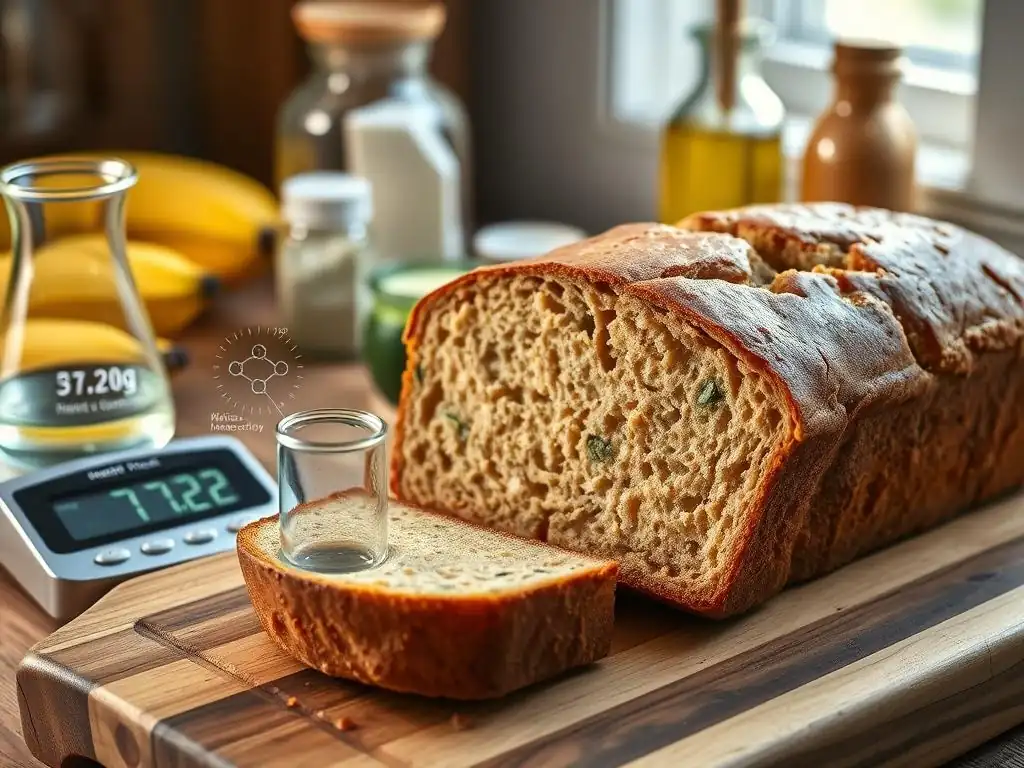
Fruits are star players in many quick bread recipes, bringing natural sweetness, flavor, and a significant amount of moisture. Soft, mashed fruits like bananas or pureed apples contribute liquid directly to the batter, reducing the need for other liquid ingredients. The natural sugars in fruits also help to retain moisture, as sugar is hygroscopic – it attracts and holds water. This is why recipes heavy on fruit, like a moist banana bread or a banana zucchini bread recipe, often stay tender for longer.
However, the moisture contribution from fruit isn't always consistent. The ripeness of the fruit, particularly bananas, greatly affects its water content and sugar level. Overripe bananas are softer and contain more readily available moisture and concentrated sugars compared to just-ripe ones. Incorporating about 1 to 1.5 cups of mashed very ripe banana into a standard quick bread loaf provides substantial moisture and sweetness, often allowing for a slight reduction in added sugar and liquid, depending on the overall recipe balance.
Choosing the Right Fruits for Optimal Moisture: Ripeness Matters
Selecting the appropriate ripeness of fruit is crucial for managing moisture in quick breads. For bananas, the ideal ripeness for baking is when the peels are heavily speckled with brown or almost entirely brown. At this stage, the starches have converted to sugars, making them sweeter and softer, releasing more moisture into the batter. Using underripe bananas can result in a less moist bread with less intense flavor.
Other fruits like applesauce or pumpkin puree also provide moisture but require careful measurement as their consistency can vary. Berries, while adding flavor, can release bursts of moisture during baking, sometimes creating wet pockets if not distributed evenly or if the batter isn't balanced. Understanding the moisture profile of your chosen fruit is key to adjusting other liquid components in your banana zucchini bread recipe or any other quick bread creation.
Vegetable Contribution: Adding Subtle Moisture and Texture
Vegetables like zucchini and carrots are popular additions to quick breads, not just for nutrition and flavor but also for the subtle moisture they contribute. Zucchini, for instance, is over 90% water. When grated and added to a batter, it releases this moisture during baking, helping to keep the bread soft and tender. Unlike fruits, vegetables often add moisture without significant sweetness, allowing the other flavors in the bread to shine.
The texture contributed by vegetables is also a factor. Finely grated zucchini or shredded carrots disperse throughout the batter, creating tiny pockets of moisture and a slightly denser, yet still tender, crumb. This is particularly noticeable in a banana zucchini bread recipe, where the zucchini complements the banana's softness with its own moist texture. Using about 1 to 1.5 cups of grated zucchini (often squeezed) in a standard loaf is typical and provides a pleasant texture and moisture boost.
Preparing Vegetables for Baking: Moisture Management
Managing the moisture from vegetables like zucchini is a critical step to prevent a soggy quick bread. Zucchini contains a high amount of water that can overwhelm the batter if not partially removed. After grating zucchini, it's highly recommended to squeeze out the excess liquid. This can be done by wrapping the grated zucchini in paper towels or a clean kitchen towel and squeezing firmly over a sink.
Removing just the excess water ensures the zucchini still contributes moisture during baking but doesn't make the batter too wet, which could lead to a gummy texture or uneven baking. Similarly, if using ingredients like cooked pumpkin or sweet potato puree, ensure they are not excessively watery. Draining or gently pressing out some liquid can help achieve the desired batter consistency for a perfectly baked banana zucchini bread recipe or other vegetable-based quick bread.
The Fat Factor: Choosing the Right Fats for Quick Breads
Exploring Different Fat Options: Butter, Oil, and Shortening
The type of fat used in a quick bread recipe significantly influences its texture, flavor, and moisture retention. Common fats include butter, vegetable oil, and shortening, each bringing different properties to the mix. Butter provides rich flavor and contributes to structure through its solid fat content, which melts during baking creating steam and small air pockets. Oil, being liquid at room temperature, coats flour particles more thoroughly, leading to a very tender and moist crumb that stays soft for longer. Shortening, a solid fat, is often used for tenderness but adds less flavor compared to butter.
Choosing the right fat depends on the desired outcome. For a rich, flavorful quick bread with a slightly firmer structure, butter is often preferred. If maximum moisture and tenderness with a soft crumb are the goals, oil is usually the better choice, especially in recipes like a classic banana zucchini bread recipe. Sometimes, a combination of fats is used to leverage the benefits of each, such as using melted butter for flavor and a portion of oil for added moisture.
Butter: Flavor and Tenderness
Butter is a beloved fat in baking primarily for its unparalleled flavor. It imparts a rich, creamy taste that complements many quick bread ingredients, from spices to fruits. In terms of texture, butter contributes tenderness by coating flour particles, but because it's a solid fat at room temperature, it creates small gaps as it melts during baking, which can lead to a slightly more open and less uniformly tender crumb compared to oil.
Using melted butter in quick breads is common, allowing it to be easily incorporated into the wet ingredients. However, the water content in butter (around 15-18%) also adds some liquid to the batter, which needs to be accounted for in the overall moisture balance. A standard stick of butter (about 113 grams or ½ cup) contains roughly 2 tablespoons of water. While this might seem small, it contributes to the final moisture level and how the butter affects the crumb structure in recipes like a banana zucchini bread recipe.
Oil: Moisture and a Tender Crumb
Vegetable oil, or other liquid oils like canola or sunflower oil, is a champion of moisture and tenderness in quick breads. Because oil is liquid at room temperature, it coats the flour proteins more effectively than solid fats, inhibiting gluten development and resulting in a very soft, fine, and tender crumb. This makes oil an excellent choice for quick breads where tenderness and long-lasting moisture are priorities, such as many variations of a banana zucchini bread recipe.
Oil also helps quick breads stay moist for a longer period after baking. It doesn't solidify as the bread cools, keeping the crumb coated and preventing it from drying out quickly. Using oil simplifies mixing as well, as it can be easily whisked into the wet ingredients. Typically, recipes using oil might call for a similar volume to butter (e.g., ½ cup oil instead of ½ cup butter), but the weight will be slightly less since oil is less dense than butter.
Shortening: A Neutral Option for Specific Textures
Shortening, a hydrogenated vegetable oil that is solid at room temperature, offers a different texture profile compared to butter or oil. It is 100% fat, containing no water, which can impact the overall liquid balance of a recipe. Shortening is often used when a very tender, almost melt-in-your-mouth texture is desired, or when aiming for a slightly crispier crust. However, it is largely flavorless compared to butter.
While less common in simple quick breads like a banana zucchini bread recipe, shortening can be used, sometimes in combination with other fats, to achieve specific textural goals. Its higher melting point compared to butter means it stays solid longer during baking, which can help create flakiness in certain baked goods, though this is less relevant for the dense crumb of a quick bread loaf. If substituting shortening for butter, you might need to adjust the liquid slightly to account for the absence of water in shortening.
The Impact of Fat Quantity on Moisture Levels
The amount of fat in a quick bread recipe directly impacts its moisture level and tenderness. Fat coats the flour particles, interfering with gluten development and creating a more tender crumb. It also traps moisture within the crumb, slowing down the rate of drying. Using too little fat can result in a dry, tough bread, while too much fat can make the bread greasy, heavy, or cause it to collapse.
A standard quick bread recipe might call for anywhere from 1/4 cup to 1/2 cup (or roughly 50g to 113g) of fat per loaf, depending on the other ingredients. For instance, a banana zucchini bread recipe with lots of mashed banana might require slightly less added fat because the fruit contributes significant moisture and tenderness. Recipes that rely less on fruit or vegetables might need more fat to achieve a moist result. Finding the right quantity is about balancing the tenderizing and moisture-retaining effects of fat with the structural needs of the bread.
Liquid Ingredients: Boosting Moisture and Flavor
Milk, Yogurt, and Sour Cream: Boosting Moisture and Flavor
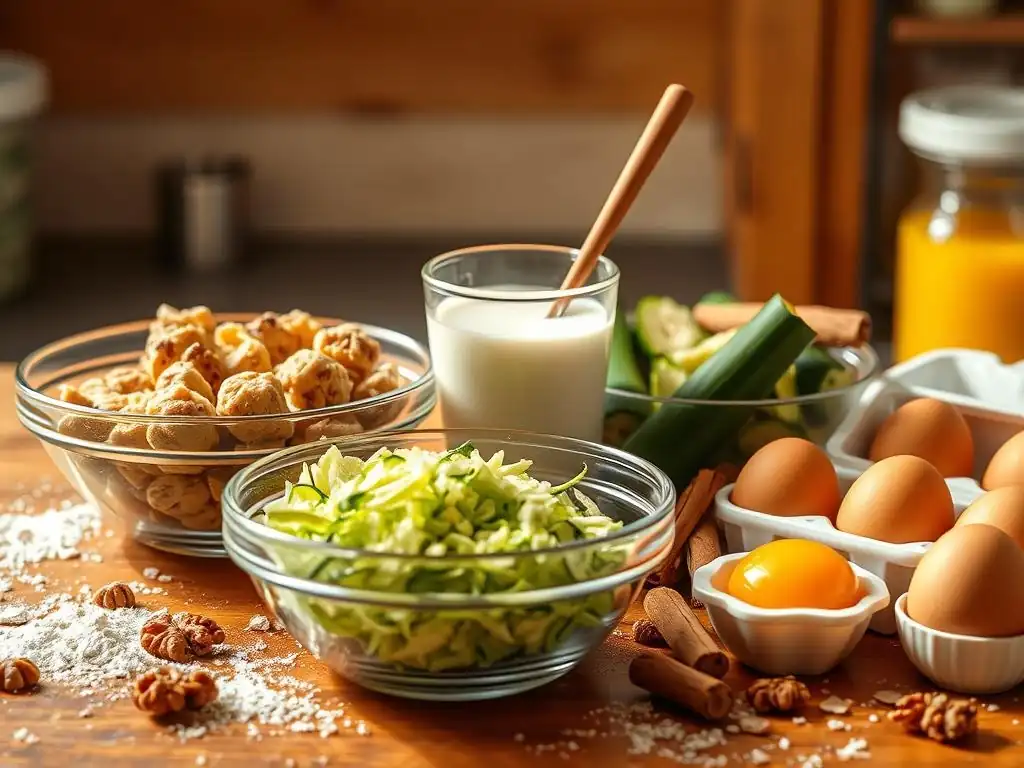
Liquid ingredients are essential for hydrating the dry components in quick breads, dissolving sugars and salts, and enabling chemical reactions from leavening agents. While water can be used, dairy liquids like milk, buttermilk, yogurt, and sour cream are popular choices as they contribute not only moisture but also fat and proteins, enriching the flavor and improving the texture. The acidity in buttermilk, yogurt, and sour cream is particularly beneficial when baking soda is used as a leavener, helping it activate fully and contributing to a tender crumb.
Using liquids like whole milk or buttermilk adds richness and helps create a softer crumb compared to using water. Yogurt and sour cream, being thicker and higher in fat than milk, add significant moisture, tenderness, and a pleasant tanginess. They can also help quick breads stay moist for longer. Replacing some or all of the milk in a banana zucchini bread recipe with an equal volume of yogurt or sour cream can lead to a noticeably moister and more flavorful loaf with a finer crumb structure.
Adjusting Liquid Ratios for Desired Results
The ratio of liquid to dry ingredients is a critical factor in determining the final texture of a quick bread. Too little liquid results in a dry, dense batter that bakes into a crumbly loaf. Too much liquid creates a very wet batter that can be difficult to bake through evenly, potentially resulting in a gummy or heavy interior. The ideal batter consistency for most quick breads, including a banana zucchini bread recipe, is thick but pourable, falling in dollops from a spoon.
Adjusting liquid ratios might be necessary based on variations in other ingredients, such as the moisture content of your specific batch of mashed bananas or grated zucchini. If your bananas are extremely ripe and wet, you might slightly reduce the milk or other added liquid. Conversely, if using less moist additions or if your flour is particularly dry, you might need a tablespoon or two extra liquid. Paying attention to the batter consistency is key – it should not be stiff or overly runny.
Troubleshooting Moisture Issues in Quick Breads
Bread Too Dry: Common Causes and Solutions
A dry quick bread is a common disappointment for bakers. This usually stems from insufficient moisture in the batter or excessive moisture loss during baking. If your banana zucchini bread recipe turns out dry, evaluate your ingredient measurements and baking process. Ensure you're using the correct amount of fat and liquid called for in the recipe. Sometimes, even small variations in flour measurement (too much) can throw off the moisture balance.
Another frequent culprit is overbaking. Baking for too long or at too high a temperature can evaporate too much moisture from the loaf. Using an oven thermometer can help verify your oven's actual temperature. Baking until just a toothpick inserted into the center comes out clean (or with a few moist crumbs, not wet batter) is the goal. If you suspect overbaking, try reducing the baking time slightly in your next attempt or covering the loaf loosely with foil towards the end of baking to prevent the crust from drying out too quickly.
Insufficient Liquid or Fat: Adjusting Your Ratios
If your quick bread consistently turns out dry, it might indicate that the baseline liquid or fat ratio in the recipe isn't quite right for your ingredients or preferences. As a general guideline, a standard 9x5 inch loaf pan recipe often works well with around 1/2 cup to 3/4 cup total liquid (excluding moisture from fruits/veg) and 1/4 cup to 1/2 cup total fat. If your recipe falls significantly below these ranges and yields dry results, consider increasing one or both slightly in your next batch.
For example, if your banana zucchini bread recipe uses only 1/4 cup oil and 1/4 cup milk, and it's always dry, try increasing the milk to 1/3 or 1/2 cup, or the oil to 1/3 cup. Make small adjustments (1-2 tablespoons at a time) and observe the results. Also, ensure you are accurately measuring your dry ingredients, preferably by weight (grams), as scooping flour directly from the bag can add too much, absorbing excess liquid.
Overbaking: Preventing Moisture Loss
Overbaking is arguably the most common reason for a dry quick bread. As the bread bakes past its ideal point, the internal temperature rises, and more water turns to steam and escapes the loaf. This is particularly true for the edges and crust, which dry out first. To prevent this, start checking for doneness at the earliest recommended baking time.
Use a wooden skewer or toothpick inserted into the thickest part of the loaf (avoiding large fruit/nut pieces) to test for doneness. It should come out clean or with a few moist crumbs clinging to it. An instant-read thermometer is even more reliable; most quick breads are done when the internal temperature reaches 200-205°F (93-96°C). If the crust is browning too quickly before the inside is done, loosely tent the loaf with aluminum foil. This reflects heat and allows the inside to finish baking without the outside becoming excessively dry.
Bread Too Wet or Gummy: Identifying the Culprits
Conversely, a quick bread that is too wet, dense, or gummy often suffers from excess moisture or insufficient baking. If your banana zucchini bread recipe results in a soggy bottom or a heavy, unpleasantly moist interior, several factors could be at play. The most frequent causes are too much added liquid, too much moisture from wet ingredients like fruits or vegetables, or simply not baking the bread for long enough for the interior to set properly.
Another potential issue is overmixing the batter. While quick breads require minimal mixing to prevent toughness, excessive mixing can develop gluten, leading to a gummy texture. Furthermore, if using ingredients like grated zucchini, not squeezing out enough excess moisture can introduce far too much liquid into the batter, making it difficult to bake through and resulting in a wet, dense crumb.
Overabundance of Fruits or Vegetables: Reducing Excess Moisture
While fruits and vegetables add wonderful flavor and moisture, using too much, or not preparing them properly, can lead to a quick bread that is excessively wet. If your banana zucchini bread recipe calls for 2 cups of grated zucchini and your loaf is always soggy, try reducing the amount to 1.5 cups and ensure you thoroughly squeeze out the excess liquid from the zucchini after grating. The same applies to very wet fruits like pureed pumpkin or applesauce; measure them accurately and consider if the recipe uses an unusually high proportion.
The ripeness of bananas also plays a role. Very overripe bananas contribute more liquid than just-ripe ones. If you're using extremely brown bananas, you might need to slightly reduce the amount of other liquid (like milk) in the recipe to compensate for the extra moisture from the fruit. Adjusting these wet ingredients based on their actual moisture content is key to achieving the right batter consistency and preventing a gummy loaf.
Underbaking: Ensuring Proper Doneness
Underbaking is a primary reason for a quick bread being too wet or gummy in the center. The outside may look perfectly golden brown, but the inside hasn't reached the temperature required for the structure to set and for excess moisture to evaporate. This often happens when the oven temperature is inaccurate (too high on the outside, not hot enough penetrating the center) or the baking time is too short.
Always bake quick bread for at least the minimum time specified in the recipe before checking for doneness. Use the toothpick or skewer test in the very center of the loaf. If it comes out coated in wet batter, it needs more time. Don't be afraid to extend the baking time by 5-15 minutes or even longer if necessary, checking every few minutes. If the top is browning too much, cover it loosely with foil. Baking until the internal temperature reaches 200-205°F (93-96°C) is the most reliable way to ensure the center is properly cooked and not wet.
Perfecting Your Quick Bread Recipe: Tips and Tricks
Measuring Ingredients Accurately: The Key to Consistency
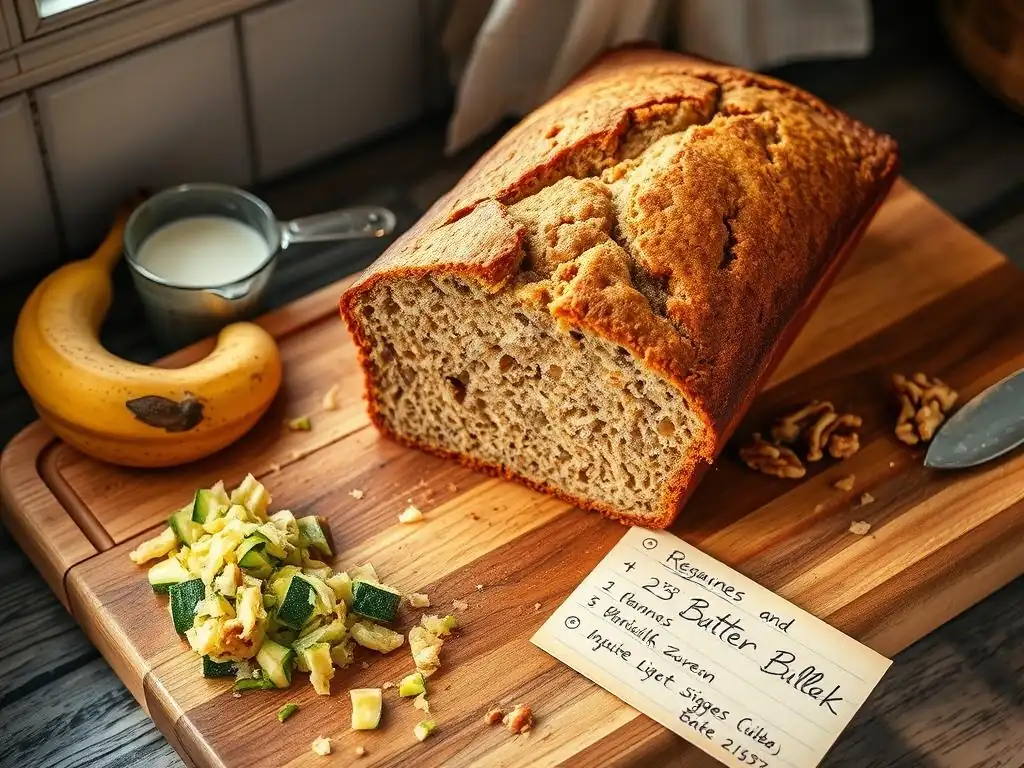
Accurate measurement of ingredients is paramount for consistent quick bread results, especially when balancing fat and liquid. Using too much flour, for instance, is a common error that leads to dry bread because the excess flour absorbs more liquid than intended. The most accurate way to measure dry ingredients like flour is by weight using a kitchen scale. A cup of all-purpose flour can vary from 120g to 150g depending on how it's scooped and leveled, a significant difference in a recipe calling for 2-3 cups.
If you don't have a scale, use the "spoon and level" method: lightly spoon the flour into your measuring cup until it's overflowing, then level off the excess with a straight edge without packing the flour down. For liquids and fats like oil or melted butter, use liquid measuring cups placed on a flat surface to ensure you read the measurement at eye level. Consistent measurement removes a major variable and helps you troubleshoot other aspects of your banana zucchini bread recipe or any quick bread.
Mixing Techniques: Avoiding Overmixing
Quick breads get their name because they rely on chemical leaveners (baking powder, baking soda) rather than yeast, and they require minimal mixing. The goal is simply to combine the wet and dry ingredients until just moistened. Overmixing develops gluten, the protein network in flour that provides structure in yeast breads but makes quick breads tough and can lead to a gummy texture.
Typically, quick bread recipes instruct you to combine the dry ingredients in one bowl, the wet ingredients (including fat and liquid) in another, and then pour the wet into the dry. Stir gently with a spoon or spatula until no dry streaks of flour are visible. A few small lumps are perfectly acceptable and even desirable. If adding fruits, nuts, or chocolate chips (like in a banana zucchini bread recipe), fold them in gently at the very end. Stop mixing as soon as everything is incorporated.
Baking Time and Temperature: Finding the Sweet Spot
Baking time and temperature are critical for achieving the right moisture balance and fully cooked interior in quick breads. Most quick bread recipes for a standard loaf pan are baked at temperatures between 325°F and 375°F (160°C and 190°C). Lower temperatures bake the bread more slowly and evenly, which is often preferred for larger loaves to ensure the center cooks through without the crust overbaking. Higher temperatures can create a crispier crust but increase the risk of a raw interior or dry edges.
The baking time will vary depending on the recipe, pan size, and your oven. A typical loaf might take anywhere from 50 to 75 minutes. Always preheat your oven fully and use an oven thermometer to confirm the temperature. Start checking for doneness at the minimum time specified using a skewer or instant-read thermometer (aiming for 200-205°F or 93-96°C). If the top or edges are browning too quickly, loosely tent the loaf with foil for the remainder of the baking time.
Mastering Moisture for the Ultimate Quick Bread
Balancing Act: Achieving the Perfect Fat and Liquid Ratio
Mastering moisture in quick breads boils down to achieving the right balance between fat and liquid relative to the dry ingredients and any moist additions like fruits or vegetables. Fat provides tenderness and helps retain moisture, while liquid hydrates the dry ingredients and activates leaveners. The ideal ratio is one that creates a batter that is thick but easily scoopable and pours into the pan, leading to a loaf that is tender, moist, and evenly baked without being greasy or gummy.
There isn't a single universal ratio, as it depends heavily on the specific ingredients used (e.g., how wet are your bananas? Did you squeeze the zucchini?) and personal preference for texture. However, understanding the role of each component allows you to troubleshoot and adapt. If a recipe consistently yields dry results, consider slightly increasing the fat (especially oil) or liquid. If it's too wet, reduce liquids or ensure wet additions are properly drained or measured. Practice and observation are key to finding your perfect balance, whether it's for a classic banana zucchini bread recipe or a new creation.
Recipe: Classic Quick Bread
Here is a template outlining the components of a classic quick bread recipe, illustrating the key ingredient types and their roles:
- Dry Ingredients:
- All-purpose flour (provides structure)
- Granulated sugar (sweetness, tenderness, moisture retention)
- Leavening agents (baking powder, baking soda - provide lift)
- Salt (enhances flavor)
- Spices (cinnamon, nutmeg - flavor)
- Wet Ingredients:
- Fat (melted butter or oil - tenderness, moisture)
- Liquid (milk, buttermilk, or yogurt - hydrates dry ingredients, activates leaveners)
- Eggs (binds ingredients, adds richness, contributes to structure and lift)
- Vanilla extract (flavor)
- Moist Additions:
- Mashed very ripe bananas, grated zucchini (squeezed), applesauce, pumpkin puree, berries, etc. (flavor, moisture, texture)
- Optional Mix-ins:
- Chopped nuts, chocolate chips, dried fruit (flavor, texture)
The method typically involves whisking dry ingredients together, whisking wet ingredients together, then combining the two gently until just mixed, followed by folding in any moist additions or mix-ins.
Variations and Adaptations: Exploring Different Flavor Profiles
Once you understand the principles of balancing fat and liquid, you can confidently adapt recipes and explore countless quick bread variations beyond the classic banana zucchini bread recipe.
Consider these ideas:
- Lemon Poppy Seed: Use milk or buttermilk as the liquid, melted butter or oil as the fat, and add lemon zest and poppy seeds.
- Pumpkin Pecan: Incorporate pumpkin puree (ensure it's thick, not watery) as a moist addition, use oil or melted butter, and add pecans and pumpkin pie spice.
- Apple Cinnamon: Use grated or finely diced apples as a moist addition, combine with butter and milk, and add plenty of cinnamon.
- Cornbread (Quick Bread Style): Often uses a higher ratio of liquid (buttermilk) and fat (melted butter or oil) to keep it moist, with cornmeal providing texture.
By understanding how different ingredients contribute moisture and how fats and liquids interact, you can confidently tweak existing recipes or develop your own, creating perfectly moist and flavorful quick breads every time.
Frequently Asked Questions
How does BakeWithEase help me find a good banana zucchini bread recipe?
BakeWithEase provides simple recipes with step-by-step guides and easy-to-find ingredients, making it a great resource for finding and baking a successful banana zucchini bread. You can find expert advice on this recipe.
What are the key factors in achieving moisture mastery in a banana zucchini bread recipe?
Balancing fat and liquid is crucial. This involves understanding the role of ingredients like mashed bananas, grated zucchini, and added oils/fats.
What level of baking experience is required to follow a banana zucchini bread recipe on BakeWithEase?
BakeWithEase caters to all levels, from beginners to advanced bakers. Recipes are designed to be easy to follow, even for those new to baking.
Can I adapt the banana zucchini bread recipe on BakeWithEase if I have dietary restrictions?
BakeWithEase offers tips and techniques that often allow for ingredient substitutions, such as using gluten-free flour or reducing sugar, to accommodate dietary needs.
What other types of baking recipes can I find on BakeWithEase besides a banana zucchini bread recipe?
BakeWithEase offers a wide variety of recipes, including pastries, breads, cakes, and cookies, all designed with simplicity and ease of use in mind.
Final Reflection: The Sweet Science of Perfect Bread
The quest for the perfect banana zucchini bread isn't just about a delicious treat; it's about understanding the delicate balance of moisture, a principle applicable to all baking. Mastering this balance elevates your baking from simply following a recipe to truly crafting a culinary experience. The subtle interplay of fat and liquid directly impacts texture, resulting in a loaf that's moist, tender, and utterly irresistible.
This exploration into the science of banana zucchini bread has highlighted the often-overlooked importance of precise ingredient ratios. It's a journey that extends beyond the recipe itself, touching on the broader understanding of how ingredients interact and influence the final product. Baking is a science, but it's also an art. The more you understand the science, the better you can express your art.
This quote perfectly encapsulates the experience of perfecting this seemingly simple recipe. The seemingly small variations in fat and liquid content profoundly impact the final result, teaching patience, precision, and the rewarding satisfaction of a perfectly baked loaf.
Now, it's your turn. Don't just bake another banana zucchini bread; experiment. Try slightly adjusting the oil or the amount of mashed banana. Observe the changes in texture and taste. Embrace the process of learning and refining your technique. The journey towards moisture mastery is ongoing, and each loaf baked is a step closer to your own perfect recipe. The rewards are sweet, indeed.
Unlock Your Baking Brilliance!
Thanks for joining us on this delicious journey into the world of perfectly moist banana and zucchini breads! You've now got the secrets to achieving that perfect texture – a game-changer for your baking. Ready to put your new skills to the test?
- Bake your dream loaf: Grab your ingredients and try out one of the recipes mentioned today. See how the perfect balance of fat and liquid transforms your baking! This is your chance to really master that moist texture.
- Share your success: Post a picture of your creation on social media and tag us – we'd love to see your baking brilliance! Use #BakeWithEaseMoistureMaster.
- Explore other moist magic: Dive into our other recipes for equally delicious and moist treats on the BakeWithEase website. Find your new favorite!
What exciting flavor combinations will you create with your newfound moisture mastery?