
Baking GlutenFree: Your Guide to Alternative Flour Types

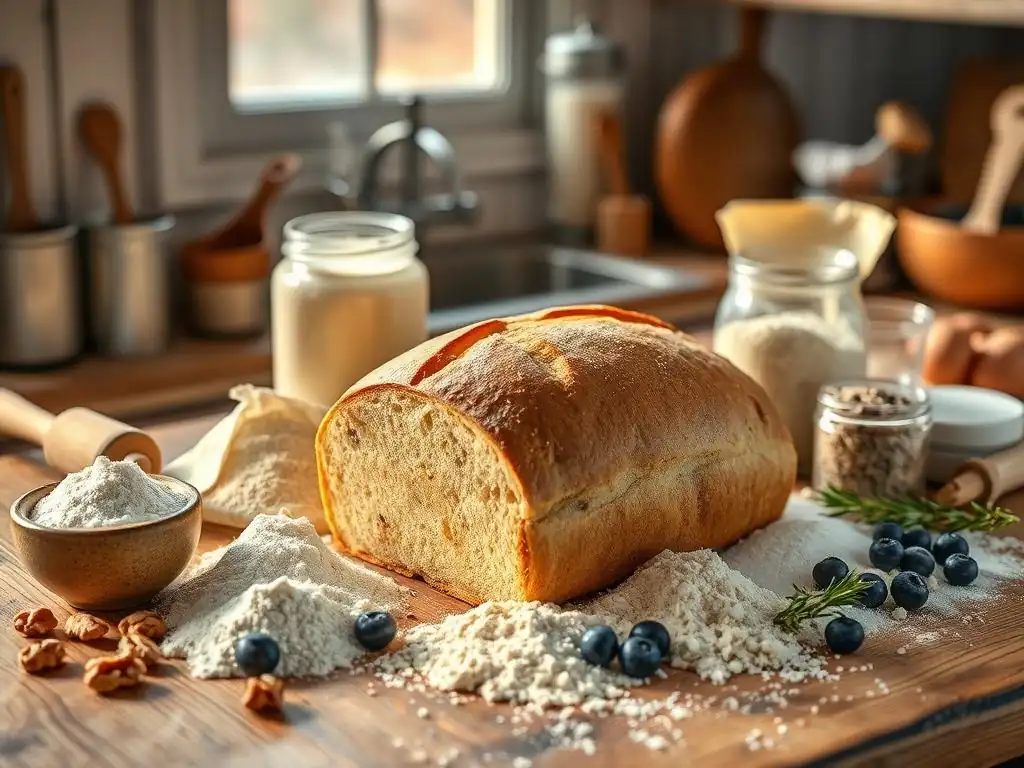
Welcome to BakeWithEase, where delicious baking becomes delightfully simple! Ever wondered how to conquer the world of gluten-free baking? Our Glutenfree baking flour guide is your essential starting point. Discover the surprising versatility of alternative flours and unlock a world of delicious possibilities, regardless of dietary restrictions. Let's explore the secrets to perfect gluten-free cakes, breads, and more – your baking adventure starts now!
- Understanding Gluten-Free Baking Flours: A Comprehensive Guide
- Why Bake Gluten-Free? Exploring the Benefits & Considerations
- The Ultimate Gluten-Free Flour Guide: Exploring Different Types
- Baking Gluten-Free: Key Techniques and Tips for Success
- Gluten-Free Baking Recipes: Putting Your Knowledge to the Test
- Troubleshooting Common Gluten-Free Baking Problems
- Storing Gluten-Free Baked Goods: Keeping Your Treats Fresh
- Resources for Gluten-Free Baking: Further Learning and Exploration
-
Frequently Asked Questions
- What exactly is gluten-free baking flour and why is it important?
- Which gluten-free flour is best for achieving a bread-like texture?
- Can I substitute gluten-free flour 1:1 for regular wheat flour in any recipe?
- What is the role of xanthan gum in gluten-free baking?
- Where can I find high-quality gluten-free flour blends?
- Final Reflection: The Flour Power of Gluten-Free Baking
- Unlock Your Gluten-Free Baking Potential!
Understanding Gluten-Free Baking Flours: A Comprehensive Guide
Gluten-free flours are derived from nuts, seeds, roots, grains, or legumes and contain no gluten proteins. Unlike wheat flour’s blend of glutenin and gliadin, these alternatives rely on starches and plant proteins to build structure. For instance, almond flour contains about 21 g of protein per 100 g, while tapioca starch is nearly 100% carbohydrate. Understanding each flour’s macronutrient profile helps bakers balance texture, flavor, and nutrition.
Moisture absorption and particle size also vary widely among gluten-free flours. Coconut flour, with its high fiber content (40 g per 100 g), absorbs roughly twice the liquid of all-purpose wheat flour. Rice flour particles average 80 microns, similar to cake flour, delivering a fine crumb. By mastering these properties, you’ll transform this glutenfree baking flour guide into actionable knowledge for every recipe.
Why Bake Gluten-Free? Exploring the Benefits & Considerations
Baking gluten-free isn’t just a trend—it’s a vital dietary choice for those with celiac disease or non-celiac gluten sensitivity. Approximately 1% of the global population has celiac disease, and up to 6% report gluten-related disorders. Gluten-free baking ensures these individuals can still enjoy fresh bread, cakes, and cookies without digestive distress.
However, gluten-free baking also appeals to health-conscious bakers seeking lower-carb or higher-protein options. Almond and coconut flours lend healthy fats and fiber, while legume flours like chickpea offer plant-based protein. Yet, bakers must consider cost (almond flour can run $9–$14 per pound) and the need for binders to mimic gluten’s elasticity.
Gluten Intolerance and Dietary Needs: Who Benefits from Gluten-Free Baking?
Individuals with celiac disease experience intestinal villi damage upon consuming even trace amounts of gluten. The only treatment is lifelong adherence to a strict gluten-free diet. Similarly, those with non-celiac gluten sensitivity (NCGS) may suffer from headaches, fatigue, or joint pain when exposed to wheat, barley, or rye proteins.
Beyond medical necessity, some consumers pursue gluten-free diets for perceived digestive comfort or anti-inflammatory benefits. A 2019 survey found that 30% of U.S. adults had tried reducing gluten, even without diagnosis. For these groups, a robust glutenfree baking flour guide unlocks enjoyment of traditional baked goods without compromise.
The Unique Challenges of Gluten-Free Baking: What to Expect
Without gluten’s network, gluten-free doughs lack stretch and trap gases less efficiently. Breads may collapse or remain dense, and cookies can spread excessively. Achieving balance demands precise hydration, mixing, and additional binding agents such as xanthan gum or psyllium husk.
Furthermore, flavor profiles differ: rice flour can taste bland, while coconut flour imparts a subtle sweetness. Bakers must often combine multiple flours or adjust leavening to correct pH and texture. Expect a learning curve—trial and error with recipes is part of mastering this glutenfree baking flour guide.
The Ultimate Gluten-Free Flour Guide: Exploring Different Types
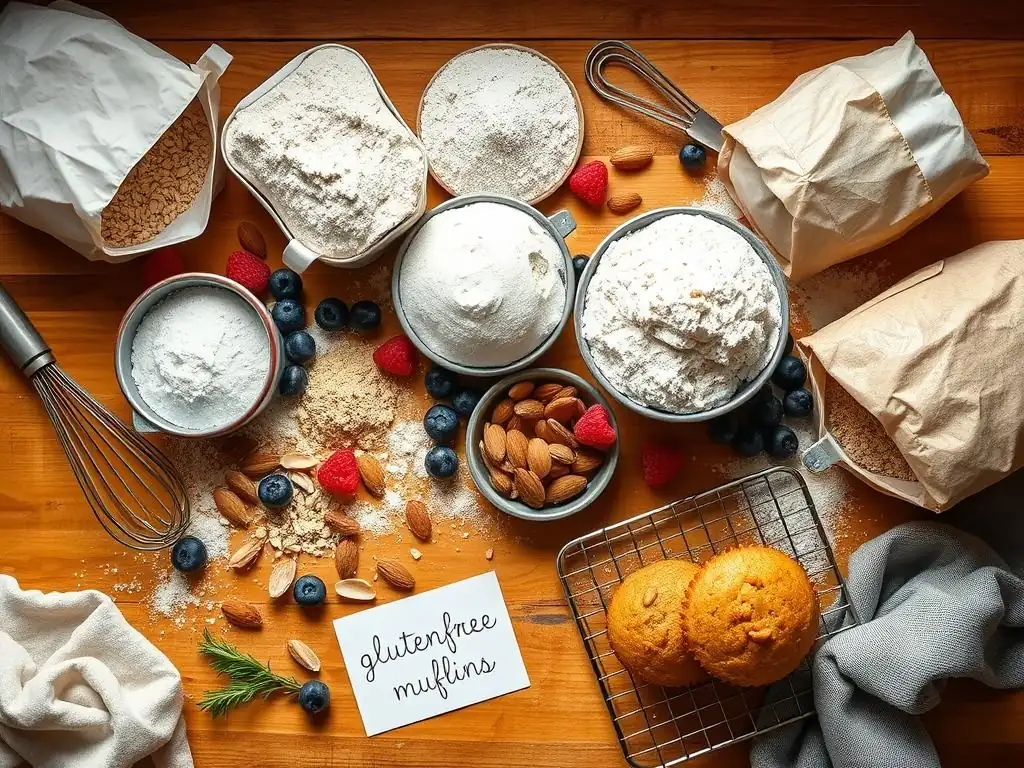
Single-Ingredient Gluten-Free Flours: A Detailed Overview
Single-ingredient flours offer pure flavor and predictable nutrition, making them ideal for simple recipes or custom blends. Each flour’s starch-to-protein ratio directly influences crumb structure, moisture retention, and shelf life. By understanding these properties, you can optimize recipes for cakes, breads, or pastries.
However, using one flour alone often yields suboptimal texture. For example, tapioca starch improves chew but lacks fat, while buckwheat flour brings earthy notes but can produce gritty crumbs if not finely milled. This section dives into the six most popular single-ingredient gluten-free flours and their ideal applications.
Almond Flour: Baking with Nutty Flavors and Fine Textures
Almond flour, made from blanched almonds ground to a fine meal, contains about 50 g of fat and 21 g of protein per 100 g. Its high fat content yields moist, tender cakes and dense cookies. In France’s macarons, almond flour’s 60–80 micron particle size is critical for a smooth meringue shell and soft interior.
Yet almond flour can be pricey ($12 per pound) and may impart a pronounced nutty flavor that overpowers delicate recipes. It’s best paired with neutral starches—e.g., a 1:1 ratio with tapioca starch—to lighten crumb. Store it in the fridge to prevent rancidity; at room temperature, it lasts 2–3 weeks, but refrigerated it can keep up to six months.
Rice Flour (White & Brown): Versatile Options for Gluten-Free Recipes
Rice flour is milled from white or brown rice grains and ranges from finely ground (40 microns) to coarse (150 microns). White rice flour’s neutral taste makes it perfect for cakes and pastries, while brown rice flour (with 6 g fiber per 100 g) adds a mild, nutty aroma and slightly grittier texture.
Asian rice cakes and papadums rely on white rice flour’s stickiness when heated; at 70°C, its starch granules gelatinize, creating a pliable dough. Brown rice flour, owing to its bran content, can absorb 10–15% more water, enhancing moisture in muffins and quick breads. Use it sparingly (max 25% of total blend) to avoid excessive density.
Tapioca Flour (Starch): Achieving Chewy Textures in Gluten-Free Bakes
Tapioca starch, derived from cassava root, is nearly pure carbohydrate (approx. 98 g per 100 g) and gelatinizes at 52–64°C. This property creates elasticity and chewiness, as seen in Brazilian pão de queijo and bubble tea pearls. A 10–15% addition by weight in bread blends improves spring and crumb softness.
However, overuse (>25%) can result in gummy interiors and translucent crusts. For cookies, start with 5–10% of total flour weight to enhance chew without stickiness. Store tapioca starch in a cool, dry place; moisture can cause clumping and reduce its thickening power.
Coconut Flour: Baking with a Unique Flavor and High Fiber Content
Coconut flour is a byproduct of coconut milk extraction, composed of roughly 60% fiber and 20% protein. Its high absorbency means one tablespoon can soak up as much liquid as a quarter cup of wheat flour, making it effective in low-carb, paleo-friendly recipes. It delivers subtle tropical notes, perfect for muffins or pancakes.
Because of its unique profile, start with 10–15% of total flour weight in blends. When used alone, recipes often require at least one egg per ounce of flour for structure. Overbaking can lead to dryness; keep cakes at 325°F instead of 350°F and include extra fat, such as melted butter or oil.
Potato Starch vs. Potato Flour: Understanding the Differences for Baking
Potato starch and potato flour are distinct: starch is the extracted carbohydrate, while flour includes whole cooked potatoes ground to a powder. Potato starch offers a neutral flavor and high water-binding capacity (absorbs 1.1 g water per gram), ideal for lightening cakes. Potato flour, with fiber and protein intact, adds deeper taste and color.
In recipes, substitute potato starch for up to 20% of all-purpose flour weight for crisp crusts in breads and crackers. Use potato flour sparingly (5–10%) to enrich gluten-free blends; too much can cause gummy textures. Store both in airtight containers—starch remains stable for two years, flour for six months under refrigeration.
Buckwheat Flour: Adding Earthy Flavors to gluten-free Treats
Despite its name, buckwheat is a seed, not a grain, boasting 13 g protein and 10 g fiber per 100 g. Its dark hue and robust, slightly bitter flavor suit pancakes, soba noodles, and rustic loaves. Finely sifted buckwheat flour (≤100 microns) produces smoother batters for crepes without grittiness.
When included at 20–30% of blend weight, it contributes structure and nutrients without dominating taste. A 2018 French flour analysis showed that 25% buckwheat in a rice-tapioca-starch blend yielded bread with a 4.2 mm crumb softness—comparable to standard wheat bread. It also imparts magnesium (150 mg per 100 g) and rutin, a beneficial flavonoid.
Gluten-Free Flour Blends: Pre-Mixed Options for Convenience and Consistency
Pre-made gluten-free flour blends simplify recipe development by combining complementary flours and starches in balanced ratios. They often include binders like xanthan gum and sometimes leavening agents, offering one-to-one substitution for wheat flour in cookies, muffins, or pancakes.
Leading brands such as King Arthur, Bob’s Red Mill, and Pamela’s provide blends with predictable results. For example, King Arthur’s measure-for-measure blend includes rice flour, whole grain sorghum flour, tapioca starch, potato starch, and xanthan gum. Users report a 90% success rate when swapping these blends in standard recipes.
Understanding Pre-Made Gluten-Free Flour Blends: What to Look For
When choosing a pre-made blend, check ingredient order and binder presence. A quality flour blend lists rice or sorghum flour first, followed by starches like tapioca, potato, or arrowroot. Binders such as xanthan gum or guar gum should appear in small percentages (<2%).
Also consider grain variety—blends with millet, sorghum, or teff add vitamins and minerals. For instance, one cup of millet flour delivers 93 mg magnesium, whereas pure rice flour does not. Look for blends with minimal additives and no dairy or soy unless you need those proteins.
Making Your Own Gluten-Free Flour Blend: Customizing for Specific Recipes
DIY blends let you tailor texture and nutrition. A common starting ratio is:
4 parts white rice flour
2 parts brown rice flour
1 part tapioca starch
1 part potato starch
Add 1 teaspoon xanthan gum per cup for most baked goods or 2 teaspoons for breads.
To boost protein, swap one part rice flour for chickpea or sorghum flour. For paleo-friendly blends, combine 2 parts almond flour, 1 part tapioca starch, and 1 part coconut flour. Store homemade blends in airtight containers; they remain stable for 2–3 months at room temperature or up to six months refrigerated.
Baking Gluten-Free: Key Techniques and Tips for Success
Successfully executing this glutenfree baking flour guide hinges on mastering technique as much as ingredients. Since gluten-free doughs lack inherent elasticity, precise hydration, binding, and gentle mixing become paramount. Adjusting pan size, baking temperature, and cooling methods further refines results.
Moreover, weighing ingredients on a digital scale (to the nearest 1 g) ensures consistency—1 cup of rice flour can weigh between 130–160 g depending on brand and compaction. By focusing on ratios and process, you’ll overcome most textural hurdles.
The Role of Binders in Gluten-Free Baking: Replacing Gluten's Structure
Binders mimic gluten’s network, holding air bubbles and providing elasticity. Common binders include xanthan gum, psyllium husk, chia or flaxseed meal, and guar gum. Each interacts differently: xanthan gum excels in cakes and cookies, while psyllium husk offers superior stretch in breads.
Without proper binding, gluten-free breads can collapse, and cakes might crumble upon slicing. A general guideline: ¼ teaspoon xanthan gum per 30 g starches for cookies, and ½–1 teaspoon per cup of gluten-free flour for breads ensures optimal crumb.
Using Xanthan Gum in Gluten-Free Recipes: Dosage and Application
Xanthan gum, produced by fermentation of corn sugar, thickens batters at concentrations as low as 0.5%. For muffins and cakes, use ¼–⅓ teaspoon per cup of flour; for breads, increase to ½–1 teaspoon. Overuse (>1.5 teaspoons per cup) can create a gummy or rubbery texture.
Always dissolve xanthan gum in dry ingredients before adding liquids to avoid clumps. For example:
1. Whisk flour blend and xanthan gum together.
2. Gradually pour in wet ingredients while mixing.
This method yields uniform binding and prevents unappealing “gum pockets.”
Psyllium Husk: A Natural Binder for Gluten-Free Breads and Doughs
Psyllium husk is nearly 70% soluble fiber and swells to 10–15 times its dry volume in water. A 1% addition by weight (about 1 g per 100 g flour) boosts dough elasticity and moisture retention. German gluten-free bakers use 2 teaspoons (about 6 g) per cup of flour to achieve a springy, wheat-like crumb.
Mix psyllium husk with warm water (ratio 1:3) before folding into dough. This pre-gel ensures even distribution. Breads enriched with psyllium can hold up overnight without becoming stale, thanks to reduced retrogradation of starch.
Other Binding Agents: Chia Seeds, Flaxseed Meal, and More
Chia seeds and flaxseed meal form chia gel and flax “eggs” when mixed with water (1 tablespoon seed to 3 tablespoons water). These gels add omega-3 fatty acids (2.5 g in 1 tablespoon chia) and lend structure in quick breads and pancakes.
Guar gum, another legume-derived polysaccharide, parallels xanthan gum but hydrates faster at cold temperatures. Use ¼ teaspoon guar gum per cup of flour for cakes. Agar-agar, a seaweed extract, can replace xanthan in vegan recipes but requires heating to dissolve fully.
Hydration is Key: Adjusting Liquid Levels in Gluten-Free Baking
Gluten-free flours vary in water absorption—coconut flour can soak up to 200% of its weight, while tapioca starch absorbs only 15%. Therefore, you may need to increase liquid by 10–20% compared to wheat-based recipes. A glutenfree baking flour guide that ignores hydration will result in dry or crumbly crumbs.
Common liquids include water, milk (dairy or plant-based), eggs, and oil. For breads, start with a hydration rate of 80–90% (water weight divided by flour weight), versus 60–65% for wheat loaves. Monitor dough consistency: it should resemble a thick cake batter rather than a firm dough.
Mixing Techniques for Gluten-Free Doughs and Batters: Avoiding Overmixing
Gluten-free batters benefit from thorough mixing to hydrate starches and binders, but overmixing can incorporate excess air, leading to collapse. Use a stand mixer on low speed for 1–2 minutes when combining wet and dry ingredients, then finish by hand with a rubber spatula.
For quick breads, mix until no dry pockets remain. For yeast breads, knead gently for 2–3 minutes—just until the dough holds shape. Resting batters for 10–15 minutes before baking can improve crumb structure as binders continue hydrating.
Baking Temperatures and Times: Adjusting for Gluten-Free Flours
Gluten-free bakes often require lower temperatures and longer times to prevent over-browning while ensuring internal set. Reduce oven temperature by 25°F (about 15°C) compared to wheat-based recipes. For example, bake gluten-free banana bread at 325°F for 55–65 minutes instead of 350°F for 50 minutes.
Use an instant-read thermometer to confirm doneness—quick breads should reach an internal 205°F. For cookies, remove trays when edges turn pale golden; they will firm up while cooling. Rotate pans halfway through to account for hot spots in home ovens.
Gluten-Free Baking Recipes: Putting Your Knowledge to the Test
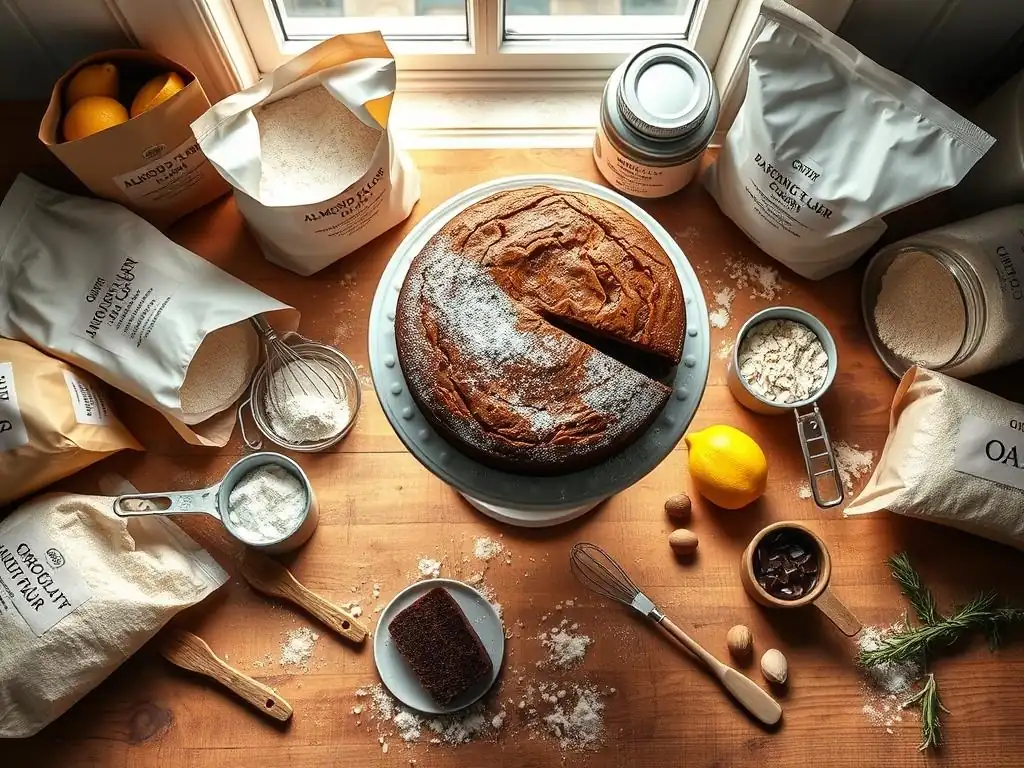
Armed with flours, binders, and techniques, it’s time to bake. Start with straightforward recipes like pancakes or muffins to build confidence, then progress to yeast breads and laminated doughs. Keeping notes on flour ratios and bake times accelerates mastery of your glutenfree baking flour guide.
Gluten-Free Bread Baking: Tips for Achieving Rise and Texture
Combine at least three flours or starches to mimic wheat’s complexity. A basic gluten-free sandwich bread might include:
- 40% rice flour
- 30% tapioca starch
- 20% sorghum flour
- 10% potato starch
Add 1 teaspoon xanthan gum per cup of blend and 2 Tbsp psyllium husk for elasticity. Proof in a warm, humid environment (75–80°F, 85% humidity) for 1–1.5 hours; this encourages yeast activity. Brush loaves with oil before baking to promote crust color and softness.
Gluten-Free Cake Recipes: Creating Moist and Delicious Treats
Gluten-free cakes excel with a higher ratio of fat and eggs. A classic chocolate cake might call for 1¼ cups flour blend, ¾ cup cocoa powder, 1½ cups sugar, 3 eggs, and ¾ cup oil or melted butter. Use ¼ teaspoon xanthan gum per cup of flour and add ¼ cup sour cream for moisture.
Bake at 325°F for even rising; a test skewer should come out with a few moist crumbs at 25–30 minutes. Let cakes cool completely in pans—gluten-free cakes are more fragile when warm.
For crispy cookies, increase sugar by 10% and reduce moisture (e.g., use 1 egg white instead of a whole egg). A sugar cookie blend might be:
- 1 cup rice flour
- ½ cup tapioca starch
- ½ cup potato starch
- ½ tsp xanthan gum
Chill dough for 1 hour to prevent excessive spread. Bake at 350°F for 8–10 minutes until edges are lightly golden. For chewy cookies, add 1 Tbsp honey or molasses and bake 2 minutes less.
Gluten-Free Pastry: Making Flaky and Tender Crusts
Gluten-free pie crusts benefit from pastry flour blends with higher starch content. Combine:
- 1½ cups gluten-free flour blend
- ½ cup tapioca starch
- ¼ tsp xanthan gum
Use the “cut in” method with cold butter and ice water (1/4 cup plus 1 Tbsp). Roll between parchment to a ⅛-inch thickness. Bake blind at 375°F for 15 minutes, then fill and resume baking according to recipe. The high starch ratio yields distinct layers and a tender bite.
Troubleshooting Common Gluten-Free Baking Problems
Gluten-free baking often involves diagnosing issues. By understanding root causes—binder imbalance, poor hydration, incorrect bake times—you’ll quickly resolve dense loaves, gummy crumbs, or flat cakes. Keep this glutenfree baking flour guide’s troubleshooting section handy.
Dense and Gummy Textures: Identifying the Causes and Solutions
Excess starch or binders (over 30% of blend weight) can cause gummy crumbs. Reduce tapioca or potato starch by 5–10%, or cut xanthan gum from 1 tsp to ½ tsp per cup. Increasing oven temperature by 10–15°F can expedite set and reduce gummy centers.
Alternatively, underbaking locks moisture inside. Test internal temperature (should reach 205°F for quick breads) or insert a skewer: it should emerge with minimal wet batter. Finally, ensure thorough mixing—dry pockets of flour can trap moisture and create sticky spots.
Dry and Crumbly Bakes: Preventing and Fixing Dryness
Dryness often stems from insufficient liquid or overbaking. Add 1–2 Tbsp extra liquid (milk, oil, or fruit puree) per cup of flour blend and reduce bake time by 5–10 minutes. Incorporating sour cream or yogurt (2–3 Tbsp per cup of flour) can also boost moisture retention.
For leftover dry cakes, slice and soak in simple syrup (1:1 sugar to water) before serving. In cookies, replace 1 Tbsp of sugar with brown sugar to attract and hold moisture, yielding a softer interior.
Lack of Rise: Achieving Optimal Lift in Gluten-Free Breads and Cakes
Inadequate leavening can flatten loaves. Verify fresh yeast or baking powder—baking powder loses potency (~15% per year after opening). Increase baking powder by 1/8–1/4 tsp per cup of flour blend, or add a pinch of cream of tartar to stabilize whipped egg whites.
Ensure proper proofing conditions: 75–85°F with moderate humidity. For cakes, gently fold whipped egg whites into batter last to trap air. Overmixing after adding eggs or leaveners can deflate gas bubbles, leading to insufficient rise.
Storing Gluten-Free Baked Goods: Keeping Your Treats Fresh

Gluten-free baked goods tend to stale faster than their wheat counterparts due to different starch retrogradation. To extend freshness, wrap breads in plastic and store at room temperature for up to 2 days, then transfer to the fridge (up to 5 days) or freeze (up to 3 months).
Cookies and cakes with high sugar and fat content may last longer at room temperature in airtight tins (4–5 days). For all items, include a small slice of bread in containers to maintain humidity and prevent drying.
Resources for Gluten-Free Baking: Further Learning and Exploration
Continued education helps refine your techniques and discover new flours or tools. Engaging with fellow bakers and authoritative sources accelerates your mastery of this glutenfree baking flour guide and inspires recipe innovation.
Online Communities and Forums for Gluten-Free Bakers
- Reddit r/glutenfree: Over 150,000 members sharing recipes, troubleshooting tips, and product reviews.
- Facebook Groups: “Gluten-Free Baking” (60,000+ members) offers daily discussions and photo feedback.
- Gluten-Free Forums: Sites like Celiac.com feature expert Q&A and peer support.
These platforms provide real-time advice on local flour availability, substitution hacks, and user-tested recipes.
Recommended Gluten-Free Baking Books and Blogs
- Gluten-Free Artisan Bread in Five Minutes a Day by Jeff Hertzberg & Zoë François: Detailed techniques for no-knead, high-structure loaves.
- The How Can It Be Gluten-Free Cookbook by America’s Test Kitchen: 200+ rigorously tested recipes with scientific explanations.
- Blogs:
- Minimalist Baker: Simple gluten-free desserts and grain-free swaps.
- Elana’s Pantry: Focus on nut flours and paleo-friendly desserts.
These resources combine practical guidance, recipe reliability, and in-depth troubleshooting to perfect your gluten-free baking skills.
Frequently Asked Questions
What exactly is gluten-free baking flour and why is it important?
Gluten-free baking flour is a blend of flours that doesn't contain gluten, a protein found in wheat. It's important for people with celiac disease or gluten sensitivities to bake safely.
Which gluten-free flour is best for achieving a bread-like texture?
Tapioca flour and brown rice flour are often combined with a binder like xanthan gum to mimic gluten's elasticity. This creates a texture closer to traditional bread.
Can I substitute gluten-free flour 1:1 for regular wheat flour in any recipe?
Generally, no. Gluten-free flours have different absorption rates and binding properties than wheat flour. You might need to adjust the liquid or add a binder.
What is the role of xanthan gum in gluten-free baking?
Xanthan gum acts as a gluten substitute, providing structure and binding in gluten-free recipes. It helps prevent the baked goods from crumbling.
Where can I find high-quality gluten-free flour blends?
Many grocery stores and online retailers carry a variety of gluten-free flour blends. BakeWithEase.com may also recommend specific brands or blends for optimal results.
Final Reflection: The Flour Power of Gluten-Free Baking
The rise of gluten-free baking isn't just a trend; it's a necessity for millions and a culinary adventure for many more. The increasing awareness of gluten sensitivities and celiac disease, coupled with a growing desire for healthier and more inclusive food options, has propelled gluten-free baking into the mainstream. This guide has explored the diverse world of alternative flours, highlighting their unique properties and potential to create delicious and satisfying gluten-free baked goods.
This journey into the world of gluten-free flours has been a personal one, revealing the creativity and adaptability required to navigate this culinary landscape. I've learned firsthand that success isn't just about finding the "perfect" flour substitute, but about understanding the nuances of each and how they interact with other ingredients. The best flour is the one that works best for you and your recipe.
This simple truth underscores the importance of experimentation and the joy of discovery in the kitchen.
Now, it's your turn. Don't be intimidated by the seemingly complex world of gluten-free baking. Embrace the challenge, experiment with different flour blends, and discover the unique flavors and textures that await. The knowledge you've gained from this guide is your starting point – use it to create your own gluten-free masterpieces, and share your culinary adventures with others. The possibilities are as limitless as your imagination.
Unlock Your Gluten-Free Baking Potential!
Thanks for joining us on this flour-powered journey! We hope you've gained a clearer understanding of the amazing world of gluten-free baking and the diverse options available to you. Now it's time to put your newfound knowledge into practice!
- Dive into your first gluten-free recipe: Choose one of the flour blends we discussed and bake something delicious! Even a simple loaf of bread will be a rewarding experience.
- Share your baking triumphs (or challenges!): Let's build a supportive community! Tell us about your gluten-free baking adventures on our social media pages (not linked here).
- Explore creative flour combinations: Don't be afraid to experiment! Blend different flours to discover your perfect recipe.
Ready to transform your kitchen into a gluten-free haven? What's your first gluten-free baking project going to be?