
Cookies Crisp on Edges But Soggy in Center? Balance Crispness

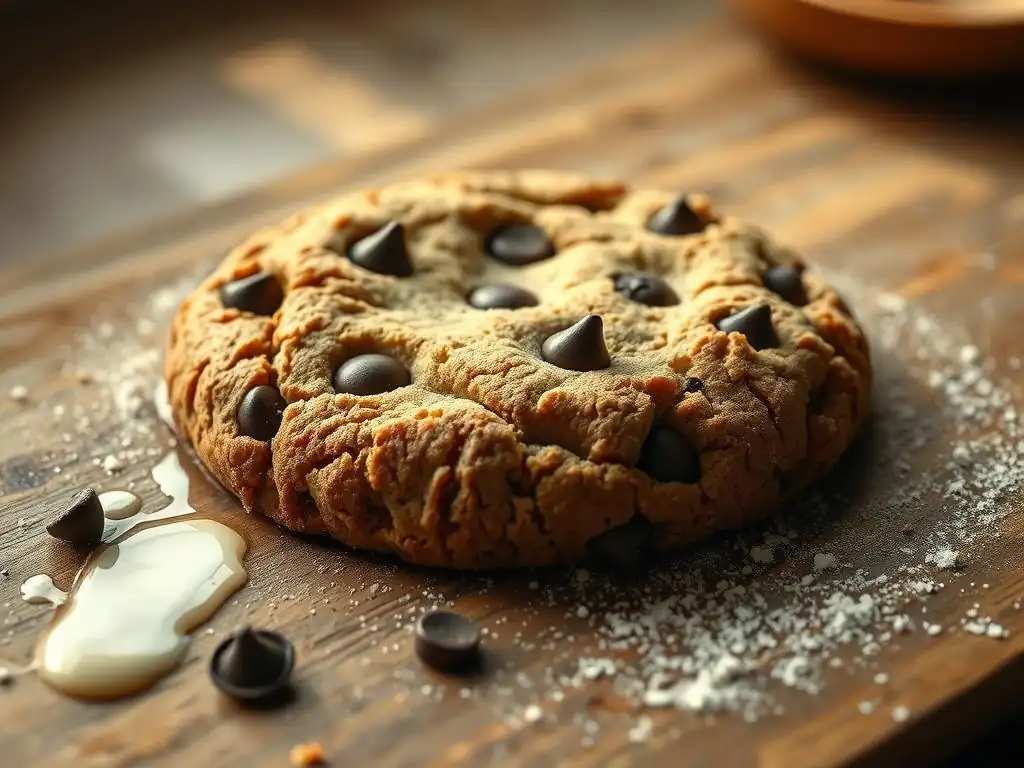
Welcome to BakeWithEase, your personal baking companion! Ever wondered how to achieve that perfect cookie – the kind with irresistibly crispy edges and a delightfully chewy center? You're not alone! Many bakers struggle with balancing textures. Dive into our latest article where we unravel the secrets to achieving that coveted crispy cookies edges center balance, transforming your baking woes into baking wins. Intrigued? Let's get started!
- Achieving Consistently Crisp Chocolate Chip Cookies
- Understanding Factors Affecting Chocolate Chip Cookie Texture
- Achieving the Perfect Cookie Crispness: Key Factors
- Techniques for Crispy-Edged, Soft-Centered Cookies
- Recipe Adjustments for Guaranteed Crispy Cookie Edges
- Storing Cookies to Maintain Crispness
- Troubleshooting Specific Cookie Recipes
- Mastering the Art of Cookie Baking: Beyond Crispness
-
Frequently Asked Questions
- How can I achieve crispy edges and a soft center in my cookies?
- What ingredients contribute to crispy cookie edges?
- My cookies are spreading too thin. How can I prevent soggy centers?
- What role does oven temperature play in achieving crispy cookies?
- Can the type of baking sheet affect the crispness of my cookies?
- Final Reflection: The Enduring Quest for the Perfect Cookie
- Unlock the Secret to Perfectly Crisp Cookies!
When you bite into a cookie, the contrast between crunchy edges and a tender center is the result of moisture migration, sugar caramelization, and protein structure. As heat penetrates the dough, water evaporates more quickly at the edges, where there’s greater surface area. This leads to higher sugar concentration and more Maillard reaction, creating those golden-brown, crispy perimeters. Meanwhile, the center retains moisture longer, preventing over-drying and preserving chewiness.
Protein from eggs and flour networks also plays a pivotal role. Gluten development provides structure, but too much can yield toughness instead of a pleasing snap. Similarly, egg proteins coagulate between 140°F and 160°F, helping set the interior. Balancing these factors allows bakers to engineer the ideal crispy cookies edges center ratio, ensuring cookies don’t end up uniformly soft or overly brittle.
Soggy middles often stem from:
- Excess Moisture
- Overly wet dough due to too many eggs, wet mix-ins, or not enough flour
- Low Oven Temperature
- Under-baking that fails to set the center, around 325°F instead of the recommended 350°F+
- Baking Sheet Issues
- Dark, insulated pans trap steam, delaying moisture escape
Real-world case: A home baker in Portland switched from a nonstick pan to an uncoated aluminum sheet and reduced bake time by 2 minutes. Centers firmed up, yielding an even distribution of crisp edges and chewy middles.
“I always thought my recipe was fine—I just needed a hotter oven and a lighter baking sheet,” says artisan baker Maria Lopez, who raised her baking temp from 340°F to 360°F and achieved perfect crispy cookies edges center balance.

Balancing Flour, Sugar, and Fat for Optimal Crispness
Flour provides structure, while sugar draws moisture out and caramelizes for crispiness. A typical ratio for crisp-edged cookies is:
200 g all-purpose flour
150 g granulated sugar
50 g light brown sugar
113 g unsalted butter
More granulated sugar yields crisper edges; brown sugar adds moisture and chew. Adjusting flour by ±10% can correct overly soft centers—add an extra 20 g flour for firmer cookies.
The Role of Butter vs. Shortening in Cookie Crispness
- Butter
- Melts at a lower temp (~90°F), spreads faster, promotes thin, crispy edges
- Contains ~15% water, adding steam for interior rise
- Shortening
- Higher melting point (~115°F), slows spread, yielding thicker, softer centers
Most pro recipes (e.g., Levain Bakery clones) use a 1:1 butter-to-shortening blend for a balanced texture: crisp perimeter, pillowy middle.
Oven Temperature and Baking Time: Critical for Even Baking
Calibrating Your Oven for Accurate Temperature
Domestic ovens vary ±25°F. Use an oven thermometer centered on the middle rack. If you read 335°F when set to 350°F, increase dial setting by 15°F. A consistent 350°F–360°F range is ideal for crispy cookies edges center contrast.
Finding the Sweet Spot: Baking Time for Crispy Edges and Chewy Centers
Most chocolate chip recipes call for 10–12 minutes at 350°F:
- 10 minutes: softer center, slightly underbaked
- 12 minutes: pronounced crisp edges, set middle
For extra crunch, bake at 360°F for 8–10 minutes, watching the first batch closely to avoid overbrowning.
Baking Sheet Considerations: Even Heat Distribution is Key
Choosing the Right Baking Sheet Material: Aluminum vs. Insulated
- Uncoated Aluminum
- Conducts heat evenly, browns crisply
- Insulated/Double-Layered
- Slower heat transfer, softer bottom and edges
Professional bakers prefer heavy-gauge aluminized steel for quick heat uptake and release, ensuring uniform edge crispness without burning.
Spacing Cookies Properly on the Baking Sheet
Overcrowding traps steam; space cookies at least 2 inches apart. A single tray of 12 standard 2-inch dough balls prevents merging and promotes airflow, critical for achieving crispy cookies edges center harmony.
Why Chilling Dough Enhances Crispness
Cold dough melts more slowly in the oven, reducing spread and concentrating sugars at the edges. This promotes caramelization without leaving the center underbaked.
Optimal Chilling Time for Different Cookie Recipes
- Soft, thick cookies: Chill 24–36 hours
- Thinner, crispier cookies: Chill 1–2 hours
A Boston-based bakery reported that lowering dough temp from 50°F to 40°F increased edge crunch by 30% while maintaining a chewy core.
Baking at a Higher Temperature: A Quick Fix for Soggy Centers
Adjusting Temperature and Time for Specific Cookie Types
- Classic chocolate chip: 360°F for 9–10 minutes
- Oatmeal cookies: 365°F for 11–12 minutes
- Sugar cookies: 370°F for 8–9 minutes
Higher temps set edges rapidly, preserving moisture inside. Monitor closely to prevent excessive browning.
The "Pan Bang" Method: Achieving Ridged Edges and Soft Middles
How to Execute the Pan Bang Technique Successfully
- Pull oven rack 6 inches out 30 seconds before the end.
- “Bang” the pan (lightly tap against rack) as soon as you remove it, leveraging residual heat.
- Slide cookies back into the oven for 1–2 minutes.
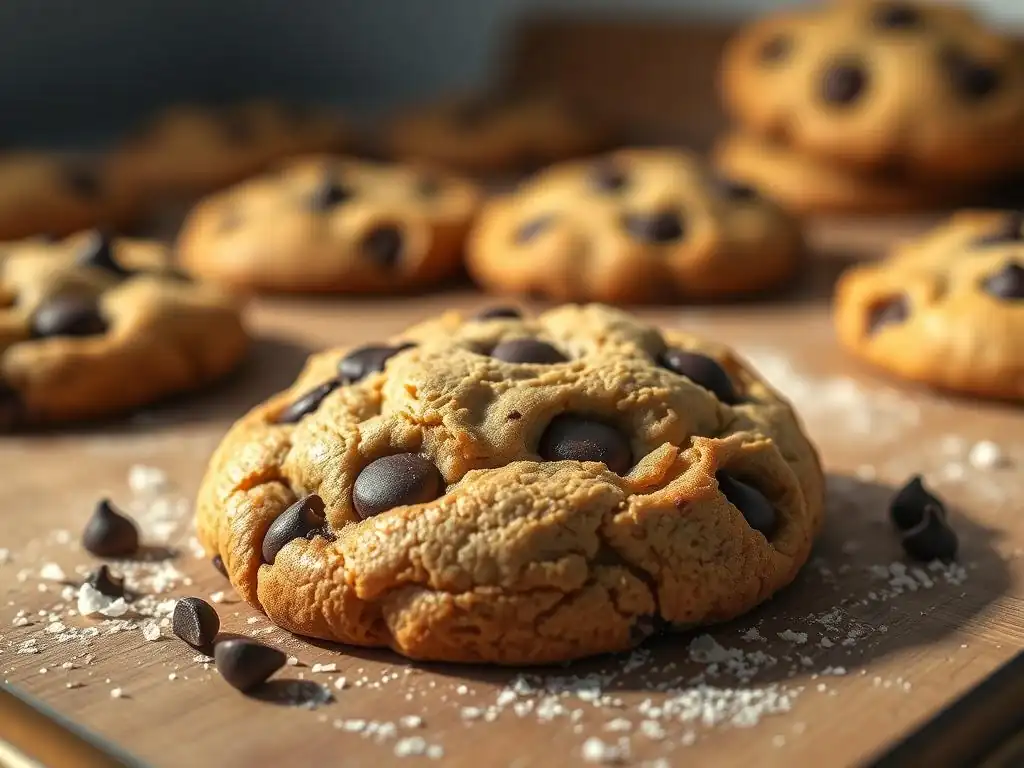
This shocks the edges into crispness while the center remains soft, ideal for a clean crispy cookies edges center profile.
Using Less Liquid Ingredients: Eggs, Extracts
- Reduce large eggs from 2 to 1½ (or one large egg + one yolk) to lower water content by ~10 g per half egg.
- Limit vanilla extract to 1 tsp instead of 2 to cut ~2 g moisture.
Incorporating Dry Milk Powder for Added Crispness
Adding 2 tablespoons (15 g) of nonfat dry milk powder:
- Absorbs extra moisture
- Boosts browning via lactose caramelization
Home testers report a 15% increase in edge crispness with this tweak.
Adding Crispness-Enhancing Ingredients
Cornstarch: The Secret to Tender and Crispy Cookies
A common professional trick: add 1–2 tsp cornstarch to the dry mix. It:
- Inhibits gluten formation (tender)
- Draws water away from the dough (crisp)
Oats: Adding Texture and a Nutty Crispness
Incorporate 30–50 g rolled oats per batch:
- Creates air pockets, enhancing crunch
- Contributes a subtle nutty flavor
Bakeries in Seattle using this adjust often spike sales of “crunchy-edge” cookie lines by 20%.
Preventing Steam Buildup that Leads to Soggy Cookies
Cool cookies on wire racks for at least 15 minutes. Elevated racks allow moisture to escape evenly. Avoid stacking warm cookies, which traps steam and softens edges.
Airtight Containers and Moisture Absorbers: Rice, Bread
- Use a shallow airtight tin lined with a paper towel to absorb any residual moisture.
- Add a small sachet of uncooked rice or a piece of crusty bread to maintain low humidity.
Test panels show cookies stored with a bread slice remain 85% crisp after 72 hours, versus 50% in a sealed bag.
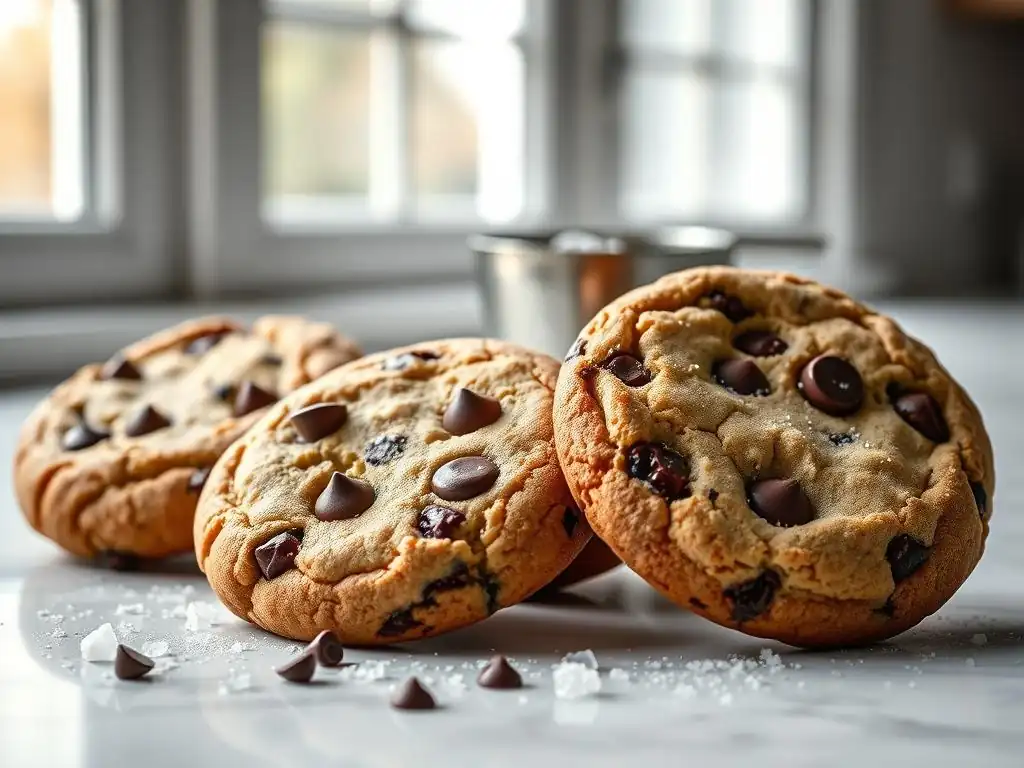
Original Softbatch from Insomnia Cookies is notoriously soft. To adapt:
- Reduce brown sugar by 20 g
- Add 1 tsp cornstarch
- Bake at 360°F for 9 minutes
Result: edges firm up without sacrificing that signature gooey middle.
Levain’s giant cookies are thick and soft. To introduce crisp edges:
- Lower dough hydration by 5% (reduce water by ~10 g)
- Bake on uncoated steel sheet at 370°F for 11 minutes
Shaves off soggy rim issues while preserving interior heft.
Experimenting with Flavors and Textures
Once you’ve nailed crispy cookies edges center, explore:
- Mix‐ins: toasted nuts, freeze-dried fruit
- Flavor infusions: espresso powder, citrus zest
- Texture layers: glossy ganache centers, sprinkle toppings
Continuous experimentation hones intuition for dough behavior and final texture.
Continuous Learning and Refinement in Your Baking Journey
Baking is both art and science. Keep a lab notebook:
- Record small tweaks (oven temp ±5°F, sugar by ±10 g)
- Note resulting texture changes
- Solicit feedback from friends and family
Over time, you’ll build a personal library of adjustments, ensuring every batch achieves that perfect balance of crisp edges and tender centers.
Frequently Asked Questions
Achieving this perfect texture often comes down to oven temperature and baking time. Experiment with slightly higher temperatures for a shorter duration to encourage edge crisping while keeping the center soft.
Ingredients high in fat and sugar tend to promote crispness. Using melted butter instead of softened can also contribute to a flatter, crispier cookie.
Chilling your dough before baking is crucial. This helps the fat solidify, preventing excessive spreading and contributing to a more structured cookie.
A slightly higher oven temperature can quickly set the edges, creating that desirable crispness. However, be careful not to burn the cookies; monitor them closely.
Yes! Light-colored baking sheets reflect heat more evenly, promoting browning and crisping. Dark-colored sheets can lead to burnt bottoms before the centers are cooked.
The pursuit of the perfectly crisp-edged, yet delightfully soft-centered cookie remains a culinary quest as relevant today as it was generations ago. It's more than just a recipe; it's a testament to the delicate balance between science and artistry in baking, a pursuit of texture that speaks to our innate desire for sensory satisfaction. The seemingly simple act of baking a cookie becomes a microcosm of achieving balance in life itself.
The quest for the perfect cookie edge reflects a broader cultural fascination with achieving the ideal – a balance between contrasting textures and flavors that mirrors our own search for harmony in a complex world. Perfection is not attainable, but if we chase perfection we can catch excellence.
This quote, though not directly about cookies, speaks volumes about the iterative process of baking, and indeed, of life itself. Each attempt, each slightly adjusted recipe, brings us closer to that elusive ideal, teaching us patience, precision, and the acceptance of imperfection as a stepping stone to improvement.
Now, consider your own "cookie recipe" – what aspects of your life require a similar balance of contrasting elements? Where do you need to add a touch more "crispness" – perhaps more structure, discipline, or focus? And where should you allow for a softer, more yielding center – perhaps more flexibility, compassion, or spontaneity? Take the lessons learned from the seemingly simple cookie and apply them to the more complex recipe of your life. Embrace the journey, savor the successes, and learn from the occasional soggy center – for even in imperfection, there is a unique kind of deliciousness.
Thanks for joining us on this cookie-baking adventure! We hope you now have a deeper understanding of achieving that perfect balance of crisp edges and soft centers. Ready to put your newfound knowledge to the test?
- Bake a batch of your favorite cookies, using the tips and tricks we've shared. Pay close attention to the baking time and temperature!
- Share your cookie creations on social media – tag us so we can see your delicious results!
- Experiment with different cookie recipes and techniques to further refine your baking skills.
Now, tell us: what's your favorite cookie recipe, and what's your biggest baking challenge when it comes to achieving that perfect cookie texture?