
Best Containers for Baked Goods: Keep Freshness Locked In

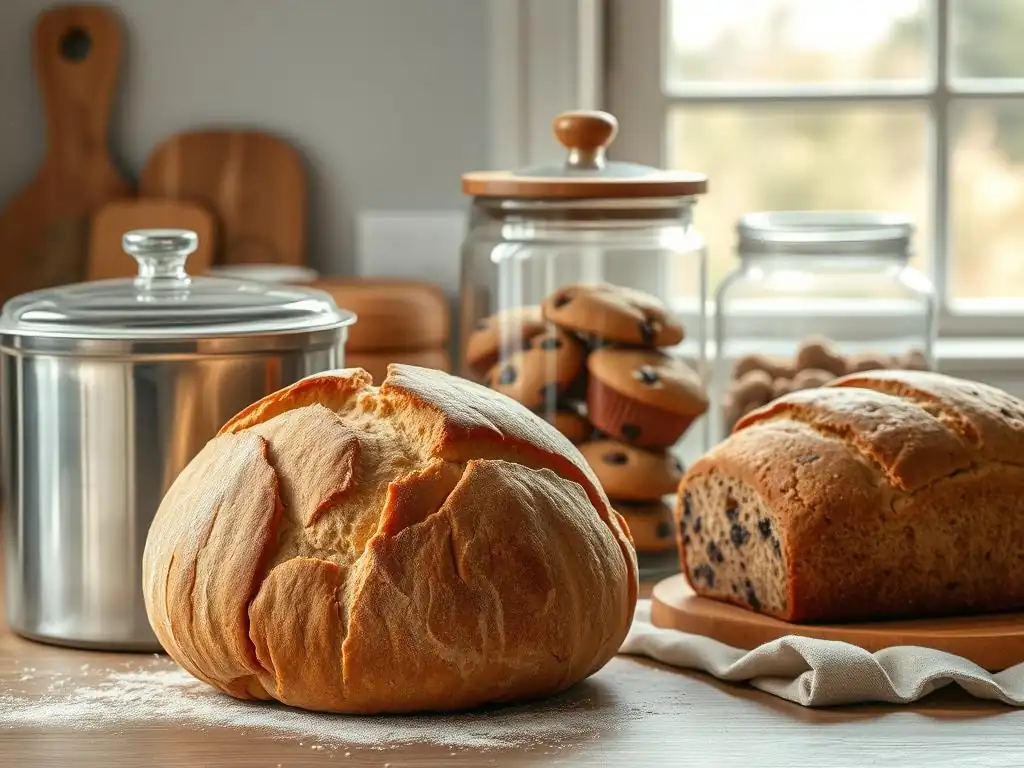
Welcome to BakeWithEase, your guide to baking bliss! Ever wondered if that stale sourdough is a container issue? We're diving deep into the world of baked goods storage, starting with a crucial question: What's the best container for sourdough bread? Unlock the secrets to keeping your creations fresh and delicious, and prepare to elevate your baking game. Let's get started!
- Introduction: Maintaining Freshness in Your Baked Creations
- Why Proper Storage Matters for Baked Goods
- Best Container for Sourdough Bread: A Deep Dive
- Beyond Sourdough: Container Solutions for Other Baked Goods
- Materials Matter: Choosing the Right Container Material
- Tips for Maximizing Freshness, Regardless of Container
- Cleaning and Maintaining Your Baked Goods Containers
- Conclusion: Choosing the Perfect Container for Your Baking Creations
-
Frequently Asked Questions
- What type of container is generally considered the best for storing sourdough bread?
- Are there any specific materials that are better for sourdough bread containers than others?
- How does the size of the container affect the freshness of my sourdough bread?
- Besides the container, are there any other tips for keeping sourdough bread fresh?
- Is freezing sourdough bread a good option for long-term storage, and if so, what kind of container is recommended for freezing?
- Final Reflection: Preserving the Perfect Loaf – And More
- Unlock Your Baking's Full Potential!
Introduction: Maintaining Freshness in Your Baked Creations
There's nothing quite like the joy of biting into a perfectly fresh baked good – the soft crumb of a cake, the crisp snap of a cookie, or the satisfying chew of a slice of sourdough bread. But maintaining that peak freshness after your creations come out of the oven can be a challenge. Proper storage is just as crucial as getting the recipe right. Without the right approach, your delicious treats can quickly turn stale, dry, or even soggy.
Choosing the correct container is a fundamental step in preserving the texture, flavor, and overall quality of everything you bake. From delicate pastries to hearty loaves, each type of baked good has unique needs when it comes to storage. Understanding these needs and selecting the appropriate container can significantly extend the enjoyment of your hard work, ensuring that every last crumb is as delightful as the first.
Why Proper Storage Matters for Baked Goods
Proper storage isn't just about preventing waste; it's about preserving the integrity of your baking. The environment in which you store your baked goods has a profound effect on how they age. Factors like air exposure, humidity levels, and temperature all play a critical role in how quickly a cake dries out, how fast a cookie loses its crunch, or how soon a loaf of bread becomes hard and stale.
By implementing effective storage techniques and using the right containers, you create a protective barrier against these environmental factors. This helps to slow down the natural processes that lead to deterioration, keeping your baked goods tasting their best for longer. It's a simple step that makes a big difference in the longevity and quality of your homemade treats.
Preventing Staling: The Science Behind Keeping Baked Goods Fresh
Staling is a complex process primarily driven by the retrogradation of starch molecules within baked goods. When bread, for instance, cools after baking, the starch molecules that absorbed water and gelatinized begin to crystallize and release that water. This released moisture migrates to the crust, making it soft, while the interior becomes firm, crumbly, and dry. This is why a fresh loaf feels soft inside and crisp outside, but a stale one feels hard inside and maybe soft outside.
While moisture loss plays a part, staling occurs even if moisture content remains constant, highlighting the chemical change in starch structure. Temperature significantly affects this process; staling happens fastest at temperatures just above freezing, roughly between 35°F and 50°F (about 2°C to 10°C). Storing bread in the refrigerator actually accelerates staling compared to room temperature storage. Freezing, however, effectively halts retrogradation, making it an excellent option for long-term storage.
Impact of Air and Moisture on Different Baked Goods
Air exposure is a primary culprit for drying out many baked goods. Cookies, for example, will quickly absorb moisture from the air if it's humid, losing their crispness and becoming soft. Conversely, in dry air, they can become excessively hard. Cakes are particularly susceptible to drying out in open air, losing their tender, moist crumb as water evaporates from the surface.
Moisture, or lack thereof, also affects texture. While airtight containers are great for preventing moisture loss from cakes and muffins, they can be detrimental to baked goods that rely on a crisp crust, like many types of bread. Trapped moisture within an airtight environment can turn a beautiful, crackly crust into a soggy, rubbery mess. The ideal storage environment balances protection from excessive air exposure with appropriate humidity control for the specific type of baked good.
The Role of Containers in Preserving Taste and Texture
Containers act as controlled environments for your baked goods, regulating exposure to air, moisture, and even light, which can degrade flavors. An airtight container forms a seal that prevents the exchange of gases and moisture with the external environment. This is excellent for preventing cakes from drying out or cookies from becoming soft, provided the cookies are stored properly beforehand.
For items like crusty bread, containers that allow for some air circulation, like bread boxes or linen bags, are preferred. These prevent the crust from becoming soggy by allowing excess moisture from the interior to escape gradually, while still offering some protection from excessive drying. The material of the container can also play a role, with some materials potentially absorbing odors or reacting with certain ingredients, although this is less common with modern food-safe containers.
Best Container for Sourdough Bread: A Deep Dive
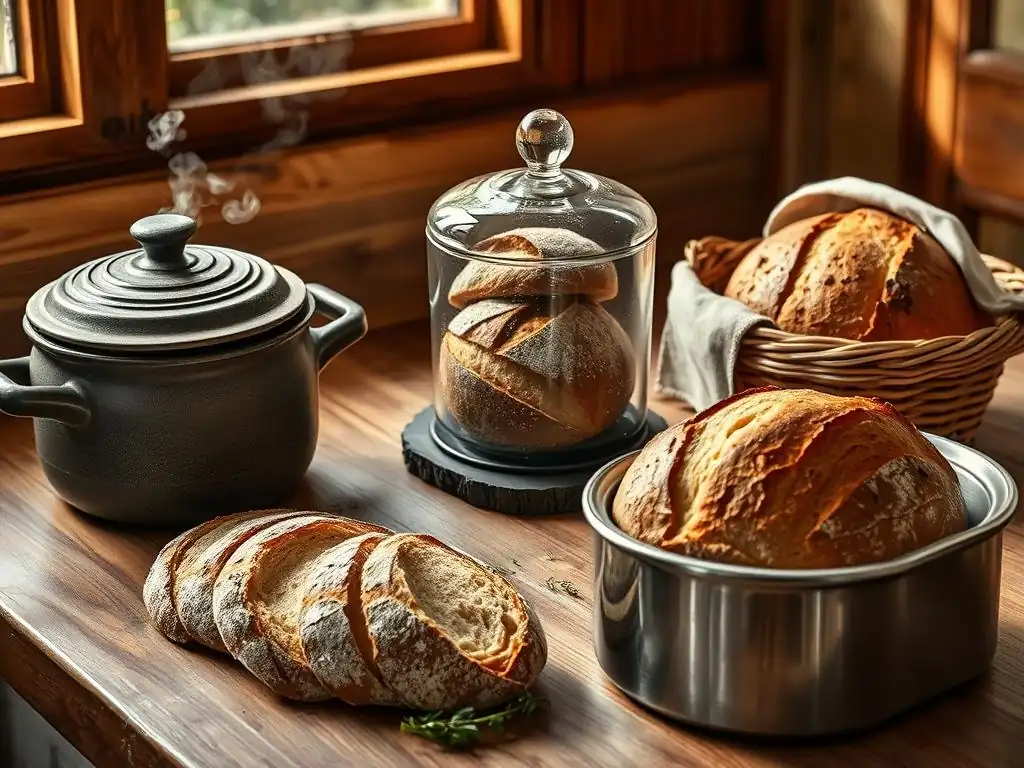
Sourdough bread holds a special place in the baking world, known for its tangy flavor, chewy interior, and often, a wonderfully crisp crust. Because of its unique characteristics, storing sourdough effectively requires a different approach than storing standard commercial loaves. Finding the best container for sourdough bread is key to enjoying its qualities for as long as possible.
Unlike many soft sandwich breads that benefit from being sealed in plastic to retain softness, sourdough thrives when it can breathe. Its naturally lower pH due to the fermentation process helps it resist mold longer than conventional bread, but moisture management is crucial for maintaining that coveted crust and preventing the interior from becoming gummy. The ideal storage solution balances moisture retention for the crumb with airflow for the crust.
Understanding Sourdough Bread's Unique Storage Needs
Sourdough bread's structure and composition differ from commercially produced loaves, primarily due to the wild yeast and bacteria culture used for leavening and the longer fermentation process. This process develops complex flavors and often results in a robust, sometimes thick, crust and a moist, open crumb structure. The crust acts as a natural barrier, but it's also vulnerable to becoming soft if exposed to too much internal moisture without adequate ventilation.
Storing a sourdough loaf in a completely sealed plastic bag, while effective for preventing drying in other breads, traps the moisture released from the interior as the loaf cools and settles. This trapped moisture condenses on the inside of the bag, making the crust damp and losing its desirable crispness within hours. Therefore, the unique storage need for sourdough is a balance: protecting the loaf from excessive drying while allowing the crust to remain relatively dry and firm.
The Importance of Breathable Containers for Sourdough
Given the challenges of preserving the sourdough crust while keeping the interior moist, breathable containers are generally considered the best container for sourdough bread. These containers allow for a slow exchange of air and moisture, preventing the build-up of humidity around the crust that leads to sogginess.
Think of it like this: the bread is constantly releasing a small amount of moisture. An airtight container holds it all in, creating a humid microclimate. A breathable container allows this excess moisture to dissipate into the surrounding air. This helps the crust maintain its structure and crispness for a longer period, typically preserving the crust's quality for 24 to 48 hours, while the interior remains soft and chewy for 3 to 5 days, sometimes even longer depending on the loaf and environment.
Our Top Picks: Best Containers for Sourdough Bread Freshness
Selecting the best container for sourdough bread depends on your priorities – do you value the crisp crust above all else, or are you looking for a balance of crust and crumb longevity? Here are some of the most popular and effective options:
Linen Bread Bags: A Traditional Choice for Sourdough
Linen bread bags are a classic and highly recommended option for storing sourdough. Made from natural, breathable fabric, they offer excellent ventilation. This allows moisture to escape freely, helping to keep the crust crisp for longer than most other methods. A typical linen bag might keep a sourdough crust relatively crisp for 1-2 days, and the interior fresh for 3-4 days.
Using a linen bag is simple: let the bread cool completely, then place it directly in the bag. Store the bag on the counter. While they don't offer significant protection against drying out the interior over many days (compared to more enclosed options), they are superb for preserving that initial crust quality. They are also eco-friendly and attractive, fitting perfectly with the artisanal nature of sourdough baking.
Bread Boxes: Maintaining Humidity and Airflow
A good bread box offers a more controlled environment than a simple bag. Designed specifically for bread storage, these boxes, often made of wood, metal, or ceramic, are not airtight. They typically have small vents or are designed to allow just enough airflow to prevent excessive moisture buildup while still protecting the loaf from open air exposure that leads to rapid drying.
A quality bread box can help keep sourdough fresh for 3 to 5 days, balancing crust preservation with crumb moisture. Wooden bread boxes, in particular, can help regulate humidity naturally by absorbing and releasing moisture. They are a stylish and practical addition to any kitchen counter and are considered by many to be the best container for sourdough bread if you want a good balance of crust and crumb freshness over several days.
Specialized Sourdough Containers: Features and Benefits
Beyond traditional options, some modern containers are designed with sourdough's specific needs in mind. These might include containers with adjustable vents that allow you to control the level of airflow, or those made from specific materials like ceramic or bamboo that help manage humidity. Some feature internal structures to keep the loaf elevated slightly, promoting air circulation around the bottom.
These specialized containers aim to combine the benefits of traditional methods with modern design and materials. While potentially more expensive, they offer a tailored solution for sourdough storage, often promising to extend freshness beyond standard methods, potentially keeping the loaf enjoyable for up to 5-7 days depending on the specific container design and material. Look for features that explicitly mention breathability and humidity control.
Beyond Sourdough: Container Solutions for Other Baked Goods
While the best container for sourdough bread focuses on breathability, many other baked goods require a different approach – often, preventing moisture loss is the primary goal. Understanding the specific needs of cakes, cookies, and other treats will help you choose the right storage method to keep them delicious.
Different textures and compositions demand different strategies. A light, airy cake needs protection from drying, while a crisp cookie needs to be shielded from humidity. Let's look at some common baked goods and the containers best suited for them.
Cakes: Keeping Cakes Moist and Delicious
Cakes are particularly prone to drying out, especially those without heavy frosting or filling. The key to storing most cakes is preventing moisture evaporation.
Cake Carriers: Protecting Decorations and Preventing Drying
Cake carriers are excellent for transporting cakes safely, but many also serve as effective storage containers. They typically feature a large base and a tall, often domed lid that latches securely. While not always perfectly airtight, they create a relatively sealed environment that significantly slows down moisture loss, keeping the cake soft and moist for 2-3 days at room temperature.
Beyond moisture retention, cake carriers protect delicate frosting and decorations from being smudged or damaged. The height of the dome is crucial for tiered or elaborately decorated cakes. For maximum freshness, especially for cut cakes, pressing plastic wrap directly onto the exposed cake surfaces before placing it in the carrier adds an extra layer of protection against drying.
Airtight Containers: Ideal for Iced Cakes and Cupcakes
For smaller cakes, individual cupcakes, or slices of cake, standard airtight food storage containers are highly effective. Made from glass or plastic, these containers seal tightly, creating a barrier against air and moisture exchange. This is particularly beneficial for cakes with moist ingredients or frosting, as it locks in that desirable moisture.
An airtight container can keep most cakes fresh and moist for 3 to 5 days at room temperature. For iced cakes and cupcakes, place them gently in the container in a single layer if possible to avoid damage. If stacking is necessary, place a layer of parchment paper between layers. Ensure the container is large enough that the lid doesn't press down on the frosting.
Cookies present a different challenge: maintaining their intended texture, whether crisp and crunchy or soft and chewy. The wrong container can quickly ruin a batch.
Cookie Jars: A Classic Storage Solution
Traditional cookie jars, often made of ceramic or glass with a lid, are a popular choice. However, many classic cookie jars aren't truly airtight. They allow some air exchange, which can be beneficial for certain types of cookies. For crisp cookies, a slightly less airtight jar can help prevent them from becoming too soft by allowing a tiny bit of moisture to escape.
A cookie jar is best suited for cookies that will be eaten within a few days, typically keeping them fresh for 2 to 4 days. If you are storing different types of cookies, store crisp cookies and soft/chewy cookies in separate jars. Storing them together will cause the crisp cookies to absorb moisture from the soft ones, making them both less desirable.
Vacuum-Sealed Containers: Extending Cookie Shelf Life
For long-term storage or to ensure maximum freshness for crisp cookies, vacuum-sealed containers are an excellent option. These containers, used with a vacuum sealer system, remove most of the air from the container before sealing it tightly. Removing oxygen significantly slows down the oxidation process that can lead to staleness and off-flavors.
Vacuum-sealed containers can keep cookies fresh and crisp for much longer than traditional methods, potentially extending their shelf life by 2 to 3 weeks or even longer in the pantry. This method is particularly effective for cookies with nuts or high-fat content, which can become rancid when exposed to air over time.
Breads (Non-Sourdough): Baguettes, Rolls, and Loaves
Most commercially produced breads and many homemade non-sourdough loaves (like sandwich bread or dinner rolls) are designed to stay soft. Their storage needs differ from sourdough.
Plastic Bread Bags: A Budget-Friendly Option
Simple plastic bread bags or reusable plastic food bags are perhaps the most common method for storing non-sourdough breads. These bags create a relatively airtight environment, trapping moisture within the loaf. This helps to keep the crumb soft and prevents the bread from drying out quickly.
Plastic bags are effective for maintaining softness for 2 to 4 days at room temperature. The downside is that they don't allow the crust (if the bread has one) to breathe, so it will soften quickly. They are a practical, inexpensive solution for keeping soft-crusted or crustless breads fresh for everyday consumption.
Reusable Silicone Bags: An Eco-Friendly Choice
Reusable silicone bags offer a more sustainable alternative to single-use plastic bags. They are durable, easy to clean, and create a strong, airtight seal. Like plastic bags, they are excellent at preventing moisture loss, keeping soft breads and rolls fresh and pliable.
Silicone bags perform similarly to plastic bags in terms of preserving softness, typically for 3 to 5 days. They are great for storing partial loaves, rolls, or even individual slices. Ensure the bread is completely cool before sealing it in the silicone bag to prevent condensation buildup, which could lead to sogginess or mold.
Pastries and Muffins: Preventing Soggy Bottoms
Pastries like croissants, danishes, and muffins often have delicate textures that can be ruined by improper storage, particularly moisture buildup.
Containers with Raised Bottoms: Promoting Air Circulation
Some specialized containers, especially those designed for baked goods, feature a raised or ridged bottom. This design allows air to circulate underneath the pastry or muffin, preventing moisture from accumulating on the bottom surface. This is crucial for maintaining a crisp or firm base, avoiding the dreaded "soggy bottom."
Containers with raised bottoms, combined with a lid (often not completely airtight for pastries like croissants), can help keep pastries relatively fresh for 1-2 days. They are particularly useful for items that have just cooled down and might still be releasing a bit of steam.
Paper Bags: For Short-Term Storage and Transport
For very short-term storage or transporting pastries like croissants or pain au chocolat that you want to keep crisp, a simple paper bag is often the best choice. Paper is breathable, allowing moisture to escape and preventing the pastry from becoming soggy.
A paper bag will keep pastries crisp for a few hours, maybe up to 1 day, depending on the humidity of the environment. It offers no long-term protection against drying, so it's not suitable for extended storage but is perfect for preserving texture right before serving.
Materials Matter: Choosing the Right Container Material
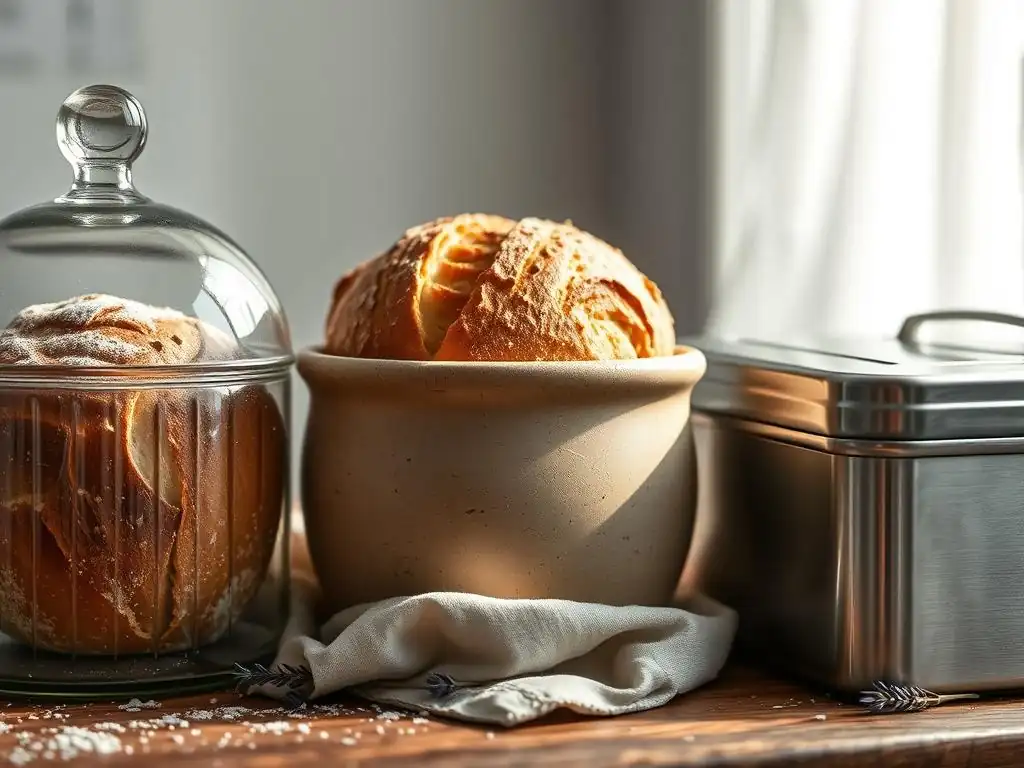
The material of your storage container can influence its effectiveness, durability, and even safety. Different materials have different properties regarding insulation, breathability, and interaction with food.
Glass Containers: Advantages and Disadvantages
Glass containers are non-porous and non-reactive, meaning they won't absorb odors or stains from your baked goods, nor will they leach chemicals into your food. They are excellent for airtight storage, providing a clear view of the contents. High-quality glass containers with secure lids create a perfect seal for keeping cakes, brownies, or cookies fresh and moist.
Advantages:
- Non-reactive and odor-resistant
- Durable (if not dropped)
- Transparent
- Often oven/microwave safe (without lid)
- Easy to clean
Disadvantages:
- Heavy
- Breakable
- Can be more expensive
Glass is a superb choice for airtight needs, like storing frosted cakes or soft cookies, keeping them fresh for 3-5 days.
Plastic Containers: Considerations for Food Safety and Durability
Plastic containers are lightweight, durable, and generally the most affordable option. They are widely available in various shapes and sizes, and many offer excellent airtight seals, making them suitable for storing everything from cookies to muffins. Look for plastics labeled "BPA-free" and "food-grade" to ensure safety.
Considerations:
- Check for BPA-free and food-grade labels.
- Can absorb odors and stains over time.
- May scratch, reducing airtight effectiveness.
- Less environmentally friendly than reusable options.
Good quality plastic containers can keep baked goods fresh for 3-5 days, similar to glass, provided the seal remains intact. They are a practical choice for everyday storage.
Metal Containers: Ideal for Certain Baked Goods
Metal containers, like classic tin cookie tins or bread bins, are opaque and durable. They are not always perfectly airtight, which can be a benefit for items like crisp cookies or some types of bread (though less controlled than a dedicated bread box). Metal can help protect contents from light, which can degrade some ingredients over time.
Ideal uses:
- Crisp cookies (if not perfectly sealed)
- Bread (in a ventilated bin)
- Protecting contents from light
Metal tins are great for storing crisp cookies for 1-2 weeks, provided they aren't exposed to high humidity. Bread bins can help keep loaves fresh for 3-5 days. Ensure metal containers are completely dry before use to prevent rust.
Ceramic Containers: Aesthetic Appeal and Functionality
Ceramic containers, like bread crocks or cookie jars, often combine aesthetic appeal with functionality. Unglazed ceramic can be slightly porous, potentially helping to regulate humidity, making them suitable for items that need a bit of airflow, much like a bread box. Glazed ceramic can be more airtight depending on the lid seal.
Features:
- Aesthetically pleasing
- Can help regulate humidity (unglazed)
- Durable (but can chip/break)
- Often opaque
Ceramic bread crocks can function similarly to bread boxes, keeping bread fresh for 3-5 days. Ceramic cookie jars, depending on the seal, are good for cookies for 2-4 days.
Tips for Maximizing Freshness, Regardless of Container
Choosing the right container is crucial, but a few simple practices can further extend the freshness of your baked goods, no matter what type of storage you use. These steps apply across the board and are essential for getting the best results.
Cooling Baked Goods Completely Before Storing
This is perhaps the most critical step. Storing warm or even slightly warm baked goods will create condensation inside the container, especially if it's airtight. This trapped moisture leads to soggy textures and creates a perfect environment for mold growth.
- Let bread cool on a wire rack until it reaches room temperature, which can take
2-4hours for a large loaf. - Cookies and cakes should be cooled completely on a cooling rack, typically for
30-60minutes, before storing. - Muffins and cupcakes also need ample cooling time before being placed in containers.
Lining Containers with Parchment Paper or Paper Towels
For many baked goods, especially cakes, muffins, or cookies, lining the container can help manage moisture. Parchment paper prevents sticking and can offer a slight barrier. Paper towels, particularly for cookies or breads that might release excess moisture, can absorb some of the humidity inside the container, helping to maintain texture.
- Place a layer of parchment paper on the bottom of cake or brownie containers to prevent sticking.
- For cookies that you want to keep crisp, placing a paper towel in the bottom of the tin can absorb ambient moisture.
- For breads stored in less breathable containers (though not ideal for sourdough), a paper towel can help manage condensation.
Freezing Baked Goods for Long-Term Storage
If you won't eat your baked goods within a few days, freezing is the best method for preserving quality long-term. Proper wrapping is essential to prevent freezer burn, which occurs when moisture evaporates from the food's surface in the cold, dry freezer environment.
- Cool baked goods completely.
- Wrap tightly in plastic wrap, ensuring no surface is exposed to air.
- Add a second layer of protection, such as aluminum foil or a freezer-safe bag or container.
- Label with the date. Most baked goods will keep well in the freezer for
2-3months.
Cleaning and Maintaining Your Baked Goods Containers
Keeping your storage containers clean is not only hygienic but also essential for preventing the transfer of flavors and odors and extending the life of the container itself. Proper maintenance ensures they remain effective at keeping your baked goods fresh.
Best Practices for Washing Different Container Types
Each material requires slightly different care:
- Glass: Wash with warm, soapy water or run through the dishwasher. For stubborn residue, soaking may help.
- Plastic: Wash with warm, soapy water. Avoid abrasive scrubbers that can scratch the surface, potentially harboring bacteria or reducing the seal's effectiveness. Dishwashers are generally safe, but check manufacturer instructions.
- Metal: Hand wash with warm, soapy water and dry immediately and thoroughly to prevent rust. Avoid harsh chemicals or abrasive pads.
- Ceramic: Hand wash with warm, soapy water. Unglazed parts may absorb stains. Ensure completely dry before storing.
- [ ] Wash containers after each use.
- [ ] Use appropriate cleaning method for the material.
- [ ] Rinse thoroughly to remove all soap residue.
Preventing Mold and Bacteria Growth
Mold and bacteria thrive in moist environments. The most crucial step in preventing their growth in your containers is ensuring both the baked goods and the container itself are completely dry before storage.
- Always store baked goods that have cooled completely.
- Ensure containers are thoroughly dried after washing before storing anything in them. Air drying is best, or use a clean, dry towel.
- Avoid storing baked goods in overly humid conditions if possible.
- Discard any baked goods showing signs of mold immediately and wash the container thoroughly.
Extending the Life of Your Storage Solutions
Proper care not only keeps things clean but also makes your containers last longer.
- Avoid extreme temperature changes with glass containers (e.g., putting a hot container into cold water).
- Don't use plastic containers with sharp utensils that could scratch them.
- Store containers properly when not in use, avoiding stacking heavy items on delicate lids.
- Check seals periodically on airtight containers; replace lids if the seal is cracked or no longer effective.
Conclusion: Choosing the Perfect Container for Your Baking Creations
Choosing the right container for your baked goods is a simple yet powerful step in preserving their quality and enjoying your baking efforts to the fullest. While the best container for sourdough bread often leans towards breathable options like linen bags or bread boxes to maintain its unique crust, other baked goods like cakes and cookies typically benefit from the moisture-locking properties of airtight containers made of glass or plastic.
By understanding the specific needs of what you've baked – whether it requires moisture retention, breathability, or protection from crushing – and combining that knowledge with the right container material and good storage practices like complete cooling and proper cleaning, you can significantly extend the life and deliciousness of your homemade treats. Invest in a few different types of containers, and you'll be well-equipped to keep every cookie crisp, every cake moist, and every slice of sourdough perfectly textured, ensuring that your baking brings joy down to the very last bite.
Frequently Asked Questions
What type of container is generally considered the best for storing sourdough bread?
Generally, airtight containers are recommended. They help prevent the bread from drying out and maintain its crusty texture for longer.
Are there any specific materials that are better for sourdough bread containers than others?
While preferences vary, glass and ceramic containers are often favored. They are non-reactive and don't impart any unwanted flavors to the bread, unlike some plastics.
How does the size of the container affect the freshness of my sourdough bread?
Using a container that's appropriately sized for your loaf is important. Too much empty space can lead to faster drying, so choose a container that fits snugly but doesn't compress the bread.
Besides the container, are there any other tips for keeping sourdough bread fresh?
Yes! Before placing your sourdough in the container, make sure it is completely cooled. You can also add a piece of paper towel inside to absorb excess moisture.
Is freezing sourdough bread a good option for long-term storage, and if so, what kind of container is recommended for freezing?
Freezing is a great option. Wrap the cooled loaf tightly in plastic wrap, then place it in a freezer-safe bag or container to prevent freezer burn and maintain its quality.
Final Reflection: Preserving the Perfect Loaf – And More
The quest for the ideal container isn't just about keeping sourdough fresh; it's about preserving the artistry and effort poured into every bake. From the humble cookie to the artisan loaf, the right container elevates the baking experience, ensuring that the delicious results are enjoyed at their peak. This extends beyond sourdough; it's about appreciating the craft and extending the life of all our baked creations.
The impact of proper storage on the enjoyment of baked goods is often underestimated. We invest time, energy, and often, significant emotion into our baking. To see our hard work go stale prematurely is disheartening. The best things in life are worth preserving,
and this certainly applies to the fruits of our labor in the kitchen. The right container isn't just a storage solution; it's a testament to the value we place on our culinary achievements and a way to share that value with others.
Consider the implications of this beyond your own kitchen. Think about the bakeries, the home cooks, the families who share the joy of freshly baked goods. By understanding the importance of proper storage, we contribute to a culture of appreciation for quality ingredients and skillful preparation. You, the reader, now hold the power to extend the life and enjoyment of your baked goods. Choose wisely, store carefully, and savor the delicious results for longer. Let the perfect container be your ally in celebrating the art of baking.
Unlock Your Baking's Full Potential!
Thanks for diving into the world of perfect baked goods storage! You've now learned the secrets to keeping your creations fresh and delicious. Ready to put this knowledge into action?
- Find the perfect container: Browse your kitchen or local store, armed with your newfound knowledge of ideal material and features. Think about how you’ll use the container and which features are most important to you.
- Share your baking wisdom: Tell your friends and family about your discoveries – they’ll thank you for it!
- Experiment with different containers: Try storing various baked goods in different containers to see which preserves freshness best for each type of treat. Let us know your favorite container and what it's best for!
What's your go-to container for keeping your baked goods at their peak deliciousness? Let's chat in the comments!