
Quick Guide to High Altitude Cake Mix Adjustments

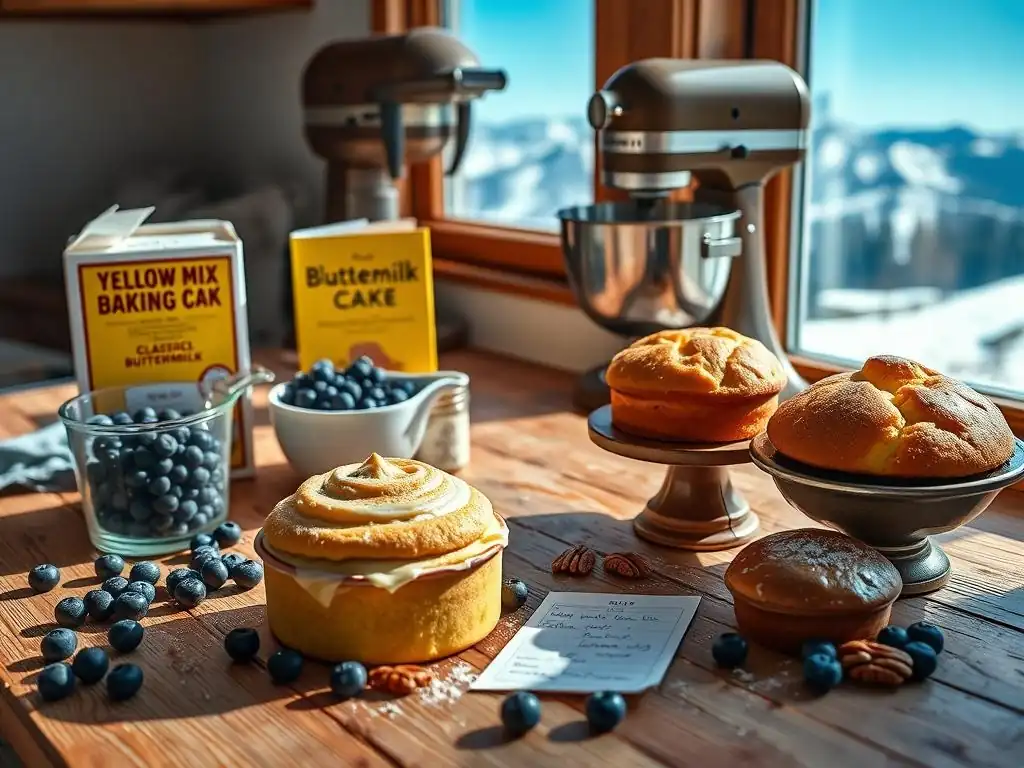
Welcome to BakeWithEase, your trusted companion on your baking journey! Ever wondered why your cakes sometimes fall flat when baking at higher altitudes? Unlock the secrets to achieving perfectly risen, moist cakes every time with our quick guide to high altitude cake mix tweaks. Discover simple adjustments that make a world of difference, and never settle for sunken cakes again! Ready to bake with confidence? Let's get started!
- Understanding High Altitude Baking
- Essential Cake Mix Adjustments: A Practical Guide
- Troubleshooting Common Issues
- Altitude-Specific Modifications
- Tips for Success
- Recipe Adaptations
- Conclusion: Achieving Baking Success at High Altitudes
-
Frequently Asked Questions
- What is the main problem when baking cakes at high altitude?
- What are some common adjustments I can make to a cake mix at high altitude?
- Why is it important to reduce the sugar content in a high altitude cake mix?
- How does adding extra liquid help when baking a cake at high altitude?
- What other factors besides altitude can affect cake baking success?
- Final Reflection: Baking at Altitude – A Sweet Success Story
- Unlock Your High-Altitude Baking Success!
Understanding High Altitude Baking
The Impact of Altitude on Cake Baking
Baking at high altitudes presents a unique set of challenges compared to sea level. As you ascend, atmospheric pressure decreases significantly. This lower pressure has several direct effects on your baking ingredients and processes, particularly when working with something as delicate as a cake mix. Without proper high altitude cake mix tweaks, you might end up with sunken, dense, or overly crumbly cakes.
One primary issue is that leavening agents, like baking powder or baking soda, work more vigorously at lower pressure. They produce gas bubbles more easily, causing the cake batter to rise faster and higher than intended. However, the reduced pressure also means these bubbles are less stable and more prone to collapsing before the cake structure sets, leading to those disappointing sunken centers many high-altitude bakers encounter.
Air Pressure, Moisture, and Their Effects on Cake Structure
Beyond leavening, lower air pressure affects boiling points and moisture. Water boils at a lower temperature at higher altitudes – for instance, around 203°F (95°C) at 5,000 feet instead of 212°F (100°C) at sea level. This means liquids in your cake batter evaporate faster during baking. Simultaneously, the air itself is often drier at high elevations, pulling moisture from your baked goods.
These factors combined can lead to cakes that are dry, dense, and lack the desired tender crumb. The faster evaporation can also concentrate sugars and affect the overall texture. Therefore, making specific high altitude cake mix tweaks is crucial to compensate for these environmental differences, ensuring your cake sets properly, retains moisture, and achieves a pleasant texture and appearance.
Essential Cake Mix Adjustments: A Practical Guide
Step 1: Reduce Sugar
Reducing sugar is one of the first and most important high altitude cake mix tweaks. Sugar attracts and holds moisture, and at higher altitudes, this can disrupt the cake's structure as water evaporates faster. Excess sugar can also weaken the cake's cell structure, contributing to collapse or a gummy texture.
Typically, you'll need to remove a few tablespoons of granulated sugar from a standard box cake mix. The exact amount depends on your altitude. This reduction helps the cake structure set more firmly before the sugar content interferes, leading to a more stable bake. It's a simple yet effective tweak to prevent issues like sunken centers and improve the overall texture.
Sugar Reduction Guidelines Based on Altitude
Here are general guidelines for reducing sugar in a standard 15.25 oz (or similar size) box cake mix. These are approximate and may require slight tuning based on your specific mix and conditions.
- 3,000 - 5,000 feet: Reduce granulated sugar by 1 to 2 tablespoons.
- 5,000 - 7,000 feet: Reduce granulated sugar by 2 to 3 tablespoons.
- 7,000+ feet: Reduce granulated sugar by 3 to 4 tablespoons, or potentially more for very high elevations.
Reducing sugar helps create a stronger cell structure in the cake, which is vital when the lower atmospheric pressure allows leavening gases to expand more aggressively. By slightly decreasing the sugar, you allow the proteins in the flour and eggs to build a more stable network capable of supporting the expanding batter without collapsing. This is a foundational high altitude cake mix tweak.
Step 2: Increase Liquid Content
Because moisture evaporates more quickly during baking at high altitudes, adding extra liquid is a necessary high altitude cake mix tweak. This combats the drying effects of the lower boiling point and drier air, helping to keep your cake moist and tender.
Adding just a few extra tablespoons of liquid can make a significant difference. The type of liquid can also influence the final texture and flavor, offering flexibility depending on the desired outcome. This adjustment directly addresses the issue of dry, crumbly cakes often experienced at elevation.
Liquid Options: Milk, Water, or Sour Cream
You can increase the liquid content using various options, depending on the cake mix and your preference:
- Water: The simplest option, often just adding a few extra tablespoons of the water already called for in the mix instructions.
- Milk: Adds richness and helps with browning. Whole milk or buttermilk can be excellent choices.
- Sour Cream or Yogurt: These add significant moisture and richness, resulting in a very tender crumb. They also add a slight tang that can complement many flavors.
Choose a liquid that complements your cake flavor. For a chocolate cake, milk or even coffee can work well. For a vanilla cake, milk or sour cream adds a lovely richness. The goal is simply to introduce more moisture into the batter to compensate for increased evaporation during baking.
Liquid Adjustment Table by Altitude
Here are approximate guidelines for increasing liquid in a standard box cake mix:
| Altitude Range | Suggested Liquid Increase (approx.) |
|---|---|
| 3,000 - 5,000 ft | Add 2 to 4 tablespoons |
| 5,000 - 7,000 ft | Add 4 to 6 tablespoons |
| 7,000+ ft | Add 6 to 8 tablespoons, or more |
Start with the lower end of the range and adjust in future bakes. You're looking for a batter consistency that is slightly looser than at sea level, but not watery. Too much liquid can make the cake heavy or gummy. These high altitude cake mix tweaks for moisture are critical for a tender result.
Step 3: Increase Oven Temperature
Increasing the oven temperature is another counter-intuitive high altitude cake mix tweak that proves effective. While it might seem like higher heat would dry out the cake faster, it actually helps the cake set more quickly.
A faster setting time means the structure solidifies before the rapidly expanding leavening gases cause the cake to rise too high and collapse. It helps stabilize the cake during its most vulnerable phase of baking.
Benefits of Higher Baking Temperatures
Baking at a slightly higher temperature provides several benefits at altitude:
- Faster Setting: The proteins in the batter coagulate and the starches gelatinize more rapidly.
- Improved Structure: A quicker set helps support the expanding air bubbles, preventing the cake from collapsing.
- Better Crumb: It encourages a finer, more even crumb texture by stabilizing the network formed during baking.
Think of it as a race: the cake structure needs to set before the leavening pushes it too far. A slightly higher temperature gives the structure a head start.
Recommended Temperature Adjustments
For a standard box cake mix that typically calls for 350°F (175°C), here are recommended temperature increases:
- 3,000 - 5,000 feet: Increase temperature by 15°F (about 8°C), baking at approximately 365°F (185°C).
- 5,000 - 7,000 feet: Increase temperature by 15°F to 25°F (about 8°C to 14°C), baking at approximately 365°F - 375°F (185°C - 190°C).
- 7,000+ feet: Increase temperature by 25°F or more (about 14°C+), potentially baking at 375°F - 385°F (190°C - 195°C).
Always use an oven thermometer to verify your oven's actual temperature, as oven thermostats can be inaccurate. These high altitude cake mix tweaks involving temperature require careful monitoring of baking time.
Step 4: Reduce Baking Time
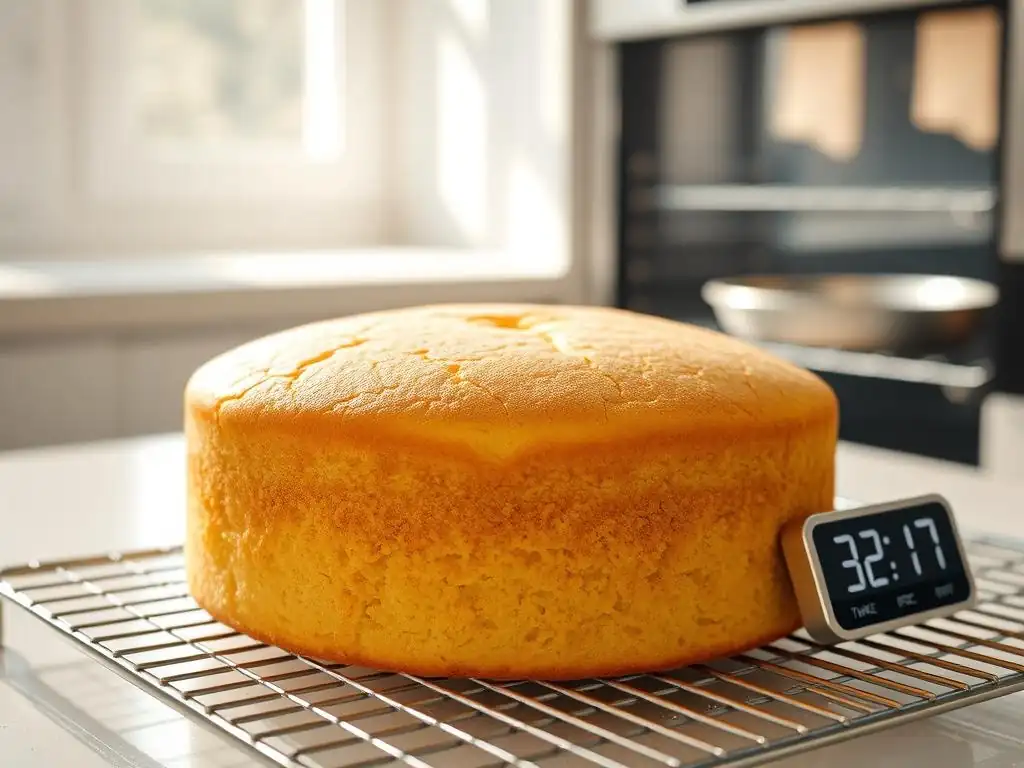
Because you've increased the oven temperature and potentially made other adjustments that affect how the cake bakes, the baking time will likely be shorter than the box recommends. Reducing the baking time is a consequence of increasing the temperature and not a primary high altitude cake mix tweak in itself, but it's essential to monitor.
Over-baking at high altitude can quickly lead to a dry cake, even with added liquid. You need to start checking for doneness earlier than you would at sea level.
Monitoring Doneness
Do not rely solely on the time listed on the box. Begin checking the cake about 5-10 minutes before the minimum recommended baking time. Look for visual cues:
- The cake edges should start pulling slightly away from the sides of the pan.
- The top should look set and spring back lightly when gently touched.
- A toothpick or cake tester inserted into the center should come out clean or with only a few moist crumbs attached.
If the toothpick test isn't clean, continue baking and check again in 2-3 minute intervals. These high altitude cake mix tweaks require vigilance in the final stages.
Baking Time Reduction Estimates
While exact times vary, here are rough estimates for how much shorter your baking time might be:
- 3,000 - 5,000 feet: Expect baking time to be potentially 1-3 minutes shorter.
- 5,000 - 7,000 feet: Expect baking time to be potentially 3-6 minutes shorter.
- 7,000+ feet: Expect baking time to be potentially 5-10 minutes or more shorter.
Always prioritize the visual and toothpick tests over these estimates. The goal is a perfectly baked cake, not hitting a specific time.
Step 5: Add Flour for Stability
Adding a small amount of extra flour is another key high altitude cake mix tweak. Flour provides structure to the cake batter. At lower atmospheric pressure, the cake needs more structural support to prevent the over-enthusiastic leavening from causing collapse.
The extra flour strengthens the protein network (gluten) in the batter, creating a more stable framework that can hold the expanding gases without stretching too thin and breaking. This is particularly helpful in preventing sunken centers.
Strengthening Cake Structure
The proteins in flour, when mixed with liquid and agitated (like during mixing), develop gluten. Gluten forms an elastic network that traps the gas produced by leavening agents, allowing the cake to rise. At high altitudes, this network needs to be stronger to withstand the greater expansion pressure.
Adding a bit more flour reinforces this network, providing the necessary scaffolding for a stable, evenly risen cake. This high altitude cake mix tweak works in conjunction with sugar reduction and temperature increase to build a robust structure.
Flour Addition Guidelines by Altitude
These are general recommendations for adding all-purpose flour to a standard box cake mix. Sift the flour before measuring for best results.
- 3,000 - 5,000 feet: Add 1 to 2 tablespoons of all-purpose flour.
- 5,000 - 7,000 feet: Add 2 to 3 tablespoons of all-purpose flour.
- 7,000+ feet: Add 3 to 4 tablespoons of all-purpose flour.
Whisk the added flour into the dry cake mix before adding any wet ingredients. This ensures it's evenly distributed. Adding too much flour can result in a dry or tough cake, so start with the lower end of the range if you're unsure.
Troubleshooting Common Issues
Even with careful high altitude cake mix tweaks, you might encounter issues. Understanding the likely causes can help you fine-tune your adjustments.
Collapsed Cake Centers: Causes and Solutions
Collapsed centers are perhaps the most common high-altitude baking woe. The primary culprit is usually the leavening expanding too much or too quickly before the cake structure has set.
- Causes:
- Too much leavening (natural in mixes, exacerbated by pressure).
- Not enough structural support (flour, eggs).
- Baking at too low a temperature.
- Opening the oven door too early.
- Solutions:
- Ensure you've reduced sugar and added flour as recommended.
- Verify your oven temperature is set correctly (using a thermometer) and increased as needed.
- Avoid opening the oven door during the first 2/3 of the baking time.
- Consider adding an extra egg white (not yolk) to the batter, as egg whites contribute significantly to structure.
Dry and Crumbly Texture: Moisture Management
A dry, crumbly cake is often a sign that moisture evaporated too quickly during baking, or there wasn't enough moisture to begin with.
- Causes:
- Not enough liquid added to the mix.
- Over-baking.
- Air is exceptionally dry.
- Solutions:
- Increase the liquid added to the batter in your next bake. Using milk, buttermilk, or sour cream instead of just water can also help retain moisture.
- Reduce baking time or check for doneness sooner.
- Ensure the cake cools properly (see Tips section).
Dense and Heavy Cakes: Improving Texture
Dense cakes can result from several factors related to structure and leavening balance.
- Causes:
- Not enough leavening effect (can happen if batter is too stiff).
- Too much added flour.
- Over-mixing the batter, developing too much tough gluten.
- Solutions:
- Ensure you haven't overdone the flour addition.
- Mix the batter only until just combined, avoiding vigorous or prolonged mixing after the dry ingredients are wet.
- Verify your leavening is active (though this is less likely with a fresh box mix).
- Consider adding an extra whole egg, which can contribute to a lighter texture and richness.
Excessive Doming: Achieving Even Rising
While some doming is normal, excessive doming where the center rises significantly higher than the edges can indicate the edges are setting too quickly while the center continues to rise.
- Causes:
- Oven temperature is too high (or uneven).
- Batter consistency is off.
- Solutions:
- Verify oven temperature with a thermometer; it might be running hot.
- Ensure batter consistency is correct after making high altitude cake mix tweaks – not too thick.
- Wrap baking pans with damp baking strips (available online) to insulate the edges and encourage more even baking.
[ ] Check oven temperature with a separate thermometer
[ ] Review altitude-specific adjustment chart before starting
[ ] Measure all high altitude cake mix tweaks carefully
[ ] Start checking for doneness earlier than box time
Altitude-Specific Modifications
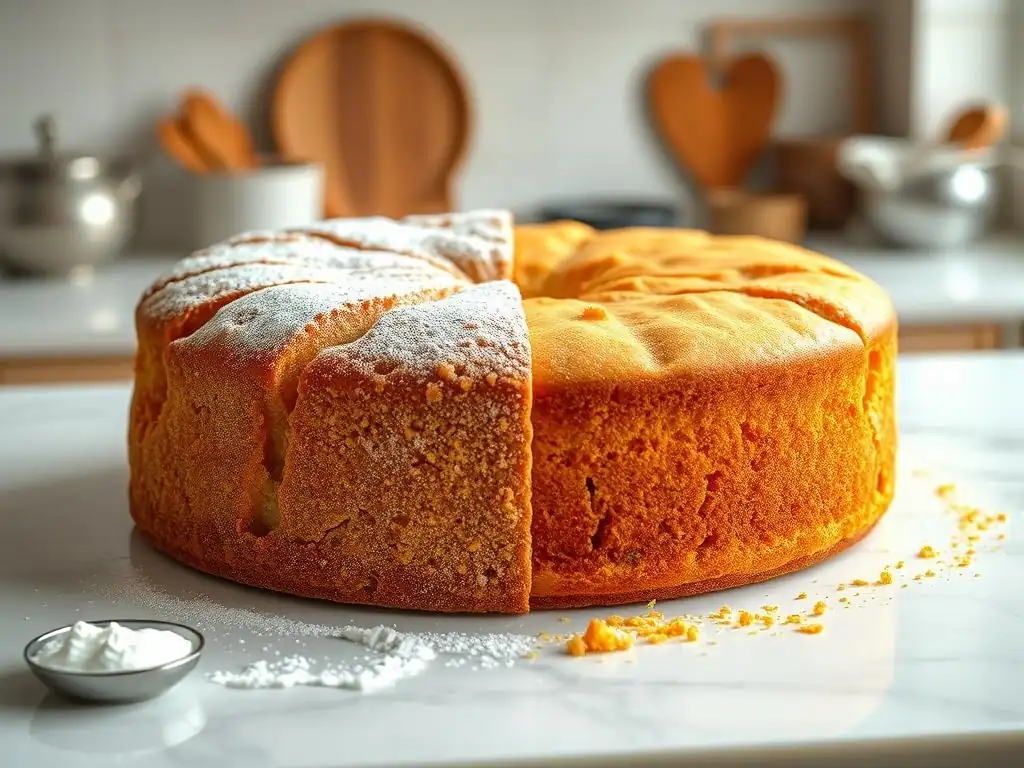
While the general principles apply, the degree of high altitude cake mix tweaks needed varies significantly with elevation.
Adjustments for 3,000 - 5,000 Feet Elevation
At these moderate altitudes, the effects are noticeable but less extreme than at higher elevations. You'll need relatively minor high altitude cake mix tweaks.
Typically, reducing sugar by 1-2 tablespoons, adding 2-4 tablespoons of liquid, increasing oven temperature by about 15°F (8°C), and adding 1-2 tablespoons of flour are sufficient. Baking time will be slightly shorter. These smaller adjustments help prevent the most common issues like slight sinking or dryness without drastically altering the cake's intended texture. It's a gentle nudge to the recipe.
This range requires more significant high altitude cake mix tweaks. The pressure difference is more pronounced, leading to faster rising and evaporation.
You'll likely need to reduce sugar by 2-3 tablespoons, add 4-6 tablespoons of liquid, increase oven temperature by 15-25°F (8-14°C), and add 2-3 tablespoons of flour. Baking time will be noticeably shorter. These modifications provide the necessary structure and moisture balance to handle the increased atmospheric effects at these elevations, preventing more severe issues like significant collapse or excessive dryness.
Adjustments for 7,000+ Feet Elevation
Baking at elevations above 7,000 feet presents the most significant challenges and requires substantial high altitude cake mix tweaks. The lower pressure and drier air effects are maximized here.
Expect to reduce sugar by 3-4 tablespoons (or more), add 6-8 tablespoons (or more) of liquid, increase oven temperature by 25°F (14°C) or more, and add 3-4 tablespoons of flour. Baking time will be considerably shorter. At these very high altitudes, you might even consider adding an extra egg or egg white for increased structure. Experimentation is key, as the precise adjustments needed can vary greatly.
Tips for Success
Beyond the core high altitude cake mix tweaks, these tips can further improve your results.
Accurate Measurement Techniques
Precision is always important in baking, but it's critical when making high altitude cake mix tweaks. Use standard measuring cups and spoons. Level off dry ingredients like flour and sugar with a straight edge.
For liquid additions, use liquid measuring cups at eye level. Even small variations in the amount of added flour or liquid can impact the delicate balance required for successful high-altitude baking. Consistency in measurement helps you replicate successful bakes and troubleshoot failed ones.
Importance of Oven Temperature Monitoring
As mentioned earlier, oven thermostats can be inaccurate, especially at altitude. Using an independent oven thermometer placed inside the oven is highly recommended.
This allows you to set your oven correctly based on its actual temperature, not just what the dial says. Ensuring the correct elevated temperature is crucial for the cake's structure to set quickly enough. A true 375°F is very different from an oven that thinks it's 375°F but is actually only 350°F.
Considerations for Different Cake Mixes
While the guidelines here apply generally to standard box cake mixes (typically 15.25 oz), variations exist. "Pudding in the mix" varieties often contain more sugar and stabilizers, which might slightly alter the required tweaks. Cakes with added ingredients like chocolate chips or fruit might also behave differently.
Start with the general guidelines for your altitude, but be prepared to slightly adjust based on the specific mix and your results. Some mixes may require slightly more or less liquid or flour than others. Note your adjustments for each specific mix you try.
Cooling and Frosting Best Practices
How you handle the cake after it comes out of the oven is also important, especially at altitude. Allow the cake to cool in the pan on a wire rack for the time specified on the box (usually 10-15 minutes) before attempting to invert it.
Cooling on a wire rack allows air circulation, preventing the bottom from getting soggy from trapped steam. Ensure the cake is completely cool before frosting. Frosting a warm cake can cause the frosting to melt and slide off, and warm cake is more fragile and prone to breaking. Patience during cooling is part of the high altitude cake mix tweaks process for a beautiful finish.
Recipe Adaptations
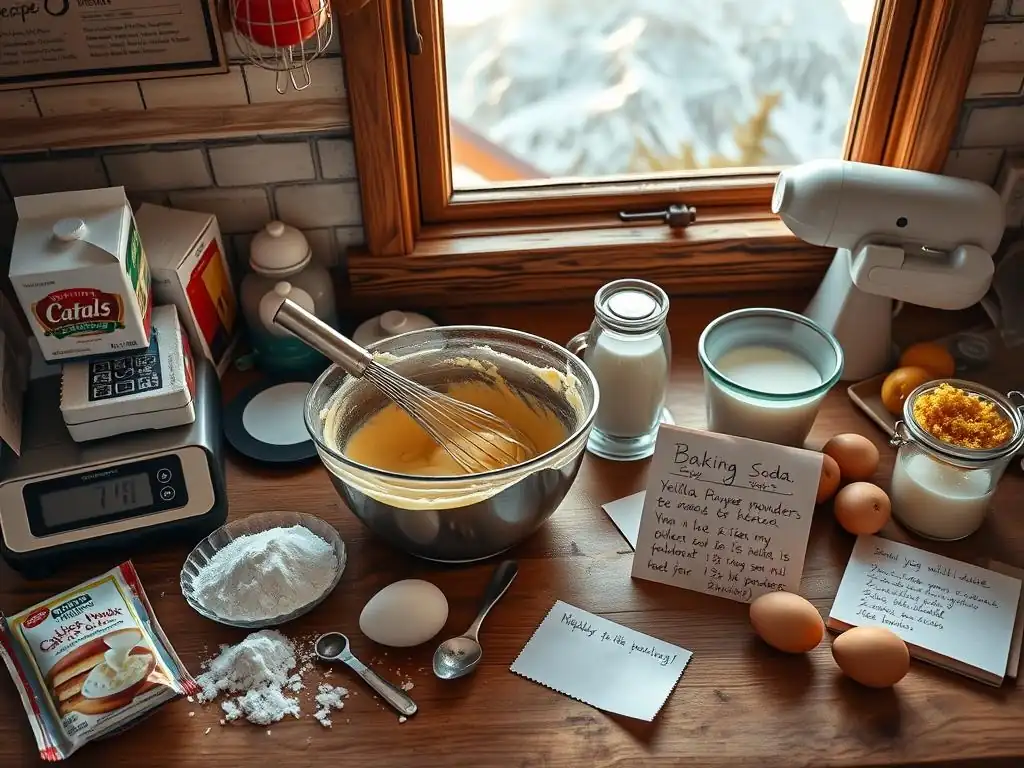
Let's look at how these high altitude cake mix tweaks might look in practice for common cake types. Remember these are examples based on approximate adjustments for, say, 5,000 - 7,000 feet.
High Altitude Chocolate Cake (Cake Mix Based)
- Base: 1 box (approx. 15.25 oz) Chocolate Cake Mix
- Original Ingredients (from box): e.g., 1 cup water, 1/2 cup oil, 3 eggs
- High Altitude Tweaks (Example for 6,000 ft):
- Remove 3 tablespoons of dry mix (equivalent to sugar reduction).
- Add 5 tablespoons of milk (total liquid: 1 cup + 5 tbsp).
- Add 2 tablespoons all-purpose flour to dry mix.
- Add 1 extra egg (total 4 eggs).
- Bake at 375°F (190°C).
- Check for doneness starting at 20-25 minutes (if box says 28-32 minutes).
Combine dry cake mix, added flour, and reduced sugar amount. Whisk together. Add wet ingredients (milk, oil, eggs). Beat according to box directions (usually 2 minutes on medium). Pour into prepared pans and bake in preheated oven until a toothpick comes out clean. This approach incorporates multiple high altitude cake mix tweaks simultaneously.
High Altitude Vanilla Cake (Cake Mix Based)
- Base: 1 box (approx. 15.25 oz) Vanilla or Yellow Cake Mix
- Original Ingredients (from box): e.g., 1 cup water, 1/2 cup oil, 3 eggs
- High Altitude Tweaks (Example for 6,000 ft):
- Remove 3 tablespoons of dry mix (equivalent to sugar reduction).
- Add 5 tablespoons of sour cream (total liquid: 1 cup water + 5 tbsp sour cream).
- Add 2 tablespoons all-purpose flour to dry mix.
- Add 1 extra egg white (total 3 eggs + 1 egg white).
- Bake at 375°F (190°C).
- Check for doneness starting at 20-25 minutes.
Mix dry cake mix and added flour. Whisk. Add wet ingredients (water, oil, eggs, egg white, sour cream). Beat as directed. Pour into prepared pans and bake. Using sour cream as the added liquid provides great moisture and richness, complementing the high altitude cake mix tweaks for structure.
Conclusion: Achieving Baking Success at High Altitudes
Baking delicious, moist, and evenly risen cakes at high altitudes using a convenient box mix is absolutely achievable. It just requires understanding the unique challenges presented by lower atmospheric pressure and drier air. By implementing a few key high altitude cake mix tweaks – primarily adjusting sugar, liquid, oven temperature, baking time, and adding a little extra flour – you can compensate for these environmental factors.
Don't be discouraged if your first attempt isn't perfect. Baking at altitude is often a process of trial and error. Keep notes on the adjustments you make and the results you get. With a little practice and these practical high altitude cake mix tweaks, you'll be consistently baking beautiful and tasty cakes, no matter how high you live! Enjoy the process and the delicious results!
Frequently Asked Questions
What is the main problem when baking cakes at high altitude?
The main problem is that the air pressure is lower, causing cakes to rise too quickly and then collapse. This is because liquids evaporate faster and gases expand more rapidly.
What are some common adjustments I can make to a cake mix at high altitude?
Common adjustments include reducing the amount of sugar and increasing the amount of liquid. You may also need to add extra flour to strengthen the structure.
Why is it important to reduce the sugar content in a high altitude cake mix?
Reducing sugar is important because sugar weakens the structure of the cake. At high altitudes, where cakes rise faster, too much sugar can contribute to collapsing.
How does adding extra liquid help when baking a cake at high altitude?
Adding extra liquid helps to compensate for the faster evaporation rate at high altitudes. This keeps the cake moist and prevents it from drying out too quickly.
What other factors besides altitude can affect cake baking success?
Besides altitude, factors like oven temperature accuracy, ingredient freshness, and proper mixing techniques all play a crucial role in cake baking success.
Final Reflection: Baking at Altitude – A Sweet Success Story
Mastering the art of high-altitude baking isn't just about following a recipe; it's about understanding the science behind the batter. Successfully adapting cake mixes for higher elevations translates to consistently delicious results, no matter where you live. This means avoiding those dreaded dense, gummy cakes that plague many high-altitude bakers.
The struggle to achieve perfectly light and fluffy cakes at altitude is a common thread among home bakers in mountainous regions. It's a challenge that speaks to a deeper connection with our environment and the impact it has on even the simplest of culinary endeavors. Baking is a labor of love, and at altitude, that love requires a little extra attention to detail.
This quote perfectly encapsulates the dedication and understanding required to overcome the unique challenges of high-altitude baking. The pursuit of the perfect cake transcends mere culinary skill; it becomes a testament to perseverance and a deeper appreciation for the environment's influence.
Now, armed with the knowledge from this guide, you're ready to conquer those high-altitude baking challenges. Don't be afraid to experiment, to adjust, and to embrace the learning process. Each successful cake is a victory, a testament to your baking prowess and a delicious reward for your efforts. So, go forth, bake confidently, and share the joy of perfectly risen cakes with everyone you know!
Unlock Your High-Altitude Baking Success!
Thanks for joining us on this baking adventure! We hope you now feel confident tackling those tricky high-altitude cake mixes. Ready to put your newfound knowledge into practice?
- Bake your dream cake: Grab those ingredients and try out your adjusted recipe today! See the difference a few simple changes can make. This is your chance to shine!
- Share your creation: Post a picture of your high-altitude masterpiece on social media and tag us – we’d love to see your baking triumph! #BakeWithEaseHighAltitude
- Leave a comment: What's your biggest high-altitude baking challenge, and how do you plan to overcome it? Let's learn from each other!
What delicious high-altitude treat will you bake next?