



Baking GlutenFree: Your Guide to Alternative Flour Types
🌟 Discover the ultimate Glutenfree Baking Flour Guide on BakeWithEase.com, your essential resource for mastering gluten-free recipes. Learn about alternative flours, tips,…
Read article
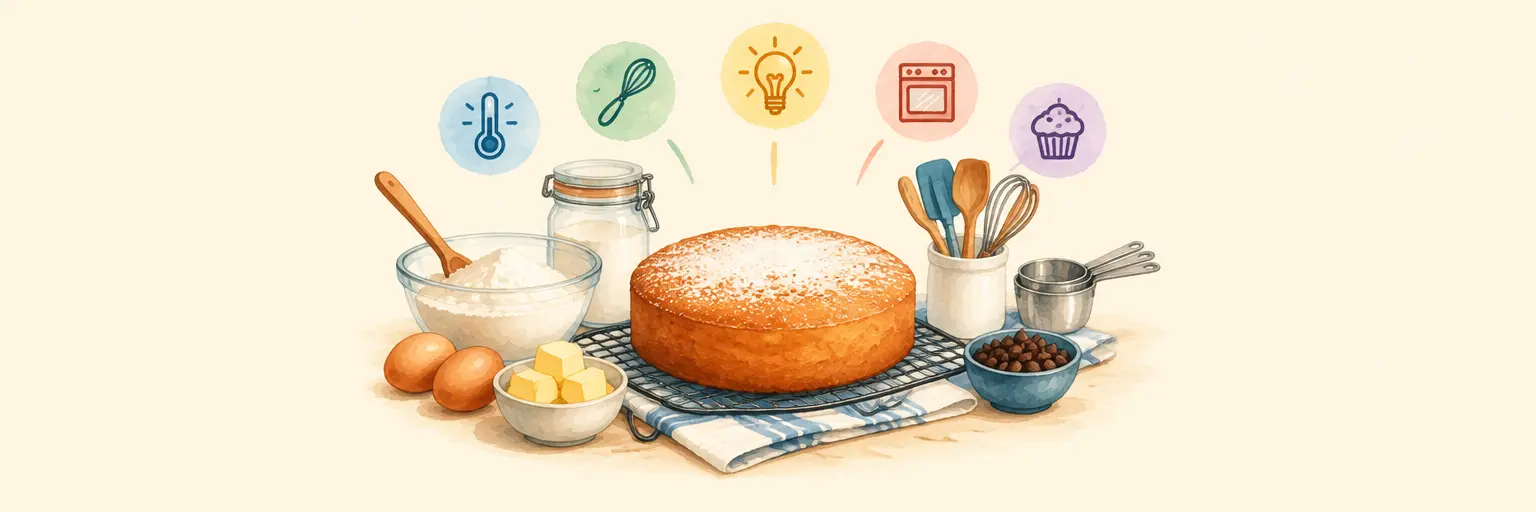
Unlock the secret to flawless bakes with our expert Baking Tips & Hacks—your shortcut to professional results right from your own kitchen. From mastering flour types and sugar science to perfecting oven temperatures and accurate measuring, we simplify the tricky stuff so you can bake with total confidence. Discover game-changing substitutions for vegan and gluten-free needs, plus clever fixes for common cake, cookie, and bread problems—because every baker hits a slump, but not every baker knows the rescue trick. Dive into the art of chocolate, caramel, and toffee, explore the best fats and oils, and finally understand how leavening agents and high-altitude adjustments really work. We’ll also show you smart ways to store and freeze your creations, keeping them fresh and delicious longer. Whether you’re a beginner looking for the essential equipment guide or a seasoned pro hunting for that perfect substitution, our bite-sized hacks and troubleshooting wisdom turn baking stress into baking success.
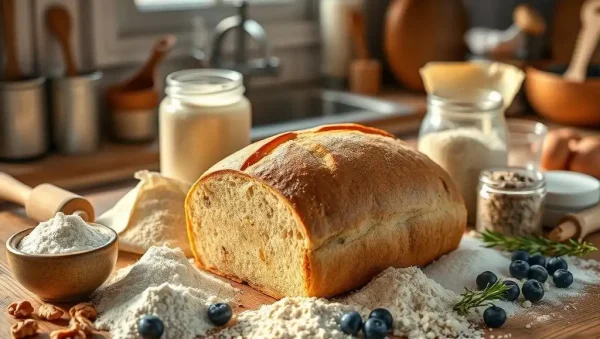
🌟 Discover the ultimate Glutenfree Baking Flour Guide on BakeWithEase.com, your essential resource for mastering gluten-free recipes. Learn about alternative flours, tips,…
Read article
😊 Struggling with high altitude cookie spreading? At BakeWithEase.com, discover simple tips and adjustments to prevent excessive spreading, ensuring perfectly shaped cookies…
Read article
😊 Discover essential chocolate coating tips for beginners on BakeWithEase.com, your ultimate baking resource. Learn simple techniques to effortlessly dip, cover, and…
Read article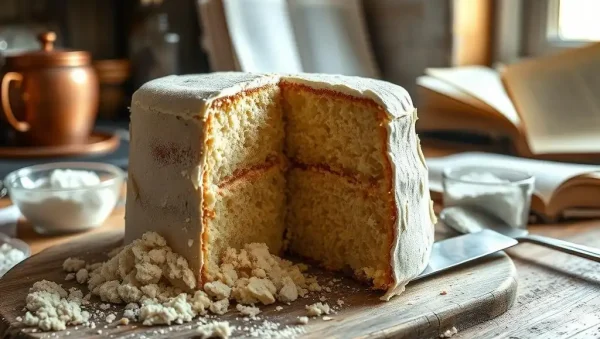
✨ Struggling with a crumbly cake? Discover effective crumbly cake binding solutions that ensure your cake stays moist and cohesive. BakeWithEase.com offers…
Read article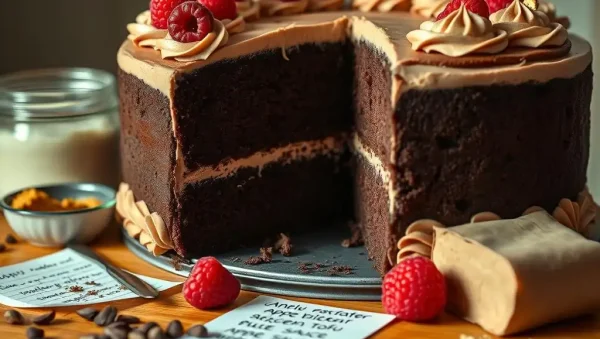
😊 Struggling with a vegan cake flat fix? Discover easy substitutes and expert tips to restore your cake’s perfect rise. BakeWithEase.com guides…
Read article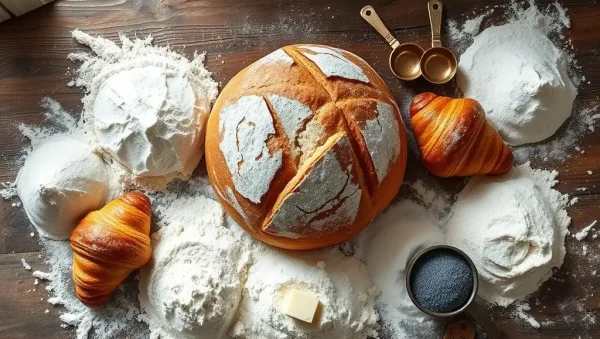
🌟 Discover how choosing the right flour types can elevate your baking success. BakeWithEase.com guides you through essential techniques and ingredients, ensuring…
Read article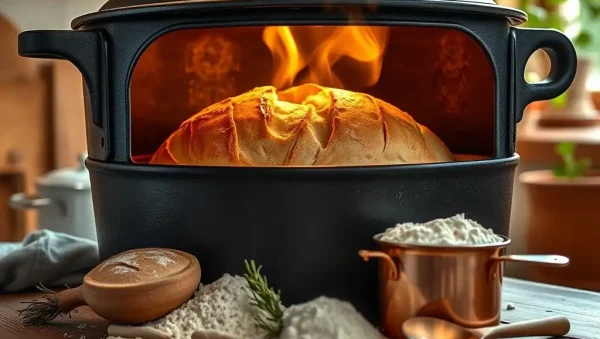
🌟 Unlock the secrets to perfect Noknead artisan bread with our essential cast iron Dutch oven hacks. BakeWithEase.com offers simple, expert tips…
Read article
😊 Discover foolproof Moist Chocolate Cake Recipe Hacks at BakeWithEase.com! Unlock simple ingredient tips and techniques to ensure your cake stays irresistibly…
Read article
🌟 Discover how to create your own all-purpose gluten-free flour blend recipe with our easy, step-by-step guide. Perfect for bakers of all…
Read article
🌟 Discover the best easy butter substitutes for muffins and loaves—applesauce and margarine—perfect for healthier, flavorful baking. BakeWithEase.com guides you through simple…
Read article
🍪 Struggling with crispy cookies edges center? Discover expert tips at BakeWithEase.com to achieve perfectly balanced cookies—crispy edges and a soft, chewy…
Read article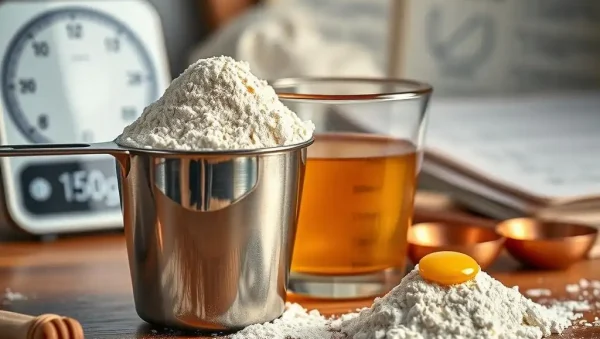
🔍 Discover how accurate dry and wet ingredient measurements influence baking precision and results. At BakeWithEase.com, learn essential techniques to master the…
Read articleWelcome to BakeWithEase’s ultimate hub for Baking Tips & Hacks, where we turn kitchen frustration into flawless bakes. Whether you’re a beginner facing sunken cakes or a pro perfecting high-altitude bread, this category delivers expert-driven solutions, equipment guides, and substitution charts that save time and ingredients. Each subcategory below is crafted to boost your confidence, improve texture, and elevate flavor. Dive in to master troubleshooting, ingredient science, and storage secrets—all with easy-to-find items and clear, actionable steps. Your next perfect bake starts here.
From spread-out pancakes to rock-hard discs, this section tackles flat cookies, burnt edges, and raw centers. You’ll learn how butter temperature, chilling time, and leavener ratios affect spread, plus fixes for gummy or crumbly textures. We cover oven hot spots, wrong flour, and over-mixing—each with a quick diagnostic table and simple corrections. Expect actionable tips like resting dough and using parchment, turning failures into chewy, golden perfection.
Discover which pans, mixers, and tools are truly worth the investment—and which to skip. This guide explains material differences (aluminum, glass, silicone), sizes for cakes and loaves, and must-have items like scales, thermometers, and bench scrapers. You’ll also learn care and replacement signals, ensuring even heat distribution and consistent results. Perfect for stocking a beginner kitchen or upgrading a pro setup without overspending.
Flour is the backbone of baking, and this deep dive covers protein content, gluten development, and best uses for all-purpose, bread, cake, pastry, and whole wheat flours. We explain how to swap flours without wrecking texture, including blending techniques for softer crumb or chewier crusts. You’ll also get tips on measuring flour correctly to avoid dry bakes and how to store flours for freshness and bug prevention.
Master the tricky art of sugar cooking with this no-fail guide. We break down wet vs. dry methods, temperature stages (soft ball, hard crack), and how to prevent crystallization with corn syrup or lemon juice. You’ll learn troubleshooting for grainy or burnt caramel, plus how to make chewy toffee, caramel sauces, and brittle. Includes safety tips for handling molten sugar and storing these treats for crunch that lasts.
Baking without gluten doesn’t mean dense or gritty results. This section explains flour blends (rice, almond, tapioca), xanthan gum ratios, and how to add moisture with yogurt or apple sauce. We cover common failures like crumbling or gummy interiors, plus adaptations for breads, cakes, and cookies. You’ll also find brand recommendations and quick swaps for eggs and dairy, so every recipe feels intentional and tasty.
Butter, shortening, margarine, or oil—each affects flavor, texture, and shelf life. We explain solid vs. liquid fats, creaming methods, and melting points for flaky pastries vs. tender cakes. Learn how to substitute oils for butter (and vice versa) without changing moisture or crumb, plus how brown butter adds nutty depth. Ideal for dairy-free baking and achieving that perfect melt-in-your-mouth bite.
Sunken middles, cracked tops, and dry layers are every baker’s nightmare. This guide addresses overmixing gluten, oven temperature accuracy, and pan prep, offering fixes for domed or lopsided bakes. You’ll learn how to adjust leaveners for humidity, rescue dry cakes with syrups, and prevent sticky crusts. Each problem comes with a clear cause-and-solution format, helping you bake level, moist, and evenly risen cakes every time.
Ditch eggs and dairy without losing richness or rise. This section covers egg replacers (flax, aquafaba, applesauce), plus butter, milk, and cream swaps that actually work for cakes, cookies, and breads. You’ll learn how to mimic browning and binding, adjust liquid ratios, and avoid gummy textures. Includes tips for store-bought vegan chocolate and making vegan meringues. Perfect for plant-based bakers or allergy-friendly tweaks.
Your oven may lie—this guide helps you trust it again. Learn how to calibrate with an oven thermometer, adjust for convection vs. static, and correct for hot spots by rotating pans. We explain why dark pans bake faster, how altitude changes time, and when to lower temperature 25°F. You’ll also get a chart for standard baking times by pastry type, plus signs to check doneness without opening the door too often.
Not all sugar is alike—this guide covers granulated, brown, powdered, and liquid sweeteners (honey, maple, corn syrup) and their effects on browning, moisture, and spread. Learn how to reduce sugar without destroying structure, substitute for refined options, and use molasses for depth. We also tackle sugar crystallization for candies and why some sweeteners make cookies crispier or softer. Perfect for mindful baking and flavor tweaks.
Dense loaves, crackly crusts, and gummy centers? This section fixes under/overproofing, gluten development, and steam issues. You’ll learn how to test dough readiness (poke test), adjust hydration for hot kitchens, and create crispy crusts with a water pan. We also cover crust-to-crumb imbalances and stale bread revival techniques. Follow these hacks to achieve open crumb, oven spring, and that bakery-quality chew at home.
Extend the life of your bakes with this storage playbook. Learn which containers keep cookies soft vs. crisp, how to freeze cakes, breads, and pastries without freezer burn, and the best way to thaw for fresh texture. We cover shelf-life timelines for different baked goods, plus anti-staling tricks like adding a bread slice to brownies. You’ll save money and reduce waste with proper layering, wrapping, and labeling.
Chocolate can seize, bloom, or burn—but not on your watch. This guide explains couverture vs. compound, tempering basics, and melting methods (double boiler vs. microwave). You’ll learn how to fix grainy melted chocolate, choose cocoa powder for fudgy vs. cakey results, and substitute white/dark/milk chocolate by sweetness. We also cover storing chocolate safely and making ganache ratios for pouring, whipping, or truffles.
Precision is baking’s secret weapon. This section covers weight vs. volume, using a digital kitchen scale, and correct spoon-and-level techniques for flour, sugar, and liquids. Learn why sifting changes measurement, how to measure sticky ingredients (honey, molasses) with oil spray, and the error margins in cup measurements. We also list metric conversions for common recipes, helping you replicate any bake reliably from any cookbook.
At 3,000+ feet, baking changes—here’s how to adapt. This guide provides formulas for reducing sugar, increasing liquid, and adjusting leaveners based on elevation. You’ll learn why cakes rise too fast and cookies spread thin, plus fixes for dry bread and meringue failings. We include a quick reference chart for 3,000 to 8,000 feet, along with test bakes to refine. Bake fluffy, moist delights even in Colorado’s peaks.
Baking powder, soda, and yeast—each has a role. This section details how acids and alkalis react, double-acting vs. single-acting powders, and yeast types (active dry, instant, fresh). You’ll learn when to use each for cookies, cakes, and breads, plus how to test if your leaveners are still potent. We cover common substitutions (e.g., buttermilk + soda) and troubleshooting when baked goods don’t rise, ensuring airy, perfect crumb every time.
Likely overcranking from warm butter or too little flour. Chill dough at least 30 minutes, use room-temperature butter but not melted, and measure flour by spoon-and-level. Also check your baking soda is fresh and that the oven isn’t too hot—drop 25°F if edges brown too fast.
Yes, but expect a less chewy crumb and slightly lower rise. For bread, replace up to half with bread flour or add vital wheat gluten (1 tsp per cup). For cakes, all-purpose is fine but sift to avoid density. Adjust liquid slightly if using whole wheat.
Once baked, you can’t un-sink it, but you can level it by slicing off the top and filling with frosting or fruit. To prevent future sinks, check your oven temperature with a thermometer, avoid opening the door early, and don’t overmix—fold wet and dry just until combined.
Applesauce (1/4 cup per egg) adds moisture but little lift. For fluffier cakes, use aquafaba (3 tbsp whipped per egg) or a commercial egg replacer. Combine 1 tbsp ground flax + 3 tbsp water for binding. Adjust liquid in the recipe to avoid batter being too thin.
Cool completely, then wrap in a breathable cloth or paper bag—never plastic, which traps moisture and makes crust soggy. For longer storage, slice and freeze in a sealed bag. Thaw at room temperature or toast directly. Avoid refrigerating; it accelerates staling.