Substituting Leavening Agents: Ratios to Replace Baking Soda with Powder
🧁 Discover essential baking soda powder substitution ratios to seamlessly replace baking soda with baking powder in your recipes. Perfect for bakers…
Read article
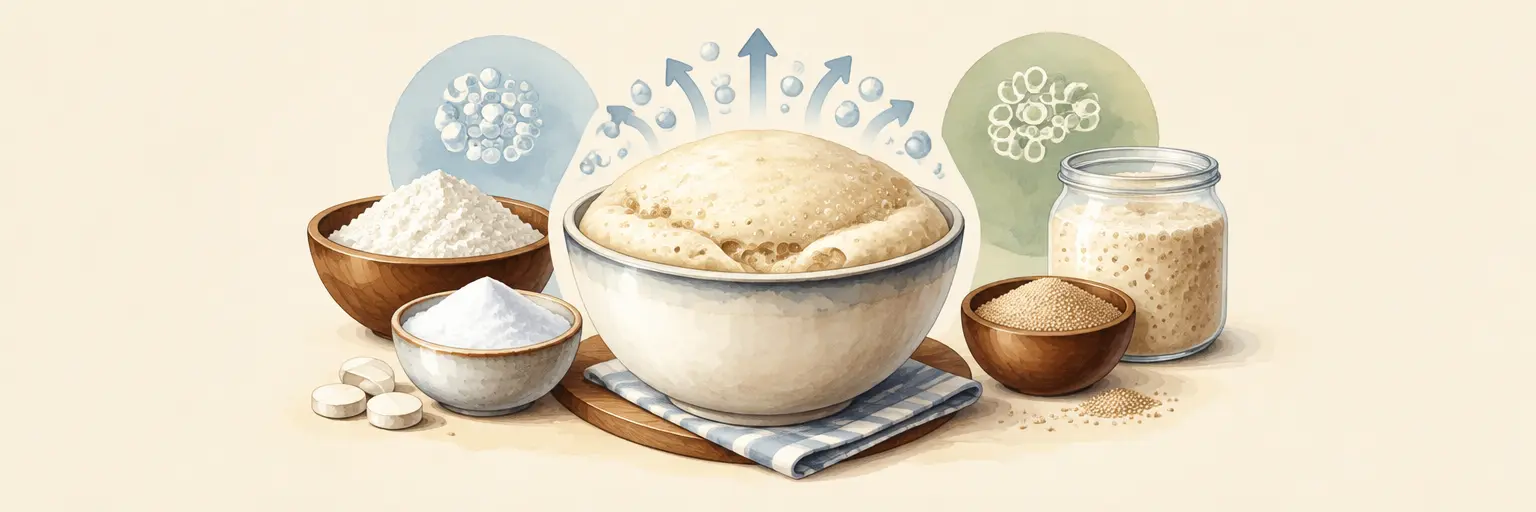
Discover the secret behind perfectly risen cakes, fluffy breads, and airy pastries with leavening agents explained—the ultimate guide to baking’s invisible heroes. Whether you’re a beginner or a seasoned pro, understanding how baking soda, baking powder, yeast, and even steam work can transform your bakes from dense to divine. Learn when to use each, how they react with acids and heat, and why freshness matters for consistent results. From quick breads to slow-fermented sourdough, mastering these chemical and biological leaveners unlocks lighter textures, better crumb structure, and reliable rising every time. Dive into practical tips, common mistakes to avoid, and substitution tricks that save your recipe in a pinch. Elevate your baking game with clear, simple explanations—no science degree needed, just a love for delicious, beautifully risen treats. Start baking with confidence today!
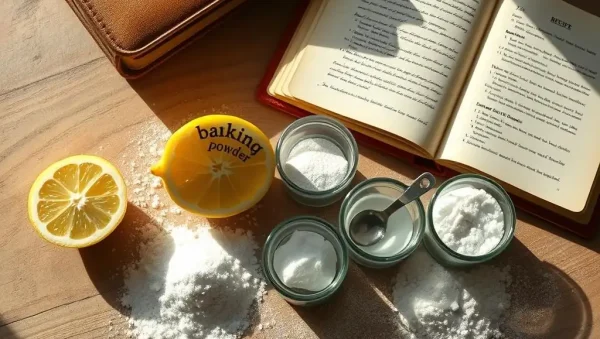
🧁 Discover essential baking soda powder substitution ratios to seamlessly replace baking soda with baking powder in your recipes. Perfect for bakers…
Read article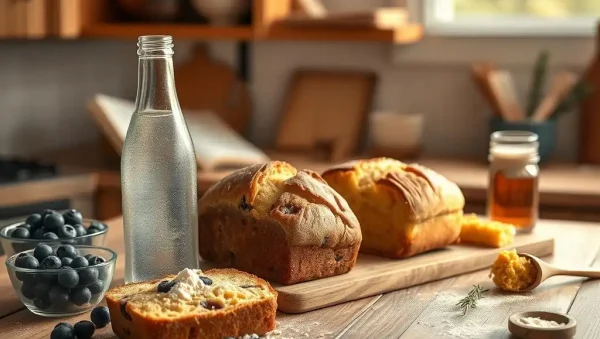
🌟 Discover how carbonated water and beer serve as natural leaveners in quick bread recipes, offering a simple, effective way to achieve…
Read article
😊 Discover the secrets to perfecting meringue with whole eggs versus egg whites, and learn whipping techniques that ensure your baked goods…
Read article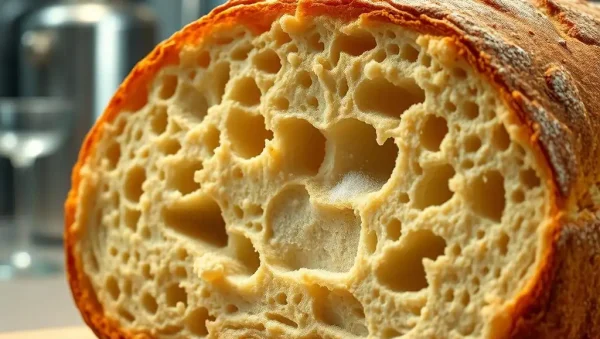
🌟 Discover how milk proteins leavening efficiency enhances baked goods' rise and texture. BakeWithEase.com offers insights into leveraging milk proteins for better…
Read article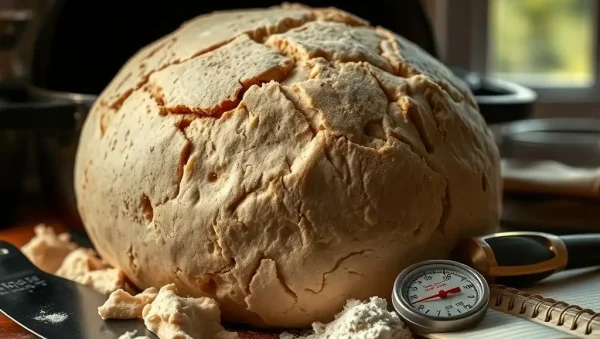
📝 Discover essential signs of underproofed dough and effective troubleshooting techniques in our comprehensive underproofed dough troubleshooting guide. Perfect for bakers aiming…
Read article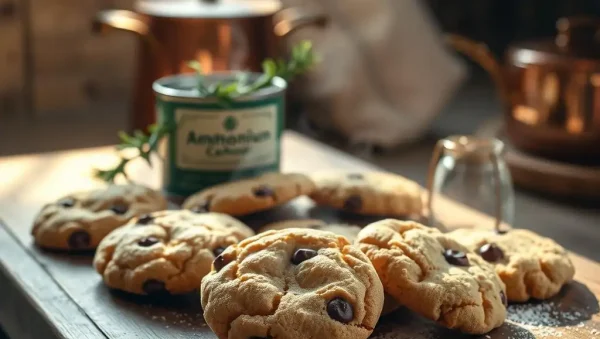
🌟 Discover how natural ammonium carbonate, or Baker’s ammonia, transforms your baked goods into irresistibly crisp cookies. Perfect for bakers seeking authentic,…
Read article
🌟 Discover the basics of mechanical leavening and learn how to trap air in cakes and muffins for irresistibly fluffy baked goods.…
Read article
😊 Discover the secrets behind our easy choux pastry recipe in "SteamPowered Pâtisserie," where mastering éclairs, choux, and pâte à bombe becomes…
Read article
🔧 Struggling with flat bread leavening problems? Discover common mistakes like insufficient rising agents and improper kneading, along with simple fixes. BakeWithEase.com…
Read article
🌟 Discover how the sourdough starter fermentation process relies on a delicate balance of wild yeast and bacteria, creating the perfect leavening…
Read article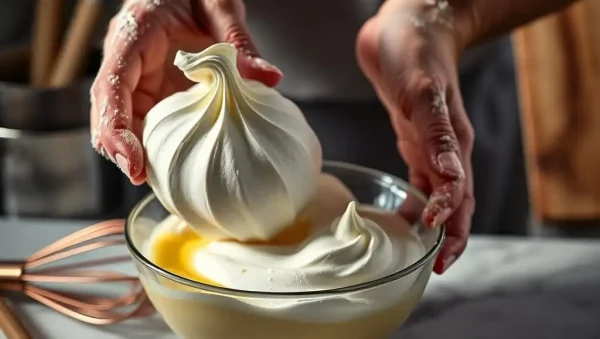
✨ Discover essential creaming and folding techniques in baking to incorporate air without deflation. Mastering these methods enhances your baked goods' texture…
Read article
✨ Discover how butter, oil, and shortening influence leavening in baking. Our comparison of Butter vs Shortening Baking reveals essential tips to…
Read articleWelcome to Leavening Agents Explained, a dedicated corner of BakeWithEase.com designed to demystify the science behind every fluffy cake, airy bread, and crisp cookie. Understanding how baking powder, baking soda, yeast, and even steam work is the secret to consistent, professional-quality results. Whether you’re a novice baker or a seasoned sourdough enthusiast, this subcategory breaks down the “why” and “how” of rising agents, helping you troubleshoot flat bakes and elevate your recipes. Let’s dive into the bubbling, expanding world of leavening—your roadmap to lighter, better-textured treats awaits.
Baking soda (sodium bicarbonate) is an alkaline compound that requires an acid—like buttermilk, lemon juice, or yogurt—to trigger carbon dioxide gas. Baking powder, on the other hand, contains both an acid (usually cream of tartar) and a base, activated by liquid and heat. This distinction is crucial: swapping one for the other without adjusting liquid or acid will result in a dense, metallic-tasting bake. In this section, you’ll learn how to identify which leavener your recipe needs, how to test freshness, and why double-acting baking powder gives you a second rise in the oven.
Mastering this duo transforms your baking precision. For example, a classic buttermilk pancake recipe relies on baking soda to neutralize acidity, while a vanilla sponge uses baking powder for a neutral crumb. We’ll also cover common substitution ratios (e.g., 1 teaspoon baking powder = ¼ teaspoon baking soda plus ½ teaspoon acid) and pitfalls like overmixing, which depletes gas too early. By understanding the chemical reaction, you’ll be able to tweak recipes for altitude, dietary swaps, or flavor variations without losing lift.
Yeast is a single-celled fungus that ferments sugars, producing carbon dioxide and ethanol. This biological process gives bread its complex flavor, chewy texture, and characteristic aroma. You’ll explore the differences between active dry yeast, instant yeast, and fresh yeast—including hydration methods, proofing times, and storage tips. We’ll also cover how water temperature affects fermentation (ideal is 70°F–90°F) and why over-proofing leads to collapsed loaves, while under-proofing yields dense interiors.
Beyond the basics, this section helps you troubleshoot common yeast issues: why your dough isn’t rising (expired yeast, too much salt, or cold kitchen), how to revive sluggish starters, and how to create a warm proofing environment using your oven light. We’ll also explain the role of gluten development alongside yeast activity, showing how kneading and resting times impact gas retention. For sourdough bakers, we touch on wild yeast cultivation and feeding schedules, making this a versatile resource for artisanal and everyday baking alike.
Not all lift comes from chemicals or yeast. Steam, air, and physical manipulation—like creaming butter and sugar or whipping egg whites—are equally powerful leavening agents. In puff pastry, laminated layers trap steam that expands in the oven, creating dramatic flakiness. In angel food cake, whipped egg whites provide delicate volume, while creamed butter in cookies incorporates air pockets for tenderness. This section explains how these methods work and when to rely on them.
You’ll discover techniques to maximize air incorporation: room-temperature ingredients for better emulsification, folding methods to preserve whipped egg whites, and the importance of oven temperature for steam burst. We’ll also cover how resting chilled doughs (like croissants) prevents premature melting and how to create steam in a home oven using a pan of water. Understanding these non-traditional leaveners helps you bake lighter scones, crispier choux paste, and taller meringues—plus, you’ll be equipped to adapt recipes for gluten-free or low-sodium diets where chemical leaveners may be limited.
Baking is chemistry, and choosing the wrong leavener can spell disaster. This section provides a practical decision matrix: when to use baking soda (acidic batters like gingerbread), baking powder (neutral or slightly acidic like cookies), yeast (long-rising doughs), or steam (high-moisture, high-fat pastries). We’ll also break down combination strategies, such as using both baking powder and baking soda in recipes like banana bread to balance pH and browning.
You’ll learn to read ingredient lists like a pro: if a recipe calls for chocolate, cocoa powder is naturally acidic, so baking soda works well; but if you’re using Dutch-processed cocoa, switch to baking powder. We’ll also discuss how eggs, fats, and sugars interact with leaveners, and how to adjust for high altitude (lower boiling points and reduced gas pressure). By the end, you’ll feel confident making substitutions—like swapping buttermilk for yogurt—and instantly know if you need to add a pinch of baking soda.
Even experienced bakers hit flat, dense, or sunken results. This troubleshooting guide addresses the top culprits: expired leaveners (test baking powder in hot water), overmixing (deflating air cells), wrong oven temperature (too low causes collapse), and ingredient temperature mismatches. We’ll show you how to diagnose symptoms—cracked tops, soggy centers, or excessive spread—and provide corrective steps for your next attempt.
You’ll also learn about less obvious factors, like humidity affecting baking powder potency, or using cold eggs in a butter-heavy cake that needs emulsion. We’ll cover how to rescue a batter that didn’t rise (sometimes adding a bit of extra leavener works) and why measuring flour correctly is vital—too much flour kills lift. This section includes quick fixes, like letting dough rest before baking or preheating your oven thoroughly. Armed with these insights, you’ll turn baking mishaps into learning opportunities and achieve consistently airy, rewarding results.
Yes, but not in equal amounts. Baking powder is weaker; for every 1 teaspoon of baking soda, you’ll need 3 teaspoons of baking powder. However, this substitution changes acidity and may affect flavor and browning. If your recipe already includes an acidic ingredient, switch to baking soda for balanced results; otherwise, add an acid like lemon juice to empower baking powder.
For baking powder, stir ½ teaspoon into ¼ cup hot water—if it bubbles vigorously, it’s active. For baking soda, mix it with a few drops of vinegar or lemon juice; rapid fizzing indicates potency. If not, replace them, as expired leaveners lead to flat, sunken baked goods.
Over-proofing is the most common cause: the gluten structure weakens, and trapped gas bursts during baking. Also, opening the oven door too early lets cool air in. Ensure your dough has doubled but still springs back when poked, and resist peeking until the last five minutes of baking.
Single-acting releases gas immediately when wet, requiring quick baking. Double-acting releases gas once when mixed and again when heated, giving a more reliable rise in unpredictable home ovens. Most commercial baking powders are double-acting, which is why they’re recommended for cakes and muffins.
Absolutely. Excess baking soda causes a soapy, bitter taste and greenish tint in baked goods; excess baking powder leads to a coarse, bitter crumb and a metallic aftertaste. Always measure accurately, and if you’re swapping, reduce other salts or acids to maintain balance.