
How Sourdough Starter Leavening Works: Wild Yeast and Bacterial Balance


Welcome to BakeWithEase, your baking sanctuary! Ever wondered about the secret behind that tangy, complex flavor of sourdough? Dive into the fascinating world of the sourdough starter fermentation process and unlock the power of wild yeasts and bacteria. Discover how this symbiotic dance creates the perfect leavening agent, transforming simple ingredients into culinary masterpieces. Are you ready to unravel the mysteries of sourdough and elevate your baking game?
- How Sourdough Starter Leavening Works: Wild Yeast and Bacterial Harmony
- Understanding Sourdough Starter Fermentation
- The Key Microorganisms: Yeast and Bacteria
- The Sourdough Starter Cycle Explained
- Factors Influencing Fermentation
- Troubleshooting Common Issues
- Baking with Sourdough Starter
- Maximizing Starter Activity for Optimal Rise
- The Art of Sourdough: A Baking Exploration
-
Frequently Asked Questions
- How does a sourdough starter actually leaven bread?
- What makes sourdough starter different from commercial yeast?
- What role do bacteria play in the sourdough starter fermentation process?
- How long does the sourdough starter fermentation process typically take?
- What are the key signs that my sourdough starter is ready to use for baking?
- Final Reflection: The Enduring Magic of Sourdough Fermentation
- Unlock the Secrets of Your Sourdough Starter!
How Sourdough Starter Leavening Works: Wild Yeast and Bacterial Harmony
Understanding Sourdough Starter Fermentation
What is Sourdough Starter and Why Does it Matter?
A sourdough starter is a living, fermented culture of flour and water. It's not a static ingredient but a dynamic ecosystem of wild yeast and lactic acid bacteria. Unlike commercial yeast, which typically contains a single strain of Saccharomyces cerevisiae, a sourdough starter harbors a diverse community. This microbial population consumes sugars in the flour, producing carbon dioxide gas, which causes dough to rise, and organic acids, which contribute significantly to the unique flavor and texture of sourdough baked goods. Mastering the sourdough starter fermentation process is fundamental to achieving successful and flavorful results in baking.
The importance of a healthy, active sourdough starter cannot be overstated for anyone serious about traditional bread making. It acts as the sole leavening agent in many sourdough recipes, eliminating the need for commercial yeast. Beyond leavening, the metabolic activities of the starter's microbes break down complex compounds in the flour, potentially improving digestibility and nutrient availability. The lengthy fermentation process enabled by a robust starter also develops a complex profile of aromas and flavors, ranging from pleasantly tangy to deeply savory, which is characteristic of authentic sourdough bread and other fermented baked goods.
The Science of Sourdough: A Symbiotic Ecosystem
The sourdough starter fermentation process is a fascinating example of symbiosis. Wild yeasts, primarily responsible for producing carbon dioxide for leavening, coexist with lactic acid bacteria (LAB), which produce organic acids like lactic and acetic acid.
These acids not only give sourdough its distinctive tang but also help control unwanted mold and bacterial growth due to the lower pH they create. The yeasts and bacteria rely on each other: the bacteria can break down complex carbohydrates in the flour into simpler sugars that the yeasts can more easily ferment, while the yeast fermentation can sometimes provide metabolites that benefit the bacteria.
This delicate balance is key to a vibrant starter. The specific strains of yeast and bacteria present, their relative proportions, and the environmental conditions (temperature, hydration, flour type) all influence the rate and outcome of the sourdough starter fermentation process. For instance, a starter maintained at warmer temperatures (say, 24-28°C) tends to favor lactic acid production, resulting in a milder tang, while cooler temperatures (around 18-22°C) can encourage acetic acid production, leading to a sharper, more vinegary note. Understanding this symbiotic relationship is crucial for maintaining a healthy starter and predicting its behavior.
The Key Microorganisms: Yeast and Bacteria
Wild Yeast: The Leavening Agent
Wild yeasts are naturally present on grain kernels and in the environment. When flour and water are mixed, these yeasts find a suitable environment to become active. In a sourdough starter, a variety of wild yeast species can take hold, though some become dominant over time.
The most common species found in mature sourdough starters is Saccharomyces cerevisiae, surprisingly also the species used in commercial yeast, but often different strains. Other common sourdough yeasts include Kazachstania exigua and Candida milleri. These yeasts consume the simple sugars available in the flour, primarily glucose and fructose, and through alcoholic fermentation, produce ethanol and carbon dioxide gas.
The production of carbon dioxide is the primary function of yeast in the sourdough starter fermentation process when it comes to leavening. As yeast metabolizes sugars, the gas accumulates within the gluten network of the dough. This trapped gas expands, causing the dough to rise. The activity level of the yeast directly correlates with the rate of gas production and thus the rising power of the starter. A strong, active starter will produce gas rapidly, showing significant bubbly activity and volume increase shortly after feeding, indicating its readiness to effectively leaven bread.
Common Wild Yeast Species in Sourdough
While many yeast species might initially be present in a new starter, a few tend to dominate in mature, stable cultures. Saccharomyces cerevisiae is frequently found, often outcompeting others in established starters due to its efficiency at sugar fermentation. Studies have shown that S. cerevisiae is present in a large percentage of mature starters globally, sometimes alongside other species. For example, research on European starters found S. cerevisiae was dominant in over 80% of samples, though often coexisting with specific lactic acid bacteria strains.
Another notable species is Kazachstania exigua (formerly Saccharomyces exigua). This yeast is also commonly isolated from sourdough starters and is known for its ability to ferment maltose, a sugar that is less readily available to some other yeast species. The presence and dominance of specific yeast species can vary based on geographical location, flour type used, and maintenance practices. This diversity contributes to the unique characteristics and robustness of different sourdough starters, influencing the speed and nature of the sourdough starter fermentation process.
Carbon Dioxide Production and Dough Rise
The magic of leavening in sourdough baking is fundamentally driven by the yeast's production of carbon dioxide (CO2). During fermentation, yeast enzymes break down simple sugars into ethanol and CO2. In a typical sourdough starter or dough, this process happens over several hours. As the CO2 gas is produced, it gets trapped within the elastic gluten network formed by the flour and water. This trapping is crucial; without a strong gluten structure, the gas would simply escape, and the dough wouldn't rise.
The rate of CO2 production is highly dependent on the yeast's activity, which in turn is influenced by temperature, available food (sugars), and the overall health of the starter. A healthy, well-fed starter at an optimal temperature (around 24-26°C for many starters) can double in volume within 4-8 hours due to vigorous gas production. This visible rise is a direct indicator of the yeast effectively performing its primary role in the sourdough starter fermentation process: creating the lift needed for airy, well-risen baked goods.
Bacteria: Flavor and Acidity Developers
Lactic acid bacteria (LAB) are equally vital partners in the sourdough ecosystem. These bacteria primarily ferment carbohydrates into organic acids, predominantly lactic acid and acetic acid. Unlike yeast, they produce very little gas. Their main contributions are to the flavor profile, the acidity (which impacts dough structure and shelf life), and the overall stability of the starter. The most common LAB genera found in sourdough include Lactobacillus, Leuconostoc, Pediococcus, and Weissella. Lactobacillus sanfranciscensis is perhaps the most famous sourdough bacterium, specifically isolated from San Francisco sourdough starters, known for contributing a distinct tang.
The acids produced by LAB lower the pH of the starter and dough. A typical mature sourdough starter has a pH ranging from 3.5 to 4.5. This acidity inhibits the growth of spoilage organisms and pathogenic bacteria, contributing to the starter's stability and the bread's longer shelf life compared to commercially leavened bread. Furthermore, the acids help break down phytates in flour, which can improve the bioavailability of minerals. Thus, the bacterial activity, while not directly causing leavening, is integral to the character, safety, and potential nutritional benefits derived from the sourdough starter fermentation process.
Lactic Acid Bacteria (LAB) and Flavor Profiles
Lactic acid bacteria ferment sugars to produce lactic acid, the same acid found in yogurt and sauerkraut. This acid contributes a smooth, milky, or slightly sharp tang to sourdough. Different LAB species produce varying ratios of lactic acid to other compounds, influencing the final flavor. For example, homofermentative LAB produce primarily lactic acid, while heterofermentative LAB produce lactic acid, acetic acid, CO2 (though less than yeast), and sometimes ethanol. Lactobacillus plantarum and Lactobacillus fermentum are common homofermentative species in sourdough, while Lactobacillus sanfranciscensis is heterofermentative.
The specific LAB population in a starter is influenced by factors like temperature, hydration, and flour type. A starter maintained at warmer temperatures (e.g., 28-30°C) often encourages homofermentative LAB, leading to higher lactic acid production and a milder, creamier tang. Conversely, cooler temperatures (e.g., 20-24°C) can favor heterofermentative LAB and acetic acid production. The balance of these bacteria is crucial for developing the desired flavor profile during the sourdough starter fermentation process and subsequent dough fermentation.
Acetic Acid Bacteria and Tangy Notes
While LAB are the primary bacteria, some acetic acid bacteria can also be present, particularly in higher hydration starters or those fed less frequently. However, the acetic acid in sourdough is predominantly produced by heterofermentative lactic acid bacteria, such as Lactobacillus sanfranciscensis, as a byproduct of their metabolism, especially when oxygen is more available. Acetic acid is the acid found in vinegar and provides a sharper, more pungent, or vinegary tang compared to the milder tang of lactic acid.
The ratio of acetic acid to lactic acid significantly impacts the final taste of the sourdough. A higher ratio of acetic acid results in a more pronounced, sometimes biting, sourness. This ratio is heavily influenced by fermentation temperature and feeding frequency. Colder fermentation temperatures (below 24°C) and longer fermentation times between feedings tend to increase acetic acid production. By controlling these factors, bakers can manipulate the sourdough starter fermentation process to achieve a flavor profile ranging from subtly tangy to intensely sour, tailoring the starter to their specific baking preferences.
The Sourdough Starter Cycle Explained
Initial Mixing and Hydration of Flour and Water
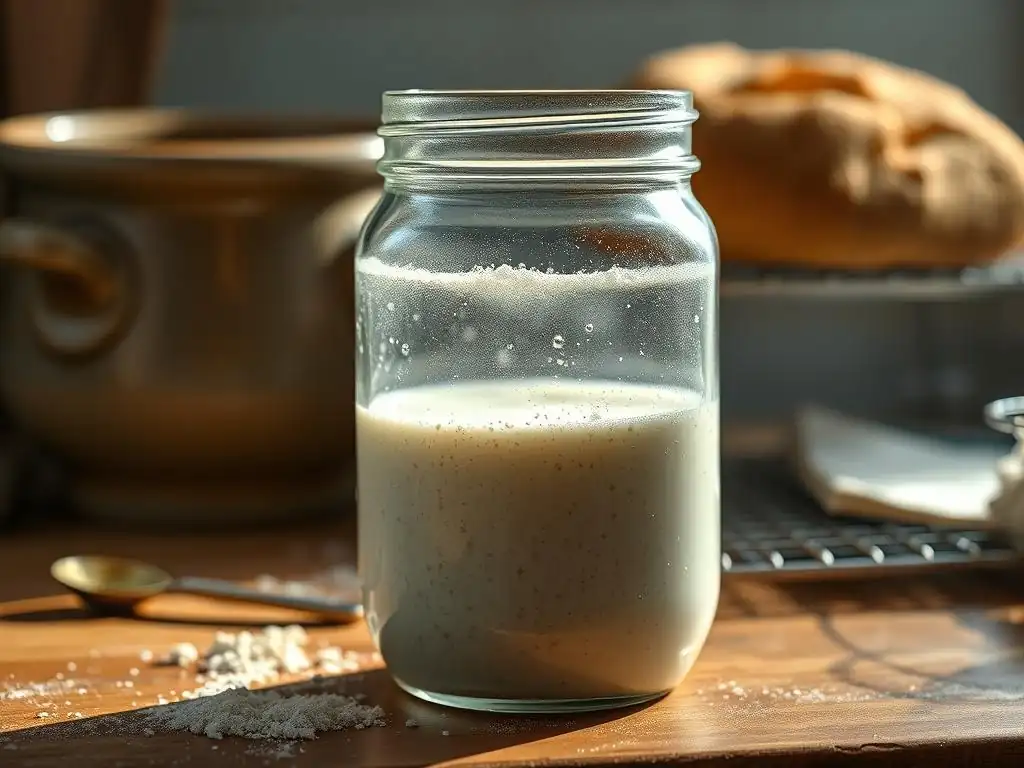
The sourdough starter fermentation process begins with the simple combination of flour and water. Flour naturally contains wild yeasts and bacteria on the grain husks. When mixed with water, these dormant microorganisms are activated. The water hydrates the starches and proteins in the flour, making nutrients available for the microbes. A common starting ratio is 1:1 flour to water by weight (100% hydration). For example, mixing 50 grams of flour with 50 grams of water. The initial mixture is often thick or pasty.
Over the first few days, this mixture is left at room temperature (typically 20-24°C) and fed regularly, usually once or twice a day, by discarding a portion and adding fresh flour and water. During this period, various microorganisms will begin to colonize the mixture. Initially, there might be a burst of diverse microbial activity, including some less desirable bacteria. However, as lactic acid bacteria produce acids, the pH drops, creating an increasingly acidic environment that favors the specific yeasts and LAB strains characteristic of mature sourdough. This phase is crucial for establishing the foundation of the symbiotic culture.
Establishing a Balanced Microbial Population
Establishing a stable and balanced microbial ecosystem is the core goal during the initial days or weeks of creating a sourdough starter. This involves regular feeding (discarding old starter and adding fresh flour and water) which provides a continuous supply of nutrients and helps dilute less desirable microbes while favoring those that thrive in the acidic environment. The frequency of feeding and the temperature at which the starter is kept are critical factors influencing which microbial species become dominant. For example, feeding every 24 hours at room temperature (around 22°C) is a common approach.
As the process continues, typically after 7-14 days, the initial erratic activity (like a big rise on day 2 or 3 that then disappears) gives way to more predictable and consistent fermentation. The mixture will consistently show signs of activity, such as bubbles throughout, a pleasant tangy aroma, and a noticeable rise and fall within a predictable timeframe after feeding. This indicates that the desired wild yeasts and lactic acid bacteria have successfully colonized and established a stable, symbiotic relationship, ready to perform the sourdough starter fermentation process effectively for baking.
Recognizing Peak Activity: Rise and Fall
A key indicator of a healthy and active sourdough starter is its predictable rise and fall cycle after feeding. After you feed your starter fresh flour and water, the microorganisms, particularly the yeast, begin to consume the sugars. This metabolic activity produces carbon dioxide gas, causing the starter's volume to increase. A strong starter, fed at a 1:1:1 ratio (starter:water:flour) and kept at around 24°C, might double or even triple in volume within 4 to 8 hours. This point of maximum expansion is considered its "peak activity".
Once the available sugars in the fresh flour are depleted, the microbial activity slows down. The gluten structure, which was holding the CO2 gas, begins to weaken, and the gas escapes. This results in the starter slowly deflating or "falling" back down. Often, you'll see characteristic "holey" or concave sides in the jar where the starter has fallen. Using the starter at or just after its peak activity, when the yeast is most vigorous, is crucial for successful leavening in baking. The rise and fall cycle is a visual representation of the ongoing sourdough starter fermentation process.
Maintaining a Thriving Starter
Maintaining a thriving sourdough starter requires consistent care, primarily through regular feeding. The frequency of feeding depends on how you store it. Starters kept at room temperature (20-24°C) need to be fed frequently, typically every 12 or 24 hours, because the warmer temperature encourages rapid microbial activity and thus faster consumption of food. For example, a starter kept on the counter might be fed 50g starter, 50g water, and 50g flour daily.
Alternatively, a starter can be stored in the refrigerator (around 4-5°C). The cold temperature significantly slows down the sourdough starter fermentation process, allowing you to feed it less often, perhaps once a week. When storing in the fridge, you'll need to wake it up with a few regular feedings at room temperature before baking. Regardless of storage method, observing the starter's behavior – consistent rise and fall, pleasant tangy aroma, and bubbly texture – is the best way to ensure it's healthy and ready for baking. Consistent feeding and observation are key to long-term starter health.
Factors Influencing Fermentation
Temperature's Effect on Microbial Activity
Temperature is one of the most critical factors influencing the sourdough starter fermentation process. Different microorganisms have optimal temperature ranges for activity. Wild yeasts in sourdough are typically most active between 24°C and 28°C, leading to vigorous gas production and rapid rising. Lactic acid bacteria also thrive in this range, but their specific activity (lactic vs. acetic acid production) can shift with temperature. Warmer temperatures (28-30°C) tend to favor lactic acid production, resulting in a milder tang, while cooler temperatures (below 24°C, down to 18-20°C) can increase acetic acid production and lead to a tangier, more vinegary flavor.
Temperatures below 18°C significantly slow down microbial activity, which is why refrigeration (4-5°C) is effective for long-term storage. Temperatures above 30°C can stress or even kill some of the desirable microorganisms, potentially leading to an imbalance or inactive starter. Maintaining a consistent temperature within the desired range (e.g., 22-26°C for a balanced starter) is crucial for predictable sourdough starter fermentation and consistent baking results. Using a proofing box, oven with the light on, or simply finding a warm spot in your kitchen can help manage temperature.
Hydration's Impact on Fermentation Rate
The hydration level of a sourdough starter, expressed as the ratio of water to flour by weight, significantly impacts the sourdough starter fermentation process. A starter with higher hydration (e.g., 100% or 125% hydration, meaning equal or slightly more water than flour) tends to ferment faster than a lower hydration starter (e.g., 50% or 70% hydration). This is because the water acts as a medium for the microbes to access nutrients and move throughout the mixture. More water means easier access to food sources distributed throughout the flour.
Higher hydration starters are typically more liquid, making it easier to see bubble activity. They also tend to favor the growth of certain types of lactic acid bacteria, potentially influencing the flavor profile. For example, a 100% hydration starter is very common and balances ease of handling with good activity. Lower hydration starters (stiffer starters) ferment more slowly and tend to develop more acetic acid, resulting in a tangier flavor. The chosen hydration level impacts not only the speed of the sourdough starter fermentation process but also the texture and flavor characteristics of the starter itself.
Flour Type and Flavor Contribution
The type of flour used to feed a sourdough starter plays a significant role in the sourdough starter fermentation process and the resulting flavor. Different flours contain varying amounts of sugars, proteins, and minerals, all of which influence microbial growth and metabolic activity. Whole grain flours (like whole wheat or rye) contain more nutrients and a higher concentration of wild microorganisms initially present on the grain. This often leads to more vigorous initial fermentation and can contribute to a more complex, earthy flavor profile.
Using a mix of flours, such as part whole wheat or rye and part bread flour, is a common approach to boost activity and enhance flavor. For instance, feeding with 80% bread flour and 20% rye flour can provide a good balance of robust activity and pleasant tang. White bread flour, while having fewer initial microbes, still provides ample starches and proteins that the established culture can break down. Consistent feeding with the same type or blend of flour helps maintain a stable microbial balance and predictable sourdough starter fermentation process.
Feeding Frequency: Optimizing Starter Health
The frequency with which you feed your sourdough starter directly relates to optimizing its health and activity. Feeding provides fresh nutrients (flour) and dilutes the waste products (acids, alcohol) that accumulate during fermentation. For a starter kept at room temperature, daily feeding (or even twice daily in warm conditions) is essential to keep the microbes well-fed and active. Skipping feedings allows the microbes to run out of food, become sluggish, and the acidity to increase significantly, potentially harming the culture.
When storing a starter in the refrigerator, feeding frequency can be reduced significantly because the cold slows everything down. Once-a-week feeding is often sufficient for refrigerated starters. However, it's generally recommended to feed a refrigerated starter 1-3 times at room temperature after taking it out of the fridge before using it for baking. This "wakes up" the microbes and ensures they are at peak activity for leavening. Regular, appropriate feeding based on storage temperature is fundamental to maintaining a vigorous sourdough starter fermentation process.
Troubleshooting Common Issues

Addressing Slow or Inactive Starter
A slow or inactive sourdough starter is a common issue, especially when starting or after inconsistent feeding. The primary reasons are usually insufficient food, incorrect temperature, or an imbalance in the microbial population. If your starter isn't rising or bubbling much after feeding, first assess the temperature. Is it too cold?
Moving it to a warmer spot (24-26°C) can significantly increase activity. Next, consider your feeding ratio and frequency. Are you feeding enough flour relative to the starter volume? Try increasing the ratio of fresh flour and water (e.g., feeding 1:2:2 or 1:3:3 starter:water:flour) to give the microbes more food.
Ensure you are discarding a significant portion before feeding (keeping only a small amount, say 20-50g). This helps manage the population size relative to the food source. Using a small amount of starter and a generous feeding of fresh flour and water is often the best way to revive a sluggish culture.
Switching to a portion of whole grain flour (like rye or whole wheat) for a few feedings can also help, as these flours provide more readily available nutrients and often introduce beneficial microbes. Persistence with regular, appropriate feedings at a good temperature is key to restoring a healthy sourdough starter fermentation process.
Identifying and Preventing Mold Contamination
Mold is an undesirable visitor in sourdough starters, typically appearing as fuzzy, colored patches (white, green, black, or pink) on the surface. Mold indicates that unwanted fungi have managed to grow, often due to insufficient acidity or contamination. A healthy, active sourdough starter is quite resistant to mold because the low pH created by the lactic acid bacteria inhibits its growth. If you see mold, unfortunately, it's generally recommended to discard the entire starter and begin anew to avoid potential health risks.
Preventing mold involves maintaining a healthy, active starter with consistent acidity. This is achieved through regular feeding, which keeps the desirable microbes thriving and the pH low. Using clean jars and utensils is also crucial to prevent introducing mold spores.
Keeping a lid loosely on the jar (allowing gases to escape but preventing airborne contaminants from falling in) and storing the starter away from obvious sources of mold are good practices. Ensuring your starter consistently achieves a good rise and has a pleasant, tangy aroma (not foul or cheesy) are signs that the sourdough starter fermentation process is proceeding correctly and resisting spoilage.
Reviving a Dormant Starter
A "dormant" starter usually refers to one that has been stored in the refrigerator for an extended period (several weeks or months) without feeding, or one that has become very sluggish due to neglect. While it might look inactive, the microbes are often still alive, just in a dormant state due of cold or lack of food.
Reviving such a starter requires patience and consistent, regular feeding at room temperature. Take a small amount of the dormant starter (e.g., 20-30g) and feed it with fresh flour and water, perhaps using a 1:2:2 or 1:3:3 ratio (starter:water:flour) to provide ample food.
Discard most of the starter before each subsequent feeding for the first few days. Feed it every 12 or 24 hours, depending on the room temperature and how quickly it shows signs of activity. Look for small bubbles, a slight increase in volume, and a more pleasant aroma. It might take several days (3-7 days or even longer) of consistent feeding before the starter returns to its vigorous, predictable rise-and-fall cycle. Once it's consistently doubling within 4-8 hours after feeding, it's usually ready to be used for baking, indicating the sourdough starter fermentation process has been successfully re-established.
Baking with Sourdough Starter
Sourdough Bread Baking: A Recipe Guide [Link to Bread Recipe]
Using an active sourdough starter is the heart of traditional sourdough bread baking. The starter, at or just after its peak activity, is mixed with flour, water, and salt to form the dough. The sourdough starter fermentation process continues within the dough, developing gluten strength, producing CO2 for rise (the "bulk fermentation" and "proofing" stages), and further developing complex flavors and aromas. A typical sourdough bread recipe involves mixing, a period of bulk fermentation with several sets of folds, shaping, a final proofing period (often cold fermentation in the refrigerator for flavor), and finally baking.
The amount of starter used in a recipe (the inoculation rate) affects the speed of fermentation. A higher percentage of starter will lead to faster fermentation. For example, a recipe using 20% starter (relative to flour weight) might bulk ferment in 4-6 hours at room temperature, while a recipe using only 10% starter might take 8-12 hours. Understanding your starter's activity and how different inoculation rates influence the sourdough starter fermentation process is key to timing your bread baking successfully.
Beyond Bread: Sourdough Discard Recipes [Examples: Crackers, Pizza Dough]
Maintaining a sourdough starter often involves discarding a portion before each feeding, especially when keeping it at room temperature. This "sourdough discard" is simply inactive starter that hasn't been fed recently and has passed its peak for leavening purposes. While it won't make bread rise significantly on its own, it is still full of flavor from the fermentation process and can be used in a variety of delicious recipes. This is a great way to reduce waste and add a unique tang to other baked goods.
Popular uses for sourdough discard include making tangy crackers, which bake up crispy and flavorful. Sourdough discard pizza dough provides a wonderful depth of flavor compared to commercial yeast versions, even if you add a little commercial yeast for boost. Other examples include pancakes, waffles, muffins, quick breads, and even chocolate cake, where the acidity can react with baking soda to provide some lift while contributing a subtle tang that complements the sweetness. Utilizing discard is a practical and tasty part of the sourdough journey.
Maximizing Starter Activity for Optimal Rise
Techniques for Strengthening Starter
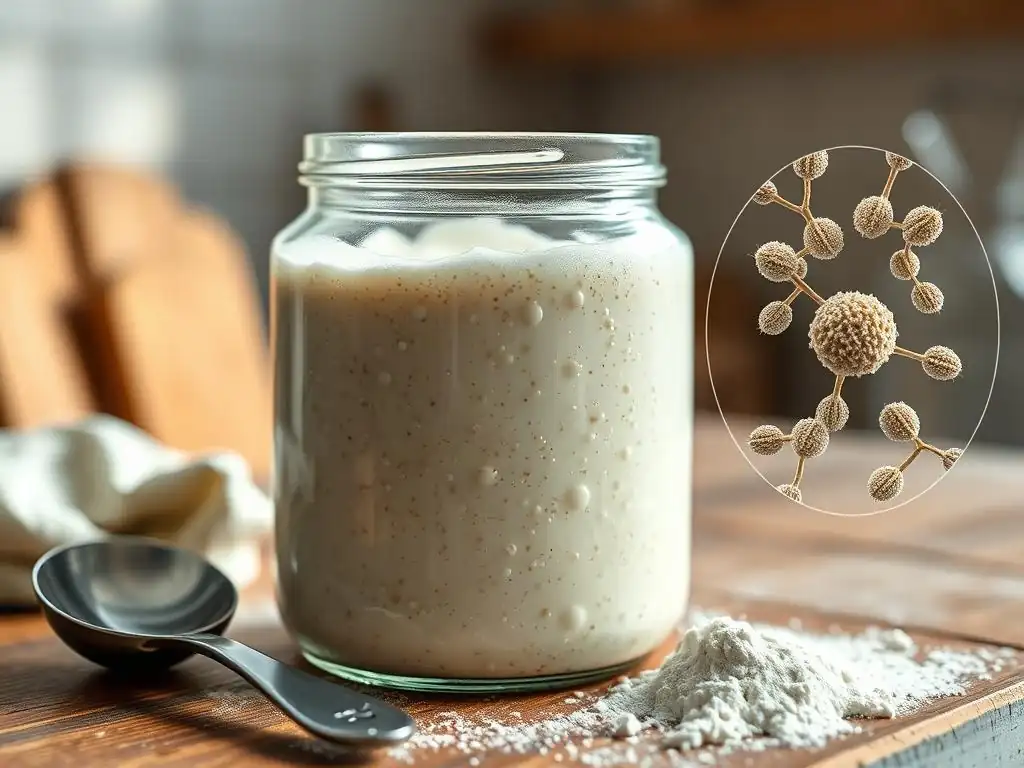
To maximize the leavening power of your sourdough starter, several techniques can be employed to strengthen its activity. One common method is implementing a feeding schedule that ensures the starter is consistently reaching its peak activity before the next feed, often every 12 hours if kept warm (24-26°C). Using a small amount of starter relative to the fresh flour and water (e.g., 1:3:3 or 1:4:4 ratio) provides a large supply of fresh food, allowing the microbes to multiply significantly and build strength.
Incorporating a portion of whole grain flour, like rye or whole wheat (e.g., 20-30% of the flour weight), can also boost activity. These flours provide more readily available nutrients and enzymes that aid the sourdough starter fermentation process. Maintaining a consistent, warm temperature (24-26°C) is also crucial, as it's the optimal range for vigorous yeast activity. Regularly observing and feeding your starter based on its signs of peak activity, rather than just a fixed schedule, is a powerful way to ensure it's always strong and ready to leaven.
Achieving Consistent Fermentation Results
Consistency is key in sourdough baking, and achieving consistent fermentation results starts with a consistent starter. This involves maintaining a regular feeding schedule appropriate for your storage method and temperature. Using the same type and ratio of flour and water for each feeding also helps stabilize the microbial population and its behavior. For example, always feeding a 1:1:1 ratio with 50% bread flour and 50% whole wheat flour at 25°C will yield more predictable results than varying these factors.
Monitoring the starter's rise and fall cycle is vital; aim to use your starter at or just after its peak for the most reliable leavening. Keeping detailed notes on feeding times, ratios, temperatures, and starter behavior can help you understand what works best for your specific starter and environment. By controlling these variables – temperature, hydration, flour type, and feeding schedule – you gain better control over the sourdough starter fermentation process itself, leading to more consistent and successful baking outcomes.
The Art of Sourdough: A Baking Exploration
Frequently Asked Questions
How does a sourdough starter actually leaven bread?
Sourdough starter relies on a symbiotic relationship between wild yeast and lactic acid bacteria (LAB). These microorganisms produce carbon dioxide, which is the gas that makes the dough rise.
What makes sourdough starter different from commercial yeast?
Unlike commercial yeast, sourdough starter contains a complex ecosystem of multiple yeast strains and bacteria. This diversity of microbes contributes to the unique flavor and texture of sourdough.
What role do bacteria play in the sourdough starter fermentation process?
The lactic acid bacteria (LAB) in sourdough starter produce lactic acid and acetic acid. These acids contribute to the sour flavor and help to strengthen the gluten structure.
How long does the sourdough starter fermentation process typically take?
The fermentation time varies depending on factors like temperature and hydration level. Typically, a starter doubles in size within 4 to 12 hours after feeding.
What are the key signs that my sourdough starter is ready to use for baking?
A ready starter should be bubbly, airy, and have a slightly sour aroma. It should also double in volume after feeding and pass the float test (float on water).
Final Reflection: The Enduring Magic of Sourdough Fermentation
The intricate dance of wild yeasts and bacteria in sourdough starter is not merely a culinary process; it's a living testament to the power of symbiotic relationships and a profound connection to our food heritage. Understanding this fermentation process, as detailed in this article, allows us to appreciate the complexity and artistry behind a seemingly simple ingredient. This knowledge empowers us to nurture our own starters, fostering a deeper relationship with the food we consume.
The impact of sourdough's resurgence in popularity is undeniable. It's a movement that transcends mere culinary trends; it represents a return to traditional methods, a desire for authenticity, and a growing awareness of the microbial world that sustains us. Bread is the staff of life,
a simple phrase, yet it encapsulates the profound significance of this fundamental food and the processes involved in its creation. The sourdough starter, with its delicate balance of wild yeasts and bacteria, is a crucial part of that staff, a living link to generations of bakers past.
Now, consider your own relationship with food. Think about the unseen processes that transform simple ingredients into nourishing sustenance. I invite you to experiment, to nurture your own sourdough starter, and to witness firsthand the magic of fermentation. Observe the subtle changes, the bubbling activity, the tangy aroma – each a testament to the intricate life within. By understanding the sourdough fermentation process, you not only improve your baking skills but also deepen your appreciation for the natural world and the wonders of microbial life.
Unlock the Secrets of Your Sourdough Starter!
Thanks for diving deep into the fascinating world of sourdough leavening! You've now gained a powerful understanding of the wild yeast and bacterial dance that creates that amazing sourdough flavor. Ready to put your knowledge into action?
- Bake your best loaf yet: Use your newfound understanding to perfect your sourdough technique. Experiment with different hydration levels or feeding schedules to see how it affects your starter’s activity and the final bread. This is your chance to truly master your craft!
- Share your sourdough journey: Tell us about your baking experiences – what challenges have you overcome? What successes are you most proud of? Join our community and inspire others!
- Explore advanced sourdough techniques: Dive deeper into advanced topics like creating different types of sourdoughs or using different flours. The possibilities are endless!
What unique flavor profile will you create with your next sourdough bake?