
Protein Percentage in Flour: What the Numbers Mean for Bakers

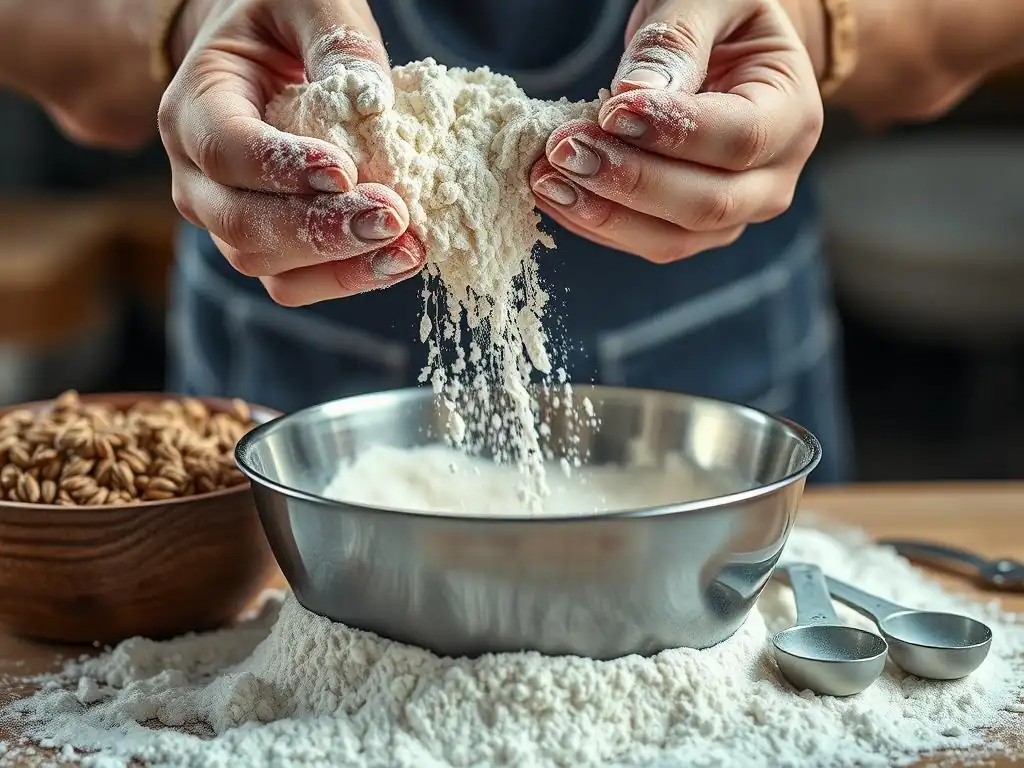
Welcome to BakeWithEase, where baking becomes a joyful journey! Ever wondered how the protein percentage in your flour truly impacts your baked goods? Dive into our latest article, "Protein Percentage in Flour: What the Numbers Mean for Bakers," and unlock the secrets to mastering high protein flour recipes. Discover how understanding this crucial element can elevate your baking from good to extraordinary, and leave you craving to experiment with new textures and flavors. Ready to transform your dough? Let's get started!
- Understanding Flour Protein for Baking Success
- The Importance of Flour Protein in Baking
- Reading Flour Labels: Understanding Protein Percentage
-
Exploring Different Flour Types and Their Protein Levels
- All-Purpose Flour: Versatility and Protein Range
- Bread Flour: High Protein for Strong Gluten Networks
- Cake Flour: Low Protein for Tender Crumb Structures
- Pastry Flour: Moderate Protein for Flakiness
- Whole Wheat Flour: Fiber, Nutrients, and Protein Content
- Alternative Flours: Protein Variations and Uses
- Recipes That Benefit From High-Protein Flour
- Adjusting Flour Protein in Recipes
- Troubleshooting Baking Problems Related to Flour Protein
- Proper Flour Storage for Maintaining Quality
- Selecting the Right Flour for Your Baking Needs
-
Frequently Asked Questions
- What does the protein percentage in flour actually indicate?
- How does the protein content of flour affect the final baked product?
- What are some examples of "high protein flour recipes" mentioned on BakeWithEase?
- Where can I find information on BakeWithEase about the specific gluten content of different flour types?
- Why is understanding protein percentage important for baking success, according to BakeWithEase?
- Final Reflection: Unlocking the Power of Protein in Baking
- Unleash Your Inner Baker: Master Flour Power!
Understanding Flour Protein for Baking Success
The Importance of Flour Protein in Baking
Flour might seem like a simple ingredient, but its protein content is a fundamental factor that dictates the outcome of your baked goods. Understanding the percentage of protein in the flour you choose is key to unlocking consistent and delicious results, whether you're aiming for a chewy loaf of bread or a tender cake. It’s the protein that primarily influences how the flour interacts with liquids and how the dough or batter behaves during mixing, rising, and baking.
The varying protein levels across different flour types are not arbitrary; they are directly linked to the specific baking applications for which those flours are best suited. For instance, a flour with a high protein percentage is ideal for creating structure, while a low protein flour is preferred for tenderness. This knowledge empowers you to make informed decisions at the grocery store and troubleshoot issues in the kitchen, moving beyond simply following a recipe to truly understanding the science behind baking.
Gluten Development and its Impact
Protein in flour, specifically gliadin and glutenin, forms gluten when mixed with water. Gluten is a complex network that gives dough elasticity and extensibility. When you knead dough, these proteins link together, creating a sort of stretchy web that can trap gases produced by leavening agents like yeast or baking powder.
The amount of protein dictates the potential for gluten development. A flour with 12-14% protein, like bread flour, has a high capacity for developing a strong gluten network necessary for yeasted breads. This strong network allows the dough to rise significantly and hold its shape. In contrast, a flour with 7-9% protein, such as cake flour, develops a much weaker gluten network, which is desirable for delicate items that need a tender crumb. The extent of gluten development is also influenced by mixing time and hydration levels.
Dough Strength, Structure, and Protein Content
The strength and structure of dough are directly proportional to the amount and quality of gluten developed from the protein content. High-protein flours produce doughs that are strong and elastic, capable of withstanding the rigors of kneading and proofing, and providing the necessary scaffolding for baked goods that require significant rise and internal structure. Think of crusty artisan loaves or sturdy pizza crusts – these rely heavily on the strength provided by high protein.
Conversely, low-protein flours yield doughs or batters that are weaker and less elastic. This is precisely what you want for items like cakes, pastries, and biscuits, where tenderness and a delicate structure are paramount. Using a high-protein flour in a cake recipe, for example, would likely result in a tough texture because too much gluten would develop, creating an undesirable chewiness instead of a soft, crumbly bite.
How Protein Affects Crumb Texture and Baking Outcomes
The protein content of flour significantly influences the final crumb texture of your baked goods. In bread, a higher protein flour leads to a more open, airy crumb with larger, irregular holes, characteristic of many artisanal breads. This is because the strong gluten network effectively traps gas bubbles during fermentation and baking.
For items like cakes, muffins, and cookies, lower protein flours are preferred because they result in a finer, more tender, and uniform crumb. The limited gluten development means less structure and more tenderness. For example, a cake made with cake flour (low protein) will have a soft, delicate texture, while one made with all-purpose flour (moderate protein) might be slightly tougher, and one made with bread flour (high protein) would likely be unpleasantly chewy. Understanding this relationship is crucial for mastering various baking techniques and achieving specific textural goals.
Reading Flour Labels: Understanding Protein Percentage
Deciphering flour labels is a valuable skill for any baker. While packaging provides essential information like type, weight, and expiration date, the protein percentage is often the most crucial piece of data for predicting baking performance. Knowing how to find and interpret this number allows you to select the perfect flour for your intended recipe.
Flour labels vary between brands and regions, but there are common places to look for protein information. Sometimes it's explicitly stated as "Protein per serving" in the nutritional information panel. Other times, you might find it mentioned in the descriptive text about the flour type, such as "ideal for bread baking, providing high protein for strong gluten." Developing the habit of checking the label will significantly improve your baking consistency.
What the Protein Percentage Signifies
The protein percentage listed on a flour package represents the weight of protein per 100 grams of flour (or sometimes per serving size, which requires a quick calculation). This number is a direct indicator of the flour's potential to form gluten when hydrated and worked. A higher percentage means more gluten-forming proteins (gliadin and glutenin) are present.
For example, a flour labeled with 12% protein means that 12 grams out of every 100 grams of that flour are protein. This relatively high number suggests it's a strong flour, suitable for applications requiring significant structure. Conversely, a flour with 8% protein is considered weak, ideal for tender baked goods. This percentage is your primary guide to understanding how the flour will behave in your recipe.
Typical Protein Ranges in Common Flour Types
Different types of flour are milled from various parts of the wheat kernel or from different grains entirely, resulting in distinct protein ranges. Knowing these typical ranges helps you anticipate a flour's performance even if the exact percentage isn't prominently displayed.
Here are some common types and their approximate protein ranges:
- Cake Flour: ~7-9%
- Pastry Flour: ~9-10%
- All-Purpose Flour (APF): ~10-12% (varies by region/brand)
- Bread Flour: ~12-14%
- High-Gluten Flour: ~13-14.5%
- Whole Wheat Flour: ~13-15% (often higher than white flour from the same wheat type due to bran/germ)
- Self-Rising Flour: ~8-10% (APF with leavening and salt added)
These ranges are guidelines; checking the specific label is always recommended for precision, especially when working on recipes where protein content is critical, like mastering high protein flour recipes for artisan bread.
Locating Protein Information on Flour Packaging
Finding the protein percentage on a bag of flour usually involves looking at the nutritional information panel. This panel is typically found on the back or side of the packaging. Within the nutritional facts, you'll see a listing for "Protein," often measured in grams per serving.
To get the percentage, you can usually calculate it based on the serving size. For example, if a serving size is 30g and it lists 4g of protein, the protein percentage is approximately (4g / 30g) * 100 = 13.3%. Sometimes, the package might state the percentage directly in the description, perhaps mentioning it's "ideal for high protein baking" or similar phrasing. Always scan the entire label, front and back, to gather all relevant information about the flour's composition and intended use.
Exploring Different Flour Types and Their Protein Levels
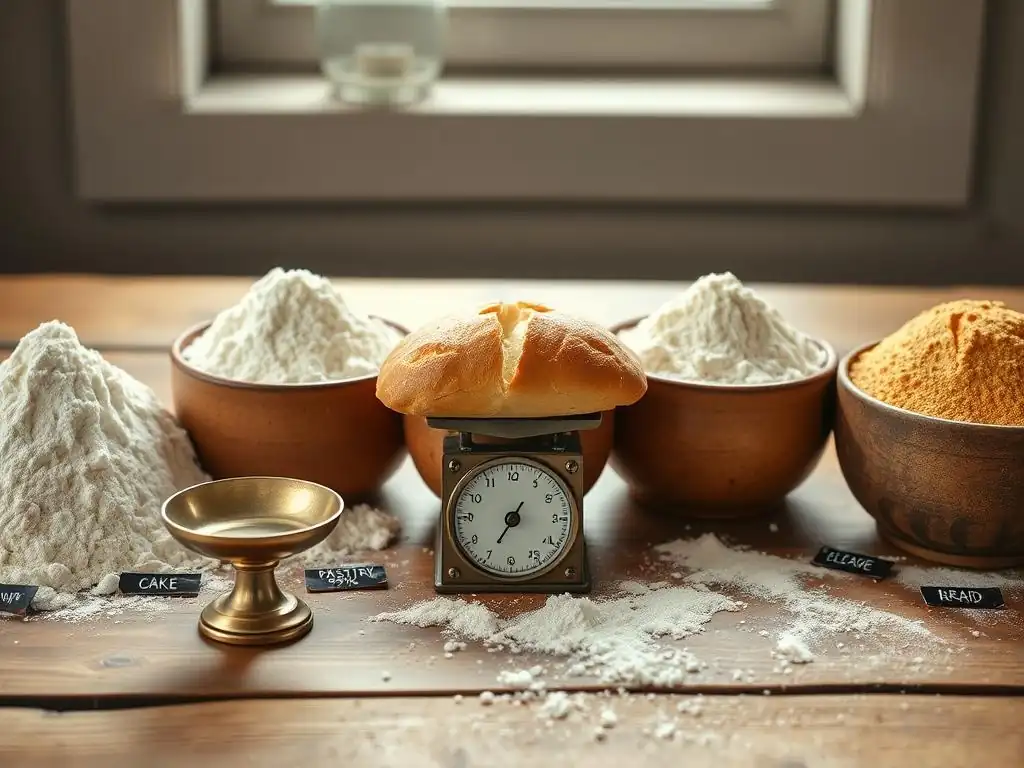
The vast world of flour offers countless options, each with unique characteristics largely determined by its protein content. Understanding these types and their typical protein levels is fundamental to successful baking and crucial for selecting the right ingredient for high protein flour recipes or delicate pastries alike.
From the ubiquitous all-purpose flour to specialized cake flour and robust whole wheat, the protein percentage dictates how the flour behaves when mixed with liquid and exposed to heat, directly impacting texture, structure, and flavor. Familiarity with these variations allows bakers to confidently substitute flours or adapt recipes.
All-Purpose Flour: Versatility and Protein Range
All-purpose flour, often simply called APF, is the workhorse of many kitchens. It's milled from a blend of hard and soft wheats, giving it a moderate protein level that makes it versatile for a wide range of baking applications. Its protein content typically falls between 10% and 12%.
This moderate range means APF can develop enough gluten for some structure (like in yeast rolls or pie crusts) but not so much that it makes cakes and muffins tough. However, its versatility is also a compromise. While you can make almost anything with APF, it won't yield results as exceptional as using a specialized flour. For example, a cake made with cake flour will be more tender, and bread made with bread flour will have better structure and rise than if made with APF. Knowing its limits helps you decide when to reach for a more specific type.
Bread Flour: High Protein for Strong Gluten Networks
Bread flour is specifically milled for yeast-leavened breads and boasts a high protein content, typically ranging from 12% to 14%. This higher percentage means it contains more gliadin and glutenin, the proteins essential for forming strong, elastic gluten networks.
When you knead dough made with bread flour, the gluten develops readily, creating a robust structure that can trap the carbon dioxide gas produced by yeast during fermentation. This allows bread dough to achieve significant volume and maintain a stable shape during baking, resulting in loaves with a satisfying chew and an open, airy crumb. Recipes explicitly calling for high protein flour recipes, especially for artisan or enriched breads, benefit significantly from the strength bread flour provides.
Cake Flour: Low Protein for Tender Crumb Structures
At the opposite end of the spectrum from bread flour is cake flour, known for its exceptionally low protein content, usually between 7% and 9%. It is milled from soft wheat and is often chlorinated, a process that further weakens the gluten-forming proteins and helps the flour absorb more liquid and sugar.
This low protein level is crucial for creating cakes, pastries, and other baked goods that require a delicate, tender, and fine crumb. The minimal gluten development prevents toughness, resulting in a soft, melt-in-your-mouth texture. Using cake flour is key to achieving light, airy cakes that don't become dense or chewy, making it essential for chiffon cakes, sponge cakes, and delicate cupcakes.
Pastry Flour: Moderate Protein for Flakiness
Pastry flour sits between cake flour and all-purpose flour in terms of protein content, typically falling within the 9% to 10% range. Like cake flour, it is milled from soft wheat, but it is not usually chlorinated.
Its moderate protein level allows for some gluten development, enough to provide structure to pastries like pies, tarts, biscuits, and scones, but not so much that it hinders flakiness or tenderness. The goal with pastry flour is to create a delicate, crumbly texture with distinct layers, which is achieved by limiting gluten development while still having enough structure to hold together. It offers a good balance between the tenderness of cake flour and the slight chew of all-purpose.
Whole Wheat Flour: Fiber, Nutrients, and Protein Content
Whole wheat flour is milled from the entire wheat kernel, including the bran, germ, and endosperm. This inclusion of all parts makes it more nutritious, higher in fiber, and often higher in protein than refined white flours. The protein content of whole wheat flour typically ranges from 13% to 15%, sometimes even higher than white bread flour derived from the same wheat variety.
Despite its high protein percentage, whole wheat flour often produces denser baked goods compared to white flour with a similar protein level. This is because the sharp edges of the bran and germ particles interfere with gluten development, cutting the gluten strands as they form. Bakers often blend whole wheat flour with white bread flour to achieve a better balance of nutrition, flavor, and structure in recipes like whole wheat bread or rolls. Exploring high protein flour recipes using whole wheat offers both nutritional benefits and robust flavor.
Alternative Flours: Protein Variations and Uses
Beyond traditional wheat flours, a wide variety of alternative flours exist, each with its own protein level and baking properties. These include flours made from other grains, nuts, seeds, and legumes.
For example, almond flour is relatively high in protein (~20-25%) but contains no gluten, making it unsuitable for traditional bread structure but excellent for moist, tender gluten-free baked goods. Coconut flour is also high in protein (~18-20%) and fiber but is extremely absorbent, requiring significant liquid adjustments in recipes. Rye flour has a moderate protein level (~9-15%) but its proteins form a weaker, less elastic network than wheat gluten, resulting in dense, flavorful loaves. Exploring these alternative flours opens up new textures, flavors, and possibilities for various dietary needs and high protein flour recipes adapted for gluten-free baking.
Recipes That Benefit From High-Protein Flour
High-protein flour is the secret weapon for achieving specific textures and structures in many baked goods. Its ability to form strong, elastic gluten networks makes it indispensable for recipes where chewiness, significant rise, and robust structure are desired.
From the foundational loaves of bread to chewy pizza crusts and al dente pasta, high protein flour plays a critical role. Understanding why these recipes require higher protein levels helps bakers achieve professional-quality results and troubleshoot common issues like lack of rise or dense textures. Mastering high protein flour recipes is a significant step in developing your baking skills.
Bread Baking: Achieving Optimal Rise and Structure
Bread baking is perhaps the most classic application for high-protein flour, specifically bread flour. The strong gluten network formed by 12-14% protein flour provides the necessary framework to trap the carbon dioxide gas produced by yeast during fermentation.
This trapping action allows the dough to rise significantly (proof) and expand further in the oven (oven spring). Without sufficient protein and gluten development, the gas would escape, resulting in a flat, dense loaf. High protein flour ensures the dough has the elasticity to stretch without tearing as it rises and the strength to hold its shape during baking, producing a loaf with good volume and a desirable open crumb structure. Many high protein flour recipes for artisan or enriched breads rely on this strength.
Pizza Dough: Strength and Chewiness in Crusts
Just like bread, pizza dough benefits greatly from the use of high-protein flour. A protein content of 12-14% is ideal for creating a dough that is strong enough to be stretched thin without tearing, yet elastic enough to develop a satisfying chew when baked.
The gluten network provides the structure needed to withstand high oven temperatures and create those desirable airy pockets (cornicione) around the edge of the crust. Using a lower protein flour would result in a dough that is difficult to handle, tears easily, and produces a cracker-like or crumbly crust rather than one with a pleasant chew and structure. High protein flour recipes for pizza dough are essential for achieving that authentic pizzeria-style crust.
Pasta Making: Creating Al Dente Texture
Traditional pasta dough, particularly fresh pasta, is often made with durum wheat flour, which is known for its very high protein content, typically ranging from 13% to 15% or even higher. Durum wheat protein forms a unique type of gluten that is strong but less elastic than bread wheat gluten.
This high protein content and specific gluten structure are crucial for creating pasta that holds its shape during cooking and achieves the desired al dente texture – firm to the bite but cooked through. The protein provides the necessary structure to prevent the pasta from becoming mushy or falling apart in boiling water. While all-purpose flour can be used for pasta, using a higher protein durum or bread flour generally yields superior results in terms of texture and cooking performance.
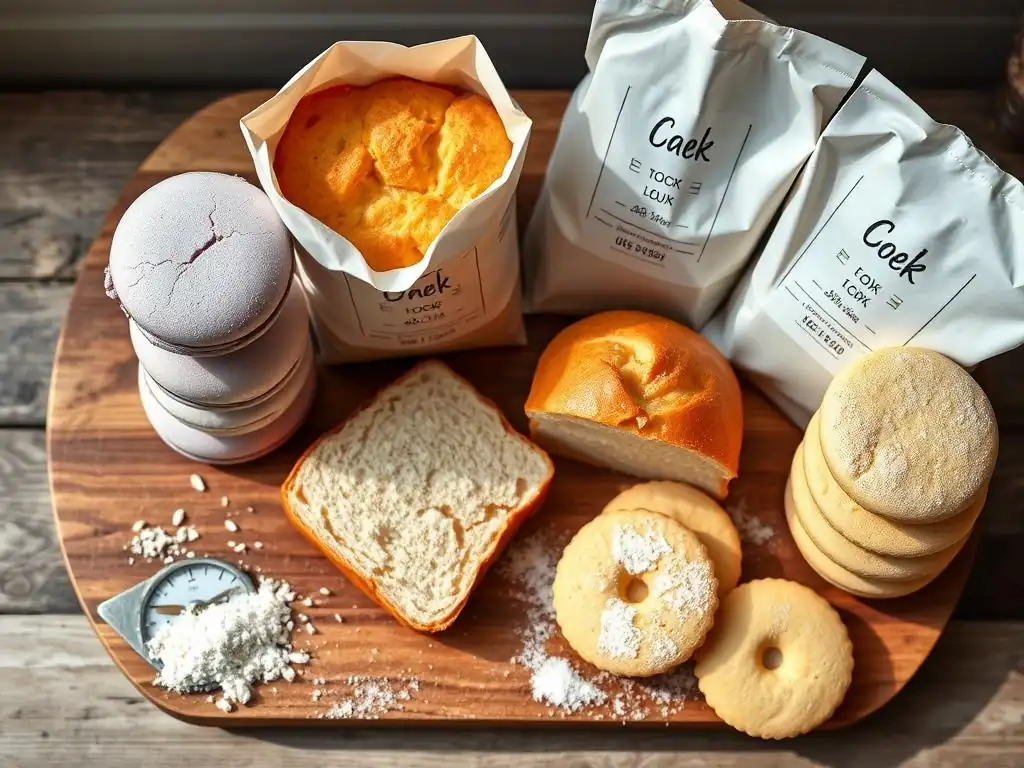
While high protein flour is essential for structure, low-protein flour is equally important for achieving tenderness and delicacy in various baked goods. Flours with protein levels typically ranging from 7% to 10% are preferred when a soft, fine, and crumbly texture is the goal, rather than chewiness or significant volume.
Using low-protein flour minimizes gluten development, which can toughen baked goods that rely on chemical leaveners (like baking powder or soda) rather than yeast for their rise. This is particularly true for cakes, cookies, and muffins, where a tender bite is paramount.
Cakes: Ensuring Tenderness and Fine Crumb
Cake flour, with its very low protein content (7-9%), is the gold standard for many cake recipes. The minimal amount of gluten-forming proteins ensures that when the batter is mixed, very little gluten network is developed.
This lack of strong structure is precisely what allows cakes to be light, airy, and wonderfully tender with a fine, soft crumb. Using all-purpose flour (10-12% protein) will result in a slightly tougher cake, and bread flour (12-14% protein) would produce a dense, unpleasantly chewy texture akin to bread. The tenderness of a classic sponge or delicate layer cake is directly attributable to the use of low-protein flour.
The protein content of flour significantly impacts cookie texture, influencing both spread and chewiness. While some cookie recipes benefit from the slight structure of all-purpose flour (10-12%), many tender, crumbly, or crispy cookies are improved by using a lower protein flour like pastry flour (9-10%) or even cake flour (7-9%).
Lower protein flour limits gluten development during mixing, which helps control spread and prevents the cookies from becoming too tough or bready. For a crisp cookie, less gluten is needed. For a tender, melt-in-your-mouth cookie, minimal gluten is key. Even within high protein flour recipes adapted for cookies (like some whole wheat or alternative flour cookies), balancing protein with other ingredients is vital for desired texture.
Muffins: Achieving a Light and Airy Texture
Muffins are quick breads that rely on chemical leaveners for their rise, not yeast. The goal is typically a light, airy, and tender crumb, not a chewy structure. Therefore, using a flour with a moderate to low protein content is usually preferred. All-purpose flour (10-12%) is commonly used and works well, but for an even more tender muffin, some bakers prefer to use pastry flour (9-10%) or even a blend that includes cake flour (7-9%).
Excessive mixing of muffin batter develops gluten, which results in tough, dense muffins with tunnels. Using a lower protein flour helps minimize this risk, allowing for a lighter crumb even if the batter is slightly overmixed. The aim is just enough structure to hold the shape, but not so much that it interferes with tenderness.
Adjusting Flour Protein in Recipes
Sometimes, the flour you have isn't the flour a recipe calls for, or you want to tweak a recipe to achieve a slightly different outcome – perhaps a chewier cookie or a more tender loaf. Understanding how to adjust the effective protein level of your flour gives you greater control in the kitchen.
While you can't change the inherent protein percentage of a specific bag of flour, you can modify its performance in a recipe. This might involve adding pure protein, blending different flours, or considering alternatives for gluten-free baking.
Using Vital Wheat Gluten to Increase Protein
Vital wheat gluten is a product made by processing wheat flour to remove most of the starch, leaving behind a concentrated protein powder (often 75% protein or more). It is a powerful tool for increasing the effective protein content of flour in a recipe.
Adding a small amount of vital wheat gluten to lower-protein flour, like all-purpose, can effectively turn it into a higher-protein flour suitable for bread baking or high protein flour recipes. A common ratio is adding 1 to 2 tablespoons of vital wheat gluten per cup of all-purpose flour (about 120g) to approximate bread flour. This boosts the protein percentage, leading to stronger gluten development, better dough structure, and increased rise in yeast-leavened goods.
Blending Different Flours to Achieve Desired Protein Levels
Another way to adjust protein is by blending different types of flour. This is a common technique used by professional bakers to create custom flour mixes tailored to specific products.
For example, you can blend all-purpose flour with cake flour to create a mix that approximates pastry flour. Or, as mentioned earlier, blending whole wheat flour (high protein, but bran interferes with gluten) with white bread flour (high protein, clean gluten) can create a whole wheat bread flour mix that provides both nutrition and good structure.
By calculating the weighted average protein percentage of your blend, you can approximate the characteristics of flours you might not have on hand or fine-tune the protein level for unique high protein flour recipes. For instance, mixing 50% APF (11%) and 50% Bread Flour (13%) yields a blend with approximately 12% protein.
Considerations for Gluten-Free Baking and Protein
For those exploring gluten-free baking, the concept of protein content is still relevant, although the structure comes from different sources. Gluten-free flours vary widely in protein. Almond flour and legume flours (like chickpea) are often high in protein, while rice flour and starches (like tapioca or cornstarch) are low.
In gluten-free high protein flour recipes, protein contributes to nutrition and sometimes structure, but the elastic network of gluten is replaced by binders like xanthan gum, psyllium husk, or psyllium fiber, or by the inherent binding properties of ingredients like eggs or certain starches. Understanding the protein content of individual gluten-free flours helps in formulating balanced blends that provide both nutritional value and the desired texture, even without gluten.
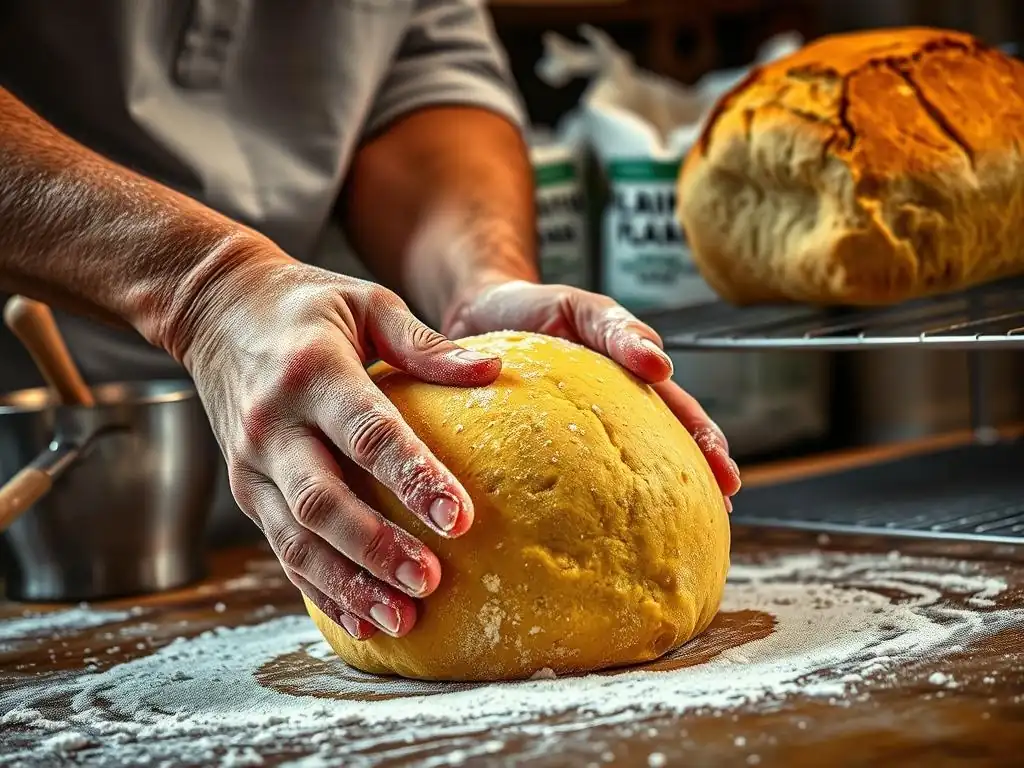
Understanding the role of flour protein is invaluable when things don't go as planned in the kitchen. Many common baking issues can be traced back to using the wrong type of flour or problems with gluten development related to its protein content.
By recognizing the symptoms of insufficient or excessive protein for a given recipe, you can often diagnose the problem and adjust your approach for future baking endeavors. This knowledge turns baking failures into learning opportunities.
Weak or Sticky Dough: Protein Adjustments
A dough that is excessively weak, sticky, or doesn't develop structure during kneading might be suffering from insufficient protein for the intended recipe. For example, trying to make a chewy artisan bread with a lower protein all-purpose flour instead of bread flour can result in a slack dough that doesn't hold its shape.
- Symptoms: Dough tears easily when stretched, remains sticky even after proper hydration adjustments, lacks elasticity.
- Potential Cause: Flour protein too low for the recipe (e.g., using APF for a high protein bread recipe).
- Solution: For future attempts, use a higher protein flour (bread flour or high-gluten flour) or add vital wheat gluten to your current flour. Ensure sufficient kneading time to allow gluten to develop fully.
Dense or Flat Bread: Addressing Protein Issues
Dense or flat bread is a common disappointment, and flour protein can be a significant culprit. If the flour's protein content is too low, the gluten network won't be strong enough to trap the gas produced by yeast, leading to poor rise and a heavy, dense crumb.
- Symptoms: Loaf doesn't rise well during proofing or baking, internal crumb is tight and heavy, lacks airy pockets.
- Potential Cause: Insufficient protein in the flour to support yeast activity and structure (e.g., using pastry flour for a sandwich loaf).
- Solution: Switch to a higher protein bread flour (12-14%) or high-gluten flour (13-14.5%). Ensure proper kneading and proofing times, as these also impact gluten development and rise. High protein flour recipes are designed to avoid this issue.
Tough or Dry Cakes: Low Protein Flour Solutions
On the flip side, using a flour with too much protein can lead to cakes that are tough, dry, or have an unpleasant chewy texture. This happens because too much gluten develops during mixing, creating a strong network that is undesirable in a tender cake.
- Symptoms: Cake has a rubbery or chewy texture, crumb is coarse rather than fine and tender, cake tastes dry.
- Potential Cause: Flour protein too high for a tender cake structure (e.g., using all-purpose or bread flour instead of cake flour). Overmixing can exacerbate this even with the correct flour.
- Solution: Use a low-protein cake flour (7-9%) or pastry flour (9-10%). If using all-purpose, ensure you mix the batter only until just combined to minimize gluten development. Avoid overworking the batter.
Proper Flour Storage for Maintaining Quality
The quality and performance of flour can degrade over time, and improper storage can accelerate this process. Protein, along with other components like fats and starches, is affected by environmental factors such as moisture, air, temperature, and light. Proper storage helps maintain the integrity of the protein and ensures the flour performs optimally in your baking.
Storing flour correctly is a simple step that can make a big difference in the consistency of your results, preventing issues like off-flavors, reduced leavening power, and altered texture in your baked goods, including sensitive high protein flour recipes.
The Impact of Storage on Flour Performance
Flour contains natural oils, particularly in the germ of whole wheat flour, which can become rancid when exposed to air and light. This results in off-flavors. Moisture can lead to mold growth or attract pests. Exposure to air can also oxidize components, potentially affecting gluten-forming proteins over very long periods, though rancidity is usually a more immediate concern.
While protein itself is relatively stable, the overall freshness of the flour impacts its ability to hydrate correctly and interact with other ingredients, indirectly affecting gluten development and baking performance. Stale flour, especially whole wheat, can sometimes produce denser results.
Optimal Flour Storage Practices
Storing flour properly extends its shelf life and preserves its quality. Here are key practices:
- Airtight Container: Transfer flour from its paper bag into an airtight container immediately after opening. This protects it from moisture, pests, and air. Glass, plastic, or metal containers with tight-fitting lids work well.
- Cool, Dry, Dark Place: Store the airtight container in a cool, dry, and dark pantry or cupboard. Heat and light can degrade the flour. Ideal temperature is below 70°F (21°C).
- Refrigeration/Freezing: For longer storage, especially for whole wheat or alternative flours (which have more oils), the refrigerator or freezer is best. Ensure the container is truly airtight to prevent the flour from absorbing odors or moisture. Bring refrigerated/frozen flour back to room temperature before using in recipes.
- Check Expiration Dates: While storage extends life, flour doesn't last forever. Pay attention to best-by dates and check for any off smells before using.
*   Check your flour supply.
*   Ensure all open bags are in airtight containers.
*   Store whole wheat and alternative flours in the fridge or freezer.
Selecting the Right Flour for Your Baking Needs
Choosing the correct flour is arguably the most critical decision a baker makes, influencing everything from dough handling to the final texture and structure of the baked good. It's not just about following a recipe; it's about understanding why a particular flour is recommended and how its protein content contributes to the desired outcome.
Making informed choices about flour allows you to bake with confidence, achieve consistent results, and even adapt recipes creatively. Whether you're aiming for a light cake or a sturdy loaf, selecting the right flour based on its protein level is the foundation of success.
Matching Flour Type to Specific Recipes
Matching the flour type to the recipe's requirements is fundamental. Recipes are typically developed using a specific flour type because its protein level and characteristics are suited to that particular baked good.
- For high-rising, chewy yeast breads, choose bread flour (12-14% protein). Look for high protein flour recipes specifically designed for this flour type.
- For tender, fine-crumbed cakes, opt for cake flour (7-9% protein).
- For flaky pastries, biscuits, and scones, pastry flour (9-10% protein) or a blend is ideal.
- For versatile use in cookies, muffins, quick breads, and some rustic loaves, all-purpose flour (10-12% protein) is generally suitable, though results can often be improved with specialized flours.
- For rustic, nutritious loaves, whole wheat flour (13-15% protein, but with bran interference) is key, often blended with white bread flour.
Understanding Protein's Role in Achieving Baking Goals
Beyond simply following a recipe, understanding how protein helps achieve specific baking goals empowers you. If you want a high-volume, open-crumb bread, you know you need high protein for strong gluten. If you want a super-tender biscuit, you know you need lower protein to limit gluten development.
This understanding helps you troubleshoot when a recipe doesn't turn out as expected. Was your cake tough? Perhaps the flour protein was too high, or you overmixed, developing too much gluten. Was your bread flat? Maybe the flour protein was too low to support the rise. Recognizing protein's impact allows you to diagnose issues and improve your technique. High protein flour recipes specifically highlight this relationship by emphasizing the flour choice.
Experimenting with Flours to Refine Your Baking
Once you understand the basics of flour protein, don't be afraid to experiment! Try making the same cookie recipe with all-purpose flour and then again with pastry flour to see the difference in spread and tenderness. Bake a loaf of bread using just all-purpose flour and compare it to one made with bread flour.
Blending flours allows even more control. You can create custom mixes for specific purposes. Keep notes on your experiments – what flour you used, its approximate protein percentage, and the resulting texture. This hands-on exploration will deepen your understanding and help you refine your baking skills, enabling you to confidently tackle any recipe, including complex high protein flour recipes, and even develop your own!
Frequently Asked Questions
What does the protein percentage in flour actually indicate?
The protein percentage in flour reflects the amount of gluten-forming proteins present. A higher percentage usually indicates a stronger flour suitable for breads.
How does the protein content of flour affect the final baked product?
Higher protein flour typically results in a chewier texture and greater rise, ideal for breads. Lower protein flour produces tender and delicate baked goods like cakes and pastries.
What are some examples of "high protein flour recipes" mentioned on BakeWithEase?
While BakeWithEase doesn't explicitly list a section with that name, recipes using bread flour or high-gluten flour would qualify. Look for recipes for sourdough, bagels, or artisan breads.
Where can I find information on BakeWithEase about the specific gluten content of different flour types?
Browse the 'Baking Basics' or 'Flour Guide' sections on BakeWithEase. They often provide details on flour types and their ideal applications.
Why is understanding protein percentage important for baking success, according to BakeWithEase?
Knowing the protein percentage helps you choose the right flour for your recipe. This ensures the desired texture and structure in your final baked product, preventing failures.
Final Reflection: Unlocking the Power of Protein in Baking
Understanding the protein percentage in your flour is no longer a niche detail; it's the key to unlocking a world of baking possibilities. The seemingly small variations in protein content directly translate to vastly different textures, rises, and overall quality in your baked goods. Mastering this fundamental aspect elevates your baking from simply following recipes to truly understanding the craft.
The impact of this knowledge extends far beyond the individual baker. As we become more conscious of ingredient sourcing and the nuances of food production, understanding the protein content in flour allows for more informed choices, leading to better quality baked goods and a deeper appreciation for the ingredients themselves. The difference between something good and something great is attention to detail.
This quote, often attributed to various sources, perfectly encapsulates the importance of understanding the seemingly small details, like protein percentage, in achieving baking excellence.
Now, it's your turn. Consider the flours you currently use. Do you understand their protein content? Experiment! Try substituting high-protein flour in your favorite recipes, or explore the unique qualities of lower-protein options. The journey of discovery in baking is ongoing, and by understanding the role of protein, you'll unlock a new level of creativity and control in the kitchen. Embrace the challenge, and let the flour speak to you.
Unleash Your Inner Baker: Master Flour Power!
Thanks for diving into the world of flour percentages with us! You now have a clearer understanding of how protein levels impact your baking. Ready to put this knowledge to the test?
- Experiment with different flour types: Try a recipe using high-protein bread flour and compare the results to one made with low-protein cake flour. Note the differences in texture and rise. This is where the real learning begins!
- Share your baking triumphs (and challenges!): Let's build a community of flour fanatics! Share your experiences and photos in the comments below – we'd love to see what you create.
- Challenge yourself with a new recipe: Find a recipe that specifically calls for a certain protein percentage of flour and see how your newfound knowledge helps you perfect it.
What unique bread or pastry will you create with your enhanced flour understanding?