
Best HighHeat Baking Oils: Why Grapeseed and Sunflower Reign Supreme

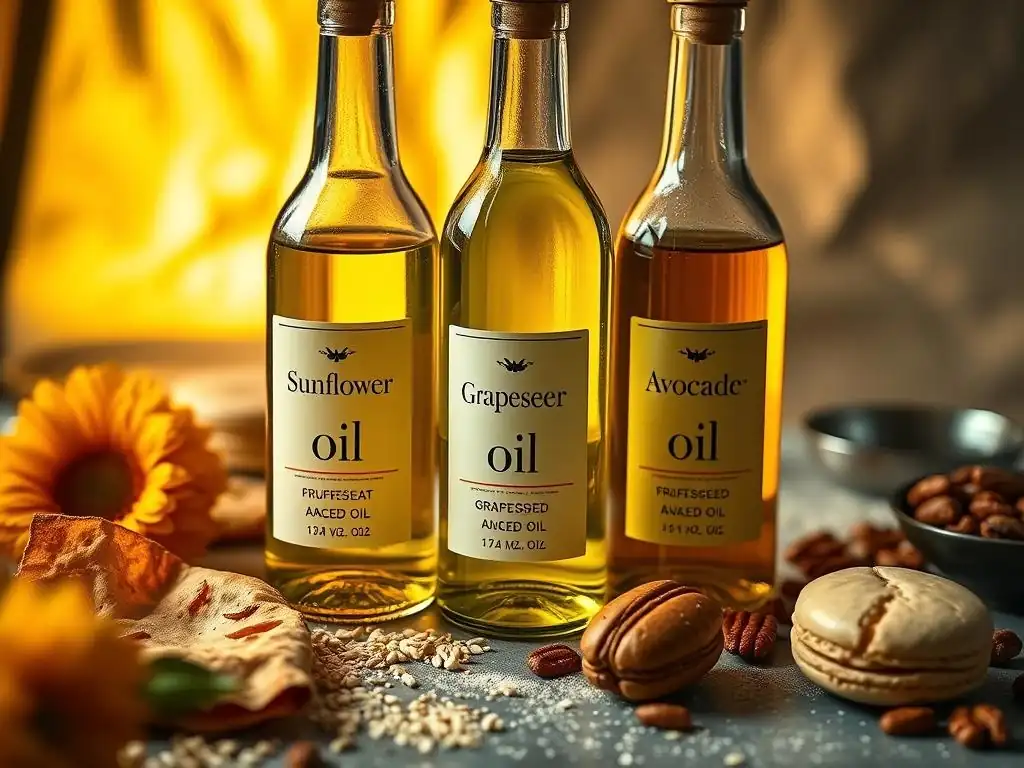
Welcome to BakeWithEase, your trusted companion in the delightful world of baking!
Ever wondered which oils can truly withstand the heat of your oven without compromising flavor or texture? Dive into our latest article, "Best High-Heat Baking Oils: Why Grapeseed and Sunflower Reign Supreme," where we uncover the secrets to selecting the perfect high-heat baking oils for your culinary creations. Discover why grapeseed and sunflower oils are top contenders and unlock the potential for consistently delicious results. Ready to elevate your baking game? Let's get started!
- Best High-Heat Baking Oils: Why Avocado and Refined Coconut Reign Supreme
- Understanding High-Heat Baking and Oil Selection
- Top High-Heat Baking Oils: A Detailed Comparison
- Comparing Avocado and Refined Coconut Oil: Which is Best for You?
- Using High-Heat Baking Oils Effectively
- Debunking Myths About Baking Oils and Heat
- Conclusion: Choosing the Right High-Heat Oil for Baking Success
-
Frequently Asked Questions
- What makes an oil suitable for high-heat baking?
- Why are grapeseed and sunflower oil often recommended as high-heat baking oils?
- Are there any potential health benefits associated with using grapeseed or sunflower oil in baking?
- Can I use other types of oil besides grapeseed and sunflower for high-heat baking?
- How does the flavor profile of an oil impact the final product when high-heat baking?
- Final Reflection: The Golden Standard of High-Heat Baking
- Unlock Your Baking Potential: Master High-Heat Oils Today!
Best High-Heat Baking Oils: Why Avocado and Refined Coconut Reign Supreme
Understanding High-Heat Baking and Oil Selection
Why High Smoke Points Matter in Baking
When you're baking at high temperatures, often exceeding 350°F (175°C), the type of fat you use becomes critically important. Oils, unlike butter or some solid fats, have a specific smoke point – the temperature at which they start to break down, smoke, and produce harmful free radicals.
Using an oil with a low smoke point for high heat baking oils can lead to unpleasant flavors, burnt results, and potentially unhealthy compounds in your food. A high smoke point ensures the oil remains stable throughout the baking process, contributing positively to the texture and flavor of your baked goods rather than detracting from them.
Selecting oils with high smoke points is fundamental for achieving consistent and healthy results in many baking applications. For instance, roasting vegetables alongside baked goods at 400°F (200°C) requires an oil that won't degrade quickly. Similarly, recipes like puff pastry or certain bread crusts benefit from the stable heat transfer provided by oils suited for high temperatures. The integrity of the oil directly impacts how evenly heat is distributed, how the exterior browns, and the overall success of your recipe, making the smoke point a primary consideration for high heat baking oils.
The Impact of Oil Choice on Baked Goods
The oil you choose does more than just provide moisture; it affects the texture, flavor, and even the structure of your baked goods. Fats tenderize baked goods by coating flour particles, preventing excessive gluten development, which is why cookies made with oil are often chewier or crispier than those made with butter. The flavor profile of the oil also plays a significant role.
A strongly flavored oil, like extra virgin olive oil, might be wonderful in a savory herb bread but could overpower the delicate taste of a vanilla cake. Neutral oils, common among high heat baking oils, are often preferred in sweet recipes for this reason.
Beyond texture and flavor, the fat content influences how the product browns and its shelf life. Oils distribute fat more evenly than solid fats like butter or shortening, often leading to a more tender crumb. When selecting high heat baking oils, consider the specific recipe requirements. A dense quick bread might benefit from an oil that contributes moisture and richness, while a light sponge cake requires an oil that won't weigh it down. Understanding these nuances helps you make the best choice for optimal baking results.
Top High-Heat Baking Oils: A Detailed Comparison
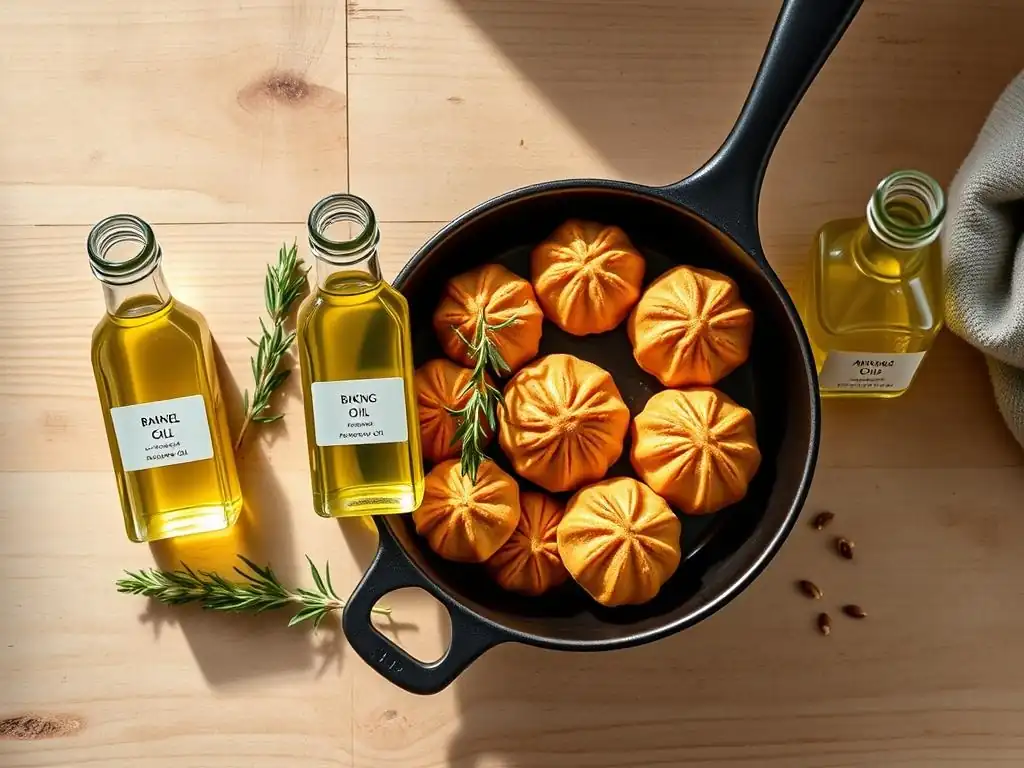
Avocado Oil for Baking: Benefits and Uses
Avocado oil stands out as a top contender for high heat baking oils due to its exceptional smoke point and mild flavor. Extracted from the flesh of avocados, it's less processed than many other vegetable oils, yet its composition of monounsaturated fats gives it remarkable heat stability. This makes it suitable for everything from searing ingredients before baking to incorporating directly into batters and doughs destined for hot ovens. Its neutral taste ensures it won't interfere with the intended flavors of your cakes, muffins, or breads.
One of the key advantages of avocado oil is its versatility across a wide range of baking temperatures and applications. Whether you're baking delicate cookies at 325°F (160°C) or crusty bread at 450°F (230°C), avocado oil performs consistently. It can be used as a direct substitute for other liquid oils in most recipes, typically on a 1:1 ratio. Its ability to withstand high temperatures also means it's less likely to produce off-flavors or degrade during long baking times, contributing to a cleaner, purer taste in the final product.
Mild Flavor Profile of Avocado Oil
Unlike its fruit origin, refined avocado oil possesses a very subtle, almost undetectable flavor. This neutrality is a significant asset in baking, especially when the goal is to let other ingredients shine. In recipes like classic pound cake, delicate madeleines, or light and fluffy scones, a neutral oil ensures the pure taste of butter, vanilla, or fruit is paramount. Even in savory baked goods like focaccia or cornbread, its mildness allows the herbs, cheese, or corn flavor to come through clearly without competition.
This mildness also makes avocado oil an excellent choice for glazes, frostings, or drizzles applied to baked goods where a strong oil taste would be undesirable. Its unobtrusive nature means it can be incorporated into a vast array of sweet and savory baking applications without requiring recipe adjustments to compensate for flavor. This versatility solidifies its position as a preferred high heat baking oil for many bakers.
Avocado Oil's High Smoke Point and Stability
Refined avocado oil boasts one of the highest smoke points among common cooking oils, often reaching around 500°F (260°C). This makes it incredibly stable under the intense heat of baking. When an oil reaches its smoke point, its fatty acids begin to break down, creating compounds that can impart bitter or acrid flavors and potentially be harmful. Avocado oil's high smoke point means it can comfortably handle temperatures well above those typically used in home baking (which rarely exceed 450°F/230°C), preventing this degradation.
This stability is particularly beneficial for recipes requiring long baking times or very high initial oven temperatures, such as artisan bread baking or pizza crusts baked on a hot stone. The oil maintains its structure, providing consistent lubrication and heat transfer throughout the process. This reliability is a major reason why avocado oil is considered a premium choice among high heat baking oils, offering peace of mind that the oil won't compromise the healthfulness or taste of your final product.
Refined Coconut Oil for Baking: A Versatile Option
Refined coconut oil is another excellent choice for high heat baking oils, offering a unique set of properties that make it highly versatile. Unlike virgin coconut oil, the refined version has a higher smoke point (around 400°F/200°C) and a neutral flavor, making it suitable for recipes where you don't want a coconut taste. Its solid state at room temperature, similar to butter or shortening, allows it to be used in techniques that rely on solid fat, such as creaming with sugar or creating flaky layers.
This dual nature – liquid when melted, solid at room temperature – provides flexibility. Melted refined coconut oil can be used like any liquid oil in batters and doughs, while softened or solid coconut oil can be incorporated into pastry, pie crusts, or cookies for structure and texture. Its relatively high smoke point ensures stability during baking, preventing the oil from burning or smoking at typical oven temperatures. This combination of functional properties and heat resistance makes refined coconut oil a staple high heat baking oil for many bakers.
Refined Coconut Oil and Baking Applications
Refined coconut oil shines in numerous baking applications, particularly those benefiting from a solid fat structure or requiring a neutral, heat-stable oil. It's a popular vegan alternative to butter in recipes like brownies, cookies, and muffins, providing richness and moisture. Because it's solid at room temperature, it can be creamed with sugar, incorporating air and contributing to the leavening and texture of cakes and cookies, similar to how butter works.
Furthermore, its higher smoke point compared to butter makes it suitable for recipes baked at hotter temperatures or for longer durations. Think about rustic tarts with flaky crusts or hearty loaf cakes that bake for over an hour; refined coconut oil can handle the heat without breaking down. Its versatility extends to greasing pans, where its stability prevents sticking even at high temperatures, ensuring your baked goods release cleanly.
Smoke Point and Considerations for Refined Coconut Oil
Refined coconut oil typically has a smoke point of about 400°F (200°C), which is lower than avocado oil but still well within the range needed for most home baking temperatures. This makes it a reliable high heat baking oil for recipes baked up to that temperature. It's important to note that this smoke point applies to refined coconut oil; virgin or unrefined coconut oil has a lower smoke point (closer to 350°F/175°C) and retains a distinct coconut flavor, making it less suitable for general high-heat, neutral-flavor baking.
When using refined coconut oil, consider the temperature of other ingredients, especially if melting it. If adding melted coconut oil to cold wet ingredients (like milk or eggs straight from the fridge), it can solidify quickly, leading to uneven distribution in the batter. Ensuring ingredients are closer to room temperature can help prevent this. While its smoke point is lower than avocado oil, 400°F is sufficient for the vast majority of cakes, cookies, muffins, and quick breads, solidifying its place among useful high heat baking oils.
Other High-Heat Oils Suitable for Baking
While avocado and refined coconut oil are excellent choices, several other oils also possess sufficiently high smoke points for various baking tasks. Understanding the properties of these alternatives allows for greater flexibility and choice depending on availability, cost, and specific recipe needs. Each offers a different balance of flavor, smoke point, and nutritional profile, contributing to the diverse landscape of high heat baking oils.
Exploring these options ensures you have a backup or alternative when avocado or refined coconut oil might not be available or when a slightly different characteristic is desired.
Rice Bran Oil for Baking
Rice bran oil is extracted from the outer layer of rice grain (the bran) and is increasingly recognized as a useful high heat baking oil. It has a high smoke point, often cited between 450°F and 490°F (230°C-255°C), putting it in a similar range to avocado oil. Its flavor is very mild and neutral, making it an excellent substitute for other neutral oils in baking recipes.
Its high smoke point and neutral flavor make rice bran oil suitable for a wide variety of baked goods, from light cakes and muffins to robust breads. It's also known for having a good balance of monounsaturated and polyunsaturated fats. Its stability at high temperatures prevents the formation of off-flavors during baking, ensuring a clean taste in the final product.
Almond Oil for Baking
Refined almond oil is another option for high heat baking oils, possessing a smoke point typically around 420°F (215°C). Unlike unrefined almond oil, which has a strong nutty flavor, refined almond oil has a much milder taste, though it can still impart a subtle nuttiness that might be desirable in certain baked goods.
Its smoke point makes it suitable for many standard baking temperatures. While not as neutral as rice bran or avocado oil, its subtle flavor can complement recipes like almond cakes, biscotti, or fruit tarts. It's important to use refined almond oil for higher temperatures, as unrefined versions are best reserved for lower-heat applications or finishing.
Canola Oil for Baking
Refined canola oil is one of the most commonly used high heat baking oils due to its wide availability, low cost, and neutral flavor. It typically has a smoke point around 400°F (200°C), similar to refined coconut oil. This makes it suitable for most standard baking temperatures used in home kitchens.
While widely used, canola oil is often more processed than oils like avocado or rice bran. However, its neutrality and accessibility make it a practical choice for everyday baking, especially in recipes where large quantities of oil are used, such as sheet cakes, brownies, or muffins. Its reliable performance at moderate to high temperatures makes it a staple high heat baking oil for many.
Comparing Avocado and Refined Coconut Oil: Which is Best for You?
Deciding between avocado oil and refined coconut oil as your go-to high heat baking oil often comes down to specific recipe needs, desired texture, flavor profile, and personal preferences regarding nutrition and cost. Both are excellent performers at high temperatures, but their unique characteristics lend themselves to different applications.
Understanding the nuances of each oil will help you make an informed decision for your next baking project, ensuring optimal results whether you prioritize a truly neutral flavor, specific fat structure, or the highest possible smoke point.
Flavor Profile: Avocado vs. Refined Coconut Oil
The key difference in flavor profile between these two high heat baking oils is their neutrality. Refined avocado oil is arguably one of the most neutral oils available, possessing virtually no discernible taste, making it ideal for delicate flavors or recipes where you want the other ingredients to be the sole focus.
Refined coconut oil, while much more neutral than virgin coconut oil, can sometimes retain a very subtle hint of coconut flavor, especially if used in large quantities or if you are particularly sensitive to it. However, for most people and in most recipes, this subtle note is undetectable. The main functional difference is that refined coconut oil is solid at room temperature, which impacts texture differently than liquid avocado oil. This makes refined coconut oil better for recipes requiring solid fat (like flaky crusts), while avocado oil is a liquid fat used for moisture and tenderness in batters.
Nutritional Value: A Side-by-Side Look
Both avocado oil and refined coconut oil offer nutritional benefits, though their primary fat compositions differ. Avocado oil is predominantly made up of monounsaturated fats (around 70%), similar to olive oil, which are considered heart-healthy. It also contains some polyunsaturated and saturated fats, along with vitamin E.
Refined coconut oil, on the other hand, is primarily composed of saturated fats (over 80%), particularly medium-chain triglycerides (MCTs). While saturated fat recommendations have evolved, the high concentration of MCTs in coconut oil is often discussed for its unique metabolic properties. Both oils are free of cholesterol. When choosing between them as high heat baking oils based on nutrition, consider your dietary goals and preferences regarding saturated vs. monounsaturated fats.
Cost and Availability: Finding the Right Oil
Cost and availability can be significant factors when choosing high heat baking oils. Avocado oil is generally considered a premium oil and tends to be more expensive than refined coconut oil or common vegetable oils like canola. Its price reflects the cost of avocados and the processing involved.
Refined coconut oil is widely available in most grocery stores and is typically more affordable than avocado oil, though prices can vary. Canola oil, mentioned earlier as another high-heat option, is usually the most budget-friendly and readily available. When making your choice, balance the specific needs of your recipe and your budget constraints. If you bake frequently at high temperatures, investing in a high-quality high heat baking oil like avocado or refined coconut oil can be worthwhile for the consistent results and health benefits they offer.
Using High-Heat Baking Oils Effectively

Properly using high heat baking oils goes beyond just selecting the right type; it also involves understanding temperature control, choosing appropriate recipes, and storing the oils correctly to maintain their quality and stability. Even the best oil won't perform optimally if mistreated.
By paying attention to these details, you can maximize the benefits of using high smoke point oils in your baking and ensure delicious, healthy results every time.
Temperature Control and Avoiding Oil Degradation
The primary reason for choosing high heat baking oils is their ability to withstand high temperatures without degrading. However, even oils with high smoke points can break down if overheated or reused excessively. Ensure your oven temperature is accurate – an oven thermometer can be a valuable tool. Baking within the oil's smoke point range is crucial.
Avoid preheating the oil alone in a pan at extremely high temperatures for extended periods before adding other ingredients, unless the recipe specifically calls for it and you are using an oil with a very high smoke point like avocado oil. Once oil has reached its smoke point and started smoking, it has degraded and should not be used. Proper temperature control, staying within the oil's recommended heat range, is key to preventing the formation of undesirable compounds and maintaining the integrity of your high heat baking oils.
Recipes That Benefit from High-Heat Oils
Many baking recipes benefit significantly from using high heat baking oils. These include:
- Quick Breads and Muffins: Oils contribute moisture and tenderness without overdeveloping gluten.
- Cakes: Especially those calling for oil rather than butter, for a moist, tender crumb.
- Brownies and Bar Cookies: Oil creates a desirable chewy or fudgy texture.
- Certain Breads: Where oil is used for richness, tenderness, or pan-greasing at high temperatures.
- Pastry and Pie Crusts (using solid refined coconut oil): To create flaky layers similar to butter or shortening.
Using a neutral high heat baking oil ensures that the fat performs its structural and moistening role effectively at high temperatures without adding unwanted flavors or breaking down.
Example Recipe: Avocado Oil in Gluten-Free Muffins
Consider a recipe for gluten-free blueberry muffins baked at 375°F (190°C). Gluten-free flours often benefit from the moisture and tenderness provided by oil, as they lack the structure gluten provides. Using avocado oil ensures that even at this moderate-high temperature, the oil remains stable throughout the 20-25 minute baking time.
Using 1/2 cup of avocado oil in a batch of 12 muffins results in a tender, moist crumb. The avocado oil's high smoke point means it won't degrade, and its neutral flavor allows the sweetness of the blueberries and vanilla extract to dominate. This is a perfect example where a stable, neutral high heat baking oil enhances both the texture and flavor of the final product.
Example Recipe: Refined Coconut Oil in Vegan Brownies
For vegan brownies baked at 350°F (175°C), refined coconut oil is an excellent fat source. Many vegan recipes use oil instead of butter. By using refined coconut oil, which is solid at room temperature, you can often achieve a fudgier, more set texture compared to using a liquid oil.
Melting 3/4 cup of refined coconut oil and whisking it with cocoa powder, sugar, and other wet ingredients creates a rich base. As the brownies bake, the oil remains stable at 350°F. As they cool, the refined coconut oil solidifies slightly, contributing to that desirable dense, fudgy texture characteristic of great brownies. This demonstrates how the physical state of a high heat baking oil like refined coconut oil can influence texture.
Storing High-Heat Baking Oils Properly
Proper storage is essential to maintain the quality and extend the shelf life of your high heat baking oils. Exposure to light, heat, and air can cause oils to become rancid, even those with high smoke points. Always store oils in airtight containers, ideally in a cool, dark place like a pantry away from the stove or direct sunlight.
While refined coconut oil is solid at room temperature and less susceptible to oxidation from air exposure than liquid oils, it should still be stored away from heat to prevent repeated melting and solidifying, which can affect its texture. Liquid oils like avocado and rice bran oil benefit from being stored in dark glass bottles to protect them from light. Following these simple storage guidelines ensures your high heat baking oils stay fresh and perform optimally whenever you need them.
Debunking Myths About Baking Oils and Heat

There are several misconceptions about using oils in baking, particularly concerning high temperatures. Clearing up these myths can help bakers make better choices and achieve more consistent results. Understanding the science behind high heat baking oils is key to mastering their use.
Let's address some common beliefs that might lead to less-than-optimal baking outcomes.
Myth: All Oils are Created Equal for High-Heat Baking
Myth: All Oils are Created Equal for High-Heat Baking
This is a significant misconception. Oils vary dramatically in their composition and, consequently, their smoke points. Using an oil with a low smoke point, such as unrefined flaxseed oil (smoke point ~225°F/107°C) or extra virgin olive oil (smoke point typically ~375°F/190°C, but varies greatly), in a recipe requiring baking at 400°F (200°C) is likely to cause the oil to smoke, degrade, and impart burnt or bitter flavors.
High heat baking oils are specifically those with high smoke points (generally above 400°F/200°C) that can withstand the temperatures required by many baking techniques without breaking down. Not all oils possess this crucial characteristic, making the choice of oil fundamental for successful high-temperature baking.
Reality: Smoke Point Varies Greatly
Reality: Smoke Point Varies Greatly
The reality is that the smoke point of oils varies widely, influenced by the type of oil, its refinement level, and even its age and quality. As discussed, refined avocado oil can handle temperatures up to 500°F (260°C), while unrefined oils like flaxseed or walnut oil are best used raw or at very low temperatures. Even within the same type of oil, refinement makes a big difference; refined coconut oil has a higher smoke point than virgin coconut oil.
This variation is why understanding the smoke point is essential when selecting high heat baking oils. Relying on an oil with an insufficient smoke point for your baking temperature is a recipe for poor flavor, potential health concerns from degraded fats, and disappointing results. Always check the recommended uses and smoke point of the oil before using it in a high-temperature application.
Myth: Butter is Always the Best Choice for Baking
Myth: Butter is Always the Best Choice for Baking
While butter is undeniably a beloved fat in baking, known for its flavor and ability to create flaky textures, it is not always the best choice, especially for high heat baking oils. Butter contains milk solids and water, which cause it to have a relatively low smoke point, typically around 300-350°F (150-175°C).
This lower smoke point means butter can easily burn or smoke at temperatures commonly used for baking bread, roasting vegetables alongside baked goods, or even some higher-temperature cake recipes. While perfect for many applications, relying solely on butter limits your ability to bake effectively at higher heats without risking burning the milk solids and negatively impacting flavor and stability.
Reality: Butter Has a Lower Smoke Point
Reality: Butter Has a Lower Smoke Point
It is true that butter's smoke point is significantly lower than that of dedicated high heat baking oils like avocado or refined coconut oil. The presence of water and milk solids in butter causes it to start smoking and browning at temperatures where many oils remain stable. Clarified butter (ghee), which has had the water and milk solids removed, has a much higher smoke point (around 450-480°F / 230-250°C) and can be used for higher-heat cooking, but it behaves differently than solid butter in baking recipes that rely on creaming or cold, solid fat.
For recipes baked at temperatures exceeding 350°F (175°C), opting for a high heat baking oil is often a more reliable choice to prevent burning and ensure the fat remains stable throughout the baking process. While butter adds unparalleled flavor in many contexts, its lower smoke point makes it less suitable for all high-temperature baking needs.
Conclusion: Choosing the Right High-Heat Oil for Baking Success
Selecting the appropriate high heat baking oil is a crucial step towards achieving excellent results in your kitchen. Oils like avocado and refined coconut oil stand out for their high smoke points and versatility, offering stability and reliability when baking at elevated temperatures. Avocado oil provides a supremely neutral flavor and a very high smoke point, making it ideal for recipes where flavor neutrality is paramount. Refined coconut oil, with its solid-at-room-temperature property and moderately high smoke point, offers flexibility for recipes needing a solid fat structure while remaining stable during baking.
Beyond these top contenders, options like rice bran oil and refined canola oil also serve as effective high heat baking oils, providing alternatives based on smoke point, flavor profile, and cost. By understanding the unique characteristics of each oil and aligning them with the specific demands of your recipe and oven temperature, you can confidently choose the best fat to ensure your baked goods are not only delicious but also benefit from the stable, clean performance that high heat baking oils provide.
Prioritizing Flavor, Health, and Performance
Ultimately, the best high heat baking oil for you depends on a balance of factors: the desired flavor profile of your baked good, your nutritional preferences, and the performance required by the recipe's temperature and technique. For maximum heat stability and neutrality, avocado oil is a top-tier choice. For recipes benefiting from a solid fat and a still-high smoke point without a strong flavor, refined coconut oil is superb.
Consider the specific context of your baking. Are you making delicate pastries, hearty breads, or moist muffins? Each might benefit from different characteristics offered by various high heat baking oils. By prioritizing these elements – ensuring the oil complements the flavor, aligns with your health goals, and performs reliably at high temperatures – you can consistently achieve baking success and elevate the quality of everything you pull from the oven.
Frequently Asked Questions
What makes an oil suitable for high-heat baking?
An oil suitable for high-heat baking needs a high smoke point to prevent breakdown and off-flavors. This ensures the baked goods maintain their intended taste and quality, and it's also important for food safety.
Why are grapeseed and sunflower oil often recommended as high-heat baking oils?
Grapeseed and sunflower oil are often recommended due to their high smoke points and neutral flavors. This combination allows them to withstand high temperatures without impacting the taste of your baked goods.
Are there any potential health benefits associated with using grapeseed or sunflower oil in baking?
Both grapeseed and sunflower oil contain vitamin E and beneficial fatty acids. However, baking at high temperatures can degrade some of these nutrients, so focus on moderation and a balanced diet.
Can I use other types of oil besides grapeseed and sunflower for high-heat baking?
Yes, other oils like avocado oil, refined coconut oil, and refined safflower oil can also be used. Always check the smoke point of the oil before using it in high-heat baking to ensure it's suitable.
How does the flavor profile of an oil impact the final product when high-heat baking?
The flavor of an oil can subtly influence the taste of your baked goods. Oils with strong flavors, like olive oil, may impart a distinct taste, while neutral oils like grapeseed and sunflower allow other flavors to shine.
Final Reflection: The Golden Standard of High-Heat Baking
The quest for the perfect high-heat baking oil is far from a niche pursuit; it's the cornerstone of creating consistently delicious and safe baked goods. Choosing the right oil directly impacts texture, flavor, and even the overall healthfulness of your creations. Ignoring this crucial element can lead to burnt offerings and compromised culinary experiences.
The impact of understanding high-heat oil properties extends far beyond the individual kitchen. It influences the choices made by professional bakers, impacting the quality and consistency of products available to consumers. The rise in awareness of healthy cooking options further underscores the importance of this seemingly simple decision. The best recipes are built on a foundation of quality ingredients,
a sentiment echoed by countless culinary experts, highlights the crucial role of oil selection in achieving baking excellence.
Consider the implications of this knowledge. You now possess the power to elevate your baking game, to create treats that are not only delicious but also healthy and safe. Don't just bake; master the art of baking by thoughtfully selecting your oils. Experiment with grapeseed and sunflower oils, explore their unique properties, and discover the transformative effect they can have on your culinary creations. The journey to baking perfection begins with a single, informed choice.
Unlock Your Baking Potential: Master High-Heat Oils Today!
Thanks for diving into the world of high-heat baking oils with us! We hope you've gained valuable insights into why grapeseed and sunflower oils are your new baking best friends. Ready to elevate your baking game?
- Try a grapeseed or sunflower oil recipe: Pick one recipe you've been wanting to try and swap out your usual oil for these high-heat stars. You might be amazed at the difference!
- Share your baking success (or challenges!): Let's connect! Tell us about your experiences baking with these oils in the comments below. We love hearing from our community.
- Explore more high-heat baking tips: Check out our other articles for more delicious secrets to baking success – you might even discover your new favorite ingredient!
What exciting culinary creations will you bake with these amazing oils?