
Why Spice Cookies Turn Out Either Bland or Overpowering

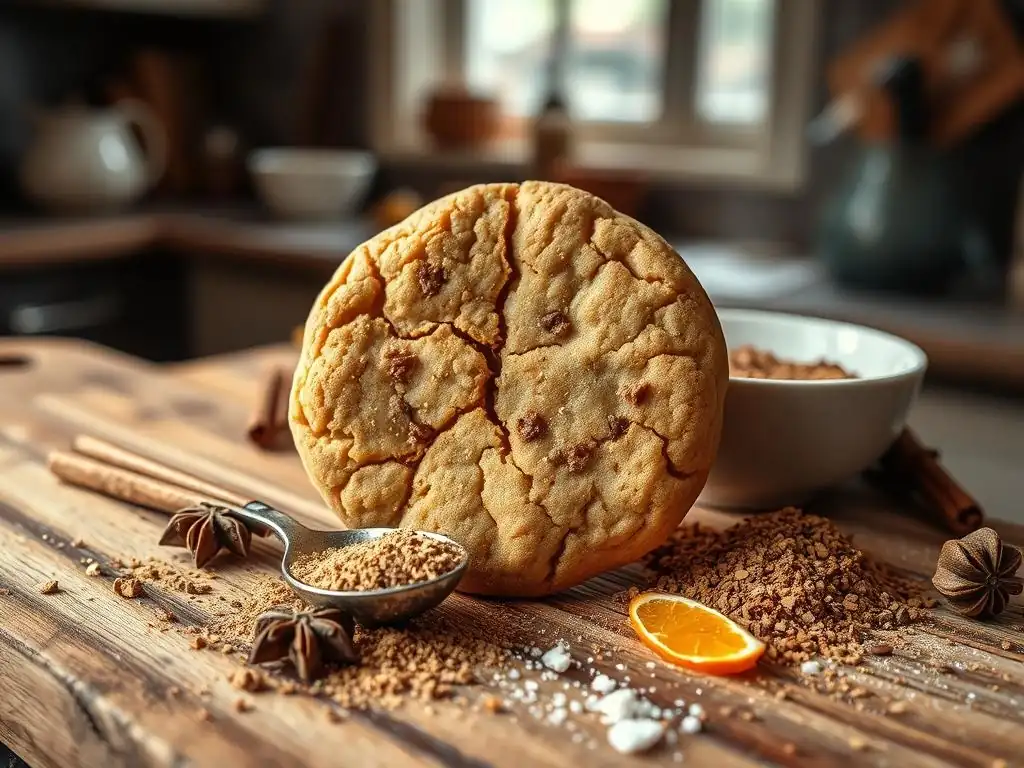
Welcome to BakeWithEase, your trusted guide to baking bliss! Ever wonder why your spice cookies go from bland to overwhelmingly pungent in a single batch? This isn't just bad luck; it's a science! Dive in as we uncover the secrets to avoiding spice cookies flavor imbalance, sharing expert tips and techniques to achieve perfectly balanced warmth in every bite. Let's unlock the delicious potential hidden within your spice rack!
- Understanding Spice Cookies Flavor Imbalance: The BakeWithEase Approach
- Identifying the Root Cause of Bland Spice Cookie Flavor
- Troubleshooting Overpowering Spice Cookie Flavor Profiles
- Mastering the Art of Spice Cookie Flavor Balance: BakeWithEase Tips and Tricks
- Recipe Adjustments for Perfect Spice Cookie Flavor Every Time
-
Frequently Asked Questions
- How can I prevent my spice cookies from tasting bland?
- What causes spice cookies to become overpowering in flavor?
- What is the best way to store spices to maintain their flavor?
- How can I adjust the spice levels in a cookie recipe to suit my taste?
- Are there certain spice combinations that generally work well in spice cookies?
- Final Reflection: Finding the Golden Ratio in Spice Cookie Baking
- Unlock Your Perfect Spice Cookie!
Spice cookies are beloved for their comforting aromas and complex flavors, but achieving that perfect balance can sometimes feel like a culinary tightrope walk. The goal is a cookie where no single spice dominates, and the overall profile is warm, inviting, and well-rounded. When you encounter a spice cookies flavor imbalance, where the taste is either disappointingly weak or aggressively overpowering, it signals a need to look at the baking process and ingredients with a critical eye. Understanding the common culprits behind this imbalance is the first step towards consistently baking delicious spice cookies.
Addressing spice cookies flavor imbalance isn't just about fixing a single batch; it's about developing a deeper understanding of how spices interact and behave during baking. Factors like spice freshness, quantity, mixing technique, and even baking time all play significant roles in the final flavor outcome. By systematically troubleshooting these elements, bakers can move beyond guesswork and confidently adjust recipes to achieve the desired flavor profile, turning potential disappointments into delightful successes every time they bake spice cookies.
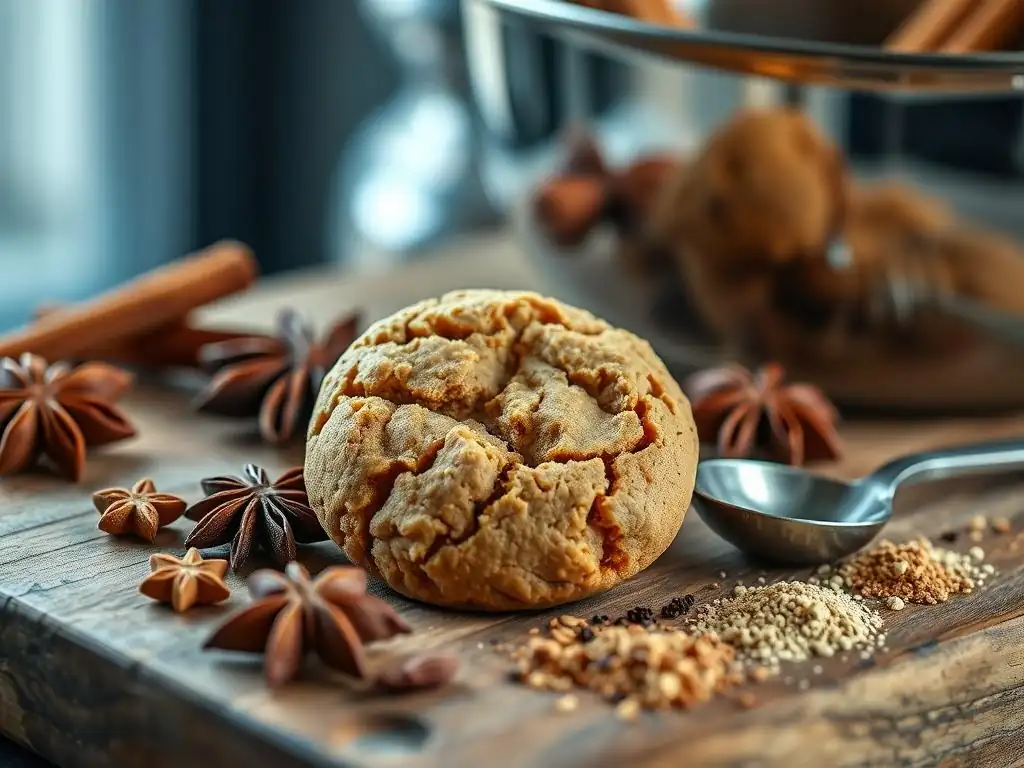
One of the most frequent causes of a bland spice cookie flavor imbalance is the use of old, stale spices. Spices, whether ground or whole, contain volatile oils that are responsible for their aroma and flavor. Over time, especially when exposed to light, heat, and air, these oils evaporate, significantly diminishing the spice's potency. A jar of cinnamon or ginger that has been sitting in the pantry for several years might still look like spice, but it will contribute very little in terms of actual flavor to your spice cookies, leading to a disappointing lack of warmth and depth.
Another significant factor is simply not using enough spice. Recipes provide guidelines, but individual spices vary in strength depending on their origin and processing.
A recipe calling for one teaspoon of ginger might yield a perfect result with a freshly opened jar, but if your ginger is older or less potent, that same quantity might be insufficient. Furthermore, factors like dough hydration can influence how flavors are perceived; a very wet dough might dilute the spice impact, while insufficient mixing can lead to pockets of dough with little to no spice distribution, resulting in an overall weak spice cookies flavor imbalance.
Using Expired Spices: The Importance of Fresh Spices for Optimal Flavor
Spices don't technically "spoil" in a way that makes them unsafe to eat, but they absolutely lose their flavor and aroma over time. Ground spices typically lose their potency faster than whole spices, often within 6-12 months, while whole spices might last 2-3 years. Using spices past their prime is a primary contributor to a bland spice cookies flavor imbalance. Imagine baking gingerbread cookies with ground cloves that are three years old; the characteristic pungent warmth you expect will likely be missing, leaving you with a cookie that tastes predominantly of molasses and flour rather than vibrant spice.
The impact of stale spices on the overall flavor profile of spice cookies is profound. Not only do they fail to contribute their intended taste, but they can also leave a slightly dusty or flat undertone. Investing in fresh, high-quality spices and replacing them regularly—perhaps annually for ground spices used frequently, or as needed if they lose their aroma—is one of the simplest yet most effective ways to prevent a bland spice cookies flavor imbalance and ensure your cookies are bursting with the intended flavor.
Insufficient Spice Quantity: How Much Spice is Enough?
Determining the correct quantity of spice is crucial for avoiding a bland spice cookies flavor imbalance. While a recipe might suggest a specific amount, the strength of your spices and your personal preference play a large role. If your ginger is particularly mild, you might need 1.5 teaspoons instead of the recommended 1 teaspoon to achieve the desired warmth. Conversely, a highly potent spice like clove or cardamom, if used too sparingly, might get lost among other flavors like molasses or brown sugar, resulting in a cookie that lacks definition.
A common mistake leading to a weak spice cookie flavor is being too timid with the spice blend, especially when dealing with multiple spices. For instance, a classic snickerdoodle relies heavily on cinnamon. If you use a barely-there dusting, the cookie becomes just a sugar cookie. Similarly, a complex spice cookie blend featuring cinnamon, ginger, cloves, and nutmeg requires each spice to contribute meaningfully without overpowering the others. If the total volume of spices added is too low relative to the dough size, the resulting flavor will be muted and disappointing, failing to deliver the comforting spice profile expected.
Incorrect Spice Combinations: Mastering Spice Blends for Delicious Cookies
Creating a harmonious spice blend is an art form, and incorrect combinations can lead to a weak or confusing spice cookie flavor imbalance. Some spices pair naturally, like cinnamon and apple, or ginger and molasses. Others can clash or cancel each other out if not used thoughtfully. For example, using too much star anise in a blend dominated by cinnamon and ginger might introduce a licorice note that doesn't complement the other flavors well, making the overall spice profile seem 'off' rather than simply weak.
Furthermore, a bland spice cookie flavor can result not just from clashing flavors, but from a lack of complementary notes. A blend might have warm spices (cinnamon, nutmeg) but lack the sharp, pungent kick of ginger or the deep, resonant notes of clove, resulting in a one-dimensional flavor. Mastering spice blends involves understanding how each spice contributes—warmth, heat, sweetness, pungency, aroma—and combining them in ratios that create complexity and depth. Experimenting with small batches or researching classic spice pairings for cookies can help avoid a bland spice cookies flavor imbalance stemming from poor blend choices.
Dough Hydration: The Role of Moisture in Spice Cookie Flavor Delivery
The hydration level of your cookie dough can subtly influence the perceived intensity of your spice flavors, potentially contributing to a spice cookies flavor imbalance. In very dry doughs, spice particles might remain more concentrated in specific areas, leading to uneven flavor distribution. While this isn't the primary cause of overall blandness, it can result in bites that vary in spice intensity. Conversely, a very wet dough, while potentially improving texture, might slightly dilute the spice concentration relative to the overall volume, making the flavors seem less potent.
While dough hydration is less critical than spice freshness or quantity for overall blandness, it does impact the delivery of flavor. A dough that is too dry might not allow the spice oils to disperse evenly during mixing and baking. Aiming for a dough consistency that is pliable but not sticky ensures that spices are incorporated thoroughly. Proper mixing, discussed next, is key to overcoming any potential spice cookies flavor imbalance related to hydration by ensuring homogenous spice distribution throughout the dough.
Insufficient Mixing: Ensuring Even Spice Distribution
Even if you use fresh spices in the correct quantities and proportions, insufficient mixing can lead to a significant spice cookies flavor imbalance. If the spices are not thoroughly incorporated into the dough, you'll end up with some cookies that are intensely spiced and others that are relatively bland. This is particularly true when adding ground spices to the dry ingredients before combining them with the wet ingredients. A quick stir might not be enough to distribute the fine spice particles evenly throughout the flour mixture.
To prevent this type of spice cookies flavor imbalance, ensure you mix the dry ingredients, including all the spices, very thoroughly before adding the wet ingredients. Whisking for 30 seconds to a minute is often sufficient to ensure the spices are evenly dispersed throughout the flour, leavening agents, and salt. Once the wet ingredients are added, mix until just combined, but the initial thorough mixing of dry ingredients is paramount for consistent spice flavor in every single cookie.
How to Test Your Spices for Freshness
Testing your spices for freshness is a simple but essential step in avoiding a bland spice cookies flavor imbalance. The primary test relies on your senses: smell and sight. Open the jar or bag and take a good whiff.
A fresh spice will have a strong, distinct aroma characteristic of that spice. For example, cinnamon should smell warm and sweet, ginger should be pungent and slightly peppery, and cloves should have a strong, aromatic, slightly medicinal scent. If the spice smells weak, dusty, or has little to no noticeable aroma, it's likely past its prime and won't contribute much flavor to your spice cookies.
Visually inspecting the spice can also provide clues. Ground spices should have a vibrant color typical of the spice (e.g., rich brown for cinnamon, pale yellow for ginger). If the color appears faded, dull, or greyish, it's another sign that the spice has lost potency. For whole spices, check if they appear brittle or faded.
A simple taste test can confirm: rub a small pinch between your fingers and taste a tiny amount. Fresh spices will have a noticeable, sometimes intense, flavor. If the taste is weak, flat, or merely dusty, it's time to replace it to prevent a spice cookies flavor imbalance.
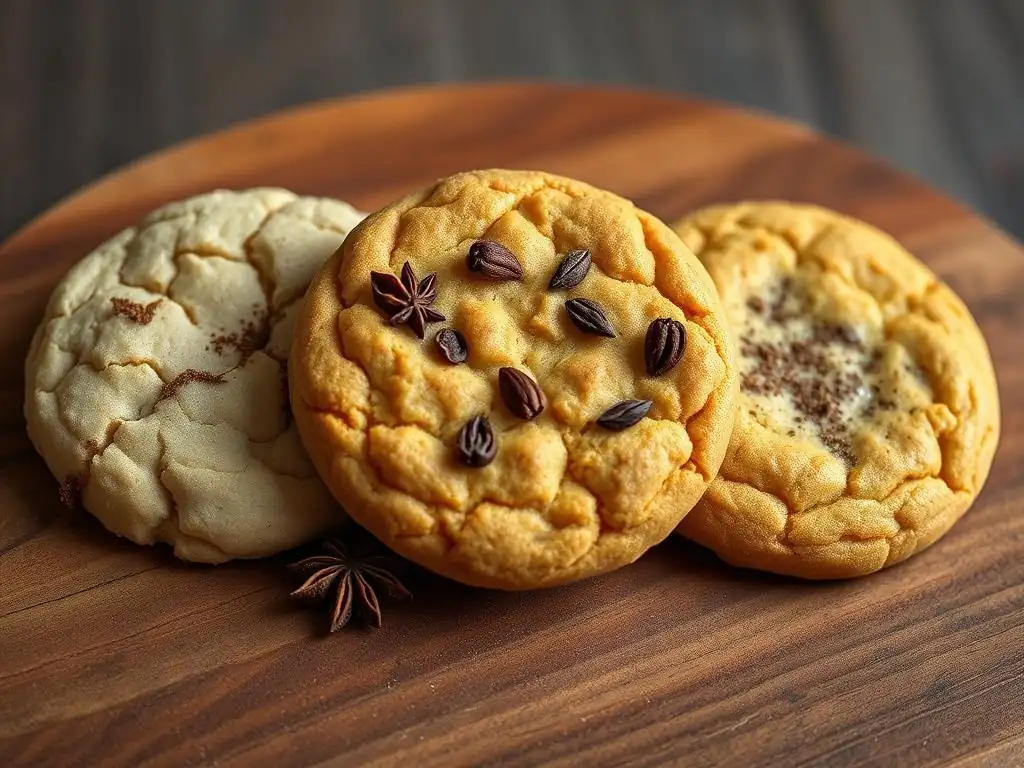
Just as easily as spice cookies can turn out bland, they can also end up with an overwhelmingly intense flavor profile, creating a different kind of spice cookies flavor imbalance. This often happens when a single spice dominates the blend, masking all other flavors and aromas. Using too much of a potent spice like clove or nutmeg relative to milder ones like cinnamon or ginger can lead to a cookie that tastes sharply pungent or even medicinal, rather than warm and inviting. It's a delicate act of balancing powerhouses with supporting players.
Another common cause of an overpowering spice cookie flavor is related to the baking process itself. Over-baking can concentrate flavors, including the spices, and can also develop slightly bitter notes, especially from spices like ginger or cloves, which can contribute to an unpleasant intensity. Furthermore, the quality and concentration of spices vary widely. A premium, freshly ground spice from a specialty shop might be significantly more potent than a standard supermarket variety, meaning a recipe developed with milder spices could result in an overpowering flavor if you use a more concentrated version without adjusting the quantity.
Using Too Much of a Single Spice: The Danger of Dominant Flavors
One of the quickest ways to create an overpowering spice cookies flavor imbalance is by being heavy-handed with a particularly potent spice. Spices like ground clove, cardamom, and allspice are very concentrated and should generally be used in smaller quantities than cinnamon or ginger in most cookie blends.
For example, a recipe might call for 2 teaspoons of cinnamon, 1.5 teaspoons of ginger, 0.5 teaspoon of nutmeg, and just 0.25 teaspoon of clove. If you accidentally double the clove amount, its intense, pungent flavor will likely overpower everything else, resulting in a cookie that tastes primarily of clove, rather than a balanced mix.
This dominance of a single flavor creates a distinct spice cookies flavor imbalance, losing the complexity and warmth that a well-rounded blend provides. It's like turning the volume up too high on one instrument in an orchestra; you lose the harmony. Being precise with measurements, especially for potent spices, is crucial. A simple slip of the hand with a powerful spice can completely throw off the intended flavor profile of your spice cookies, leading to an unpleasantly intense result.
Over-Baking: How Baking Time Affects Spice Intensity
Baking time and temperature significantly impact the final flavor of your spice cookies, and over-baking can contribute to an overpowering spice cookies flavor imbalance. As cookies bake, moisture evaporates, and flavors concentrate. While this is necessary for developing texture and deepening some flavors, excessive baking can intensify the spicier, more pungent notes to an unpleasant degree. Spices like ginger and clove can become sharper and even slightly bitter when subjected to prolonged heat.
For instance, a spice cookie baked for 12 minutes might have a perfectly balanced flavor, but the same cookie baked for 15 minutes might taste noticeably harsher and more intensely spiced, even if the quantity of spice in the dough was correct. The heat can also affect the volatile oils in the spices, altering their aroma and taste profile.
Monitoring your baking time closely and learning the visual cues for when your specific spice cookies are done—often when the edges are set and the centers look slightly soft—is key to preventing an overpowering spice cookies flavor imbalance caused by excessive heat exposure.
Spice Quality and Concentration: Not All Spices Are Created Equal
The quality and concentration of spices vary considerably depending on factors like origin, processing, and freshness. This variation is a significant, often overlooked, cause of spice cookies flavor imbalance. Spices purchased from bulk bins or standard supermarket brands might be less potent than those from specialty spice shops or those labeled as premium or organic. A recipe developed using a less potent spice might call for a larger quantity; if you use a highly concentrated version in the same amount, the result will be an overpowering flavor.
For example, the capsaicin content in chili powder (sometimes used in savory-sweet spice cookies) can vary wildly, leading to unexpected heat. Similarly, the intensity of ground ginger can differ based on the variety of ginger root used and how it was dried and ground. Being aware that spice potency isn't uniform is essential. If you switch spice brands or sources, it's wise to start with slightly less than the recipe calls for and add more to taste in a small test batch, helping you avoid an overpowering spice cookies flavor imbalance due to unexpectedly strong spices.
Uneven Grinding: Hot Spots of Intense Flavor
While most home bakers use pre-ground spices, some might grind their own or encounter inconsistencies in commercially ground spices. Uneven grinding can lead to larger particles of spice mixed with finer powder. When these larger, more concentrated particles are not evenly distributed throughout the dough, they can create "hot spots" of intense flavor in the finished cookie, resulting in a localized spice cookies flavor imbalance within a single batch. One bite might be perfectly spiced, while the next could be overpoweringly pungent.
This is less common with commercially ground spices from reputable brands, but it can occur. If you grind your own spices, ensuring they are ground to a consistent, fine powder is important for even distribution. When mixing spices into your dough, particularly if you suspect uneven grinding or distribution, take extra care to fold or mix the dough thoroughly but gently, ensuring the spice particles are spread throughout the entire batch to prevent these concentrated pockets that cause a spice cookies flavor imbalance.
Incorrect Ratios in Spice Blends: Achieving Harmony in Your Spice Mix
Just as incorrect ratios can lead to a bland flavor, they can also cause an overpowering spice cookies flavor imbalance. This happens when a potent spice is used in too high a proportion relative to the others. For instance, a classic gingerbread blend might use a 2:2:1:0.5 ratio of cinnamon:ginger:nutmeg:clove. If you mistakenly use a 2:2:1:1 ratio, the clove flavor will likely dominate, making the cookie taste overwhelmingly of clove and creating a significant spice cookies flavor imbalance.
Achieving harmony in a spice mix is about balancing the different characteristics each spice brings. Cinnamon provides warmth, ginger provides heat and pungency, nutmeg adds sweet depth, and clove brings intense warmth and aroma. If one of these is out of proportion, the entire blend is thrown off, leading to an overpowering flavor profile. Understanding the typical ratios used in classic spice cookie blends and being mindful of the relative strengths of each spice is key to preventing an overpowering spice cookies flavor imbalance from your spice mix.
Understanding Spice Potency and Adjusting Recipes Accordingly
Recognizing that spice potency varies is fundamental to consistently achieving balanced spice cookie flavor. Spices from different regions can have different flavor profiles and intensities. For example, Saigon cinnamon (Cinnamomum loureiroi) is generally stronger and spicier than Ceylon cinnamon (Cinnamomum verum). Similarly, the heat level of ground ginger can vary. This means a recipe developed using one type or source of spice might need adjustment if you are using a different one.
To compensate for varying potency and avoid a spice cookies flavor imbalance, it's helpful to taste and smell your spices before using them. If a spice seems particularly strong, start by using slightly less than the recipe calls for, perhaps 10-20% less for very potent ones like clove or cardamom. You can always add a tiny bit more to the dough after a small test bake if the flavor isn't strong enough.
Conversely, if your spices seem milder, you might need to increase the quantity slightly. Keeping notes on your spice sources and how you adjusted recipes can be invaluable for future baking success and consistently balanced spice cookie flavor.
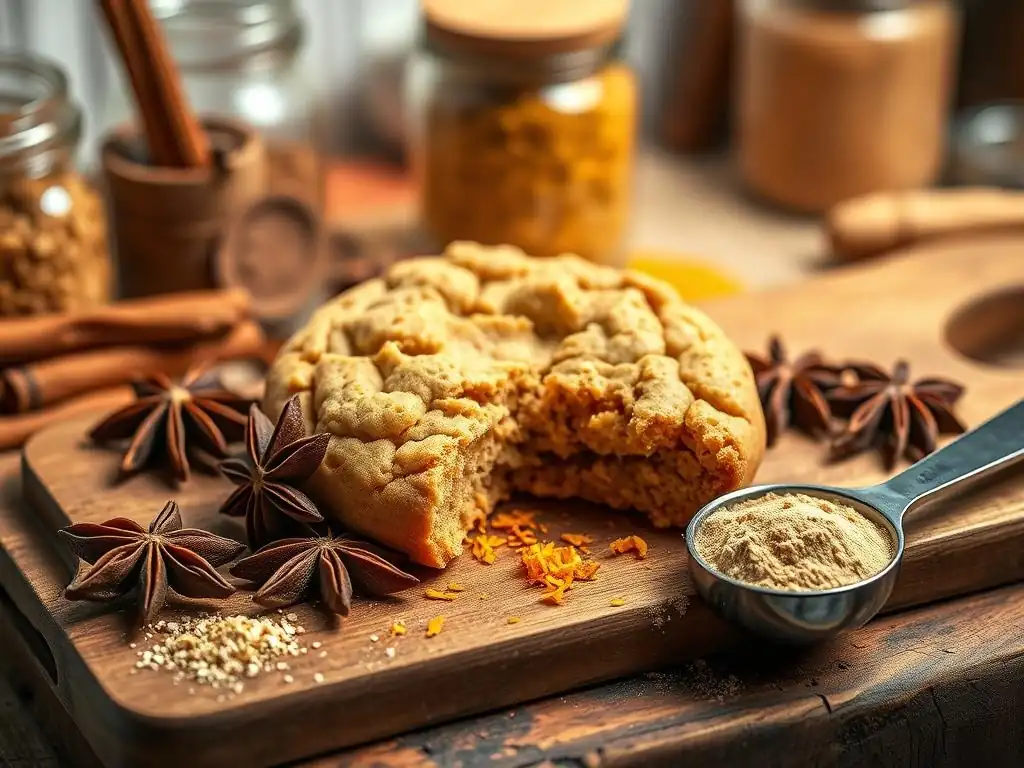
Selecting the appropriate spices is the foundational step in preventing spice cookies flavor imbalance. The specific spices you choose will define the character of your cookie. Classic choices like cinnamon, ginger, nutmeg, and clove are staples for a reason, offering a warm, comforting profile.
However, exploring other options can elevate your spice cookies. Consider using allspice for a blend reminiscent of cinnamon, clove, and nutmeg, or adding a pinch of cardamom for an exotic, aromatic note. Even a touch of black pepper or cayenne can add a subtle heat that enhances the sweetness and warmth of other spices without causing a spice cookies flavor imbalance if used sparingly.
Understanding the nuances of different spice varieties is also beneficial. For example, using a bolder cinnamon like Cassia or Saigon will result in a spicier, more intense flavor compared to the milder, more complex notes of Ceylon cinnamon. Decide what kind of spice cookie you want to make – a fiery gingerbread, a delicate speculoos, or a classic molasses cookie – and choose your spices accordingly. This thoughtful selection process is crucial for setting the stage for a perfectly balanced spice cookie flavor.
Exploring Different Spice Varieties and Their Flavor Profiles
Delving into the world of spices reveals a spectrum of flavors that can dramatically influence your spice cookies. Cinnamon, for instance, offers warmth and sweetness, but its intensity varies by type. Ginger provides a pungent heat and citrusy note. Nutmeg contributes sweet, woody depth. Clove is intensely aromatic, warm, and slightly medicinal. Allspice combines notes of cinnamon, clove, and nutmeg. Cardamom is fragrant, with citrus and floral undertones. Understanding these individual profiles helps you predict how they will behave in a blend and prevents a jarring spice cookies flavor imbalance.
Beyond the classics, consider adding less common spices to your repertoire for unique spice cookies. A touch of star anise can add a licorice note, while ground coriander can bring a subtle citrusy, earthy flavor. White pepper can add a clean heat without the dark notes of black pepper. By knowing the flavor contribution of each spice, you can intentionally build blends that are complex, harmonious, and free from spice cookies flavor imbalance, creating cookies that truly stand out.
Understanding Warm vs. Sharp Spices
Categorizing spices into "warm" and "sharp" can simplify the process of building balanced spice blends and avoiding spice cookies flavor imbalance. Warm spices, like cinnamon, nutmeg, allspice, and clove, contribute comforting, aromatic, and often slightly sweet notes. They form the backbone of many spice cookie recipes. Sharp spices, primarily ginger and sometimes black pepper or cayenne, provide heat, pungency, and a more invigorating kick.
A well-balanced spice cookie often benefits from a combination of both warm and sharp spices. Relying solely on warm spices might result in a cookie that lacks excitement, while using only sharp spices could be overwhelming. The ratio between warm and sharp spices is key to achieving the desired spice cookie flavor. A classic gingerbread, for example, uses a significant amount of sharp ginger alongside warm spices, creating a characteristic spicy kick. Understanding this dynamic helps you adjust quantities to achieve your preferred level of warmth and heat, preventing a spice cookies flavor imbalance.
Creating Signature Spice Blends for Unique Cookie Flavors
Once you understand individual spice profiles and the concept of warm vs. sharp, you can start experimenting with creating your own signature spice blends. This is where you can truly personalize your spice cookies and move beyond standard recipes, avoiding a generic spice cookies flavor imbalance. Start with a base of classic warm spices like cinnamon and nutmeg, then decide what other notes you want to introduce. Do you want a strong ginger bite? Add more ginger. Do you love the aroma of cardamom? Include a smaller amount alongside the other spices.
Developing your own blend involves trial and error, but it's rewarding. Keep track of the ratios you use. For instance, you might find you prefer a blend with a higher ratio of cinnamon to ginger (e.g., 3:1) for a milder cookie, or equal parts cinnamon and ginger (1:1) for a spicier one. By documenting your experiments, you can refine your blends over time, consistently producing spice cookies with a unique and perfectly balanced spice cookie flavor that is distinctly yours.
Measuring Spices Accurately for Consistent Results
Precise measurement is paramount in preventing spice cookies flavor imbalance, especially with potent spices. Using standard measuring spoons and leveling off the spice is essential. Simply scooping spices directly from the jar can result in inconsistent amounts, leading to variations in flavor from batch to batch or even within the same batch if spices aren't evenly distributed. For ground spices, using the "dip and sweep" method—dipping the measuring spoon into the spice and sweeping off the excess with a straight edge—helps ensure accuracy.
For very small quantities of potent spices like clove or cardamom (e.g., 1/4 teaspoon), using accurate measuring spoons designed for small amounts is crucial. A slight overage can easily push the flavor from balanced to overpowering, causing a significant spice cookies flavor imbalance. While a kitchen scale is excellent for measuring larger quantities of ingredients like flour or sugar, standard measuring spoons are generally sufficient and more practical for the small volumes of spices used in cookies, provided they are used carefully and accurately.
Beyond simply adding spices to the dough, several techniques can help enhance and deepen the spice cookie flavor, preventing blandness and adding complexity. These methods work by releasing or developing the aromatic compounds within the spices.
Blooming Spices: Unlocking Deeper Flavors
Blooming spices is a technique that can significantly deepen their flavor and aroma, helping to prevent a bland spice cookies flavor imbalance. This involves gently heating the ground spices, usually in a small amount of fat (like melted butter or oil) or liquid (like molasses or water), before adding them to the dough. Heating the spices helps to release their volatile oils, making their flavors more vibrant and pronounced.
For example, before adding your spice blend to the wet ingredients for a molasses cookie, you could gently heat the ground cinnamon, ginger, cloves, and nutmeg with the melted butter and molasses for a minute or two over low heat, stirring constantly until fragrant. This process intensifies the warm, aromatic notes, ensuring they are fully expressed in the final cookie and contributing to a richer, more complex spice cookie flavor. Be careful not to burn the spices, as this will result in bitter, unpleasant notes.
Toasting Spices: Adding Depth and Complexity
Toasting whole spices before grinding them is another technique that can add significant depth and complexity to your spice cookie flavor, moving beyond a simple, flat profile. Toasting gently heats the whole spice, causing chemical reactions that develop new aromatic compounds and intensify existing ones. This is particularly effective for spices like cardamom, coriander, or even whole cloves and cinnamon sticks if you plan to grind them yourself.
To toast spices, place them in a dry skillet over medium heat and stir or shake the pan frequently until they become fragrant and slightly darker in color. This usually takes just a few minutes. Let them cool completely before grinding. The resulting spice will have a richer, nuttier, and more complex flavor compared to untoasted spice, helping to prevent a bland spice cookies flavor imbalance and adding layers of taste to your cookies.
Infusing Flavors Through the Use of Extracts and Zests
While ground spices provide the core flavor for spice cookies, incorporating extracts and zests can add brightness and complexity, helping to balance and enhance the overall spice cookie flavor profile. A touch of vanilla extract is almost always a welcome addition, rounding out the spice flavors. Citrus zest, particularly orange or lemon, can add a bright, aromatic note that complements warm spices beautifully.
For example, adding the zest of one orange to a batch of ginger-molasses cookies can lift the heavy, rich flavors and add a layer of fresh citrus that pairs wonderfully with the ginger. Similarly, a small amount of almond extract can add a subtle nutty undertone that complements cinnamon and nutmeg. These additions should enhance, not overpower, the spice blend, acting as supporting flavors to prevent a one-dimensional spice cookies flavor imbalance and add complexity.
Achieving the perfect spice cookie flavor isn't just about the spices themselves; it's also about the balance between the spices and the sweetness of the cookie. Too little sugar can leave the spices tasting harsh or bitter, while too much sugar can mask the spice flavors entirely, leading to a different kind of spice cookies flavor imbalance. The type of sugar used also matters. Brown sugar and molasses, common in many spice cookies, contribute moisture, richness, and their own distinct flavors that interact with the spices.
Molasses, in particular, has a strong, slightly bitter flavor that pairs exceptionally well with sharp spices like ginger and clove. The sweetness of granulated and brown sugars helps to soften the intensity of the spices, creating a harmonious balance. If your spice cookies taste too intensely of spice, it might not be just the spice quantity, but also a lack of sufficient sweetness to balance it out.
Conversely, if they taste only sweet with a hint of spice, you likely need more spice or less sugar. Adjusting the sugar content slightly (within reasonable baking limits) can be a powerful tool in correcting spice cookies flavor imbalance.
Adjusting Spice Ratios Based on Personal Preference
One of the most effective ways to ensure your spice cookies have the perfect flavor is to adjust the spice ratios based on your personal preference. Recipes provide excellent starting points, but what one person considers perfectly spiced, another might find too mild or too strong. Don't be afraid to slightly tweak the amounts of individual spices in your blend to achieve the spice cookie flavor you love. If you prefer a strong ginger kick, increase the ginger slightly relative to the other spices. If you find clove too overpowering, reduce its amount.
Start with the recipe's recommended quantities and make small adjustments—perhaps adding or subtracting 1/4 or 1/2 teaspoon of a specific spice in a standard batch. This iterative process allows you to fine-tune the spice cookies flavor imbalance to your liking over successive batches. Remember that even small changes can make a noticeable difference, especially with potent spices like clove or cardamom.
Achieving mastery over spice cookies flavor imbalance often requires a process of testing and iteration. Bake a small test batch (e.g., 2-4 cookies) after mixing the dough but before baking the full batch. This allows you to evaluate the flavor profile. Do they taste bland? Consider adding a pinch more of the entire spice blend or focusing on the spices that seem weakest. Are they too overpowering? Note which spice seems dominant and plan to reduce it in the next batch.
Don't expect perfection on the first try, especially when using new spices or a new recipe. Baking is a skill that improves with practice and observation. By baking small test batches and carefully evaluating the spice cookie flavor, you can make informed adjustments to the remaining dough or to the recipe for future bakes. This systematic approach is far more effective than guessing and hoping for the best.
Recording Your Adjustments for Future Baking Success
To truly master spice cookies flavor imbalance and consistently produce delicious cookies, it's crucial to keep records of your baking experiments and adjustments. Note the original recipe, the specific brands and freshness of the spices you used, and any changes you made to the spice quantities or blend ratios. Also, record your assessment of the resulting flavor – was it too bland, too spicy, or just right? Which spice seemed dominant?
This documentation becomes your personal baking guide. When you return to bake that spice cookie recipe months later, you won't have to guess what worked or what didn't. Your notes will tell you exactly how you achieved that perfectly balanced spice cookie flavor last time. Over time, these records will become an invaluable resource, helping you predict outcomes and troubleshoot potential spice cookies flavor imbalance issues before they even happen, leading to greater confidence and success in your spice cookie baking.
Frequently Asked Questions
To avoid bland spice cookies, ensure you're using fresh, potent spices. Also, consider toasting your spices before adding them to the dough to enhance their flavor.
Overpowering flavor often results from using too much of a single spice or using spices that are too old and concentrated. Measuring accurately is crucial.
What is the best way to store spices to maintain their flavor?
Store spices in airtight containers away from direct sunlight, heat, and moisture. This helps preserve their potency and prevent them from losing their flavor.
Start by reducing the amount of each spice slightly and tasting the dough before baking. You can then gradually add more of specific spices until you achieve your desired flavor profile.
Commonly used and well-balanced combinations include cinnamon, ginger, and nutmeg, or cardamom, cloves, and allspice. Experimenting with small amounts of other spices like mace or white pepper can also add complexity.
The quest for the perfect spice cookie hinges on a delicate balance—a harmony between subtle warmth and bold pronouncements of flavor. Getting this balance wrong results in either a disappointingly bland bite or an overwhelming assault on the palate, a frustrating reality for many home bakers. This article explored the common pitfalls, from ingredient quality to baking techniques, that contribute to this frustrating flavor imbalance.
The journey of mastering spice cookie baking is, in many ways, a metaphor for life itself. We strive for a perfect blend of elements, a harmonious composition that resonates deeply. The subtle nuances of each spice, much like the complexities of human experience, require careful consideration and a willingness to experiment. The best things in life are the simple things, but they are not easy.
This quote perfectly captures the challenge and reward of achieving that perfect spice cookie, a seemingly simple endeavor that demands precision and patience.
Now, consider your own baking journey. What have you learned about finding balance in your own life, in your own creations? Perhaps it's about finding the right amount of time for work and relaxation, or the perfect blend of creativity and discipline. Take the lessons learned from perfecting your spice cookies—the attention to detail, the willingness to experiment, and the appreciation for subtle nuances—and apply them to other areas of your life. Embrace the challenge of finding your own "golden ratio," and savor the sweet rewards that await.
Thanks for taking the time to explore the secrets of perfectly spiced cookies! We hope you've gained valuable insights into balancing those delicious flavors. Now it's time to put your new knowledge into action.
- Experiment with your spice ratios: Try adjusting the amounts of cinnamon, ginger, cloves, etc., based on your taste preferences and the specific recipe you're using. Start small and note your changes! This is the key to mastering your spice game.
- Share your baking journey: Tell us (and your friends!) about your spice cookie experiments! What worked? What didn't? We'd love to hear your success stories (and learn from your mishaps! ).
- Explore our other baking guides: Dive deeper into perfecting your baking skills with more helpful tips and tricks. You might just discover your next favorite cookie recipe!
Ready to bake the most flavorful spice cookies you've ever tasted? What unique spice combination will you try first?