
Troubleshooting Dry Vegan Bakes: Simple Swaps That Save Your Recipe

Welcome to BakeWithEase, where baking dreams become reality! Are your vegan creations turning out drier than the Sahara? Don't despair! This guide unveils the secrets to vegan bake dryness solutions, offering simple swaps and techniques that will transform your recipes from crumbly to crave-worthy. Discover how to rescue your baked goods and unlock a world of moist, delicious vegan treats – the answers you seek are just a scroll away!
- Understanding Dryness in Vegan Baking
- Key Ingredients and Their Impact on Vegan Bake Texture
- Vegan Bake Dryness Solutions: Ingredient Swaps and Adjustments
- Specific Vegan Baking Problems and Solutions
- Common Mistakes That Lead to Dry Vegan Bakes
- Simple Hacks to Rescue a Dry Vegan Bake
- Preventative Measures: Tips for Consistently Moist Vegan Bakes
- Mastering Vegan Baking: Beyond Dryness Solutions
-
Frequently Asked Questions
- What is the most common reason why vegan bakes turn out dry?
- What are some simple swaps I can make to add moisture to my vegan baking?
- How does over-baking affect the dryness of vegan baked goods?
- Are there specific ingredients I should avoid to prevent dry vegan bakes?
- Can adding more oil or fat help combat dryness in vegan baking?
- Final Reflection: The Sweet Science of Saving Soggy Vegan Bakes
- Unlock the Secrets to Moist Vegan Baking!
Understanding Dryness in Vegan Baking
Why Vegan Bakes Tend to Be Dry: Common Causes
Traditional baking relies heavily on ingredients like eggs and dairy butter or milk, which contribute significant moisture and fat. Eggs, for instance, are roughly 75% water and contain fats that add richness and tenderness. Dairy products like butter (around 80-82% fat, 15-17% water) and milk (mostly water with fats and proteins) also provide essential hydration and interfere with gluten development, resulting in a softer crumb. When these ingredients are removed for vegan recipes, bakers often substitute them with components that may not offer the same balance of moisture and fat.
Many common vegan substitutes, like applesauce or mashed banana, while adding moisture, can also introduce pectin and fibers that affect texture differently than the fats in eggs and dairy. Plant-based milks vary widely in fat and protein content (e.g., almond milk is typically lower in both than soy or oat milk), which directly impacts how much moisture is available to the dry ingredients and the overall structure. This imbalance, if not carefully managed through specific vegan bake dryness solutions, often results in bakes that are crumbly, dense, or simply lacking that desirable moist texture.
The Science Behind Vegan Baking Substitutions and Moisture
The texture of a baked good is a delicate balance involving the hydration of starches and proteins (like gluten in wheat flour), the emulsification provided by fats, and the structure created by leavening agents. In vegan baking, substitutes must fulfill these roles without the aid of animal products. Fats, whether liquid oils or solid vegan butters, coat flour particles, inhibiting gluten formation and leading to a tender crumb. A lack of sufficient fat is a common reason for dry vegan bakes.
Liquid binders, such as plant-based milks, aquafaba (chickpea brine), or fruit purees, hydrate the dry ingredients, allowing starch to gelatinize and providing the medium for chemical reactions like leavening. However, the type and amount of liquid matter significantly. Too little liquid, or using a liquid that doesn't effectively bind ingredients (like some thin nut milks), can result in a dry, crumbly texture. Understanding how different vegan ingredients interact at a molecular level – how they absorb water, emulsify with fats, and contribute to structure – is key to developing effective vegan bake dryness solutions.
Key Ingredients and Their Impact on Vegan Bake Texture
Flour Choices for Moist Vegan Cakes and Breads
The type of flour used is foundational to the texture of any bake, and this is especially true for addressing vegan bake dryness solutions. All-purpose flour is a standard, but its moderate protein content (around 10-12%) can lead to significant gluten development, which, if not balanced with sufficient fat and moisture, can result in a tough or dry crumb in vegan recipes.
Cake flour, with a lower protein content (typically 7-9%), develops less gluten and is often bleached, which alters its starch structure to absorb more liquid and fat, contributing to a softer, more tender texture ideal for moist vegan cakes.
For breads, a higher protein bread flour (12-14%) is often desired for structure, but achieving moisture requires careful hydration management. Using a portion of whole wheat flour (around 13-14% protein but also contains bran and germ) adds flavor and fiber but can absorb more liquid, potentially leading to dryness if the recipe isn't adjusted. Sometimes, swapping a small percentage of wheat flour for a less proteinaceous flour like oat flour or a starch like tapioca or cornstarch can help improve moisture retention in vegan bakes.
The Role of Fats: Oils, Butters, and Their Vegan Alternatives
Fats are crucial for tenderness and moisture in baking because they coat flour particles, preventing excessive gluten formation, and they trap air during creaming (for solid fats), contributing to lift and a finer crumb. In vegan baking, the choice of fat significantly impacts the final texture and is a primary area for implementing vegan bake dryness solutions. Liquid oils, like vegetable, canola, or melted coconut oil, add moisture but don't contribute to leavening through creaming. They tend to result in a more dense, moist texture, often used in muffins or quick breads.
Solid vegan butters, made from blends of vegetable oils, water, and emulsifiers, function similarly to dairy butter in that they can be creamed with sugar to create air pockets, leading to lighter, more tender cakes and cookies. However, not all vegan butters perform identically; some have a lower fat content or different melting points than dairy butter, which can affect spread in cookies or moisture in cakes. Using a high-quality vegan butter designed for baking, or ensuring enough fat is present through a combination of oils and solid fat, is vital to combat dry vegan bakes.
Liquid Binders: Milk Alternatives and Their Moisture Content
Liquid binders in vegan baking serve multiple purposes: they hydrate the dry ingredients, activate chemical leaveners like baking soda, and contribute to the overall structure and moisture of the bake. Plant-based milks are the most common liquid binder, but their composition varies significantly. Almond milk, for example, is relatively thin and low in fat and protein compared to soy milk, which has a protein content closer to dairy milk and a moderate fat level. Oat milk often contains beta-glucans, which can contribute to a slightly gummy texture but also help retain moisture.
Using thicker liquids like full-fat canned coconut milk or even blending a thinner plant milk with a bit of vegan yogurt can increase the fat and viscosity, leading to a richer, moister crumb, offering effective vegan bake dryness solutions. Other liquid binders like applesauce, mashed banana, or pumpkin puree add moisture and binding properties due to their fiber and pectin content, though they also impart flavor and color and can make bakes denser if used in large quantities. Aquafaba acts as a binder and can be whipped to incorporate air, contributing to lightness and moisture retention.
Vegan Bake Dryness Solutions: Ingredient Swaps and Adjustments
Swapping Dry Ingredients: Using Cake Flour or Adding Starch
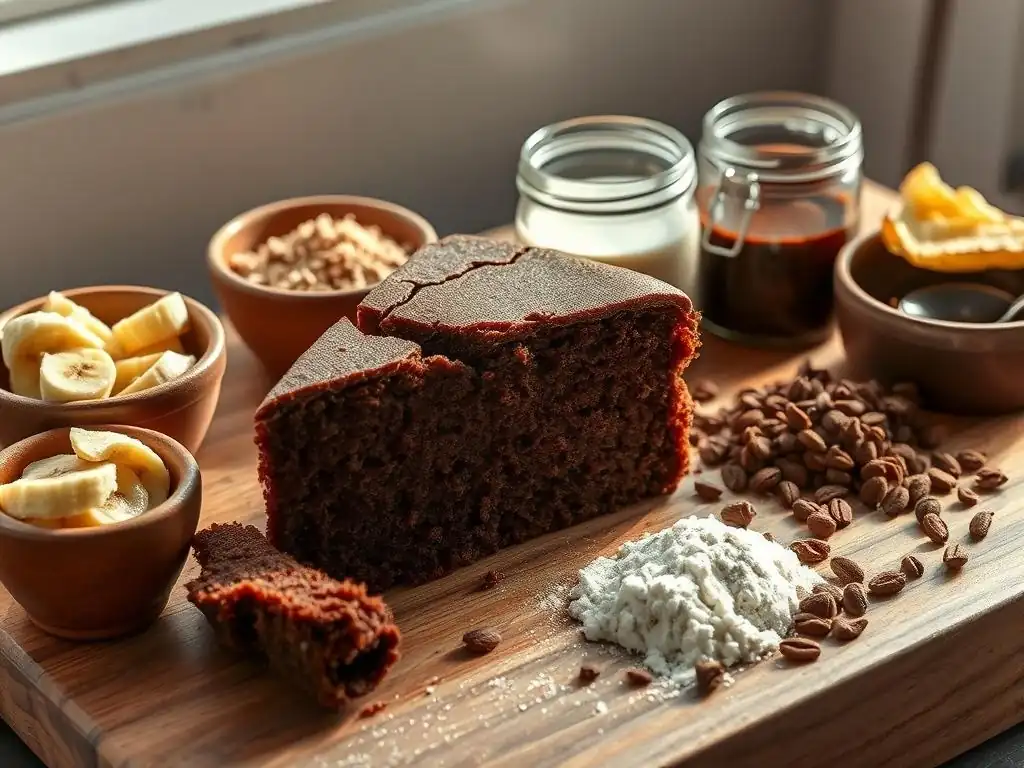
One effective strategy among vegan bake dryness solutions is adjusting the dry ingredients. If a recipe consistently yields dry results, swapping a portion of the all-purpose flour for cake flour can significantly improve moisture and tenderness. For example, replacing 1/4 to 1/2 cup of all-purpose flour with cake flour per 1.5 to 2 cups total flour in a cake recipe can lead to a softer crumb. The lower protein content of cake flour means less gluten development, resulting in a more tender bake.
Another method is incorporating a small amount of starch, such as cornstarch, tapioca starch, or arrowroot powder, into the flour blend. Adding 1 to 2 tablespoons of cornstarch per cup of all-purpose flour can mimic some properties of cake flour, helping the batter absorb more liquid and creating a finer, softer texture. This swap is particularly useful in recipes where a very tender crumb is desired, like vegan cupcakes or muffins, providing a simple but impactful solution for dry vegan bakes.
Optimizing Fat Content: Adding Applesauce or Vegan Yogurt
Increasing the effective fat or moisture-rich ingredient content is a direct approach to combatting dry vegan bakes. While adding more oil or vegan butter works, sometimes incorporating ingredients that add moisture and contribute to tenderness without excessive fat can be beneficial. Applesauce is a popular swap, often used to replace a portion of the fat (e.g., replacing up to half the oil or melted butter with an equal amount of unsweetened applesauce).
It adds moisture and binding but can make the final product slightly denser if too much is used. A common ratio is replacing 1/4 cup of fat with 1/4 cup of applesauce.
Vegan yogurt (plain, unsweetened almond or soy yogurt works well) is another excellent addition. Its fat and protein content, along with its acidity, can contribute to a moist, tender crumb and activate baking soda for better lift. Adding 1/4 to 1/2 cup of vegan yogurt per standard cake or muffin recipe can significantly improve moisture. These additions are simple yet effective vegan bake dryness solutions, adding richness and hydration.
Boosting Liquid: Adding Aquafaba or Fruit Purees
Sometimes, dry vegan bakes simply need more liquid. This doesn't always mean just adding more plant milk; incorporating ingredients that add liquid and other beneficial properties can be more effective. Aquafaba, the brine from canned chickpeas, is a fantastic binder and can also add moisture. While often used as an egg white replacer (whipped), adding a few tablespoons (say, 2-4 tbsp per recipe using 1.5-2 cups flour) of the liquid directly to the batter can increase hydration without significantly altering the flavor or fat content.
Fruit or vegetable purees like mashed banana, pumpkin puree, or sweet potato puree are rich in moisture and fiber, acting as binders and adding tenderness. Adding 1/4 to 1/2 cup of mashed banana or pumpkin puree to a standard recipe can drastically improve moisture. Be mindful that these purees add flavor and color. For a neutral option, a cooked and pureed sweet potato or even a bit of silken tofu blended into the liquid ingredients can provide significant moisture and richness, serving as powerful vegan bake dryness solutions.
Sugar's Impact: Using Liquid Sweeteners Like Maple Syrup
Sugar does more than just sweeten; it also contributes to moisture and tenderness in baking. Granulated sugar is hygroscopic, meaning it attracts and holds onto moisture. However, liquid sweeteners like maple syrup, agave nectar, or brown rice syrup introduce more actual liquid into the batter from the start. Swapping a portion (e.g., replacing 1/4 to 1/2 of the granulated sugar with an equal volume of maple syrup) can be an effective vegan bake dryness solution, adding moisture and often resulting in a slightly denser, chewier texture.
Using brown sugar instead of white granulated sugar also adds moisture because brown sugar contains molasses, which is liquid. Swapping all or part of the white sugar for brown sugar can improve the moisture content of vegan cookies and cakes. When using liquid sweeteners, you may need to slightly reduce the amount of other liquids in the recipe to maintain the correct batter consistency, typically by about 1/4 cup per cup of liquid sweetener used, but this adjustment is minimal compared to the moisture benefit gained.
Specific Vegan Baking Problems and Solutions
Dry Vegan Cakes: Troubleshooting and Solutions
Dry vegan cakes are a common frustration. Often, this stems from an imbalance between dry and wet ingredients, insufficient fat, or overbaking. To address dry vegan bakes in cake form, consider adjusting the flour type as mentioned (using cake flour or adding starch). Ensure you're using enough fat – check if the recipe's fat content is comparable to a non-vegan equivalent (relative to flour weight). Adding moisture-rich ingredients like applesauce, vegan yogurt, or fruit purees (1/4 to 1/2 cup per cake) can make a significant difference.
Using a liquid sweetener like maple syrup for part of the sugar also helps. Furthermore, ensure your liquid binder is sufficient and appropriately rich; swapping thin almond milk for soy, oat, or even a mix with coconut milk can add needed moisture and fat. Finally, do not overbake. Test for doneness early (using a toothpick inserted into the center – it should come out with moist crumbs, not completely clean) and err on the side of slightly underbaked rather than overbaked.
Achieving a moist, chewy texture in vegan cookies requires careful attention to fat and sugar. Dry vegan cookies often result from too little fat, too much flour, or baking at too high a temperature for too long. For vegan bake dryness solutions in cookies, ensure you are using a vegan butter that melts and spreads well; some brands contain more water and less fat than others. Using a mix of solid vegan butter and a liquid oil (like 1/4 cup oil for every 1/2 cup vegan butter) can increase tenderness.
Swapping some granulated sugar for brown sugar or a liquid sweetener like maple syrup adds moisture and promotes chewiness. For instance, replacing half the white sugar with brown sugar in a chocolate chip cookie recipe adds noticeable moisture. Avoid adding too much flour; the dough should be slightly sticky before chilling. Baking cookies at a slightly lower temperature (e.g., 325-350°F instead of 375°F) for a minute or two longer helps them bake through without drying out the edges before the center is done.
Dry Vegan Bread: Hydration Techniques for the Perfect Loaf
Dry vegan bread is often a result of low hydration (insufficient water relative to flour), insufficient fat (though less critical than hydration in many bread types), or overbaking. For yeast breads, the primary vegan bake dryness solution is increasing the hydration percentage. Most standard loaf breads benefit from a hydration of 65-70% (meaning the water weight is 65-70% of the flour weight). If your recipe calls for 500g flour and only 300g water (60% hydration), try increasing the water to 325-350g (65-70%).
Kneading technique is also important; proper development of the gluten network allows the dough to hold onto moisture. Adding a small amount of fat (like 1-2 tablespoons of oil or vegan butter per loaf) can also contribute to a softer crumb and help prevent staling, which contributes to perceived dryness over time.
For quick breads, ensure sufficient liquid and fat are used and follow the same principles as for cakes regarding flour and moisture-adding ingredients. Always check bread's internal temperature for doneness (around 190-200°F for enriched loaves, 200-210°F for lean loaves) rather than relying solely on visual cues, as overbaking is a major cause of dry vegan bakes.
Common Mistakes That Lead to Dry Vegan Bakes
Overmixing Vegan Batter: Avoiding Gluten Overdevelopment
One of the most common culprits behind dry and tough vegan bakes, particularly cakes, muffins, and quick breads, is overmixing the batter once the wet and dry ingredients are combined. Flour contains proteins that, when hydrated and agitated, develop gluten strands. While some gluten is necessary for structure, too much development in tender bakes creates a tough, dense texture that feels dry. Unlike traditional recipes where eggs might provide a buffer, vegan batters can be more susceptible to this.
To prevent this, mix wet and dry ingredients only until just combined. There should still be a few small lumps of flour visible. Overmixing continues to develop gluten, making the final product less tender and contributing to dry vegan bakes. This principle applies to most vegan batters, though yeast bread requires significant kneading for gluten development.
Overbaking: Setting the Right Oven Temperature and Time
Overbaking is perhaps the most direct path to dry vegan bakes. As a bake spends too long in the oven, the heat continues to evaporate moisture. Even if the initial batter was perfectly balanced, excessive time in the oven will dry it out. Ovens can be notoriously inaccurate; a setting of 350°F might actually be 375°F or higher. Using an oven thermometer is a simple but crucial step to ensure your oven is heating accurately.
Always set a timer for the minimum suggested baking time in a recipe and start checking for doneness then. For cakes, use the toothpick test. For cookies, look for set edges but still slightly soft centers. For bread, check the internal temperature. If the bake isn't quite done, check again every 2-5 minutes. Pulling the bake from the oven just as it reaches doneness is key to preserving moisture and avoiding dry vegan bakes.
Incorrect Measurements: The Importance of Accurate Measuring
Baking is a science, and accuracy in measurements is paramount, especially when dealing with the sometimes finicky nature of vegan substitutions. Using too much dry ingredient (like flour) or too little wet ingredient (liquid binder, fat, or sugar) will inevitably lead to dry vegan bakes. Measuring flour by volume (cups) is particularly prone to error; scooping flour directly from the bag can compact it, resulting in up to 20-30% more flour than intended.
The most reliable way to measure ingredients, particularly flour, is by weight using a kitchen scale. A cup of all-purpose flour weighs approximately 120-130 grams, depending on how it's measured and its density. Using grams ensures you have the exact amount the recipe developer intended, drastically reducing the risk of a dry outcome due to ingredient imbalance. Accurate measurement is one of the most fundamental vegan bake dryness solutions.
Simple Hacks to Rescue a Dry Vegan Bake
The Simple Syrup Soak: Reviving Dry Cakes
If you've ended up with a dry vegan cake, don't despair! A simple syrup soak is a fantastic way to inject moisture back into it. Simple syrup is easy to make: combine equal parts sugar and water (e.g., 1/2 cup sugar and 1/2 cup water) in a small saucepan and heat gently, stirring until the sugar is completely dissolved. You can add flavorings like vanilla extract, citrus zest, or a splash of liqueur if desired.
Once the cake is baked and slightly cooled, poke holes all over the top using a skewer or toothpick. While the cake is still warm (but not hot), slowly brush or pour the warm simple syrup over the top, allowing it to soak in. The amount needed depends on the size and dryness of the cake, but start with half the batch and add more if it's still absorbing readily. This adds sweetness and significant moisture, transforming a dry crumb into something much more palatable and is a classic vegan bake dryness solution for cakes.
Steaming: Adding Moisture After Baking
For certain vegan bakes like muffins or quick breads that feel a bit dry, steaming can help. This method is less effective for dense cakes or cookies but can work for items with a more open crumb. Place the cooled, dry bake in a steamer basket over simmering water, ensuring the water doesn't touch the bake. Cover and steam for a few minutes (3-5 minutes is usually sufficient).
The steam will gently penetrate the bake, adding moisture. Be careful not to over-steam, or you might end up with a soggy exterior. This technique is more of a temporary fix to refresh a slightly dry item rather than a complete overhaul for severely dry vegan bakes, but it can make a noticeable difference.
Dry vegan cookies can sometimes be salvaged by storing them correctly. The classic trick involves placing a slice of fresh bread (vegan, of course) in the airtight container with the cooled cookies. The cookies will absorb moisture from the bread, softening them over time.
Use a fresh slice of bread and replace it every day or two as it dries out and becomes hard. This method works best for cookies that are just slightly dry or hard, helping them regain some chewiness. It's a simple, low-effort vegan bake dryness solution for cookies that works on the principle of moisture equilibrium.
Preventative Measures: Tips for Consistently Moist Vegan Bakes
Accurate Weighing of Ingredients
As mentioned before, consistently moist vegan bakes start with accurate measurements. Invest in a digital kitchen scale and use it to weigh your dry ingredients, especially flour, sugar, and solid fats, whenever possible. Many online recipes and baking books provide measurements in grams, which are far more precise than volume measurements (cups). For example, a recipe calling for 2 cups of all-purpose flour might mean 240-260 grams, depending on the developer's standard. Weighing ensures you use the exact amount intended, preventing the common issue of adding too much flour, which directly leads to dry vegan bakes.
Weighing also helps with consistency. Once you know the weight of a certain volume of your specific brand of flour, you can replicate it every time. This eliminates variability and makes it easier to troubleshoot if a recipe doesn't turn out as expected. Accurate weighing is perhaps the most fundamental of all vegan bake dryness solutions.
Proper Mixing Techniques for Vegan Recipes
Mixing techniques play a significant role in the final texture and moisture of vegan bakes. For cakes, muffins, and quick breads, follow the "muffin method" or "creaming method" as specified, but pay close attention to the final mixing step. Combine the wet and dry ingredients only until they are just incorporated. Overmixing develops gluten in wheat flour, leading to a tough, dry crumb. Some small lumps are perfectly fine and often preferable to a completely smooth batter.
For cookies, creaming the vegan butter and sugar adequately (until light and fluffy) incorporates air, which contributes to a tender texture. However, once the flour is added, mix only until no dry streaks remain. For bread, proper kneading (or folding for no-knead recipes) is essential to develop gluten, which provides structure and helps the dough hold onto moisture. Insufficient gluten development can lead to a crumbly, dry loaf. Understanding the purpose of each mixing stage helps prevent dry vegan bakes.
Testing for Doneness: Ensuring Perfect Texture
Pulling your vegan bake out of the oven at the right moment is crucial for preserving moisture. Baking too long is a primary cause of dry vegan bakes. Learn the signs of doneness for different types of bakes:
- Cakes, Muffins, Quick Breads: Insert a toothpick or skewer into the center. It should come out with a few moist crumbs attached, not completely clean (which indicates it's slightly overdone) or with wet batter (underdone).
- Cookies: Look for edges that are set and lightly golden, while the center still looks slightly soft or underbaked. They will continue to cook slightly from residual heat after being removed from the oven.
- Bread: The loaf should be golden brown and sound hollow when tapped on the bottom. For accuracy, use an instant-read thermometer to check the internal temperature, aiming for 190-210°F (88-99°C) depending on the bread type.
Always start checking for doneness a few minutes before the minimum suggested baking time. Ovens vary, and visual cues can be misleading. Mastering the art of testing for doneness is a key vegan bake dryness solution.
Mastering Vegan Baking: Beyond Dryness Solutions
Exploring Different Vegan Baking Techniques
Becoming proficient in vegan baking involves more than just troubleshooting dry vegan bakes. It requires understanding and exploring the unique techniques adapted or developed for plant-based ingredients. This includes mastering the "muffin method" for quick breads, the "creaming method" using vegan butter for cakes and cookies, and kneading/proofing techniques for vegan yeast breads. Techniques like aquafaba whipping for meringues or mousses, using flax or chia eggs as binders, and creating vegan custards with cornstarch or agar-agar are all part of expanding your vegan baking repertoire.
Experimenting with different leavening agents and understanding how they react with acidic ingredients commonly found in vegan recipes (like vinegar or lemon juice used to curdle plant milk for "buttermilk") is also key. Each technique contributes to the final texture, crumb structure, and moisture level of your bake.
Adapting Non-Vegan Recipes for Vegan Baking Success
A significant part of mastering vegan baking is learning how to successfully adapt traditional non-vegan recipes. This is where understanding vegan bake dryness solutions becomes invaluable. It involves intelligently substituting ingredients – not just a one-to-one swap, but considering the function of the original ingredient (binding, leavening, fat, moisture) and choosing a vegan alternative that fulfills that role.
For example, replacing eggs might require a combination of a binder (like flax egg or commercial egg replacer) and a leavener/moisture provider (like applesauce or mashed banana). Replacing dairy butter involves selecting a high-quality vegan butter that performs well in baking. This adaptation process is often trial and error, but by understanding the principles behind common vegan bake dryness solutions and ingredient functions, you can make educated substitutions that are more likely to yield moist and delicious results.
Experimenting with Vegan Baking Ingredients: Using Tofu or Avocado
Beyond the standard vegan substitutes, exploring less common ingredients can unlock new textures and flavors and offer unique vegan bake dryness solutions. Silken tofu, when blended smoothly, can replace ricotta in vegan cheesecakes or add incredible moisture and protein to cakes and muffins without a strong flavor. A small amount of pureed silken tofu (say, 1/4 cup blended into the wet ingredients) can add significant richness and moisture.
Avocado, while imparting a green hue, can replace fat in chocolate baked goods (like brownies or chocolate cakes) due to the cocoa masking the color. A ripe avocado can replace butter or oil in a 1:1 ratio by volume, adding healthy fats and moisture, though it might make the bake slightly denser.
Other ingredients like sweet potato puree, black beans (mashed into brownies), or even cooked quinoa (adding moisture and texture to bread) offer creative ways to add moisture, nutrients, and improve the texture of vegan bakes. Experimentation is key to discovering your favorite vegan bake dryness solutions and expanding your baking horizons.
Frequently Asked Questions
What is the most common reason why vegan bakes turn out dry?
The most frequent cause is a lack of moisture-binding ingredients traditionally found in eggs and dairy. Without these, vegan recipes can easily dry out during baking.
What are some simple swaps I can make to add moisture to my vegan baking?
Consider adding applesauce, mashed banana, or pumpkin puree to your recipe. These ingredients contribute moisture and sweetness.
How does over-baking affect the dryness of vegan baked goods?
Over-baking removes crucial moisture. Always use a thermometer to check for doneness and avoid baking longer than recommended.
Are there specific ingredients I should avoid to prevent dry vegan bakes?
Be cautious with excessive amounts of flour or starches, as these can absorb moisture. Ensure you measure ingredients accurately.
Can adding more oil or fat help combat dryness in vegan baking?
Yes, incorporating more healthy fats like olive oil or coconut oil can improve moisture content. Remember to adjust other liquid ingredients accordingly.
Final Reflection: The Sweet Science of Saving Soggy Vegan Bakes
The quest for the perfect vegan bake is often a journey fraught with dryness, but understanding the science behind it empowers us to conquer even the most stubbornly crumbly creations. This isn't just about avoiding a dry mouthful; it's about unlocking the potential of plant-based baking, making it accessible and enjoyable for everyone. The subtle shifts in ingredients and techniques discussed throughout this article are not mere fixes, but keys to unlocking a world of delicious, moist vegan treats.
The impact of readily available, reliable vegan baking solutions extends far beyond individual kitchens. It's about inclusivity, allowing those with dietary restrictions or ethical concerns to fully participate in the joy of baking and sharing delicious treats. This accessibility is crucial for fostering a more diverse and vibrant culinary landscape. Baking is a labor of love, and the reward is a taste of home.
This sentiment, while traditionally applied, holds true for vegan baking as well, and overcoming the common pitfalls of dryness makes that love even more attainable.
Now, consider your own baking experiences. Have you encountered the frustrating dryness of a vegan cake or cookie? Remember the tips and tricks shared in this article – the power of applesauce, the magic of flax eggs, the importance of proper oil selection. Don't let dryness deter you. Experiment, adapt, and embrace the journey of mastering vegan baking. The reward? The satisfaction of creating delicious, moist, and ethically conscious treats that you can proudly share with the world.
Unlock the Secrets to Moist Vegan Baking!
Thanks for diving into the world of delicious, moist vegan baking! You've just learned some simple swaps that can transform your dry vegan bakes into fluffy, flavorful masterpieces. Ready to put your newfound knowledge to the test?
- Bake your dream vegan cake: Grab your favorite recipe and try substituting one of the suggested ingredients. We bet you'll be amazed at the difference!
- Share your baking triumph (or tale!): Show off your baking skills and share your results – both successes and learning experiences – in the comments below! Let’s inspire each other.
- Explore our other vegan baking guides: Discover more tips and tricks to create the perfect vegan treats every time by browsing our other articles on BakeWithEase.com.
What unexpected ingredient are you excited to try in your next vegan bake?