
The Truth About Sugar Substitutes in Baking: What You Need to Know

Welcome to BakeWithEase, your trusted guide to the delightful world of baking! Curious about navigating the sometimes-tricky terrain of sugar substitutes in baking recipes? You're in the right place. Discover the secrets to creating delicious and healthier treats without sacrificing flavor or texture. Let's unlock the potential of alternative sweeteners together, starting with a comprehensive look at what you really need to know.
- Understanding Sugar Substitutes for Baking Recipes
- Types of Sugar Substitutes for Baking: A Comprehensive Guide
- Baking with Sugar Substitutes: Key Considerations
- Sugar Substitutes and Baking Recipes: Practical Applications
- Potential Downsides of Using Sugar Substitutes in Baking
- Making Informed Choices: Choosing the Right Sugar Substitute for Your Baking Needs
- Conclusion: Embracing Sugar Substitutes in Your Baking Journey
-
Frequently Asked Questions
- What are some common sugar substitutes used in baking?
- How do sugar substitutes affect the texture of baked goods?
- Can I substitute sugar one-to-one with any sugar substitute in baking recipes?
- What are the potential health concerns associated with using sugar substitutes?
- Where can I find reliable "sugar substitutes baking recipes"?
- Final Reflection: The Sweet Truth and the Baking Future
- Unlock Your Baking Potential: Sweeten Your Success!
Understanding Sugar Substitutes for Baking Recipes
What Are Sugar Substitutes and Why Use Them in Baking?
Sugar substitutes, also known as artificial sweeteners, non-nutritive sweeteners, or alternative sweeteners, are substances used in place of sucrose (table sugar) to sweeten foods and beverages. They offer sweetness with fewer calories and often have a minimal impact on blood sugar levels compared to traditional sugar.
For many home bakers, exploring sugar substitutes baking recipes is driven by a desire to reduce sugar intake for health reasons, manage conditions like diabetes, or simply offer lower-calorie alternatives to classic treats. While they provide sweetness, sugar substitutes don't always behave like sugar in baking, impacting texture, moisture, and browning, which requires careful consideration and recipe adjustments.
The primary motivation for using sugar substitutes in baking often centers on health benefits. For instance, someone managing type 2 diabetes might look for sugar substitutes baking recipes to enjoy desserts without significant blood sugar spikes. Others might be following low-carbohydrate diets, like keto, where traditional sugar is strictly limited, making sugar-free baking a necessity.
Beyond health, some individuals simply prefer the taste or are trying to reduce overall caloric intake. The rise of sugar substitutes has opened up a whole new world of possibilities for creating delicious baked goods that cater to these diverse needs and preferences, expanding the possibilities for creative baking.
The Growing Demand for Sugar-Conscious Baking Options
The global health trend focusing on reduced sugar consumption has significantly fueled the demand for sugar-conscious baking options. Consumers are becoming more aware of the potential negative health impacts of excessive sugar intake, such as weight gain, increased risk of type 2 diabetes, and heart disease. This awareness translates directly into a search for healthier alternatives in everyday foods, including baked goods. Market research supports this trend; reports indicate the global market for sugar substitutes is projected to grow significantly, reaching billions of dollars in the coming years, reflecting a clear consumer shift towards lower-sugar or sugar-free products.
This growing demand isn't just a niche trend; it's influencing mainstream baking. Bakeries and food manufacturers are increasingly offering "no sugar added" or "reduced sugar" versions of popular items, and home bakers are actively seeking sugar substitutes baking recipes online. Websites dedicated to baking are seeing increased traffic on pages related to sugar-free or low-sugar techniques and ingredients.
For example, a search for "sugar substitutes baking recipes" yields millions of results, indicating the high level of interest from individuals looking to adapt their favorite treats or discover new ways to bake without relying heavily on traditional sugar. This evolution in baking reflects a broader societal shift towards healthier eating habits.
BakeWithEase's Commitment to Inclusive Baking
At BakeWithEase.com, we understand that baking is a personal journey, and dietary needs and preferences vary greatly among our community members. Our commitment is to make the joy of baking accessible to everyone, regardless of skill level or dietary requirements.
We strive to provide a wide range of recipes and techniques, including comprehensive guides on using sugar substitutes in baking, gluten-free options, dairy-free alternatives, and more. Our goal is to empower you with the knowledge and tools to confidently bake delicious treats that fit your lifestyle, ensuring that no one feels left out of the fun and satisfaction that baking brings.
We believe that exploring sugar substitutes baking recipes shouldn't be a daunting task. That's why we dedicate resources to researching and testing different sugar alternatives, providing clear, easy-to-understand information on how they work, how to use them, and what results you can expect. Whether you're new to sugar-free baking or looking to perfect a specific technique, BakeWithEase.com offers reliable guidance, practical tips, and tested recipes. We are constantly updating our content to reflect the latest trends and ingredient availability, helping you navigate the world of sugar substitutes with ease and achieve baking success in your kitchen.
Types of Sugar Substitutes for Baking: A Comprehensive Guide
Natural Sugar Substitutes for Baking
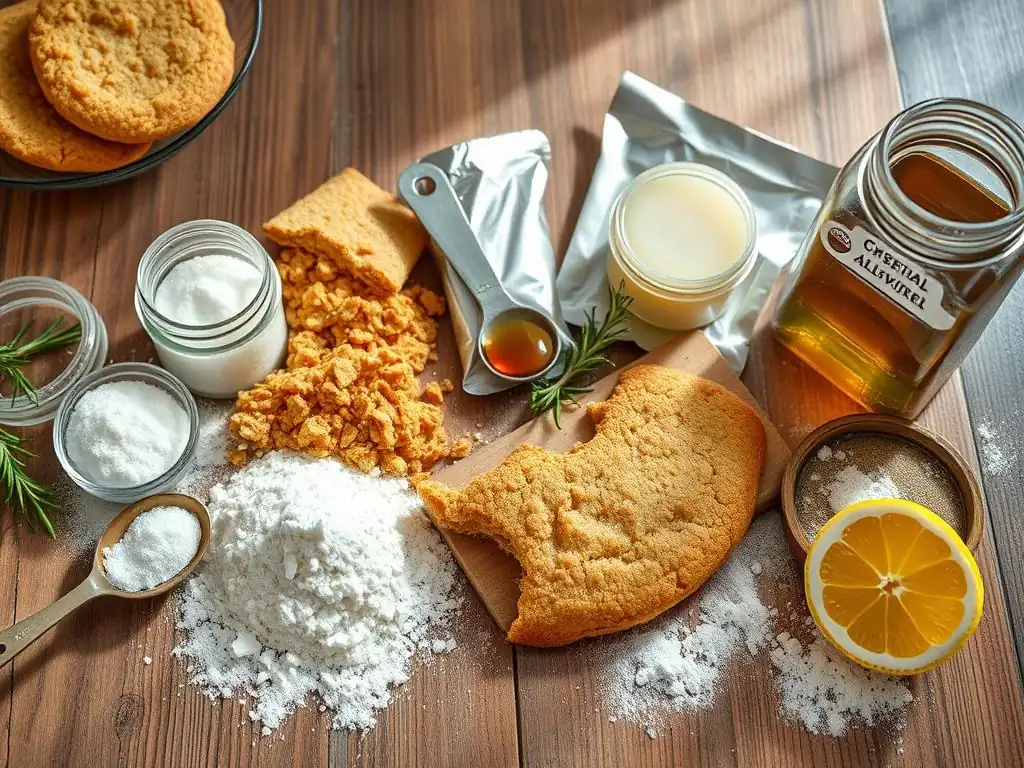
Natural sugar substitutes are derived from plants or found naturally in foods. They often retain some of the characteristics of sugar, such as bulk, but provide sweetness without the same caloric load or glycemic impact as traditional sugar. Understanding the properties of each is key to successfully incorporating them into sugar substitutes baking recipes.
These substitutes are popular among those seeking less processed options or ingredients perceived as healthier. However, "natural" doesn't always mean calorie-free or without impact on blood sugar. Honey and maple syrup, for example, are natural sweeteners but still contain calories and affect blood sugar, albeit differently than table sugar. Stevia and monk fruit, on the other hand, are very low in calories and have minimal glycemic impact, making them popular choices for truly low-sugar or sugar-free baking.
Stevia: Baking with Stevia - Advantages and Disadvantages
Stevia is a natural sweetener extracted from the leaves of the Stevia rebaudiana plant. Its primary sweetening compounds are steviol glycosides, which can be 200-400 times sweeter than sugar. The advantage of using stevia in sugar substitutes baking recipes is its zero-calorie nature and negligible effect on blood glucose, making it ideal for individuals managing diabetes or on low-carb diets. It is available in various forms, including liquid drops, powder, and granulated blends, which can affect how it's measured and incorporated into recipes.
However, baking with stevia presents challenges. One major disadvantage is its intense sweetness, which can sometimes have a noticeable aftertaste described as bitter or licorice-like, especially when used in large quantities. It also lacks the bulk and structure that sugar provides in baked goods, meaning recipes often need additional ingredients (like flour or fiber) to compensate for the missing volume. Furthermore, stevia does not caramelize or contribute to browning like sugar does, which affects the color and flavor development of baked items such as cookies and cakes.
Monk Fruit: Baking with Monk Fruit - Considerations for Recipes
Monk fruit sweetener is extracted from the monk fruit (also known as luo han guo), a small round fruit native to Southeast Asia. Its sweetness comes from mogrosides, which are 150-200 times sweeter than sugar. Similar to stevia, monk fruit is virtually calorie-free and does not impact blood sugar levels, making it an excellent option for sugar-free baking recipes. It is often sold in blends with other sweeteners or bulking agents to make it easier to measure and use in place of sugar.
When baking with monk fruit, it's important to consider its concentration and any accompanying ingredients in the blend. Pure monk fruit extract is extremely potent and requires very small amounts, which can be difficult to measure accurately for small batches. Blends containing erythritol or other sugar alcohols add bulk but introduce their own characteristics, such as a cooling sensation or potential digestive issues in some people. Like stevia, monk fruit does not contribute to browning or provide the same structure as sugar, necessitating recipe adjustments for texture and appearance in your sugar substitutes baking recipes.
Honey and Maple Syrup: Using Liquid Sweeteners in Baking – Texture and Flavor Impact
Honey and maple syrup are natural liquid sweeteners that can be used in some sugar substitutes baking recipes, although they are not calorie-free or sugar-free. Honey, produced by bees, is primarily composed of fructose and glucose and is sweeter than sugar by weight. Maple syrup, made from the sap of maple trees, contains sucrose, glucose, and fructose. Both offer distinct flavors that can enhance baked goods, like a warm, earthy note from maple syrup in muffins or a floral sweetness from honey in bread.
Using liquid sweeteners impacts the moisture content and texture of baked goods. Since they add liquid, you may need to reduce other liquids in the recipe to maintain the correct consistency. A general rule of thumb when substituting honey or maple syrup for sugar is to use about 2/3 to 3/4 cup of liquid sweetener for every 1 cup of sugar, while also decreasing the total liquid by about 1/4 cup. Their relatively high fructose content means they brown more quickly than sucrose, so baking temperatures or times may need adjustment to prevent burning, especially in cookies and cakes.
Artificial Sugar Substitutes for Baking
Artificial sugar substitutes are synthetic compounds that provide intense sweetness with minimal or no calories. They have been extensively studied for safety and are approved for use by regulatory bodies in many countries. While offering a simple way to reduce sugar and calories, their use in baking requires understanding their unique properties and limitations.
These substitutes are often much sweeter than sugar, requiring only tiny amounts. This lack of bulk is a major difference compared to sugar, which contributes significantly to the volume and structure of baked goods. Furthermore, not all artificial sweeteners are stable under high heat, which is a crucial factor in baking. Choosing the right artificial sweetener depends on the specific recipe and the desired outcome in terms of sweetness, texture, and stability during baking.
Aspartame: Baking with Aspartame - Best Uses and Limitations
Aspartame is an artificial sweetener composed of two amino acids, aspartic acid and phenylalanine. It is about 200 times sweeter than sugar and is commonly used in diet sodas, chewing gum, and sugar-free desserts. Its primary advantage is providing sweetness with very few calories, making it useful for reducing the overall calorie count in recipes. It is often found in powdered form or as tablets for sweetening beverages or sprinkling over foods.
The major limitation of aspartame in sugar substitutes baking recipes is its heat instability. When heated to high temperatures, as is common in baking, aspartame breaks down and loses its sweetness. This makes it unsuitable for baked goods that require significant oven time, such as cakes, cookies, or bread. Aspartame is best used in recipes that don't involve heat, such as no-bake cheesecakes, puddings, or frostings, where its sweetness can be enjoyed without degradation.
Sucralose: Baking with Sucralose - Heat Stability and Recipe Adjustments
Sucralose is an artificial sweetener derived from sugar molecules, chemically modified to be about 600 times sweeter than sugar. A significant advantage of sucralose for sugar substitutes baking recipes is its excellent heat stability. Unlike aspartame, sucralose retains its sweetness when exposed to high temperatures, making it suitable for a wide range of baked goods, including cakes, muffins, and cookies. It is commonly sold as a granulated sweetener, often blended with maltodextrin to provide bulk and measure cup-for-cup like sugar.
While heat-stable, sucralose doesn't replicate all of sugar's functions in baking. It doesn't contribute to browning, caramelization, or yeast activation. If using a sucralose blend that measures cup-for-cup, the maltodextrin provides some bulk, but the texture of the final product might still differ from sugar-sweetened versions. For instance, cookies made with sucralose might spread less and be less chewy. Adjustments might be needed for moisture and structure, perhaps by adding extra liquid or using ingredients like apple sauce or yogurt to compensate for the lack of sugar's humectant properties.
Saccharin: Baking with Saccharin - Flavor Profile and Potential Issues
Saccharin is one of the oldest artificial sweeteners, discovered in the late 19th century. It is typically 200-700 times sweeter than sugar and is heat-stable, making it theoretically usable in baking. Saccharin is often found in tabletop sweeteners (like Sweet'N Low) and some diet products. Its main benefit is providing sweetness without calories or impacting blood sugar, fitting into sugar substitutes baking recipes aimed at calorie or sugar reduction.
However, saccharin is often associated with a distinct bitter or metallic aftertaste, which can become more pronounced when heated or used in higher concentrations in baked goods. This strong aftertaste is a major reason it's less popular for baking compared to sucralose or even natural alternatives like stevia or monk fruit. While it won't break down in the oven, the flavor profile it imparts can be off-putting in many recipes, particularly those with delicate flavors. Due to this flavor issue, it's generally not the preferred choice for most modern sugar substitutes baking recipes.
Sugar Alcohols for Baking
Sugar alcohols, or polyols, are a type of carbohydrate that are less sweet than sugar and contain fewer calories. They are found naturally in some fruits and vegetables but are also manufactured for use as sweeteners. Unlike sugar, they are not completely absorbed by the body, leading to a lower caloric impact and a reduced effect on blood sugar. They also provide some bulk, which is beneficial in sugar substitutes baking recipes.
Common sugar alcohols used in baking include erythritol, xylitol, maltitol, sorbitol, and mannitol. They can be used alone or in blends with high-intensity sweeteners like stevia or monk fruit to improve flavor and texture. While generally recognized as safe, a common side effect of consuming larger amounts of sugar alcohols is digestive upset, including gas, bloating, and diarrhea, because they are not fully absorbed.
Erythritol: Baking with Erythritol - Cooling Effect and Bulk
Erythritol is a sugar alcohol that is about 60-80% as sweet as sugar but contains almost no calories (around 0.2 calories per gram compared to sugar's 4 calories per gram). It is unique among sugar alcohols because it is largely absorbed in the bloodstream before being excreted unchanged in the urine, meaning it's less likely to cause digestive issues than other sugar alcohols, although some sensitivity exists. Erythritol is often used in sugar substitutes baking recipes because it provides significant bulk, similar to sugar, making it easier to substitute cup-for-cup or with minor adjustments.
A notable characteristic of erythritol is its cooling sensation when dissolved in the mouth, which can be noticeable in certain baked goods like frostings or no-bake items. It also doesn't brown or caramelize like sugar. When used in baking, erythritol can sometimes crystallize upon cooling, resulting in a slightly gritty texture. This can be mitigated by using powdered erythritol or combining it with other sweeteners. Despite these points, its low caloric value, minimal glycemic impact, and bulk make it a popular choice for many low-carb and sugar-free baking applications.
Xylitol: Baking with Xylitol - Potential Digestive Issues and Pet Safety
Xylitol is a sugar alcohol found naturally in many plants, including birch trees, corn cobs, and various fruits and vegetables. It is about as sweet as sugar and has a similar texture, making it a good substitute in many sugar substitutes baking recipes for sweetness and bulk. Xylitol contains about 2.4 calories per gram, roughly 40% fewer calories than sugar, and has a lower glycemic index, causing a slower and less significant rise in blood sugar.
While effective in baking, xylitol is known for causing digestive issues in some people, especially when consumed in larger quantities, as it can have a laxative effect. More critically, xylitol is highly toxic to dogs and other pets. Even small amounts can cause a rapid and dangerous drop in blood sugar (hypoglycemia), liver failure, or even death. Therefore, extreme caution must be exercised when using xylitol in a household with pets, ensuring all baked goods and ingredients are stored securely out of their reach.
Maltitol: Baking with Maltitol - Glycemic Index and Usage in Baked Goods
Maltitol is a sugar alcohol that is about 90% as sweet as sugar. It is often used in sugar-free candies, chocolates, and baked goods because it provides a similar texture and mouthfeel to sugar. Maltitol contains about 2.1 calories per gram and has a glycemic index (GI) lower than sugar (around 35-52 depending on the form, compared to sugar's GI of 65). This makes it a useful option for reducing the glycemic impact of baked goods, though it still affects blood sugar more than erythritol, stevia, or monk fruit.
Like other sugar alcohols, maltitol can cause digestive distress, particularly when consumed in larger quantities. Its GI, while lower than sugar, is still significant enough that it may not be suitable for individuals strictly managing blood sugar levels, such as those with poorly controlled diabetes.
Maltitol provides some browning compared to other sugar alcohols but still won't achieve the same level of caramelization as sugar. It's frequently used in commercially available sugar-free baked goods due to its similarity to sugar in taste and texture, but home bakers should be mindful of its potential side effects and glycemic impact when using it in sugar substitutes baking recipes.
Baking with Sugar Substitutes: Key Considerations
Successfully using sugar substitutes in baking requires more than just a simple swap. Sugar plays multiple roles beyond sweetness, affecting the structure, texture, moisture, and appearance of baked goods. Understanding these functions and how different substitutes interact with them is crucial for achieving desirable results in your sugar substitutes baking recipes.
Adjusting a recipe for a sugar substitute often involves trial and error. Because substitutes vary widely in sweetness and properties, a direct cup-for-cup replacement rarely works perfectly unless the substitute is specifically formulated as a 1:1 blend with bulking agents. Factors like the type of substitute, the amount used, and the specific role sugar plays in the original recipe all influence the outcome. Patience and experimentation are key to mastering the art of sugar-free baking.
Adjusting Recipes for Sugar Substitutes: Conversion Charts and Tips
Converting traditional sugar recipes to use sugar substitutes is one of the most common challenges in sugar-free baking. Since substitutes have different sweetness intensities and densities, simple volume-for-volume swaps are often inaccurate. High-intensity sweeteners like pure stevia or monk fruit require tiny amounts, sometimes just a pinch or a few drops, to match the sweetness of a cup of sugar. Granulated blends of these sweeteners or sugar alcohols like erythritol are often formulated to measure more closely to sugar, but their sweetness might still vary.
Reliable conversion charts are invaluable resources when adapting sugar substitutes baking recipes. These charts provide estimated equivalents for different substitutes based on sweetness. For example, a chart might suggest that 1 cup of sugar can be replaced by approximately 1/2 to 1 teaspoon of pure stevia extract powder, or 1 cup of erythritol blend, or 2/3 cup of liquid sweetener like honey (with liquid adjustments).
However, these are starting points, and taste testing is essential. It's often recommended to start with a slightly lower amount than the chart suggests and add more to taste, as individual sweetness preferences vary. Also, remember that liquid sweeteners add moisture and require reducing other liquids in the recipe, while dry substitutes might need added moisture or fat to prevent dryness.
The Impact of Sugar Substitutes on Texture and Browning
One of the most significant challenges when using sugar substitutes in baking is their impact on texture and browning. Sugar contributes to tenderness, moisture retention, and structure in baked goods. When it melts during baking, it helps create a soft, chewy texture in cookies and a moist crumb in cakes. Sugar also undergoes caramelization at high temperatures, which provides the golden-brown color and rich, complex flavors characteristic of many baked goods like cookie edges or cake crusts.
Most sugar substitutes, especially high-intensity ones like stevia and monk fruit, do not provide this structure or moisture and do not caramelize or brown. This can result in baked goods that are paler, drier, denser, or have a different crumb structure than their sugar-sweetened counterparts.
Sugar alcohols like erythritol add bulk and some moisture but still don't brown like sugar and can sometimes lead to a slightly brittle or crystalline texture. To compensate in sugar substitutes baking recipes, bakers often need to add ingredients like extra fat (butter, oil), moisture (yogurt, applesauce, mashed banana), or binding agents (xanthan gum, psyllium husk) to mimic sugar's textural roles and achieve a more satisfactory result.
Understanding the Role of Sugar in Baking: Moisture, Structure, and Caramelization
Sugar plays several critical roles in baking beyond just providing sweetness. It's a humectant, meaning it attracts and retains moisture, contributing to the moistness and shelf life of baked goods. This is why sugar-free baked goods can sometimes dry out more quickly. Sugar also contributes to the structure by interfering with gluten development in batters and doughs, resulting in a more tender crumb. In recipes like meringues, sugar stabilizes whipped egg whites, allowing them to hold their shape.
Furthermore, sugar contributes to the leavening process in some recipes. When sugar is creamed with butter, it creates air pockets that expand during baking, helping the cake or cookie rise. In yeast breads, sugar feeds the yeast, promoting fermentation and rise. As mentioned earlier, sugar also caramelizes at high temperatures (around 320°F or 160°C), creating appealing brown colors and desirable toasty flavors. Because sugar substitutes typically don't perform these functions, bakers must account for these differences by modifying techniques or adding other ingredients when developing or using sugar substitutes baking recipes.
Common Issues: Dryness, Lack of Browning, and Solutions
Baking with sugar substitutes often leads to predictable challenges, primarily dryness and a lack of browning. Without sugar's humectant properties, baked goods can turn out crumbly, dry, or stale faster. The absence of caramelization means cookies, cakes, and muffins may look pale and lack the depth of flavor that browning provides. Another issue can be a different texture, such as cookies that don't spread or cakes that are denser than expected.
Addressing these issues in sugar substitutes baking recipes requires strategic substitutions and techniques. To combat dryness, increase the amount of moist ingredients like eggs, yogurt, applesauce, or mashed fruit, or add a little extra fat. Using powdered sugar substitutes or blends with bulking agents can help with texture.
To encourage browning, some bakers lightly brush the tops of baked goods with milk or egg wash before baking, or they might bake at a slightly higher temperature for a shorter time (monitoring closely to prevent burning, especially if liquid sweeteners were used). Adding ingredients like molasses (which contains sugar, but a small amount might suffice for color) or using almond flour, which browns more readily than wheat flour, can also help achieve a more appealing color.
Sugar Substitutes and Baking Recipes: Practical Applications
Choosing the right sugar substitute depends heavily on the type of baked good you're making. Different recipes have different requirements for structure, texture, and moisture, making some substitutes better suited than others. Understanding these applications can help you select the best alternative for your specific sugar substitutes baking recipes.
This section explores how various sugar substitutes perform in common baking categories, offering guidance on which ones tend to yield the best results for different types of treats. Keep in mind that personal preference for taste and texture will also play a significant role in your ultimate choice.
Best Sugar Substitutes for Cakes and Cupcakes
For cakes and cupcakes, sugar contributes significantly to moisture, tenderness, and crumb structure. Granulated sugar substitutes that offer bulk are often preferred. Erythritol or blends containing erythritol and high-intensity sweeteners like stevia or monk fruit work well because they provide volume similar to sugar, making it easier to substitute cup-for-cup or with minimal adjustments in your sugar substitutes baking recipes. These substitutes help create a tender crumb, although extra moisture from ingredients like yogurt, sour cream, or oil might be needed to compensate for sugar's humectant properties.
Liquid sweeteners like honey or maple syrup can also be used, but they will significantly alter the flavor profile and require liquid adjustments in the recipe. Artificial sweeteners like heat-stable sucralose (often found in granular blends) are another option, providing sweetness without calories, but they contribute no bulk and might require adding other dry ingredients to maintain the batter's consistency and structure. Experimenting with blends of different substitutes can often yield the best results, combining the bulk of a sugar alcohol with the intense sweetness of stevia or monk fruit to minimize the amount of any single substitute used.
Cookies and brownies rely on sugar for sweetness, texture (chewiness vs. crispness), spread, and browning. This makes sugar substitutes baking recipes for these items particularly challenging. For chewy cookies, sugar's ability to melt and spread is crucial, a function that most substitutes don't replicate. For crisp cookies, sugar caramelization is key.
Sugar alcohols like erythritol or xylitol work reasonably well for providing bulk and some structure in cookies and brownies, but they won't brown or caramelize like sugar. Erythritol can sometimes make cookies slightly brittle or crystalline. Blends containing sugar alcohols and high-intensity sweeteners are often used.
For recipes where browning is important (like the edges of a brownie), some bakers use a small amount of brown sugar or molasses in addition to the substitute, or rely on other ingredients like almond flour that brown naturally. Liquid sweeteners can work but will result in a softer, cakeier texture and may cause excessive spreading if not adjusted properly.
Best Sugar Substitutes for Bread and Muffins
In quick breads like muffins and some yeast breads, sugar contributes to sweetness, moisture, tenderness, and aids in browning the crust. In yeast breads specifically, sugar also serves as food for the yeast, helping the dough rise. For muffins and quick breads, sugar substitutes that provide moisture and tenderness are beneficial. Liquid sweeteners can work, but again, require adjusting other liquids. Granulated blends of sugar alcohols and high-intensity sweeteners are also options for sweetness and some moisture retention.
When making yeast breads with sugar substitutes, you need to ensure the yeast has something to feed on. While some substitutes like maltitol can be partially fermented by yeast, many others (like erythritol, stevia, monk fruit, and artificial sweeteners) cannot. In these cases, a small amount of actual sugar or molasses might be necessary to activate the yeast and achieve a good rise, even if the bulk of the sweetness comes from a substitute. For instance, using 1-2 teaspoons of sugar just for yeast activation in a loaf of bread won't add significant calories but is crucial for leavening.
Let's try a simple adaptation of a classic using sugar substitutes baking recipes principles. This isn't a precise recipe but illustrates the approach:
Ingredients (Example Adaptation):
- 1/2 cup Unsalted Butter, softened
- 1 cup Granulated Erythritol (or a blend of Erythritol/Stevia or Erythritol/Monk Fruit)
- 1 large Egg
- 1 teaspoon Vanilla Extract
- 2 cups Almond Flour
- 1/2 teaspoon Baking Soda
- 1/4 teaspoon Salt
- 1/2 cup Sugar-Free Chocolate Chips (check sweetener used)
Instructions (Simplified):
- Preheat oven to around 350°F (175°C).
- Cream softened butter with the erythritol until combined. Note that erythritol won't cream exactly like sugar; it won't create the same fluffy volume.
- Beat in the egg and vanilla extract.
- In a separate bowl, whisk together almond flour, baking soda, and salt.
- Gradually add dry ingredients to wet ingredients, mixing until just combined.
- Stir in sugar-free chocolate chips.
- Drop spoonfuls onto a baking sheet lined with parchment paper. Note that these cookies might not spread as much as traditional ones.
- Bake for approximately 10-12 minutes, or until edges are lightly golden (remember erythritol doesn't brown much, so rely more on visual cues like edges firming up) and centers look set.
- Let cool on the baking sheet for a few minutes before transferring to a wire rack.
Self-Correction Note: This recipe uses almond flour which helps with texture and some browning, and erythritol for sweetness and bulk. It demonstrates how substitutes are combined and how expectations for browning and spread might differ from traditional cookies.
Potential Downsides of Using Sugar Substitutes in Baking
While sugar substitutes offer exciting possibilities for creating lower-sugar or sugar-free treats, it's important to be aware of potential drawbacks. These can range from physical effects to flavor issues and even cost. Understanding these potential downsides helps in making informed choices about which substitutes to use and in what quantities in your sugar substitutes baking recipes.
Being prepared for these issues can prevent disappointment and ensure a better experience. For instance, knowing that a particular substitute might cause digestive upset can lead you to use it sparingly or choose an alternative. Similarly, anticipating a potential aftertaste allows you to adjust flavorings in the recipe to compensate.
Digestive Issues and Sugar Substitutes
One of the most common downsides associated with sugar substitutes, particularly sugar alcohols like xylitol, maltitol, and sorbitol, is their potential to cause digestive issues. Because these compounds are not fully absorbed in the small intestine, they pass into the large intestine where they are fermented by bacteria. This fermentation process can produce gas, leading to bloating, cramps, and flatulence. Furthermore, their presence in the colon can draw water into the intestines, resulting in a laxative effect.
The severity of these digestive symptoms varies greatly among individuals and depends on the type and amount of sugar alcohol consumed. Erythritol is generally better tolerated in larger amounts than xylitol or maltitol. However, even erythritol can cause issues for sensitive individuals or when consumed in very high quantities. When using sugar alcohols in sugar substitutes baking recipes, it's wise to start with smaller amounts or consume the finished baked goods in moderation to assess your personal tolerance.
The Aftertaste Factor: Choosing the Right Substitute
Many high-intensity sugar substitutes, both natural and artificial, can leave a distinct aftertaste, which is often described as bitter, metallic, or simply "off." Stevia is frequently noted for a licorice-like aftertaste, while saccharin is known for a metallic bitterness. Even some sugar alcohols or blends can have a cooling sensation (like erythritol) or a lingering sweetness that differs from sugar. This aftertaste can be a major deterrent for people trying sugar-free baked goods.
The perception of aftertaste is highly individual. What one person finds unpleasant, another might not notice. The intensity of the aftertaste often increases with the concentration of the substitute used. This is one reason why blends of different sweeteners are popular in sugar substitutes baking recipes; combining a sugar alcohol for bulk with a high-intensity sweetener reduces the amount of the high-intensity sweetener needed, potentially minimizing the aftertaste. Pairing substitutes with strong flavors like chocolate, citrus, or spices can also help mask unwanted notes. Experimentation is key to finding the substitute or blend that tastes best to you.
Cost Considerations: Are Sugar Substitutes More Expensive?
The cost of sugar substitutes can be significantly higher than that of traditional granulated sugar. While a standard bag of sugar might cost a few dollars, a comparable quantity of specialty sugar substitutes like erythritol, xylitol, or blends of stevia/monk fruit can cost several times more per pound or per equivalent sweetness. For example, a pound of erythritol might cost roughly $5-10 or more, whereas a pound of sugar is typically less than $1.
This higher cost can be a barrier for home bakers looking to frequently use sugar substitutes in their baking recipes. The expense is often due to the complex extraction or manufacturing processes involved in producing these sweeteners. While the cost may decrease as production scales up and popularity grows, it's a factor to consider when budgeting for sugar-free baking. However, for those prioritizing health benefits or dietary needs, the added cost is often viewed as a necessary investment. Shopping in bulk or looking for sales can help mitigate some of this expense.
Making Informed Choices: Choosing the Right Sugar Substitute for Your Baking Needs
Selecting the best sugar substitute for your baking projects involves weighing various factors, including your dietary goals, health considerations, taste preferences, and the specific requirements of the recipe. There's no single "perfect" substitute for all sugar substitutes baking recipes; the ideal choice is often a compromise based on what's most important to you.
Taking the time to understand the properties and potential effects of different substitutes will empower you to make the best decisions for your baking and your health. It's about finding the balance between achieving the desired sweetness and texture in your baked goods while meeting your personal health and taste requirements.
Considering Dietary Restrictions and Health Goals
The primary driver for using sugar substitutes is often related to dietary restrictions or health goals. Individuals managing diabetes will prioritize substitutes with minimal to no impact on blood sugar, making stevia, monk fruit, or erythritol good choices. Those on low-carb or ketogenic diets will similarly favor these non-caloric or very low-calorie options. People sensitive to sugar alcohols might need to avoid them or choose erythritol, which is generally better tolerated.
If your goal is simply to reduce overall sugar intake rather than eliminate it entirely, using a smaller amount of sugar in combination with a substitute, or using natural liquid sweeteners like honey or maple syrup in moderation, might be acceptable. Always consider any specific medical advice you've received regarding sugar intake and blood sugar management when choosing substitutes for your sugar substitutes baking recipes. Understanding the glycemic index and caloric content of each option is crucial.
Taste Preferences and Experimentation
Ultimately, the success of using sugar substitutes in baking often comes down to taste. Different substitutes have unique flavor profiles and potential aftertastes that are perceived differently by each person. What tastes pleasant to one baker might be off-putting to another. This makes personal taste preference a critical factor in choosing a substitute.
Experimentation is the best way to discover which sugar substitutes you prefer in different types of baked goods. Start by trying a few different options in simple sugar substitutes baking recipes, like basic muffins or cookies. Pay attention to the sweetness level, any lingering aftertaste, and how the substitute affects the overall flavor of the finished product. Don't be afraid to try blends or combine different substitutes to achieve a more balanced sweetness and minimize unwanted flavors. Keeping notes on your experiments can help you remember which substitutes worked best for which applications.
BakeWithEase's Dedication to Providing Reliable Baking Information
At BakeWithEase.com, we are dedicated to being your trusted source for reliable, practical, and inspiring baking information, including the complex world of sugar substitutes baking recipes. We understand that navigating the options and challenges can be overwhelming, which is why we strive to provide clear explanations, detailed guides, and tested recipes that incorporate sugar substitutes.
Our content is designed to help you make informed choices based on accurate information about the properties, uses, and potential downsides of different sweeteners. We aim to demystify sugar-free baking, offering tips and techniques to help you achieve delicious results that meet your dietary needs and taste preferences. We continuously research and update our resources to ensure you have access to the most current and helpful information available, supporting you every step of the way in your sugar-conscious baking journey.
Conclusion: Embracing Sugar Substitutes in Your Baking Journey
Exploring sugar substitutes in baking opens up a world of possibilities for creating delicious treats that align with various dietary needs and health goals. While sugar substitutes don't perfectly replicate the functions of traditional sugar, understanding their properties and how to use them effectively allows you to adapt classic recipes or discover new favorites. From managing blood sugar levels to reducing caloric intake, incorporating sugar alternatives into your baking can be a rewarding endeavor.
The Future of Sugar-Conscious Baking
The trend towards reduced sugar consumption is set to continue, driving innovation in the development and application of sugar substitutes. As research progresses, we may see new sweeteners emerge with improved taste profiles, better baking performance, and fewer potential side effects. The demand for well-crafted sugar substitutes baking recipes will also grow, leading to more refined techniques and specialized ingredients becoming widely available. The future of baking is increasingly inclusive, offering options for everyone to enjoy baked goods, regardless of their dietary choices.
We invite you to become an active part of the BakeWithEase community! As you experiment with sugar substitutes baking recipes, we encourage you to share your experiences, ask questions, and connect with fellow bakers on our forum. Whether you've perfected a sugar-free cookie or encountered a challenge with a cake, your insights can help others on their baking journey. Let's learn and grow together in the wonderful world of baking!
Frequently Asked Questions
What are some common sugar substitutes used in baking?
Common sugar substitutes include artificial sweeteners like aspartame and sucralose, as well as natural alternatives such as stevia, erythritol, and monk fruit. These all offer different sweetness levels and baking properties.
How do sugar substitutes affect the texture of baked goods?
Sugar contributes to moisture and browning. Using substitutes can lead to drier or less browned results. Some substitutes may require adjustments to liquid or binding agents in the recipe.
Can I substitute sugar one-to-one with any sugar substitute in baking recipes?
No, one-to-one substitutions are rarely accurate. Sweetness levels vary significantly between sugar and its substitutes. Always consult conversion charts or recipe-specific instructions for accurate measurements.
What are the potential health concerns associated with using sugar substitutes?
Some individuals may experience digestive issues or other adverse reactions to certain sugar substitutes. Research the potential side effects of any substitute before using it regularly in baking.
Where can I find reliable "sugar substitutes baking recipes"?
BakeWithEase.com offers a variety of tested and reliable recipes specifically designed for use with sugar substitutes. Our step-by-step guides ensure successful baking outcomes even with alternative sweeteners.
Final Reflection: The Sweet Truth and the Baking Future
The pervasive presence of sugar substitutes in modern baking reflects a growing awareness of health concerns, yet understanding their true impact remains crucial. The sheer volume of products available, each with its own unique properties and potential drawbacks, underscores the need for informed choices in the kitchen. We've explored the complexities of these alternatives, from the familiar artificial sweeteners to the more natural options, revealing that a simple "better" or "worse" label often falls short.
This journey into the world of sugar substitutes has highlighted the ongoing tension between our desire for sweet treats and our pursuit of healthier lifestyles. The very act of baking, a tradition passed down through generations, is now intertwined with complex considerations of nutritional value and long-term health. The best way to find yourself is to lose yourself in the service of others,
while not directly about baking, speaks to the deeper meaning we find in creating and sharing food, a meaning that should extend to the ingredients we choose. The impact of these choices, both individually and collectively, on our health and the environment, is a conversation that deserves continued attention.
Consider the recipes you bake, the ingredients you select, and the impact those choices have on your well-being and the planet. You are not simply following a recipe; you are actively participating in a culinary and cultural evolution. Embrace the knowledge gained here, experiment with different sugar substitutes, and most importantly, listen to your body and your conscience. The future of baking is not about eliminating sweetness, but about finding a balance – a harmonious blend of taste, health, and sustainability. Let's bake a better future, one delicious recipe at a time.
Unlock Your Baking Potential: Sweeten Your Success!
Thanks for taking the time to explore the world of sugar substitutes with us! We hope you gained valuable insights into healthier baking options. Now, let's put that knowledge into action:
- Experiment with a new sugar substitute recipe today! Challenge yourself to replace sugar in your favorite recipe – you might discover a delicious new favorite.
- Share your baking triumphs (and even your flops!) in the comments below. Let's build a supportive community of bakers exploring healthier alternatives together!
- Consider exploring alternative sweeteners you haven't tried before. Research their unique properties and how they might fit into your baking style.
Ready to revolutionize your baking routine? What's the first recipe you're going to try with a sugar substitute?