
No Lift? Fix Flat Vegan Cakes with These Substitutes

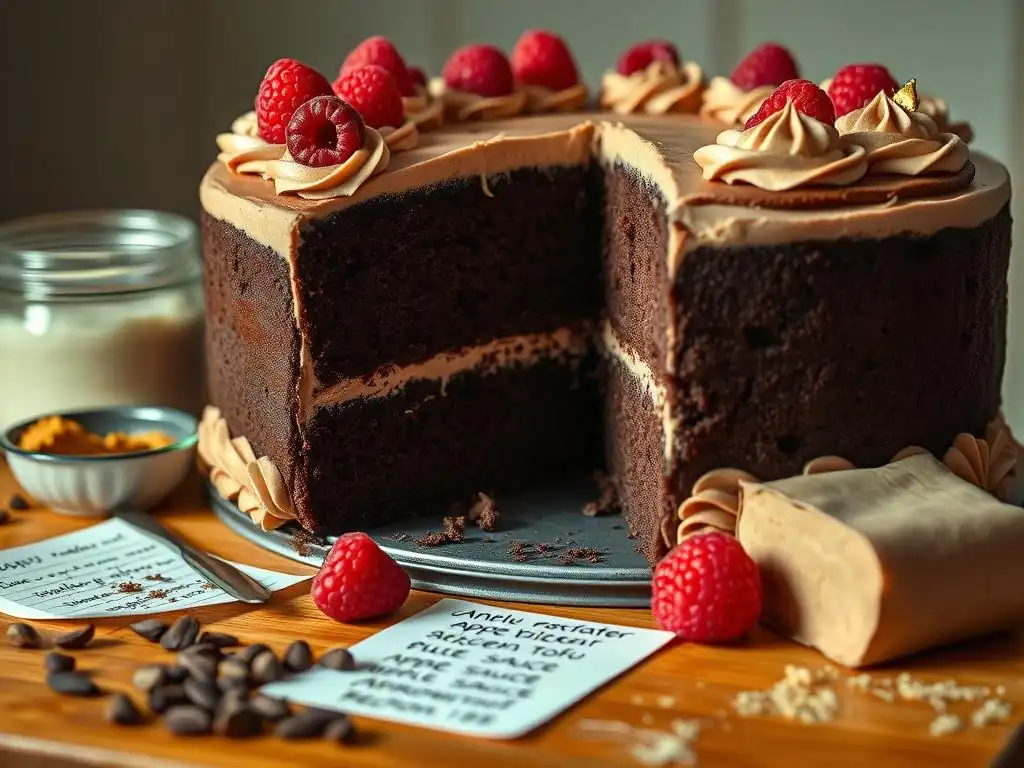
Welcome to BakeWithEase, your haven for all things baking! Ever wonder why your vegan cake refuses to rise, leaving you with a dishearteningly flat result? This article dives deep into the science behind achieving that perfect fluffy texture, offering ingenious substitutes and techniques to conquer the dreaded vegan cake flat fix. Read on to unlock the secrets and transform your baking game!
- No Lift? Fix Flat Vegan Cakes with These Substitutes - BakeWithEase
- Understanding Why Your Vegan Cake is Flat
- The Ultimate Vegan Cake Flat Fix: Ingredient Substitutions
- Mastering Vegan Cake Baking Techniques for Optimal Lift
- Troubleshooting Common Vegan Cake Problems: Beyond Flatness
- Vegan Cake Flat Fix Recipe Adjustments: Examples and Applications
- Advanced Vegan Cake Baking Techniques for Professional Results
- Achieving Vegan Cake Perfection: Final Thoughts and Tips
-
Frequently Asked Questions
- What are the most common reasons why a vegan cake might turn out flat?
- What are some easy ingredient substitutes that can help improve the lift in a vegan cake?
- How does gluten-free flour affect the rise of a vegan cake, and what can I do to compensate?
- How important is the oven temperature when baking a vegan cake, and what temperature is ideal?
- Can overmixing the batter cause a vegan cake to be flat, and if so, how can I avoid it?
- Final Reflection: The Sweet Triumph Over Flat Vegan Cakes
- Rediscover Your Baking Magic: Fluffy Vegan Cakes Await!
No Lift? Fix Flat Vegan Cakes with These Substitutes - BakeWithEase
Understanding Why Your Vegan Cake is Flat
Baking a beautiful, airy vegan cake can sometimes feel like a mystery, especially when you pull a flat, dense creation from the oven. Understanding the unique challenges of vegan baking is the first step to achieving that perfect rise and texture. Unlike traditional cakes, vegan cakes lack common structural components like eggs and dairy, which means we rely heavily on alternative ingredients and precise techniques to get that desirable lift.
Solving the puzzle of a flat vegan cake requires a bit of detective work. It could be an issue with your leavening agents, the way you mixed the batter, or even your oven temperature. Pinpointing the exact cause is crucial for applying the right vegan cake flat fix. This guide will walk you through the science and common pitfalls to help you troubleshoot and master the art of baking light and fluffy vegan cakes every time.
The Science Behind Vegan Cake Baking Challenges
Vegan baking presents unique scientific hurdles compared to traditional baking. Eggs, for instance, serve multiple crucial roles: they bind ingredients together, provide structure through protein coagulation, and contribute to leavening when whipped. Dairy products add fat for richness and moisture, and proteins like casein contribute to structure and browning. Without these, vegan recipes must find alternative ways to achieve binding, structure, moisture, and lift.
This often involves combining different plant-based ingredients that can mimic some of these functions. For example, starches from flaxseed or chia seeds can create a gel-like binder, while fats from plant-based butters or oils add moisture. Leavening is typically achieved through chemical reactions between acids (like vinegar or lemon juice) and bases (like baking soda), or through double-acting baking powder. Mastering the balance and interaction of these ingredients is key to preventing a vegan cake flat.
Common Reasons for Flat Vegan Cakes
Several factors can contribute to a flat vegan cake. One primary reason is the absence of traditional binding and leavening agents, which requires careful substitution. If the substitutes aren't used correctly or in the right proportions, the cake won't develop the necessary structure or trap enough gas bubbles to rise.
Another frequent culprit is improper technique. Overmixing can develop too much gluten (if flour with gluten is used) or simply deflate the air bubbles created by leavening agents. Conversely, undermixing can leave ingredients unevenly distributed, leading to dense pockets. Oven temperature is also critical; an oven that's too cool won't activate leavening agents properly, while one that's too hot might set the crust too quickly before the interior has time to rise. Addressing these common issues is fundamental to any effective vegan cake flat fix.
Lack of Gluten Structure in Vegan Cakes
While many vegan recipes use wheat flour containing gluten, the absence of eggs means the gluten structure isn't reinforced in the same way. Gluten provides a protein network that traps gases produced by leavening agents, allowing the cake to rise and hold its shape. Without the support from egg proteins, this gluten network can be weaker.
Some vegan recipes intentionally use gluten-free flours, which completely lack this structure. In such cases, binders like xanthan gum (typically 0.25-0.5% by weight of flour) or psyllium husk become essential to provide some semblance of structure and prevent the cake from collapsing. Understanding the role of gluten and how to compensate for its reduced effectiveness or absence is vital for a successful vegan cake flat fix.
Insufficient Leavening Agents in Vegan Baking
Leavening agents are the engines of cake lift, producing carbon dioxide gas that expands when heated, causing the batter to rise. In vegan baking, reliance is typically placed on baking soda and baking powder. If the recipe doesn't contain enough leavening relative to the weight of the flour and liquid, or if the leavening agents are old and no longer active, the cake simply won't rise adequately.
A common issue is using only baking soda without sufficient acid to react with it, or using single-acting baking powder incorrectly. Recipes often require a specific balance of acid (like vinegar, lemon juice, buttermilk alternative, or brown sugar) and baking soda to ensure a complete reaction. Using approximately 1 teaspoon of baking soda per cup of flour, paired with adequate acid, or using a sufficient quantity of fresh double-acting baking powder (often 1-1.5 teaspoons per cup of flour) is crucial for preventing a vegan cake flat.
Incorrect Mixing Techniques for Vegan Cakes
Mixing technique plays a significant role in a vegan cake's final texture and lift. Overmixing can lead to a tough, dense cake, especially when using wheat flour, as it develops the gluten too much. It can also deflate the precious air bubbles incorporated by creaming or chemical leavening. Vegan batters often require a lighter touch after the wet and dry ingredients are combined.
Conversely, undermixing can result in streaks of unmixed flour or leavening, leading to uneven rising and a potentially flat or lopsided cake. The goal is usually to mix just until the ingredients are combined and no dry streaks remain, often about 30-60 seconds on low speed after adding wet to dry. Mastering this balance is a key technique for achieving a good vegan cake flat fix.
The Ultimate Vegan Cake Flat Fix: Ingredient Substitutions
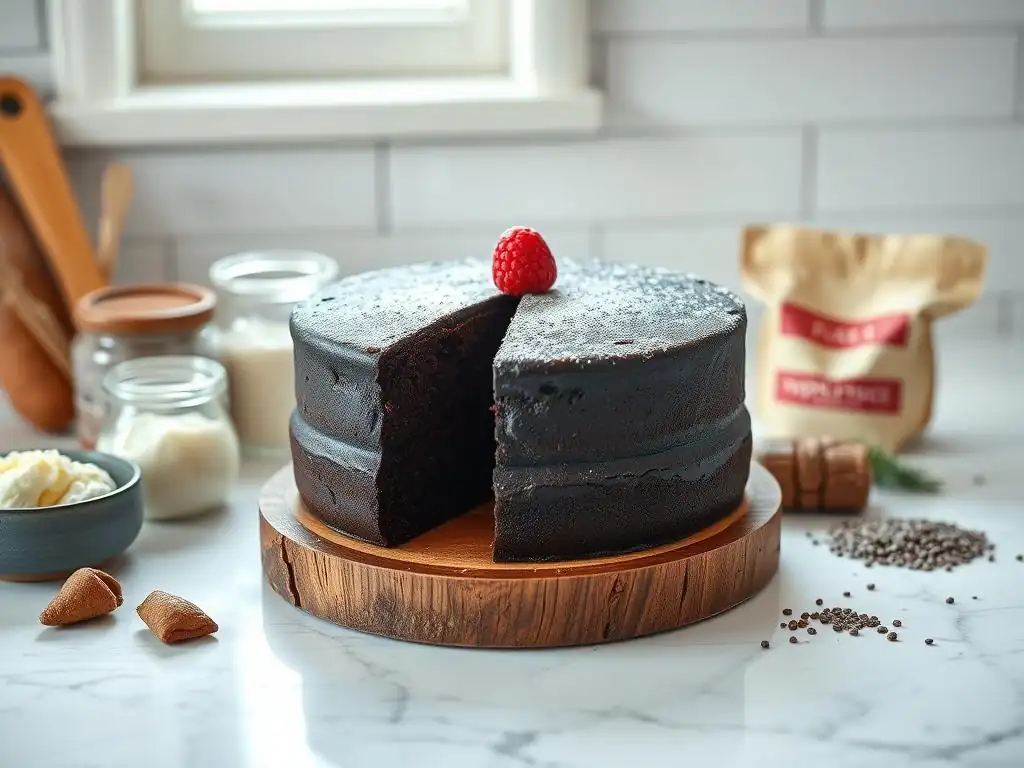
When your vegan cake consistently turns out flat, the ingredients themselves are often the first place to look for a vegan cake flat fix. Strategic substitutions can dramatically improve texture and lift by providing the necessary binding, moisture, and leavening power that are missing when animal products are omitted.
Experimenting with different substitutes is part of the journey in vegan baking. What works perfectly in one recipe might not be ideal in another. Understanding the properties of common vegan substitutes allows you to choose the best option for your specific cake type, ensuring better structure and a higher rise.
Replacing Eggs for Vegan Cake Lift
Eggs perform multiple functions in traditional cakes, including binding, providing moisture, contributing fat, and aiding in leavening. Replacing these functions in vegan baking is critical for preventing a vegan cake flat. No single ingredient can perfectly replicate all roles of an egg, so often a combination of substitutes or a carefully chosen single substitute is needed depending on the recipe's requirements.
Common egg substitutes include fruit purées, ground seeds mixed with water, commercial egg replacers, and aquafaba. Each offers different benefits, such as moisture (fruit purées), binding (flax or chia), or the ability to trap air (aquafaba). Selecting the appropriate substitute based on the desired outcome – whether it's a dense loaf cake or a light sponge – is a key step in a successful vegan cake flat fix.
Applesauce as an Egg Substitute for Moist Vegan Cakes
Unsweetened applesauce is a popular vegan egg substitute, particularly valued for the moisture it adds to cakes. It works well as a binder due to its pectin content, helping to hold ingredients together. A common ratio is 1/4 cup (about 60g) of applesauce per egg replaced.
While applesauce adds moisture and some binding, it provides very little leavening or structural support on its own. Using applesauce as the sole egg replacer in a recipe that relies heavily on eggs for structure (like a sponge cake) may result in a flatter, denser cake. It is best used in recipes like muffins, quick breads, or denser cakes where moisture is a priority and leavening is primarily handled by baking soda/powder. For a more complete vegan cake flat fix in lighter cakes, consider pairing applesauce with another substitute.
Flaxseed Meal: A Binding Agent for Vegan Cake Structure
Flaxseed meal, often referred to as a "flax egg," is an excellent binder in vegan baking. When 1 tablespoon (about 7g) of ground flaxseed is mixed with 3 tablespoons (about 45ml) of water and allowed to sit for 5-10 minutes, it forms a gelatinous mixture that effectively mimics the binding properties of an egg. This helps hold the cake together and prevents crumbling.
Flax eggs contribute good structure and some moisture but offer minimal leavening. They can make cakes slightly denser or chewier than those made with eggs. Flaxseed meal is particularly effective in heartier cakes, muffins, or cookies where a slightly denser texture is acceptable. Using it as a binder alongside robust chemical leavening is a good strategy for a vegan cake flat fix when structure is a primary concern.
Aquafaba: The Vegan Meringue Secret for Cake Volume
Aquafaba, the liquid from a can of chickpeas or other white legumes, is perhaps the most remarkable vegan egg substitute for achieving lift and aeration. When whipped, similar to egg whites, aquafaba can form stiff peaks, creating a stable foam capable of incorporating and holding significant amounts of air.
This whipped aquafaba can be gently folded into cake batters to add lightness and volume, making it an exceptional vegan cake flat fix for recipes like sponges, meringues, or even lighter butter cakes. A general guideline is 3 tablespoons (about 45g) of unwhipped aquafaba per egg, or using the whipped foam equivalent. While it provides excellent lift, aquafaba offers less binding and fat than a whole egg, so it's often used in conjunction with other ingredients that provide moisture and structure.
Boosting Leavening Power in Vegan Baking
Adequate and active leavening is arguably the most critical component for preventing a vegan cake flat. Vegan recipes rely entirely on chemical leavening agents to produce the gases needed for rise. Understanding the difference between baking soda and baking powder and how to use them effectively is paramount.
Sometimes, simply increasing the amount of leavening isn't the answer; it can lead to a bitter taste or a cake that rises quickly and then collapses. The key is ensuring the leavening agents are fresh, used in the correct proportions relative to other ingredients, and properly activated within the batter. This section explores how to maximize your leavening for optimal vegan cake lift.
Baking Soda vs. Baking Powder for Vegan Cakes: Understanding the Difference
Baking soda (sodium bicarbonate) is a base. It requires an acid to react and produce carbon dioxide gas. Common acids in vegan baking include vinegar, lemon juice, plant-based yogurt, brown sugar, molasses, and cocoa powder (natural, not Dutch-processed). The reaction is immediate once the wet and dry ingredients are combined.
Baking powder is a complete leavening system, containing both a base (baking soda) and an acid (often cream of tartar or sodium aluminum sulfate), along with a starch (like cornstarch) to keep them separate. Most baking powders are "double-acting," meaning they produce a small amount of gas when mixed with liquid, and a second, larger amount of gas when heated in the oven. This provides a more sustained lift. For a reliable vegan cake flat fix, using fresh, double-acting baking powder is often recommended as it's less reliant on other acidic ingredients in the recipe for its primary lift.
Using Vinegar or Lemon Juice to Activate Baking Soda in Vegan Recipes
When a recipe calls for baking soda but lacks sufficient acidic ingredients to react with it fully, adding a small amount of acid like vinegar or lemon juice can provide a significant vegan cake flat fix. The reaction between baking soda and a strong acid is vigorous and produces a good amount of carbon dioxide quickly.
A common ratio is 1 teaspoon (about 5g) of baking soda to 1 tablespoon (about 15ml) of white vinegar or lemon juice, which can replace one egg's worth of leavening power in some contexts. This mixture is typically combined with the wet ingredients just before adding them to the dry, and the batter should be transferred to the oven relatively quickly to capture the initial burst of gas. This technique is particularly effective in recipes that also use plant-based milk, which is slightly acidic when cultured (like buttermilk substitutes made with vinegar).
Double-Acting Baking Powder for Consistent Vegan Cake Rise
Double-acting baking powder is a reliable workhorse for vegan cake lift. Its two-stage leavening process means you get a little lift during mixing and waiting, and a significant boost once the cake hits the heat of the oven. This provides a more sustained and often higher rise compared to relying solely on baking soda and a single acid.
Ensure your baking powder is fresh; check the expiration date or test a small amount by adding a teaspoon to hot water – it should bubble vigorously. For most standard vegan cake recipes, using 1 to 1.5 teaspoons of fresh double-acting baking powder per cup (about 120g) of flour is a good starting point to ensure adequate leavening and prevent a vegan cake flat. Some recipes might require slightly more depending on the heaviness of the batter.
Mastering Vegan Cake Baking Techniques for Optimal Lift
Beyond ingredient substitutions, the techniques you employ in mixing and baking your vegan cake are equally critical for achieving optimal lift and preventing a vegan cake flat. Even the best ingredients can't compensate for improper handling of the batter or incorrect oven conditions.
Paying close attention to how you combine ingredients, the temperature of your oven, and the baking time can make a dramatic difference in the final outcome. These techniques ensure that the leavening agents perform effectively and the cake structure sets correctly to support the rise.
The Importance of Proper Mixing for Vegan Cake Texture
Mixing is not just about combining ingredients; it's about developing structure and incorporating air. For vegan cakes, the mixing method needs to account for the lack of traditional egg-based structure. Overmixing can toughen cakes made with gluten-containing flour and deflate air bubbles, while undermixing leads to uneven texture and potential flatness.
Different mixing methods exist, but many vegan cakes benefit from a modified creaming method or a simple whisk-together approach for ease and to minimize gluten development. The goal is always a smooth, homogenous batter without overworking it. This careful handling is a vital part of the vegan cake flat fix process.
Creaming Vegan Butter and Sugar Alternatives
The creaming method involves beating softened vegan butter (or other solid fat) with sugar until light and fluffy. This process incorporates tiny air pockets into the fat, which expand during baking and contribute significantly to the cake's lift and tender texture. While traditional creaming relies on egg proteins to stabilize this airy structure, it still adds valuable aeration in vegan baking.
Use softened, but not melted, vegan butter or shortening. Cream it with the sugar for several minutes (often 3-5 minutes on medium speed with a stand mixer) until the mixture is noticeably lighter in color and volume. This initial aeration provides a foundation for lift, helping to prevent a vegan cake flat from the outset.
Avoiding Overmixing Vegan Cake Batter
Once the wet and dry ingredients are combined, the potential for overmixing becomes high, especially when using wheat flour. Overmixing develops gluten, leading to a tough, dense texture. It also risks deflating the air bubbles created by creaming and leavening agents, which directly contributes to a vegan cake flat.
Mix the wet and dry ingredients together only until just combined. Stop mixing as soon as you no longer see streaks of dry flour, usually within 30-60 seconds on low speed or a few gentle folds by hand. A few small lumps are acceptable; they will often dissolve during baking. Gentle handling of the batter preserves the delicate structure needed for a light and airy vegan cake.
Oven Temperature and Baking Time: Critical Factors for Vegan Cake Success
The oven is where the magic (or disaster) happens. Incorrect oven temperature or baking time can completely sabotage your efforts, even if your batter was perfect. The heat activates the final stage of double-acting baking powder leavening and sets the cake's structure.
An oven that is too cool will not provide enough heat to properly activate leavening agents or set the structure before the gases escape, resulting in a vegan cake flat. An oven that is too hot can cause the cake to dome excessively and potentially crack, or set the crust too quickly before the inside has time to cook through and rise fully. Accurate temperature and timing are non-negotiable for a successful bake.
Calibrating Your Oven for Even Vegan Cake Baking
Oven temperatures can be notoriously inaccurate, often deviating by 25°F (about 14°C) or more from the setting. Using an inexpensive oven thermometer placed inside your oven is the best way to know its true temperature. If your oven consistently runs hot or cold, you'll need to adjust the temperature setting accordingly to match the temperature specified in the recipe.
Baking at the correct temperature ensures that the leavening agents work as intended and the cake bakes evenly from edge to center. For example, if a recipe calls for 350°F (175°C) and your oven thermometer reads 325°F (160°C), you'll likely end up with a vegan cake flat or dense cake because the leavening wasn't sufficiently activated. Adjusting your oven to hit the target temperature is a simple yet effective vegan cake flat fix.
Testing for Doneness in Vegan Cakes
Knowing when your vegan cake is perfectly baked is crucial. Undercooked cakes can collapse in the center after cooling, leading to a vegan cake flat, while overcooked cakes can be dry. Baking time is always an estimate; rely on visual cues and the skewer test.
Most cakes are done when the edges pull slightly away from the pan and the top springs back gently when lightly pressed. The most reliable test is inserting a toothpick, wooden skewer, or cake tester into the center of the cake. It should come out clean or with a few moist crumbs attached, but no wet batter. If you see wet batter, continue baking for a few more minutes and test again.
Troubleshooting Common Vegan Cake Problems: Beyond Flatness
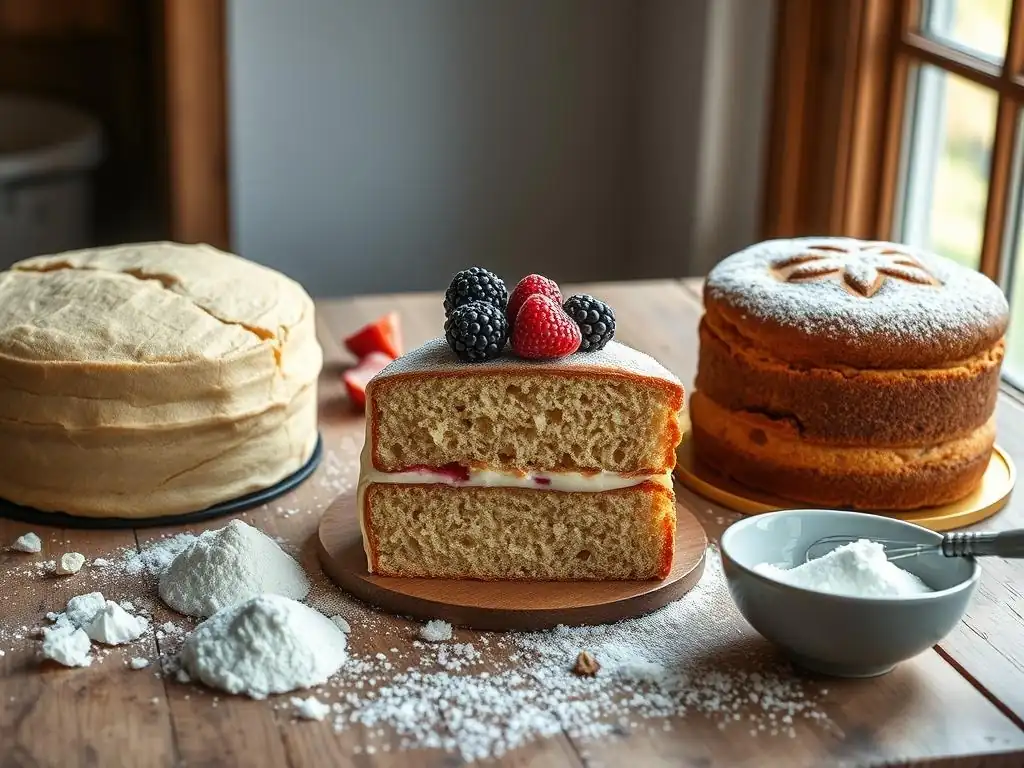
While a vegan cake flat is a common issue, vegan bakers can encounter other texture problems. Understanding the causes of dense, gummy, dry, or crumbly cakes allows for targeted adjustments in ingredients or technique to achieve the desired result.
Each texture issue points to different underlying causes, often related to the balance of wet and dry ingredients, the amount and type of fat and binder used, or mixing errors. Addressing these problems systematically will elevate your vegan baking skills.
Dealing with Dense and Gummy Vegan Cakes
Dense and gummy textures in vegan cakes are often related to overmixing (developing too much gluten), using too much binder (like flax or commercial egg replacers), insufficient leavening, or too much liquid relative to dry ingredients. A heavy batter with inadequate lift will invariably result in a dense crumb.
To combat this, ensure you are mixing only until just combined. Check your leavening agents for freshness and use the correct amounts of baking soda and baking powder, potentially activating baking soda with an acid source. Review your egg substitute; if using multiple flax eggs in a recipe designed for fewer eggs, you might be adding too much binding. Adjusting the liquid-to-dry ratio slightly can also help achieve a lighter texture. A good vegan cake flat fix often addresses potential density issues simultaneously.
Preventing Dry and Crumbly Vegan Cakes
Dryness and crumbling typically stem from too little moisture or fat in the recipe, or overbaking. Vegan cakes can be prone to dryness without the fat and moisture from eggs and dairy. Using insufficient amounts of liquid, oil, or plant-based butter will result in a dry crumb.
Ensure you are using the correct amount of fat (oil, melted vegan butter, or shortening) as specified in the recipe. Moisture can come from plant-based milk, fruit purées (like applesauce or banana), or yogurt alternatives. Don't reduce sugar, as sugar also retains moisture. Finally, avoid overbaking; use the skewer test and remove the cake from the oven as soon as it's done. Small adjustments to moisture and fat levels can significantly improve texture and prevent a dry, crumbly vegan cake flat.
Achieving the Perfect Vegan Cake Texture
The "perfect" vegan cake texture is subjective but generally implies a crumb that is moist, tender, and light, with good structure that holds its shape. Achieving this requires a balance of all the factors discussed: appropriate ingredient substitutions for binding, moisture, and fat; sufficient and active leavening for lift; and proper mixing and baking techniques.
It often takes practice and experimentation to find the right combination for a specific recipe or your personal preferences. Pay attention to the recipe's ratios, the freshness of your ingredients, and the accuracy of your oven. With careful attention to these details, you can consistently achieve a delightful texture and avoid a vegan cake flat.
Vegan Cake Flat Fix Recipe Adjustments: Examples and Applications
Applying the knowledge of substitutions and techniques to actual recipes is the most practical vegan cake flat fix. This involves understanding how to convert traditional recipes or how to ensure existing vegan recipes are optimized for lift and texture.
Seeing how these principles are applied in practice can help demystify the process and provide concrete examples for your own baking adventures. We'll look at converting a traditional recipe and provide a sample vegan recipe incorporating lift-boosting strategies.
Converting Traditional Cake Recipes to Vegan
Converting a traditional cake recipe to vegan requires more than just swapping out eggs and dairy one-for-one. You need to consider the function each original ingredient served and how the vegan substitutes will collectively replicate those functions – binding, leavening, moisture, fat, and structure.
For eggs, decide whether you need binding (flax egg, commercial replacer), moisture (applesauce, banana), or lift (aquafaba). For dairy milk, use a plant-based milk (soy, almond, oat). For butter, use vegan butter sticks or oil, considering that oil provides moisture but less structure than solid fat.
Adjust leavening based on the batter's weight and acidity. A common starting point might be replacing milk with an equal amount of plant milk, butter with an equal amount of vegan butter or 80% oil, and using a combination of baking powder and baking soda (activated with acid) along with a binder like flax or applesauce for eggs. This systematic approach is key to a successful vegan cake flat fix when converting recipes.
Sample Vegan Cake Recipe with Lift-Boosting Substitutions
Let's consider a basic vanilla vegan cake recipe designed for lift. This recipe would likely use a combination of leavening agents and a binder that also contributes to structure or moisture.
A typical structure might include:
- All-purpose flour (for structure)
- Granulated sugar (for sweetness and moisture retention)
- Baking powder (double-acting for reliable lift)
- Baking soda (activated by an acid)
- Salt (enhances flavor)
- Plant-based milk (provides liquid)
- Vegetable oil or melted vegan butter (for moisture and tenderness)
- Vanilla extract (for flavor)
- An acid source like apple cider vinegar or lemon juice (to react with baking soda)
- An egg substitute providing binding and/or moisture (e.g., applesauce or a commercial replacer)
The interaction between the baking soda and vinegar/lemon juice, combined with the double-acting baking powder, provides robust leavening. The oil or vegan butter adds moisture and tenderness, while the egg substitute helps bind the ingredients. This combination is designed to minimize the chance of a vegan cake flat.
Chocolate Vegan Cake Recipe with Aquafaba
This example highlights the use of aquafaba for enhanced lift in a chocolate cake. Chocolate cakes often benefit from the acidity of cocoa powder (natural cocoa is acidic, Dutch-processed is not) which can react with baking soda. Adding whipped aquafaba further boosts aeration.
This recipe demonstrates how specific substitutes are chosen to address the challenges of vegan baking and ensure a light, airy texture, providing a solid vegan cake flat fix example.
Ingredients
- 1 and 3/4 cups (210g) all-purpose flour
- 2 cups (400g) granulated sugar
- 3/4 cup (65g) unsweetened natural cocoa powder
- 1 and 1/2 teaspoons baking soda
- 1 teaspoon baking powder (double-acting)
- 1 teaspoon salt
- 1 cup (240ml) plant-based milk
- 1/2 cup (120ml) vegetable oil
- 2 teaspoons vanilla extract
- 2 teaspoons white vinegar
- 1/2 cup (120ml) hot water or brewed coffee
- 1/2 cup (120ml) aquafaba (liquid from a can of chickpeas)
Instructions
- Preheat oven to 350°F (175°C). Grease and flour two 8-inch round cake pans.
- In a large bowl, whisk together the flour, sugar, cocoa powder, baking soda, baking powder, and salt.
- In a separate medium bowl, whisk together the plant-based milk, oil, vanilla extract, and vinegar.
- In a third, clean bowl, whip the aquafaba using an electric mixer on high speed until stiff peaks form, similar to egg whites. This may take 5-8 minutes.
- Pour the wet ingredients into the dry ingredients and mix until just combined. Do not overmix.
- Carefully fold in the hot water or coffee. The batter will be thin.
- Gently fold in the whipped aquafaba until no white streaks remain, being careful not to deflate the mixture.
- Divide the batter evenly between the prepared pans.
- Bake for 30-35 minutes, or until a toothpick inserted into the center comes out clean.
- Let cakes cool in pans for 10 minutes before inverting onto a wire rack to cool completely.
Advanced Vegan Cake Baking Techniques for Professional Results
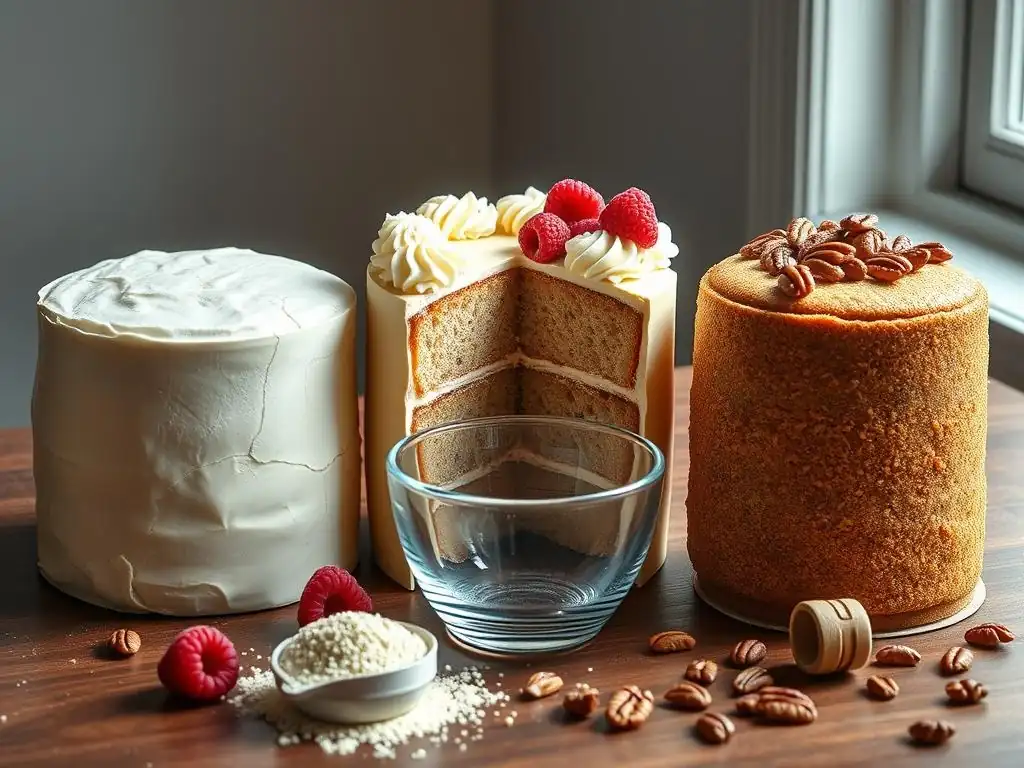
Once you've mastered the basics and can reliably avoid a vegan cake flat, you might explore more advanced techniques used by professional vegan bakers. These methods can further enhance texture, structure, and the overall quality of your cakes.
These techniques often involve incorporating stabilizers, perfecting layering, or using specific methods to create exceptionally fine crumbs or stable structures for elaborate designs.
Using Stabilizers in Vegan Cakes
Stabilizers are ingredients that help maintain the structure and texture of baked goods, preventing issues like crumbling or collapsing. In vegan baking, where traditional stabilizers like egg proteins are absent, ingredients such as xanthan gum, guar gum, or psyllium husk powder are frequently used, especially in gluten-free recipes.
Xanthan gum, typically used in small amounts (around 1/4 to 1/2 teaspoon per cup of gluten-free flour), helps mimic the elasticity and binding properties of gluten. Psyllium husk, when mixed with liquid, forms a gel that adds structure and moisture retention. Using these stabilizers can provide an extra layer of assurance against a vegan cake flat and improve the overall crumb structure, particularly in delicate or gluten-free formulations.
Layering and Frosting Vegan Cakes for Impressive Presentation
Achieving a sturdy yet tender vegan cake is essential for successful layering and frosting. A cake that is too crumbly or unstable will be difficult to handle. Ensure your cakes are fully cooled before attempting to level, stack, or frost them. Warm cakes are prone to breaking and will melt frosting.
Using a sharp serrated knife to level cake layers creates a flat surface for stacking. A thin layer of frosting applied as a "crumb coat" and chilled helps trap loose crumbs before applying the final, thicker layer of frosting. Techniques like using cake dowels for multi-tiered cakes provide structural support, ensuring your impressive vegan creation doesn't collapse.
Advanced Decoration Techniques
Decorating vegan cakes offers a creative outlet once the baking is perfected. Vegan buttercream, made from vegan butter or shortening, powdered sugar, and plant-based milk, can be whipped to various consistencies for piping borders, swirls, and other designs.
Other advanced techniques include using vegan ganache (made with vegan chocolate and plant-based cream), creating intricate designs with stencils, or working with vegan fondant. Mastering the base cake structure, ensuring it's stable and level (thus avoiding a vegan cake flat), provides the perfect canvas for these decorative elements.
Achieving Vegan Cake Perfection: Final Thoughts and Tips
Baking the perfect vegan cake is a journey that involves understanding ingredients, mastering techniques, and learning from experience. While initial attempts might result in a vegan cake flat, each bake provides valuable insights into what works and what doesn't.
Embracing the process, experimenting with different substitutes, and refining your methods will lead to consistent success. Don't be discouraged by setbacks; every baker, vegan or not, encounters challenges.
The Secret to Consistent Vegan Cake Success: Practice and Experimentation
The single most important factor in achieving consistent success in vegan baking is practice. Each oven is different, ingredients vary slightly, and your touch improves with repetition. Don't be afraid to try a recipe multiple times, making small adjustments based on your results.
Keep notes on what you did, what substitutes you used, and how the cake turned out. Did you get a vegan cake flat? Was it dense? Dry? These observations will guide your future attempts and help you refine your personal vegan cake flat fix strategy for different recipes. Experimentation with ingredient ratios or mixing times within a trusted recipe framework can also yield improvements.
Resources for Vegan Baking
The vegan baking community is vast and supportive. Numerous websites (like BakeWithEase.com! ), cookbooks, blogs, and online forums offer a wealth of information, recipes, and troubleshooting tips. These resources can provide inspiration, answer specific questions, and offer guidance on converting recipes or mastering challenging bakes.
Look for reputable sources that provide detailed instructions and explain the science behind vegan baking. Learning from experienced vegan bakers can significantly shorten your learning curve and help you overcome common hurdles like a vegan cake flat.
We love hearing about your baking triumphs! Once you've successfully tackled that vegan cake flat and baked a beautiful, fluffy cake, share your experience. Connecting with other bakers allows us to learn from each other, discover new tips, and celebrate the joy of creating delicious vegan treats.
Your success stories, photos, and even questions contribute to a vibrant baking community. Don't hesitate to share your journey and inspire others on their path to vegan cake perfection.
Frequently Asked Questions
What are the most common reasons why a vegan cake might turn out flat?
The most common culprits are usually related to leavening agents, like baking powder, or issues with the gluten structure in the cake batter. Incorrect oven temperature can also play a role.
What are some easy ingredient substitutes that can help improve the lift in a vegan cake?
Try using apple cider vinegar in combination with baking soda to create a better rise. You can also use aquafaba, the liquid from canned chickpeas, as an egg replacement.
How does gluten-free flour affect the rise of a vegan cake, and what can I do to compensate?
Gluten-free flours often lack the structure of wheat flour, resulting in a denser, flatter cake. Adding ingredients like xanthan gum can help to mimic gluten and improve the cake's structure.
How important is the oven temperature when baking a vegan cake, and what temperature is ideal?
Maintaining the correct oven temperature is crucial for proper leavening and baking. Generally, a temperature between 325°F (163°C) and 350°F (177°C) is recommended for vegan cakes.
Can overmixing the batter cause a vegan cake to be flat, and if so, how can I avoid it?
Yes, overmixing can develop too much gluten (if using wheat flour) or toughen other ingredients, leading to a flat cake. Mix until just combined to avoid overdevelopment and maintain a light and airy texture.
Final Reflection: The Sweet Triumph Over Flat Vegan Cakes
The quest for the perfect vegan cake is a journey many embark on, and a flat cake is a disheartening pit stop along the way. But understanding the science behind a successful bake, as explored in this article, empowers us to conquer even the most stubbornly dense batter. This isn't just about fixing a culinary mishap; it's about reclaiming the joy of baking and celebrating the versatility of vegan ingredients.
The impact of accessible, delicious vegan baking extends far beyond individual kitchens. It represents a growing movement towards inclusivity and sustainability, challenging traditional notions of what constitutes a "perfect" cake. Baking is at once child's play and adult joy. And love, of course.
- This quote, while not explicitly about vegan baking, perfectly captures the emotional connection we have with the process and the resulting treat. The ability to successfully create a delightful vegan cake, free from common pitfalls, is a powerful statement of culinary creativity and resourcefulness.
So, the next time you face a flat vegan cake, remember the solutions explored within this article. Don't let a collapsed batter discourage you; instead, view it as an opportunity to learn, adapt, and ultimately, to triumph over the challenges of vegan baking. Embrace the experimentation, celebrate the successes, and most importantly, enjoy the delicious results. You have the power to create a cake that is both ethically sound and incredibly satisfying.
Rediscover Your Baking Magic: Fluffy Vegan Cakes Await!
Thanks for joining us on this journey to perfectly fluffy vegan cakes! You've learned valuable tips and tricks to avoid those dreaded flat bakes. Now it's time to put your newfound knowledge into action.
- Bake your dream vegan cake today! Experiment with one of the substitutes we discussed and share your experience in the comments below. Let's inspire each other!
- Try a new flavor combination – challenge yourself to create something unique using your favorite plant-based ingredients.
- Share this article with your fellow vegan bakers and help spread the joy of fluffy, delicious cakes! Let's build a supportive community.
What innovative vegan cake creation will you whip up first? Let's see those amazing results!