
Picking the Perfect Flour for Every Recipe Texture

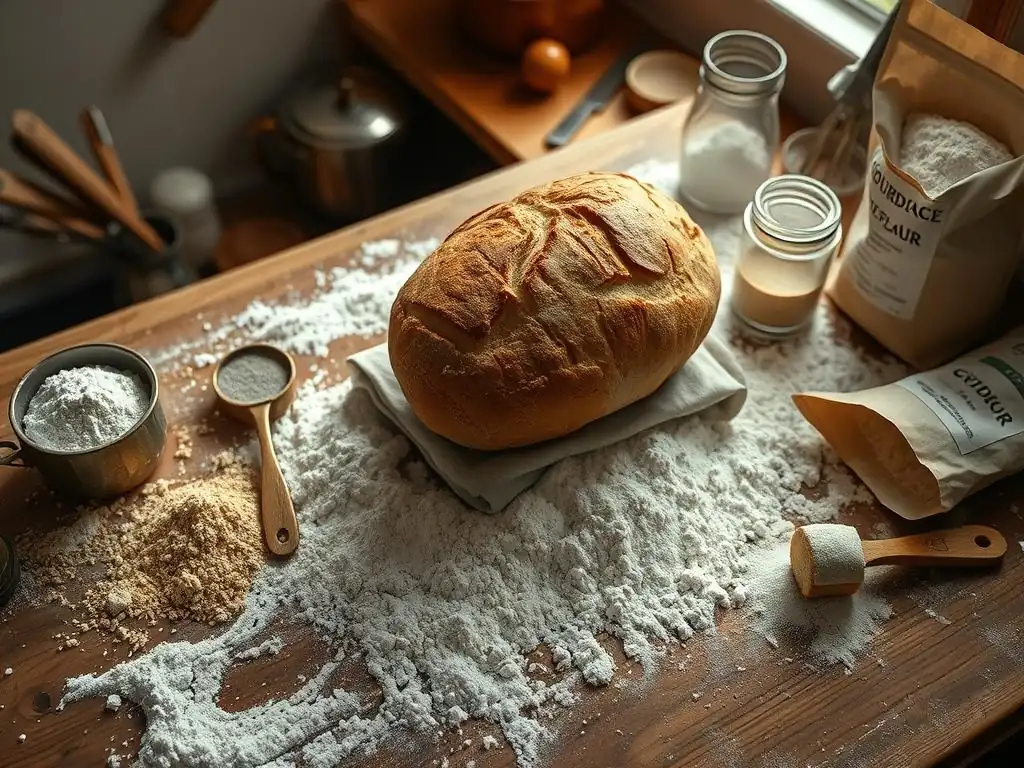
Welcome to BakeWithEase, your haven for all things baking! Ever wondered if the secret to that perfect sourdough crust lies in your choice of flour? This week, we're diving deep into the world of flour for sourdough bread, uncovering the nuances that can transform your loaf from good to unforgettable. Stick around as we explore the best options, unlock crucial techniques, and empower you to bake with confidence and ease. What secrets will you uncover?
- Flour Selection Guide: Mastering Texture in Baking
- Understanding Flour Types for Optimal Baking Results
-
Exploring Different Flour Types
- All-Purpose Flour: The Versatile Baking Staple
- Bread Flour: Achieving Structure and Chewiness
- Cake Flour: For Soft and Tender Baked Goods
- Pastry Flour: Creating Flaky Crusts
- Whole Wheat Flour: Adding Nutrients and Earthy Flavors
- Rye Flour: For Distinctive Flavor and Dense Texture
- Gluten-Free Flour Options
- Flour and Texture: Matching Flour to Your Recipe
- Sourdough Baking: Flour Considerations
- Flour Storage and Handling
- Experimenting with Flour Combinations
- Conclusion: Mastering Baking Through Flour Selection
-
Frequently Asked Questions
- What is the best type of flour to use for sourdough bread?
- Why is protein content important when choosing flour for sourdough?
- Can I use all-purpose flour for sourdough bread, and if so, how does it affect the outcome?
- Are there any alternatives to bread flour for sourdough, like whole wheat or rye?
- How does the type of flour affect the final texture of sourdough bread?
- Final Reflection: The Art of Flour Selection in Baking
- Unleash Your Inner Baker: Master Flour Power!
Flour Selection Guide: Mastering Texture in Baking
Understanding Flour Types for Optimal Baking Results
Selecting the right flour is perhaps the most critical decision you make before you even preheat your oven. Flour isn't just a single ingredient; it's a complex component whose characteristics fundamentally dictate the outcome of your baked goods.
From the delicate crumb of a cake to the robust chewiness of a rustic loaf or the perfect flaky layers of a pastry, the type of flour you choose plays a starring role in achieving the desired texture, structure, and even flavor. Understanding the nuances between different flours empowers you to bake with confidence and consistency, elevating your results from good to truly exceptional.
This guide will delve into the world of flour, exploring how variations in protein content, milling process, and origin impact baking performance. We'll break down the characteristics of common flour types and discuss how to match them to specific recipes to achieve optimal texture. Whether you're aiming for the best flour for sourdough bread or the lightest cake flour for a sponge, mastering flour selection is key to unlocking your full baking potential and ensuring every creation turns out just right.
Flour Selection: Impact on Texture and Flavor
The impact of flour selection on the texture and flavor of baked goods is profound and multifaceted. Flour's protein content, primarily gluten-forming proteins like gliadin and glutenin, directly influences the structure and elasticity of dough and batter. When flour is mixed with liquid and kneaded, these proteins form a gluten network.
A higher protein flour develops a stronger, more elastic network, resulting in a chewy texture ideal for breads. Conversely, lower protein flours produce a weaker network, leading to a tender, fine crumb preferred for cakes and pastries. The way flour is milled also affects texture; finely ground flour creates a smoother batter and a more delicate crumb, while coarser grinds, like those found in some whole wheat flours, contribute to a denser, heartier texture.
Beyond texture, flour significantly contributes to flavor. Different grains possess unique flavor profiles. Whole wheat flour, for instance, imparts a nutty, slightly earthy taste due to the presence of the germ and bran. Rye flour offers a distinctive tang and depth.
Even within the same grain, variations in milling and protein levels can subtly alter flavor. The fermentation process, particularly in sourdough baking where you seek the best flour for sourdough bread, interacts with the flour's components to develop complex aromatic compounds. Understanding these relationships allows bakers to intentionally select flours not just for structure but also to build layers of flavor in their creations.
Exploring Different Flour Types
All-Purpose Flour: The Versatile Baking Staple
All-purpose flour, often abbreviated as AP flour, lives up to its name by being a versatile workhorse in the kitchen. It's a blended flour, typically made from a mix of hard and soft wheat, resulting in a moderate protein content, usually ranging from 10% to 12%. This balanced protein level makes it suitable for a wide array of baking tasks, from cookies and muffins to pie crusts and even some types of bread. Its reliability and widespread availability make it the default choice for many home bakers and a staple in countless recipes.
While "all-purpose" suggests it can be used for everything, it's rarely the optimal flour for achieving specific, highly desired textures. For instance, while you can make bread with AP flour, it won't develop the same chewy structure as bread flour. Similarly, using it in a delicate cake might result in a slightly tougher crumb compared to using cake flour. However, for general baking where a recipe doesn't specify a particular flour type, AP flour is a dependable choice that provides consistent results across a broad spectrum of baked goods.
Bread Flour: Achieving Structure and Chewiness
Bread flour is specifically designed for yeast-leavened breads, boasting a higher protein content than all-purpose flour, typically ranging from 12% to 14%. This higher protein level is crucial for developing a strong, elastic gluten network when kneaded. As the dough rises, this robust network traps the gases produced by the yeast, allowing the bread to achieve significant volume and a desirable open crumb structure. The strength of the gluten also contributes to the characteristic chewiness found in many artisan loaves, bagels, and pizzas.
Using bread flour is essential when you want a loaf with excellent structure that holds its shape well during baking and cooling. For instance, when making a classic boule or baguette, the high protein in bread flour is key to achieving that satisfying chew and irregular, airy interior. If you're searching for the best flour for sourdough bread, bread flour is often a top contender or a significant component of a blend, as the long fermentation process benefits greatly from the strong gluten development it provides.
High-Protein Flour for Optimal Gluten Development
High-protein flour, generally referring to flours with 13% protein or more, is the go-to choice for bakers aiming for maximum gluten development. These flours are typically milled from hard red spring wheat, known for its high protein content. The increased amount of gluten-forming proteins allows the dough to become exceptionally elastic and extensible, capable of stretching thinly without tearing. This is particularly important in recipes requiring significant kneading or long fermentation periods.
Optimal gluten development is critical for breads that require a strong internal structure to support a large rise, such as many artisan breads, ciabatta, or even some enriched doughs like brioche where the fat content can weaken gluten. When making sourdough, especially one with a high hydration (more water relative to flour), a high-protein flour provides the necessary strength to manage the slack dough and achieve a good oven spring. Many bakers consider a high-protein bread flour to be the best flour for sourdough bread when seeking a pronounced open crumb and chewy texture.
Cake Flour: For Soft and Tender Baked Goods
Cake flour is milled from soft wheat and is known for its low protein content, typically between 5% and 8%. This significantly lower protein level means less gluten development is possible. Additionally, cake flour is often chlorinated, a process that weakens the protein further and alters the starch, allowing it to absorb more liquid and sugar. These characteristics result in batters that are light and airy, producing baked goods with an incredibly fine, tender, and delicate crumb.
Using cake flour is essential for achieving the signature soft texture of sponge cakes, angel food cakes, and some high-ratio cakes (cakes with a higher proportion of sugar and liquid to flour). For example, a classic Southern red velvet cake relies on cake flour for its characteristic fine grain and velvety texture. Attempting to make these cakes with all-purpose or bread flour would result in a tougher, coarser crumb. While not suitable for bread, cake flour is the undisputed champion for achieving ultimate tenderness in specific cake applications.
Pastry Flour: Creating Flaky Crusts
Pastry flour strikes a balance between cake flour and all-purpose flour, with a protein content typically ranging from 8% to 9%. Milled from soft wheat, it has enough protein to form some structure but not so much that it creates toughness. This moderate protein level is ideal for baked goods where tenderness and flakiness are paramount, such as pie crusts, tarts, biscuits, scones, and some cookies.
The key to flaky pastries often lies in inhibiting gluten development while incorporating fat. Pastry flour's lower protein content naturally limits gluten formation. When combined with techniques like cutting cold butter into the flour, layers of fat separate the flour particles, preventing a continuous gluten network from forming. During baking, the fat melts, creating steam that pushes the layers apart, resulting in that desirable flaky texture. Using pastry flour over all-purpose can make a noticeable difference in achieving a truly tender and flaky pie crust or light, airy biscuits.
Whole Wheat Flour: Adding Nutrients and Earthy Flavors
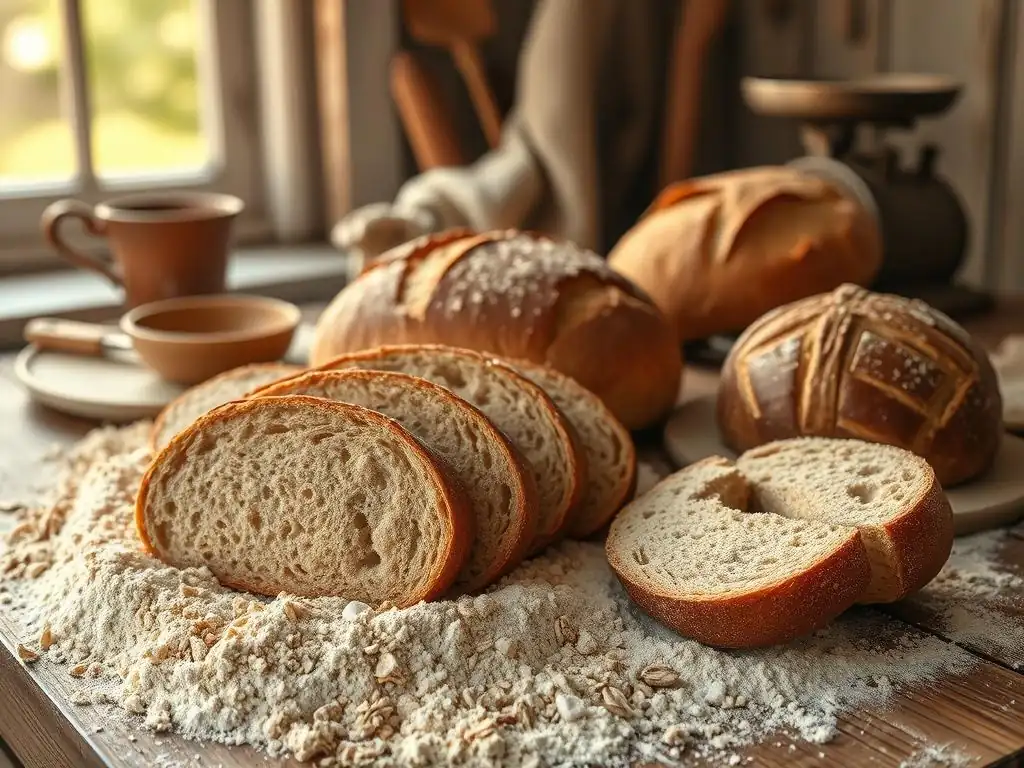
Whole wheat flour is made from grinding the entire wheat kernel—the bran, germ, and endosperm—whereas white flour only uses the endosperm. This inclusion of all parts of the kernel significantly increases the flour's nutritional value, adding fiber, vitamins, and minerals. It also imparts a distinct, nutty, earthy flavor and a denser texture to baked goods compared to those made with white flour. Protein content can vary depending on the type of wheat (hard or soft), but the presence of bran and germ interferes with gluten development, even if the overall protein is high.
Baking with 100% whole wheat flour often results in denser, heavier baked goods. The sharp edges of the bran particles can cut the developing gluten strands, hindering the rise and creating a tighter crumb.
For this reason, whole wheat flour is frequently used in combination with white flour (like all-purpose or bread flour) in recipes for breads, muffins, and cookies to balance texture while still incorporating the nutritional benefits and flavor. When seeking the best flour for sourdough bread with a hearty flavor and added nutrition, bakers often use a blend that includes a percentage of whole wheat flour alongside white bread flour.
Rye Flour: For Distinctive Flavor and Dense Texture
Rye flour is milled from rye grain and is known for its unique, tangy, slightly sour flavor profile and its tendency to produce dense baked goods. Unlike wheat, rye contains gluten, but the protein structure is different, forming a less elastic network. Rye flour also contains pentosans, complex carbohydrates that are highly water-absorbent and contribute to the stickiness of rye dough and the density of the finished product.
Rye flour is a staple in many traditional European breads, particularly those from Germany and Scandinavia. It's often used in combination with wheat flour to provide structure, as 100% rye bread can be very dense.
The percentage of rye flour used significantly impacts the texture and flavor; a small amount (e.g., 10-20%) adds subtle flavor and color, while higher percentages result in a more pronounced rye taste and a denser crumb. When discussing the best flour for sourdough bread, rye flour is highly valued for its contribution to the starter's vigor and the bread's characteristic tangy flavor, making it a popular addition to sourdough blends.
Gluten-Free Flour Options
Gluten-free baking requires a completely different approach as it relies on alternative flours that do not contain wheat, barley, or rye. These flours are derived from a variety of sources, including grains like rice and corn, nuts like almond, seeds like荞麦 (buckwheat, though technically a pseudocereal), and tubers or roots like tapioca and potato. Because these flours lack gluten, they cannot form the elastic network needed for structure in traditional baking.
To mimic the properties of wheat flour, gluten-free baking often involves using a blend of several different flours combined with binders like xanthan gum or psyllium husk. These binders help provide structure, elasticity, and moisture retention that would otherwise be provided by gluten. Achieving the right texture in gluten-free baking often requires experimentation, as the properties of alternative flours vary widely. For instance, while you can't make traditional sourdough with gluten-free flours, many bakers successfully create gluten-free "sourdough" style breads using gluten-free starters and specialized flour blends.
Common Gluten-Free Flour Alternatives: Rice, Almond, and Tapioca
Several gluten-free flours are commonly used, each contributing different characteristics to baked goods. Rice flour, available in white and brown varieties, is a staple in many gluten-free blends. White rice flour is finely ground and relatively neutral in flavor, providing structure but can sometimes result in a slightly gritty texture. Brown rice flour adds more nutrition and a nuttier flavor but can make baked goods denser.
Almond flour, made from ground blanched almonds, is rich in fat and protein, contributing moisture, tenderness, and a delicate nutty flavor. It's popular for cakes, cookies, and macarons, but due to its lack of starch and gluten, it doesn't provide significant structure on its own and is often combined with other flours. Tapioca flour (also known as tapioca starch) is a fine, white starch extracted from the cassava root. It's primarily used as a thickener and provides chewiness and a slightly crispy crust to gluten-free baked goods, often used in blends to improve texture and binding.
Flour and Texture: Matching Flour to Your Recipe
Matching the right flour to your recipe is paramount for achieving the desired texture. Each type of baked good relies on specific structural and textural properties, which are directly influenced by the flour's protein content and other characteristics. Using the incorrect flour can lead to disappointing results – a tough cake, a flat cookie, or a dense, brick-like loaf of bread. Understanding the role each flour plays allows you to make informed choices and even adapt recipes.
Consider the goal of your recipe. Are you aiming for a light, airy crumb? A chewy interior? A crisp crust? Flaky layers? Once you identify the target texture, you can select the flour that best facilitates that outcome. This section explores how different flours are optimally used in various baking applications, from delicate cakes to robust breads and pastries.
Flour for Cakes: Structure, Moisture, and Crumb
When baking cakes, the primary goals are usually a tender crumb, sufficient moisture, and a structure that can support the cake's weight and any frosting or fillings. The best flour for most delicate cakes is cake flour due to its low protein content (5-8%). This minimizes gluten development, resulting in a soft, fine, and velvety texture. The chlorination process often applied to cake flour also helps the starch absorb more liquid and sugar, contributing to a moist cake.
For slightly sturdier cakes like pound cake or some loaf cakes, a blend of cake flour and all-purpose flour, or sometimes just all-purpose flour (10-12% protein), can be used. While it will produce a slightly less tender crumb than cake flour alone, it provides enough structure to prevent the cake from crumbling excessively. Using a high-protein flour like bread flour (12-14%) in a cake recipe would almost certainly result in a tough, dense texture, as the strong gluten network is undesirable in this context.
The texture of cookies varies widely, from crisp and snappy to soft and chewy, and the flour choice significantly impacts the final result. All-purpose flour (10-12% protein) is the most common choice for cookies, offering a good balance that works well for many varieties, from classic chocolate chip to sugar cookies. Its moderate protein allows for some structure development, preventing cookies from spreading too much while still allowing for tenderness.
For cookies where tenderness and minimal spread are desired, such as shortbread, using pastry flour (8-9% protein) or even a blend of all-purpose and cake flour can be beneficial. The lower protein content reduces gluten development, resulting in a more tender bite. Conversely, for chewier cookies, some bakers prefer using bread flour (12-14% protein). The higher protein encourages more gluten development, contributing to a chewier texture. Experimenting with different flours or blends is key to achieving your preferred cookie texture.
Flour for Breads: Crust, Crumb, and Flavor
Flour is the foundation of bread, influencing everything from the crispness of the crust to the openness of the crumb and the depth of flavor. For most yeast-leavened breads, bread flour (12-14% protein) is the standard recommendation. Its high protein content is essential for developing a strong gluten network, which traps the carbon dioxide produced by yeast, allowing the dough to rise significantly and creating that desirable chewy texture and open interior structure. This is especially true when seeking the best flour for sourdough bread, where a robust gluten network is needed to withstand long fermentation.
Using lower protein flours like all-purpose (10-12%) can work for some simpler, less structured breads like quick breads or some sandwich loaves, but they won't achieve the same volume or chewiness as bread flour. Whole wheat flour adds flavor and nutrition but typically results in a denser loaf unless blended with white bread flour. Rye flour contributes unique flavor and density, making it popular in specific bread types and as an addition to sourdough blends to enhance tang and complexity. Matching the flour to the specific bread style you're aiming for is crucial for success.
Flour for Pastries: Flakiness and Tenderness
Achieving the perfect balance of flakiness and tenderness is the goal when baking pastries like pie crusts, tarts, croissants, and puff pastry. Pastry flour (8-9% protein) is often considered ideal for these applications. Its moderate protein content allows for some structure while minimizing tough gluten development, which is crucial for tender results. The relatively low protein also works well with techniques like cutting in cold fat, which relies on inhibiting gluten formation to create distinct layers.
While pastry flour is excellent, all-purpose flour (10-12% protein) is also commonly used for many pastry recipes, particularly pie crusts and biscuits. It provides slightly more structure than pastry flour but is still low enough in protein to produce tender results when handled correctly (minimal mixing after adding liquid). High-protein flours like bread flour are generally unsuitable for pastries, as the strong gluten development would lead to tough, inelastic doughs that are difficult to laminate and would result in a dense, chewy texture rather than light, flaky layers.
Sourdough Baking: Flour Considerations
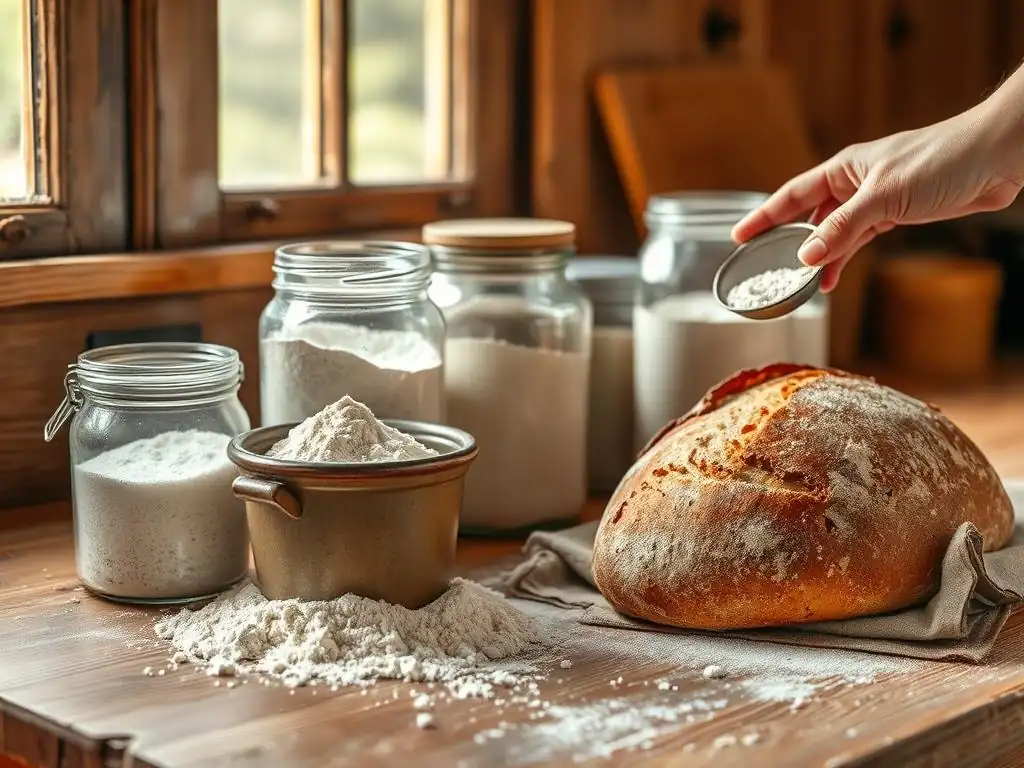
Sourdough baking relies on a symbiotic culture of wild yeast and lactic acid bacteria, typically maintained in a "starter" fed with flour and water. The type of flour used to feed the starter and bake the bread significantly impacts the starter's activity, the dough's behavior, and the final bread's texture, flavor, and crust. Many bakers dedicate significant time to finding the best flour for sourdough bread, often involving experimentation with different types and blends.
Common choices for sourdough include high-protein bread flour, all-purpose flour, and various whole grain flours like whole wheat and rye. A strong bread flour provides the necessary gluten structure for a good rise and open crumb, especially crucial for high-hydration loaves. Whole wheat and rye flours contribute nutrients that the wild yeast and bacteria thrive on, leading to a more vigorous starter and adding characteristic tangy and earthy flavors to the bread. The specific blend chosen depends on whether the baker prioritizes maximum volume, specific flavors, or nutritional content.
Gluten Development in Sourdough
Gluten development is absolutely critical in sourdough baking, arguably even more so than in commercial yeast baking, due to the often long fermentation periods and typically higher hydration levels. The acidic environment created by the lactic acid bacteria in the sourdough starter can weaken the gluten network over time.
Therefore, starting with a flour that has a high potential for strong gluten development is essential. High-protein bread flour (12-14% protein) is frequently recommended as the best flour for sourdough bread base because it provides the necessary raw material for building a robust, elastic network that can withstand the extended fermentation and trap gases effectively for a good rise and open crumb structure.
Techniques like autolyse (mixing flour and water and letting it rest before adding the starter and salt) and stretch-and-folds or coil folds during bulk fermentation are employed to help develop and strengthen this gluten network. Even with these techniques, if the flour lacks sufficient protein or quality, achieving a well-structured sourdough loaf with a good oven spring and open crumb will be challenging. The interaction between the flour's proteins, water, and the acidic environment of the sourdough culture is a delicate balance that skilled sourdough bakers learn to manage.
Flour Blends for Sourdough Flavor
While a strong white bread flour provides the structural backbone for many sourdough loaves, blending in other flours is a popular way to enhance flavor, aroma, and nutritional value. Many bakers consider a blend to be the best flour for sourdough bread when seeking complex flavor profiles. Rye flour, even in small percentages (5-20%), can significantly boost the tangy, slightly sour notes characteristic of sourdough and also help keep the starter active. Whole wheat flour adds a nutty, earthy depth and contributes to a more rustic flavor.
Other grains like spelt, kamut, or even einkorn can be incorporated into sourdough blends for unique flavors and textures. For instance, adding some spelt flour can lend a slightly nutty sweetness, while a touch of kamut might add a buttery note. The choice of flour blend is highly personal and depends on the desired outcome. A common approach is to use 70-90% strong white bread flour and blend the remaining 10-30% with whole wheat, rye, or other specialty flours, allowing the baker to control the structure while layering in diverse flavors.
Flour Storage and Handling
Proper storage and handling of flour are crucial for maintaining its quality, freshness, and baking performance. Flour is a pantry staple, but it's also a perishable product susceptible to spoilage, insect infestation, and absorption of odors. Storing flour correctly ensures that it performs as expected in your recipes, yielding consistent and delicious results every time.
Factors like temperature, humidity, and exposure to air and light can all affect flour quality. White flours generally have a longer shelf life than whole grain flours because the bran and germ in whole grain flours contain oils that can go rancid. Understanding how to store different types of flour and the importance of accurate measurement are fundamental aspects of successful baking.
Maintaining Flour Freshness
To maintain flour freshness and prevent spoilage, it should be stored in a cool, dry, dark place, away from direct sunlight and heat sources like ovens or stoves. An ideal temperature is below 70°F (21°C). Humidity should also be low, as moisture can lead to mold growth and clumping. Once opened, flour is best kept in an airtight container. This protects it from moisture, pantry pests, and prevents it from absorbing odors from other foods in your pantry. Glass, metal, or sturdy plastic containers with tight-fitting lids are excellent choices.
For whole grain flours or if you live in a warm or humid climate, refrigeration or freezing is highly recommended, especially if you don't use the flour frequently. Storing whole wheat or rye flour in the refrigerator or freezer significantly extends its shelf life by slowing down the oxidation of the oils in the germ.
Before using cold flour in a recipe, allow it to come to room temperature, as cold flour can affect dough temperature and hydration. Properly stored white flour can last for 6-12 months, while whole grain flours are best used within 1-3 months at room temperature but can last 6-12 months in the fridge or freezer.
Accurate Flour Measurement
Accurate flour measurement is vital for consistent baking results, as using too much or too little flour can drastically alter the texture and structure of your baked goods. The most accurate way to measure flour is by weight using a kitchen scale. Recipes that provide measurements in grams are generally more reliable than those using volume cups. For example, a cup of all-purpose flour can weigh anywhere from 120 grams to 150 grams depending on how it's scooped and leveled.
If you must measure by volume, use the "spoon and level" method: gently spoon flour into your measuring cup until it overflows, then level off the excess with a straight edge (like the back of a knife) without packing the flour down. Avoid scooping directly from the bag with the measuring cup, as this compacts the flour and can result in using up to 20-25% more flour than intended.
This seemingly small error can lead to dry, dense cakes or tough, crumbly cookies. Consistent measurement ensures you are using the amount of flour the recipe developer intended, leading to predictable and successful outcomes.
Experimenting with Flour Combinations
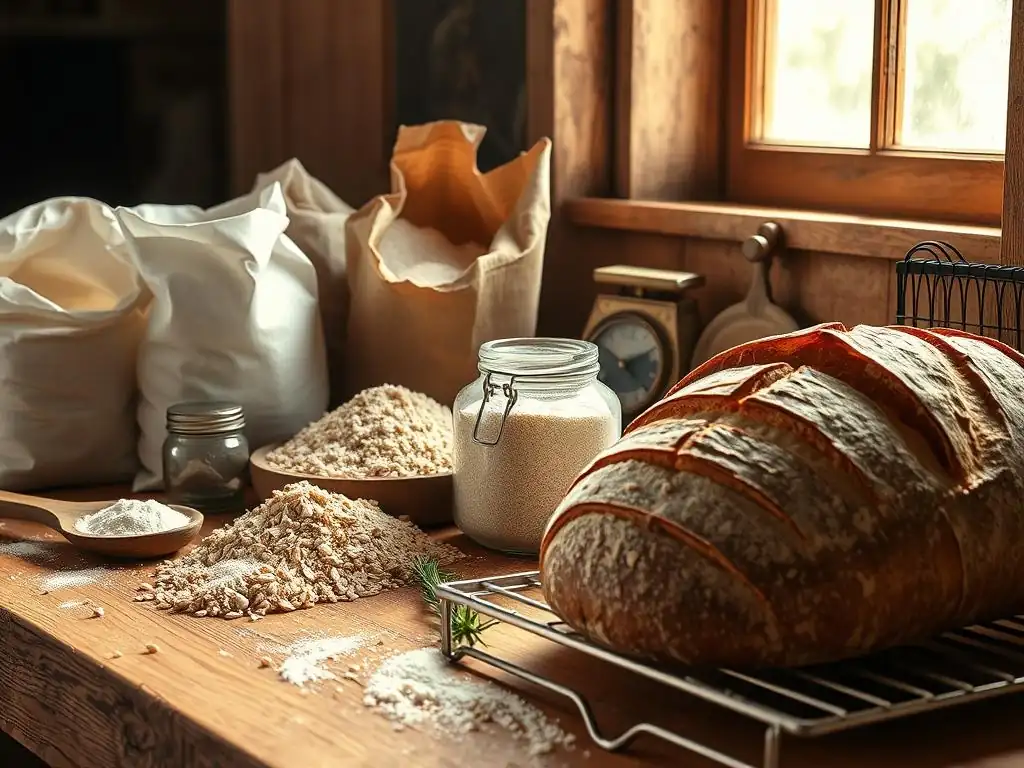
Once you understand the characteristics of individual flour types, you can begin experimenting with combining them to achieve unique textures and flavors. Blending flours allows you to tailor the properties of your flour mix precisely to your desired outcome, offering a level of control beyond using a single type. This is particularly common in bread baking, where blends are used to balance strength, flavor, and crumb structure.
For example, you might combine a high-protein bread flour for strength with a portion of whole wheat or rye flour for flavor and nutrition in a rustic loaf or when making the best flour for sourdough bread with specific characteristics. In pastry, blending all-purpose flour with cake flour can create a protein level similar to pastry flour if you don't have it on hand. Experimentation with different ratios and types of flour can lead to exciting new discoveries and allow you to put your personal stamp on classic recipes.
Blending Flour Types for Unique Results
Blending different flour types opens up a world of possibilities for customizing your baked goods. A common blend for many home bakers is combining all-purpose flour with a specialty flour. For instance, adding 10-20% rye flour to an all-purpose or bread flour base can infuse a subtle tang and darker color into a loaf without making it overly dense. Similarly, incorporating a small percentage of spelt or einkorn flour into a wheat dough can add nuanced flavors and a slightly different crumb structure.
In the context of sourdough, blending is almost an art form. Many sourdough enthusiasts develop their signature flour blends, perhaps using 80% strong white bread flour for structure and 20% a mix of whole wheat and rye for flavor and starter vitality. For cakes, blending cake flour with a small amount of almond flour can add moisture and a delicate flavor while maintaining a tender crumb. The key is understanding what each flour contributes and combining them strategically to achieve the specific texture, flavor, and performance you desire in your final baked product.
Conclusion: Mastering Baking Through Flour Selection
Mastering the art of baking is an ongoing journey, and a fundamental step on this path is understanding the role of flour. As we've explored, flour is far more than just a dry ingredient; its type, protein content, and how it's handled profoundly influence the texture, structure, and flavor of everything you bake. From selecting the best flour for sourdough bread to choosing the right flour for a delicate cake or a flaky pie crust, making informed decisions about flour is empowering.
By recognizing the unique properties of all-purpose, bread, cake, pastry, whole wheat, rye, and various gluten-free flours, you gain the ability to predict and control the outcome of your recipes. Experimentation with different flour types and blends allows for creativity and customization, enabling you to refine textures and develop signature flavors. With careful selection, proper storage, and accurate measurement, you can unlock the full potential of your ingredients and consistently bake delicious, perfectly textured goods. Embrace the nuances of flour, and you'll find your baking reaching new heights.
Frequently Asked Questions
What is the best type of flour to use for sourdough bread?
The best flour for sourdough is generally a high-protein flour, such as bread flour or strong white flour. This provides the necessary gluten development for a good rise and chewy texture.
Why is protein content important when choosing flour for sourdough?
Protein content is crucial because it determines the amount of gluten formation. More gluten leads to a stronger dough structure, essential for holding the gases produced during sourdough fermentation and resulting in a good rise.
Can I use all-purpose flour for sourdough bread, and if so, how does it affect the outcome?
While you can use all-purpose flour, it's not ideal. All-purpose flour has a lower protein content, resulting in a weaker gluten structure. The bread may be less airy and have a flatter shape.
Are there any alternatives to bread flour for sourdough, like whole wheat or rye?
Yes, you can use alternatives like whole wheat or rye flour, but they need to be used in combination with bread flour. These flours contain bran which can inhibit gluten development, so aim for a blend with high-protein flour for best results.
How does the type of flour affect the final texture of sourdough bread?
The type of flour significantly impacts the texture. High-protein flour yields a chewy and airy crumb, while lower-protein flour results in a denser, less structured loaf. Experimenting with different flours can create varying textures.
Final Reflection: The Art of Flour Selection in Baking
Choosing the right flour is not just a matter of preference; it is an essential step in achieving the perfect texture in every recipe. As we delve into the nuances of flour types, it becomes clear that the impact of our choices extends beyond the kitchen. The right flour can elevate a simple sourdough loaf into a masterpiece, showcasing the transformative power of ingredients in our culinary creations. In today's world, where home baking has surged in popularity, understanding flour's role is more relevant than ever.
Since the resurgence of sourdough baking, the conversation around flour has shifted significantly, influencing both home bakers and professional chefs alike. The quest for the best flour for sourdough bread has sparked a community of enthusiasts eager to share their experiences and discoveries. This collective exploration has not only enriched our baking skills but has also fostered a deeper appreciation for the craft. Baking is both an art and a science, and the choice of flour is the canvas upon which we create.
As you reflect on your own baking journey, consider how the flour you choose can transform your recipes and elevate your culinary skills. Embrace the adventure of experimentation, and let the quest for the perfect flour inspire you to create, share, and connect with others. Whether you're a seasoned baker or just starting, remember that each loaf of bread is an opportunity to express your creativity and passion for baking. So, go ahead—pick your flour wisely and let your baking tell a story!
Unleash Your Inner Baker: Master Flour Power!
Thanks for diving into the world of flours with us! We hope you now feel confident in choosing the perfect flour for any recipe. Ready to put your new knowledge to the test?
- Bake your dream recipe: Choose a recipe you've always wanted to try (or a favorite you want to elevate!) and select the flour we recommended for its ideal texture. Share your baking journey on social media with #BakeWithEaseFlourPower!
- Experiment with a new flour: Try a flour you haven't used before— maybe that spelt or oat flour has been calling your name! See how it changes the texture and taste.
- Share your results: Tell us about your baking experience in the comments below! What flour did you use, and how did it turn out? We’d love to hear from you.
What surprising texture will you create with your newfound flour knowledge?