
Substituting Sugar: Your Easy Guide to Swaps That Actually Work

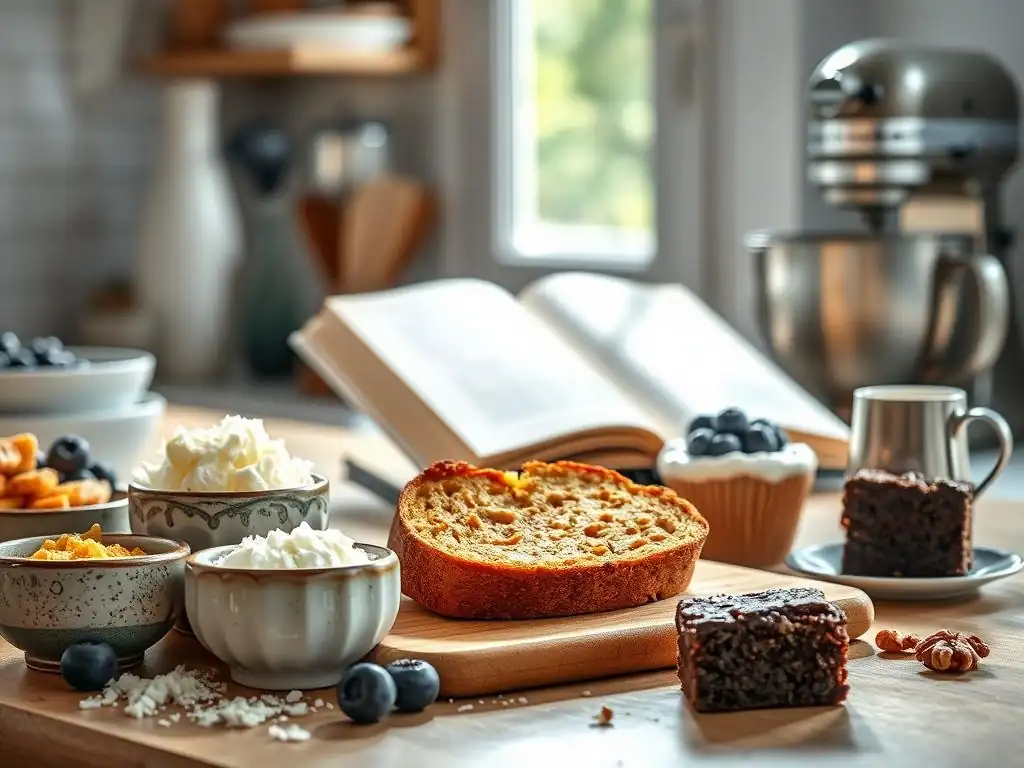
Welcome to BakeWithEase, your trusted companion on your baking journey! Ever wondered if you could really swap sugar for something healthier without sacrificing flavor? Our latest guide dives deep into easy sugar substitution recipes that actually deliver delicious results. Discover the secrets to healthier baking and unlock a world of flavor possibilities – are you ready to transform your favorite treats?
- Substituting Sugar: A Baker's Guide to Healthier Treats
- The Science of Sugar in Baking
- Reasons to Reduce or Replace Sugar
- Choosing the Right Sugar Substitute
- Adapting Recipes: Practical Applications
- Conversion Charts and Guidelines
- Troubleshooting Common Issues
- Tips for Successful Sugar Reduction
- Resources for Further Learning
- Frequently Asked Questions
- Final Reflection: The Sweet Truth About Sugar Substitution
- Sweeten Your Life: Take the Next Step Towards Healthier Baking!
Substituting Sugar: A Baker's Guide to Healthier Treats
The Science of Sugar in Baking
Beyond Sweetness: Sugar's Impact on Texture and Structure
Sugar is far more than just a sweetener in baking; it plays a critical role in the physical structure and texture of baked goods. When sugar melts during baking, it contributes significantly to the spread of cookies, creating those desirable thin edges and chewy centers. In cakes and muffins, sugar interferes with gluten development, resulting in a tender crumb. Without adequate sugar or a suitable substitute, baked items can become tough, dense, and crumbly.
Furthermore, sugar helps retain moisture, keeping cakes and quick breads soft and preventing them from drying out too quickly. It also aids in aerating batters and doughs, particularly when creamed with butter, creating tiny air pockets essential for leavening. Understanding these functional properties is key to successfully creating easy sugar substitution recipes, as you need to find substitutes that can replicate some, if not all, of these effects.
Maillard Reaction and Caramelization: Achieving Optimal Browning
Browning is a crucial aspect of many baked goods, contributing both visual appeal and complex flavors. Sugar is directly involved in two primary browning processes: the Maillard reaction and caramelization. The Maillard reaction is a complex chemical reaction between amino acids and reducing sugars that occurs at temperatures above 280°F (140°C), creating hundreds of flavorful compounds and the characteristic brown crust on bread and cakes.
Caramelization, on the other hand, involves the browning of sugar itself when heated to high temperatures, typically starting around 320°F (160°C) for sucrose. This process creates distinct nutty and buttery flavors. When substituting sugar, bakers must consider whether the chosen substitute will participate in these reactions similarly to granulated sugar. Some substitutes, like sugar alcohols, do not caramelize and participate minimally in the Maillard reaction, which can lead to paler baked goods unless other techniques are employed. This is a common challenge in developing easy sugar substitution recipes that look and taste familiar.
Reasons to Reduce or Replace Sugar
Health Benefits: Lowering Glycemic Index and Calorie Count
Reducing or replacing refined sugar in your baking can offer significant health advantages. Granulated sugar has a high glycemic index (GI), typically around 65, which means it can cause rapid spikes in blood sugar levels. Many sugar substitutes, particularly sugar alcohols like erythritol (GI near 0) and high-intensity sweeteners like stevia (GI 0), have a much lower or negligible impact on blood sugar. This makes easy sugar substitution recipes particularly beneficial for individuals managing blood sugar levels.
Beyond glycemic impact, reducing sugar intake also lowers the overall calorie count of baked goods. Granulated sugar contains about 16 calories per teaspoon (or 48 calories per tablespoon). Many substitutes are either low in calories (e.g., erythritol has about 0.2 calories per gram compared to sugar's 4 calories per gram) or calorie-free (like stevia and monk fruit). Opting for easy sugar substitution recipes is a straightforward way to enjoy sweet treats while working towards weight management goals or simply reducing empty calories.
Dietary Needs: Catering to Diabetes, Keto, and Gluten-Free Diets
Substituting sugar is often essential for individuals following specific dietary plans or managing health conditions. For those with diabetes, controlling carbohydrate and sugar intake is paramount, making low-GI or non-caloric sweeteners a vital component of their diet. Easy sugar substitution recipes allow them to enjoy baked goods safely.
The ketogenic diet, which is low in carbohydrates and high in fat, strictly limits sugar intake. Many sugar alcohols and high-intensity sweeteners contain minimal or zero net carbs, fitting well within keto guidelines. Similarly, while not directly related to sugar, many individuals seeking sugar substitutes are also exploring gluten-free options for various health or dietary reasons. Creating easy sugar substitution recipes often goes hand-in-hand with adapting recipes to be gluten-free, expanding the possibilities for specialized diets.
Flavor Exploration: Enhancing Complexity with Alternative Sweeteners
While refined sugar provides a clean, straightforward sweetness, many alternative sweeteners offer unique flavor profiles that can add complexity and depth to baked goods. Maple syrup, for instance, brings earthy, caramel notes that pair wonderfully with nuts, spices, and whole grains. Honey contributes floral or fruity undertones depending on the nectar source, adding a distinct character to bread and cakes.
Even some low-calorie or non-caloric sweeteners, when used correctly, can enhance other flavors. Monk fruit and stevia can accentuate fruity or spicy notes, while allulose provides a clean sweetness with a slight cooling effect that works well in certain applications. Exploring these different sweeteners allows bakers to move beyond simple sweetness and craft more nuanced and interesting easy sugar substitution recipes.
Choosing the Right Sugar Substitute
Natural Sweeteners: A Detailed Comparison
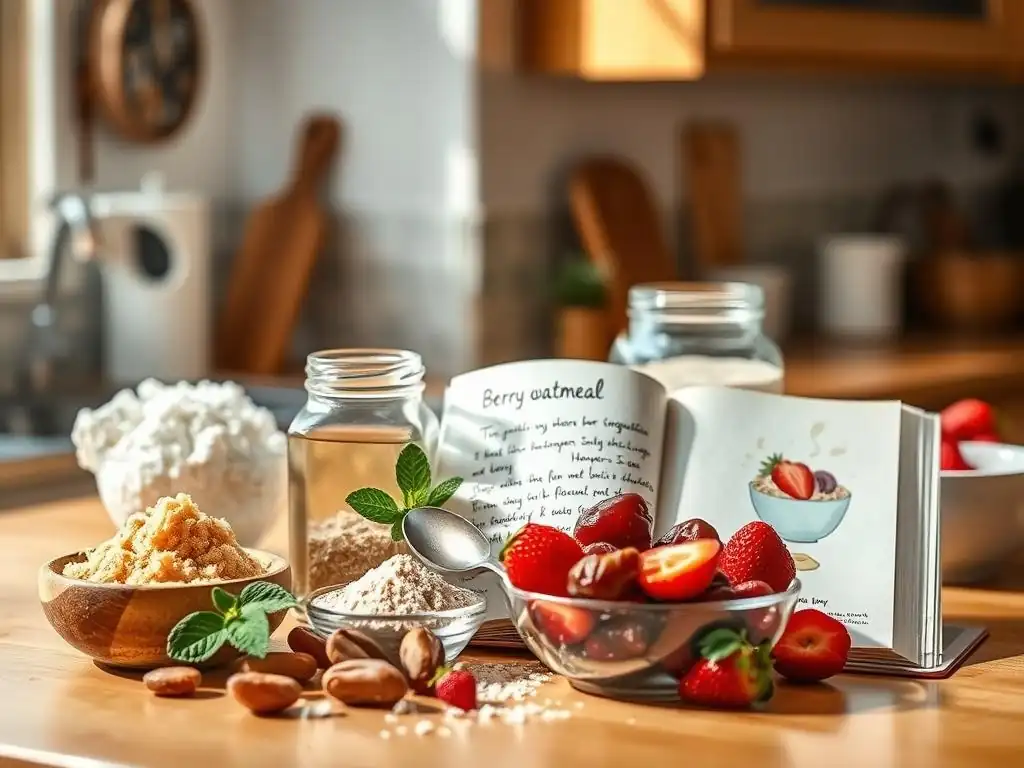
Natural sweeteners like honey, maple syrup, and dates are popular choices for those seeking less refined alternatives to granulated sugar. Honey, a liquid sweetener, is sweeter than sugar by volume and contributes distinct floral or earthy flavors. It also adds significant moisture, which can affect the texture of baked goods, sometimes making them denser. A typical substitution ratio might involve using about 3/4 cup honey for every 1 cup granulated sugar and reducing other liquids slightly.
Maple syrup, another liquid option, offers rich, woody notes. Like honey, it adds moisture and is generally considered slightly less sweet than sugar by volume. Using 3/4 cup to 7/8 cup maple syrup per 1 cup sugar is a common starting point, again requiring a reduction in other liquids. Dates, often used as date paste or chopped dates, provide sweetness along with fiber, vitamins, and minerals. They contribute a caramel-like flavor and significant moisture and density. Substituting with date paste often involves using a 1:1 ratio by weight or volume, but the resulting texture will be much different, making them best suited for dense bars, cookies, or muffins.
Honey: Balancing Flavor and Moisture
Honey's hygroscopic nature means it attracts and retains moisture, leading to softer, chewier baked goods. This can be a benefit in cakes and cookies, but it can also prevent crispness. Its unique flavor profile varies widely based on the floral source, from mild acacia to robust buckwheat. When using honey in easy sugar substitution recipes, start with a substitution ratio of approximately 75-85% of the sugar quantity and reduce the amount of other liquids in the recipe by about 2-4 tablespoons per cup of honey used to maintain proper moisture balance.
Additionally, honey is acidic, which can react with leavening agents like baking soda, providing an extra lift. However, its high fructose content means it browns more quickly than sucrose, so baking temperatures may need to be slightly reduced (e.g., by 25°F or 15°C) or baking times shortened to prevent over-browning. Experimentation is key to mastering easy sugar substitution recipes using honey.
Maple Syrup: Adding Richness and Depth
Maple syrup, particularly darker grades, imparts a rich, complex flavor that complements many baked goods, especially those with spices or nuts. Like honey, it's a liquid sweetener and adds moisture, affecting texture and potentially requiring adjustments to other liquids. A common guideline for substituting maple syrup for granulated sugar is to use about 3/4 cup to 7/8 cup of syrup for every 1 cup of sugar, while decreasing other liquids by roughly 3 tablespoons.
Maple syrup browns similarly to sugar due to its sugar content, though the rate might differ slightly based on the syrup's specific composition. Its unique flavor makes it a standout choice in easy sugar substitution recipes where that distinct maple note is desired, such as in pancakes, muffins, or autumn-themed desserts. Ensure you use pure maple syrup, not imitation syrups, which often contain corn syrup and artificial flavors.
Dates and Date Paste: A Fiber-Rich Option
Dates, whether used whole, chopped, or as a smooth paste, offer a whole-food approach to sweetness, bringing along dietary fiber, potassium, and antioxidants. Date paste is made by blending soaked dates with a little water until smooth and is often used as a 1:1 substitute by volume for granulated sugar in easy sugar substitution recipes. However, because date paste is dense and contains moisture and fiber that sugar does not, the resulting texture of the baked good will be significantly different—typically denser and chewier.
Using dates works best in recipes that are already somewhat dense or moist, such as brownies, energy bars, or certain types of muffins and quick breads. They contribute a rich, caramel-like flavor and can help bind ingredients together due to their sticky nature. While they don't provide the same leavening or crisping properties as sugar, they are an excellent option for adding natural sweetness and nutritional value.
Sugar Alcohols: Understanding Their Properties
Sugar alcohols (polyols) like erythritol, xylitol, and maltitol are carbohydrates that are partially absorbed by the body, resulting in fewer calories and a lower impact on blood sugar compared to sugar. They vary in sweetness, digestive tolerance, and how they behave in baking. Erythritol is about 70% as sweet as sugar, xylitol is roughly equivalent in sweetness, and maltitol is about 90% as sweet. Understanding these differences is crucial for creating effective easy sugar substitution recipes.
One common characteristic of sugar alcohols is their tendency to not brown like sugar and their limited participation in the Maillard reaction. This means baked goods made solely with sugar alcohols might remain pale. They also do not caramelize. Some sugar alcohols, particularly erythritol, can cause a cooling sensation in the mouth, which might be noticeable in certain applications. Their texture can also be different, sometimes resulting in a slightly grainy or crumbly product if not combined with other ingredients that provide structure and moisture.
Erythritol: Low-Calorie and Gut-Friendly
Erythritol is a popular sugar alcohol because it is very low in calories (about 0.2 kcal/g) and is generally well-tolerated digestively compared to other sugar alcohols, as about 90% is absorbed in the small intestine before reaching the large intestine. It is about 70% as sweet as sugar and provides bulk, making it a good choice for easy sugar substitution recipes where volume matters.
However, erythritol does not dissolve as readily as sugar and can recrystallize upon cooling, sometimes resulting in a slightly gritty texture, particularly in frostings or smooth desserts. It also does not contribute to browning or moisture retention in the same way as sugar. Bakers often combine erythritol with other sweeteners or ingredients to mitigate these issues and achieve a more sugar-like result in easy sugar substitution recipes.
Xylitol: Caution for Pet Owners
Xylitol is a sugar alcohol with a sweetness level very similar to sugar, making it a straightforward 1:1 substitute by volume in many easy sugar substitution recipes. It has fewer calories than sugar (about 2.4 kcal/g) and a low glycemic index (around 7). Xylitol dissolves well and provides a pleasant cooling sensation, often used in sugar-free gums and mints.
A critical caution when using xylitol is its extreme toxicity to dogs and other pets, even in small amounts. It can cause a rapid and dangerous drop in blood sugar. Therefore, if you have pets, it is highly recommended to avoid using xylitol in your kitchen or baked goods. Aside from this significant risk, xylitol can cause digestive upset in humans if consumed in large quantities, similar to other sugar alcohols.
Maltitol: Potential Digestive Effects
Maltitol is a sugar alcohol that is about 90% as sweet as sugar and has fewer calories (about 2.1 kcal/g). It is often used in commercial "sugar-free" candies and baked goods because it mimics the texture and mouthfeel of sugar quite well. Its glycemic index is around 35, which is lower than sugar but higher than erythritol or xylitol.
While maltitol provides good bulk and sweetness for easy sugar substitution recipes, it is known to have a more significant laxative effect than erythritol if consumed in large amounts. This is because a larger portion of maltitol reaches the large intestine undigested compared to erythritol. Bakers using maltitol should be mindful of this potential side effect and consider blending it with other sweeteners or using it in moderation.
High-Intensity Sweeteners: Usage and Considerations
High-intensity sweeteners, such as stevia and monk fruit, are many times sweeter than sugar by weight and are typically calorie-free. Because only tiny amounts are needed, they do not provide the bulk, moisture, browning, or structural properties of sugar. This makes them unsuitable as a direct 1:1 replacement for sugar's volume in recipes. Instead, they are best used in combination with bulking agents or in recipes where sugar's structural role is minimal.
When using high-intensity sweeteners in easy sugar substitution recipes, it's crucial to use them sparingly according to package directions or specific recipe conversions. Overuse can lead to off-flavors, often described as bitter or metallic, particularly with some forms of stevia. Many commercial products blend these sweeteners with bulking agents like erythritol or inulin to make them easier to measure and handle like sugar, offering a more convenient option for home bakers.
Stevia: Avoiding Bitterness
Stevia is derived from the leaves of the Stevia rebaudiana plant and is available in various forms, including liquid drops, powders, and granulated blends. Pure stevia extract can be 200-400 times sweeter than sugar. While calorie-free and with a glycemic index of 0, some people detect a lingering bitter or licorice-like aftertaste, especially in higher concentrations.
To minimize the risk of off-flavors when using stevia in easy sugar substitution recipes, start with a small amount and taste as you go (if possible in the raw batter/dough stage, or by doing small test batches). Using granulated stevia blends, which often contain erythritol or other bulking agents, can help provide volume and reduce the likelihood of bitterness compared to highly concentrated extracts. Pairing stevia with flavors like vanilla, citrus, or mint can also help mask any off-notes.
Monk Fruit: A Natural, Calorie-Free Alternative
Monk fruit (or luo han guo) sweetener is derived from a small round fruit native to Southeast Asia. It is another calorie-free, natural high-intensity sweetener, often 150-200 times sweeter than sugar. Like stevia, it has a glycemic index of 0 and does not impact blood sugar levels. It is widely used in easy sugar substitution recipes marketed as keto-friendly or low-carb.
Monk fruit is often praised for having a cleaner sweetness profile than stevia, with less potential for bitterness, although some users report a slight fruity or caramel-like aftertaste. Like stevia, it does not provide bulk or contribute to browning, so it is frequently combined with erythritol or other bulking agents in granulated forms designed for baking. When using pure monk fruit extract, follow specific conversion guidelines carefully due to its extreme sweetness.
Allulose: A Rare Sugar with Unique Benefits
Allulose is a "rare sugar" that exists in very small quantities in foods like figs, raisins, and wheat. It has a chemical structure similar to fructose but is metabolized differently by the body, resulting in only about 0.4 calories per gram (about 10% the calories of sugar) and minimal impact on blood sugar (GI near 0). It is about 70% as sweet as granulated sugar.
What sets allulose apart for easy sugar substitution recipes is its functional properties. Unlike most sugar alcohols and high-intensity sweeteners, allulose browns similarly to sugar through the Maillard reaction, contributing to crust color and flavor. It also dissolves well and provides a tender texture. While it can be more expensive and less widely available than other substitutes, its sugar-like behavior in baking makes it a promising option for achieving results closer to traditional recipes, particularly in cookies and cakes where browning and tenderness are important.
Adapting Recipes: Practical Applications
Cakes: Maintaining Moisture and Rise
Substituting sugar in cakes requires careful consideration of its role in moisture, tenderness, and leavening. Sugar helps tenderize the cake crumb by interfering with gluten development and contributes to a moist texture by retaining water. When using bulk substitutes like erythritol or allulose in easy sugar substitution recipes for cakes, you may need to add extra moisture in the form of unsweetened applesauce, yogurt, or oil to compensate for the lack of sugar's hygroscopic properties.
Leavening can also be affected. Sugar provides structure that supports the rise from baking powder or soda. Some substitutes, like honey or maple syrup, are acidic and can react with baking soda to enhance leavening, while others are neutral. Substituting liquid sweeteners for dry sugar requires reducing other liquids to maintain the correct batter consistency. For instance, if substituting 1 cup of sugar with a liquid sweetener, you might reduce other liquids by 1/4 cup. Trial and error are often necessary to perfect easy sugar substitution recipes for cakes, potentially requiring adjustments to leavening agents or baking time/temperature.
Sugar is crucial for the texture and spread of cookies. As sugar crystals melt during baking, they contribute to the cookie's spread and create a tender, slightly chewy texture. Substituting sugar can drastically alter these properties. Sugar alcohols like erythritol don't melt at typical cookie baking temperatures, resulting in cookies that spread less and can be more crumbly or dry.
To achieve a better texture and spread in easy sugar substitution recipes for cookies, bakers often use blends of sweeteners. Combining a sugar alcohol like erythritol with a small amount of a liquid sweetener like sugar-free maple syrup or a binder like xanthan gum can help. Using fats that melt easily, like butter or coconut oil, and ensuring the dough is well-chilled before baking can also influence spread. Expect that the final cookie texture may differ from the original recipe, often being less crisp or chewy depending on the substitute used.
Bread: Supporting Yeast Activity and Structure
In yeast-leavened bread, sugar serves as food for the yeast, helping it produce carbon dioxide gas necessary for the dough to rise. While yeast can technically feed on flour starches, a small amount of added sugar helps kickstart the fermentation process and ensures a robust rise. Sugar also contributes to the browning of the crust through the Maillard reaction and adds a slight sweetness to the final loaf.
When making easy sugar substitution recipes for bread, it's important to use a substitute that yeast can ferment. Honey, maple syrup, and molasses are readily fermentable by yeast. Some sugar alcohols like xylitol can also be partially fermented, but others like erythritol cannot. If using a non-fermentable sweetener, you may need to add a small amount of regular sugar or a fermentable alternative specifically to feed the yeast, even if you substitute the majority of the sugar for sweetness and browning. Pay attention to the crust color, as non-browning substitutes will result in a paler loaf.
Conversion Charts and Guidelines
Sweetness Equivalency: Adjusting Amounts for Different Sweeteners
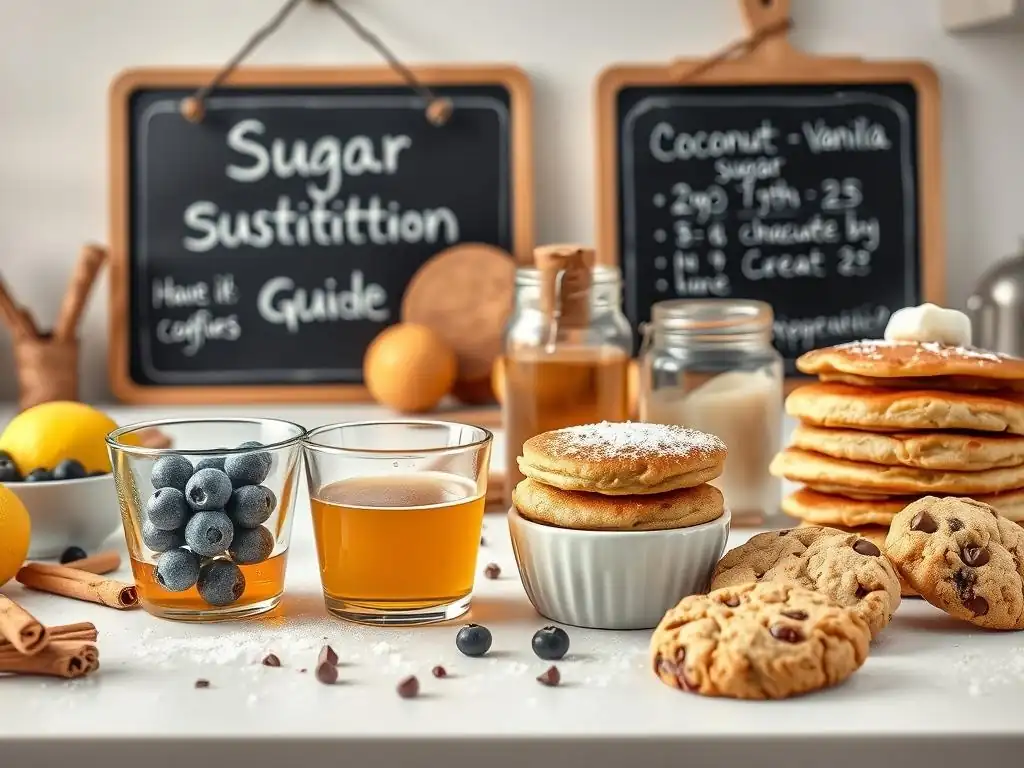
Different sugar substitutes have varying levels of sweetness compared to granulated sugar. Erythritol is about 70% as sweet, xylitol is roughly 1:1, and maltitol is about 90% as sweet. High-intensity sweeteners like stevia and monk fruit are many times sweeter, meaning you need only a fraction of the amount compared to sugar. This difference in sweetness is the first factor to consider when attempting easy sugar substitution recipes.
Using a conversion chart is highly recommended, though these are often approximate and require tasting and adjustment based on personal preference and the specific brand/form of the sweetener used. For instance, if a recipe calls for 1 cup of sugar and you are using erythritol, you might start with 1 cup or slightly more (e.g., 1 cup + 2 tablespoons) to achieve a similar level of sweetness, depending on the product's stated equivalency. For high-intensity sweeteners, the conversion is much smaller; a tiny scoop or a few drops might replace a cup of sugar's sweetness, though not its bulk.
Liquid to Dry Conversions: Maintaining Proper Ratios
When substituting a dry sweetener (like granulated sugar) with a liquid sweetener (like honey or maple syrup), or vice-versa, you must adjust the liquid components of the recipe to maintain the correct wet-to-dry ingredient ratio. Failing to do so can result in a batter or dough that is too wet or too dry, negatively impacting the final texture. This is a crucial step in successfully adapting recipes for easy sugar substitution.
A general guideline when replacing granulated sugar with a liquid sweetener is to reduce the total amount of other liquids in the recipe by about 1/4 cup for every cup of liquid sweetener used. For example, if a recipe calls for 1 cup sugar and 1 cup milk, and you substitute the sugar with 3/4 cup honey (using a common volume conversion), you would then reduce the milk to 3/4 cup as well ( 1 cup original milk - 1/4 cup adjustment). Conversely, if replacing a liquid sweetener with a dry one, you might need to add a small amount of liquid.
Troubleshooting Common Issues
Dryness: Adding Moisture-Rich Ingredients
One of the most common issues when substituting sugar, especially with dry sugar alcohols like erythritol, is a lack of moisture, leading to dry, crumbly baked goods. Sugar is hygroscopic, meaning it attracts and holds onto water. Many substitutes lack this property. To combat dryness in easy sugar substitution recipes, you can incorporate moisture-rich ingredients.
Consider adding ingredients like unsweetened applesauce, pumpkin puree, mashed banana, yogurt, sour cream, or extra eggs to the batter. Increasing the amount of liquid fat (oil) relative to solid fat (butter) can also help create a moister texture. Using liquid sweeteners like sugar-free syrups or combining your primary substitute with a small amount of a liquid alternative can also add needed moisture.
Lack of Browning: Using Maillard Reaction Enhancers
Many sugar substitutes do not participate in the Maillard reaction or caramelization, resulting in baked goods that look pale even when fully cooked. While this doesn't always affect the taste, it can be visually unappealing and signals a lack of the complex flavors developed during browning. To achieve better color in easy sugar substitution recipes, you can use Maillard reaction enhancers.
Adding a small amount of molasses, honey, or maple syrup (even just a tablespoon or two) can introduce fermentable sugars that promote browning. Ingredients like milk proteins (from milk, buttermilk, or yogurt) and egg whites also contain amino acids that participate in the Maillard reaction. Baking at a slightly higher temperature or for a slightly longer time (while carefully monitoring) can also encourage browning on the surface, though be cautious not to overbake and dry out the product.
Off-Flavors: Selecting Complementary Sweeteners
Some sugar substitutes, particularly high-intensity sweeteners like certain forms of stevia or excessive amounts of sugar alcohols, can leave an unpleasant aftertaste, often described as bitter, metallic, or cooling. This can detract significantly from the enjoyment of easy sugar substitution recipes. Identifying and mitigating these off-flavors is crucial for success.
Choosing high-quality, pure forms of sweeteners or well-formulated blends can help. Blending different sweeteners (e.g., using a mix of erythritol and monk fruit) can often provide a more balanced sweetness profile than relying on a single substitute. Pairing the sweetener with strong, complementary flavors like chocolate, coffee, spices (cinnamon, ginger), vanilla extract, or citrus zest can help mask or minimize any off-notes. Sometimes, simply reducing the overall sweetness level can also make off-flavors less noticeable.
Tips for Successful Sugar Reduction
Gradual Reduction: Training Your Palate
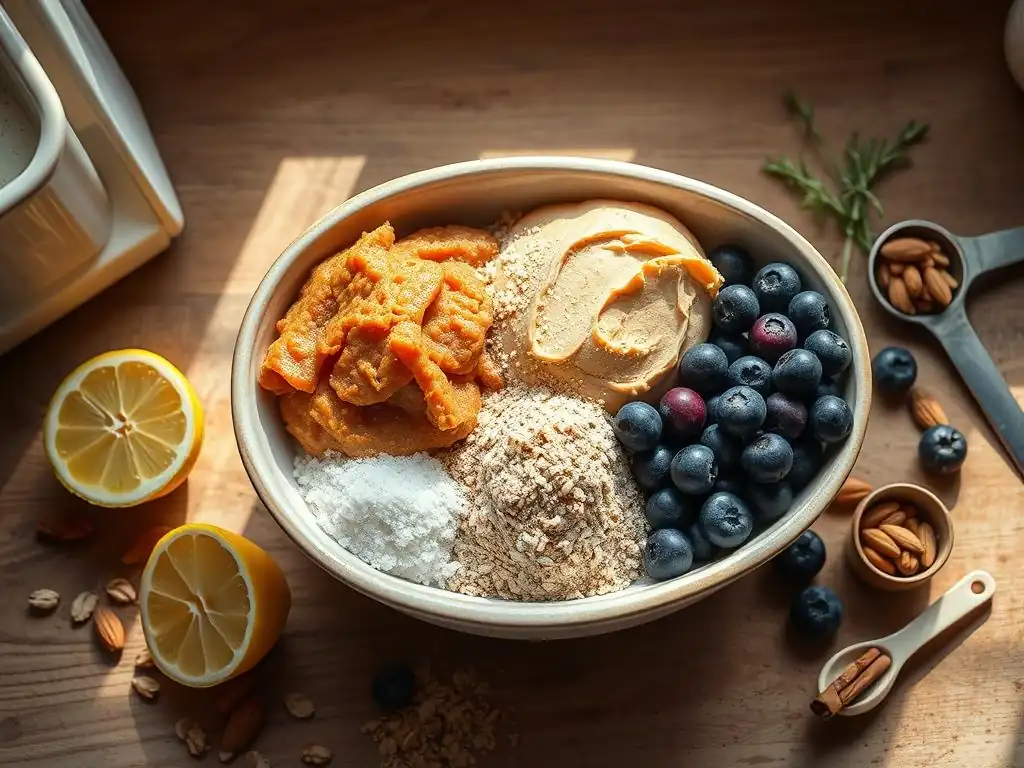
If you're new to substituting sugar, or even just looking to reduce overall sweetness without a full substitute, consider a gradual approach. Many traditional recipes are excessively sweet for modern palates. Start by reducing the sugar called for in a recipe by 10-25% without using any substitute. Often, you'll find the baked good is still plenty sweet and the other flavors shine through more.
Over time, as your palate adjusts to less intense sweetness, you can further reduce the sugar or begin incorporating substitutes. This gradual method makes the transition to easy sugar substitution recipes much smoother and helps you appreciate the natural flavors of the ingredients rather than just the sweetness. It's a simple yet effective way to bake healthier treats.
Flavor Pairings: Enhancing Natural Sweetness
Certain ingredients naturally enhance the perception of sweetness or provide complementary flavors that reduce the need for as much added sweetener. Incorporating spices like cinnamon, nutmeg, cloves, or cardamom can make baked goods taste sweeter and more complex. Extracts such as vanilla, almond, or maple also contribute flavor intensity that can compensate for reduced sugar.
Adding ingredients like cocoa powder, coffee, or citrus zest can provide depth and balance, making the sweetness you do use more effective. Fruits, even those not overtly sweet like cranberries or rhubarb, can work well when paired with a suitable sweetener. Thinking about flavor pairings is a creative way to develop delicious easy sugar substitution recipes that don't rely solely on the substitute for taste.
Recipe Testing: Documenting Adjustments
Successful sugar substitution often requires experimentation. Because different substitutes behave differently and individual preferences for sweetness vary, you will likely need to bake a recipe more than once to get it just right. Think of it as an exciting part of the baking process!
Keep detailed notes on your adjustments when trying out easy sugar substitution recipes. Document the original recipe, the substitute used, the amount, any changes made to other ingredients (like liquids or leavening), the baking time and temperature, and the results (texture, flavor, browning, rise). This documentation will be invaluable as you refine your recipes and build a collection of reliable, healthier baked goods.
Resources for Further Learning
Websites and Books: Expanding Your Baking Knowledge
The world of easy sugar substitution recipes is constantly evolving, with new sweeteners and techniques emerging regularly. To deepen your understanding and expand your repertoire, seek out reputable resources dedicated to this type of baking. Many websites specializing in low-carb, keto, or diabetic-friendly baking offer a wealth of information, including detailed guides on different sweeteners and tested recipes.
Baking books specifically focused on reduced-sugar or sugar-free baking can also provide comprehensive information, conversion charts, and recipes developed specifically for various substitutes. Look for resources that explain the why behind the substitutions, discussing how different ingredients interact, which will empower you to adapt any recipe rather than just following prescribed ones. Continuously learning will help you master the art of creating delicious baked goods with less sugar.
Frequently Asked Questions
What are some common sugar substitutes for baking?
Common sugar substitutes include honey, maple syrup, and artificial sweeteners like stevia. Each offers a different flavor profile and requires adjustments to liquid ratios.
How does substituting sugar affect the texture of baked goods?
Sugar contributes to moisture and tenderness. Substituting it can result in drier or denser textures if not properly accounted for. You may need to adjust liquid or fat content.
Can I use sugar substitutes in all types of baking recipes?
Not all substitutes work well in every recipe. For example, some substitutes may not caramelize or provide the same structural support as sugar in cakes. Experimentation is key!
What are some things to consider when choosing a sugar substitute?
Consider the flavor profile, glycemic index, and baking properties of the substitute. Also, factor in potential health considerations or allergies.
Where can I find easy sugar substitution recipes?
BakeWithEase.com offers a variety of easy sugar substitution recipes with step-by-step guides. Look for recipes specifically designed for the substitute you wish to use.
Final Reflection: The Sweet Truth About Sugar Substitution
The pervasive nature of added sugar in our diets is a significant health concern, and finding truly effective substitutes isn't just a trend—it's a necessity for a healthier future. We've explored numerous options, from natural sweeteners like maple syrup and honey to innovative alternatives like stevia and monk fruit, highlighting their unique properties and potential drawbacks. This isn't just about swapping one sweet ingredient for another; it's about making informed choices that support our well-being.
The journey towards reducing sugar intake is a deeply personal one, influenced by individual tastes, cultural norms, and access to resources. It's a journey I've undertaken myself, learning to appreciate the subtle sweetness of naturally occurring sugars and the versatility of alternative sweeteners. The process has been enlightening, revealing the surprising depth of flavor that can be achieved without relying on excessive refined sugar. The sweetness of life is not in the things we have, but in the people we have and the people we love.
This quote, while not directly about sugar, speaks to the deeper satisfaction found in mindful choices that prioritize health and well-being, extending beyond just dietary changes.
Now, it's your turn. Consider the recipes and information presented in this guide, and experiment with different sugar substitutes to find what works best for you and your family. Don't be afraid to get creative in the kitchen! Embrace the challenge of reducing refined sugar in your diet, not as a restriction, but as an opportunity to discover new flavors, enhance your culinary skills, and ultimately, invest in a healthier, happier you. The path to a sweeter, healthier life begins with a single, conscious swap.
Sweeten Your Life: Take the Next Step Towards Healthier Baking!
Thanks for taking the time to explore healthier baking options with us! We hope you've discovered some delicious and effective sugar substitutes to enhance your baking journey. Now it's time to put your newfound knowledge into practice!
- Try one of the sugar swaps today: Choose your favorite recipe and substitute your chosen sweetener – we're betting you'll be surprised by the results! Remember to adjust baking times and quantities slightly, as needed.
- Share your experience: Tell us (and other BakeWithEase enthusiasts!) about your baking adventure with a sugar substitute! Share your results in the comments section below.
- Explore our recipe collection: Discover even more delicious and healthy recipes designed to make your baking easier and more enjoyable. Find inspiration within our expanding collection!
What amazing creation will you bake with your new sugar substitute knowledge? Let's hear about it!