
How Much Substitute? Your Vegan Baking Conversion Chart

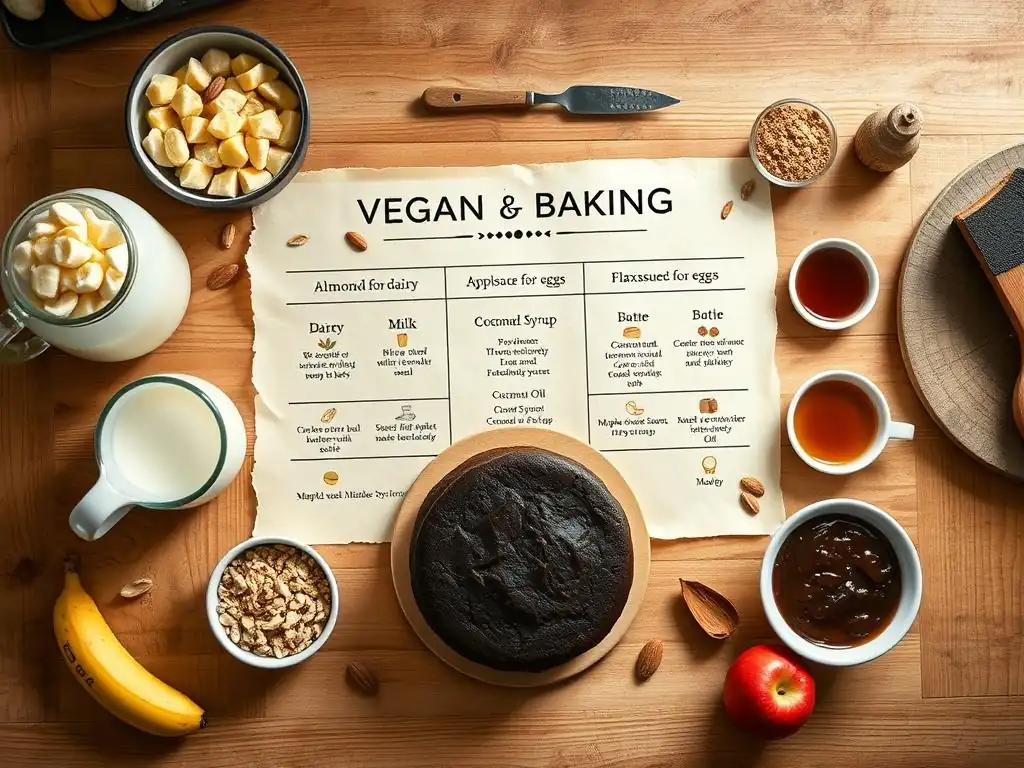
Welcome to BakeWithEase, your trusted companion on your baking journey! Ever wondered if you could truly transform your favorite recipes into delicious vegan delights? Our Vegan Baking Substitution Guide unveils the secrets to replacing eggs, dairy, and more with plant-based alternatives, ensuring your baked creations are both cruelty-free and irresistibly tasty. Ready to unlock a world of possibilities in your kitchen? Let's dive in and discover the perfect conversions to elevate your vegan baking game!
- Vegan Baking Conversion Chart
- Vegan Baking Substitution Guide: A Comprehensive Chart
- Understanding Vegan Baking Substitutions: The Basics
- The Ultimate Vegan Baking Conversion Chart: Your Go-To Resource
- Troubleshooting Common Vegan Baking Substitution Problems
- Expert Tips for Perfect Vegan Baking Conversions
- Mastering Vegan Baking: Beyond the Conversion Chart
- Frequently Asked Questions
- Final Reflection: The Sweet Science of Vegan Baking
- Unleash Your Inner Vegan Baker!
Vegan Baking Conversion Chart
Vegan Baking Substitution Guide: A Comprehensive Chart
Unlock Vegan Baking Success with Ingredient Swaps
Embarking on the journey of vegan baking opens up a world of creative possibilities, but it often requires understanding how to replace traditional ingredients like eggs and dairy. Mastering the art of ingredient swaps is fundamental to achieving delicious results. This comprehensive vegan baking substitution guide provides the essential knowledge and practical conversion tips you need.
We'll explore common replacements, their functions, and how to use them effectively to ensure your cakes rise, your cookies spread just right, and your pastries are flaky. Whether you're making a simple batch of muffins or tackling a complex celebration cake, having a reliable guide to vegan baking substitutions is invaluable.
Understanding the science behind these swaps is key. Each traditional ingredient plays a specific role – eggs bind, leaven, and add richness; dairy provides fat, moisture, and structure. When creating a vegan baking substitution guide, we look for plant-based ingredients that can mimic these functions. For instance, plant-based milks replace dairy milk's liquid and some fat, while various egg replacers can handle binding or leavening depending on the recipe. Learning these fundamental roles helps you troubleshoot and adapt recipes confidently, turning potential challenges into successful baking adventures.
Understanding Vegan Baking Substitutions: The Basics
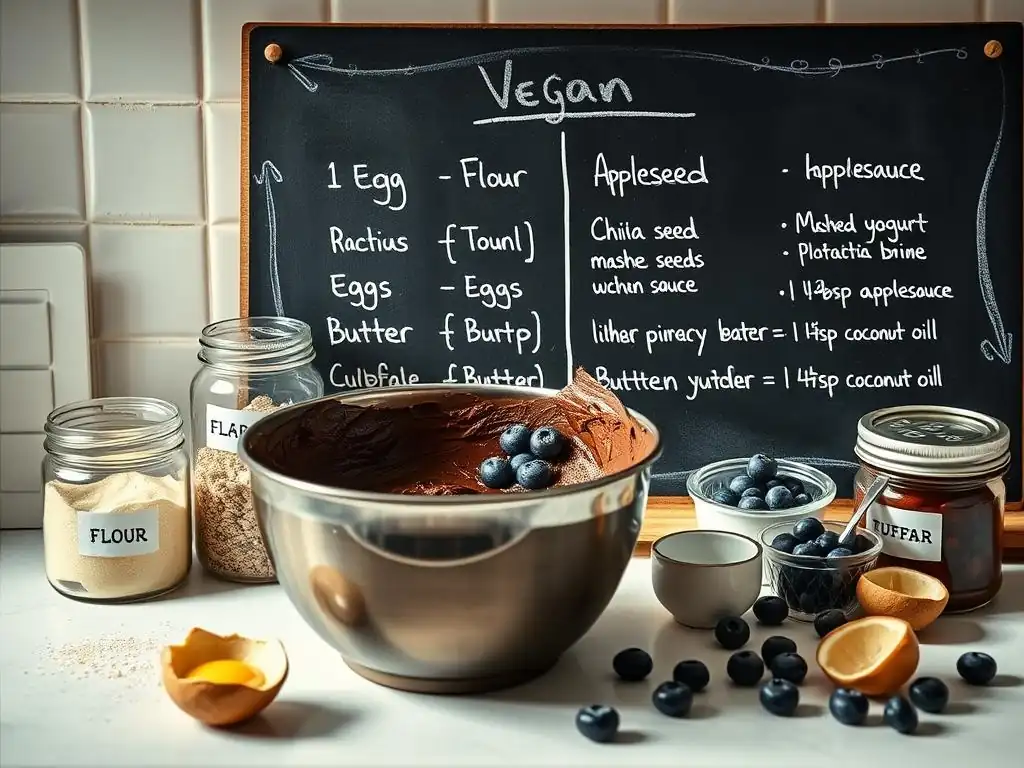
Why Vegan Baking Requires Ingredient Replacements
Traditional baking relies heavily on animal-derived products like eggs, milk, butter, and sometimes honey. These ingredients perform crucial functions that contribute to the texture, structure, flavor, and appearance of baked goods. Eggs, for example, act as binders, emulsifiers, leavening agents (especially egg whites), and add richness and color.
Dairy milk provides moisture and helps activate leaveners, while butter contributes fat for tenderness and flavor, and creates flaky layers in pastries. Without these components, a standard recipe simply won't work in a vegan context; it would likely result in a dense, dry, or crumbly product. Therefore, a vegan baking substitution guide is necessary to identify plant-based alternatives that can effectively mimic these roles.
The necessity for substitutions also stems from the unique properties of vegan ingredients. Plant-based milks have varying fat and protein content compared to cow's milk (e.g., almond milk is lower in fat than soy milk). Vegan butter is typically made from vegetable oils and often has a different melting point and composition than dairy butter.
Egg replacers, whether commercial blends or natural options like flaxseed 'eggs', don't replicate all functions of a chicken egg simultaneously. A flax egg is excellent for binding but won't provide the same lift as whipped egg whites. Understanding these differences is crucial when using a vegan baking substitution guide to ensure successful recipe adaptation.
Key Considerations When Substituting Ingredients in Vegan Baking
When implementing substitutions from a vegan baking substitution guide, several factors must be considered to achieve optimal results. The primary function of the ingredient being replaced is paramount. Is the egg needed primarily for binding (like in cookies) or for leavening (like in a light cake)? This dictates which type of egg replacer is most appropriate. Moisture content is another critical factor; some substitutes, like applesauce or mashed banana, add significant moisture, which might require slightly reducing other liquids in the recipe.
Fat content and flavor also play significant roles. Replacing dairy butter with a liquid oil will change the texture of cookies (they'll spread more) and pastries (they won't be as flaky). The flavor profile of the substitute matters too – using mashed banana as an egg replacer will impart a banana flavor, which works well in muffins or quick breads but not necessarily in a delicate vanilla cake.
Texture is also key; some replacers can make baked goods gummy or dense if not used correctly or in the right recipe. Consulting a detailed vegan baking substitution guide helps navigate these nuances by suggesting appropriate ratios and applications for each alternative.
The Ultimate Vegan Baking Conversion Chart: Your Go-To Resource
Egg Replacers for Vegan Baking: A Detailed Conversion Guide
Replacing eggs is often the most challenging aspect of vegan baking, as eggs perform multiple functions. A good vegan baking substitution guide will offer several options, each suited to different types of recipes and the specific role the egg plays. The goal is to find a substitute that provides the necessary binding, moisture, or leavening without negatively impacting the texture or flavor of the final product.
Choosing the right egg replacer depends heavily on the recipe. For dense baked goods like brownies or muffins where binding is key, a 'flax egg' or applesauce works well. For lighter cakes requiring some lift, commercial egg replacers or aquafaba might be better choices. Some recipes, particularly those with strong flavors like chocolate or spice, are more forgiving of substitutes like mashed banana or pumpkin puree. Let's delve into some common options provided in a detailed vegan baking substitution guide.
Flaxseed Meal as an Egg Substitute: Ratios and Uses
Ground flaxseed (flaxseed meal) mixed with water creates a gelatinous mixture that is an excellent binder in vegan baking. To replace one large egg, whisk together 1 tablespoon of ground flaxseed meal with 3 tablespoons of water. Let the mixture sit for about 5-10 minutes until it thickens to a gel-like consistency. This 'flax egg' is particularly effective in recipes where binding is crucial, such as cookies, muffins, quick breads, and brownies. It adds a slightly nutty flavor and some fiber, which is usually undetectable in strongly flavored baked goods.
Flax eggs are not suitable for recipes that rely on eggs for significant leavening, like angel food cake or soufflés. They are best used in recipes that call for only one or two eggs, as using too many flax eggs can make the baked good dense or gummy. Always use freshly ground flaxseed for the best results, as pre-ground flaxseed can go rancid quickly. Incorporating this tip into your vegan baking substitution guide ensures better outcomes.
Chia Seeds as an Egg Substitute: Ratios and Applications
Similar to flaxseed, chia seeds form a gel when mixed with liquid, making them another popular binder in vegan baking. To replace one large egg, combine 1 tablespoon of chia seeds (whole or ground) with 3 tablespoons of water. Stir and let it sit for 5-10 minutes until it thickens into a gel. Chia eggs function very much like flax eggs and are effective binders in similar recipes, including cookies, muffins, pancakes, and quick breads. Using whole chia seeds will result in visible speckles in your baked goods, which can be a nice aesthetic touch in some recipes.
Chia eggs provide omega-3 fatty acids and fiber, adding a nutritional boost. Like flax eggs, they are best used in recipes requiring minimal leavening and are most effective when replacing one or two eggs. They are not ideal for light, airy cakes. Including both flax and chia options in a vegan baking substitution guide offers flexibility depending on what you have on hand.
Applesauce as an Egg Substitute: When and How to Use It
Unsweetened applesauce is a common and easy-to-use egg replacer that adds moisture and binding properties. Use approximately ¼ cup (about 60g) of unsweetened applesauce to replace one large egg. Applesauce works well in moist baked goods like muffins, quick breads, and some cakes. It adds a subtle sweetness and flavor, which is often desirable in these types of recipes. It contributes moisture, so it's important to use unsweetened varieties to control the overall sugar content.
While applesauce adds moisture and some binding, it doesn't provide significant leavening. Using too much applesauce can result in a dense or gummy texture. It's generally recommended for recipes calling for up to two eggs. A good vegan baking substitution guide will note that applesauce is best for recipes where density isn't a major concern and a little extra moisture is welcome.
Banana as an Egg Substitute: Considerations and Limitations
Mashed ripe banana can also serve as an egg substitute, providing moisture and binding. Use approximately ¼ cup (about 60g) of mashed ripe banana to replace one large egg. Mashed banana is effective in moist baked goods like muffins, quick breads, and some brownies. It adds sweetness and a distinct banana flavor, making it suitable for recipes where that flavor profile is desired, such as banana bread (naturally!) or spiced muffins. The riper the banana, the sweeter and more effective it will be as a binder.
The strong flavor of banana limits its use in delicately flavored baked goods. Like applesauce, it adds moisture and binding but doesn't provide significant leavening, potentially resulting in a denser product. It's best used in recipes calling for one or two eggs. Your vegan baking substitution guide should highlight that this option is flavor-specific and adds considerable moisture.
Commercial Egg Replacers: Usage Guidelines and Brands
Various commercial egg replacer products are available, formulated to mimic some or all of an egg's functions. These products typically contain a blend of starches (like potato or tapioca) and leavening agents (like baking soda). Follow the package instructions precisely, as ratios vary by brand. A common ratio is 1.5 tablespoons of powder mixed with 2-3 tablespoons of water to replace one egg. Brands like Ener-G Egg Replacer, Bob's Red Mill Egg Replacer, and JUST Egg (a liquid option) are popular choices.
Commercial replacers are often versatile and can work in a wider range of recipes, including some lighter cakes, depending on their formulation. They are generally flavor-neutral. However, they may not provide the exact same results as real eggs, particularly in recipes relying heavily on egg whites for structure (like meringues). Consulting reviews or testing different brands is often recommended when using a vegan baking substitution guide for complex recipes.
Aquafaba (Chickpea Brine): A Versatile Egg White Substitute
Aquafaba, the liquid drained from canned chickpeas or other legumes, is a remarkable substitute for egg whites. Approximately 3 tablespoons (about 45ml) of aquafaba can replace one large egg white. When whipped, aquafaba creates stable peaks similar to egg whites, making it ideal for meringues, macarons, mousses, and lighter cakes where aeration is needed. It can also be used as a binder in other recipes, though its primary strength is mimicking whipped egg whites.
To whip aquafaba, use a stand mixer or hand mixer on high speed for several minutes until stiff peaks form, similar to whipping egg whites. Adding a pinch of cream of tartar can help stabilize the foam. While primarily an egg white substitute, some recipes use it (unwhipped) as a binder or even to replace whole eggs (often requiring more volume, e.g., 1/4 cup per egg). Any comprehensive vegan baking substitution guide should prominently feature aquafaba for its unique ability to create airy textures.
Dairy Replacers for Vegan Baking: Conversion and Usage
Replacing dairy in vegan baking is often more straightforward than replacing eggs, as many plant-based alternatives are widely available and perform similar functions. However, the variety in fat content and flavor among these alternatives means careful selection is still important. A reliable vegan baking substitution guide will help you choose the best plant-based milk, butter, or yogurt for your specific recipe.
The key is to match the properties of the dairy ingredient being replaced. Full-fat plant milk is better for richer baked goods, while lower-fat options work for lighter recipes. Vegan butter sticks designed for baking perform differently than soft tub margarines or liquid oils. Understanding these nuances helps ensure your vegan cookies have the right chew, your cakes are moist, and your frostings are creamy. Let's explore some common dairy substitutes.
Plant-Based Milk Substitutions: Almond, Soy, Oat, and More
Plant-based milks are direct replacements for dairy milk in most baking applications, providing liquid, contributing to structure, and activating leaveners. Use a 1:1 ratio when substituting plant-based milk for dairy milk. Common options include almond milk, soy milk, oat milk, cashew milk, and rice milk. Each has a slightly different flavor profile and fat content. Soy milk and oat milk tend to be creamier with higher protein/fat than almond or rice milk, making them excellent all-purpose choices for cakes, muffins, and breads.
Choose unsweetened varieties for most baking unless the recipe specifically calls for sweetened milk, to better control the sugar level. Ensure the milk is at room temperature if the recipe calls for it. For recipes requiring buttermilk, you can make a vegan version by adding 1 tablespoon of vinegar (apple cider or white) or lemon juice to 1 cup of plant-based milk and letting it sit for 5-10 minutes until it curdles slightly. This simple trick is a valuable addition to any vegan baking substitution guide.
Vegan Butter Substitutions: Ratios and Best Practices
Vegan butter sticks are designed to mimic the texture and behavior of dairy butter in baking, providing fat for tenderness, flavor, and structure. Use a 1:1 ratio when substituting vegan butter sticks for dairy butter in recipes like cookies, cakes, and pastries. Look for vegan butter specifically marketed for baking, as these typically have a firmer consistency and a fat blend that performs better than softer margarines. Brands like Miyoko's Kitchen (cashew-based, known for puff pastry), Earth Balance Vegan Butter Sticks, and Melt Organic Vegan Butter are popular choices.
Creaming vegan butter with sugar works similarly to dairy butter, incorporating air for leavening. For recipes like pie crusts or biscuits, ensure the vegan butter is cold and cut into the flour, just as you would with dairy butter, to create flaky layers. Melted vegan butter can replace melted dairy butter in recipes like brownies or muffins. Your vegan baking substitution guide should emphasize using stick-form vegan butter for recipes where creaming or cold-fat techniques are used.
Vegan Yogurt Substitutions: Achieving the Right Texture and Flavor
Vegan yogurt can replace dairy yogurt or sour cream, adding moisture, tang, and richness to baked goods. Use a 1:1 ratio when substituting plain, unsweetened vegan yogurt for dairy yogurt or sour cream. Options include soy yogurt, coconut yogurt, almond yogurt, or cashew yogurt. These work well in muffins, cakes, and quick breads, contributing to a tender crumb and a pleasant slight tang. Choose a thick, plain variety for the best results.
The moisture content of vegan yogurts can vary, so if a recipe seems too wet or dry, you might need minor adjustments to other liquids. Ensure the yogurt is plain and unsweetened unless the recipe specifically requires sweetness or flavor. For frostings or dips, a thicker, creamier vegan yogurt (or vegan sour cream alternative) is preferable. Adding this versatile option enhances your vegan baking substitution guide.
Vegan Cream Cheese Substitutions: For Frostings and Fillings
Vegan cream cheese is essential for classic recipes like carrot cake with cream cheese frosting or cheesecake. Use a 1:1 ratio when substituting vegan cream cheese for dairy cream cheese. Many brands offer vegan cream cheese made from ingredients like soy, cashews, or coconut. Popular brands include Tofutti, Kite Hill (almond-based), and Miyoko's Kitchen. Look for a brand with a firm texture and a slightly tangy flavor that mimics dairy cream cheese.
Vegan cream cheese works well in frostings, cheesecakes, and fillings. For frostings, ensure it is softened to room temperature for easy creaming. Vegan cheesecakes often require additional binders like cornstarch or agar-agar to set properly compared to dairy cheesecakes. Experimenting with different brands can help you find the one with the best flavor and texture for your needs, a tip useful in any vegan baking substitution guide.
Sweetener Substitutions in Vegan Baking: Balancing Flavor and Texture
While most granulated sugars are vegan (check labels for bone char processing), some traditional sweeteners like honey are not. Replacing liquid sweeteners like honey or adjusting recipes for alternative granulated sugars requires understanding their impact on moisture and texture. A good vegan baking substitution guide will cover these nuances.
Vegan sweeteners come in various forms, from liquid syrups to granulated sugars and fruit purees. Each contributes sweetness but also affects the final product's moisture level, color, and structure differently. Balancing these factors is key to successful vegan baking.
Maple Syrup as a Vegan Sweetener: Adjusting Liquid Ratios
Pure maple syrup is a popular liquid vegan sweetener that also adds a distinctive flavor. When substituting maple syrup for granulated sugar, you typically need to reduce the total liquid in the recipe because maple syrup is a liquid. A common starting ratio is to use about ¾ cup of maple syrup for every 1 cup of granulated sugar, and reduce the other liquids in the recipe by about 2-4 tablespoons. The exact adjustment depends on the recipe and the desired consistency.
Maple syrup adds moisture and can result in a denser, moister baked good. It also contributes its characteristic flavor and can cause baked goods to brown faster due to its sugar composition. It works wonderfully in muffins, quick breads, and cookies where the flavor is complementary. Including specific liquid adjustment guidance is vital for a practical vegan baking substitution guide.
Agave Nectar as a Vegan Sweetener: Usage Tips
Agave nectar is another liquid vegan sweetener, often milder in flavor than maple syrup. Like maple syrup, agave is sweeter than granulated sugar, so you'll use less. A common substitution is about ⅔ cup of agave nectar for every 1 cup of granulated sugar, also reducing other liquids in the recipe by 2-4 tablespoons. Agave is available in light and dark varieties; light agave has a neutral flavor, while dark agave has a more pronounced caramel-like taste.
Agave nectar can make baked goods very moist and can also cause them to brown quickly. It's best used in recipes where its liquid form and sweetness level are beneficial, such as sauces, bars, or some cakes. Be mindful of its high fructose content if that is a dietary concern. A comprehensive vegan baking substitution guide should mention agave's potency and liquid nature.
Coconut Sugar as a Vegan Sweetener: Considerations for Color and Texture
Coconut sugar is a granulated vegan sweetener derived from the sap of coconut palm flowers. It can often be substituted for granulated or brown sugar in a 1:1 ratio by volume, though it is slightly less sweet. Coconut sugar has a caramel-like flavor and a coarser texture than regular granulated sugar. It imparts a light brown color to baked goods, similar to using brown sugar.
Because of its slightly larger granule size and composition, coconut sugar can affect the texture of baked goods, sometimes making them slightly less tender than granulated sugar. It works well in cookies, muffins, and quick breads where a slightly rustic texture and caramel flavor are desirable. Your vegan baking substitution guide should point out its color and texture impact.
Dates as a Vegan Sweetener: Purees and Pastes for Baking
Date paste, made from blending soaked dates, is a whole-food vegan sweetener that adds fiber and nutrients. Date paste can be used to replace sugar in recipes, although the substitution ratio and impact on texture vary significantly depending on the recipe. A general starting point might be a 1:1 ratio by volume for sugar, but you'll need to reduce other liquids considerably as date paste is very moist. For example, in a muffin recipe, replacing ½ cup sugar with ½ cup date paste would likely require reducing the milk or other liquid by ¼ cup or more.
Date paste adds a rich, caramel-like flavor and makes baked goods very moist and dense. It is best used in recipes where moisture and density are acceptable, such as energy bars, brownies, or dense quick breads. It also adds visible flecks of dates. Using date paste is a less direct substitution than other sweeteners, requiring more recipe adaptation, which is an important note for any vegan baking substitution guide.
Gluten-Free Vegan Baking Substitutions: A Double Challenge
Combining vegan and gluten-free requirements adds complexity, as traditional baking relies on both gluten (for structure) and eggs (for binding and structure). Successfully navigating this requires careful selection of flours and binders. A specialized vegan baking substitution guide focusing on this area is particularly helpful.
The absence of gluten means you lose the elastic network that provides structure and chewiness in conventional baked goods. The absence of eggs means you lose a key binder and leavener. Addressing both simultaneously requires specific ingredient choices that can build structure and hold the ingredients together without relying on either gluten or eggs.
Replacing Gluten and Eggs Simultaneously
When a recipe is both vegan and gluten-free, the challenge is finding ingredients that can provide structure, binding, and sometimes leavening without gluten or eggs. This often involves using a blend of gluten-free flours combined with specific binders. Gluten-free flours like rice flour, almond flour, oat flour, and buckwheat flour behave differently than wheat flour and don't contain gluten to create structure. Therefore, they need help from other ingredients to hold together.
Successful gluten-free vegan baking relies heavily on starches (like tapioca starch, potato starch, cornstarch) and gums or fibers (like xanthan gum or psyllium husk) to mimic the binding and structural properties lost by removing gluten and eggs. Liquids and fats also play a crucial role in providing moisture and tenderness to counteract the dryness sometimes associated with gluten-free flours. A comprehensive vegan baking substitution guide for this niche should detail these interactions.
Gluten-Free Flour Blends: Choosing the Right Mix
Using a balanced gluten-free flour blend is crucial for successful gluten-free vegan baking, as single-origin flours often lack the necessary properties. Commercial gluten-free all-purpose blends are convenient, but check their ingredients. Many contain a mix of rice flour, potato starch, tapioca starch, and sometimes sorghum or millet flour. Some blends are formulated specifically for different types of baking (e.g., blends for cakes vs. blends for bread). Alternatively, you can create your own blend using a ratio of whole grain flours, starches, and possibly a binder.
When using a 1:1 gluten-free all-purpose blend to replace wheat flour in a vegan recipe, remember that you still need to address the egg substitution. The blend replaces the flour, but a separate egg replacer is needed for binding/leavening. Some gluten-free blends already contain binders like xanthan gum, which is a helpful feature for vegan recipes. Always weigh gluten-free flours for accuracy, as their density varies significantly. This precision is a key tip in any vegan baking substitution guide.
Binders for Gluten-Free Vegan Baking: Xanthan Gum and Psyllium Husk
In gluten-free vegan baking, binders like xanthan gum or psyllium husk are often essential to provide elasticity and structure that gluten would normally supply, and to enhance the binding provided by egg replacers. Xanthan gum is typically used in small amounts, often ¼ to ½ teaspoon per cup of gluten-free flour blend for cakes/muffins, and up to 1 teaspoon per cup for breads that require more structure.
Psyllium husk (whole or ground) is another effective binder, often used at a ratio of about 1-2 teaspoons of whole husk (or slightly less ground) per cup of flour, usually mixed with water first to form a gel.
These binders create a gel-like structure that helps hold the baked goods together, preventing crumbling. They mimic some of the viscoelastic properties of gluten. Using too much can result in a gummy texture, so precise measurement is important. Psyllium husk adds fiber and absorbs more liquid than xanthan gum, potentially requiring slight adjustments to liquids. Including guidance on these binders is vital for any vegan baking substitution guide addressing gluten-free needs.
Troubleshooting Common Vegan Baking Substitution Problems

Even with a good vegan baking substitution guide, sometimes things don't go as planned. Understanding common issues and their potential causes related to substitutions can help you identify problems and improve your results. Many issues stem from the different ways vegan ingredients behave compared to their traditional counterparts, particularly regarding moisture, fat, and leavening.
Troubleshooting vegan baking often involves looking at the balance of wet and dry ingredients, the effectiveness of your chosen leaveners and binders, and the baking temperature and time. Let's look at a few common problems encountered when using a vegan baking substitution guide.
My Vegan Cake is Dense: What Went Wrong?
A dense vegan cake is a common frustration and can stem from several substitution-related issues. One primary cause is inadequate leavening. If the egg replacer used doesn't contribute lift (like a flax egg) and the recipe relies heavily on eggs for leavening, the cake won't rise properly. Ensure your baking powder and baking soda are fresh and correctly measured, as these are often the primary leaveners in vegan cakes.
Another cause of density can be too much moisture or fat from the substitutions. Using too much applesauce, mashed banana, or certain types of vegan yogurt or butter can weigh down the batter. Overmixing the batter after adding the dry ingredients can also develop any potential structure too much (even without gluten) and lead to a tough, dense crumb. Reviewing your vegan baking substitution guide for the moisture content of your chosen substitutes and checking leavener freshness are good first steps.
Flat, overly spread cookies are another frequent issue in vegan baking. This is often related to the fat substitution. Vegan butter alternatives can have different melting points and fat compositions compared to dairy butter. If the vegan butter melts too quickly in the oven, the cookies will spread excessively before they have a chance to set. Using a softer vegan butter or margarine instead of a stick-style vegan butter designed for baking can contribute to this problem.
Incorrect flour measurements or using too much liquid from egg or dairy substitutes can also cause cookies to spread too much. Chilling the cookie dough thoroughly before baking is a simple yet effective fix, allowing the fats to firm up and the dry ingredients to absorb moisture, which helps the cookies hold their shape better in the oven. Consulting your vegan baking substitution guide for recommended butter alternatives for cookies is helpful, and always measure flour accurately, preferably by weight.
My Vegan Bread Didn't Rise: Addressing Yeast and Gluten Issues
Vegan bread baking can be tricky, especially if the recipe originally relied on eggs for richness or structure, or if it's a gluten-free vegan bread. If a yeasted vegan bread doesn't rise, the most likely culprit is inactive yeast. Ensure your yeast is fresh and activated properly in warm liquid (around 105-115°F or 40-46°C) with a pinch of sugar before adding it to the dough.
In vegan bread, plant-based milk or water provides the necessary liquid for the yeast. Ensure the liquid temperature is correct. If the recipe is gluten-free vegan, the lack of gluten's structure and the need for effective binders (like psyllium husk or xanthan gum) become critical. Without adequate binding, the dough cannot trap the gases produced by the yeast, resulting in poor rise and a dense loaf. A specialized vegan baking substitution guide for bread would emphasize yeast handling and the role of binders in gluten-free doughs.
Expert Tips for Perfect Vegan Baking Conversions
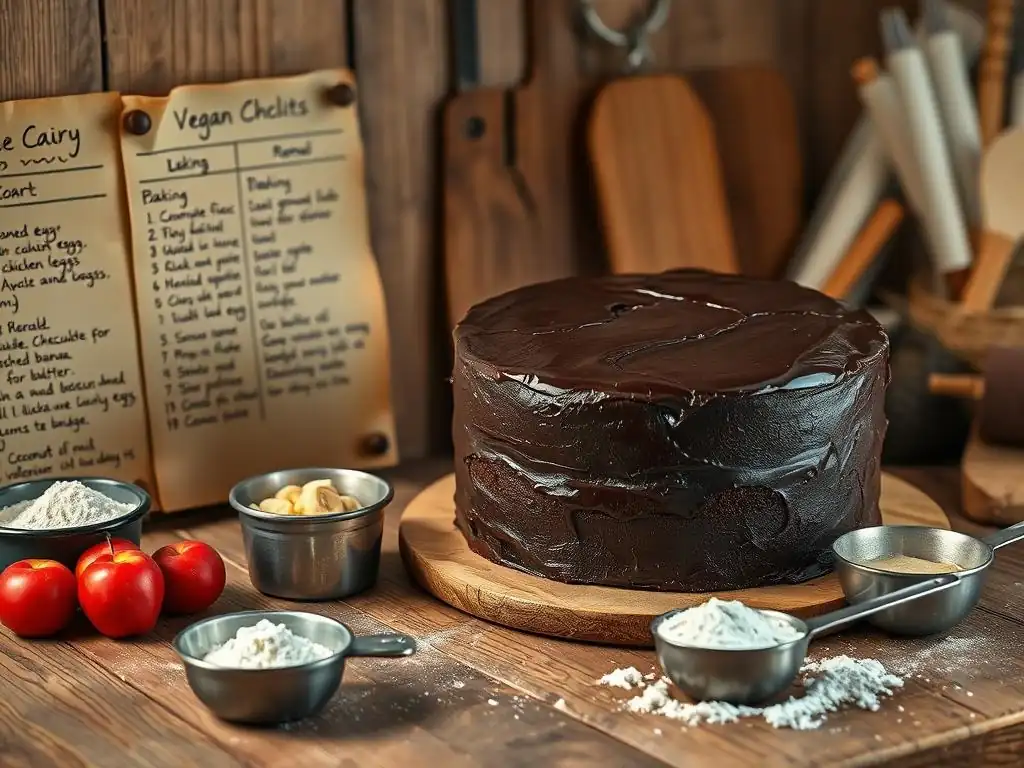
Beyond simply knowing the ratios from a vegan baking substitution guide, mastering vegan baking conversions involves developing intuition and understanding how ingredients interact. Paying attention to detail and being willing to experiment will significantly improve your results.
Think of baking as a science, where each ingredient plays a specific role. When you swap something out, you're changing the chemistry of the recipe. Learning to anticipate these changes and make minor adjustments is what elevates your baking from good to great.
Measuring Ingredients Accurately for Best Results
Accurate measurement is always important in baking, but it becomes even more critical when using substitutions in vegan recipes. Dry ingredients like flour and sugar should ideally be weighed using a kitchen scale for the most consistent results. Cup measurements can vary significantly depending on how the ingredient is scooped. For liquid ingredients, use liquid measuring cups at eye level.
Many vegan substitutes, like applesauce or mashed banana, have varying densities and moisture levels. Using precise measurements, whether by weight or carefully leveled cups, helps ensure you are adding the intended amount of moisture and bulk to the recipe, which is crucial for consistent outcomes when following a vegan baking substitution guide.
Understanding the Role of Each Ingredient in Vegan Baking
To successfully make substitutions, it's vital to understand what each ingredient is supposed to do in the original recipe. Is the egg primarily for binding, leavening, or richness? Does the milk provide moisture, fat, or help activate leaveners? Does the butter add flavor, tenderness, or create flakiness? Once you identify the primary function, you can choose a vegan substitute that best fulfills that role based on your vegan baking substitution guide.
For example, if a cookie recipe calls for one egg and is relatively high in fat, the egg is likely primarily for binding. A flax egg or chia egg would be a good choice. If a light cake recipe calls for several eggs, they are likely providing significant leavening and structure, so a commercial egg replacer or aquafaba might be more appropriate. This functional understanding is key to adapting recipes effectively.
Experimenting with Different Substitutions to Find Your Favorites
The best way to become proficient in vegan baking conversions is through practice and experimentation. Different substitutes will yield slightly different results in the same recipe. For instance, a cake made with soy milk might have a slightly different texture than one made with oat milk. Cookies made with one brand of vegan butter might spread more than those made with another. Don't be afraid to try different options listed in your vegan baking substitution guide to see which ones you prefer for specific types of baked goods.
Start with simple recipes like muffins or cookies, where small variations are less critical. Keep notes on what substitutions you used and how they affected the outcome (texture, flavor, rise, spread). This will help you build confidence and learn which substitutes work best for your palate and your preferred baking style. Mastering the art of the vegan baking substitution guide comes with hands-on experience.
Mastering Vegan Baking: Beyond the Conversion Chart
Frequently Asked Questions
How do I substitute eggs in vegan baking?
The best egg substitute depends on the recipe. Common options include applesauce for moisture, flaxseed meal as a binder, and aquafaba for lightness. Experiment to find what works best!
What can I use instead of dairy milk in my vegan baking recipes?
Many plant-based milk options work well. Almond milk and soy milk are popular choices. Consider the flavor profile of the milk; oat milk adds a subtle sweetness.
Is there a good vegan substitute for butter in baking?
Yes! Vegan butter sticks specifically formulated for baking are widely available and often perform similarly to dairy butter. You can also use coconut oil, but be mindful of its flavor.
What can I use to replace honey in my vegan baking?
Maple syrup and agave nectar are excellent substitutes for honey, offering similar sweetness and liquid consistency. You can also use molasses, but it has a stronger flavor.
How do I substitute gelatin in vegan desserts?
Agar-agar is a popular vegan alternative to gelatin, derived from seaweed. Follow the package instructions carefully, as the ratios can differ from gelatin. Pectin is another viable option, especially in jams and jellies.
Final Reflection: The Sweet Science of Vegan Baking
The quest for the perfect vegan bake is far from over, but this guide provides a crucial stepping stone. The ability to confidently substitute ingredients and achieve delicious, ethical results is more relevant than ever, as veganism continues its rise in popularity and awareness of sustainable food choices grows. This isn't just about dietary restrictions; it's about expanding culinary possibilities and embracing a more compassionate approach to food production.
This journey into the world of vegan baking substitutions has been a fascinating exploration of texture, taste, and the surprising versatility of plant-based ingredients. I've learned firsthand how seemingly small changes can yield dramatically different outcomes, highlighting the importance of precision and experimentation. The best way to find yourself is to lose yourself in the service of others,
– Mahatma Gandhi. This quote resonates deeply, as the act of creating delicious vegan treats can be a form of service, offering delicious alternatives and expanding access to enjoyable food for a wider audience.
Now, it's your turn. Don't be afraid to experiment with the ratios and techniques outlined in this guide. Embrace the challenges, celebrate the successes, and most importantly, enjoy the process of creating something both delicious and meaningful. The world of vegan baking is vast and exciting; let your creativity flourish and discover your own signature vegan masterpiece. Happy baking!
Unleash Your Inner Vegan Baker!
Thanks for diving into the world of vegan baking with us! We hope this conversion chart empowers you to create delicious, plant-based treats with confidence. Ready to get baking?
- Dive into your recipe collection and start experimenting! Use our chart to easily swap out ingredients and transform your favorite recipes into vegan masterpieces. This is your chance to make those classic cookies and cakes even better!
- Share your vegan baking triumphs (and challenges!) with us on social media! Let's build a supportive community of plant-based bakers. Use #BakeWithEaseVegan to connect with fellow enthusiasts.
- Consider trying a completely new recipe that's specifically designed for vegan baking; many delicious options are waiting to be discovered!
What exciting vegan creation will you bake first?