
The Secret to a Chewy Baguette Crumb (Troubleshooting Tips)

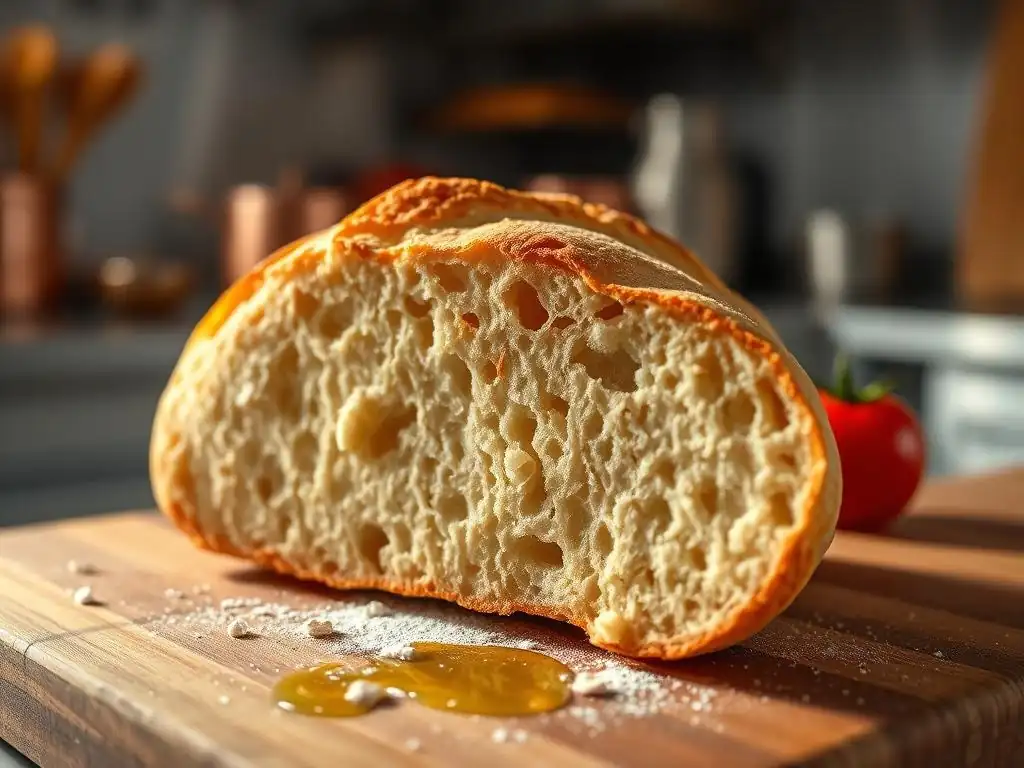
Welcome to BakeWithEase, your trusted guide to baking bliss! Ever wondered why your baguette's crumb isn't quite chewy enough? Unlock the secrets to that perfect texture with our Chewy Baguette Crumb Troubleshooting Tips. We'll delve into common mistakes and clever fixes to help you achieve bakery-quality baguettes right in your own kitchen. Ready to perfect your bake? Let's get started!
- The Secret to a Chewy Baguette Crumb: Troubleshooting Tips for BakeWithEase
- Achieving the Perfect Chewy Baguette Crumb: An Introduction
- Understanding the Importance of a Chewy Crumb in Baguettes
- Troubleshooting Common Problems That Lead to a Dense Baguette Crumb
- Advanced Techniques for Achieving a Chewier Baguette Crumb
- Baguette Crumb Troubleshooting: A Quick Reference Guide
- Mastering the Chewy Baguette Crumb: Final Thoughts and Resources
-
Frequently Asked Questions
- What is the most common reason for a baguette having a dense crumb instead of a chewy one?
- How does hydration level affect the chewiness of a baguette crumb?
- What's the ideal protein content in flour for achieving a chewy baguette crumb?
- Can oven temperature impact the final texture of my baguette crumb?
- Besides proofing and hydration, what other technique can help improve the chewiness of a baguette crumb?
- Final Reflection: The Enduring Quest for the Perfect Crumb
- Unlock Your Perfect Baguette Crumb: Take Action Now!
The Secret to a Chewy Baguette Crumb: Troubleshooting Tips for BakeWithEase
Achieving the Perfect Chewy Baguette Crumb: An Introduction
Welcome to BakeWithEase! Today, we're diving deep into one of the most sought-after textures in bread baking: the wonderfully chewy baguette crumb. Achieving that signature chewiness can feel like a mystery, but it's absolutely within your reach. A perfect baguette isn't just about the crispy crust; the interior, the crumb, plays a crucial role in the overall experience. If you've ever pulled a baguette from the oven only to find its crumb dense or cake-like instead of delightfully chewy, you're not alone. This article provides essential chewy baguette crumb troubleshooting tips to help you diagnose and fix common issues.
Understanding the nuances of dough handling, fermentation, and baking environment are key to unlocking that ideal texture. We'll walk through the science behind a chewy crumb and address the most frequent pitfalls bakers encounter. By the end of this guide, you'll have the knowledge and practical chewy baguette crumb troubleshooting tips to elevate your baguette game and consistently produce loaves with that coveted interior structure.
Understanding the Importance of a Chewy Crumb in Baguettes
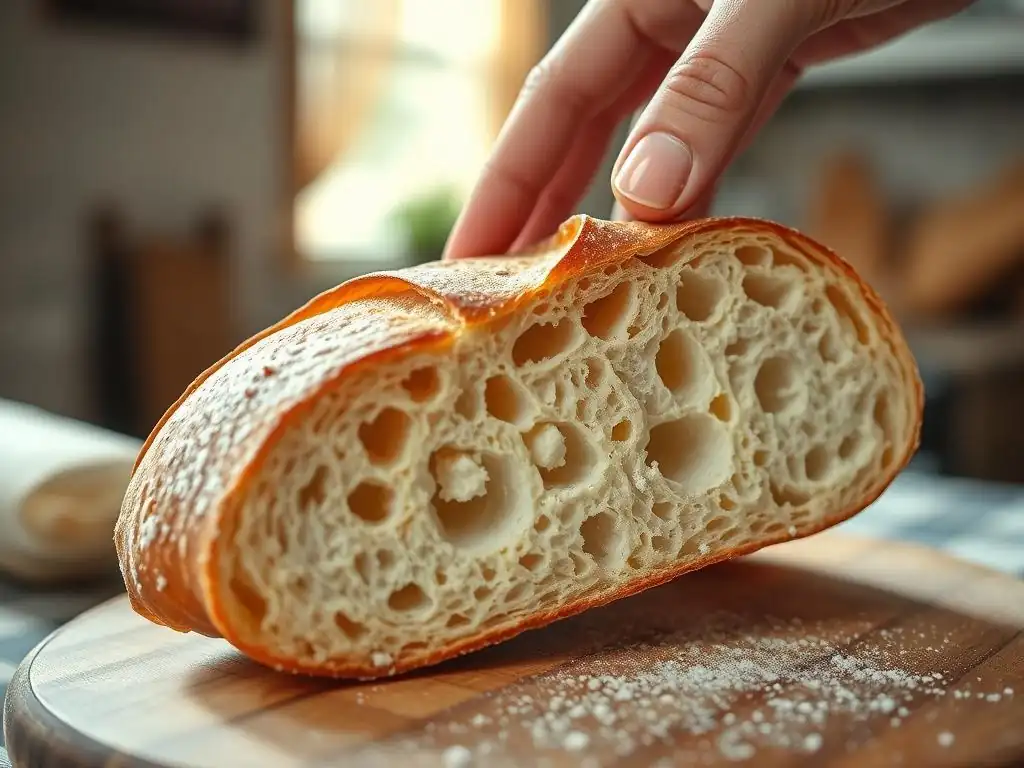
The crumb of a baguette is more than just filler; it's a defining characteristic of this classic bread. A truly great baguette boasts an open, irregular structure with a distinct chewiness that complements the crisp exterior. This texture provides a satisfying mouthfeel and allows the subtle flavors developed during fermentation to shine through. Without it, a baguette can feel heavy, dry, or simply lack the authentic character we expect.
A proper chewy baguette crumb indicates successful gluten development, adequate hydration, and balanced fermentation. It's a sign of a well-made loaf, reflecting the baker's understanding of the process. Mastering the techniques to achieve this texture is a significant step in becoming a more confident and skilled bread baker. Let's explore why this texture is so desirable and what factors influence it.
Why is a Chewy Baguette Crumb Desirable?
A chewy baguette crumb offers a delightful contrast to the bread's crackly crust. This textural interplay is fundamental to the baguette experience. Imagine tearing off a piece: the initial resistance from the crust gives way to a satisfying pull and chew from the interior. This isn't just about texture; it also impacts how we perceive flavor. The open structure allows for better absorption of butter, olive oil, or spreads, and the chewiness prolongs the tasting experience, letting the complex flavors of the fermented dough develop on the palate.
Beyond sensory pleasure, a chewy crumb is often associated with quality. It suggests the bread was made with care, using traditional methods that allow for proper dough development. A dense or tight crumb, conversely, can indicate rushed processes or incorrect technique. For many bakers, achieving that perfect chewy baguette crumb is a benchmark of success, a tangible result of their effort and understanding of bread science.
Factors Affecting Baguette Crumb Texture
Several critical factors influence whether your baguette crumb turns out light and chewy or dense and heavy. Hydration level is paramount; baguette dough typically has a high hydration (often 70-75% or even higher), which contributes significantly to an open, chewy crumb. Insufficient water will result in a tighter, drier texture. Gluten development is another key player. The network of gluten proteins provides the structure that traps gases produced during fermentation, creating those characteristic air pockets and contributing to the chewiness.
Fermentation, both bulk fermentation and proofing, plays a vital role. Proper fermentation allows the dough to develop flavor and strength, and it's where the gas that expands the crumb is created. Over-proofing or under-proofing can both negatively impact crumb structure. Finally, the baking process itself, particularly high oven temperature and steam, is essential for oven spring and setting the crumb structure before the crust hardens. Each of these elements must be managed correctly to achieve the desired chewy baguette crumb.
Troubleshooting Common Problems That Lead to a Dense Baguette Crumb
If your baguettes consistently have a dense, tight crumb instead of a beautifully open and chewy one, it's likely one of a few common issues is at play. Don't be discouraged; these are fixable problems that many bakers encounter. By systematically addressing each potential cause, you can identify where your process might be going wrong and make the necessary adjustments. We'll focus on the most frequent culprits behind a lackluster crumb and provide specific chewy baguette crumb troubleshooting tips for each.
Understanding the symptoms associated with each problem is the first step in effective chewy baguette crumb troubleshooting. For instance, dough that feels stiff and difficult to handle might indicate insufficient hydration, while dough that tears easily during shaping could point to inadequate gluten development. By carefully observing your dough at each stage, you can gather clues that lead you to the solution and help you achieve that desirable chewy baguette crumb.
Problem 1: Insufficient Hydration in Baguette Dough
One of the most common reasons for a dense baguette crumb is simply not enough water in the dough. Baguettes are typically made with a relatively high hydration dough, often ranging from 70% to 80% hydration (meaning 70-80 grams of water per 100 grams of flour).
Dough with lower hydration tends to produce a tighter crumb because there isn't enough water to fully hydrate the flour proteins and allow for the expansive gluten network needed for an open structure. If your dough feels stiff, is hard to mix, and doesn't seem to relax much during rest periods, it's a strong indicator that you need to increase your hydration level.
Working with high-hydration dough can be challenging initially as it's stickier and slacker than lower-hydration doughs like those used for sandwich bread. However, embracing this stickiness is crucial for achieving a chewy baguette crumb. A good starting point for a beginner baguette baker might be 70-72% hydration. As you gain confidence, you can gradually increase the water content by a few percentage points in subsequent batches to see how it affects the crumb texture, aiming for that perfect balance between manageability and chewiness.
Solution: Accurately Measuring Water for Optimal Hydration
Precision is key when working with high-hydration doughs, and this starts with accurate measurement, especially of the water. While you might be used to using measuring cups for flour, for baguettes and other artisan breads, weighing both flour and water using a digital kitchen scale is highly recommended. This ensures you hit the target hydration percentage every time. A slight difference of just 20-30 grams of water in a typical baguette recipe using 500 grams of flour can significantly impact the dough's feel and the final crumb structure.
To calculate the hydration percentage, divide the weight of the water by the weight of the flour and multiply by 100. For example, 350g water / 500g flour * 100 = 70% hydration. When adjusting your recipe, always weigh your ingredients. If your recipe calls for 500g flour and you want 75% hydration, you'll need 500g * 0.75 = 375g of water. Using a scale eliminates the variability inherent in volume measurements (like cups) and is a fundamental step in consistent chewy baguette crumb troubleshooting.
Solution: Techniques for Incorporating Water into the Dough
Incorporating a high percentage of water into flour requires specific techniques to ensure the flour is fully hydrated without creating a sticky, unmanageable mess from the start. The autolyse method is particularly effective here. This involves mixing just the flour and water (and sometimes starter/preferment, but no salt or commercial yeast yet) and letting it rest for 20-60 minutes. During this rest, the flour absorbs the water more fully, and gluten development begins naturally without kneading. This makes the subsequent mixing much easier and promotes a smoother, more extensible dough.
After the autolyse, you add the salt and yeast (if using), then proceed with mixing. High-hydration doughs benefit from gentler mixing methods like stretch and folds or coil folds rather than aggressive kneading. These techniques build strength and structure in the dough while handling it minimally, trapping air and contributing to an open, chewy baguette crumb. Perform these folds every 20-30 minutes during the initial bulk fermentation period until the dough shows significant strength and elasticity.
Problem 2: Inadequate Gluten Development for Baguette Dough
Gluten is the protein network that provides the structure in bread dough, allowing it to capture gases produced during fermentation and creating the airy pockets that define a chewy baguette crumb. If your dough hasn't developed sufficient gluten strength, it won't be able to hold its shape or trap gas effectively, resulting in a dense, flat loaf with a tight crumb. Dough that is underdeveloped will often feel slack, tear easily when stretched, and may not pass the "windowpane test" (where a small piece can be stretched thin enough to see light through it).
Several factors can lead to inadequate gluten development. Using a very low-protein flour not suitable for bread making is one. Insufficient mixing or kneading is another common cause; the physical action is needed to align the gluten proteins. Also, adding too much fat or sugar early in the mixing process can inhibit gluten formation. Identifying signs of weak dough is a key step in chewy baguette crumb troubleshooting.
Solution: Proper Kneading Techniques for Gluten Strength
Developing adequate gluten strength is non-negotiable for a chewy baguette crumb. The traditional way to do this is through kneading. For machine mixing, knead the dough on a medium speed for 8-12 minutes, or until it pulls away from the sides of the bowl and feels smooth and elastic. Be careful not to over-knead, which can break down the gluten structure. For hand kneading, use a firm, rhythmic motion for 10-15 minutes, or until the dough transforms from a shaggy mass into a smooth, pliable ball.
However, for high-hydration baguette doughs, less intensive methods are often preferred. Techniques like the slap and fold method (for initial mixing) followed by a series of stretch and folds during bulk fermentation are highly effective. These methods build strength gradually, are less messy than traditional kneading for wet dough, and help incorporate air, which contributes to the open crumb structure characteristic of a chewy baguette crumb. Perform 3-5 sets of stretch and folds at 20-30 minute intervals during the first 1-2 hours of bulk fermentation.
Solution: Autolyse for Enhanced Gluten Development
As mentioned earlier regarding hydration, the autolyse technique is also a powerful tool for enhancing gluten development with minimal effort. By allowing the flour and water to rest together, enzymes naturally present in the flour (protease and amylase) begin to break down starches and proteins. This enzymatic activity, combined with the simple hydration, allows the gluten network to start forming spontaneously. After a 30-minute autolyse, you'll notice the dough is already smoother, more elastic, and less sticky than immediately after mixing.
Incorporating an autolyse of 20-60 minutes into your baguette process can significantly improve the dough's extensibility and strength, leading to a more open and chewy baguette crumb. This step is particularly beneficial for high-hydration doughs, making them easier to handle and shape later on. It's a simple yet effective technique that addresses potential issues with gluten development right from the start, contributing positively to your chewy baguette crumb troubleshooting efforts.
Problem 3: Incorrect Fermentation Affecting Baguette Texture
Fermentation is perhaps the most critical stage for both flavor development and crumb structure. It's the process where yeast or sourdough starter consumes sugars in the dough, producing carbon dioxide gas (which creates the bubbles) and organic acids (which contribute flavor). Incorrect fermentation – either under-fermentation or over-fermentation – can severely compromise the final crumb texture, leading to a dense or irregular result instead of a light, chewy baguette crumb.
Under-fermented dough hasn't had enough time to develop sufficient gas or strength. It will feel dense and heavy, and may not rise much during baking. Over-fermented dough, conversely, has gone too far; the gluten structure starts to break down, and it may collapse during shaping or baking. It often smells strongly acidic or alcoholic. Recognizing the signs of correctly proofed dough is a vital skill for successful chewy baguette crumb troubleshooting.
Solution: Understanding Bulk Fermentation and its Impact
Bulk fermentation (the first rise) is where the majority of gas production and dough strengthening occurs. The duration and temperature of this stage are crucial. A typical bulk fermentation for baguettes might last anywhere from 2 to 4 hours at room temperature (around 70-75°F or 21-24°C), but this varies greatly depending on the recipe, yeast/starter activity, and ambient temperature. During this time, the dough should increase significantly in volume (often by 50-75% or even double, depending on the method) and become noticeably lighter and more aerated.
Performing stretch and folds during the first part of bulk fermentation helps build strength and distribute the gas bubbles evenly. Pay attention to the dough's feel and appearance, not just the clock. It should look bubbly around the edges and feel airy when you lift it. If it doesn't show these signs after the suggested time, give it more time. If it looks overly gassy and fragile, it might be approaching over-fermentation. Adjusting bulk fermentation time is a key chewy baguette crumb troubleshooting step.
Solution: Proofing Techniques for a Chewy Crumb
Proofing (the final rise after shaping) is the last opportunity for the dough to build volume and develop character before baking. Proper proofing is essential for a good oven spring and an open, chewy baguette crumb. Baguettes are often proofed relatively quickly due to their shape and high hydration. Over-proofing is a common issue and can lead to dough that spreads rather than rises in the oven, resulting in a dense, tight crumb because the gluten structure has weakened and can't support the rise. Under-proofing results in insufficient oven spring and a dense, tight crumb as well.
Proofing time is highly variable (from 30 minutes to over an hour at room temperature, or longer in the fridge). A good indicator of readiness is the "poke test": gently poke the dough with a floured finger. If the indentation springs back immediately, it's under-proofed. If it stays completely, it's over-proofed. If it springs back slowly, leaving a small indentation, it's likely perfectly proofed and ready for baking. Proofing baguettes on a couche or in a baguette pan helps maintain their shape during this critical stage, further aiding in achieving that ideal chewy baguette crumb.
Problem 4: Oven Temperature and Baking Time Issues
The baking process is where the magic happens – the dough expands rapidly (oven spring), the crust forms, and the crumb structure sets. Incorrect oven temperature or baking time can quickly ruin a well-developed dough, leading to a dense or unevenly textured crumb. If the oven isn't hot enough, the dough won't get sufficient oven spring before the crust hardens, restricting expansion and resulting in a tight crumb. Baking for too long or at too low a temperature can dry out the crumb, making it less chewy.
A very hot oven, typically between 450°F and 500°F (230°C - 260°C), is crucial for baking baguettes. This high heat provides the initial burst of energy needed for maximum oven spring. Steam is also incredibly important in the first part of the bake; it keeps the crust soft, allowing the dough to expand fully before the crust sets. Without adequate steam, the crust forms too quickly, restricting the rise and negatively impacting the chewy baguette crumb.
Solution: The Importance of a Preheated Oven for Baguettes
Preheating your oven properly is not just a suggestion; it's essential for baguette baking. You need a consistently high temperature throughout the oven cavity and, ideally, in the baking surface (like a baking stone or steel) to transfer heat efficiently to the dough. Preheat your oven to the target temperature (e.g., 475°F or 245°C) for at least 30-60 minutes, or even longer if using a thick baking stone or steel. Using an oven thermometer is a good idea to ensure your oven is actually reaching and holding the set temperature.
Placing the shaped baguettes onto a hot surface in a very hot oven ensures rapid heat transfer, promoting strong oven spring. This quick expansion is vital for creating an open crumb structure. Simultaneously, introducing steam at the beginning of the bake is critical. You can achieve this by placing a tray of hot water in the bottom of the oven when you preheat, or by using a Dutch oven method if baking shorter baguettes. Proper heat and steam management in the oven are indispensable chewy baguette crumb troubleshooting steps.
Solution: Optimal Baking Time for a Chewy Baguette Crumb
Finding the optimal baking time for baguettes depends on their size, thickness, and your specific oven. A typical baguette baked at 475°F (245°C) might bake for 20-30 minutes total. The first 10-15 minutes should be with steam to allow for maximum expansion and crust development. After this initial phase, remove the steam source and continue baking for another 10-15 minutes, or until the crust is a deep golden brown and the internal temperature reaches around 200-210°F (93-99°C).
Underbaking will result in a pale crust and a gummy, dense crumb. Overbaking can lead to a very thick, hard crust and a dry interior. Look for visual cues: the crust should be a rich color, and the loaf should sound hollow when tapped on the bottom. While a thermometer provides certainty, experience will teach you to judge doneness by sight and sound. Adjusting baking time based on your oven's performance is a key part of chewy baguette crumb troubleshooting.
Advanced Techniques for Achieving a Chewier Baguette Crumb
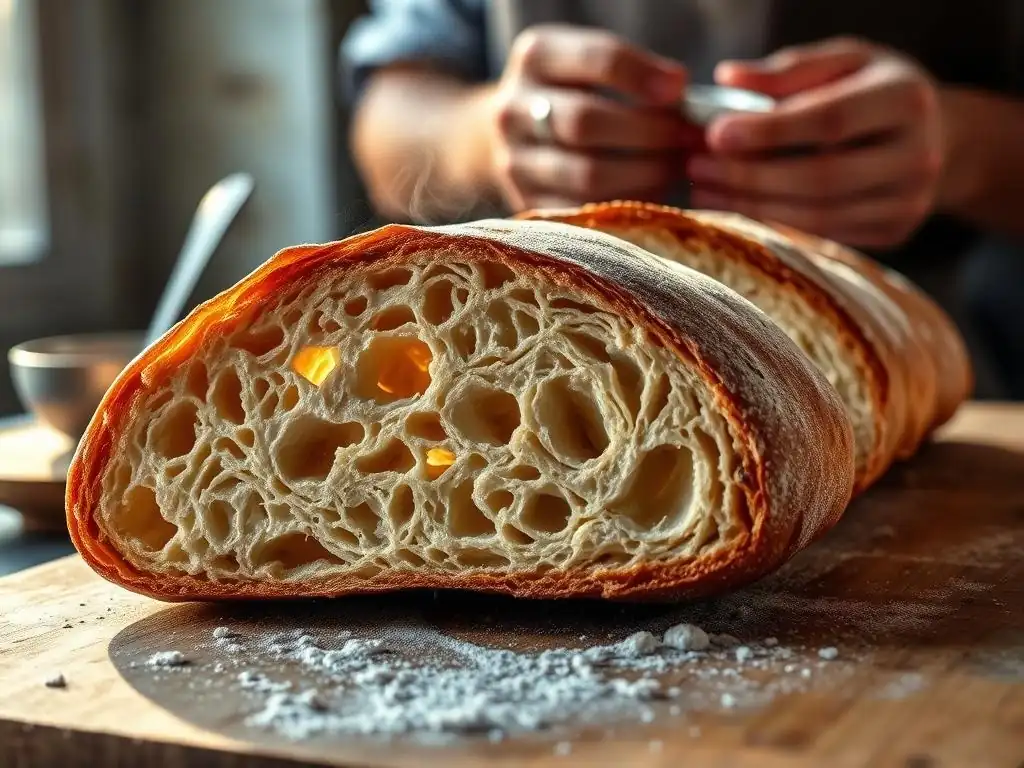
Once you've mastered the basics of hydration, gluten development, fermentation, and baking, you can explore more advanced techniques that further enhance the flavor and texture of your baguette crumb. These methods often involve longer fermentation times, specialized ingredients, or specific shaping and scoring practices. Integrating these techniques can help you move from a good chewy baguette crumb to a truly exceptional one.
These advanced approaches build upon the fundamental principles we've discussed. They are not quick fixes but rather ways to optimize the dough's characteristics and the baking process for superior results. Experimenting with these methods can be rewarding and deepen your understanding of how different variables interact to create that perfect chewy baguette crumb.
Using a Poolish or Biga for Enhanced Flavor and Texture
Using a preferment like a poolish (a wet, liquid starter) or a biga (a stiffer starter) is a classic method for improving both the flavor and the chewy baguette crumb texture. A poolish is typically made with equal parts flour and water by weight, plus a tiny amount of yeast, and fermented for 8-16 hours or longer.
A biga uses less water (often around 50-60% hydration) and also ferments for several hours. Incorporating 20-50% of the total flour in the recipe as a preferment adds complexity of flavor due to the longer fermentation and contributes to a more open, irregular crumb structure.
The acidity developed in the preferment helps strengthen the gluten network, allowing it to hold more gas and create larger, more irregular holes in the crumb – a hallmark of a desirable chewy baguette crumb. Preferments also contribute to a thinner, crispier crust. While adding an extra step to your process, the difference in both taste and texture is noticeable and often considered well worth the effort. If you're looking to elevate your baguettes, incorporating a preferment is a recommended chewy baguette crumb troubleshooting strategy.
The Role of Flour Type in Baguette Crumb Structure
The type of flour you use significantly impacts the final baguette crumb structure. Traditional baguettes are often made with French Type 55 flour, which has a moderate protein content (around 10-12%) and specific milling characteristics. In North America, a good quality bread flour (typically 12-13% protein) is a suitable substitute. Bread flour has a higher protein content than all-purpose flour, which means it can develop a stronger gluten network capable of supporting a more open and chewy crumb.
Using all-purpose flour (around 9-11% protein) may result in a less structured dough and a tighter crumb. While some recipes can work with AP flour, a dedicated bread flour or a blend is generally preferred for achieving that characteristic chewy baguette crumb. Experimenting with different flours, including those specifically milled for artisan bread, can be an interesting part of your chewy baguette crumb troubleshooting journey. The protein content and quality of the protein in the flour directly influence the dough's ability to develop the necessary strength and elasticity.
Scoring Techniques to Improve Crumb Formation
Scoring (slashing) the surface of the baguette dough just before baking is more than just decorative; it's a functional step vital for controlling oven spring and influencing crumb structure. As the dough bakes and expands rapidly, the scores act as intentional weak points, guiding the expansion. If the dough is not scored, or scored improperly, it will burst unpredictably at the weakest point, often resulting in a lopsided loaf and a dense, uneven crumb where it couldn't expand freely.
Proper scoring allows the dough to achieve maximum volume and promotes an open, airy interior. For baguettes, several diagonal slashes (typically 3-5) running parallel to each other along the length of the loaf are common. The depth and angle of the cuts matter; aiming for about 1/2 inch deep at a shallow angle (almost parallel to the dough surface) helps create the desired "ear" and allows for optimal expansion beneath the crust. Practicing your scoring technique is a valuable chewy baguette crumb troubleshooting skill.
Baguette Crumb Troubleshooting: A Quick Reference Guide
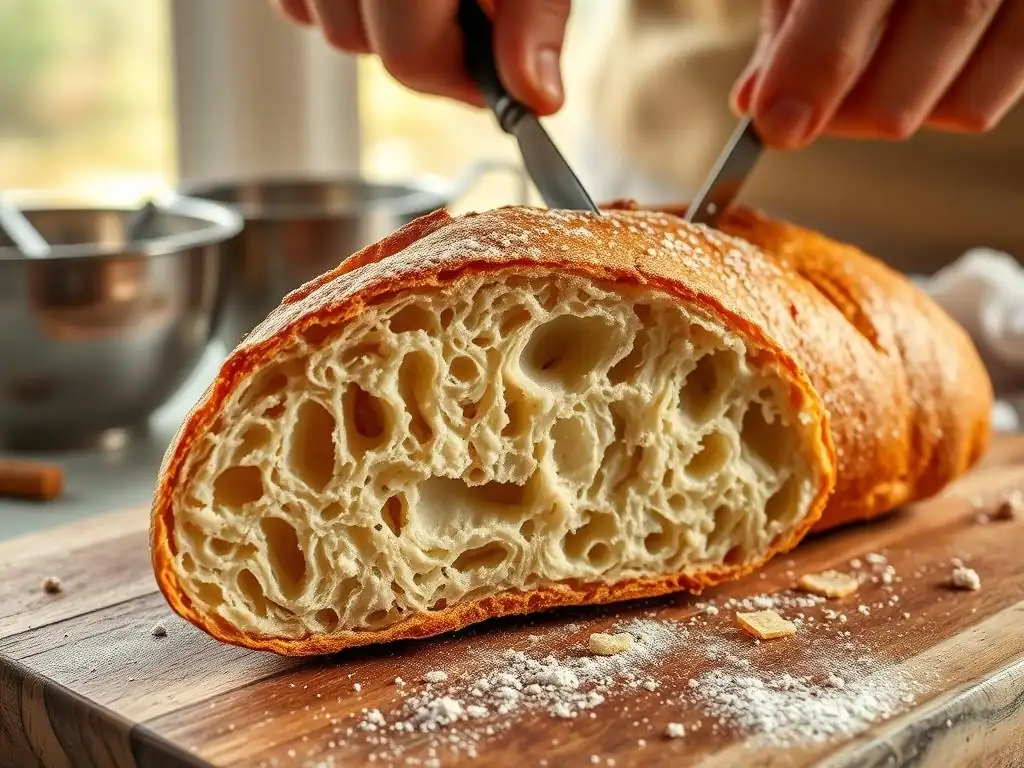
Navigating the potential issues that can lead to a dense baguette crumb can feel overwhelming. To help you quickly identify and address problems, here is a brief reference guide summarizing common issues and their solutions. Use this chart as a starting point when your baguettes aren't turning out with that desired chewy texture.
Having a systematic approach to chewy baguette crumb troubleshooting can save you time and frustration. Compare the symptoms you observe in your dough or baked loaf with the problems listed below to narrow down the potential causes.
Troubleshooting Chart: Common Problems and Solutions
Here's a quick look at frequent issues affecting the chewy baguette crumb:
- Problem: Dense, heavy dough; hard to mix initially.
- Likely Cause: Insufficient hydration.
- Solution: Increase water percentage (aim for 70-80%); weigh ingredients accurately; use autolyse.
- Problem: Dough tears easily; doesn't hold shape; flat loaf.
- Likely Cause: Inadequate gluten development.
- Solution: Knead/fold properly; use stretch and folds; consider autolyse; use appropriate bread flour.
- Problem: Dough collapses during shaping; spreads in oven; smells strongly acidic/alcoholic.
- Likely Cause: Over-fermentation/Over-proofing.
- Solution: Shorten bulk fermentation/proofing time; adjust for warmer temperatures; use poke test.
- Problem: Dough doesn't rise much in oven; tight, small holes; pale crust.
- Likely Cause: Under-fermentation/Under-proofing.
- Solution: Lengthen bulk fermentation/proofing time; ensure dough shows signs of activity; check starter/yeast viability.
- Problem: Crust forms too quickly; restricted oven spring; dense beneath crust.
- Likely Cause: Insufficient steam in oven.
- Solution: Use steam method (water tray, Dutch oven); ensure steam is present for first 10-15 minutes.
- Problem: Loaf is flat or bursts unevenly; dense spots.
- Likely Cause: Improper scoring or no scoring.
- Solution: Practice proper scoring technique; ensure cuts are deep enough and at the correct angle.
- Problem: Gummy or dry crumb.
- Likely Cause: Underbaking or overbaking / Oven temperature issues.
- Solution: Ensure oven is fully preheated to high temp; check internal temperature (200-210°F); adjust baking time.
Mastering the Chewy Baguette Crumb: Final Thoughts and Resources
Achieving a consistently chewy baguette crumb is a rewarding endeavor that requires patience, practice, and attention to detail. It's a journey of learning to read your dough and understand how each step in the baking process contributes to the final result. Don't be discouraged by initial setbacks; every loaf, even the imperfect ones, offers valuable lessons. By applying these chewy baguette crumb troubleshooting tips, you're well on your way to baking beautiful baguettes with that perfect interior texture.
Remember that factors like room temperature, the specific flour you use, and even humidity can influence your results. Be prepared to make small adjustments to your process based on your environment and ingredients. Keep a baking journal to track your methods, hydration levels, fermentation times, and results – this is one of the most effective chewy baguette crumb troubleshooting tools available. Happy baking!
Further Reading on Baguette Baking and Bread Troubleshooting
To continue your journey towards mastering the chewy baguette crumb and other bread baking challenges, explore resources focused on artisan bread techniques. Understanding the science of fermentation, the role of different flours, and advanced shaping methods can provide deeper insights. Look for guides on high-hydration dough handling, using preferments like poolish and biga, and detailed explanations of the Maillard reaction and caramelization responsible for crust development.
Many excellent books and online resources delve into the specifics of baguette production. Studying various approaches to kneading, stretching and folding, and baking with steam will enhance your chewy baguette crumb troubleshooting skills. Comparing different recipes and techniques can also help you find the methods that work best for you and your baking environment. Continuous learning and experimentation are key to becoming a proficient bread baker.
Frequently Asked Questions
What is the most common reason for a baguette having a dense crumb instead of a chewy one?
A dense crumb is often caused by under-proofing the dough. Ensure the dough has enough time to rise, allowing for proper gluten development and air pockets.
How does hydration level affect the chewiness of a baguette crumb?
Higher hydration levels generally lead to a chewier crumb. More water creates more steam during baking, which expands the gluten structure and results in a more airy and chewy texture.
What's the ideal protein content in flour for achieving a chewy baguette crumb?
Using flour with a high protein content (around 11-13%) is crucial. This provides the gluten necessary for developing a strong and chewy structure in the baguette.
Can oven temperature impact the final texture of my baguette crumb?
Yes, a high oven temperature (around 450-500°F) is essential. This creates a burst of steam early in the baking process, which contributes to a chewy crumb and a crisp crust.
Besides proofing and hydration, what other technique can help improve the chewiness of a baguette crumb?
The autolyse process (mixing flour and water and letting it rest before adding yeast) can significantly improve chewiness. This allows for better gluten development and a more extensible dough.
Final Reflection: The Enduring Quest for the Perfect Crumb
The pursuit of the perfect chewy baguette crumb is more than just a culinary challenge; it's a testament to the enduring power of baking as both art and science. Mastering this seemingly simple bread requires precision, patience, and a deep understanding of the interplay between ingredients, technique, and even the environment. This article has explored the common pitfalls bakers encounter, offering solutions to achieve that sought-after texture. But the journey doesn't end here.
The quest for the perfect chewy crumb reflects a larger cultural fascination with bread-making, a connection to tradition, and a desire for self-sufficiency. It's a process that fosters a sense of accomplishment and allows us to connect with something primal and essential. As the renowned baker, Lionel Poilâne, once said, Bread is the staff of life, but it's also a work of art.
This simple statement encapsulates the profound satisfaction derived from perfecting a seemingly simple recipe, and the deep connection we forge with our food through the act of creation.
Now, it's your turn. Don't be discouraged by setbacks; embrace them as opportunities to learn and refine your technique. Experiment with different flours, hydration levels, and fermentation times. Each failed loaf brings you closer to understanding the nuances of baguette baking. Remember the lessons shared within these pages, and most importantly, trust your instincts. The journey to that perfect, chewy crumb is a rewarding one, filled with delicious discoveries and the satisfaction of creating something truly special.
Unlock Your Perfect Baguette Crumb: Take Action Now!
Thanks for diving into the world of chewy baguette perfection! We hope you gained valuable insights into troubleshooting those crumbly disappointments. Now it's time to put your new knowledge into practice.
Here's how to take your baguette baking to the next level:
- Master the Perfect Crumb: Try baking a baguette using the techniques discussed, paying close attention to hydration and fermentation. Note your observations and tweak the recipe as needed – it's all part of the learning process!
- Share Your Success (or Challenges!): Post a picture of your masterpiece (or your learning experience!) on social media and tag us – we’d love to see your results!
- Explore Deeper: Dive into our other articles on bread baking for more expert tips and tricks. You might be surprised what you discover!
What’s your biggest baguette baking hurdle, and how will you tackle it next time?