
Potato Flour vs. Potato Starch in GlutenFree Leavening

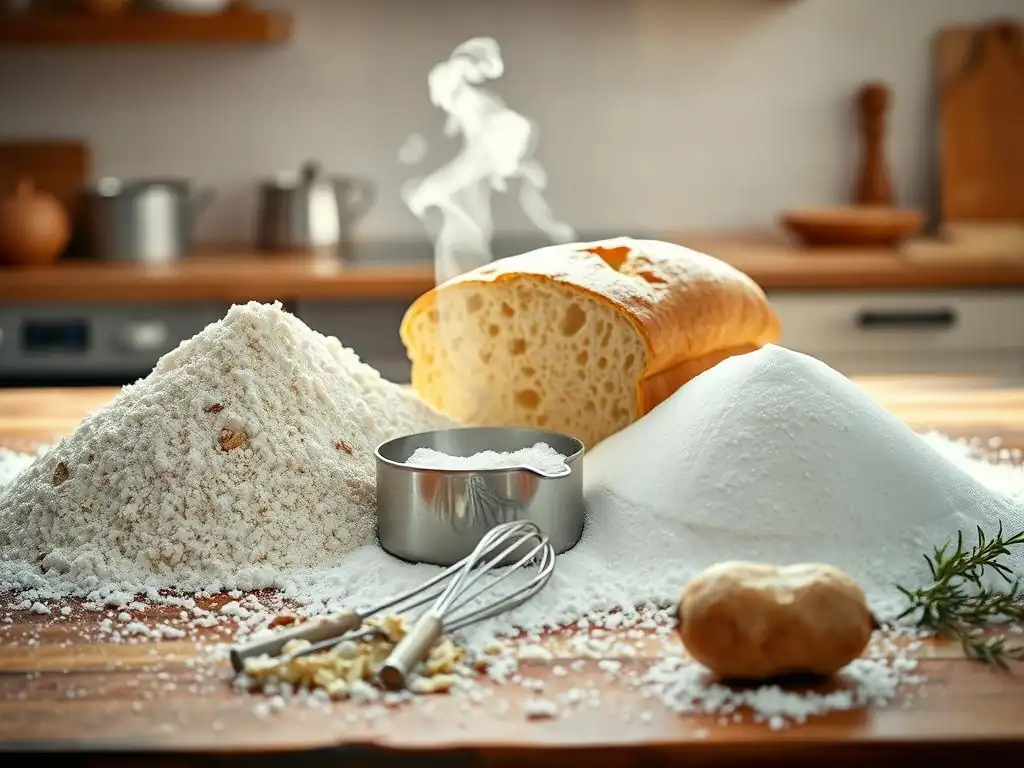
Welcome to BakeWithEase, your trusted guide to baking bliss! Ever wondered about the secret weapon for achieving the perfect rise and texture in your gluten-free creations? Our latest article dives deep into the fascinating world of potato flour and its role in gluten-free leavening. Discover how it stacks up against potato starch and unlocks a new dimension of flavor and structure in your baked goods. Ready to elevate your gluten-free baking game? Let's explore the possibilities!
- Potato Flour vs. Potato Starch in Gluten-Free Baking: A Comprehensive Guide
- Understanding Gluten-Free Baking
- Potato Flour: Characteristics and Uses
- Potato Starch: Properties and Applications
- Potato Flour vs. Potato Starch: A Detailed Comparison
- Synergistic Use: Combining Potato Flour and Potato Starch
- Baking Tips and Troubleshooting
- Exploring Alternative Gluten-Free Flours and Starches
- Conclusion: Mastering Gluten-Free Baking with Potato Products
-
Frequently Asked Questions
- What is the primary difference between potato flour and potato starch in gluten-free baking?
- How does potato flour affect the texture of gluten-free baked goods?
- Can I substitute potato flour directly for potato starch in a gluten-free recipe?
- Why is potato flour sometimes used in conjunction with other gluten-free flours?
- Does potato flour contribute to leavening in gluten-free baking?
- Final Reflection: Unlocking the Power of Potato in Gluten-Free Baking
- Unlock the Power of Potato Flour & Starch!
Potato Flour vs. Potato Starch in Gluten-Free Baking: A Comprehensive Guide
Welcome to the world of gluten-free baking! Navigating the array of flours and starches available can sometimes feel overwhelming, especially when trying to achieve that perfect texture and rise without gluten. Two common ingredients derived from potatoes frequently appear in gluten-free recipes: potato flour and potato starch. While their names are similar, they are fundamentally different and serve distinct purposes in creating delicious gluten-free baked goods. Understanding these differences is key to mastering your gluten-free creations.
Understanding Gluten-Free Baking
Baking without gluten presents unique challenges compared to traditional baking with wheat flour. Gluten, a protein network found in wheat, rye, and barley, provides structure, elasticity, and chewiness to baked goods. It traps gases produced by leavening agents like yeast or baking powder, allowing dough and batter to rise and hold their shape. When gluten is removed, bakers must rely on alternative ingredients to mimic these crucial functions, ensuring the final product isn't dense, crumbly, or gummy.
The Challenges of Gluten-Free Baking
One of the primary hurdles in gluten-free baking is achieving adequate structure and elasticity. Without the gluten network, doughs can be difficult to handle, and batters may not rise effectively, often resulting in dense, flat, or crumbly products. Another significant challenge is moisture retention; gluten-free flours and starches can sometimes lead to dry or crumbly textures if not properly balanced, making it difficult to achieve a moist and tender crumb. Furthermore, replicating the specific mouthfeel and chewiness that gluten provides requires a careful combination of ingredients.
Developing successful gluten-free recipes often involves blending various flours and starches, each contributing different properties. This blending process is crucial because no single gluten-free flour can perfectly substitute for wheat flour in all applications. For instance, while almond flour adds richness, it lacks binding power. Rice flour provides structure but can be gritty. This is where ingredients like potato flour and potato starch become invaluable, offering specific benefits that contribute to the overall success of glutenfree leavening potato flour blends and other gluten-free baked goods.
The Role of Starches and Flours in Gluten-Free Recipes
In gluten-free baking, flours (like rice flour, almond flour, or sorghum flour) typically provide the bulk and some protein or fiber, contributing to structure and flavor. Starches (like tapioca starch, cornstarch, or potato starch) are often used to improve texture, aid binding, and promote a lighter crumb. They absorb liquid and gelatinize when heated, helping to create a cohesive structure and preventing crumbling. A well-formulated gluten-free flour blend usually contains a mix of different flours and starches to balance their properties.
The correct ratio of starches to flours is vital for achieving desired results. Too much starch can lead to a gummy texture, while too little might result in a dry or crumbly product. Ingredients like potato flour and potato starch play specific roles within these blends, influencing everything from the batter's viscosity to the finished product's crumb structure and shelf life. Understanding the unique contributions of each, particularly in the context of glutenfree leavening potato flour approaches, allows bakers to formulate recipes that rise well and have appealing textures.
Potato Flour: Characteristics and Uses
Potato flour is a less common ingredient than potato starch in many gluten-free blends, but it offers unique benefits. It's a whole-food ingredient made from dehydrated, ground potatoes, including the skin in some cases. This processing method results in a product that retains more of the potato's original characteristics, including its fiber, protein, and flavor.
Production and Properties of Potato Flour
Potato flour is produced by cooking, drying, and grinding whole potatoes into a fine powder. This process preserves the potato's complex carbohydrates, dietary fiber, and some protein content. Unlike potato starch, which is almost pure carbohydrate, potato flour is a more complete ingredient, containing more nutritional value per gram, including vitamins and minerals present in the original potato. Its color can range from off-white to slightly yellowish, reflecting its whole-potato origin.
One of the key properties of potato flour is its exceptional ability to absorb and retain moisture. It can absorb a significant amount of liquid, often several times its weight, making it a powerful humectant in baking. This high absorption capacity means it needs to be used in relatively small quantities compared to other flours in a blend. Its composition also lends itself to contributing a denser, more substantial texture to baked goods, which can be desirable in certain applications.
Potato Flour's Function in Gluten-Free Baking
Potato flour plays a distinct role in gluten-free baking, primarily contributing to structure, texture, and moisture. It doesn't provide leavening itself, but its properties interact with leavening agents and other ingredients to influence the final outcome, particularly in achieving a good rise and crumb structure in recipes aiming for effective glutenfree leavening potato flour results.
Structure and Texture Enhancement
Due to its fiber and protein content and high absorption rate, potato flour contributes to the structure of gluten-free baked goods. It helps create a more cohesive dough or batter, preventing crumbling. While it doesn't provide elasticity like gluten, it adds density and a tender, almost fluffy texture when used correctly. Think of it as adding substance and a pleasant softness to the crumb, which is crucial for baked items that need body.
This structural contribution is particularly valuable in recipes that might otherwise be too light or fragile. The presence of potato flour helps bind ingredients together more effectively than many other gluten-free flours alone. It helps the baked good hold its shape during and after baking, reducing the likelihood of collapse and contributing to a better overall rise and stable structure when combined with appropriate leavening agents.
Moisture Retention
Potato flour is a champion at holding onto moisture. Its high absorbent nature means it draws water into the crumb and keeps it there, preventing the baked good from drying out quickly. This is a significant advantage in gluten-free baking, where dryness is a common issue. By incorporating potato flour, bakers can extend the shelf life and maintain a moist, tender texture for longer.
This ability to retain moisture also impacts the overall texture, contributing to a softer, more palatable crumb. It helps prevent that dry, sandy mouthfeel sometimes associated with gluten-free items. Using a small amount of potato flour in a blend can dramatically improve the moistness and tenderness, making it an excellent addition for recipes where maintaining humidity is key for a good outcome with glutenfree leavening potato flour systems.
Best Applications for Potato Flour
Given its properties, potato flour is best suited for specific types of gluten-free baked goods where density, structure, and moisture retention are desired.
Savory Breads and Rolls
Potato flour is an excellent addition to gluten-free savory bread and roll recipes. Its ability to absorb moisture and contribute to a denser structure helps create a more substantial loaf similar to traditional wheat bread. It also imparts a subtle, pleasant flavor that complements savory ingredients. Using potato flour in a blend for gluten-free sandwich bread, for example, helps achieve a soft, moist crumb that doesn't crumble when sliced, supporting the overall glutenfree leavening potato flour process for a hearty loaf.
Recipes using yeast benefit from potato flour's structure-building properties, helping the dough hold the gas produced during fermentation. A blend containing around 5-10% potato flour can significantly improve the texture and shelf life of gluten-free rolls, burger buns, or rustic loaves, resulting in a more satisfying chew and a longer-lasting softness compared to blends without it.
Dense Cakes and Muffins
For gluten-free cakes and muffins where a slightly denser, moist crumb is preferred over extreme lightness, potato flour can be a valuable ingredient. It helps prevent dryness and adds a tender richness to the texture. While it won't produce the airy lift needed for a delicate sponge cake, it's perfect for items like banana bread, pumpkin muffins, or pound cakes where a more substantial texture is desired.
Incorporating potato flour into these batters ensures they remain moist and flavorful for days. It pairs particularly well with fruits or vegetables that add moisture themselves, creating a wonderfully tender and cohesive crumb. A small percentage, perhaps 3-7% of the total flour blend, is often sufficient to achieve these benefits without making the baked good too heavy or gummy.
Potato Starch: Properties and Applications
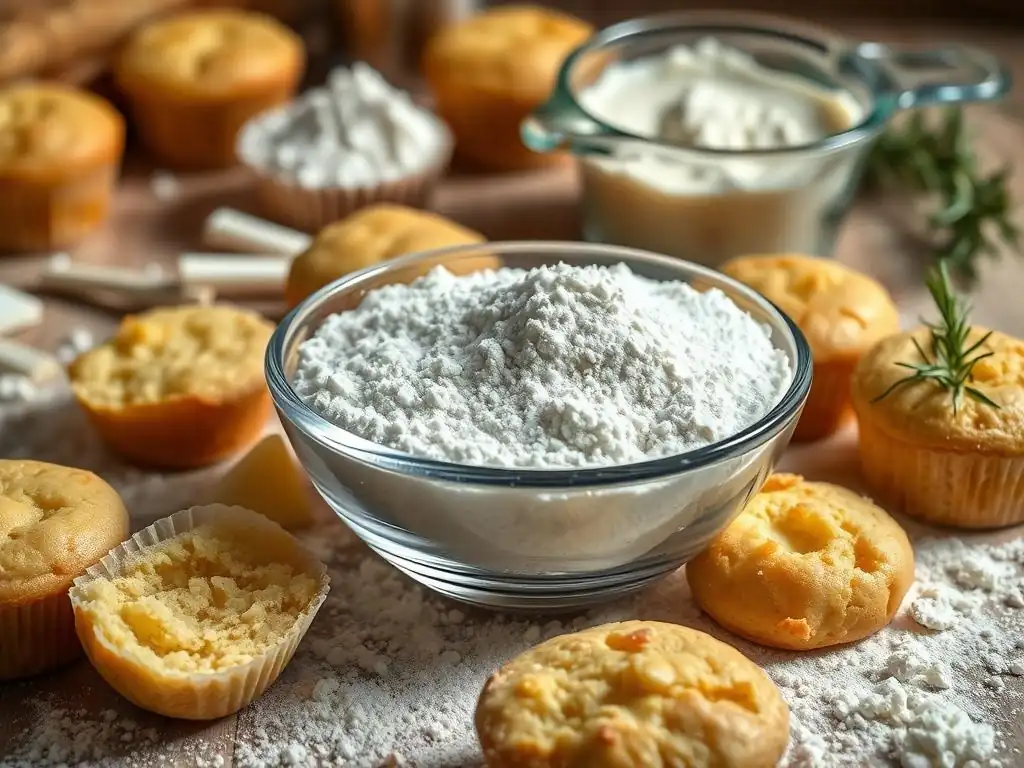
Potato starch is arguably more widely used than potato flour in gluten-free baking blends. It is a refined carbohydrate extracted from potatoes, offering different characteristics and benefits compared to its flour counterpart.
Extraction and Characteristics of Potato Starch
Potato starch is produced by crushing potatoes to release the starch granules, which are then washed and dried. This process removes most of the protein, fiber, and fat, resulting in a fine, white, powdery substance that is nearly pure starch (typically over 99% carbohydrate). It is tasteless, odorless, and has a smooth, silky texture when dry.
When heated in the presence of liquid, potato starch gelatinizes at a relatively low temperature compared to some other starches, around 140-150°F (60-65°C). This gelatinization process helps thicken liquids and provides structure and binding in baked goods. Potato starch is known for its ability to absorb water and swell, contributing to viscosity and stability in batters and doughs. It also results in a translucent finish when used as a thickener.
How Potato Starch Improves Gluten-Free Baking
Potato starch is primarily used in gluten-free baking to improve texture, binding, and contribute to a lighter crumb. While it doesn't directly provide leavening, its interaction with liquid and heat is crucial for how leavening agents perform and how the final product sets. It's a common component in commercial glutenfree leavening potato flour blends, often paired with other starches and flours.
Lightness and Airiness
One of the main reasons for using potato starch is its ability to create a light, airy texture. When combined with leavening agents, it helps create a delicate crumb structure. As the baked good rises and bakes, the gelatinized starch provides support for the expanding air cells, contributing to a higher volume and a less dense result than if only flours were used. It helps mimic the tenderness and lightness that gluten provides in wheat-based products.
Incorporating the right amount of potato starch in a gluten-free blend can prevent baked goods from becoming too heavy or tough. It contributes to a tender crumb that melts in your mouth. For instance, a blend with 20-30% potato starch can significantly improve the texture of gluten-free cakes, giving them a lighter, softer feel compared to recipes relying solely on rice or sorghum flour.
Binding and Crispness
Potato starch acts as an excellent binder in gluten-free recipes. When hydrated and heated, the starch granules swell and create a matrix that holds the other ingredients together, preventing crumbling. This binding property is essential for cookies, crackers, and pie crusts, where a cohesive structure is needed.
Furthermore, potato starch contributes to crispness, particularly in thinner baked goods or crusts. As the product cools, the gelatinized starch network sets, providing a desirable crisp texture. This makes it ideal for recipes where a delicate crunch is desired, such as shortbread or gluten-free pie crusts. Its binding ability also helps with overall stability, ensuring items hold their shape well.
Optimal Uses for Potato Starch
Potato starch excels in gluten-free recipes where lightness, tenderness, binding, and crispness are priorities.
Gluten-Free Cookies and Shortbread
Potato starch is a star ingredient in gluten-free cookies and shortbread. It contributes to a tender, melt-in-your-mouth texture while also providing structure and preventing excessive spreading. In shortbread, it helps achieve that classic crumbly yet cohesive texture. A blend for cookies might include 15-25% potato starch to ensure they are tender but don't fall apart.
For gluten-free cut-out cookies, potato starch helps create a dough that is easier to handle and roll without being sticky or crumbly. It ensures the baked cookies hold their shape well and have a pleasant, slightly crisp edge with a tender interior. Its neutral flavor allows the other ingredients, like butter and vanilla, to shine through.
Pie Crusts and Thickeners
Potato starch is an excellent choice for gluten-free pie crusts. It contributes to flakiness and tenderness, helping to create a crust that is both easy to work with and bakes up light and crisp. Its binding properties prevent the crust from crumbling excessively when rolled or transferred. Using a blend that includes potato starch helps achieve a delicate, buttery crust similar to traditional pastry.
Beyond baking, potato starch is widely used as a thickener for sauces, gravies, soups, and pie fillings. It provides a smooth, glossy finish without imparting any flavor. Since it thickens at a relatively low temperature and remains stable, it's a reliable choice for various culinary applications, demonstrating its versatility beyond just contributing to glutenfree leavening potato flour blends.
Potato Flour vs. Potato Starch: A Detailed Comparison
While both ingredients come from potatoes and are valuable in gluten-free baking, their differences in composition, properties, and impact on baked goods are significant. Understanding these distinctions is crucial for choosing the right ingredient for your recipe or formulating effective gluten-free flour blends.
Composition and Nutritional Differences
The most significant difference lies in their composition. Potato flour is made from the whole potato, retaining fiber, protein, vitamins, and minerals. It's a more nutrient-dense product. Potato starch, on the other hand, is a highly refined carbohydrate, primarily composed of pure starch with minimal fiber, protein, or other nutrients. Gram for gram, potato flour will have a higher fiber content (e.g., ~5-10g per 100g) and some protein (~5g per 100g), while potato starch is almost entirely starch (~99g per 100g).
This compositional difference dictates their functional properties. Potato flour's fiber helps absorb more water and contribute to a denser structure. Potato starch's purity as a starch allows it to gelatinize smoothly and contribute to lightness and crispness. Neither ingredient is a significant source of fat. Their distinct compositions mean they fulfill different roles in gluten-free recipes, complementing other ingredients rather than being interchangeable.
Texture and Flavor Profiles
Potato flour tends to contribute a slightly earthy, potato-like flavor, especially when used in higher quantities. It also adds a density and softness to the crumb. Its texture is finer than some flours but can feel slightly heavier than starch. Potato starch is essentially flavorless and odorless, making it a neutral addition to any recipe. Its texture is silky smooth and powdery.
In baked goods, potato flour contributes to a more substantial, tender, and moist texture. Potato starch contributes to lightness, airiness, and crispness. This contrast in texture contribution is why they are often used together in balanced gluten-free blends – potato flour for moisture and tenderness, potato starch for lightness and structure. Their differing impacts on texture and flavor highlight why simply swapping one for the other is not advisable for achieving optimal glutenfree leavening potato flour results.
Impact on Baking Outcomes
The differing properties of potato flour and potato starch lead to varied impacts on the final baked product, particularly concerning rise, volume, and crumb structure.
Rise and Volume
Neither potato flour nor potato starch are leavening agents themselves; they don't produce gases. However, they significantly impact how well leavening agents (like baking powder, baking soda, or yeast) work in a gluten-free matrix. Potato starch, by contributing to a lighter structure and supporting air cells, helps achieve better volume and a higher rise, especially in cakes and muffins where a light texture is desired. It allows the gases produced by leaveners to expand more effectively.
Potato flour, due to its density and high absorption, can sometimes contribute to a slightly less dramatic rise if used in large quantities. However, when used judiciously in blends (e.g., 5-10%), it helps build a stable structure that supports the rise initiated by other leaveners, preventing collapse and contributing to a well-formed, albeit denser, loaf or cake. It plays a supportive role in the overall glutenfree leavening potato flour system by stabilizing the structure.
Crumb Structure and Mouthfeel
Potato starch results in a fine, open crumb structure, contributing to a light and tender mouthfeel. It creates a delicate texture that melts in the mouth, characteristic of tender cakes or crisp cookies. Its gelatinization properties help create a smooth, non-gritty texture.
Potato flour yields a slightly denser, more closed crumb structure. It contributes to a moist, tender, and substantial mouthfeel. It gives baked goods 'body'. While it doesn't create the same airy lightness as potato starch, it prevents dryness and crumbling, resulting in a pleasant chewiness and softness. The choice between using more starch or more flour, or a specific ratio in a blend, depends entirely on the desired crumb structure and mouthfeel for the final baked product.
Synergistic Use: Combining Potato Flour and Potato Starch
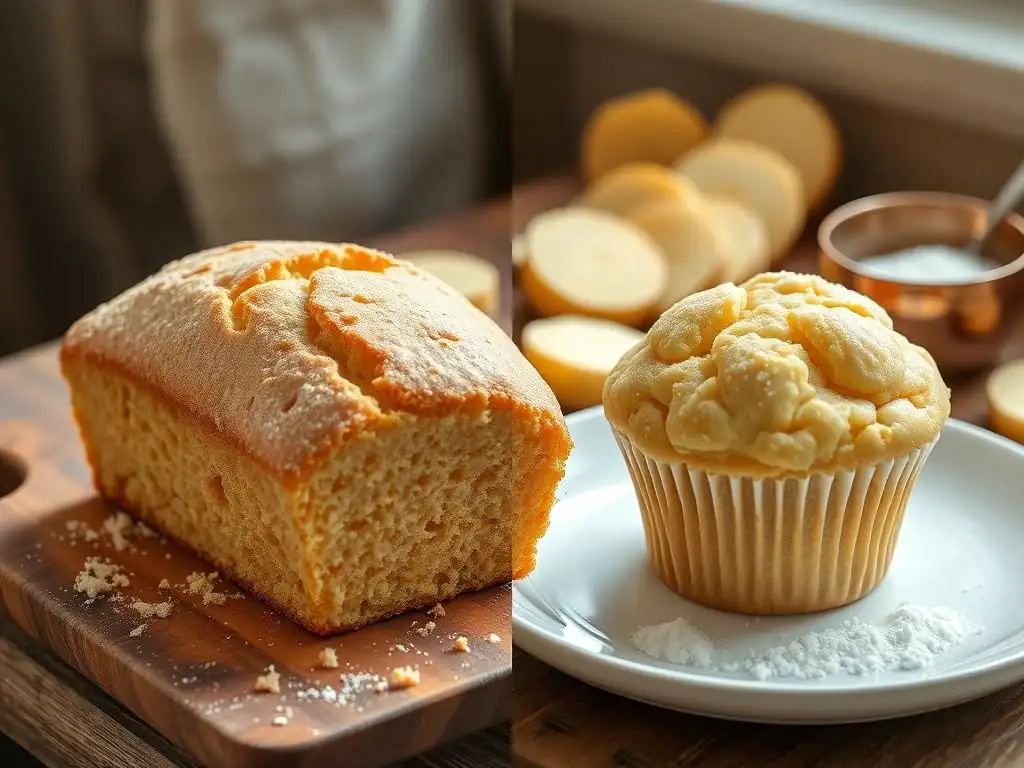
Often, the best results in gluten-free baking are achieved by using a blend of different flours and starches, and potato flour and potato starch are frequently combined to leverage their complementary properties.
Achieving Optimal Results with Blends
Combining potato flour and potato starch in a gluten-free blend allows bakers to harness the benefits of both. Potato starch provides lightness and aids in achieving a good rise and tender crumb, while potato flour contributes moisture retention, structure, and a subtle richness. A typical gluten-free blend might contain a base of rice flour or sorghum flour, combined with starches like tapioca and potato starch, and potentially a small amount of potato flour for added moisture and tenderness.
Finding the right ratio depends on the specific recipe. For a light cake, you might use more potato starch and less (or no) potato flour. For a moist, hearty bread, you might include a small percentage of potato flour alongside potato starch and other flours. Experimentation is key, but understanding what each ingredient contributes provides a roadmap for formulating effective blends that support optimal glutenfree leavening potato flour outcomes.
Recipes Benefiting from a Potato Flour and Starch Combination
Many gluten-free recipes benefit from the combined power of potato flour and potato starch, especially those aiming for a texture similar to traditional wheat-based goods.
Gluten-Free Sandwich Bread
Achieving a soft, pliable, and sliceable gluten-free sandwich bread is a common goal, and a blend featuring both potato flour and potato starch is often the key. Potato starch helps create an open, light crumb and contributes to volume, while potato flour adds moisture, prevents the bread from staling quickly, and provides structural integrity. A blend might look something like 40% brown rice flour, 20% white rice flour, 20% potato starch, 10% tapioca starch, and 10% potato flour. This balance supports the glutenfree leavening potato flour system (often yeast-based) for a well-risen, tender loaf.
The potato flour ensures the bread remains soft for several days, while the potato starch contributes to the light, airy texture expected in sandwich bread. This combination helps the loaf hold its shape during baking and cooling, preventing the dreaded "gluten-free brick" effect and resulting in a crumb that is neither too dense nor too crumbly.
Gluten-Free Vanilla Cake
For a classic gluten-free vanilla cake that is light, tender, and moist, using both potato starch and a small amount of potato flour can yield excellent results. The potato starch contributes significantly to the cake's light, fluffy texture and delicate crumb, helping it rise beautifully. A common blend might include 50% white rice flour, 30% potato starch, 15% tapioca starch, and 5% potato flour.
The small addition of potato flour in this context primarily boosts moisture retention, ensuring the cake stays soft and fresh longer without adding significant density. It complements the lightness provided by the starch, resulting in a cake that is neither dry nor heavy, showcasing how these ingredients work together to perfect the texture in a glutenfree leavening potato flour application like cake.
Baking Tips and Troubleshooting
Working with gluten-free flours and starches, including potato products, requires specific techniques to ensure success. Proper measurement, storage, and troubleshooting are essential for consistent results.
Measuring and Handling
Accuracy in measuring gluten-free ingredients is paramount. Unlike wheat flour, which can be scooped and leveled, gluten-free flours and starches are often best measured by weight using a kitchen scale. This ensures you use the exact amount specified in the recipe, as volume measurements can vary significantly depending on how packed the flour or starch is. For example, 1 cup of potato flour can weigh differently depending on how it's scooped. Weighing provides consistency, which is vital for balanced blends and predictable outcomes.
When handling doughs or batters containing potato starch or flour, be mindful of their absorption properties. Batters may appear thin initially but will thicken as the starches hydrate. Gluten-free doughs can sometimes be stickier or more delicate than wheat doughs; chilling them can often make them easier to handle, especially for rolling or shaping. Avoid overworking batters containing starches, as this can sometimes lead to a tougher texture.
Storage Recommendations
To maintain the freshness and quality of potato flour and potato starch, proper storage is crucial. Both should be stored in airtight containers in a cool, dark, and dry place, such as a pantry or cupboard. Moisture is the enemy, as it can cause clumping and spoilage. Given their low moisture content, they have a relatively long shelf life when stored correctly, often up to 1-2 years, though it's always best to check the expiration date on the packaging.
For longer storage, especially in humid climates, storing them in the refrigerator or freezer can extend their freshness and prevent them from going rancid or absorbing off-odors. Ensure containers are tightly sealed to prevent condensation and moisture absorption. Using fresh ingredients is key to achieving the best results in your glutenfree leavening potato flour recipes.
Addressing Common Issues
Even with careful measuring and technique, gluten-free baking can sometimes present challenges. Understanding common issues and how to address them is part of the learning process.
Dense or Heavy Texture
If your gluten-free baked goods turn out dense or heavy, several factors could be at play.
- Incorrect flour blend ratio: Too much dense flour (like brown rice flour) or not enough starch (like potato starch or tapioca starch) can lead to heaviness.
- Insufficient leavening: Ensure your baking powder/soda is fresh or your yeast is active.
- Over-measuring flour/starch: Using too much dry ingredient can make the batter or dough too stiff to rise properly. Weighing ingredients helps prevent this.
- Oven temperature issues: An oven that isn't hot enough can prevent proper rise and setting. Use an oven thermometer to verify accuracy.
Consider adjusting your blend to include a higher percentage of starches for lightness, ensuring leaveners are fresh, and always weighing your ingredients for consistent glutenfree leavening potato flour results.
Gummy or Sticky Texture
A gummy or sticky texture is often a sign of too much starch, insufficient baking time, or not enough liquid.
- Too much starch: While starches are necessary, an excessive amount can lead to a gummy texture, especially if not properly hydrated or baked.
- Underbaking: Gluten-free baked goods can appear done on the outside while still being undercooked and gummy inside. Bake until a toothpick inserted into the center comes out clean.
- Insufficient liquid: Sometimes, a gummy texture can occur if there isn't enough liquid to properly hydrate the starches and flours, leading to uneven cooking.
Adjusting starch levels, ensuring adequate baking time, and verifying liquid amounts in the recipe are key steps to avoiding gumminess and achieving a pleasant texture in your glutenfree leavening potato flour creations.
Exploring Alternative Gluten-Free Flours and Starches
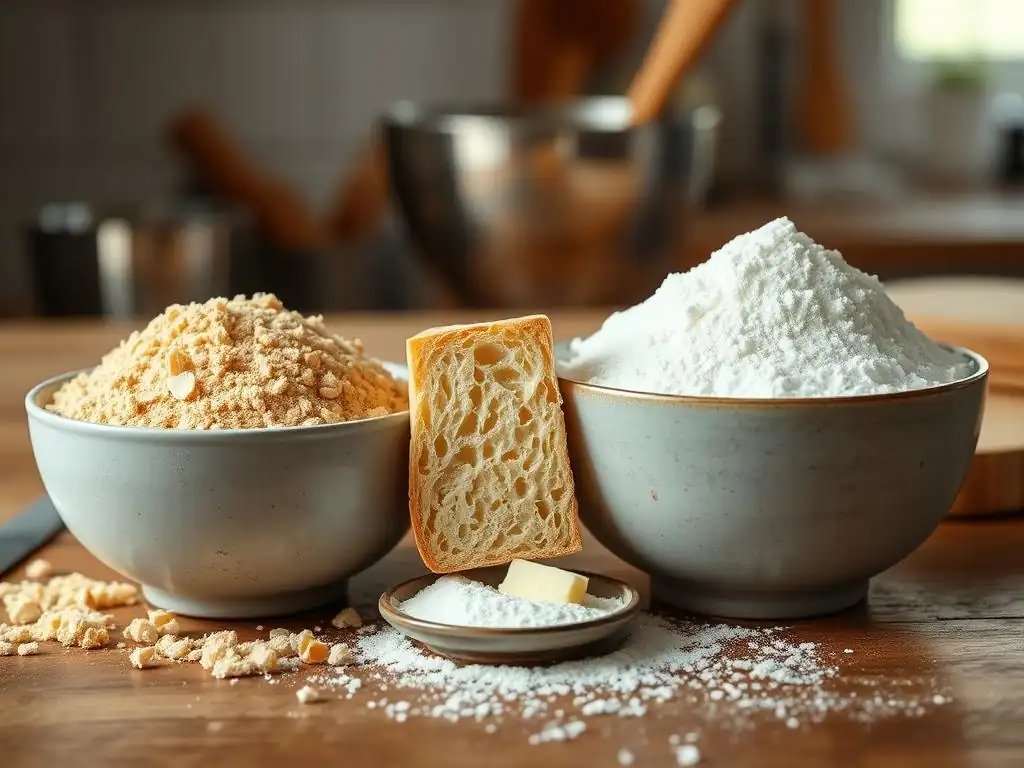
While potato flour and potato starch are invaluable, the world of gluten-free baking offers many other flours and starches, each with unique properties that can be combined to create diverse textures and flavors. Understanding these alternatives allows for even greater flexibility and customization in your baking.
Common Alternatives: Tapioca Starch, Rice Flour, Cornstarch
- Tapioca Starch: Extracted from the cassava root, tapioca starch is a very fine, white powder. It provides chewiness and crispness to baked goods and is an excellent binder. It also helps create a slightly chewy texture, which is desirable in items like pizza crusts or bagels. It's often used alongside potato starch in blends to improve texture and binding in glutenfree leavening potato flour systems.
- Rice Flour: Available in white and brown varieties, rice flour forms the base of many gluten-free blends due to its relatively neutral flavor and widespread availability. White rice flour is lighter and finer, while brown rice flour contains more fiber and nutrients, contributing a slightly nuttier flavor and denser texture. Rice flour provides structure but can be gritty if not finely milled or properly combined with starches.
- Cornstarch: A common pantry staple, cornstarch is a pure starch extracted from corn. It's primarily used as a thickener in sauces and gravies but also contributes to tenderness and structure in gluten-free baking, similar to potato starch. It can be used interchangeably with potato starch in some recipes, though they have slight differences in gelatinization temperature and finish. Cornstarch is another key component in many successful glutenfree leavening potato flour blends, helping to achieve a light crumb.
These are just a few examples; others include sorghum flour, millet flour, almond flour, coconut flour, and arrowroot starch. Each brings something different to the table, and mastering gluten-free baking involves learning how to combine them effectively to achieve the desired taste, texture, and rise.
Conclusion: Mastering Gluten-Free Baking with Potato Products
Navigating the nuances between potato flour and potato starch is a valuable step in mastering gluten-free baking. While both originate from the humble potato, their production methods result in two distinct ingredients with different compositional makeup and functional properties. Potato flour, made from the whole potato, is more absorbent and contributes moisture, density, and a subtle flavor. Potato starch, a refined starch, provides lightness, tenderness, crispness, and excellent binding capabilities.
Neither ingredient acts as a standalone leavening agent, but they are crucial in supporting the leavening process in gluten-free recipes by providing structure, moisture, and the right texture for gases to expand and be held. Understanding their individual strengths allows you to choose the right ingredient for specific recipes or to formulate balanced gluten-free flour blends.
Whether you're aiming for a moist, hearty loaf of bread using glutenfree leavening potato flour combinations or a light, tender cake with ample potato starch, knowing how these potato-derived powerhouses work is essential for achieving delicious and successful gluten-free baked goods. Embrace the learning process, experiment with different ratios, and enjoy the rewarding journey of creating wonderful treats without gluten!
Frequently Asked Questions
What is the primary difference between potato flour and potato starch in gluten-free baking?
Potato flour retains more of the potato's nutrients and flavor, while potato starch is a pure starch with a neutral taste and is mainly used as a thickening agent.
How does potato flour affect the texture of gluten-free baked goods?
Potato flour adds moisture and a slightly earthy flavor to gluten-free recipes. Its high starch content can also contribute to a tender crumb, but too much can make the baked goods gummy.
Can I substitute potato flour directly for potato starch in a gluten-free recipe?
No, a direct substitution is generally not recommended. Potato flour is more absorbent than potato starch. Recipes often require careful adjustments to liquids and other ingredients.
Why is potato flour sometimes used in conjunction with other gluten-free flours?
Potato flour complements other gluten-free flours by adding structure and binding properties. It helps to create a more stable and less crumbly final product, especially when used with lighter flours.
Does potato flour contribute to leavening in gluten-free baking?
While not a primary leavening agent like yeast or baking powder, potato flour can indirectly aid in leavening. Its starch content helps retain moisture and create air pockets during baking, contributing to a lighter texture.
Final Reflection: Unlocking the Power of Potato in Gluten-Free Baking
The quest for perfect gluten-free leavening is far from over, but understanding the nuanced differences between potato flour and potato starch is a crucial step forward. The subtle yet significant variations in their starch composition directly impact the texture, rise, and overall success of gluten-free baked goods, making this knowledge vital for both home bakers and professionals alike.
This exploration into the world of potato-based gluten-free leavening has underscored the importance of ingredient selection, highlighting how seemingly minor differences can yield dramatically different results. The journey of understanding these distinctions has been a personal one, revealing the intricate science behind achieving a light and airy gluten-free loaf. The best baker is the one who is always learning,
a sentiment that rings truer than ever in the ever-evolving landscape of gluten-free baking.
Now, it's your turn to experiment. Don't be afraid to delve deeper into the world of potato flour and starch, to test recipes, and to discover the perfect balance for your own baking style. The possibilities are endless, and the reward – a delicious, satisfying, and truly exceptional gluten-free treat – is well worth the effort. Embrace the challenge, and unlock the power of the potato in your own kitchen!
Unlock the Power of Potato Flour & Starch!
Thanks for diving into the world of gluten-free baking with us! We hope you now feel confident in understanding the key differences between potato flour and potato starch. Ready to put your newfound knowledge to the test?
- Experiment with a new gluten-free recipe: Try substituting potato flour or starch in your favorite recipe, paying close attention to the texture and rise. Share your results!
- Dive deeper into our resources: Explore more articles on BakeWithEase.com dedicated to gluten-free baking techniques and ingredient substitutions to expand your baking knowledge.
- Join our baking community: Share your gluten-free baking adventures and ask questions on our forum (Imagine it, a whole community dedicated to achieving the perfect gluten-free crumb).
What unique gluten-free creation will you bake using potato flour or starch today?