
Essential High Altitude Adjustments for Flawless Cakes

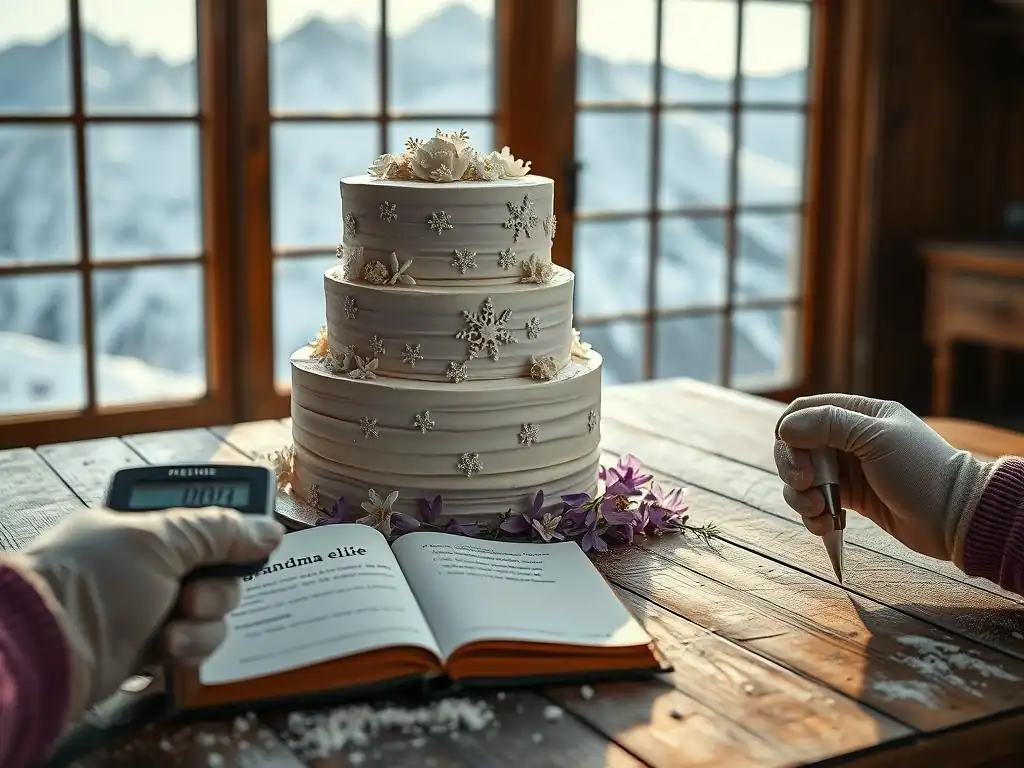
Welcome to BakeWithEase, your trusted companion in the baking world! Ever wondered why your high altitude cake recipes sometimes fall flat? Don't fret! Unlocking the secrets to perfectly risen cakes at higher altitudes is easier than you think. Dive in to discover essential adjustments and expert tips that will transform your baking experience and leave you with consistently delicious results. Ready to conquer the challenges of high altitude baking? Let's get started!
- Essential High Altitude Adjustments for Flawless Cakes: Bake Like a Pro
- Understanding High Altitude Baking Challenges for Cakes
- Key Adjustments for High Altitude Cake Recipes
- Mastering Specific Cake Types at High Altitude
- Troubleshooting Common High Altitude Cake Problems
- High Altitude Cake Recipe Examples and Adaptations
- Essential Tools and Ingredients for High Altitude Cake Baking
- Achieving Perfect Cakes Every Time: High Altitude Baking Summary
-
Frequently Asked Questions
- How does high altitude affect cake baking?
- What's the most important adjustment to make for high altitude cake recipes?
- Why is it recommended to increase the oven temperature slightly at high altitude?
- Should I increase or decrease the amount of liquid in my high altitude cake recipe?
- Where can I find reliable high altitude cake recipes and baking advice?
- Final Reflection: Baking at the Summit of Flavor
- Unlock Your High-Altitude Baking Secrets!
Essential High Altitude Adjustments for Flawless Cakes: Bake Like a Pro
Baking a cake at high altitude presents a unique set of challenges compared to baking at sea level. The lower atmospheric pressure impacts how ingredients react, often leading to results that are less than ideal if a standard recipe is followed without modification. Understanding these challenges is the first step to mastering high altitude baking and creating delicious, perfectly textured cakes every time. This guide will walk you through the essential adjustments needed to transform your standard high altitude cake recipes into guaranteed successes.
Understanding High Altitude Baking Challenges for Cakes
Baking is a science, and altitude significantly alters the conditions under which that science occurs. At higher elevations, several environmental factors change, most notably atmospheric pressure, which directly affects gas expansion and liquid evaporation. These changes require specific tweaks to traditional high altitude cake recipes to achieve desired outcomes.
Why Cakes Fail at High Altitude: The Science of Air Pressure
At higher altitudes, atmospheric pressure is lower than at sea level. This reduced pressure has two primary effects relevant to baking. First, leavening gases (like carbon dioxide produced by baking powder or soda) expand more readily and rapidly. If a cake rises too quickly before its structure is set, it can collapse.
Second, water and other liquids boil at a lower temperature. At sea level, water boils at 212°F (100°C), but at 5,000 feet, it boils at approximately 203°F (95°C). This means liquids in your batter evaporate faster, potentially leading to dry cakes, and the cake's internal temperature doesn't reach as high a point during baking, affecting how starches and proteins set.
These scientific principles explain why simply following standard high altitude cake recipes without modification can lead to disappointment. The increased expansion of leavening coupled with faster moisture loss and a lower setting temperature means that a cake designed for sea level will behave very differently at higher elevations. Adjustments are crucial to balance the forces of expansion and setting, ensuring your cake rises properly without collapsing and retains adequate moisture.
Common Cake Problems Faced by High Altitude Bakers
Bakers living at high altitudes often encounter frustrating issues when using standard high altitude cake recipes. One common problem is excessive rising followed by a dramatic fall, resulting in a sunken center or a dense, heavy layer at the bottom. This is a direct consequence of the leavening gases expanding too quickly and the cake's structure not having enough time or strength to support the rapid rise.
Another frequent complaint is dryness and crumbliness. Due to the lower boiling point of water, moisture evaporates more rapidly from the batter during baking. This accelerated evaporation, combined with a potentially longer baking time needed for the cake to set in the less pressurized environment, can wick away vital moisture, leaving the finished cake dry and prone to falling apart. Gummy or tough textures can also occur if adjustments aren't made correctly, often related to the balance of moisture, sugar, and structure.
Key Adjustments for High Altitude Cake Recipes
Successfully baking at high altitude requires modifying standard recipes to counteract the effects of reduced atmospheric pressure. The primary adjustments involve altering the amounts of leavening, liquid, and sugar, as well as potentially adjusting the baking temperature and strengthening the cake's structure. These changes are interconnected, and finding the right balance is key to creating moist, tender, and perfectly risen cakes.
1. Reducing Leavening Agents in High Altitude Cakes
Because leavening gases expand more rapidly at high altitude, using the amount specified in a sea-level recipe will likely cause the cake to rise too quickly and then collapse. Reducing the amount of baking powder and baking soda is one of the most critical adjustments for high altitude cake recipes. This slows down the rise, allowing the cake's structure more time to set and preventing the dreaded sunken center.
The exact reduction depends on your specific altitude. As a general guideline, for elevations between 3,000 and 5,000 feet, you might reduce baking powder by about 1/8 to 1/4 teaspoon per teaspoon called for in the recipe. For baking soda, which is often used with acidic ingredients, the reduction is typically smaller, perhaps 1/16 to 1/8 teaspoon per teaspoon. Experimentation is often needed to find the perfect balance for your specific kitchen and recipe.
How Much Baking Powder to Reduce at 3,000-5,000 Feet
For elevations roughly between 3,000 and 5,000 feet, a common starting point for adjusting baking powder in high altitude cake recipes is to decrease the amount by 1/8 to 1/4 teaspoon for every teaspoon of baking powder called for in the original recipe. For instance, if a recipe calls for 2 teaspoons of baking powder, you might try using 1 and 3/4 teaspoons or 1 and 7/8 teaspoons initially. This range provides a good starting point, but the optimal reduction can vary depending on the recipe's other ingredients, particularly acidic ones.
As altitude increases, the reduction in baking powder becomes more significant. For elevations above 5,000 feet, the reduction might be closer to 1/4 to 1/2 teaspoon per teaspoon. It's helpful to track the results of your baking experiments. If cakes still collapse slightly or have large, open crumbs, you may need to reduce the leavening slightly further. If they are dense or don't rise enough, you might have reduced it too much.
Adjusting Baking Soda in High Altitude Cake Recipes
Baking soda is a powerful leavener that requires an acidic ingredient (like buttermilk, yogurt, brown sugar, or cocoa powder) to activate fully. While it also expands more readily at high altitude, the adjustment needed for baking soda in high altitude cake recipes is typically less drastic than for baking powder. This is partly because baking soda often contributes to browning and tenderness in addition to leavening.
A general guideline for adjusting baking soda is to reduce it by approximately 1/16 to 1/8 teaspoon for every teaspoon called for in the original recipe, especially at elevations around 3,000-5,000 feet. If a recipe calls for 1 teaspoon of baking soda, you might try using about 7/8 teaspoon. If the recipe relies heavily on baking soda and acidic ingredients for leavening, you may find you need to reduce it slightly more at very high elevations (above 7,000 feet), but always in small increments.
2. Increasing Liquid in High Altitude Cake Recipes
Due to the lower boiling point of water at high altitude, liquids evaporate more quickly from the cake batter during baking. This accelerated evaporation can lead to dry, crumbly cakes. To counteract this moisture loss, it's necessary to increase the amount of liquid in high altitude cake recipes. Adding extra liquid helps maintain the cake's moisture content, resulting in a tender and pleasant texture.
The amount of extra liquid needed varies based on altitude and the specific recipe. A common starting point is to add 1 to 2 tablespoons of extra liquid per cup of flour used in the recipe for elevations around 3,000-5,000 feet. For example, if a recipe uses 2 cups of flour, you might add an extra 2 to 4 tablespoons of milk, water, or buttermilk. This adjustment is crucial for preventing the cake from drying out before its structure is fully set.
Adding Extra Moisture for Better Cake Texture
Increasing the liquid content in high altitude cake recipes directly combats the issue of accelerated moisture evaporation. The added moisture ensures that the cake remains hydrated throughout the baking process, contributing to a softer crumb and preventing the dry, brittle texture often experienced at higher elevations. This extra hydration also helps dissolve sugar and aids in the proper development of the cake's structure as it bakes.
Beyond simply adding more liquid, consider the type of liquid used. Using ingredients like buttermilk, sour cream, or yogurt can add both moisture and tenderness due to their fat and acid content. These ingredients can also interact favorably with baking soda if present in the recipe. The goal is to achieve a batter consistency similar to what you would have at sea level; it should be pourable but not overly thin.
Best Liquids to Use in High Altitude Cake Adjustments
When adjusting high altitude cake recipes by adding liquid, the best choice is typically the same liquid already used in the original recipe. If the recipe calls for milk, add more milk. If it uses water, add more water. This helps maintain the intended flavor profile and chemical balance of the batter.
However, incorporating slightly richer liquids can sometimes enhance the texture. For example, if a recipe uses water, substituting some or all of the added liquid with milk or buttermilk can improve tenderness. Using ingredients like sour cream or plain yogurt (often thinned slightly) can also contribute significant moisture and a finer crumb, especially in recipes that benefit from a bit of tang. The key is to integrate the additional liquid smoothly into the batter, often by adding it along with the other wet ingredients.
3. Increasing Oven Temperature for High Altitude Cakes
While it might seem counterintuitive, many high-altitude baking guides recommend increasing the oven temperature for cakes. The rationale behind this adjustment is to help the cake set more quickly before the rapidly expanding leavening gases cause it to collapse. A hotter oven encourages the crust to form and the internal structure to solidify faster, providing better support for the rising batter.
Increasing the oven temperature helps set the proteins and starches in the cake batter more rapidly. This faster setting provides a stronger framework that can withstand the increased pressure from the expanding leavening gases and steam. The goal is to bake the cake just long enough for it to be set and cooked through, without allowing excessive moisture loss or over-browning.
The Impact of Higher Temperatures on Cake Baking Time
Increasing the oven temperature means the cake will bake faster than it would at a lower temperature. Therefore, it's crucial to monitor baking time closely when using this adjustment in high altitude cake recipes. While the temperature is higher, the total baking duration might actually be shorter or the same as the sea-level time, depending on the specific adjustment and cake size.
Using a slightly higher temperature often helps achieve a moist interior because the cake sets more quickly, trapping moisture inside before it has a chance to evaporate excessively. However, a hotter oven also increases the risk of burning the exterior or drying out the edges if not watched carefully. Always check for doneness using a toothpick or cake tester inserted into the center; it should come out with moist crumbs attached, not wet batter.
Recommended Temperature Increases for High Altitude Baking
For elevations between 3,000 and 5,000 feet, a common recommendation is to increase the oven temperature by about 15°F to 25°F (8°C to 14°C) compared to the temperature specified in the standard recipe. For example, if a recipe calls for 350°F (175°C), you might preheat your oven to 365°F to 375°F (185°C to 190°C).
At higher elevations, the temperature increase might be slightly more, potentially up to 25°F or even 30°F (14°C to 17°C) above the standard temperature. It's essential to use an oven thermometer to ensure your oven is accurately calibrated to the desired temperature, as oven thermostats can be notoriously inaccurate. Start with a modest increase and adjust based on your results – if cakes are consistently pale and slow to set, increase the temperature slightly more; if they brown too quickly, reduce it.
4. Strengthening Cake Structure at High Altitude
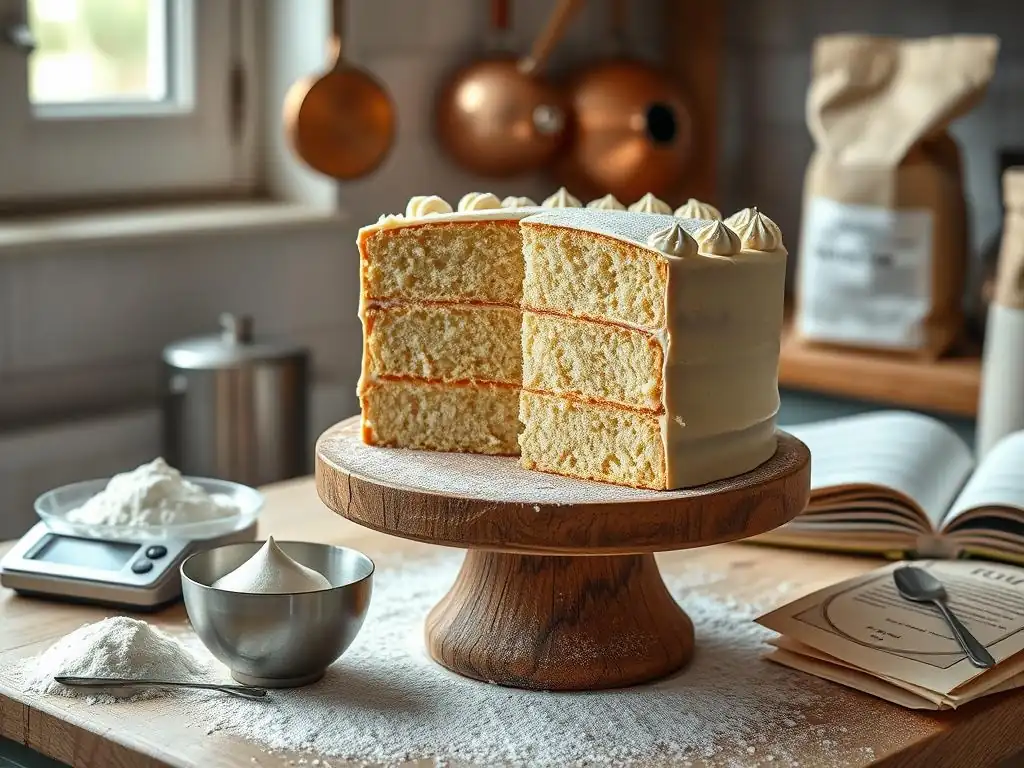
At high altitude, the combination of faster leavening action and reduced external pressure can lead to a weaker cake structure that struggles to support itself. The cake rises higher and faster, but without sufficient structural integrity, it can easily collapse or develop a coarse, open crumb. Strengthening the cake's framework is another important adjustment for high altitude cake recipes.
There are a couple of ways to enhance the structural integrity of a cake batter at high altitude. One method involves slightly increasing the amount of flour. Flour provides the gluten proteins that form the cake's structure. Adding a small amount of extra flour (perhaps 1-2 tablespoons per cup of flour in the recipe) can help build a stronger network capable of supporting the increased rise. However, adding too much flour can result in a dry or tough cake, so this adjustment should be made cautiously and in small increments.
Adding Gluten to High Altitude Cake Recipes
One way to strengthen the cake's structure is by ensuring adequate gluten development. While you don't want to overwork the batter and develop too much tough gluten, adding a small amount of extra flour, as mentioned, increases the total protein available to form the structure. Some high altitude bakers also find success by using a flour with a slightly higher protein content, though this depends on the recipe and desired texture.
Another consideration is the mixing method. Over-creaming butter and sugar can incorporate too much air initially, exacerbating the rapid rise issue at high altitude. Mixing just until combined after adding dry ingredients helps prevent over-development of gluten while still allowing the gluten network to form sufficiently to support the cake. Some high altitude cake recipes specifically recommend alternative mixing methods to manage structure.
Using High-Protein Flour for a Sturdier Cake
Using a flour with a slightly higher protein content than standard cake flour can contribute to a stronger cake structure, which is beneficial in high altitude baking. While cake flour (typically 6-8% protein) is favored for its low protein and ability to produce a tender crumb at sea level, all-purpose flour (typically 10-12% protein) contains more gluten-forming proteins.
In some high altitude cake recipes, substituting a small portion of the cake flour with all-purpose flour, or simply using all-purpose flour instead of cake flour (adjusting liquid slightly if needed), can provide the extra structural support required. The increased protein helps create a sturdier crumb that is less likely to collapse under the reduced pressure. This adjustment needs to be balanced with the desire for tenderness, as too much protein can lead to a tougher cake. Experimentation is key to finding the right balance for your preferred texture.
5. Reducing Sugar in High Altitude Cake Recipes
Sugar plays multiple roles in a cake: it provides sweetness, contributes to tenderness by interfering with gluten development, aids in browning, and helps retain moisture. At high altitude, the increased rate of liquid evaporation means the concentration of sugar in the batter effectively increases as the cake bakes. Too much sugar can weaken the cake's structure (as it interferes with gluten) and contribute to a gummy texture or excessive browning.
Reducing the amount of sugar is often necessary when adapting high altitude cake recipes. A typical guideline is to reduce the sugar by 1 to 3 tablespoons per cup of sugar called for in the original recipe for elevations around 3,000-5,000 feet. The exact reduction will depend on the total amount of sugar in the recipe and your desired level of sweetness.
Why Sugar Needs Adjustment at High Altitude
As moisture evaporates more quickly during baking at high altitude, the proportion of sugar relative to the remaining liquid increases. This higher concentration of sugar can interfere excessively with the formation of the gluten network, weakening the cake's structure. A weaker structure, combined with the rapid rise, makes the cake more susceptible to collapsing.
Furthermore, the higher sugar concentration can contribute to a gummy texture in the finished cake. Sugar is also hygroscopic, meaning it attracts and retains moisture. While this is generally good, at high altitude, the balance is off, and the excess sugar can lead to a heavy, moist layer at the bottom or a gummy crumb. Reducing sugar helps create a more balanced structure and texture.
How to Properly Decrease Sugar Content in Cakes
When reducing sugar in high altitude cake recipes, make the adjustment incrementally. Start with a reduction of about 1 to 2 tablespoons per cup of sugar in the recipe, especially if baking between 3,000 and 5,000 feet. For recipes with a very high sugar-to-flour ratio, or at higher elevations, you might need to reduce it by up to 3 tablespoons per cup of sugar.
It's generally best to reduce the sugar slightly less in recipes that rely on sugar for moisture and tenderness, such as some types of butter cakes. Consider the overall balance of the recipe. If you significantly reduce sugar, you might need to slightly adjust other ingredients like fat or liquid to maintain tenderness and moisture. Taste preferences also play a role; reduce only as much as needed to achieve the desired cake structure without sacrificing too much sweetness.
Mastering Specific Cake Types at High Altitude
While the general principles of high altitude baking apply across the board, some cake types might require slightly different emphasis on certain adjustments due to their unique formulations. Understanding these nuances can help you tailor your high altitude cake recipes for optimal results, whether you're baking a rich chocolate cake or a delicate vanilla layer cake.
Adjusting Chocolate Cake Recipes for High Altitude
Chocolate cakes often contain cocoa powder, which is acidic, and sometimes use ingredients like buttermilk or sour cream. These ingredients interact with baking soda, contributing significantly to leavening. When adjusting high altitude cake recipes for chocolate varieties, pay close attention to the balance of baking soda and acidic ingredients. You'll likely need to reduce the baking soda, but the exact amount depends on the recipe's acidity.
Chocolate cakes also tend to be quite moist due to the presence of fat from chocolate or cocoa butter. However, the lower boiling point still causes faster evaporation. While you still need to increase liquid, the amount might be slightly less than in a less-rich cake. Strengthening the structure might also be particularly important in very moist or tender chocolate high altitude cake recipes to prevent sinking.
Baking Vanilla Cakes Successfully at High Altitude
Vanilla cakes, especially classic butter or pound cakes, often rely heavily on mechanical leavening (creaming butter and sugar) and baking powder for their rise and tender crumb. When adapting these high altitude cake recipes, reducing baking powder is usually the primary leavening adjustment. Since they typically contain less liquid and fat than some other cake types, increasing moisture is also a critical step to prevent dryness.
Vanilla cakes can be more susceptible to developing a coarse crumb or sinking if the structure isn't strong enough. Using a slightly higher baking temperature helps set the structure quickly. Depending on the recipe, you might also consider the flour type; using all-purpose flour or a blend can provide the necessary support compared to very low-protein cake flour.
High Altitude Adjustments for Layer Cakes
Layer cakes present a specific challenge because you want even layers that are easy to stack and frost, without significant doming or sinking. For high altitude layer cake recipes, achieving a level top is key. Reducing leavening and potentially increasing flour slightly helps control the rise and prevent excessive doming that requires trimming.
Ensuring consistent moisture throughout the layers is also vital, as dry edges can make stacking difficult. Increasing liquid is essential. Baking at a slightly higher temperature for a shorter time helps set the edges and top quickly while keeping the interior moist. Using baking strips around the pans can also help ensure more even baking and flatter layers by insulating the edges.
High Altitude Baking Tips for Bundt Cakes
Bundt cakes, with their intricate shapes, require a batter that rises evenly and sets firmly to hold the pattern. High altitude bundt cake recipes need careful adjustment to prevent the cake from sinking and losing its definition or sticking to the pan due to excessive moisture loss. Reducing leavening is crucial to prevent the cake from rising too high and then collapsing in the center, which is particularly noticeable in a bundt pan.
Increasing liquid and potentially fat (like an extra tablespoon of butter or oil) helps keep the cake moist and prevents it from sticking. Baking at a slightly higher temperature ensures the outer crust sets relatively quickly to support the structure. Thoroughly greasing and flouring the intricate details of the bundt pan is even more critical at high altitude to ensure a clean release.
Troubleshooting Common High Altitude Cake Problems
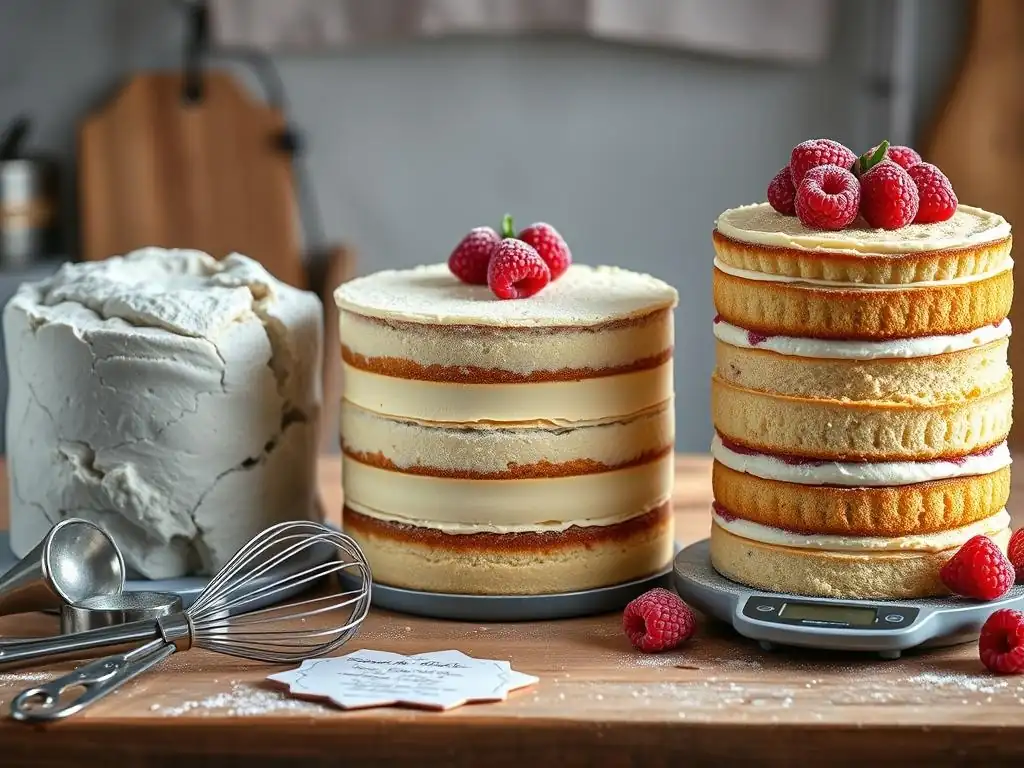
Even with careful adjustments, high altitude baking can sometimes present challenges. Knowing how to identify and address common problems is part of mastering the craft. Most issues can be traced back to the fundamental effects of high altitude on leavening, moisture, and structure.
- Problem: Dry and Crumbly Cake
- Problem: Sunken Cake
- Problem: Gummy Cake
Let's look at these specific issues and how to fix them in high altitude cake recipes.
Dry and Crumbly Cakes: Causes and Solutions
A dry, crumbly cake is one of the most common complaints from high altitude bakers using standard high altitude cake recipes. This is primarily caused by the faster evaporation of liquids due to the lower boiling point of water at higher elevations. The cake simply loses too much moisture during baking.
To fix this, increase the liquid in your recipe. Add 1-4 tablespoons of liquid per cup of flour, depending on your altitude (more at higher elevations). Ensure you are baking for the minimum necessary time; over-baking will exacerbate dryness. Using ingredients like buttermilk, sour cream, or oil (instead of just butter) can also contribute to moisture and tenderness. Make sure your oven temperature isn't too low, as a longer baking time can dry out the cake.
Sunken Cakes: Prevention and Correction
A cake that rises beautifully and then sinks in the middle is usually a sign that the leavening action was too strong for the structure to support. At high altitude, the leavening gases expand too quickly under reduced pressure, causing the cake to inflate rapidly before the proteins and starches have set.
The primary solution is to reduce the leavening agents (baking powder and baking soda) in your high altitude cake recipes. Start with the recommended reductions (1/8-1/4 tsp per tsp of baking powder, 1/16-1/8 tsp per tsp of baking soda at 3,000-5,000 ft) and adjust based on results. Increasing the oven temperature slightly (15-25°F) helps the structure set faster. Ensuring sufficient structure by perhaps adding a tablespoon of extra flour or using a flour with slightly higher protein can also help. Avoid opening the oven door too early in the baking process.
Gummy Cakes: Identifying and Fixing the Issue
A gummy texture, often appearing as a dense, slightly sticky layer, particularly near the bottom, can occur in high altitude cakes. This can be caused by too much sugar relative to other ingredients, which interferes with proper gluten development and structure, or insufficient baking which leaves starches not fully set.
Reduce the sugar content in your high altitude cake recipes. Start with a reduction of 1-3 tablespoons per cup of sugar. Ensure you are baking the cake completely; sometimes a gummy layer indicates the bottom hasn't fully cooked or set. Increasing the oven temperature slightly can help the cake cook through more evenly and quickly, preventing the bottom from remaining underbaked while the top sets. Ensure you haven't added excessive liquid, which can also contribute to gumminess if not balanced by other ingredients and proper baking time/temperature.
High Altitude Cake Recipe Examples and Adaptations
Instead of entirely new recipes, many successful high altitude cake recipes are simply well-loved standard recipes with the appropriate adjustments applied. Understanding how to adapt a familiar recipe is a valuable skill for any high altitude baker. Let's look at how you might apply these principles to common cake types.
Vanilla Bean Cake Adapted for High Altitude
Consider a standard vanilla bean cake recipe calling for 2 cups all-purpose flour, 1 3/4 cups sugar, 2 1/2 teaspoons baking powder, 1/2 teaspoon salt, 1/2 cup unsalted butter, 2 large eggs, 1 cup milk, and 1 teaspoon vanilla extract, baked at 350°F.
For baking this at 5,000 feet, you would make the following adjustments to create a reliable high altitude cake recipe:
- Flour: Add 2 tablespoons (total 2 cups + 2 tbsp).
- Sugar: Reduce by 3 tablespoons (total 1 cup + 14 tbsp).
- Baking Powder: Reduce by 1/2 teaspoon (total 2 teaspoons).
- Liquid (Milk): Add 3 tablespoons (total 1 cup + 3 tbsp).
- Oven Temp: Increase to 370°F.
- Baking Time: Monitor closely, may be slightly shorter or the same.
Dark Chocolate Espresso Cake Adapted for High Altitude
Imagine a rich dark chocolate espresso cake recipe using 2 cups all-purpose flour, 2 cups sugar, 3/4 cup unsweetened cocoa powder, 2 teaspoons baking soda, 1 teaspoon baking powder, 1 teaspoon salt, 2 large eggs, 1 cup buttermilk, 1 cup strong brewed coffee, 1/2 cup vegetable oil, and 1 teaspoon vanilla extract, baked at 350°F.
Adapting this for 6,000 feet into a successful high altitude cake recipe would involve:
- Flour: Add 3 tablespoons (total 2 cups + 3 tbsp).
- Sugar: Reduce by 4 tablespoons (1/4 cup) (total 1 cup + 12 tbsp).
- Baking Soda: Reduce by 1/8 teaspoon (total 1 and 7/8 teaspoons).
- Baking Powder: Reduce by 1/2 teaspoon (total 1/2 teaspoon).
- Liquid (Buttermilk + Coffee): Add 4 tablespoons (1/4 cup) (total 1 cup buttermilk + 1 cup coffee + 4 tbsp).
- Oven Temp: Increase to 375°F.
- Baking Time: Check for doneness a few minutes earlier than the original recipe suggests.
These are starting points; fine-tuning based on results is always recommended.
Essential Tools and Ingredients for High Altitude Cake Baking
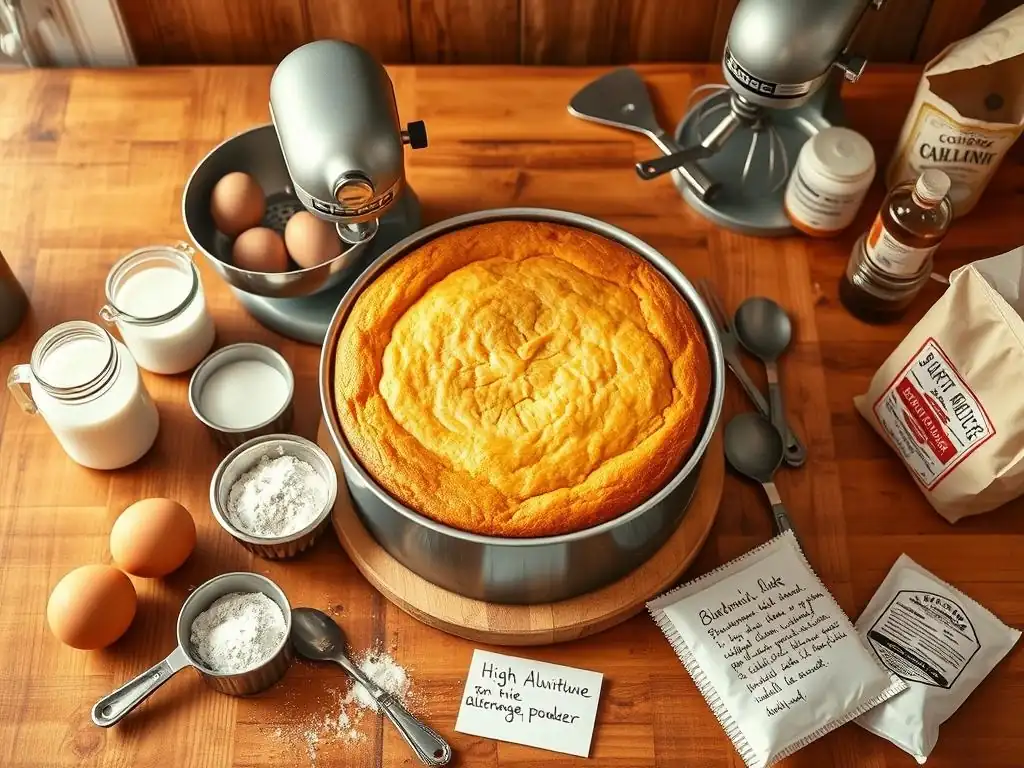
Having the right tools and understanding ingredient nuances can significantly improve your high altitude baking success. While you don't need highly specialized equipment, certain items and ingredient considerations are more important when dealing with the challenges of high altitude.
Must-Have Baking Equipment for High Altitude
Accuracy is paramount in high altitude baking adjustments. Small errors in measurement can have a bigger impact than at sea level.
- Digital Scale: Weighing ingredients, especially flour, sugar, and leavening, provides much greater accuracy than volume measurements, which can vary based on packing. This is particularly helpful when making small, precise adjustments to high altitude cake recipes.
- Oven Thermometer: Oven temperatures are notoriously inaccurate. A simple, inexpensive oven thermometer placed inside your oven will show you the true temperature, ensuring that your crucial temperature adjustments for high altitude are correct.
- Accurate Measuring Spoons: Since leavening adjustments are often measured in fractions of teaspoons, having a set of measuring spoons that includes 1/8 and 1/16 teaspoon increments is very helpful.
- Timer: Precise timing is essential, especially when using a higher oven temperature.
Key Ingredients for Successful High Altitude Cake Baking
The quality and type of ingredients can influence how your high altitude cake recipes turn out.
- Fresh Leavening Agents: Baking powder and baking soda lose potency over time. Using fresh leavening is critical, especially since you are making precise reductions. Test freshness by adding a little baking powder to hot water (should bubble vigorously) or baking soda to vinegar (should bubble vigorously).
- All-Purpose Flour: While cake flour is used in many recipes, using all-purpose flour or a blend can provide the slightly stronger structure often needed at high altitude.
- Quality Fats: Butter, oil, or shortening contribute to moisture and tenderness. Ensure fats are fresh and measured accurately.
- Fresh Eggs: Eggs contribute to structure and moisture. Use large eggs unless the recipe specifies otherwise.
- Liquids: Use the specified liquid (milk, buttermilk, water) but be prepared to add extra as per high altitude guidelines.
Achieving Perfect Cakes Every Time: High Altitude Baking Summary
Mastering high altitude cake recipes is an achievable goal with a little understanding and practice. By consistently applying the key adjustments for leavening, liquid, sugar, and temperature, you can overcome the challenges posed by lower atmospheric pressure and create consistently delicious cakes.
Remember that these are starting guidelines, and the perfect adjustments for your specific altitude, oven, and recipe may require some experimentation. Keep notes on the changes you make and the results you achieve. Over time, you'll develop an intuition for adapting any standard recipe into a reliable high altitude cake recipe.
Quick Reference Guide to High Altitude Cake Adjustments
Here is a summary of the typical adjustments needed for high altitude cake recipes:
- Leavening (Baking Powder/Soda): Decrease. Start with 1/8-1/4 tsp reduction per tsp at 3,000-5,000 ft.
- Liquid: Increase. Add 1-2 tbsp per cup of flour at 3,000-5,000 ft.
- Sugar: Decrease. Reduce by 1-3 tbsp per cup of sugar at 3,000-5,000 ft.
- Oven Temperature: Increase. Raise temp by 15-25°F at 3,000-5,000 ft.
- Flour: May need to add 1-2 tbsp per cup of flour for structure.
- Baking Time: Monitor closely; may be slightly shorter.
- [x] Reduce Leavening
- [x] Increase Liquid
- [x] Reduce Sugar
- [x] Increase Oven Temperature
- [x] Consider adding slight extra Flour
- [x] Monitor Baking Time Closely
Tips for Consistent Results in High Altitude Cake Baking
Achieving consistent success with high altitude cake recipes involves more than just the adjustments; technique and attention to detail also play a significant role.
- Measure Accurately: Use a scale for dry ingredients and precise measuring spoons for leavening.
- Use an Oven Thermometer: Ensure your oven is heating to the correct adjusted temperature.
- Don't Over-mix: Over-mixing can develop too much gluten, leading to toughness, or incorporate too much air initially.
- Use Room Temperature Ingredients: Eggs and butter should be at room temperature unless the recipe specifies otherwise, for proper emulsification and structure development.
- Grease and Flour Pans Properly: This is essential to prevent sticking, especially with the adjusted batters.
- Cool Cakes Correctly: Allow cakes to cool in the pan on a wire rack for the time specified before inverting, giving the structure time to fully set.
- Keep Records: Note the altitude, recipe, adjustments made, baking time/temperature, and the outcome. This helps you fine-tune your high altitude cake recipes over time.
Baking at high altitude is a skill that improves with practice. Don't be discouraged by initial failures. By understanding the science and applying these adjustments, you'll soon be baking flawless, delicious cakes no matter how high you are. Happy baking!
Frequently Asked Questions
How does high altitude affect cake baking?
High altitude baking presents unique challenges due to lower air pressure. This causes liquids to evaporate faster and leavening agents to rise more quickly, potentially leading to dry, collapsed cakes.
What's the most important adjustment to make for high altitude cake recipes?
Typically, the most important adjustment is to reduce the amount of leavening, such as baking powder or baking soda. This prevents excessive rising and subsequent collapse.
Why is it recommended to increase the oven temperature slightly at high altitude?
Increasing the oven temperature by about 25°F helps the cake set faster. This helps strengthen the structure before the rapid expansion caused by the lower air pressure can lead to a collapse.
Should I increase or decrease the amount of liquid in my high altitude cake recipe?
Generally, you should increase the liquid by a tablespoon or two. This compensates for the faster evaporation rate at higher altitudes, helping to keep the cake moist.
Where can I find reliable high altitude cake recipes and baking advice?
Websites like BakeWithEase.com are great resources. They offer recipes and tips specifically designed for high altitude baking, focusing on easy-to-find ingredients and step-by-step guides.
Final Reflection: Baking at the Summit of Flavor
The quest for the perfect high-altitude cake is more than just a culinary challenge; it's a testament to the power of adaptation and precision. Baking at higher elevations presents unique difficulties, but mastering these techniques unlocks a world of delicious possibilities, proving that even the most challenging environments can yield extraordinary results. The subtle shifts in air pressure and boiling points demand a nuanced approach, but the rewards – a light, airy cake with perfect texture – are well worth the effort.
The journey of perfecting high-altitude baking has profoundly impacted my own understanding of baking science. It's a constant learning process, requiring meticulous attention to detail and a willingness to experiment. The struggle to achieve consistent results has taught me patience and resilience, qualities that extend far beyond the kitchen. The art of baking is a science, but the science of baking is an art.
This quote perfectly captures the delicate balance between precision and creativity inherent in this specialized field.
Now, it's your turn. Consider the challenges you face in your own life, and how the principles of adaptation and precision, so crucial in high-altitude baking, might apply. Don't be afraid to experiment, to adjust your approach, and to embrace the learning process. The pursuit of perfection, whether in baking or in life, is a journey filled with rewarding discoveries. So, embrace the altitude, and let your creativity soar!
Unlock Your High-Altitude Baking Secrets!
Thanks for taking the time to explore the world of high-altitude baking with us! We hope you now feel more confident tackling those tricky altitude adjustments. Ready to put your newfound knowledge into practice?
- Bake your dream cake: Try out one of the recipes mentioned in the article, paying close attention to the altitude-specific modifications. See the difference firsthand!
- Share your baking triumph: Post a picture of your perfectly risen cake on social media using #BakeWithEaseHighAltitude and tag us! Let's inspire others.
- Explore our other high-altitude resources: Discover more helpful tips and recipes on our website – from cookies to breads, we’ve got you covered.
What delicious high-altitude creation will you bake first?