
Sustainable Palm Oil Options: What Pastry Chefs Should Consider


Welcome to BakeWithEase, your baking sanctuary! Ever wondered how to create delicious pastries and contribute to a more sustainable future? This article dives deep into sustainable palm oil pastry recipes, exploring the options available to conscientious chefs. Discover how you can bake with a clear conscience – and a delicious result! Intrigued? Let's get baking!
- Understanding Palm Oil in Pastry: A Baker's Dilemma
- Defining Sustainable Palm Oil: Certifications and Standards
- Sustainable Palm Oil Alternatives for Pastry Recipes
- Applying Sustainable Palm Oil in Your Pastry Creations: Recipe Adaptations
- The Cost Factor: Sustainable Palm Oil vs. Conventional Palm Oil
- Making the Switch: A Step-by-Step Guide for Pastry Chefs
- Beyond Palm Oil: A Holistic Approach to Sustainable Baking
- Conclusion: Embracing Sustainable Palm Oil in Pastry for a Better Future
-
Frequently Asked Questions
- What exactly is sustainable palm oil, and why is it important in pastry baking?
- How can I identify pastry recipes that use sustainable palm oil?
- Are there any pastry types where using sustainable palm oil is particularly crucial?
- Where can I source sustainable palm oil for my own pastry baking?
- Will using sustainable palm oil affect the taste or texture of my pastries compared to using traditional palm oil?
- Final Reflection: The Sweet Taste of Sustainability
- Unlock a Sweeter, Greener Future for Your Baking
Understanding Palm Oil in Pastry: A Baker's Dilemma
The Ubiquity of Palm Oil in Baking
Palm oil is an incredibly common ingredient found in a vast array of baked goods, from cookies and cakes to pastries and bread. Its prevalence stems from its unique properties, such as its semi-solid state at room temperature, neutral flavor profile, and high oxidative stability, which contributes to longer shelf life for finished products.
It's often a primary component in shortenings, margarines, and various fillings and coatings used in commercial and home baking alike. Estimates suggest that palm oil or its derivatives are present in roughly half of all packaged goods sold in supermarkets globally, making it a staple fat in the food industry, including the baking sector.
Its functional versatility means palm oil can replace trans fats, create flaky textures in pastries, provide structure in cookies, and add creaminess to fillings. This widespread use, while beneficial from a technical baking perspective, has brought the ingredient under intense scrutiny due to the significant environmental and social challenges associated with conventional production methods. Pastry chefs, therefore, face the challenge of balancing the functional and economic benefits of palm oil with the ethical imperative to source ingredients responsibly.
Why Pastry Chefs Use Palm Oil: Functionality and Cost
Pastry chefs rely on palm oil for several key functional reasons that are difficult to replicate with other fats without significant changes to recipes or processes. Its melting point, typically around 35-40°C (95-104°F), is higher than many other vegetable oils, making it ideal for creating firm textures in creams and fillings, providing stability in hot climates, and contributing to the 'snap' in biscuits and cookies. Furthermore, when fractionated, different palm oil components offer specific melting points and textures, allowing for highly customized baking applications, such as non-hydrogenated shortenings that perform similarly to traditional options.
Beyond its technical merits, cost is a major driver of palm oil's popularity. Compared to many other vegetable oils like sunflower, rapeseed, or soybean oil, palm oil is often significantly cheaper to produce per ton, yielding more oil per hectare than any other vegetable oil crop. This economic advantage makes it an attractive option for pastry production, particularly in commercial settings where ingredient costs heavily influence profitability. The combination of its low cost, high yield, and versatile functionality has cemented its position as a go-to fat for many bakers and food manufacturers worldwide.
The rapid expansion of conventional palm oil plantations has led to severe environmental degradation, most notably deforestation in tropical regions like Southeast Asia, Central Africa, and Latin America. This destruction of rainforests results in habitat loss for endangered species such as orangutans, tigers, and elephants, and contributes significantly to greenhouse gas emissions through the clearing and burning of peatlands. The loss of biodiversity is a critical concern, impacting complex ecosystems.
Social issues are also rampant in some conventional palm oil supply chains. These include land disputes with indigenous communities, poor working conditions, low wages, and even instances of forced labor or child labor on plantations. While palm oil production supports millions of livelihoods globally, the benefits are not always equitably distributed, and human rights abuses have been well-documented in certain areas. These serious environmental and social impacts are the primary reasons why consumers and chefs alike are increasingly seeking sustainable palm oil pastry recipes and demanding responsibly sourced ingredients.
Defining Sustainable Palm Oil: Certifications and Standards
What is RSPO Certified Sustainable Palm Oil (CSPO)?
The Roundtable on Sustainable Palm Oil (RSPO) is one of the most prominent certification bodies for sustainable palm oil. Established in 2004, it brings together stakeholders from across the palm oil supply chain, including producers, processors, manufacturers, retailers, banks, and environmental and social non-governmental organizations (NGOs). The RSPO has developed a set of environmental and social criteria that must be met to produce Certified Sustainable Palm Oil (CSPO). These principles and criteria address areas such as transparency, legal compliance, environmental responsibility and conservation of natural resources, responsible development of new plantings, and responsible consideration of employees and communities.
RSPO certification provides a framework for producers to improve their practices and for buyers to source palm oil that is produced more responsibly. There are different supply chain models under RSPO, including Identity Preserved, Segregated, Mass Balance, and Book and Claim (GreenPalm credits).
The Segregated and Identity Preserved models offer the highest assurance that the physical palm oil comes from certified sources, which is often preferred by pastry chefs aiming for maximum sustainability impact in their sustainable palm oil pastry recipes. As of 2023, RSPO certified approximately 19% of global palm oil production, representing a significant volume, but also highlighting the large proportion of palm oil that remains uncertified.
Exploring Other Sustainable Palm Oil Certifications and Initiatives
While RSPO is the largest and most widely recognized, it's not the only initiative promoting sustainable palm oil. Other standards and approaches exist, often tailored to specific regional contexts or focusing on particular aspects of sustainability. For example, the Indonesian Sustainable Palm Oil (ISPO) and Malaysian Sustainable Palm Oil (MSPO) standards are mandatory national schemes in the two largest palm oil producing countries. These schemes aim to improve sustainability practices within their respective countries, though some critics argue their criteria are less stringent than RSPO in certain areas, particularly regarding social issues and deforestation.
Beyond national standards, numerous independent initiatives and corporate commitments are driving change. Many large food manufacturers and retailers have set their own goals for sourcing 100% certified sustainable palm oil, sometimes going beyond RSPO standards to include requirements like "No Deforestation, No Peat, No Exploitation" (NDPE) policies. These initiatives often work directly with suppliers to improve practices on the ground and increase traceability, providing additional layers of assurance for pastry chefs looking to make informed choices for their sustainable palm oil pastry recipes.
Understanding the Limitations of Current Certification Systems
While certifications like RSPO have driven significant improvements in the palm oil sector, they are not without limitations. Critics point out that enforcing standards across complex supply chains can be challenging, and instances of non-compliance still occur. The different supply chain models also offer varying degrees of assurance; for instance, the Mass Balance model allows certified and uncertified palm oil to be mixed under controlled conditions, meaning a product labeled 'Mass Balance' may contain a percentage of uncertified palm oil.
Furthermore, the existence of multiple standards can sometimes create confusion and dilute the impact. Some environmental and social groups argue that even the best standards don't go far enough to protect forests or human rights, advocating for stricter criteria or alternative approaches. Despite these challenges, certification remains the most widely accepted tool for verifying sustainable production practices at scale. Pastry chefs should view certification as an important step, but also consider the specific supply chain model and potentially look for suppliers with additional commitments (like NDPE) when sourcing palm oil for their sustainable palm oil pastry recipes.
Sustainable Palm Oil Alternatives for Pastry Recipes
Refined vs. Unrefined Sustainable Palm Oil: Which is Best for Baking?
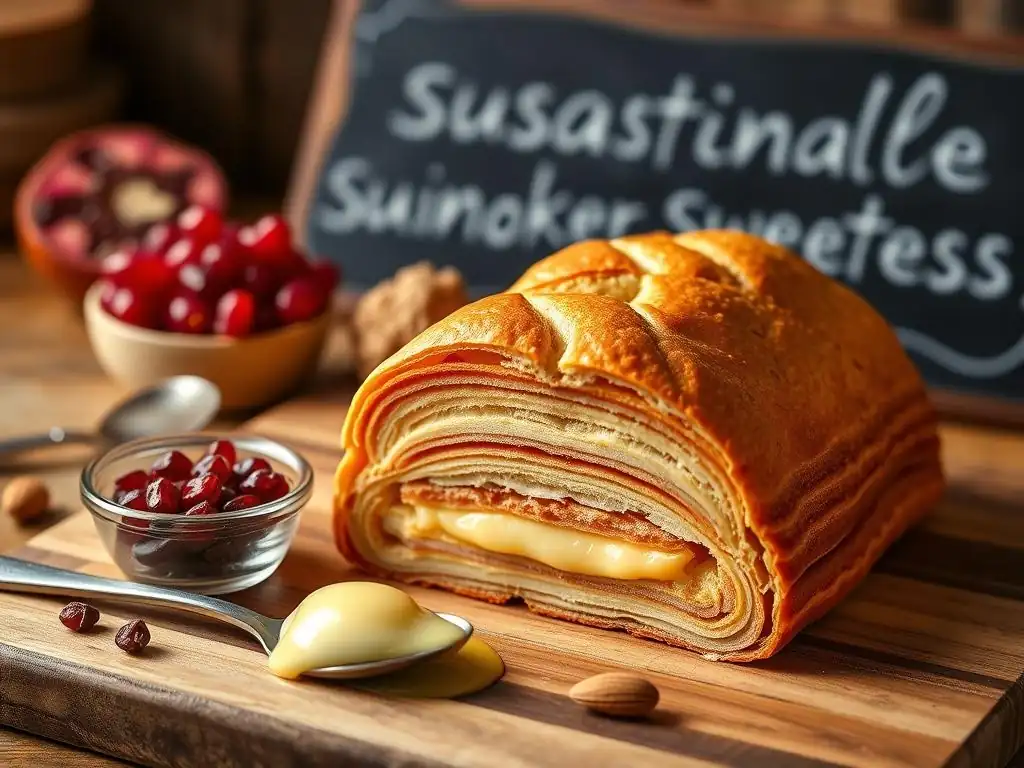
Sustainable palm oil, like conventional palm oil, comes in both refined and unrefined forms, and the best choice for baking depends on the desired outcome. Unrefined or 'virgin' palm oil retains its natural reddish-orange color (due to high beta-carotene content) and has a distinct, slightly earthy or nutty flavor. While rich in antioxidants, its strong color and flavor are generally undesirable in most traditional pastry applications where a neutral taste and pale color are preferred.
Refined, Bleached, and Deodorized (RBD) sustainable palm oil, on the other hand, is processed to remove color, odor, and flavor. This results in a neutral-tasting, pale-yellow fat that behaves functionally much like conventional RBD palm oil. It's this RBD form that is most commonly used in commercial and home baking for creating shortenings, margarines, and direct inclusion in sustainable palm oil pastry recipes because it won't interfere with the delicate flavors or appearance of the finished product. For most pastry applications aiming to substitute conventional palm oil, refined sustainable palm oil is the practical choice.
Fractionated Palm Oil vs. Other Palm Oil Derivatives in Pastry
Palm oil can be separated into fractions with different melting points through a process called fractionation. The solid fraction is called palm stearin, and the liquid fraction is called palm olein. Palm stearin has a higher melting point and is used to provide firmness in shortenings and margarines, contributing to flakiness in puff pastry or structure in cookies. Palm olein, with a lower melting point, is often blended with other oils or used in liquid applications. Both sustainable palm stearin and sustainable palm olein are available.
Other palm oil derivatives like palm kernel oil (extracted from the kernel, not the fruit) and various emulsifiers (like mono- and diglycerides) are also widely used in baking and are often palm-based. Sustainable versions of these derivatives are increasingly becoming available. When adapting sustainable palm oil pastry recipes, understanding whether the original recipe calls for palm oil, palm kernel oil, a specific fraction like stearin, or a palm-based emulsifier is crucial to ensure the correct functionality is maintained when switching to a sustainable option.
Sustainable Palm Oil Sourcing: Identifying Reputable Suppliers
Finding reputable suppliers for sustainable palm oil is a critical step for pastry chefs. Look for suppliers who are transparent about their sourcing and can provide documentation proving the palm oil's certification (e.g., RSPO Segregated or Mass Balance). Many ingredient distributors now offer certified sustainable options, and some specialize in sustainable fats and oils. Engaging directly with suppliers allows chefs to ask detailed questions about the origin of the palm oil and the specific sustainability criteria met.
Beyond certification, consider suppliers who are members of initiatives like the Palm Oil Innovation Group (POIG), which has criteria that go beyond RSPO in areas like deforestation and human rights. Some suppliers also offer traceability information down to the mill or even plantation level, providing greater confidence in the product's origin. Checking a supplier's sustainability reports or contacting them directly about their sourcing policies are good ways to assess their commitment to providing genuine sustainable palm oil for your sustainable palm oil pastry recipes.
Applying Sustainable Palm Oil in Your Pastry Creations: Recipe Adaptations
Adapting Existing Pastry Recipes for Sustainable Palm Oil
Switching from conventional palm oil to sustainable palm oil in existing pastry recipes is often a straightforward substitution if you are using the same type of palm oil (e.g., RBD palm shortening for RBD sustainable palm shortening). Sustainable palm oil typically behaves identically to its conventional counterpart in terms of melting point, texture, and interaction with other ingredients. The main consideration is ensuring you source a sustainable palm oil product that matches the functional properties of the conventional one used in the original recipe.
For instance, if a recipe calls for a high-melting point palm shortening, you'll need a sustainable palm stearin-based shortening. If it calls for a softer palm oil blend, a sustainable palm olein blend would be appropriate. Pay attention to the solidification point and crystal structure, especially in recipes where fat crystallization is key, like laminated doughs. In most cases, a direct 1:1 substitution with the equivalent sustainable palm oil product will work seamlessly for creating sustainable palm oil pastry recipes.
Sustainable Palm Oil Pastry Recipes: Ideas and Inspiration
Sustainable palm oil can be used in virtually any pastry recipe that calls for palm oil, shortening, or margarine containing palm oil. This opens up a world of possibilities for creating more responsible versions of classic treats. Think about using sustainable palm shortening to achieve flaky layers in croissants and puff pastry, or incorporating it into cookie dough for that perfect balance of crispness and chew. It's also excellent for stable, creamy fillings and icings.
For vegan baking, where palm oil is often used as a binder and texturizer to replace butter, sustainable palm oil offers a responsible plant-based fat option. You can develop sustainable palm oil pastry recipes for vegan cakes, brownies, and tarts that perform just as well as their conventional counterparts. Exploring ethnic pastries that traditionally use palm oil is another avenue for inspiration, ensuring cultural recipes are adapted responsibly. The key is experimentation and understanding the specific role the fat plays in the recipe.
Examples: Shortcrust Pastry, Puff Pastry, and Vegan Brownies
Let's look at some specific examples. For a classic shortcrust pastry, sustainable palm shortening can be rubbed into flour just like butter or conventional shortening. The higher melting point of the palm shortening helps create distinct fat pockets that result in a tender, crumbly texture when baked. A typical recipe might use 1 part sustainable palm shortening to 2 parts flour.
In puff pastry, achieving numerous thin, flaky layers relies on a solid fat that melts slowly during baking, creating steam that separates the dough layers. Sustainable palm stearin-based shortening is excellent for the 'tourage' or folding step, providing the necessary plasticity and high melting point. A standard puff pastry recipe might use 1 part sustainable shortening to 1 part dough.
For vegan brownies, sustainable palm oil can be used as the primary fat source, contributing to a fudgy texture and providing structure. Unlike liquid oils, it helps bind the ingredients and prevents the brownies from being too cake-like. A common ratio might involve using 1 part sustainable palm oil (perhaps a blend of olein and stearin for the right texture) for every 1.5 parts flour and 1 part sugar, alongside cocoa powder and leavening. These examples demonstrate how sustainable palm oil functions identically in sustainable palm oil pastry recipes.
The Cost Factor: Sustainable Palm Oil vs. Conventional Palm Oil
Evaluating the Price Difference Between Sustainable and Non-Sustainable Options
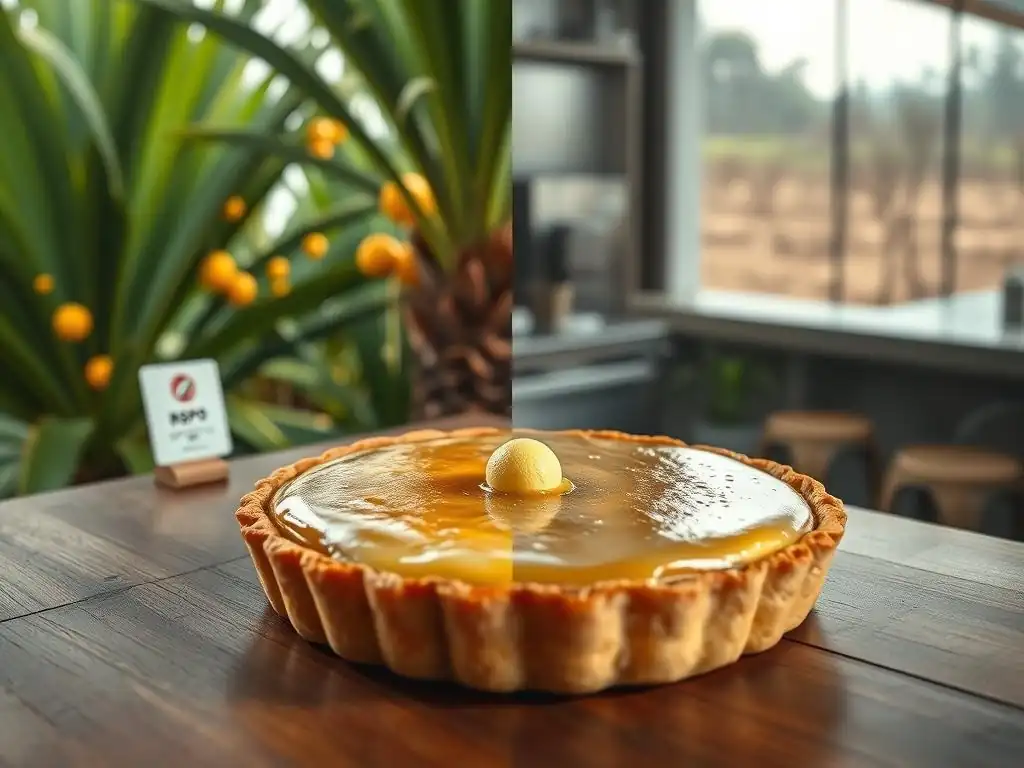
Generally, certified sustainable palm oil commands a premium price compared to conventional palm oil. This price difference arises from several factors, including the costs associated with meeting sustainability standards (e.g., conservation efforts, improved labor practices, certification audits) and maintaining segregated supply chains. The premium can vary significantly depending on the level of certification (e.g., Segregated CSPO is typically more expensive than Mass Balance CSPO), the volume purchased, the supplier, and global market fluctuations.
While exact figures are difficult to pin down universally, the premium for sustainable palm oil can range from a few percent to upwards of 10-20% or more compared to the cheapest conventional options. For pastry chefs running a business, this increased ingredient cost is a significant consideration. However, the long-term benefits of securing a sustainable supply chain and meeting consumer demand for responsible products can outweigh the immediate price difference.
Strategies for Managing Costs When Using Sustainable Palm Oil
Managing the increased cost of sustainable palm oil requires strategic planning. Buying in larger volumes can often lead to lower per-unit costs. Partnering with suppliers who specialize in sustainable ingredients might also offer more competitive pricing or access to different certification levels that meet your needs and budget. Exploring Mass Balance certified options, while offering a slightly lower level of assurance than Segregated, is often more affordable and still supports the production of sustainable palm oil.
Another strategy is to optimize recipes to use the minimum effective amount of fat without compromising quality. While palm oil is functional, sometimes recipes can be adjusted slightly. Finally, consider whether the premium can be partially absorbed or passed on to the consumer.
Communicating the Value of Sustainable Ingredients to Customers
Customers are increasingly interested in the origin and sustainability of their food. For pastry chefs using sustainable palm oil in their sustainable palm oil pastry recipes, communicating this commitment can add significant value to their products and justify a potentially higher price point. Be transparent about why you've chosen sustainable palm oil, explaining the environmental and social benefits it supports.
Highlighting your use of certified sustainable palm oil on menus, packaging, or through social media can resonate with environmentally conscious consumers. Educate your staff so they can confidently discuss your sourcing practices with customers. Framing the use of sustainable ingredients not just as a cost, but as an investment in quality, ethics, and the future, can build customer loyalty and differentiate your business.
Making the Switch: A Step-by-Step Guide for Pastry Chefs
Assessing Your Current Palm Oil Usage
The first step in transitioning to sustainable palm oil is to understand your current usage. Review your recipes and ingredient lists to identify all products containing palm oil or its derivatives (like shortenings, margarines, chocolate coatings, emulsifiers). Calculate the volume or weight of palm oil-based ingredients you use annually. This assessment will give you a clear picture of the scale of the transition and help you prioritize which products or recipes to focus on first.
Also, evaluate the type of palm oil being used in each product – is it a solid shortening, a liquid oil blend, a specific fraction like stearin, or an emulsifier? Understanding the functional requirements of the fat in each recipe is crucial for selecting the correct sustainable substitute. This detailed assessment forms the foundation for a smooth transition to sustainable palm oil pastry recipes.
Identifying Sustainable Palm Oil Suppliers
Once you know what you need, research suppliers offering certified sustainable palm oil ingredients. Look for suppliers who can provide the specific types of palm oil products you require (e.g., sustainable palm shortening, sustainable palm olein). Request information about their certifications (RSPO, ISPO, MSPO, etc.) and the supply chain models they offer (Identity Preserved, Segregated, Mass Balance).
Ask about minimum order quantities and pricing for certified options. Don't hesitate to request samples to test in your kitchen. Consider suppliers who are transparent about their sourcing and ideally have strong traceability systems. Connecting with other bakers or industry groups focused on sustainability can also yield recommendations for reputable suppliers of ingredients for sustainable palm oil pastry recipes.
Testing and Refining Your Pastry Recipes
Before fully committing to the switch, conduct thorough testing of your recipes using the sustainable palm oil products from your chosen supplier. Replace the conventional palm oil ingredient with its sustainable equivalent (e.g., conventional RBD palm shortening with sustainable RBD palm shortening) and bake as usual. Evaluate the results carefully: check the texture, flavor, appearance, and overall performance of the baked goods.
Compare them side-by-side with products made using conventional palm oil to ensure there's no noticeable difference in quality. If necessary, make small adjustments to your recipes based on the testing results, although often, a direct substitution works perfectly. Document your testing process and results for future reference. This step is vital to ensure your sustainable palm oil pastry recipes maintain the high standards your customers expect.
Promoting Your Commitment to Sustainability
Once you have successfully transitioned to using sustainable palm oil in your pastries, share your journey with your customers. Use your website, social media, in-store signage, and packaging to highlight your use of sustainable ingredients. Explain why you made the switch and the positive impact it has, such as supporting ethical labor practices or protecting rainforests.
Consider adding information about the specific certification you use (e.g., "Made with RSPO Certified Sustainable Palm Oil"). Training your staff to talk about your sustainability efforts is also key. Being open and proud of your commitment to using sustainable palm oil in your sustainable palm oil pastry recipes can strengthen your brand identity and attract environmentally conscious consumers.
Beyond Palm Oil: A Holistic Approach to Sustainable Baking

Other Sustainable Ingredient Choices for Pastry
Embracing sustainability in baking extends far beyond palm oil. Consider sourcing other ingredients responsibly. This includes using ethically sourced chocolate and cocoa, choosing fair-trade sugar, opting for local and seasonal fruits, and selecting flour from farms that practice sustainable agriculture. Even ingredients like vanilla and nuts have supply chain challenges that can be addressed through careful sourcing.
Look for certifications or work directly with suppliers to understand the environmental and social impact of the ingredients you use. Making conscious choices about sourcing a wider range of ingredients contributes to a more holistic approach to sustainable baking and helps create truly sustainable palm oil pastry recipes and beyond.
Reducing Food Waste in Your Bakery
Food waste is a significant issue in the food industry, and bakeries are no exception. Implementing strategies to reduce waste is a crucial part of sustainable operations. This can include careful inventory management to avoid over-ordering ingredients, precise portioning during preparation, and finding creative uses for scraps or unsold items (e.g., making breadcrumbs from stale bread, transforming cake scraps into cake pops).
Donating surplus food to local charities or food banks is another excellent way to reduce waste. Composting unavoidable organic waste, like fruit peels or coffee grounds, diverts material from landfills. Minimizing food waste not only benefits the environment but also improves profitability by reducing ingredient costs and disposal fees.
Implementing Energy-Efficient Practices
Baking is an energy-intensive process, with ovens, mixers, and refrigeration units consuming significant amounts of electricity or gas. Improving energy efficiency can reduce your environmental footprint and lower operating costs. Simple steps like ensuring ovens and refrigerators are well-maintained and properly sealed can make a difference. Upgrading to energy-efficient appliances when possible offers long-term savings.
Consider optimizing baking schedules to make full use of oven capacity once heated. Using LED lighting, managing thermostat settings, and ensuring proper insulation also contribute to energy savings. Exploring renewable energy options, such as installing solar panels or purchasing green energy from your utility provider, represents a further step towards a truly sustainable bakery operation that complements your efforts in sourcing sustainable ingredients for sustainable palm oil pastry recipes.
Conclusion: Embracing Sustainable Palm Oil in Pastry for a Better Future
The Importance of Responsible Ingredient Sourcing in Baking
The choices pastry chefs make about their ingredients have a ripple effect that extends far beyond the kitchen. Sourcing ingredients responsibly is not just a trend; it's an ethical imperative that impacts ecosystems, communities, and livelihoods around the world. By choosing sustainable options like certified sustainable palm oil, bakers contribute to efforts to halt deforestation, protect biodiversity, and ensure fair treatment for workers.
This commitment to responsible sourcing builds a more resilient and ethical food system. It allows chefs to create delicious sustainable palm oil pastry recipes that not only delight customers' taste buds but also align with their growing desire to support businesses that operate with integrity and care for the planet.
Call to Action: Encouraging Bakers to Adopt Sustainable Practices
Making the switch to sustainable palm oil is a tangible step pastry chefs can take towards a more sustainable future. It requires research, careful sourcing, and potentially some recipe testing, but the payoff in terms of environmental and social impact, as well as customer perception, is significant.
We encourage all bakers to assess their palm oil usage, explore certified sustainable options, and begin the transition. Start small if needed, perhaps by switching to sustainable palm oil in one or two key sustainable palm oil pastry recipes. Educate yourself and your staff, communicate with your suppliers, and share your journey with your customers. Together, the baking community can drive demand for sustainable ingredients and contribute to positive change in the global palm oil industry and beyond. Let's bake a better future, one sustainable pastry at a time.
Frequently Asked Questions
What exactly is sustainable palm oil, and why is it important in pastry baking?
Sustainable palm oil refers to palm oil that's produced in a way that minimizes environmental damage and supports fair labor practices. It's important because traditional palm oil production often leads to deforestation and habitat loss.
How can I identify pastry recipes that use sustainable palm oil?
Look for recipes that specifically mention RSPO-certified palm oil or provide details about sourcing palm oil from sustainable suppliers. You can also search for recipes that promote eco-friendly baking practices.
Are there any pastry types where using sustainable palm oil is particularly crucial?
Yes, pastries like puff pastry and certain types of croissants often rely heavily on palm oil for their characteristic texture. Choosing sustainable options for these recipes has a significant impact.
Where can I source sustainable palm oil for my own pastry baking?
Many specialty food stores and online retailers offer RSPO-certified palm oil. Look for clear labeling and certifications to ensure its sustainability.
Will using sustainable palm oil affect the taste or texture of my pastries compared to using traditional palm oil?
Generally, no noticeable difference in taste or texture is expected when using certified sustainable palm oil. The goal is to maintain the desired qualities while minimizing the environmental impact.
Final Reflection: The Sweet Taste of Sustainability
The future of pastry, and indeed the planet, hinges on our collective commitment to sustainable practices. Ignoring the impact of palm oil in our recipes is no longer an option; the consequences of unsustainable sourcing are far too significant to ignore. We must actively seek out and champion ethical alternatives to ensure the deliciousness of our creations doesn't come at the cost of environmental devastation and social injustice.
The journey towards sustainable palm oil sourcing in the pastry world is far from over, but the growing awareness and increasing availability of certified sustainable options are promising signs. The shift requires a fundamental change in mindset, moving beyond simply using "palm oil" to actively investigating its origin and impact. The only way to do great work is to love what you do.
– Steve Jobs. This applies equally to baking; if we love our craft, we must also love the planet that provides the ingredients. We need to prioritize the well-being of both our customers and the environment, ensuring that our passion for pastry doesn't contribute to deforestation or exploitation.
Now, consider your own baking practices. Are you actively seeking out sustainable palm oil alternatives? Are you educating your customers about the importance of ethical sourcing? Take the first step today. Explore the resources mentioned in this article, connect with suppliers committed to sustainability, and share your knowledge with fellow pastry chefs. Let's work together to create a sweeter, more sustainable future for our industry and the world.
Unlock a Sweeter, Greener Future for Your Baking
Thanks for diving into the world of sustainable palm oil with us! We hope you now feel empowered to make informed choices that benefit both your baking and the planet. Ready to take the next step?
- Prioritize Certified Sustainable Palm Oil: Make a conscious shift in your ingredient sourcing by actively seeking out suppliers committed to RSPO certification. This single action makes a huge difference!
- Explore Alternative Fats: Research and experiment with other sustainable options like shea butter or sustainably sourced coconut oil to diversify your ingredient portfolio.
- Share your discoveries!: Discuss your experiences with sustainable palm oil and alternative fats with fellow bakers. Let's build a supportive community dedicated to ethical baking practices.
What innovative sustainable baking practices will you implement in your next creation?