
Your First GlutenFree Substitution: An Easy Win for Beginners


Welcome to BakeWithEase, your trusted guide to the delightful world of baking! Ever wondered how to navigate the sometimes-tricky terrain of gluten-free baking? This is where your journey begins. Uncover easy gluten-free baking substitutions that will empower you to create delicious treats without the gluten, starting with a simple swap that's a guaranteed win. Intrigued? Let's unlock the secrets to gluten-free baking success, one simple step at a time…
- Mastering Gluten-Free Baking: A Beginner's Guide to Almond Flour
- Bake Gluten-Free with Ease: A Beginner's Guide to Almond Flour Substitutions
- Understanding Gluten in Baking: Why Substitute?
- The Easiest Gluten-Free Baking Substitution for Beginners: A Step-by-Step Guide
- Tips for Successful Almond Flour Baking Substitutions
- Expanding Your Gluten-Free Baking Knowledge
- Troubleshooting Common Almond Flour Baking Problems
- Gluten-Free Baking: A Journey, Not a Destination
-
Frequently Asked Questions
- What is the easiest gluten-free flour substitution for baking beginners?
- Why is it important to use a blend of gluten-free flours instead of just one?
- Can I use the same amount of gluten-free flour as wheat flour in a recipe?
- What are some common binding agents used in gluten-free baking when gluten is absent?
- Where can I find reliable gluten-free baking recipes and substitution guides?
- Final Reflection: Embracing the Gluten-Free Journey, One Substitution at a Time
- Unlock Your Gluten-Free Baking Journey!
Mastering Gluten-Free Baking: A Beginner's Guide to Almond Flour
Bake Gluten-Free with Ease: A Beginner's Guide to Almond Flour Substitutions
Embarking on the journey of gluten-free baking can feel daunting at first glance, but it doesn't have to be complicated. Many aspiring bakers wonder where to start with gluten-free baking substitutions easy enough for a first attempt. The good news is, there are accessible and forgiving options that allow you to enjoy delicious baked goods without traditional wheat flour. This guide focuses on one of the simplest and most popular swaps: using almond flour.
Whether you're navigating dietary needs or simply exploring new ingredients, mastering a few key gluten-free baking substitutions easy to implement will open up a world of culinary possibilities. We'll walk you through understanding why substitution is necessary, introduce almond flour as your perfect starting point, and provide practical tips and a simple recipe to build your confidence. Get ready to bake with ease, gluten-free style!
Understanding Gluten in Baking: Why Substitute?
What is Gluten and Its Role in Traditional Baking?
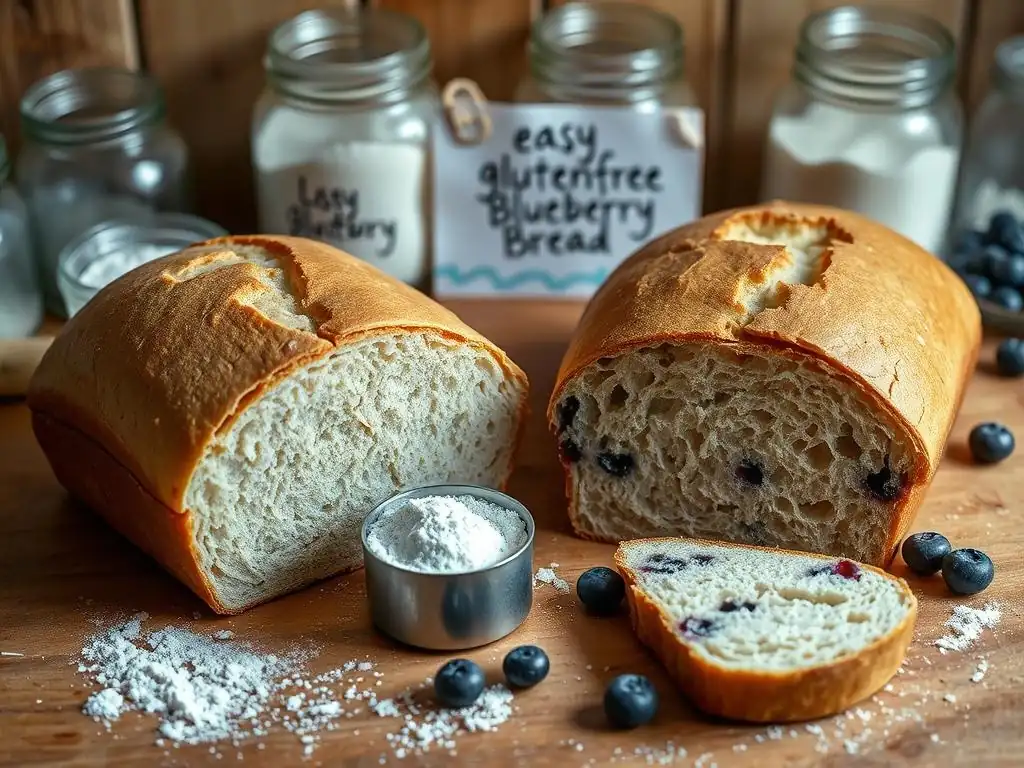
Gluten is a protein composite found in wheat, barley, rye, and related grains. When flour made from these grains is mixed with water, the gluten proteins (gliadin and glutenin) form a sticky network. This network is crucial in traditional baking because it provides elasticity and structure to doughs and batters. Think of it as the invisible scaffolding that allows bread to rise and hold its shape, and gives cakes and cookies their characteristic texture.
In yeast breads, gluten traps the carbon dioxide gas produced by fermentation, causing the dough to expand. In cakes and muffins, it contributes to the crumb structure. Without gluten, baked goods can be dense, crumbly, or fail to rise properly. Understanding this role highlights why simply swapping wheat flour for a gluten-free alternative often requires adjustments to mimic the functions gluten performs. Finding glutenfree baking substitutions easy to manage means finding ingredients that offer some similar structural benefits or require minimal additional steps.
The Benefits of Gluten-Free Baking for Health and Variety
For individuals with celiac disease, an autoimmune disorder where gluten consumption damages the small intestine, eliminating gluten is medically necessary. An estimated 1% of the global population has celiac disease, though many more may have non-celiac gluten sensitivity, experiencing symptoms like digestive issues, fatigue, or headaches after consuming gluten. For these individuals, gluten-free baking isn't just a trend; it's a pathway to managing their health and enjoying food without adverse reactions.
Beyond medical necessity, many people explore gluten-free baking for perceived health benefits or simply to introduce more variety into their diet. Gluten-free flours like almond, coconut, oat (certified gluten-free), and various starches offer different nutritional profiles, often higher in fiber, healthy fats, or specific vitamins and minerals compared to refined wheat flour. Learning glutenfree baking substitutions easy for beginners allows anyone to explore these new ingredients, discover new flavors, and expand their baking repertoire, creating everything from nutrient-rich muffins to unique flatbreads.
The Easiest Gluten-Free Baking Substitution for Beginners: A Step-by-Step Guide
Introducing Almond Flour: The Perfect First Choice
When looking for glutenfree baking substitutions easy enough for a first attempt, almond flour consistently rises to the top of the list. Made from ground blanched almonds (meaning the skins have been removed), it has a fine, meal-like texture that can often be substituted for wheat flour in many recipes with relatively few modifications. Its slightly sweet, nutty flavor is pleasant and complements a wide range of baked goods, unlike some other gluten-free flours which can have stronger or less appealing tastes.
Almond flour is also readily available in most supermarkets and health food stores, making it an accessible ingredient for beginners. It's naturally high in protein, fiber, and healthy fats, adding nutritional value to your bakes. For someone just starting out with gluten-free baking substitutions easy to implement, almond flour offers a gentle introduction because it's versatile and forgiving, helping build confidence before tackling more complex flour blends.
Why Almond Flour Works: Texture and Flavor Considerations
Almond flour contributes a moist, tender crumb to baked goods, which can sometimes be a challenge when removing gluten. While it lacks the elastic structure that gluten provides, its fat content helps prevent dryness. This makes it particularly successful in recipes like muffins, quick breads, cookies, and certain cakes where a dense, moist texture is desirable. Its natural sweetness also means you might be able to slightly reduce the amount of added sugar in some recipes.
However, because it lacks gluten, almond flour baked goods won't have the same chewy texture as traditional wheat-based items, nor will they achieve the same lofty rise as a yeast bread relying on gluten structure. Understanding these inherent properties helps manage expectations and guides ingredient adjustments. For instance, you might need a little extra leavening or a binding agent, which we'll discuss later. Focusing on glutenfree baking substitutions easy like almond flour for recipes where its characteristics are an asset (like moist cookies or dense brownies) sets you up for success.
Ingredients You'll Need for Your First Almond Flour Bake
To make your first gluten-free baking substitution easy and successful, let's choose a simple recipe like pancakes. This requires minimal ingredients and the structure isn't as critical as in a complex cake or bread. You'll need:
- Almond Flour: About 1 cup for a small batch. Look for finely ground blanched almond flour for the best texture.
- Eggs: Typically 2 large eggs per cup of almond flour. Eggs provide structure and binding in the absence of gluten.
- Liquid: Around 1/2 cup of milk (dairy or non-dairy like almond milk) or water.
- Leavening: 1 teaspoon of baking powder. This helps the pancakes become fluffy.
- Sweetener (Optional): 1-2 tablespoons of sugar, maple syrup, or honey.
- Salt: A pinch, about 1/4 teaspoon, to enhance flavor.
- Fat for cooking: Butter or oil for the griddle.
This straightforward list makes it one of the most accessible glutenfree baking substitutions easy to try right away. You likely have many of these items in your pantry already, minimizing the need for a special shopping trip.
Step-by-Step Instructions: Making the Substitution in Almond Flour Pancakes
Pancakes are an ideal first recipe for trying glutenfree baking substitutions easy to manage. Here's how you can make a simple batch using almond flour:
- Combine Dry Ingredients: In a medium bowl, whisk together the 1 cup of almond flour, 1 teaspoon of baking powder, and 1/4 teaspoon of salt. If using, add your optional sweetener here as well. Whisking helps distribute the leavening evenly.
- Combine Wet Ingredients: In a separate bowl, whisk the 2 large eggs. Then, gradually whisk in the 1/2 cup of milk or water until well combined.
- Combine Wet and Dry: Pour the wet ingredients into the bowl with the dry ingredients. Stir gently until just combined. The batter will be thicker than traditional wheat pancake batter, more like a thick cake batter. Do not overmix; a few small lumps are okay.
- Rest (Optional but Recommended): Let the batter sit for about 5-10 minutes. This allows the liquid to hydrate the almond flour, resulting in a better texture.
- Cook: Heat a lightly greased griddle or non-stick pan over medium heat. Pour about 1/4 cup of batter per pancake onto the hot surface. Cook for 3-4 minutes per side, or until bubbles appear on the surface and the edges look set, then flip carefully and cook for another 2-3 minutes until golden brown and cooked through.
Using almond flour for pancakes is a fantastic way to see how this simple glutenfree baking substitution easy recipe works firsthand before moving on to more complex baked goods.
Tips for Successful Almond Flour Baking Substitutions
Measuring Almond Flour Accurately
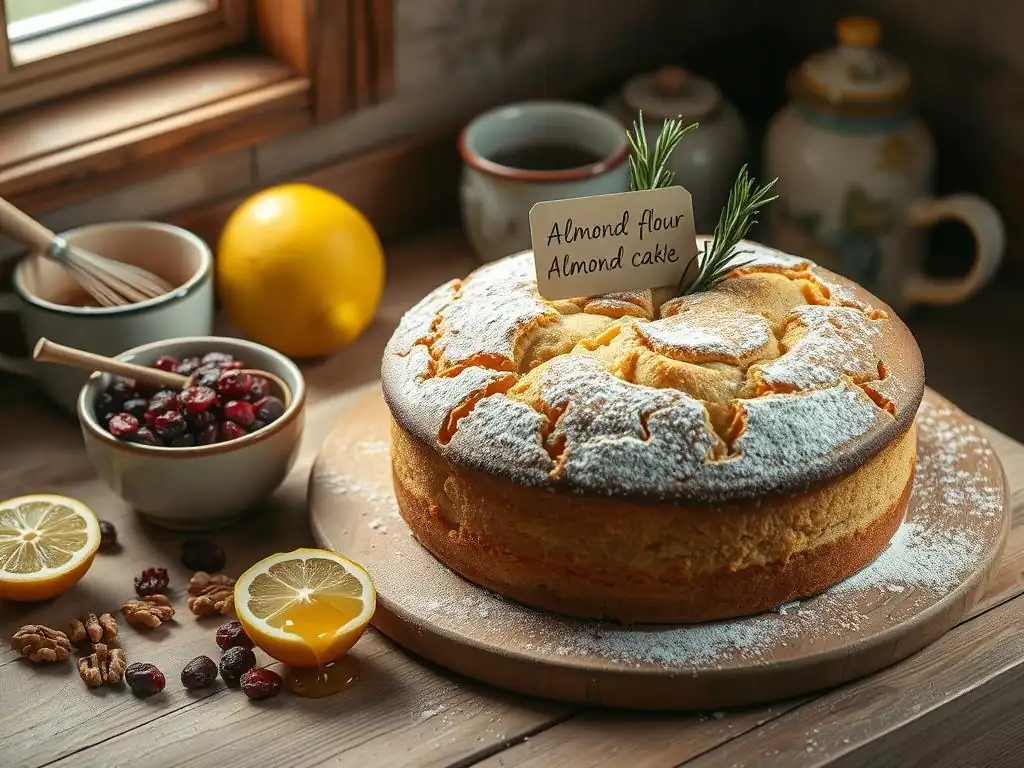
Accurate measurement is key when working with gluten-free flours, and almond flour is no exception. Unlike wheat flour, which is often spooned into a measuring cup and leveled off, almond flour can compact easily.
For best results, use the 'spoon and level' method: gently spoon the almond flour into your measuring cup until it overflows, then use a straight edge (like the back of a knife) to level off the excess. Avoid scooping directly from the bag with the measuring cup, as this can pack the flour down and result in using too much, leading to dry or heavy baked goods.
Using too much almond flour is a common pitfall when starting with glutenfree baking substitutions easy to try. A packed cup can contain significantly more flour by weight than a properly measured one. For consistent results, especially as you become more comfortable, consider using a digital kitchen scale to measure ingredients by weight rather than volume. A standard conversion is approximately 96 grams per cup of almond flour, but checking the specific package for weight recommendations is always a good idea. Precision helps ensure your glutenfree baking substitutions easy attempts yield delicious outcomes.
Adjusting Liquid Ratios for Optimal Results with Almond Flour
Almond flour absorbs liquid differently than wheat flour. It tends to be more absorbent initially due to its protein and fiber content, but it also contains natural fats that can affect the final texture. When substituting almond flour for wheat flour in a recipe, you may find you need slightly less liquid than the original recipe calls for. This is particularly true in recipes where gluten's structure helps manage moisture, like breads or muffins.
Start by using about 10-15% less liquid than the original recipe specifies when making glutenfree baking substitutions easy with almond flour. Observe the batter or dough consistency – it should be thick but still pourable (for batters) or form a workable dough (for cookies). If it seems too dry, add additional liquid a tablespoon at a time until the desired consistency is reached.
Conversely, if the batter is too thin, adding a little more almond flour (a tablespoon at a time) can help thicken it. Learning to recognize the correct consistency is a skill developed through practice with glutenfree baking substitutions easy recipes.
Understanding the Importance of Binding Agents in Almond Flour Baking
Since almond flour lacks gluten, which acts as a primary binder, you often need to introduce other ingredients to help hold your baked goods together and prevent crumbliness. Eggs are excellent binders and are frequently used in almond flour recipes, as seen in our pancake example. For recipes requiring more structure or for egg-free baking, other binding agents are essential.
Common gluten-free binding agents include xanthan gum or guar gum (use sparingly, typically 1/4 to 1/2 teaspoon per cup of flour), psyllium husk (adds fiber and structure), or ground flaxseed or chia seeds mixed with water to form a gel (often called 'flax egg' or 'chia egg'). For instance, in a cookie recipe using almond flour, adding just 1/4 teaspoon of xanthan gum per cup of flour can dramatically improve its chewiness and prevent it from falling apart. Including a binding agent is a simple yet crucial step for successful glutenfree baking substitutions easy to integrate into your process.
Avoiding Common Mistakes When Starting with Almond Flour Substitutions
Embarking on glutenfree baking substitutions easy as possible means being aware of potential pitfalls. One common mistake is a direct 1:1 substitution of almond flour for wheat flour in any recipe. While it works well in some cases (like the pancakes), it often fails in recipes heavily reliant on gluten's elasticity, such as yeast breads or light, airy cakes. Almond flour is heavier and denser than wheat flour, so volume-for-volume substitutions can lead to very different results.
Another error is baking at the same temperature and time as the original recipe. Almond flour tends to brown faster due to its fat content. You might need to slightly reduce the oven temperature (by about 25°F or 15°C) or cover the bake loosely with foil partway through to prevent over-browning before the inside is cooked. Also, be patient; almond flour baked goods can sometimes take a little longer to set. Learning these nuances through simple glutenfree baking substitutions easy recipes will improve your outcomes significantly.
Expanding Your Gluten-Free Baking Knowledge
Exploring Different Gluten-Free Flour Options: Beyond Almond Flour
Once you've gained confidence with glutenfree baking substitutions easy using almond flour, a world of other gluten-free flours awaits exploration. Each flour has unique properties in terms of texture, flavor, and absorption. Rice flour (brown and white) is a staple in many blends, offering a neutral flavor but can sometimes result in a gritty texture. Oat flour (ensure it's certified gluten-free to avoid cross-contamination) adds a lovely chewiness and nutty flavor, great for muffins and cookies.
Coconut flour is highly absorbent and requires significantly more liquid and eggs than other flours, making 1:1 substitution impossible, but it's excellent for adding fiber and a distinct flavor. Sorghum flour offers a mild, slightly sweet taste and soft texture, often used in blends. Buckwheat flour (despite the name, it's not related to wheat) has a strong, earthy flavor suitable for specific recipes like pancakes or blinis. Experimenting with these different options moves you beyond simple glutenfree baking substitutions easy to more complex and tailored results.
Almond Flour vs. Other Gluten-Free Alternatives: A Quick Comparison
Comparing almond flour to other popular gluten-free options highlights why it's often recommended for beginners tackling glutenfree baking substitutions easy to manage:
- Almond Flour:
- Texture: Moist, tender crumb.
- Flavor: Mild, slightly sweet, nutty.
- Absorption: Moderate.
- Best for: Muffins, cookies, quick breads, cakes (often requires binders).
- Substitution Ease: Relatively easy in some recipes, requires minor adjustments.
- Coconut Flour:
- Texture: Very dense, dry.
- Flavor: Distinct coconut taste.
- Absorption: Very high, requires significant liquid/eggs.
- Best for: Small additions for fiber, specific recipes designed for it.
- Substitution Ease: Difficult 1:1, requires specific recipes.
- Rice Flour (Brown/White):
- Texture: Can be gritty (brown) or fine but sometimes dense (white).
- Flavor: Neutral.
- Absorption: Moderate.
- Best for: Blends, thickening sauces.
- Substitution Ease: Often used in blends, 1:1 can result in density/grittiness.
- Oat Flour:
- Texture: Chewy, slightly dense.
- Flavor: Mild, nutty.
- Absorption: Moderate to high.
- Best for: Muffins, cookies, pancakes.
- Substitution Ease: Can often substitute partially for wheat flour, good in blends.
This comparison shows why almond flour is favored for starting out with glutenfree baking substitutions easy to adapt to familiar recipes.
Beyond pancakes, almond flour is incredibly versatile for expanding your gluten-free baking repertoire. For cookies, it creates wonderfully moist and slightly chewy results, often requiring less fat than traditional recipes. Recipes like simple almond flour cookies or shortbread are excellent next steps after mastering pancakes. You might need a binder like egg or a touch of xanthan gum to prevent excessive spreading or crumbling.
In cakes and muffins, almond flour contributes to a rich, tender crumb. It works well in recipes like pound cake or dense fruit cakes. For lighter, fluffier cakes, it's often blended with lighter gluten-free flours (like rice flour or starches) and requires careful use of leavening and binding agents. While challenging for traditional yeast bread on its own, almond flour is used in some quick bread recipes or specialized gluten-free bread blends. Continuing to practice glutenfree baking substitutions easy in these varied contexts will build your skill and confidence.
Troubleshooting Common Almond Flour Baking Problems

Dry and Crumbly Baked Goods: Solutions and Prevention with Almond Flour
One of the most frequent issues encountered with glutenfree baking substitutions easy or complex is ending up with dry, crumbly results, especially when using almond flour. This usually happens because almond flour, while moist, doesn't have gluten's network to hold everything together tightly. Over-measuring the flour (packing it in) is a primary culprit, adding too much dry ingredient. Insufficient liquid or fat in the recipe can also contribute to dryness.
To prevent this, ensure you are accurately measuring your almond flour, ideally by weight. Increase the amount of liquid slightly, adding a tablespoon at a time until the batter or dough reaches a good consistency – it should hold together without being sticky. Adding a little extra fat (like butter or oil) or incorporating a moist ingredient like applesauce, mashed banana, or yogurt can also help.
Using an appropriate binding agent, such as an extra egg or a touch of xanthan gum, is crucial for providing structure and preventing the crumble. Adjusting these elements makes your glutenfree baking substitutions easy to fix when things go wrong.
Dense or Heavy Textures: Identifying the Cause and Fixing It in Almond Flour Recipes
Conversely, sometimes almond flour baked goods turn out too dense or heavy. This can occur if the batter is overmixed after combining wet and dry ingredients, which can toughen the texture even without gluten (though less severely than with wheat). Using too much flour (again, measurement is key!) or not enough leavening agent (baking powder or baking soda) will also result in a heavy product that doesn't rise adequately.
Ensure your leavening agents are fresh; baking powder, in particular, loses its effectiveness over time. Check the expiration date. Avoid overmixing the batter; stir only until the ingredients are just combined. For recipes where a lighter texture is desired, consider incorporating whipped egg whites (folded in gently at the end) or using a blend of almond flour with lighter gluten-free flours or starches (like tapioca starch or arrowroot powder). Understanding the balance between ingredients helps perfect your glutenfree baking substitutions easy or advanced.
Flavor Profiles: Enhancing the Taste of Your Almond Flour Creations
While almond flour has a pleasant nutty flavor, sometimes gluten-free bakes can taste a bit flat or have an off-flavor depending on the ingredients used. The key to delicious almond flour baked goods is enhancing the natural flavors and balancing them. Vanilla extract is a simple but powerful addition that complements the nutty notes of almond flour beautifully.
Other flavor enhancers include citrus zest (lemon, orange), ground spices like cinnamon, nutmeg, or cardamom, and extracts like almond extract (use sparingly, as it's potent). Chocolate, nuts, dried fruits, and fresh berries also pair wonderfully with almond flour's profile. Don't forget the importance of salt; even in sweet recipes, a pinch of salt helps to bring out and balance the other flavors. Experimenting with these additions makes your glutenfree baking substitutions easy and flavorful.
Gluten-Free Baking: A Journey, Not a Destination
Embrace Experimentation and Find Your Favorite Almond Flour Recipes
Think of gluten-free baking, especially when trying glutenfree baking substitutions easy or complex, as an exciting culinary adventure. Not every experiment will be a masterpiece, and that's perfectly okay! Each attempt, whether a roaring success or a learning opportunity, teaches you more about how different gluten-free ingredients behave. Almond flour is a fantastic starting point precisely because it's forgiving and versatile, allowing you to adapt many familiar recipes.
Start with simple recipes like muffins, cookies, or pancakes that use almond flour as the primary flour. As you get comfortable, try adapting more complex recipes or experimenting with adding other gluten-free flours to your almond flour base. Keep notes on what worked and what didn't. What ratio of liquid seemed best? Did adding a binder make a difference? This iterative process is how you'll discover your favorite recipes and master glutenfree baking substitutions easy for you.
Resources for Further Gluten-Free Baking Education
To continue expanding your knowledge beyond glutenfree baking substitutions easy with almond flour, seek out reliable resources. Cookbooks specifically dedicated to gluten-free baking are invaluable, often providing tested recipes and detailed explanations of different flours and techniques. Many reputable baking websites and blogs offer extensive guides and recipes, often focusing on specific flours or types of baked goods.
Online baking communities and forums can also be a great source of tips, advice, and shared experiences. Look for resources that provide weight measurements for ingredients, as this offers greater accuracy than volume measurements, especially in gluten-free baking. While we can't provide specific links here, searching for terms like "gluten-free baking guide," "almond flour recipes," or "gluten-free flour comparison" will yield a wealth of information to support your journey.
Learning glutenfree baking substitutions easy or hard is often more enjoyable and effective when shared with others. Don't hesitate to share your baking triumphs, whether it's a batch of perfectly moist almond flour muffins or the successful adaptation of a favorite cookie recipe. Your successes can inspire others who are just starting their gluten-free journey.
Equally important is sharing your challenges. Did a recipe turn out too dry? Did your cookies spread too much? Describing the problem and what you tried can lead to helpful advice from more experienced gluten-free bakers. Engaging with a community, whether online or in person, provides support, new ideas, and encouragement, making the process of mastering glutenfree baking substitutions easy and enjoyable for everyone involved.
Frequently Asked Questions
What is the easiest gluten-free flour substitution for baking beginners?
The easiest substitution is often a pre-made gluten-free all-purpose flour blend. These blends are formulated to mimic wheat flour and simplify the baking process for gluten-free recipes.
Why is it important to use a blend of gluten-free flours instead of just one?
A blend provides a better texture and structure than using a single flour. Different gluten-free flours offer varying qualities, such as binding, moisture, and lightness, that a blend balances.
Can I use the same amount of gluten-free flour as wheat flour in a recipe?
Not always. While some pre-made blends are a 1:1 substitute, it's crucial to check the recipe's instructions. Gluten-free flours often absorb liquids differently, requiring adjustments.
What are some common binding agents used in gluten-free baking when gluten is absent?
Common binding agents include xanthan gum, guar gum, and psyllium husk. These ingredients help to mimic the binding properties of gluten, preventing crumbly baked goods.
Where can I find reliable gluten-free baking recipes and substitution guides?
Websites like BakeWithEase.com are great resources. Look for recipes that specifically state they are gluten-free and provide clear instructions on ingredient substitutions.
Final Reflection: Embracing the Gluten-Free Journey, One Substitution at a Time
Mastering gluten-free baking doesn't have to be daunting; it's a journey of discovery, one delicious substitution at a time. The ease with which you can successfully navigate your first gluten-free recipe, as explored in this article, is a testament to the accessibility of this dietary shift. It's about empowerment, taking control of your diet and enjoying the process of creating delicious, healthy treats.
The impact of gluten-free living extends far beyond the kitchen; it's a reflection of a growing awareness of dietary needs and preferences. It's about embracing inclusivity and understanding the importance of catering to diverse dietary requirements. This shift in awareness is reflected in the ever-growing availability of gluten-free products and the increasing number of resources available to support those choosing this lifestyle. The best way to find yourself is to lose yourself in the service of others.
– Mahatma Gandhi. This quote, while not directly about gluten-free baking, speaks to the broader impact of embracing a lifestyle change – it's about self-discovery and a commitment to well-being.
Now, it's your turn. Don't be intimidated by the prospect of gluten-free baking. Take the knowledge gained from this article, experiment with your favorite recipes, and embrace the journey. Each successful substitution is a step forward, not only in your culinary skills but also in your understanding of your own needs and preferences. The world of gluten-free baking awaits – explore it, enjoy it, and discover the delicious possibilities that lie ahead.
Unlock Your Gluten-Free Baking Journey!
Thanks for taking the time to explore the world of gluten-free baking! We hope you found this guide helpful and empowering. Now it's time to put your newfound knowledge into action.
- Try your first gluten-free recipe today! Start small – maybe a simple muffin or cookie recipe – and build your confidence from there. This is the key to unlocking your baking potential.
- Share your baking adventure! Post a picture of your creation on social media and tag us – we'd love to see your success!
- Explore our extensive library of gluten-free recipes on BakeWithEase.com for more inspiration (although you don't have to, of course! ).
What delicious gluten-free treat will you bake first? Let us know in the comments!