Mastering Fats and Oils in Baking: Your Secret to Perfect Texture and Flavor
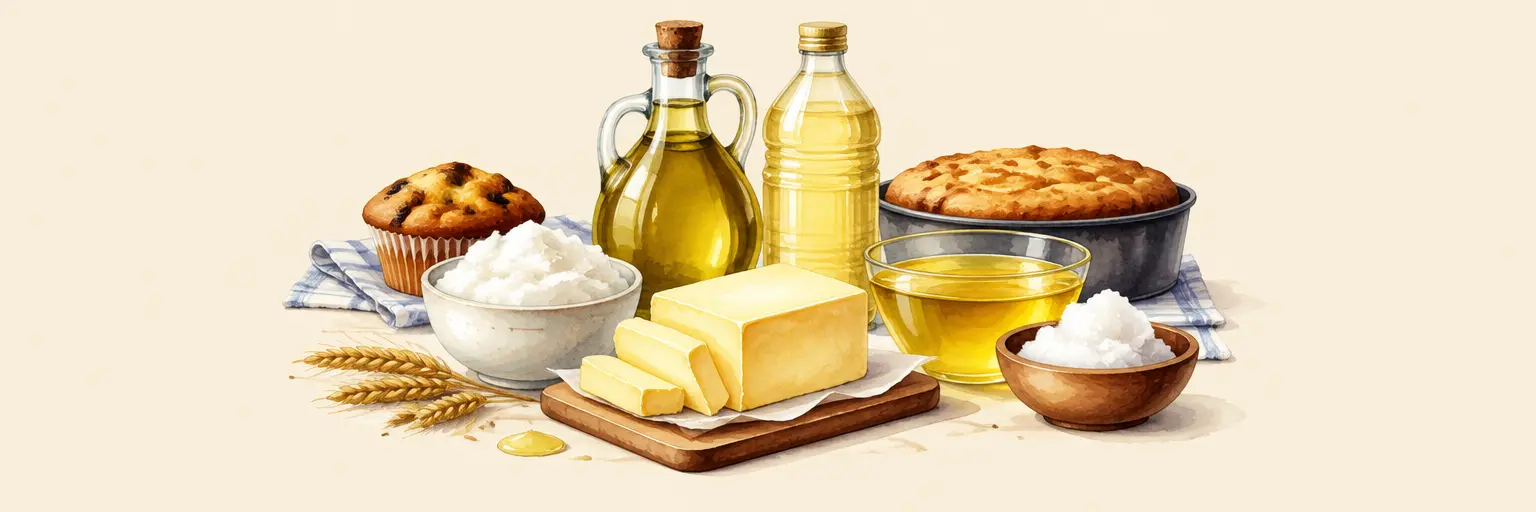
Fats and oils are the unsung heroes of baking—they create tenderness, moisture, flakiness, and that irresistible mouthfeel. From butter’s rich creaminess to neutral oils that let other flavors shine, understanding how each fat behaves in the oven is the difference between a dense brick and a cloud-soft cake. This subcategory dives into the science, selection, and substitution of fats and oils, so you can bake with confidence and precision every time. Whether you’re creaming butter for cookies or folding olive oil into a quick bread, you’ll find practical guidance here.
🧈 Butter vs. Margarine vs. Shortening: Which to Choose?
Butter delivers unmatched flavor and browning, thanks to its milk solids and water content (about 16-18% water). It creates crisp edges in cookies and flaky layers in pie dough, but its lower melting point can spread cookies thin. Shortening, made from hydrogenated vegetable oil, is 100% fat with zero water, leading to taller, softer baked goods that hold their shape. Margarine, a blend of oils and water, works as a butter substitute but often lacks the same depth of flavor.
For baking, choose unsalted butter for precise salt control, unless a recipe specifically calls for salted. Use cold butter for pastry, softened butter for creaming, and melted butter for denser treats like brownies. Shortening shines in frosting for its stability at room temperature. Testing your recipe with each fat will reveal subtle textural shifts—so don’t be afraid to experiment to find your preferred result.
🫒 Understanding Liquid Oils: When to Use Olive, Canola, and Coconut
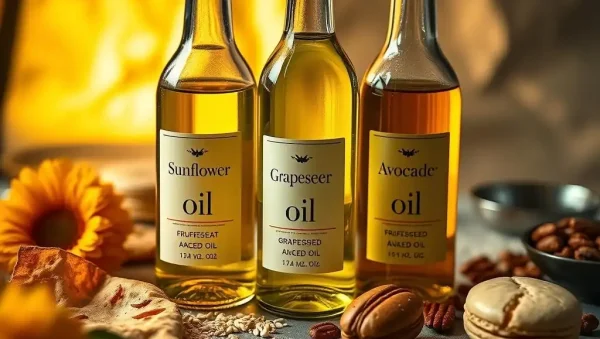
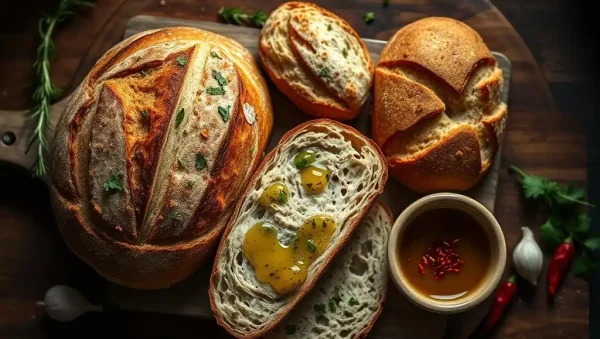
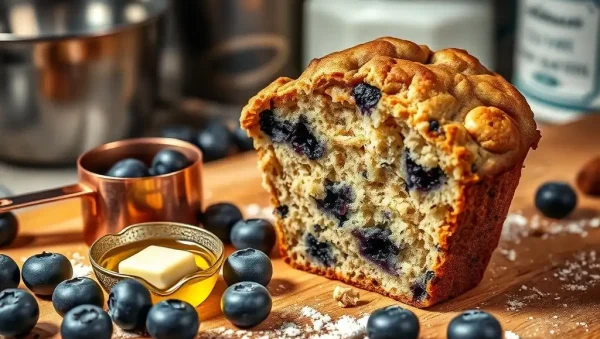
Liquid oils—like canola, vegetable, sunflower, and extra-virgin olive oil—bring moisture and tenderness without the need for creaming. They’re perfect for quick breads, muffins, and cakes that rely on a wet batter rather than air incorporation. Olive oil adds a peppery, fruity note ideal for citrus cakes or savory focaccia, while neutral oils let chocolate or vanilla star. Coconut oil, solid at room temperature, acts like a soft fat but can be melted to replace liquid oil in recipes.
The key is understanding oil’s role: it coats flour proteins, limiting gluten formation, which yields a tender crumb. Swap oil for butter at a ratio of 3/4 cup oil for every 1 cup butter (since butter has water). For health-conscious bakers, avocado oil offers a high smoke point and neutral taste, making it versatile. Always taste your oil before baking—rancid oil ruins desserts instantly.
🧁 The Science of Creaming: How Fat Captures Air for Light Cakes
Creaming butter and sugar is more than mixing—it’s a physical process that traps air bubbles. When you beat softened butter (around 65°F) with sugar, the sugar crystals cut into the fat, creating tiny air pockets. These pockets expand during baking as gases from leaveners release, giving cakes and cookies their lift. The result is a light, airy structure that oil-based batters can’t replicate because they lack the solid fat to hold air.
To cream successfully, start with butter that’s cool but pliable—not melted. Beat for 3-5 minutes until the mixture is pale and fluffy, scraping the bowl halfway. Over-creaming can incorporate too much air, causing collapse, while under-creaming leaves dense spots. For vegan baking, use plant-based butters with at least 80% fat content. If a recipe calls for melted butter or oil, expect a denser, chewier texture—think brownies versus sponge cake.
🥐 Fats for Flaky Pastry: Butter, Lard, and Shortening Techniques
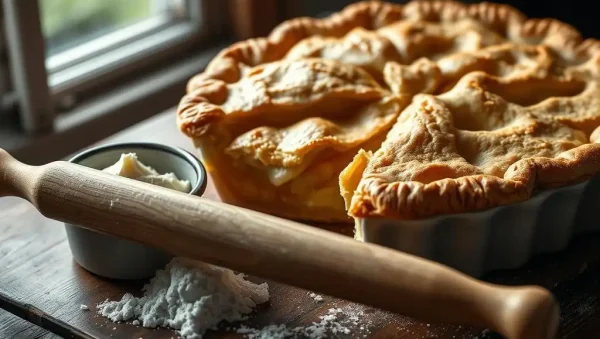
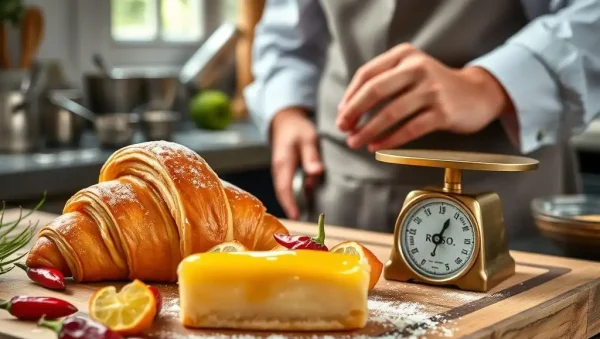
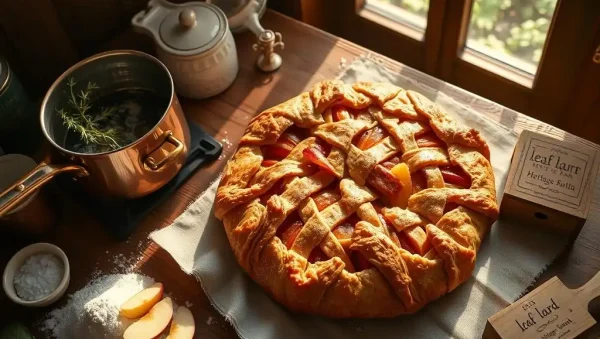
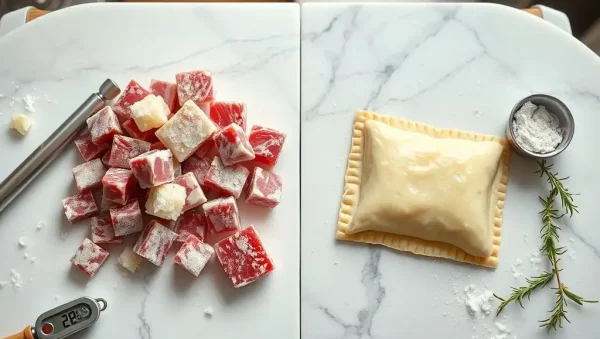
Flaky pastry—like croissants, pie crusts, and puff pastry—depends on fat layers that separate dough sheets. Cold fat pieces, whether butter or lard, create steam pockets when baked, producing those delicate, shattering layers. Butter offers superior taste but requires careful temperature control; lard has larger fat crystals, making it incredibly tender and easy to work with. Shortening’s high melting point keeps layers distinct longer during handling.
For pie dough, cut cold fat into flour until pea-sized chunks, then add ice water. Chill thoroughly before rolling—warm fat melts into the flour, yielding a mealy texture instead of flakes. For laminated doughs like croissants, roll butter into a block and fold repeatedly, keeping everything chilled between turns. The ratio of fat to flour typically ranges from 1:2 to 1:3; more fat gives richer taste but can be harder to handle. Always use unbleached flour for optimal gluten development.
🍫 Substituting Fats in Recipes: Butter for Oil, Oil for Butter, and Vegan Options
Running out of butter? Replace 1 cup of melted butter with 3/4 cup of neutral oil (plus a pinch of salt for flavor). For creaming recipes, use a vegan butter stick with similar fat content. Conversely, swap oil for butter in quick breads by reducing the liquid slightly, since butter carries water. Applesauce or mashed banana can replace up to half the fat in muffins, but expect a denser, more cake-like crumb—not ideal for cookies.
Greek yogurt adds moisture and tang, working well in coffee cakes. For vegan or dairy-free bakes, coconut oil solid or liquid mimics butter’s behavior, but its flavor can dominate. Nut butters (like peanut or almond) replace fats in energy bites, adding protein and richness. Always check the recipe’s desired texture—fat substitutes change spread, rise, and shelf life. Test small batches first to ensure your swap doesn’t compromise the final product’s integrity.
🛢️ Storing and Measuring Fats & Oils Correctly for Consistent Results
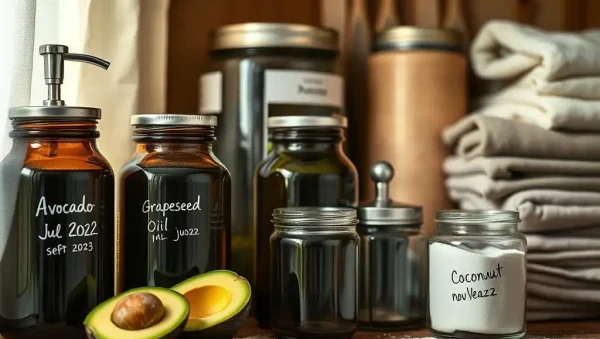
Proper storage keeps fats fresh and accurate. Butter should stay refrigerated until use—wrap tightly to avoid absorbing fridge odors. Freeze butter for up to 6 months, but defrost in the fridge overnight before creaming. Liquid oils (canola, olive) go in a cool, dark cabinet, away from heat and light; they’ll last 6-12 months. Coconut oil solidifies below 76°F, so melt gently in a warm water bath before measuring by volume.
Measure solid fats by packing firmly into a dry measuring cup and leveling off. For oils, pour into a liquid measuring cup on a flat surface, reading at eye level. Remember that 1 stick of butter equals 1/2 cup or 8 tablespoons—essential for halving recipes. Discard oils with off smells or rancid flavors. For precision, a kitchen scale is unbeatable: weigh butter (113g per stick) and oils (200g per cup) for repeatable bakes every time.
Frequently Asked Questions
Can I use olive oil instead of vegetable oil in cake recipes?
Yes, but expect a distinct fruity flavor. Use a light or extra-light olive oil to keep it mild. Replace equal amounts, but reduce any other liquid by 1-2 tablespoons since olive oil is 100% fat versus vegetable oil. For delicate cakes like vanilla sponge, neutral oil is safer to avoid overpowering the taste.
Why does my buttercream turn greasy or curdled?
Greasy buttercream often comes from butter too warm (above 68°F) or over-whipping, which breaks the emulsion. Beat the butter alone until creamy, then add sugar slowly. If it curdles, use a cold marble slab or add a spoonful of milk to bring it back together. Keep your mixing bowl cool.
What’s the best fat for high-altitude baking?
At altitudes above 3,000 feet, fats behave similarly but leaveners act faster. Use slightly less fat (reduce by 10-15%) to prevent spreading. Choose solid fats like butter or shortening for structure, and consider adding an extra egg yolk for moisture. Test small batches first.
Is shortening healthier than butter in baked goods?
Shortening is pure fat with no water or milk solids, often made from partially hydrogenated oils (trans fats), though many brands now are trans-fat-free. Butter contains saturated fats and cholesterol but also vitamins A and D. Neither is “healthy” in large amounts—focus on portion control and using quality fats.
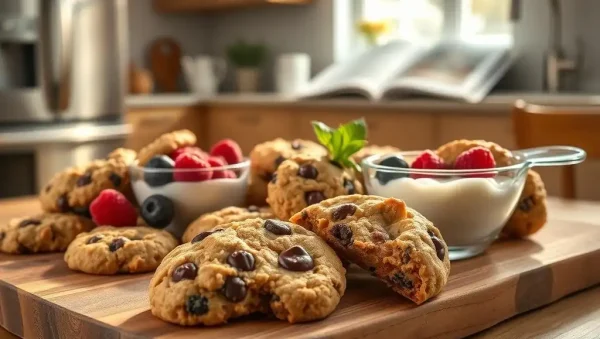
How do I prevent cookies from spreading too thin?
Spreading usually means your fat is too warm. Chill the dough for at least 30 minutes before baking. Use cold butter, not melted, and ensure your oven is preheated. If using butter, increase it slightly over shortening, or add an extra tablespoon of flour to absorb excess moisture.