Microwave Caramel in Minutes: Foolproof Technique for Lazy Bakers
😊 Discover the ultimate easy microwave caramel recipe with BakeWithEase.com! Perfect for lazy bakers, this foolproof method lets you whip up rich,…
Read article
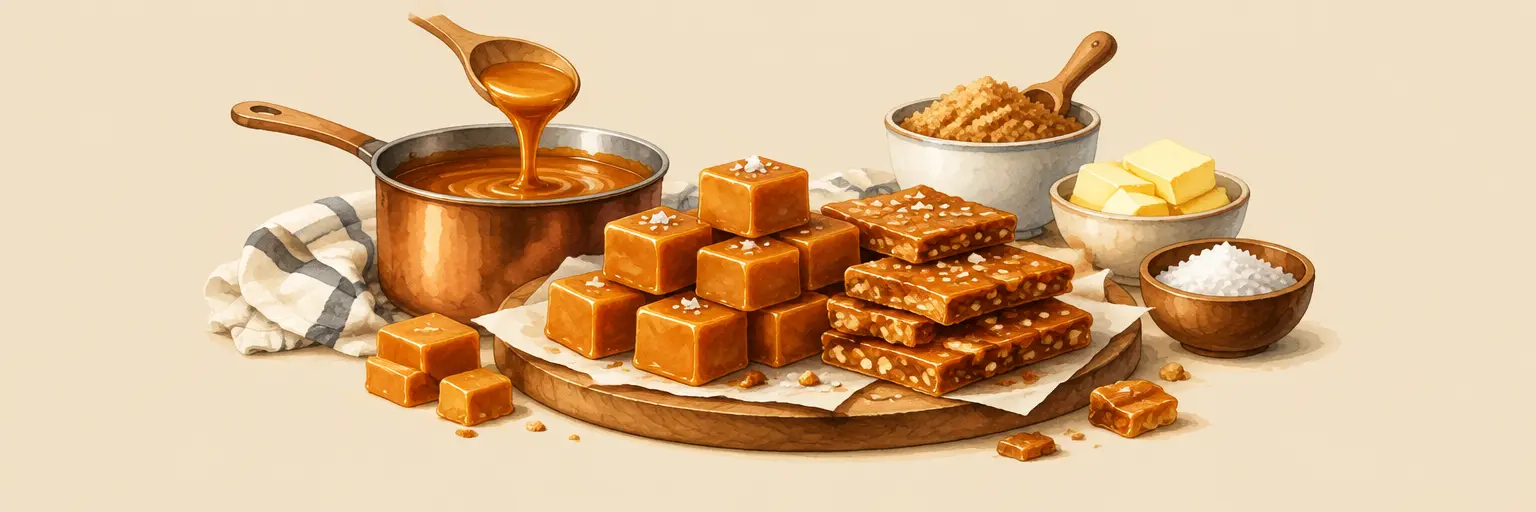
Unlock the secrets to silky-smooth caramel and perfectly chewy toffee with this essential guide, crafted to elevate your baking game effortlessly. Whether you’re drizzling golden sauce over flan, crafting crunchy brittle, or layering rich flavors into brownies, our expert techniques for temperature control and sugar science help you avoid crystallization and scorching every time. Learn the key differences between wet and dry caramel methods, plus pro hacks for adding butter, cream, or sea salt to achieve that glossy finish. From troubleshooting grainy textures to mastering the perfect hard-crack stage, this resource turns tricky confections into foolproof treats. Perfect for beginners and seasoned bakers alike, you’ll discover how to store your creations for lasting freshness and pair them with desserts like cheesecakes, cookies, or ice cream. 🍯✨ Boost your baking confidence and create show-stopping sweets that impress—no candy thermometer required (though we’ll show you how to use one like a pro). Dive in and transform simple sugar into crave-worthy magic!
😊 Discover the ultimate easy microwave caramel recipe with BakeWithEase.com! Perfect for lazy bakers, this foolproof method lets you whip up rich,…
Read article
🍬 Discover the key differences between stovetop baked toffee recipe and oven-baked versions, weighing their pros, cons, and flavor nuances. Perfect for…
Read article
😊 Discover how to make irresistible Ultra Crispy Pecan Toffee Bars with our easy step-by-step recipe, perfect for delightful holiday gifts. BakeWithEase.com…
Read article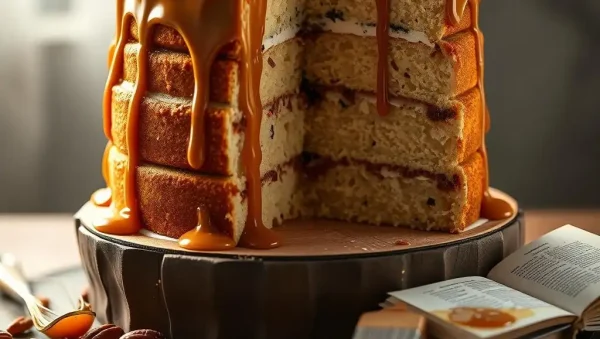
🍰 Discover the art of crafting stunning caramel layer cake recipes with our expert building, baking, and filling techniques. BakeWithEase.com simplifies every…
Read article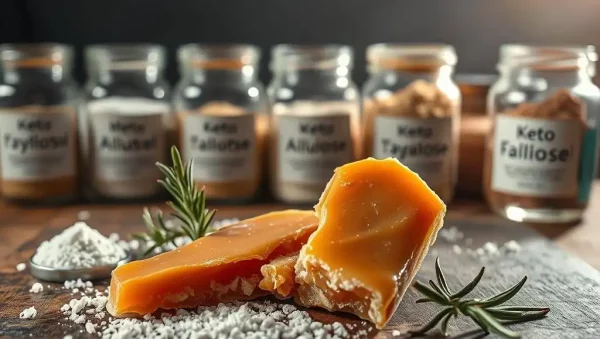
😊 Discover the secrets of making delicious keto toffee sugar alcohol-based treats with BakeWithEase.com. Our guide covers low-carb sweeteners and techniques to…
Read article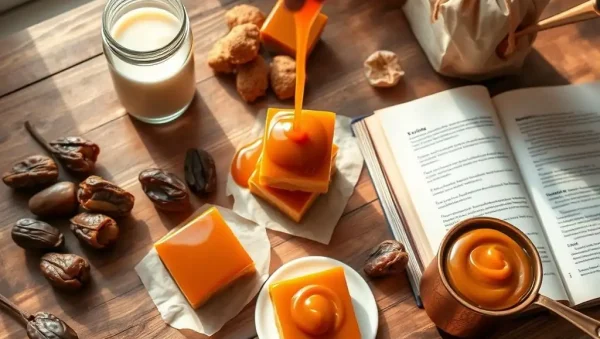
🌱 Discover how to make delicious vegan caramel with our easy vegan caramel recipe for beginners. Perfect for plant-based bakers, this simple…
Read article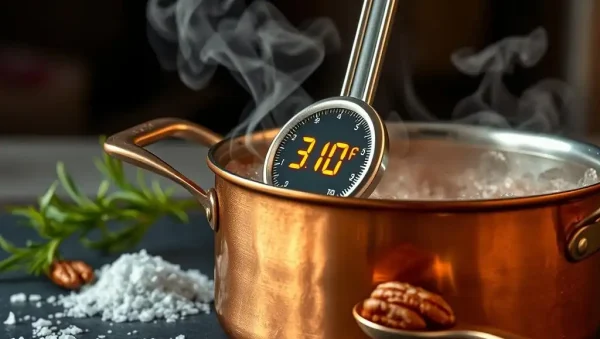
🍬 Unlock the secret to flawless candies with our top tips on achieving perfect candy thermometer readings. BakeWithEase.com guides you through simple…
Read article
🍦Discover expert caramel swirl tips to master the perfect marbleized ice cream recipe. BakeWithEase.com offers simple techniques and step-by-step guidance, helping bakers…
Read article
😊 Discover how to make an irresistible easy pressure cooker caramel sauce in minutes, perfect for last-minute desserts. BakeWithEase.com offers simple, step-by-step…
Read article
🥄 Discover delightful spiced caramel variations with our Chai caramel sauce recipe, featuring cozy pumpkin and aromatic cardamom infusions. Perfect for elevating…
Read article
😊 Struggling with sticky caramel? Discover essential sticky caramel troubleshooting tips to fix runny or hard results, ensuring your confections turn out…
Read article
🍫 Discover the irresistible blend of rich, fudgy texture and luscious caramel in our layered caramel brownies. This Fudgy caramel brownies recipe…
Read articleWelcome to the ultimate Caramel & Toffee Baking Guide at BakeWithEase. This subsection is your sweet escape into the world of molten gold, crunchy brittles, and silky sauces. Whether you’re aiming for a chewy caramel center or a glass-like toffee shard, we break down the science, the techniques, and the troubleshooting you need for flawless results every time. From beginner-friendly sauces to advanced confectionery, these pages are packed with pro tips, temperature guides, and flavor variations. Dive in, and let’s turn sugar into pure magic.
Understanding the two primary caramelization methods is your first step to mastery. The wet method involves dissolving sugar in water before heating, which gives you more control and reduces the risk of burning—ideal for beginners making sauces or soft caramels. The dry method heats sugar alone for a deeper, nuttier flavor, often preferred for hard caramels and toffee. In this guide, you’ll learn when to use each, how to swirl (never stir!) the pan, and how to avoid crystallization by using a clean brush and a touch of lemon juice. Expect step-by-step visual cues and common pitfalls to sidestep.
We also cover the crucial role of acids and invert sugars like corn syrup or cream of tartar, which prevent sugar from seizing into a grainy mess. You’ll master the art of swirling the pan gently to ensure even heat distribution, and you’ll learn how to judge color—from pale straw to deep amber—to nail the exact flavor profile. Whether you’re crafting a salty-sweet sauce for ice cream or a rich filling for chocolate truffles, this section lays the foundation for all your caramel experiments with precision and confidence.
Caramel and toffee success hinges on precise temperatures, and our guide demystifies the candy thermometer like a pro. The soft-ball stage (235–240°F) gives you chewy caramels, perfect for squares or filling. The firm-ball stage (245–250°F) yields slightly sturdier caramels for dipping, while the hard-crack stage (300–310°F) produces crisp, shatter-prone toffee. We explain how altitude, humidity, and pan size can shift these numbers, and we share the cold-water test as a reliable backup when your thermometer isn't handy. You’ll also learn to calibrate your thermometer for accuracy every single time.
Beyond the basics, we dive into the subtle art of resting and cooling—why you should never rush the process and how to prevent sugar from overheating after you pull it off the burner. We’ll show you how to use a heavy-bottomed saucepan for even heats, and how to brush down the pan’s sides with water to dissolve rogue crystals. With our temperature cheat-sheet and troubleshooting tables, you’ll always know why your toffee turned chewy or your caramel turned brittle, and exactly how to fix it on your next batch.
The magic of great caramel and toffee lies in the balance between sugar, butter, and cream. Too little butter yields a sticky mess; too much creates an oily separation. Our ratio guide gives you a foolproof starting point: typically 1 part sugar, 1/2 part butter, and 1/2 part cream for soft caramels, while toffee uses a higher butter-to-sugar ratio for that crumbly, buttery snap. We explain why you must add warm cream (never cold) to prevent violent splatters, and why you stir in butter only after the caramel reaches the desired color to avoid graininess.
We also explore the impact of fat content and flavor variations—using European-style butter with higher fat for a silkier finish, or swapping in coconut cream for a dairy-free twist. You’ll learn how to infuse your cream with vanilla beans, espresso, or citrus zest before adding it for layered flavor profiles. This section also covers the crucial step of resting caramel logs or toffee slabs to let the fats set properly, ensuring a smooth mouthfeel that doesn’t separate or turn greasy. Master these ratios, and your confections will taste professionally balanced every single time.
Once you’ve nailed the base, it’s time to play. Our flavor guide covers the ever-popular salted caramel, teaching you when to add flaky sea salt (right after pouring) versus fleur de sel (after cooling) for different textures. But we don’t stop there—we showcase cinnamon-spiced toffee with warm baking spices, burnt sugar caramel for a smoky depth, and lemon-thyme caramel for a bright, herbal contrast. Each recipe includes exact measuring, timing, and taste-testing tips to ensure your creativity never compromises structure.
We also dive into liquid infusions, like steeping Earl Grey tea or chili peppers in the cream before adding it to sugar, or stirring in bourbon or rum after the caramel rests off the heat. You’ll learn how to adjust the sugar’s sweetness with a pinch of salt or a squeeze of lemon, and how to make caramel flavored with miso or tahini for a savory-umami kick. Our side-by-side comparison tables show how each addition affects the final set, so you can confidently experiment without ruining a batch. These twists will elevate your desserts from ordinary to bakery-worthy.
Even pros face caramel that crystallizes, toffee that chews instead of cracks, or sauces that separate. Our troubleshooting section is your emergency kit, starting with the most common issue: grainy texture—usually caused by stirring too early or residual sugar crystals. We show you how to rescue a grainy batch by reheating with a splash of water and gently dissolving the crystals. For soft toffee, we advise returning it to the pan, adding a bit of water, and reheating to the hard-crack stage. And for oily separation, we teach you to whisk in a spoonful of warm water or a few drops of lemon juice to re-emulsify.
Storage is equally critical. Properly stored, caramel sauces keep in the fridge for up to two weeks, while hard toffee stays crisp in an airtight container at room temperature for a month. We explain how humidity wreaks havoc on candies, why you should never refrigerate toffee (it absorbs moisture), and how to layer parchment paper between pieces to prevent sticking. You’ll also learn the best way to reheat caramel—low and slow with a little cream—without causing it to seize. With these fixes and tips, you’ll waste fewer batches and serve stunning confections every time.
Crystallization happens when even a tiny sugar crystal falls back into the molten sugar, setting off a domino effect. To prevent this, use a wet pastry brush to wash down the pan’s sides after the sugar dissolves, and never stir the mixture once it starts boiling. If it does seize, rescue it by adding a little water and reheating gently, stirring minimally.
Absolutely, but you’ll need to rely on the cold-water test. Drop a spoonful of hot sugar into ice water, then check the texture: soft ball means a pliable cluster, firm ball means it holds its shape but squishes, and hard crack means it snaps crisply. Practice helps you recognize these stages by eye and feel, but a thermometer removes guesswork.
Moisture is the culprit. Toffee is hygroscopic, meaning it absorbs humidity from the air, turning hard crack into soft chew. Store toffee in an airtight container, separate layers with parchment, and never refrigerate. For long-term storage, keep it in a cool, dry spot and add a silica gel packet if your home is humid.
Yes, but adjust the added salt accordingly. Salted butter typically contains about 1/4 teaspoon of salt per stick, so reduce any sea salt you’d add later. Be mindful that salted butter can slightly alter the caramel’s flavor profile, but it can work beautifully, especially for those who enjoy a more pronounced salty-sweet contrast.
Reheat slowly to prevent scorching. Place the sauce in a small saucepan over low heat, stirring constantly, and add a splash of warm cream or milk to bring back the silky consistency. Avoid microwaving on high, as it can create hot spots that cause the sugar to burn or separate. Once warm, use immediately.