Cast Iron Dutch Oven Hacks for NoKnead Artisan Bread
🌟 Unlock the secrets to perfect Noknead artisan bread with our essential cast iron Dutch oven hacks. BakeWithEase.com offers simple, expert tips…
Read article
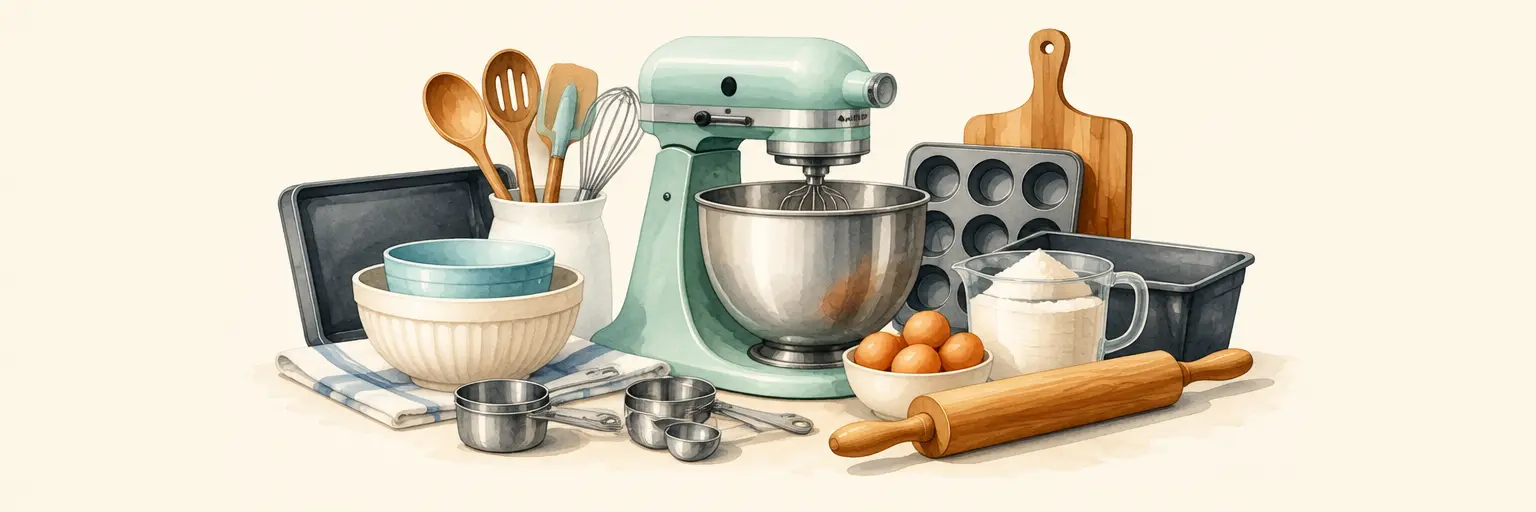
Discover the must-have tools that turn baking from a chore into pure joy with our Essential Baking Equipment Guide. Whether you’re whipping up your first batch of cookies or perfecting a layered cake, the right gear makes all the difference. We break down budget-friendly basics, space-saving gadgets, and pro-grade essentials—from sturdy mixing bowls and accurate scales to silicone mats and offset spatulas. Learn which pans deliver even browning, how to choose a stand mixer that fits your needs, and why a simple thermometer is your secret weapon for flawless breads and pastries. Skip the clutter and focus on what truly elevates your results, saving time and reducing frustration. With clear, practical advice, you’ll shop smarter, bake confidently, and achieve bakery-quality outcomes right at home. Ready to upgrade your kitchen? Let’s explore the essential gear that every baker—novice or expert—should own.
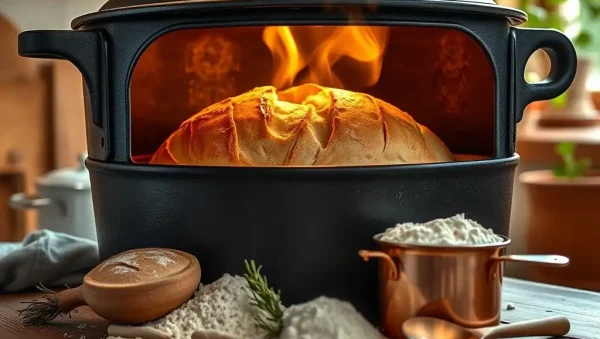
🌟 Unlock the secrets to perfect Noknead artisan bread with our essential cast iron Dutch oven hacks. BakeWithEase.com offers simple, expert tips…
Read article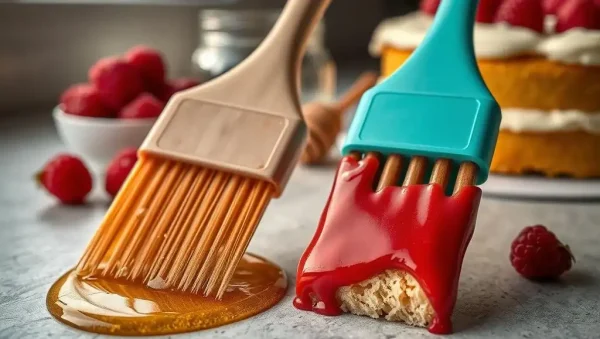
🌟 Discover the key differences between natural and silicone pastry brushes for even glazing. Explore the silicone pastry brush benefits, such as…
Read article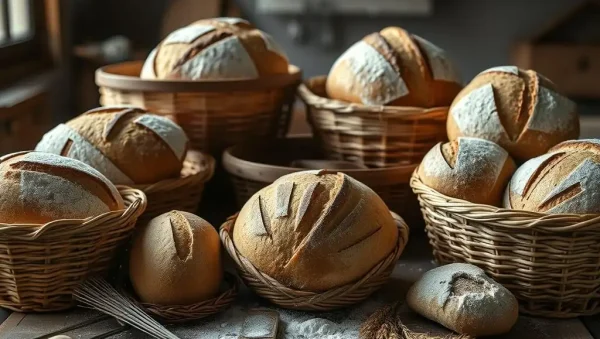
🌟 Discover the ultimate in bread baking with our Perfect Banneton Basket Guide, helping you select the ideal proofing basket to elevate…
Read article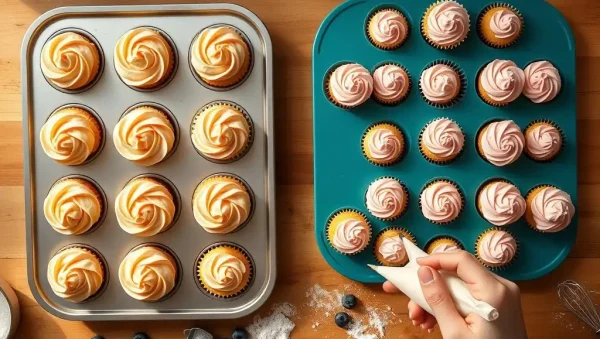
😊 Discover the pros and cons of nonstick muffin tin cupcakes versus silicone options in our comprehensive guide, ensuring your cupcakes bake…
Read article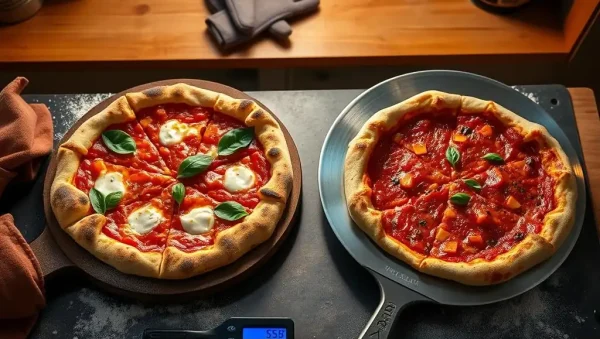
🔥 Discover how to achieve restaurant-quality crusts at home with our Best Pizza Stone Temperature Guide. BakeWithEase.com offers expert tips on choosing…
Read article
🌟 Discover the best cooling rack for cakes with our comparison of multi-tier and single-tier strategies, helping you achieve quick airflow and…
Read article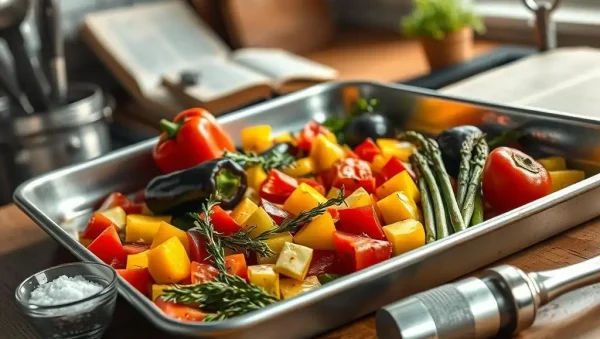
🌟 Discover essential sheet pan baking tips to elevate your cooking! From selecting the right pan to perfect seasoning and maintenance, BakeWithEase.com…
Read article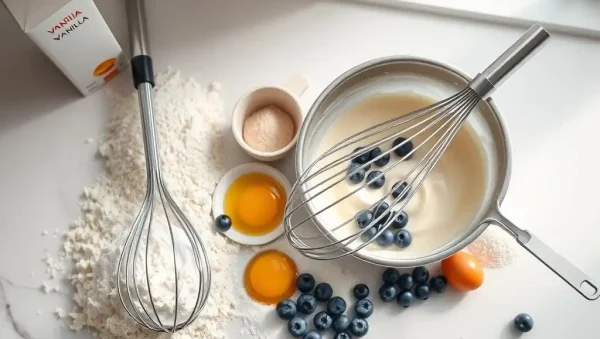
🥄 Discover the best whisk for cake batter and learn how to choose the perfect mixing tool. Whether you're blending delicate pastries…
Read article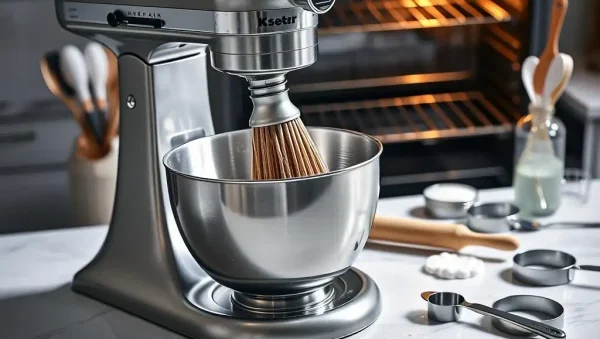
🧁 Discover essential baking equipment cleaning maintenance tips to keep your tools in top shape. Proper care ensures longevity and optimal performance,…
Read article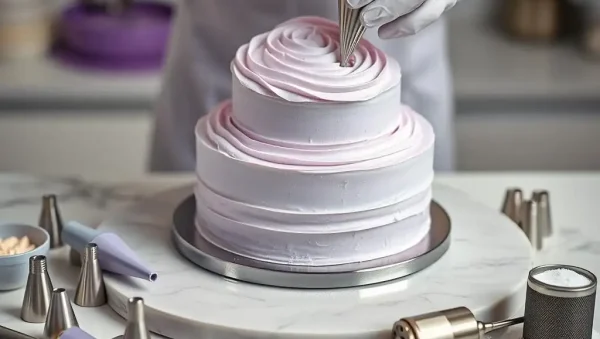
🎂 Discover essential easy turntable frosting techniques to achieve flawless, professional-quality cake finishes. BakeWithEase.com provides simple, step-by-step guidance for bakers of all…
Read article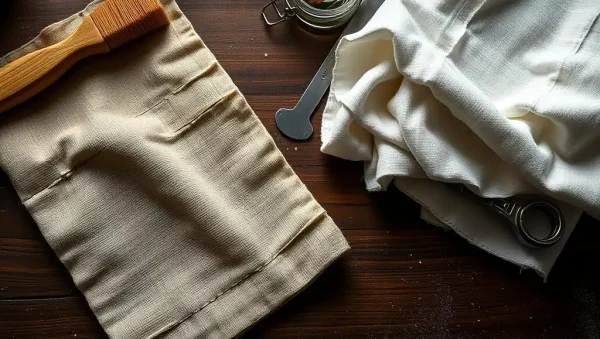
🌟 Discover the ultimate comparison in our "Proofing Cloth Showdown," where linen vs cotton proofing options are evaluated for artisan-quality rises. Perfect…
Read article
🍰 Discover the best budget baking equipment under $50 that combines affordability with quality, empowering bakers of all levels to elevate their…
Read articleWelcome to the Essential Baking Equipment Guide, the cornerstone of your baking journey here at BakeWithEase.com. Whether you’re a complete novice or honing your sourdough skills, the right tools can transform frustrating failures into delightful successes. This guide demystifies the must-have gear, helping you build a practical, budget-friendly toolkit that tackles cakes, cookies, breads, and pastries with confidence. Let’s explore what truly earns a spot in your kitchen, avoiding costly mistakes and ensuring every recipe you try feels achievable and fun.
In baking, precision is non-negotiable. This section zeroes in on digital scales, dry measuring cups, and liquid measuring cups, explaining why weight-based measurements (in grams) offer superior consistency compared to volume. You’ll learn the proper technique for scooping flour (spoon and level) versus pouring liquids, and why a kitchen scale eliminates guesswork for sticky ingredients like honey or peanut butter. Expect practical advice on choosing affordable, durable sets and how to calibrate your tools for flawless results every time.
Beyond basic tools, we’ll cover measuring spoons with elongated handles (perfect for reaching into spice jars) and the benefits of magnetic sets that store neatly. We’ll also discuss how to use a scale for ingredient prep, like dividing dough evenly for uniform cookies—a hack that saves time and improves baking output. By mastering measurement, you’ll gain the control needed to adapt any recipe, troubleshoot dense cakes, and replicate successes without variance, making this foundational knowledge a game-changer for both beginners and seasoned bakers.
Your mixing station is where chemistry meets creativity. Here, we highlight the importance of stainless steel or glass bowls (avoid plastic, which retains grease) in assorted sizes, plus silicone spatulas that withstand high heat and scraping. You’ll discover how a sturdy whisk, a dough scraper, and a bench scraper streamline everything from aerating eggs to kneading sticky dough. We emphasize buying ergonomic tools that fit comfortably in your hand, reducing fatigue during long mixing sessions, and how proper bowl depth prevents messy splatters when using a hand mixer.
This section also introduces rubber spatulas with one-piece designs (no crevices for bacteria) and offset spatulas for spreading batters or frosting. We’ll share the trick of using a flexible whisk for sauces, and why a wooden spoon still has a place for chunky mixtures. Practical tips include nesting bowls for compact storage and using stainless steel to chill ingredients quickly—ideal for flaky pastry dough. With these basics, you’ll handle any recipe’s prep stage efficiently, keeping your workspace tidy and your mixing consistent for even baking.
Your choice of bakeware dictates heat distribution and release. This guide covers light-colored aluminum pans for even browning versus dark pans that absorb heat (use for crisp crusts). You’ll learn about standard sizes—8-inch round, 9x5 loaf, 24-cup mini muffin tins—and why heavy-gauge metal prevents warping. We also compare silicone molds (easy release) versus metal with parchment, advising on which suits quick breads, cheesecakes, or macarons. Expect tips on greasing using butter and flour or baking spray with flour for flawlessly unmolded cakes.
Beyond pans, we dive into insulated cookie sheets for soft-baked cookies and rimmed baking trays for roasting nuts or catching spills. Half-sheet pans (18x13 inches) are a versatile must-have; we’ll show how to use a single pan for multiple tasks—from making sheet-pan brownies to cooling choux pastry. We also address parchment paper vs. silicone baking mats, explaining when each is superior for sticking prevention and browning balance. Armed with this knowledge, you’ll avoid buying redundant pans and instead invest in a core set that handles 90% of your favorite recipes.
While many tools are optional, a few elevate your craft significantly. This part focuses on bench scrapers (both straight and offset) for cutting dough, lifting cookies, and cleaning counters. We cover dough cutters for scones, pizza wheels for pastry strips, and pastry blenders for perfect crumbly pie crusts. You’ll also discover the value of a fine-mesh sieve—not just for flour but for dusting cocoa or straining custards. We explain why a kitchen shears are non-negotiable for clipping parchment, snipping dried fruit, or cutting bacon for quiches.
Moreover, we introduce niche tools that are worth their small cost: a rolling pin (prefer French-style without handles for better control) and a marzipan smoother for fondant work. For bread bakers, a lame (sharp blade) scores loaves; for cake decorators, turntables simplify frosting. We’ll advise on buying a starter set versus individual tools, emphasizing multi-functional options that save space. By the end, you’ll confidently choose only what enhances your baking style—avoiding gadget clutter while owning every indispensable tool for executing professional-level pastries at home.
Not every bake requires a stand mixer, but certain appliances save time and effort. This section evaluates hand mixers (light, compact, perfect for fluffy frostings) and when to spring for a stand mixer—for big batches of bread dough or meringues. We discuss food processors for grinding nuts or cutting butter into flour for scones, plus immersion blenders for silky custards without transferring hot liquids. We also cover the humble digital thermometer—an unsung hero for bread internal temps (190°F) or candy stages (soft-ball) that prevents overcooking your most delicate creations.
We’ll also weigh in on specialized appliances like bread machines (dough cycle only, then bake in a Dutch oven) or air fryer ovens for small-scale baking. We provide buying guidance based on frequency of use, storage space, and budget, and share alternatives—like using a hand mixer plus a whisk for whipped cream instead of a bulky machine. Our goal is to help you make smart investments that align with your baking habits, ensuring you don’t waste money on equipment gathering dust. With warmth, we advise starting minimal and upgrading only when a recipe truly demands it.
Quality tools last years with proper care. Here, we cover hand-washing for non-stick and cast-iron items, while dishwasher-safe steel and silicone are clarified. You’ll learn how to remove stubborn baked-on grease with baking soda paste and how to season cast iron pans to maintain a non-stick surface. We discuss drying wood items (cutting boards, rolling pins) immediately to prevent cracks, and how to store mixing bowls nested with silica gel packets to avoid moisture. We also highlight the importance of regularly checking handles for loose screws on pans and replacing worn silicone mats when they lose grip.
Moreover, we detail storage solutions: vertical dividers for baking sheets (prevents scratches), drawer organizers for cookie cutters, and hanging racks for measuring cups. For space-savers, we suggest stackable bowls with lids that double as storage containers for mixed ingredients. We’ll also explain why avoiding metal utensils in non-stick pans extends their life, and how to clean fine-mesh strainers promptly to prevent rust. By caring for your gear, you not only maintain hygiene but also ensure consistent performance—no more burnt edges from scratched pans or stuck cookies from old mats. These habits save money and enhance every baking session.
A digital kitchen scale is the single most essential tool. Measuring flour, sugar, and liquids by weight ensures accuracy that volume measurements can’t match, leading to consistent results. It’s affordable, saves dishes, and helps with scaling recipes. Start there, then add a whisk, spatula, and a good baking sheet.
Yes, but be cautious. Glass and ceramic conduct heat slower but retain it longer, often requiring a 25°F reduction in oven temperature and longer bake times. They work well for casseroles or pies, but for cakes and cookies, light-colored metal pans give more even browning. Always check recipe recommendations.
Look for pans labeled PTFE-free and PFOA-free. Ceramic-coated pans and bare stainless steel, cast iron, or carbon steel are generally safer choices. Avoid scratched non-stick surfaces—that indicates worn coating. For parchment, use unbleached, chlorine-free varieties to reduce chemical exposure.
Not necessarily. A hand mixer handles most tasks like creaming butter or whipping cream for under $50. Stand mixers shine when you knead bread dough for 10+ minutes or make large batches. If you bake weekly or do heavy doughs, invest; otherwise, save space and money with a hand mixer.
This is often due to dark or thin baking sheets absorbing too much heat. Use light-colored, heavy-gauge aluminum sheets and line with parchment. Also, place the rack in the upper third of the oven and avoid overly greasing the pan—extra butter can accelerate browning. Check your oven’s actual temperature with a thermometer.