
Pizza Stone vs Steel: Achieving RestaurantQuality Crust at Home

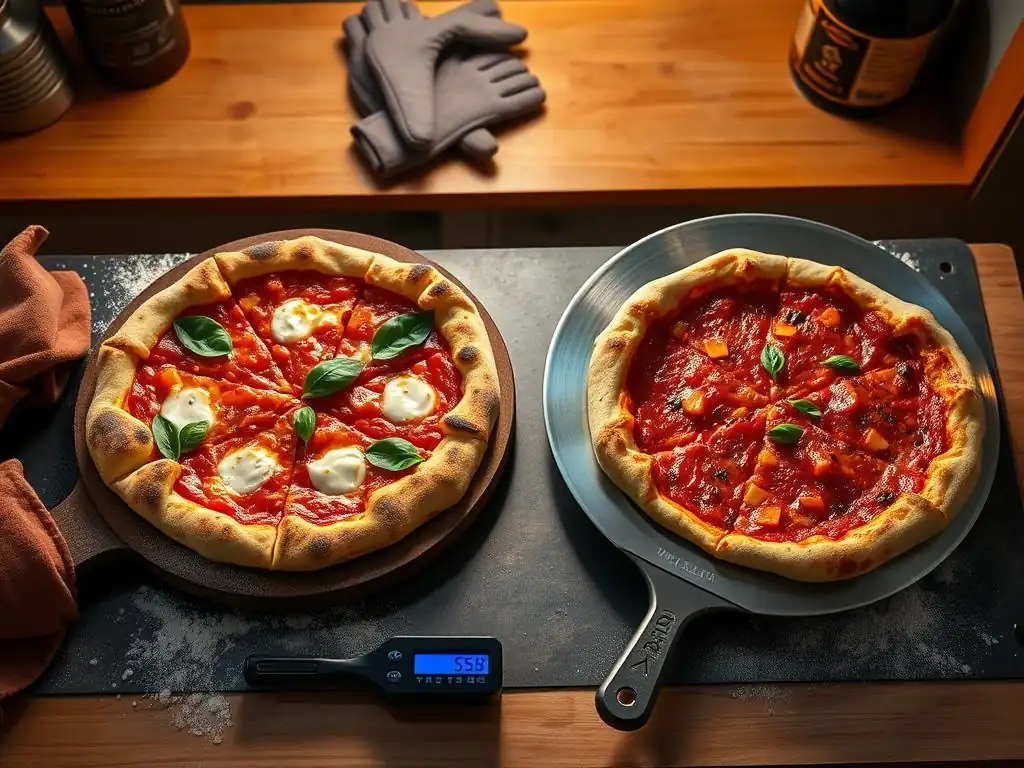
Welcome to BakeWithEase, your kitchen companion for unlocking baking brilliance! Ever dreamt of crafting pizzeria-perfect pizza in your own oven? You're in the right place. Dive into our Best Pizza Stone Temperature Guide and discover the secrets to achieving that coveted, crispy crust. But the journey doesn't end there... are you Team Stone or Team Steel? Find out which reigns supreme in our ultimate showdown and elevate your pizza game today!
- Best Pizza Stone Temperature Guide: A Detailed Look
-
Frequently Asked Questions
- What is the ideal pizza stone temperature for achieving a crispy crust?
- How does using a pizza stone or steel compare to baking pizza directly on a baking sheet?
- Can I use any type of oven with a pizza stone or steel?
- What are the key differences between using a pizza stone versus a pizza steel?
- How do I clean my pizza stone or steel after baking a pizza?
- Final Reflection: The Quest for the Perfect Crust: Stone, Steel, and the Home Pizzaiolo's Journey
- Unleash Your Inner Pizzaiolo: Craft the Perfect Crust!
Best Pizza Stone Temperature Guide: A Detailed Look
Determining the Ideal Temperature for Your Oven and Stone
Finding the sweet spot for your pizza stone's temperature is crucial for achieving that coveted crispy-chewy crust. While oven temperatures are set on the dial, the stone's actual surface temperature can vary. For most home ovens, setting the temperature as high as it goes, typically between 500°F and 550°F (260°C and 288°C), is a good starting point. This high heat mimics the intense environment of a professional pizza oven.
However, the stone needs significant time to absorb and radiate this heat effectively. A common recommendation is to preheat the stone in the oven for at least 45 minutes to a full hour after the oven indicates it has reached the set temperature. This extended preheating is key to ensuring the stone is uniformly hot and ready to instantly crisp the bottom of your pizza crust upon contact.
The ideal actual surface temperature of your pizza stone, as measured directly, should ideally be in the range of 450°F to 550°F (230°C to 288°C) or even higher if your oven allows. Lower temperatures, say below 400°F (200°C), often result in a pale, soft crust rather than a crispy one.
Factors like the thickness of your stone, the type of oven (electric vs. gas, convection vs. conventional), and even the ambient kitchen temperature can influence how quickly and how hot the stone gets. Experimentation is often necessary to find the Best pizza stone temperature guide for your specific setup, but aiming for the highest possible oven temperature and a long preheat is a reliable method to start your quest for perfect homemade pizza.
How to Measure Pizza Stone Temperature Accurately
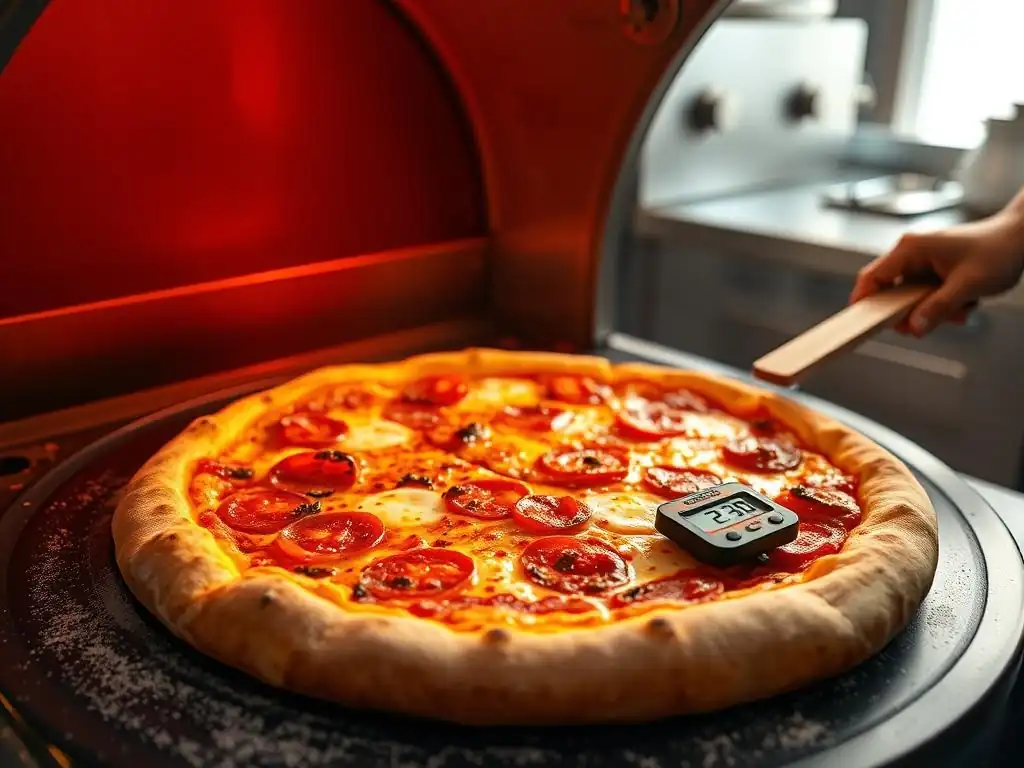
Relying solely on your oven's internal thermometer isn't sufficient for determining the actual surface temperature of your pizza stone. Oven thermometers measure air temperature, which can fluctuate and doesn't directly reflect how hot the stone itself is. The most accurate and widely recommended tool for measuring the surface temperature of your pizza stone is an infrared thermometer, also known as a laser thermometer or pyrometer.
These non-contact devices allow you to point a laser at the stone's surface and get an instant temperature reading. Position the stone in the middle or upper-middle rack of your oven and allow it to preheat for the recommended time. Then, open the oven door briefly, point the infrared thermometer at the center and edges of the stone, and note the readings.
When using an infrared thermometer, take readings from several spots on the stone to check for even heating. Temperature variations of 20-30°F (10-15°C) are somewhat normal, but significant differences might indicate an issue with oven hot spots or stone placement. Ensure you purchase an infrared thermometer that can accurately measure temperatures up to at least 600°F (315°C), as lower-range models won't be suitable for the high temperatures required for pizza baking. This direct measurement is invaluable for truly understanding your Best pizza stone temperature guide and making informed adjustments to your baking process for consistent results.
Adjusting Baking Time Based on Stone Temperature
The temperature of your pizza stone has a direct and significant impact on how quickly your pizza bakes, particularly the crust. When your stone is properly preheated to a high temperature, say 500°F (260°C) or above, a thin-crust pizza might bake in as little as 5-8 minutes. The intense heat transfer from the stone to the dough rapidly sets the bottom crust, creating that desired crispiness, while the high oven air temperature cooks the toppings and melts the cheese.
If your stone is cooler, perhaps only reaching 400°F (200°C) after preheating, the baking time will increase considerably, potentially taking 10-15 minutes or even longer. This longer baking time at a lower temperature can lead to a tougher, less crispy crust and potentially overcooked toppings by the time the base is done.
Therefore, understanding your stone's actual temperature is key to predicting and adjusting baking times. If your infrared thermometer reading shows your stone is cooler than your target temperature, you might need to extend the preheating time or accept a longer bake time. Conversely, if your stone is exceptionally hot, keep a close eye on the pizza to prevent the bottom from burning.
A good Best pizza stone temperature guide will always emphasize the relationship between temperature and time, encouraging you to monitor your pizza closely during baking, especially when first learning your oven and stone's behavior. Look for visual cues like a golden-brown crust and bubbly cheese rather than relying solely on a timer.
Several common pizza problems can be traced back to issues with pizza stone temperature. One frequent complaint is a burnt bottom crust with undercooked toppings. This often occurs when the stone is incredibly hot, but the oven's air temperature isn't high enough or the bake time is too long for that surface heat.
The intense conduction from the stone cooks the bottom rapidly, while the rest of the pizza lags behind. Conversely, a pale, soft, and undercooked bottom crust, even if the toppings are done, is a classic sign of a stone that wasn't preheated long enough or didn't reach a high enough temperature. The stone simply isn't hot enough to provide that initial burst of heat needed to set and crisp the dough.
Uneven cooking, where one side of the pizza is perfectly done while the other is less so, can sometimes be attributed to hot spots on the stone itself, which in turn are caused by uneven heating within the oven. Using an infrared thermometer to check different areas of the stone after preheating can help identify these variations. If significant, you might try rotating the pizza halfway through the bake.
Another issue is the pizza sticking to the stone; while dough hydration and using enough flour or semolina on the peel are primary factors, a stone that isn't hot enough can also contribute, as the dough has more time to sit and potentially adhere before it starts cooking and releasing. Consulting a Best pizza stone temperature guide and consistently measuring your stone's temperature before baking are fundamental steps in diagnosing and preventing these frustrating pizza pitfalls.
Frequently Asked Questions
What is the ideal pizza stone temperature for achieving a crispy crust?
The ideal temperature range for a pizza stone is between 500-550°F (260-290°C). Preheating is crucial; allow at least 30-60 minutes for the stone to reach this temperature. A higher temperature ensures a crispy, restaurant-quality crust.
How does using a pizza stone or steel compare to baking pizza directly on a baking sheet?
A pizza stone or steel provides superior heat retention and distribution compared to a baking sheet. This allows for a faster and more even cook, resulting in a crispier crust. Baking sheets often lead to soggy crusts due to slower cooking.
Can I use any type of oven with a pizza stone or steel?
Yes, pizza stones and steels can be used in most conventional ovens, including gas and electric. However, they are not suitable for microwave ovens. Always follow the manufacturer's instructions for safe usage.
What are the key differences between using a pizza stone versus a pizza steel?
Pizza stones are generally more affordable and retain heat well, but can be prone to cracking. Pizza steels heat up faster and more evenly, offering better heat transfer for a crispier crust, but are typically more expensive.
How do I clean my pizza stone or steel after baking a pizza?
Allow the stone or steel to cool completely before cleaning. Scrape off any excess food with a spatula. Avoid using soap on a pizza stone; a dry brush or scraper is usually sufficient. Steel can be cleaned with a damp cloth and mild soap.
Final Reflection: The Quest for the Perfect Crust: Stone, Steel, and the Home Pizzaiolo's Journey
The pursuit of the perfect pizza crust at home is more than just a culinary quest; it's a testament to our desire to recreate restaurant-quality experiences within the familiar confines of our kitchens. This article explored the heated debate—literally and figuratively—between pizza stones and pizza steels, examining their unique properties and ultimately guiding readers toward achieving optimal baking temperatures for each. The quest for that crisp, bubbly crust is a universal one, and understanding the nuances of heat transfer is key to unlocking its secrets.
The impact of readily available information on home cooking is undeniable. The rise of online resources and passionate food bloggers has democratized culinary expertise, allowing us to tackle complex techniques like pizza-making with confidence. The best things in life are simple, but good pizza is not simple.
This quote, while humorous, highlights the dedication and understanding required to truly master the art of pizza-making. This article, hopefully, has contributed to that understanding, empowering home cooks to elevate their pizza game beyond the ordinary.
Now, it's your turn. Consider the insights gained from this exploration of pizza stones and steels. Experiment with different temperatures, observe the results, and refine your technique. Don't be afraid to fail—each failed pizza is a lesson learned, bringing you closer to that perfect, restaurant-quality crust. The journey to mastering the art of pizza-making is ongoing, and the reward—a delicious, homemade pizza—is well worth the effort. So, preheat your oven, gather your ingredients, and embark on your own pizza-making adventure!
Unleash Your Inner Pizzaiolo: Craft the Perfect Crust!
Thanks for joining us on this pizza-making journey! You've now unlocked the secrets to achieving that restaurant-quality crust you've always craved. Ready to take your pizza game to the next level?
- Try baking a pizza tonight! Use your newfound knowledge of pizza stones or steel to create a masterpiece. Experiment with different toppings and dough recipes – the possibilities are endless!
- Share your pizza creation on social media! Use #BakeWithEase and tag us – we’d love to see your delicious results.
- Explore our other baking guides for more tips and tricks to elevate your culinary skills.
What unique topping combination will you create with your perfectly crispy crust tonight?