
Muffin Tin Guide: NonStick vs Silicone for Flawless Cupcakes

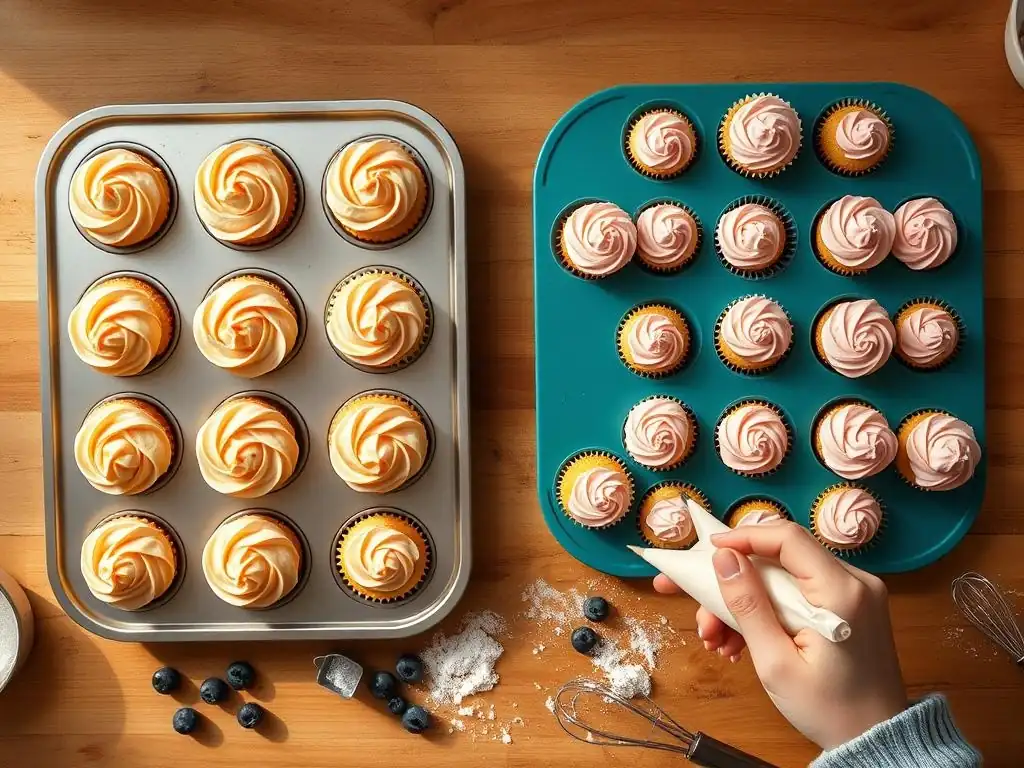
Welcome to BakeWithEase.com, your haven for unlocking baking brilliance! Ever wondered if your nonstick muffin tin is truly the secret to perfectly risen cupcakes, or if silicone reigns supreme? Dive into our guide and discover the ultimate showdown between nonstick and silicone for flawless muffin tin cupcakes. Get ready to elevate your baking game with our expert insights and uncover the best tool for achieving bakery-worthy results – is it the nonstick you know, or a surprising silicone solution? Let's explore!
- Muffin Tin Material Guide: Aluminum vs. Silicone for Perfect Cupcakes - BakeWithEase
- Introduction to Muffin Tins for Evenly Baked Cupcakes
- Aluminum Muffin Tins: Advantages and Disadvantages for Cupcake Baking
- Silicone Muffin Tins: A Flexible Alternative for Cupcake Perfection
-
Aluminum vs. Silicone Muffin Tins: A Detailed Comparison for Cupcakes
- Heat Distribution: Aluminum vs. Silicone for Uniform Baking
- Cupcake Release: Which Material Prevents Sticking More Effectively?
- Cleaning and Maintenance: The Easiest Option for Busy Bakers
- Durability and Lifespan: Investing in a Long-Lasting Muffin Tin
- Cost Comparison: Aluminum vs. Silicone Muffin Tin Prices
- Baking Tips for Using Aluminum Muffin Tins with Cupcakes
- Choosing the Best Muffin Tin for Your Cupcake Baking Needs: A Summary
- Maintaining Your Muffin Tins for Long-Lasting Use
- Conclusion: Mastering Cupcake Baking with the Right Muffin Tin Choice
-
Frequently Asked Questions
- What are the key differences between nonstick and silicone muffin tins for baking cupcakes?
- How do I prevent cupcakes from sticking to a nonstick muffin tin?
- Are silicone muffin tins better for achieving perfectly shaped cupcakes?
- How do I properly clean and care for my nonstick muffin tin to extend its lifespan?
- Is one type of muffin tin (nonstick or silicone) generally recommended for beginners baking cupcakes?
- Final Reflection: The Perfect Cupcake, One Tin at a Time
- Unleash Your Inner Baker: Perfect Cupcakes, Every Time!
Muffin Tin Material Guide: Aluminum vs. Silicone for Perfect Cupcakes - BakeWithEase
Introduction to Muffin Tins for Evenly Baked Cupcakes
Why Muffin Tin Material Impacts Baking Outcome
The material your muffin tin is made from plays a surprisingly significant role in the final quality of your cupcakes. Different materials conduct heat differently, affecting how quickly and evenly the batter cooks. For example, a material that heats up rapidly can lead to quick crust formation on the outside of the cupcake while the inside remains underbaked, or cause the bottoms and sides to brown too much before the center is done.
Conversely, a material that distributes heat slowly or unevenly can result in pale, dense cupcakes with inconsistent textures. The material also influences how easily your baked goods release from the pan, which is crucial for achieving those picture-perfect cupcakes without leaving half the cake behind. Understanding these differences helps you choose the right tool for the job and adjust your baking techniques for the best results, ensuring your nonstick muffin tin cupcakes come out flawlessly every time.
BakeWithEase's Guide to Common Muffin Tin Materials
When you're browsing for the perfect pan to bake your next batch of cupcakes, you'll most commonly encounter muffin tins made from either aluminum or silicone. Each material has distinct characteristics that affect performance in the oven, durability, and ease of use. Aluminum, often found in commercial kitchens, is known for its excellent heat conductivity, while silicone, a more recent innovation in bakeware, is celebrated for its flexibility and nonstick properties.
This guide will walk you through the specifics of each material, exploring their composition, how they perform under baking temperatures, their advantages and disadvantages for making cupcakes, and provide tips for getting the best results regardless of which type of nonstick muffin tin you choose. By the end, you'll be equipped to select the ideal muffin tin to elevate your cupcake baking game.
Aluminum Muffin Tins: Advantages and Disadvantages for Cupcake Baking
Aluminum Muffin Tin Composition and Heat Conductivity
Aluminum muffin tins are typically made from sheets of pressed aluminum, often treated with various finishes, including anodizing or nonstick coatings. Standard uncoated aluminum is prized by many bakers for its exceptional heat conductivity. Aluminum heats up quickly and distributes heat very evenly across the surface of the pan.
This efficient heat transfer means that the muffin tin reaches the desired baking temperature rapidly, promoting consistent rising and even browning of the cupcake sides and bottoms. A thicker gauge of aluminum generally indicates better quality and less chance of warping, contributing to more reliable and consistent baking results over time compared to thinner, cheaper pans.
The Benefits of Using Aluminum for Cupcakes
Superior Heat Distribution in Aluminum Muffin Tins
One of the primary advantages of using aluminum muffin tins for baking cupcakes is their superior heat distribution. Aluminum is a highly conductive metal, meaning heat spreads rapidly and uniformly throughout the pan. This uniform heating helps ensure that each cupcake bakes at a similar rate, leading to consistent texture and color from one cavity to the next.
For instance, when baking vanilla cupcakes at 350°F (175°C), an aluminum pan quickly brings the batter up to temperature, promoting an even rise and preventing pale spots or overly dark edges. This even heat distribution is key to achieving perfectly baked, moist cupcakes without hot spots that can cause some to overcook while others are still raw.
Durable and Long-Lasting Aluminum Muffin Pans
Aluminum muffin tins are known for their durability and potential for a long lifespan, especially those made from heavier gauge aluminum. Unlike some other materials, aluminum is resistant to cracking or breaking under normal kitchen use. A well-maintained aluminum pan can last for many years, even decades, becoming a reliable staple in your baking arsenal.
While they can dent if dropped or scratched by sharp utensils, their core functionality for baking cupcakes remains largely unaffected. This longevity makes a quality aluminum muffin tin a worthwhile investment for frequent bakers, proving their value batch after batch compared to materials that might degrade or lose their nonstick properties more quickly.
The Drawbacks of Aluminum Muffin Tins
Potential for Sticking and Need for Greasing
Despite their benefits, standard uncoated aluminum muffin tins are not naturally nonstick. This means that without proper preparation, cupcakes are highly likely to stick to the sides and bottom of the cavities, making removal difficult and potentially damaging the delicate baked goods. Achieving nonstick muffin tin results with plain aluminum requires diligent greasing and/or flouring.
For example, baking a rich chocolate cupcake batter without greasing an uncoated aluminum tin will almost certainly result in a frustrating clean-up and broken cupcakes. While nonstick coatings are available on some aluminum pans, these can wear down over time, eventually requiring the same preparation steps as uncoated versions to ensure easy release.
Reactivity with Acidic Ingredients in Aluminum Muffin Tins
Another significant drawback of using uncoated aluminum muffin tins is their reactivity with acidic ingredients. Components commonly found in cupcake batters, such as buttermilk, vinegar, lemon juice, or even brown sugar, can react with the aluminum. This reaction can potentially impart a metallic off-flavor to your cupcakes and can also cause discoloration of the pan itself.
For example, baking a batch of red velvet cupcakes, which often contain vinegar or buttermilk, in an uncoated aluminum pan without liners could lead to a slight metallic tang in the finished product. While nonstick coatings or anodized finishes on aluminum pans can mitigate this reactivity, it's a crucial consideration when working with certain recipes if using bare aluminum.
Aluminum Muffin Tin Cleaning Considerations
Cleaning aluminum muffin tins, particularly uncoated ones where sticking has occurred, can sometimes be challenging. Baked-on batter or grease residues can cling stubbornly to the surface. While soaking can help, abrasive scrubbers or harsh detergents can damage the pan, especially if it has a nonstick finish, or cause discoloration on uncoated aluminum.
For tins where cupcakes have stuck, you might need to soak the pan in hot, soapy water for an extended period or use specialized non-abrasive cleaning pads. This extra effort in cleaning can be a disadvantage for bakers looking for quick and easy cleanup after enjoying their delicious nonstick muffin tin cupcakes.
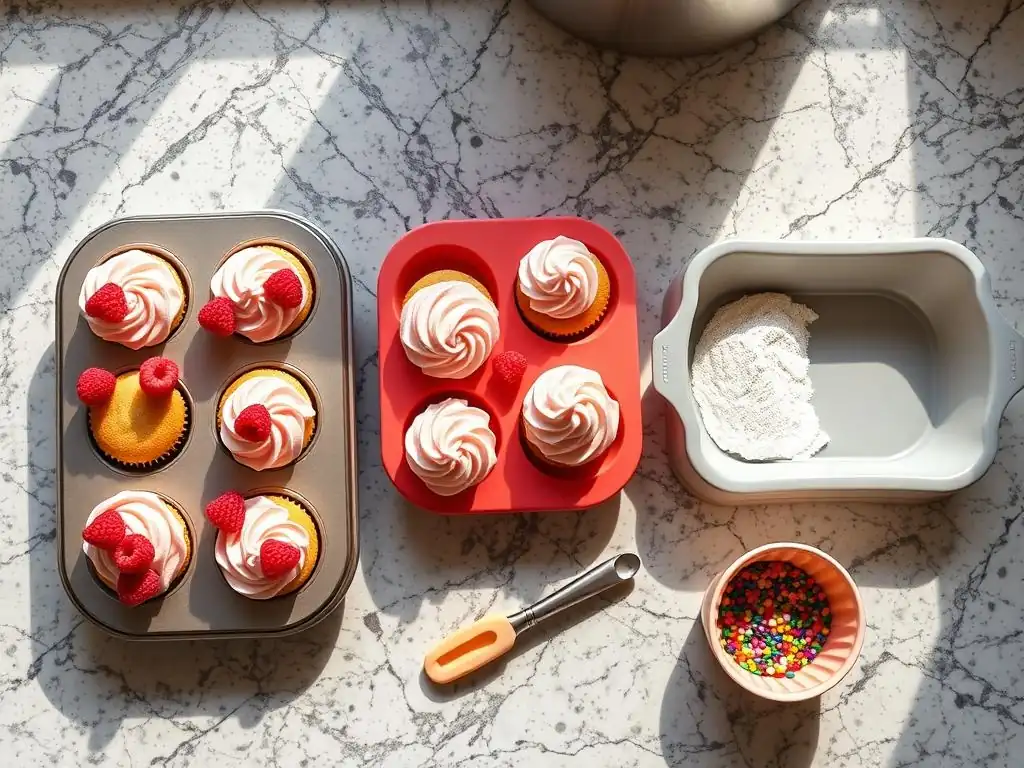
Silicone Muffin Tins: A Flexible Alternative for Cupcake Perfection
Understanding Food-Grade Silicone Muffin Tin Composition and Properties
Silicone muffin tins are made from food-grade silicone, a synthetic rubber made from bonded silicon (a natural element abundant in sand and rock) and oxygen. This material is highly flexible, durable, and resistant to extreme temperatures, both hot and cold. Crucially for baking, food-grade silicone is non-reactive and generally considered safe for use with food.
Unlike metal, silicone is a poor conductor of heat. It heats up much more slowly and doesn't retain heat in the same way aluminum does. This property influences baking times and browning. Good quality silicone muffin tins are designed to withstand temperatures typically up to 425°F (220°C) or even 500°F (260°C), well within the range for baking most cupcakes, and their inherent nonstick surface is a major appeal for achieving easy-release nonstick muffin tin cupcakes.
Advantages of Baking Cupcakes with Silicone Muffin Tins
Flexibility for Effortless Cupcake Removal
One of the most celebrated benefits of silicone muffin tins is their incredible flexibility, which translates directly into effortless cupcake removal. Once your cupcakes are baked and have cooled slightly, you can often simply push up from the bottom of each cavity to pop the cupcake out cleanly. This dramatically reduces the risk of breakage or leaving cake stuck in the pan, a common frustration with metal tins.
For instance, delicately topped cupcakes or those baked without liners are much easier to extract intact from a flexible silicone mold compared to a rigid metal one. This ease of removal makes silicone an excellent choice for bakers who prioritize presentation and want to ensure their nonstick muffin tin cupcakes look as good as they taste.
Temperature Resistance of Silicone Muffin Tins
Food-grade silicone boasts impressive temperature resistance, making it a versatile material for bakeware. Most silicone muffin tins can safely handle oven temperatures ranging from freezing up to 450°F (230°C) or higher, covering the vast majority of cupcake recipes which typically bake between 325°F and 375°F (160°C and 190°C).
This high heat tolerance means the material won't melt, warp, or degrade under normal baking conditions. It also allows silicone tins to be used for freezing portions or even setting cold desserts, adding to their utility beyond just baking nonstick muffin tin cupcakes.
Dishwasher Safe Silicone Muffin Tins
Cleaning up after baking can sometimes feel like the most tedious part of the process. Silicone muffin tins often offer a significant advantage here as many are dishwasher safe. Their nonstick nature means that baked-on residue is less likely to occur, and any remaining crumbs or grease usually wash away easily.
Even if handwashing is preferred, the smooth, non-porous surface of silicone makes it simple to clean with warm, soapy water and a soft sponge. The ease of cleaning contributes to the appeal of silicone for busy bakers looking for convenience and minimal fuss after enjoying their nonstick muffin tin cupcakes.
Disadvantages of Using Silicone Muffin Tins
Silicone Muffin Tins Lack of Rigidity and Support
One of the main drawbacks of silicone muffin tins is their inherent lack of rigidity. Because they are so flexible, a full silicone tin filled with batter can be wobbly and difficult to transport from the countertop to the oven. This requires placing the silicone tin on a baking sheet or other rigid surface before filling the cavities.
Failing to provide support can lead to spills or uneven batter distribution as you move the tin, potentially resulting in lopsided cupcakes. While a baking sheet provides the necessary stability, it's an extra step and piece of equipment required when using silicone compared to simply placing a rigid aluminum pan directly into the oven.
Potential for Uneven Baking with Silicone Muffin Tins
Silicone is a poor heat conductor compared to metal. This means that while it handles high temperatures, it doesn't transfer heat to the batter as efficiently or evenly as aluminum. This can sometimes lead to cupcakes that are less evenly browned on the sides and bottoms, and the baking time might be slightly longer.
In some cases, cupcakes baked in silicone might have a pale exterior compared to those baked in well-heated aluminum, even if the interior is cooked through. While often achieving nonstick muffin tin results is easy, bakers might need to experiment with slightly adjusted baking times or temperatures to get the desired level of browning and texture uniformity compared to their experience with metal pans.
Silicone Muffin Tin Odor Retention
A lesser-known but potential issue with some silicone products is the possibility of retaining odors from strong-smelling foods or detergents. While food-grade silicone is non-porous, cheaper or lower-quality silicone can sometimes absorb scents over time.
For example, if you bake something with strong spices like gingerbread or clean the tin with a heavily fragranced soap, a faint residual smell might linger, potentially transferring to subsequent batches of more delicate cupcakes. While often preventable with proper cleaning and storage, it's something to be mindful of, especially if you plan to bake a wide variety of items in the same silicone muffin tin.
Aluminum vs. Silicone Muffin Tins: A Detailed Comparison for Cupcakes
Heat Distribution: Aluminum vs. Silicone for Uniform Baking
When it comes to heat distribution for baking cupcakes, aluminum holds a distinct advantage due to its high thermal conductivity. Aluminum rapidly absorbs and distributes heat evenly across the pan's surface and into the batter. This promotes consistent rising and browning, leading to cupcakes with uniform texture and color from edge to center.
Silicone, on the other hand, is an insulator rather than a conductor. It heats up slowly and doesn't transfer heat as efficiently. While this can prevent over-browning, it can also result in cupcakes that are paler on the sides and bottom and may require a slightly longer baking time to cook through completely. For bakers prioritizing perfectly browned edges and consistent structure, aluminum often performs better in this regard, contributing to reliable nonstick muffin tin cupcakes.
Cupcake Release: Which Material Prevents Sticking More Effectively?
For achieving nonstick muffin tin cupcakes with minimal fuss, silicone is generally the winner straight out of the mold. Its naturally flexible and nonstick surface means that, in most cases, cupcakes pop out easily with just a gentle push from the bottom, often without the need for liners or greasing (though greasing is sometimes recommended for the first use or with certain sticky batters).
Aluminum, unless it has a high-quality, intact nonstick coating, inherently requires preparation to prevent sticking. This involves carefully greasing and flouring each cavity or using paper or foil baking cups. While these methods are effective, they add steps to the baking process. If ease of release and minimal preparation for nonstick muffin tin cupcakes are your top priorities, silicone offers a clear advantage.
Cleaning and Maintenance: The Easiest Option for Busy Bakers
Silicone muffin tins are generally easier to clean than aluminum, especially if sticking has occurred in the latter. The nonstick nature of silicone means that little residue is left behind, and most messes wipe or wash away quickly. Many silicone tins are also dishwasher safe, offering maximum convenience.
Aluminum pans, particularly those without a nonstick coating or where food has stuck, may require soaking and more effort to clean thoroughly. Harsh scrubbing can damage the surface, especially nonstick finishes. While nonstick aluminum pans are easier than bare aluminum, the coating can degrade over time. For sheer ease of cleaning and maintenance, silicone often simplifies post-baking cleanup, helping you achieve nonstick muffin tin cupcakes without the scrubbing hassle.
Durability and Lifespan: Investing in a Long-Lasting Muffin Tin
When considering durability and lifespan, a high-quality aluminum muffin tin is often a long-term investment. Made from sturdy metal, aluminum pans are resistant to tearing or warping (especially thicker gauges) and can last for many years, even decades, with proper care. While they can dent or scratch, their core baking function remains intact.
Silicone is also durable in terms of resistance to tearing and extreme temperatures, but its lifespan can sometimes be shorter than aluminum, particularly if it's lower quality or not cared for properly. Some silicone can become brittle or degrade over time, and its nonstick properties might diminish slightly with extensive use and washing. For sheer longevity and resistance to physical damage, aluminum often has the edge, providing a robust pan for countless batches of nonstick muffin tin cupcakes.
Cost Comparison: Aluminum vs. Silicone Muffin Tin Prices
Generally, the initial cost of aluminum muffin tins can vary widely based on gauge and whether they have a nonstick coating. Basic uncoated aluminum pans are often quite affordable. Mid-range nonstick aluminum pans are typically priced competitively with silicone options. High-end, heavy-gauge aluminum pans can be more expensive.
Silicone muffin tins also range in price, but they can sometimes be slightly more expensive per cavity than basic aluminum pans. However, considering their natural nonstick properties and potential for ease of use, the perceived value might differ for each baker. Ultimately, the cost difference between comparable quality aluminum and silicone muffin tins is often not the deciding factor; performance and convenience tend to weigh more heavily in the choice for baking nonstick muffin tin cupcakes.
Baking Tips for Using Aluminum Muffin Tins with Cupcakes
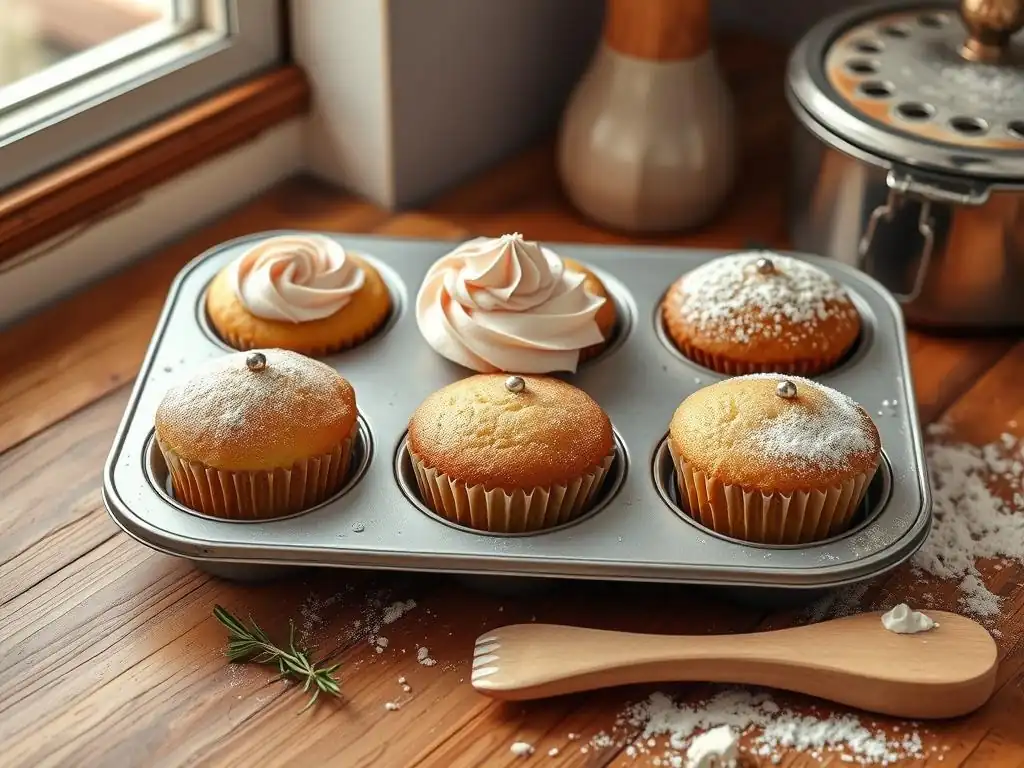
Preparing Your Aluminum Muffin Tin for Baking
To ensure your cupcakes don't stick and achieve that desired nonstick muffin tin result when using aluminum, proper preparation is crucial. Unlike naturally nonstick materials, bare aluminum requires a barrier between the batter and the pan surface. This step is non-negotiable unless you enjoy scraping baked goods out of cavities!
Preparation methods include using baking cups, greasing and flouring the cavities, or using a nonstick spray. The chosen method often depends on the recipe, desired look of the finished cupcake, and personal preference. Skipping this step almost guarantees frustration and potential damage to your cupcakes upon removal.
Using Baking Cups with Aluminum Muffin Tins
Using paper or foil baking cups (also known as cupcake liners) is perhaps the easiest way to achieve nonstick results in an aluminum muffin tin. Simply place one liner into each cavity before filling with batter. The liner acts as a complete barrier, preventing the cupcake from ever touching the metal surface.
This method not only guarantees easy removal but also helps maintain the shape of the cupcake and makes cleanup a breeze, as the pan itself remains relatively clean. It's a highly effective and popular technique for baking nonstick muffin tin cupcakes with minimal risk of sticking.
Greasing and Flouring an Aluminum Muffin Tin
If you prefer baking cupcakes without liners, or if your recipe specifically calls for it (like some popovers or Yorkshire puddings, though less common for standard cupcakes), you'll need to grease and flour your aluminum muffin tin thoroughly. Use solid shortening, butter, or a nonstick baking spray to coat the inside of each cavity, ensuring you get into all the corners and up the sides.
After greasing, add a tablespoon or two of flour to the pan, then tilt and tap it over a sink or trash can to distribute the flour evenly across the greased surfaces, coating everything lightly. Tap out any excess flour. This creates a nonstick barrier that helps the cupcakes release cleanly after baking, mimicking a nonstick muffin tin surface.
Baking Time and Temperature Adjustments for Aluminum
Aluminum's excellent heat conductivity means it heats up quickly and maintains a consistent temperature. Generally, you can follow recipe instructions precisely when using a standard aluminum muffin tin. Cupcakes typically bake at temperatures between 325°F (160°C) and 375°F (190°C) for 18 to 22 minutes, depending on the size and recipe.
Because aluminum heats efficiently, it's less likely to require temperature adjustments compared to glass or darker pans that absorb more radiant heat. However, always start checking for doneness a few minutes before the minimum suggested time, as oven calibration can vary. The even heat transfer from aluminum helps ensure the centers cook through as the edges brown, contributing to reliable nonstick muffin tin cupcakes.
Supporting Silicone Muffin Tins During Baking
Due to their flexibility, silicone muffin tins require support when filled with batter. Always place the silicone tin on a rigid baking sheet or wire rack before filling the cavities. This provides a stable base that makes it easy to transfer the tin to and from the oven without spills or misshapen cupcakes.
A standard metal baking sheet works perfectly for this purpose. Simply set the silicone tin on the sheet, fill the cavities with your cupcake batter, and then place the entire assembly into the preheated oven. This simple step is essential for successful baking with silicone and ensures your nonstick muffin tin cupcakes maintain their perfect shape.
Baking Time and Temperature Adjustments for Silicone
Silicone is a poor heat conductor, which means cupcakes baked in silicone muffin tins may require slightly longer baking times compared to aluminum. While the oven temperature will be the same as specified in the recipe (typically 325°F to 375°F or 160°C to 190°C), you might find yourself adding an extra 2-5 minutes to the baking time.
Because silicone doesn't brown the sides and bottoms as aggressively as metal, rely more on visual cues like a toothpick inserted into the center coming out clean and the cupcake springing back when gently touched. While achieving nonstick muffin tin results is easy with silicone, be prepared for potentially paler exteriors and slightly longer bake times.
Removing Cupcakes from Silicone Muffin Tins Safely
One of the biggest advantages of silicone muffin tins is the ease of removing cupcakes. Once baked, let the cupcakes cool in the silicone tin for about 10-15 minutes. This allows them to firm up slightly, making them less likely to tear.
To remove, gently peel the silicone away from the sides of a cupcake, then push up from the bottom of the cavity. The cupcake should pop out cleanly onto a cooling rack. Avoid pulling the cupcake directly from the top, as this can cause the bottom to stick or the top to break off. The flexibility of the silicone makes this process significantly easier than with rigid metal pans, truly delivering on the promise of nonstick muffin tin cupcakes.
Aluminum vs. Silicone Muffin Tins: A Detailed Comparison for Cupcakes
Heat Distribution: Aluminum vs. Silicone for Uniform Baking
When comparing heat distribution for baking cupcakes, aluminum is the clear frontrunner. Its metallic structure allows heat to transfer quickly and evenly throughout the pan, resulting in cupcakes that rise consistently and achieve uniform browning on the sides and bottom. This even heat prevents pale spots and ensures the interior cooks perfectly alongside the exterior, creating reliably baked goods.
Silicone, being an insulator, conducts heat much less efficiently. It heats up slowly and doesn't brown the cupcake exteriors as much. While this can prevent burning, it may lead to cupcakes with paler crusts and could potentially result in slightly less uniform baking if the oven temperature fluctuates. For consistent browning and rapid heat transfer, aluminum is generally preferred, contributing to predictable nonstick muffin tin cupcakes.
Cupcake Release: Which Material Prevents Sticking More Effectively?
For effortless cupcake release without added preparation, silicone muffin tins inherently offer a superior nonstick surface compared to bare aluminum. Cupcakes baked in silicone typically slide out easily once cooled slightly, often without the need for liners or greasing, due to the material's flexible and non-porous nature.
Achieving nonstick muffin tin results with an aluminum pan usually requires using paper liners or meticulously greasing and flouring each cavity. While nonstick aluminum pans exist, their coating can wear down over time, reducing their nonstick effectiveness. For maximum ease of release straight from the pan, silicone generally outperforms aluminum.
Cleaning and Maintenance: The Easiest Option for Busy Bakers
Silicone muffin tins are generally considered easier to clean than aluminum ones, especially after baking without liners. Their nonstick properties mean minimal residue is left behind, and they can often be popped into the dishwasher. Even handwashing is quick due to the smooth surface.
Aluminum pans, particularly if cupcakes have stuck, can require more effort, including soaking and careful scrubbing to avoid damaging the surface. While nonstick aluminum is easier to clean than bare aluminum, it might still require more attention over time than silicone. For bakers prioritizing quick and simple cleanup, silicone often simplifies the process after making nonstick muffin tin cupcakes.
Durability and Lifespan: Investing in a Long-Lasting Muffin Tin
A high-quality, heavy-gauge aluminum muffin tin is a workhorse that can last for many years, often decades, with proper care. It's resistant to tearing and maintains its shape well, though it can dent. Its sturdy construction makes it a reliable, long-term investment for frequent baking.
Silicone is also durable in terms of temperature resistance and flexibility, but its material structure can potentially degrade over very long periods or with exposure to high heat extremes repeatedly. While a good silicone tin will last for years, an aluminum pan often has the potential for a longer overall lifespan, providing a robust tool for countless batches of nonstick muffin tin cupcakes.
Cost Comparison: Aluminum vs. Silicone Muffin Tin Prices
The cost of both aluminum and silicone muffin tins can vary based on brand, quality, and features (like nonstick coatings on aluminum). Basic uncoated aluminum pans are typically the least expensive option. Nonstick aluminum and standard silicone tins are often priced similarly, falling into a mid-range category.
Premium, heavy-duty aluminum pans or high-end brand silicone molds can be more costly. While there might be slight price differences, the choice between aluminum and silicone is usually driven more by performance preferences, desired ease of use (like achieving nonstick muffin tin results easily), and durability expectations rather than a significant difference in initial investment for comparable quality products.
Baking Tips for Using Aluminum Muffin Tins with Cupcakes
Preparing Your Aluminum Muffin Tin for Baking
To achieve nonstick muffin tin results when using aluminum, proper preparation is absolutely essential. Aluminum itself is not naturally nonstick, so creating a barrier between the metal and the batter is key to preventing sticking and ensuring your cupcakes release cleanly. This step is critical for both uncoated and aging nonstick-coated aluminum pans.
There are two primary methods for preparing aluminum muffin tins for baking cupcakes: using baking cups (liners) or greasing and flouring the cavities. The choice often depends on whether you want the final cupcake to be presented in a liner or if you prefer the look of an unlined cupcake. Both methods are effective in creating a nonstick surface for your cupcakes.
Using Baking Cups with Aluminum Muffin Tins
Using paper or foil baking cups is the simplest and most popular way to prepare an aluminum muffin tin for cupcakes. Simply place a single liner into each cavity. The liner forms a complete barrier, preventing any contact between the batter and the aluminum surface.
This method guarantees easy release and significantly simplifies cleanup, as the pan remains relatively clean. It's a foolproof way to ensure your nonstick muffin tin cupcakes lift out perfectly every time, without any remnants left behind in the pan.
Greasing and Flouring an Aluminum Muffin Tin
If you're baking cupcakes without liners in an aluminum tin, you must grease and flour the cavities. Use a solid fat like shortening or butter, or a nonstick baking spray (which often contains flour). Apply a thin, even coating to the bottom and sides of each cup.
Next, add about a tablespoon of flour to the pan (or cocoa powder for chocolate cakes to avoid white residue). Tilt and tap the pan over a waste bin to distribute the flour, coating the greased surfaces. Tap out any excess. This creates a reliable nonstick layer that helps the cupcakes release smoothly after baking, effectively turning your aluminum pan into a nonstick muffin tin for cupcakes.
Baking Time and Temperature Adjustments for Aluminum
Aluminum muffin tins heat up quickly and maintain temperature well due to their excellent thermal conductivity. For most standard cupcake recipes, you can follow the recommended baking time and temperature precisely when using an aluminum pan, typically around 325°F to 375°F (160°C to 190°C) for 18-22 minutes.
However, because aluminum conducts heat so efficiently, there's a slightly higher risk of the edges and bottoms browning faster than the center cooks, especially if your oven runs hot. It's always wise to start checking for doneness a few minutes before the minimum suggested time using a toothpick test. The consistent heat transfer from aluminum generally provides reliable results for nonstick muffin tin cupcakes.
Supporting Silicone Muffin Tins During Baking
The inherent flexibility of silicone muffin tins means they require external support when filled with batter. Attempting to move a full silicone tin without support will almost certainly lead to spills and uneven cupcakes. Therefore, it is essential to place the silicone tin on a sturdy baking sheet or wire rack before you fill the individual cups with batter.
This support provides the necessary rigidity to safely transfer the pan from your workspace to the preheated oven. A standard metal baking sheet is the most common and effective support. Simply place the silicone tin on the sheet, fill the cavities, and then lift the entire assembly into the oven. This ensures your nonstick muffin tin cupcakes go into the oven without losing their shape or spilling batter.
Baking Time and Temperature Adjustments for Silicone
Silicone is an insulator and heats up differently than metal. While you'll use the oven temperature specified in your recipe (typically 325°F to 375°F or 160°C to 190°C), cupcakes baked in silicone muffin tins may require a slightly longer baking time. Expect to potentially add anywhere from 2 to 5 minutes or even more, depending on your oven and the specific silicone tin.
Because silicone doesn't promote browning on the sides and bottom as much as aluminum, visual cues like a golden-brown top and a toothpick coming out clean are even more important indicators of doneness. Don't be concerned if the sides appear paler than those baked in metal. Adjusting the baking time based on these cues is key to ensuring your nonstick muffin tin cupcakes are cooked through.
Removing Cupcakes from Silicone Muffin Tins Safely
Removing cupcakes from silicone muffin tins is typically very easy due to the material's flexibility and nonstick properties. Once the cupcakes are baked, let them cool in the tin for about 10-15 minutes. This cooling period allows the cupcakes to set and become more stable, reducing the chance of them breaking when removed.
To remove, gently pull the sides of the silicone cup away from the cupcake, then push up from the very bottom of the cavity. The cupcake should pop out cleanly onto a cooling rack. Avoid pulling the cupcake out from the top, as this can cause it to tear or leave the bottom stuck. This simple push-from-the-bottom technique is the hallmark of achieving effortless nonstick muffin tin cupcakes with silicone.
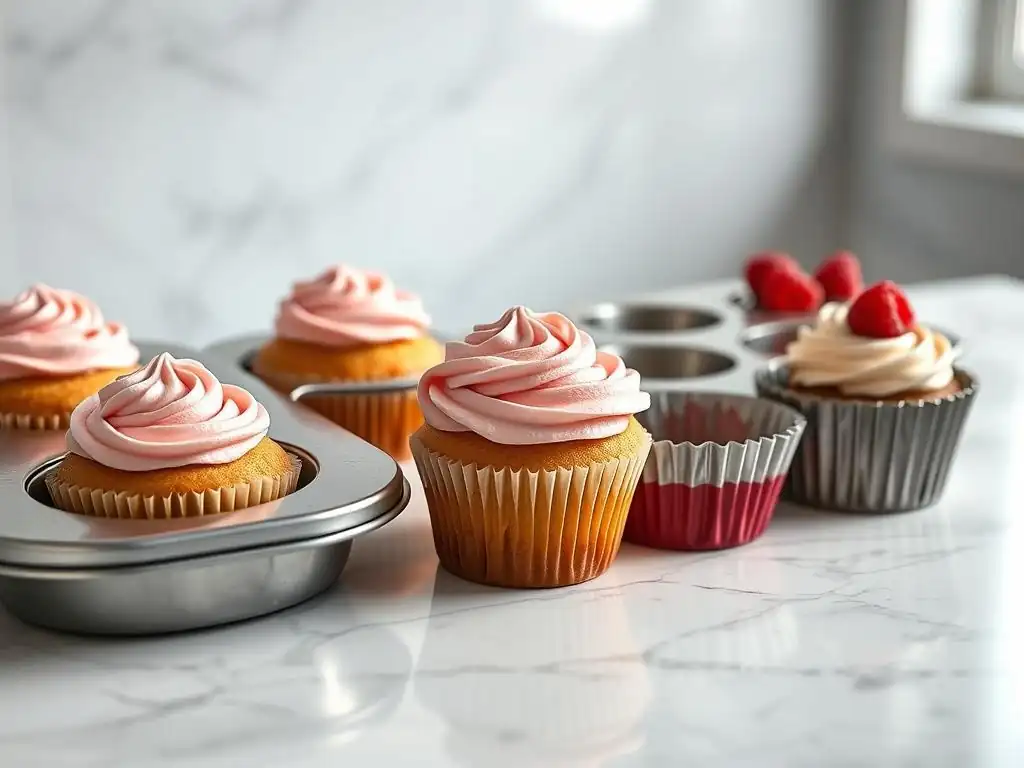
Choosing the Best Muffin Tin for Your Cupcake Baking Needs: A Summary
Consider Your Baking Frequency and Skill Level
When deciding between aluminum and silicone for your nonstick muffin tin cupcakes, consider how often you bake and your experience level. For frequent bakers who prioritize consistent, evenly browned results and durability, a high-quality aluminum pan might be a long-term investment worth the effort of greasing or using liners. Experienced bakers are often comfortable with the nuances of aluminum's heat conductivity.
For occasional bakers, beginners, or those who prioritize ease of use and cleanup above all else, a silicone muffin tin offers a straightforward, naturally nonstick experience. The simple release and cleaning can make baking less intimidating. Consider how much time and effort you want to dedicate to pan preparation and cleanup when making your choice.
Evaluate Your Budget and Storage Space
Cost is always a factor, though as discussed, comparable quality aluminum and silicone muffin tins are often similarly priced. If budget is extremely tight, a basic uncoated aluminum pan might be the cheapest entry point, though you'll need to account for liners or greasing supplies.
Storage space is also relevant. Aluminum pans are rigid and stackable, which can be efficient. Silicone pans are flexible and can be folded or squished into smaller spaces, but they require a baking sheet for use, which takes up oven space during baking. Consider your kitchen size and storage solutions when deciding which type of nonstick muffin tin fits best.
Prioritize Your Cleaning Preferences
Your preference for post-baking cleanup is a significant factor. If you dislike scrubbing and value being able to potentially toss your pan into the dishwasher, a silicone muffin tin is likely the better choice for easy nonstick muffin tin cupcakes. Their smooth, non-porous surface is designed for quick cleaning.
If you don't mind handwashing and are diligent about greasing or using liners, an aluminum pan is perfectly manageable. However, if you frequently bake sticky batters without liners, cleaning an aluminum pan can be more labor-intensive. Think about which cleaning process you find less bothersome when making your decision.
Maintaining Your Muffin Tins for Long-Lasting Use
Proper Cleaning Techniques for Aluminum Muffin Tins
To maintain your aluminum muffin tin, whether it's coated or uncoated, avoid using abrasive scrubbers like steel wool, which can scratch the surface and potentially remove nonstick coatings. For uncoated pans, handwashing with warm, soapy water and a soft sponge is best. If food is stuck, soak the pan first to loosen residue.
For nonstick aluminum pans, handwashing is often recommended to preserve the coating's lifespan, even if they are labeled dishwasher safe. High heat and harsh detergents in dishwashers can degrade the nonstick layer over time. Dry aluminum pans thoroughly immediately after washing to prevent water spots or corrosion. Proper cleaning helps ensure your nonstick muffin tin continues to perform well for cupcakes.
Cleaning silicone muffin tins is generally straightforward. Most are dishwasher safe, which is the easiest method. If handwashing, use warm, soapy water and a soft sponge. The nonstick surface usually releases food easily.
To prevent potential odor retention, avoid using heavily fragranced soaps. If odors do occur, try soaking the tin in a solution of baking soda and water. Ensure silicone tins are completely dry before storing, as moisture can sometimes lead to a white residue or affect texture over time. Gentle and regular cleaning helps maintain the flexibility and nonstick properties needed for nonstick muffin tin cupcakes.
Storage Tips to Extend Muffin Tin Life
Proper storage is key to extending the life of both aluminum and silicone muffin tins. For aluminum pans, store them in a dry place to prevent rust or corrosion, especially uncoated ones. If stacking aluminum pans, place a paper towel or cloth between them to protect the surface, particularly if they have a nonstick coating which can be scratched.
Silicone muffin tins can be stored flat or even folded or rolled to save space due to their flexibility. However, storing them flat or loosely stacked on a shelf helps them retain their shape over the long term and prevents any creases from becoming permanent. Storing them away from sharp objects or direct heat sources (not in use) is also advisable. Correct storage ensures your nonstick muffin tin is ready for your next baking project.
Conclusion: Mastering Cupcake Baking with the Right Muffin Tin Choice
Choosing between aluminum and silicone muffin tins for baking perfect cupcakes ultimately comes down to balancing heat performance, ease of use, durability, and cleaning preferences. Aluminum offers superior heat conductivity for even baking and browning, and its robust nature promises longevity, though it requires preparation for nonstick results. Silicone provides effortless release and easy cleanup due to its natural nonstick properties and flexibility, though it might require slightly longer baking times and external support.
Both materials can produce delicious nonstick muffin tin cupcakes when used correctly. Whether you prefer the traditional, reliable heat of aluminum with the aid of liners or grease, or the modern convenience and easy release of silicone, understanding the characteristics of each material empowers you to make the best choice for your baking style. Experiment with both if possible, and you'll soon find the ideal muffin tin to help you master the art of cupcake baking, consistently delivering beautiful, nonstick muffin tin cupcakes every time.
Frequently Asked Questions
What are the key differences between nonstick and silicone muffin tins for baking cupcakes?
Nonstick muffin tins are generally made of metal with a coating, offering better heat distribution. Silicone muffin tins are flexible and naturally nonstick, but may require support to prevent spills.
How do I prevent cupcakes from sticking to a nonstick muffin tin?
Even with a nonstick tin, lightly grease the cups with baking spray or butter before adding batter. Let the cupcakes cool slightly before attempting to remove them.
Are silicone muffin tins better for achieving perfectly shaped cupcakes?
While silicone is convenient, metal nonstick tins often produce cupcakes with more even browning and a slightly crisper edge due to superior heat conduction.
How do I properly clean and care for my nonstick muffin tin to extend its lifespan?
Avoid using abrasive cleaners or scouring pads, as they can damage the nonstick coating. Wash with warm, soapy water and dry thoroughly.
Is one type of muffin tin (nonstick or silicone) generally recommended for beginners baking cupcakes?
Nonstick metal muffin tins are often recommended for beginners due to their durability, ease of use, and consistent baking results.
Final Reflection: The Perfect Cupcake, One Tin at a Time
The quest for the flawlessly baked cupcake is a timeless pursuit, and the choice of muffin tin plays a surprisingly significant role. From evenly browned edges to effortless release, the right tin can elevate your baking game considerably, impacting not just the final product but the entire baking experience. This seemingly small detail can make or break a batch, transforming a frustrating afternoon into a joyful celebration of sweet success.
The debate between nonstick and silicone muffin tins has been a simmering one in baking circles for years, and this exploration has highlighted the nuances of each material. The subtle differences in heat distribution, ease of cleaning, and longevity have far-reaching implications, influencing not only the baker's workflow but also the overall sustainability of their baking practices. As one baking legend once said, Baking is a labor of love, and the right tools can make all the difference.
This rings especially true when considering the impact of choosing a durable, efficient tin that minimizes waste and maximizes baking joy.
Now, consider your own baking journey. Which type of muffin tin resonates most with your baking style and priorities? Take a moment to reflect on your own experiences – have you encountered the frustrations of stuck cupcakes or the joy of effortless release? Armed with this newfound knowledge, I encourage you to experiment, to find the perfect tin that empowers you to create those picture-perfect cupcakes, time and time again. Let the journey of baking be as delightful as the final product itself.
Unleash Your Inner Baker: Perfect Cupcakes, Every Time!
Thanks for taking the time to explore the world of muffin tins with us! We hope you now feel confident in choosing the right tin for your baking adventures. Ready to get started on those flawless cupcakes?
- Grab your chosen muffin tin and bake a batch of your favorite cupcakes! Don't forget to share your creations with us – we’d love to see your baking triumphs!
- Experiment with different cupcake recipes and fillings, pushing your baking skills to new heights.
- Share your experience (and pictures!) on social media using #BakeWithEaseMuffins. Let's inspire other bakers!
So, what incredible cupcake flavor will you create next?