
Proofing Cloth Showdown: Linen vs Cotton for ArtisanQuality Rises

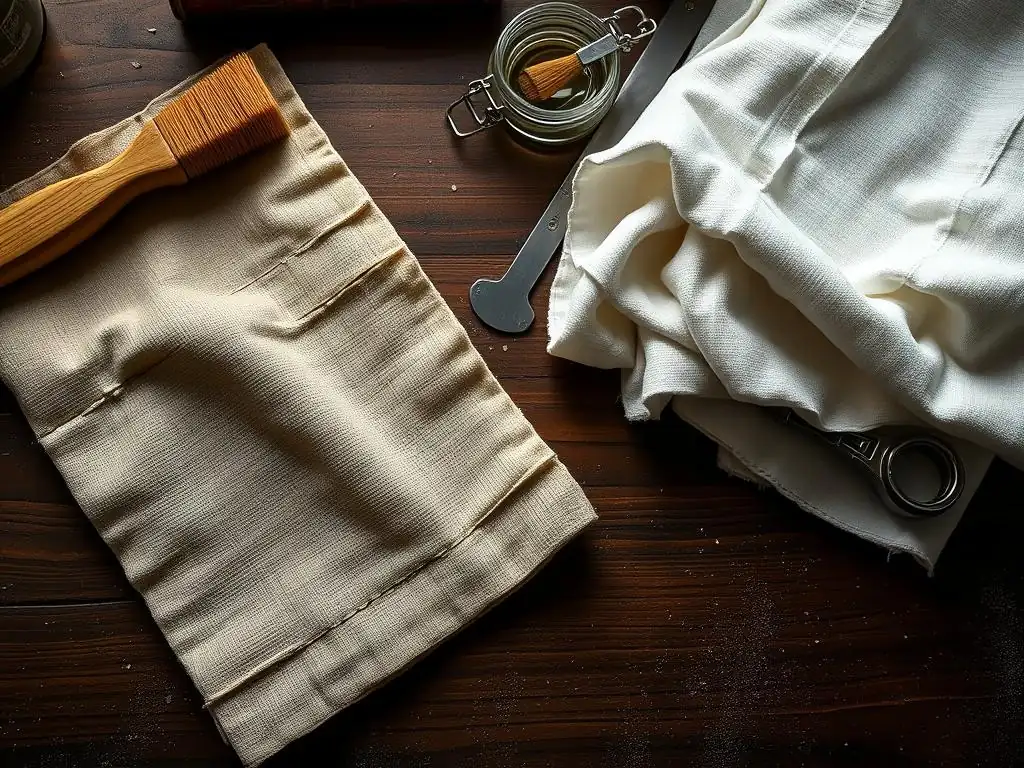
Welcome to BakeWithEase, your kitchen companion for all things baking! Ever wondered if the secret to that perfect artisan loaf lies beyond the ingredients? In this article, we're diving deep into the Proofing Cloth Showdown: Linen vs Cotton for Artisan-Quality Rises, exploring the nuances of linen vs. cotton proofing. Prepare to unlock the secrets to achieving bakery-worthy results right at home – the difference might just surprise you!
- Introduction: Achieving Superior Sourdough with the Right Proofing Cloth
- Understanding the Importance of Proofing Cloth in Bread Baking
- Linen vs Cotton: A Detailed Comparison for Bread Proofing
- Head-to-Head: Linen vs Cotton for Different Dough Types
- Maintaining Your Proofing Cloth: Cleaning and Care Tips
- Choosing the Right Proofing Cloth: Factors to Consider
- Expert Bakers' Insights: Linen vs Cotton – Real-World Experiences
- Conclusion: Selecting the Ideal Proofing Cloth for Baking Success
-
Frequently Asked Questions
- What exactly is a proofing cloth, and why is it important in baking?
- What are the main differences between linen and cotton proofing cloths?
- Which type of dough benefits most from using a linen proofing cloth?
- How do I properly care for my linen or cotton proofing cloth?
- Is there a significant difference in price between linen and cotton proofing cloths?
- Final Reflection: The Enduring Elegance of Choice in Artisan Bread Baking
- Unleash Your Inner Baker: Choose the Perfect Proofing Cloth
Introduction: Achieving Superior Sourdough with the Right Proofing Cloth
Achieving that perfect oven spring, a beautifully taut skin, and an airy crumb in your artisan bread, especially sourdough, often comes down to mastering the details of the proofing process. While the dough itself is paramount, the environment it proofs in plays a crucial role. This is where a proofing cloth, also known as a couche, becomes an indispensable tool for many bakers.
Choosing the right fabric for your proofing cloth can significantly impact how your dough behaves, affecting everything from its shape retention to its surface tension. In the world of baking, the debate often centers on linen vs cotton proofing cloths, each offering distinct characteristics that can influence your final loaf.
This article dives deep into the specifics of linen vs cotton proofing cloths, exploring their properties, advantages, and how they perform with different types of dough. We'll look at why bakers use these cloths, the unique benefits each material offers, and help you decide which is the best fit for your baking needs. Whether you're just starting your sourdough journey or looking to perfect your baguette technique, understanding the nuances of linen vs cotton proofing can elevate your bread to new heights.
Understanding the Importance of Proofing Cloth in Bread Baking
What is a Proofing Cloth (Couche) and Why Use One?
A proofing cloth, traditionally called a "couche" (pronounced "koosh"), is a piece of fabric used by bakers to support and separate dough during its final rise (proofing). Typically made from natural fibers like linen or cotton, the cloth is heavily floured before dough pieces are placed on it. The main purpose is to prevent the dough from spreading too much, especially wet or high-hydration doughs that lack strong structure.
By providing support, the couche helps the dough maintain its shape and encourages upward expansion rather than outward. This is particularly important for loaves like baguettes, batards, or boules that require a specific form before baking.
Beyond structural support, a proofing cloth also plays a vital role in managing the dough's surface moisture. The fabric absorbs excess moisture from the dough's exterior, promoting the formation of a thin, dry skin. This skin is crucial for developing a crisp crust and facilitating clean scoring (lame cuts) just before the dough goes into the oven.
Without a couche, doughs placed directly on a flat surface might stick, spread excessively, or lack the necessary surface tension for optimal oven spring. Using a couche is a technique favored by professional and home bakers alike for consistently achieving well-shaped, beautifully crusted artisan breads.
Key Benefits of Using a Proofing Cloth for Dough
The use of a proofing cloth offers several significant benefits that contribute to successful artisan bread baking. Firstly, and perhaps most importantly, it provides essential support for doughs, particularly those with high hydration levels (e.g., 75% hydration or more). When proofed on a flat surface, such doughs tend to spread outwards due to gravity. A couche, often bunched or folded to create troughs between loaves, cradles the dough and forces it to hold its shape and rise vertically. This structural support is critical for developing the desired height and form of loaves like baguettes or ciabattas.
Secondly, a proofing cloth aids in managing the dough's surface moisture. The natural fibers of linen or cotton are breathable and slightly absorbent. They draw away just enough surface moisture to create a thin, dry skin on the dough.
This controlled drying is beneficial because it prevents the dough from sticking to the cloth (when properly floured) and, more importantly, sets the stage for a superior crust. A slightly drier surface allows for cleaner cuts with a lame, which in turn guides the dough's expansion in the oven and contributes to a beautiful ear and overall crust development. Bakers report seeing a noticeable difference in crust quality when using a proofing cloth compared to proofing in baskets or on trays without one.
Linen vs Cotton: A Detailed Comparison for Bread Proofing
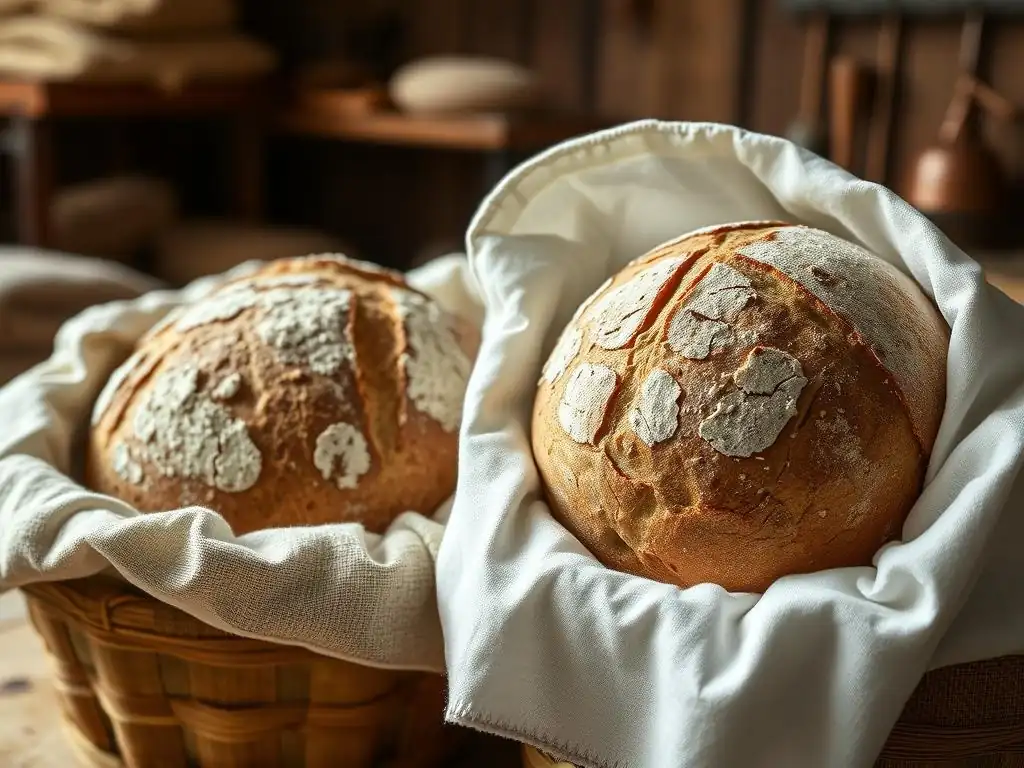
Linen Proofing Cloth: Characteristics and Advantages
Linen, derived from the flax plant, is a traditional material for proofing cloths and highly regarded by many artisan bakers. Its fibers are strong, smooth, and naturally resistant to bacteria and mold. When used as a couche, linen is known for its excellent durability and ability to withstand repeated use over many years. A key characteristic is its relatively low lint production compared to cotton, which means less chance of fibers sticking to your dough.
One of the most touted advantages of a linen proofing cloth is its superior moisture-wicking property. Linen fibers are hollow, allowing them to absorb and release moisture efficiently. This means a linen couche effectively draws excess humidity away from the dough's surface, creating that desirable dry skin crucial for scoring and crust development.
Professional bakers often prefer linen for its consistent performance in managing surface moisture, reporting that it helps achieve a more reliably crisp crust. For bakers tackling challenging high-hydration doughs, the moisture control offered by linen can be a significant advantage in preventing the dough from becoming overly sticky or losing its shape during proofing.
Superior Moisture Wicking with Linen
Linen's unique fiber structure makes it exceptionally good at wicking away moisture. The hollow core of the flax fiber allows it to absorb up to 20% of its weight in moisture without feeling damp. In the context of proofing dough, this translates to efficiently pulling excess humidity from the dough's exterior.
This controlled drying creates a thin, stable skin on the dough surface, which is vital for achieving a crisp crust and making precise scores before baking. For example, bakers working with doughs at 80% hydration or higher often find that a linen couche helps prevent the dough from becoming excessively sticky and difficult to handle, ensuring the dough maintains its structure throughout the final rise. This effective moisture management directly contributes to better oven spring and crust formation.
Beyond just absorbing moisture, linen also releases it relatively quickly, preventing the cloth from becoming saturated and potentially transferring too much moisture back to the dough. This dynamic moisture exchange ensures the dough's surface develops the ideal texture – dry enough for clean scoring and crust development, but not so dry that it inhibits the final rise.
Many bakers observe that dough proofed on linen develops a more pronounced and consistent surface tension, which is a key factor in achieving that sought-after artisan look and crackly crust. The ability of linen to consistently manage moisture makes it a reliable choice for bakers aiming for professional-level results.
Linen's Impact on Dough Structure and Crust
The structural support provided by a linen proofing cloth, combined with its moisture-wicking properties, has a direct impact on both the dough's final structure and the resulting crust. By cradling the dough and preventing excessive spreading, linen helps the loaf maintain its height and desired shape, whether it's a long baguette or a round boule.
This controlled expansion during proofing contributes to better oven spring, as the dough's energy is directed upwards rather than outwards. For instance, bakers shaping baguettes often rely heavily on the troughs created by folds in the linen couche to support the long, narrow shape and prevent them from flattening out during the final rise.
Furthermore, the dry skin developed on the dough surface due to linen's moisture absorption is critical for crust formation. This skin allows for cleaner, more controlled scoring with a lame. The scores act as vents, guiding the expansion of the dough in the oven.
A well-developed skin supported by precise scoring results in a beautiful "ear" on loaves and a consistently crackly crust. Anecdotal evidence from bakers suggests that linen couches tend to produce doughs with a slightly firmer surface texture compared to cotton, which some believe leads to a superior, more robust crust structure post-bake. The combined effect of shape support and surface moisture management makes linen a preferred choice for many seeking optimal crust development.
Durability and Longevity of Linen Couches
Linen is renowned for its exceptional strength and durability, properties that make a linen proofing cloth a long-term investment for serious bakers. Made from the strong fibers of the flax plant, linen is significantly more robust than cotton. It can withstand frequent use, handling, and the occasional gentle cleaning without breaking down quickly. While the initial cost of a quality linen couche might be higher than cotton, its longevity often makes it more economical over time.
A well-maintained linen proofing cloth can last for years, even decades, in a busy bakery or home kitchen. Its natural resistance to stretching and abrasion means it retains its shape and structural integrity, continuing to provide reliable support for doughs batch after batch. Unlike some fabrics that might pill or thin with age, linen tends to soften slightly with use while remaining strong.
Bakers who have used the same linen couche for many years report that it performs just as well, if not better, over time as the fibers become more seasoned with flour. This enduring quality makes linen a favorite among bakers looking for equipment that stands the test of time.
Cotton Proofing Cloth: Properties and Benefits
Cotton is another natural fiber commonly used for proofing cloths, offering a different set of properties compared to linen. It is soft, absorbent, and generally more readily available and less expensive than linen. Cotton couches are widely used by home bakers and some commercial operations due to their accessibility and ease of use.
One of cotton's main advantages as a proofing cloth is its good absorbency. Cotton fibers can hold a significant amount of moisture, which helps in creating a dry surface on the dough, similar to linen. While perhaps not as rapid in its wicking action as linen, cotton still effectively draws humidity away from the dough, preventing sticking and aiding in crust formation. Cotton is also softer and more flexible than linen, which some bakers find easier to handle and manipulate, especially when creating deep troughs for multiple loaves.
Affordability and Accessibility of Cotton
One of the primary advantages of choosing a cotton proofing cloth is its affordability and widespread accessibility. Cotton fabric is generally less expensive to produce than linen, making cotton couches a more budget-friendly option for bakers, especially those just starting out or who bake less frequently. A standard cotton canvas or duck cloth can often be purchased at a lower price point than a comparable piece of linen fabric designed for baking.
Furthermore, cotton fabric is readily available in most fabric stores, online retailers, and even some kitchen supply shops. This ease of access means bakers can often acquire a cotton couche quickly and without specialized sourcing. For instance, a home baker can easily find a suitable piece of untreated cotton canvas at a local craft store for under $10-$15, which is significantly less than the cost of many dedicated linen couches. This combination of lower cost and easy availability makes cotton a practical and popular choice for many bakers.
Cotton's Absorbency and Dough Handling
Cotton fibers are naturally absorbent, capable of holding up to 25 times their weight in water. While this makes cotton great for towels, in the context of a proofing cloth, it means it effectively pulls moisture away from the dough's surface. This absorbency helps create the necessary dry skin on the dough, preventing it from sticking to the cloth (when floured) and facilitating clean scoring. Bakers using cotton proofing cloths report successful development of a thin, workable skin, essential for achieving a good crust.
The softness and flexibility of cotton are also beneficial for dough handling. Cotton is less stiff than new linen, making it easier to fold, pleat, and arrange to create supportive troughs for different dough shapes. This pliability can be particularly helpful for bakers who handle multiple dough pieces on a single couche, allowing for easier adjustment and separation of loaves. For example, when proofing several batards, the soft folds of a cotton couche can be easily manipulated to create snug, supportive spaces for each loaf, helping them maintain their oval shape throughout the rise.
Considerations for Maintaining Cotton Proofing Cloths
While cotton is absorbent and easy to use, it does require careful maintenance to prevent issues like mold or excessive sticking. Due to its higher absorbency and potential for retaining moisture, cotton can be more prone to developing mold if not properly dried after use. Unlike linen's natural anti-fungal properties, cotton doesn't offer the same resistance. Therefore, it is crucial to ensure a cotton proofing cloth is thoroughly air-dried in a well-ventilated area after each use.
Another consideration is that cotton tends to produce more lint than linen, especially when new. While this usually diminishes with use and initial washing, some bakers prefer linen specifically to avoid the possibility of lint transferring to the dough. Additionally, cotton can stain more easily than linen, although staining doesn't typically affect performance. Proper flouring is essential with cotton to prevent dough from sticking, as its surface is not as inherently non-stick as well-seasoned linen. Regular brushing to remove excess flour and ensuring complete dryness are key steps in maintaining a cotton proofing cloth for optimal performance and longevity.
Head-to-Head: Linen vs Cotton for Different Dough Types
Sourdough Bread: Which Cloth Works Best?
When it comes to proofing sourdough bread, both linen and cotton proofing cloths can be used effectively, but many experienced sourdough bakers lean towards linen. Sourdough doughs often have relatively high hydration levels and a slightly stickier nature due to the fermentation process. Linen's superior moisture-wicking capabilities are particularly beneficial here, as they help manage the surface humidity of the dough more aggressively, promoting the formation of a strong, dry skin.
This skin is crucial for achieving the dramatic oven spring and open crumb structure characteristic of great sourdough. For example, a sourdough dough at 78% hydration might feel quite sticky when shaped; proofing it on a well-floured linen couche helps draw out just enough moisture to make the surface easier to score and handle before baking.
While cotton can certainly work for sourdough, bakers report that doughs proofed on cotton might occasionally feel slightly tackier on the surface compared to those proofed on linen, especially in humid environments. However, with sufficient flouring and proper technique, cotton proofing cloths are perfectly capable of supporting sourdough.
The choice often comes down to personal preference and the specific characteristics of the sourdough recipe being used. Bakers seeking the absolute best control over surface moisture and a reliably crisp crust for their sourdough often find linen to be the slightly more advantageous option in this linen vs cotton proofing comparison.
High-Hydration Doughs: Linen or Cotton for Optimal Support?
High-hydration doughs, typically those with a water content of 75% or more relative to the flour weight, present unique challenges during proofing due to their slack and often sticky nature. Providing adequate support to prevent these doughs from spreading into flat disks is paramount. Both linen and cotton proofing cloths offer this support when properly floured and configured into troughs. However, the choice between linen vs cotton proofing becomes particularly relevant when considering moisture management for these very wet doughs.
Linen's rapid and efficient moisture wicking makes it particularly well-suited for high-hydration doughs. It quickly draws away excess surface moisture, which is abundant in these doughs, helping to create a stable, non-sticky exterior. This dry surface is essential for handling the dough without excessive sticking and for achieving clean, effective scoring before baking.
For instance, proofing a ciabatta dough (often 80-85% hydration) on linen helps it maintain its shape and develop a skin that facilitates the characteristic open crumb and bubbly crust. While cotton is also absorbent, some bakers find that linen provides a slightly better balance of support and moisture control for the wettest doughs, leading to more predictable results and easier handling during the transition from couche to baking surface.
Baguettes and Artisan Loaves: Linen vs Cotton for Shaping
Baguettes and other long, slender artisan loaves require precise shaping and robust support during proofing to maintain their elongated form. Both linen and cotton proofing cloths are traditionally used for this purpose, arranged with deep folds to cradle each loaf. The choice of linen vs cotton proofing for these shapes often depends on the desired stiffness of the support and surface texture.
Linen, particularly new linen, tends to be stiffer than cotton. When folded into troughs, it provides firm, stable support that helps prevent baguettes from flattening or spreading sideways. This stiffness can be advantageous for achieving uniformly round profiles on baguettes.
The superior moisture wicking of linen also contributes to a dry skin, which is desirable for the classic crisp crust of a baguette and ensures the dough doesn't stick to the cloth during the delicate transfer to the baking stone. For example, a baker proofing six baguettes on a linen couche can rely on the firm folds to keep each loaf perfectly separated and supported, resulting in consistent shape across the batch.
Cotton, being softer, might require deeper or tighter folds to provide the same level of rigid support, but its flexibility can also make it easier to manipulate for different numbers or sizes of loaves. Ultimately, both fabrics are effective, but linen's firmness and moisture control are often cited as slight advantages for achieving the quintessential baguette form and crust.
Maintaining Your Proofing Cloth: Cleaning and Care Tips
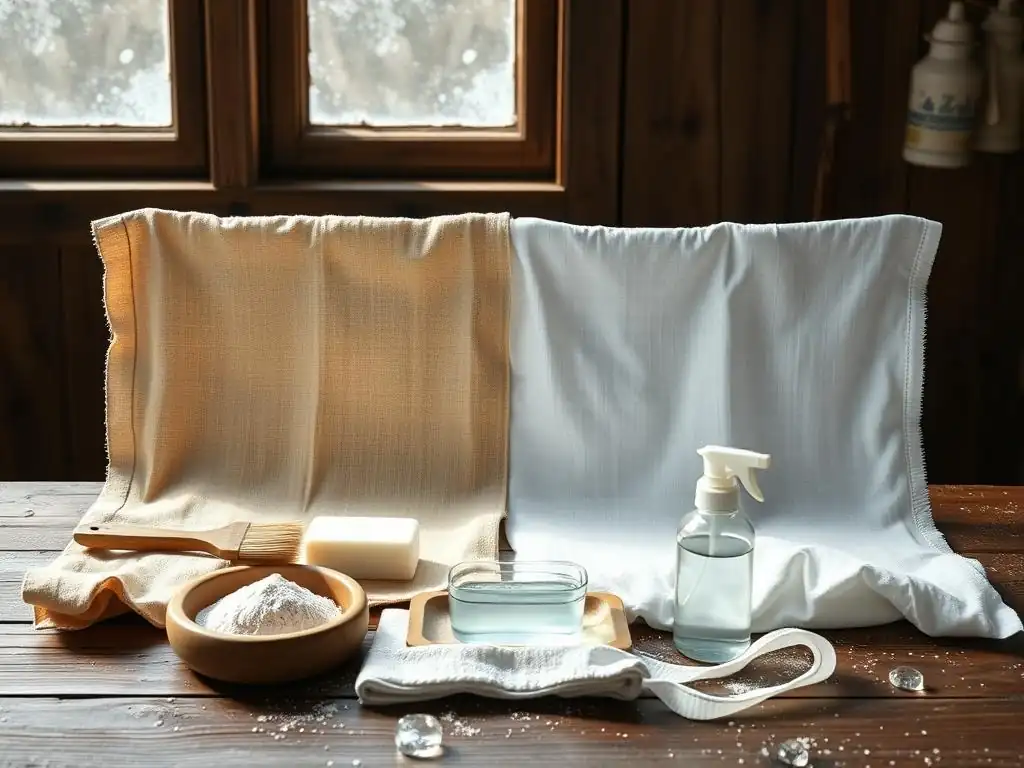
Proper maintenance is crucial for the longevity and hygienic use of both linen and cotton proofing cloths. Unlike other kitchen linens, proofing cloths are typically not washed after every single use. The traditional method is to allow the flour residue to build up over time, which helps season the cloth and prevent sticking. However, occasional cleaning is necessary to remove excess flour, prevent mold growth, or address significant spills.
The key to maintaining a proofing cloth, whether linen or cotton, is to keep it dry between uses. After the dough is removed, the cloth should be gently brushed or shaken to remove as much excess flour as possible. Then, it must be hung or spread out in a well-ventilated area to air dry completely. Never fold and store a damp proofing cloth, as this is a sure way to encourage mold and mildew. Storing the cloth dry in a clean, dry place, away from pests, ensures it is ready for your next baking session.
Best Practices for Cleaning Linen Proofing Cloths
While linen is naturally resistant to bacteria and mold and doesn't require frequent washing, there are best practices for cleaning when necessary. The most common method is to simply brush off excess flour after each use. For a deeper clean or to remove dried-on dough, avoid using soap or detergent as much as possible. Soap residue can cling to the fibers and negatively affect the non-stick properties of the seasoned cloth, potentially causing dough to stick in the future.
If washing is necessary, the best approach is to soak the linen proofing cloth in cool or lukewarm water, gently agitating it to loosen flour and debris. You can use a stiff brush (like a bench scraper or pastry brush) to carefully scrape away any stubborn dried dough. Rinse thoroughly with clean water to remove all traces of flour. Avoid wringing the cloth, as this can damage the fibers.
Instead, press out excess water and hang the cloth to air dry completely. Some bakers prefer to boil their linen couche in plain water for a few minutes as a sanitizing method without using chemicals. Remember, the goal is to clean without stripping the seasoned flour layer that makes the cloth non-stick.
How to Properly Wash and Dry Cotton Proofing Cloths
Cotton proofing cloths are generally more tolerant of washing than linen, but it's still best to wash them only when necessary, using methods that preserve their non-stick properties. Like linen, the first step after each use is to brush off as much excess flour as possible. When washing is needed, use cool or lukewarm water. Hot water can cause cotton to shrink and may set stains.
Avoid using fabric softeners or bleach, as these can damage the fibers and leave residues that interfere with proofing. A small amount of mild, unscented detergent can be used for heavily soiled cotton, but rinse very thoroughly to ensure no soap remains. Many bakers prefer to wash cotton couches in plain water or with a minimal amount of white vinegar as a natural cleaner and deodorizer.
After washing, press out excess water and hang the cotton proofing cloth to air dry completely. Because cotton holds more moisture than linen, ensuring it is bone dry before storage is critical to prevent mold. Never machine dry a proofing cloth, as the heat can damage the fibers and cause excessive shrinkage.
Preventing Mold and Bacteria Growth on Your Couche
Preventing mold and bacteria growth is paramount for maintaining a hygienic proofing cloth, regardless of whether it's linen vs cotton proofing. The primary defense against microbial growth is thorough drying after every single use. Flour residue can absorb moisture from the air, creating a hospitable environment for mold if the cloth remains damp. After brushing off excess flour, always hang the cloth in a well-ventilated area, ideally where air can circulate freely around it, until it is completely dry. This might take 24 hours or more depending on humidity levels.
Storing the dry proofing cloth properly is also key. Store it in a clean, dry location, such as folded loosely in a cupboard or drawer, away from sources of moisture or heat. Avoid storing it in plastic bags or airtight containers, which can trap residual moisture.
If you live in a particularly humid climate, consider using a dehumidifier in the storage area or ensuring the cloth is extra dry before putting it away. Regularly inspecting your proofing cloth for any signs of discoloration or musty odors can help catch potential issues early. If mold appears, it's often safest to discard the cloth, as mold spores can be difficult to completely remove from fabric fibers.
Choosing the Right Proofing Cloth: Factors to Consider
Deciding between linen vs cotton proofing cloths involves considering several factors related to your baking habits, budget, and preferences. Neither material is inherently "bad" for proofing; they simply offer different characteristics that might be more or less suited to your specific needs. Thinking about how often you bake, the types of bread you make, and your willingness to invest in equipment can help guide your choice.
Your personal baking style and what feels most comfortable to work with should also play a role. Some bakers prefer the stiffness and traditional feel of linen, while others appreciate the softness and flexibility of cotton. Ultimately, the "right" proofing cloth is the one that helps you achieve your desired results and makes the proofing process smoother and more enjoyable.
Frequency of Baking and Usage
The frequency with which you bake is a significant factor when considering linen vs cotton proofing. If you are an occasional baker, perhaps making bread once or twice a month, a cotton proofing cloth might be a perfectly adequate and cost-effective option. It provides good support and moisture absorption for standard use and is less of an initial investment. Its easier availability also means you can get started quickly without seeking out specialized suppliers.
However, if you bake frequently, perhaps multiple times a week or even daily, the durability and performance consistency of a linen proofing cloth become more attractive. Linen's strength and natural resistance to wear make it better equipped to handle constant use and the repeated brushing and occasional cleaning required in a busy baking routine.
While more expensive initially, a linen couche's longevity means it won't need replacing as often as a heavily used cotton one, making it a more economical choice in the long run for dedicated bakers. For example, a baker producing dozens of loaves weekly might find that a linen couche lasts five years or more, while a cotton one under the same heavy use might show significant wear within a year or two.
Budget and Initial Investment
The initial cost is often a major deciding factor when choosing between linen vs cotton proofing. Generally, linen proofing cloths are more expensive than cotton ones of similar size. This is due to the higher cost of producing linen fabric from flax compared to cotton. For bakers on a tight budget or those unsure if they will stick with artisan bread baking long-term, starting with a cotton couche represents a lower initial investment. You can typically purchase a good-sized piece of cotton canvas suitable for proofing for $10-$20, depending on the size and weave.
In contrast, a dedicated linen proofing cloth from a baking supplier might cost anywhere from $25 to $60 or more, depending on the size and quality. While this is a higher upfront cost, it's important to view it as an investment in a durable tool.
As discussed earlier, linen's longevity means that over many years of use, the cost per loaf or per use might actually be lower than repeatedly replacing a less durable cotton couche. Bakers prioritizing immediate savings will likely opt for cotton, while those planning for extensive, long-term baking might find the higher initial cost of linen justifiable for its durability and performance benefits in the linen vs cotton proofing comparison.
Personal Preference and Baking Style
Ultimately, the choice between linen vs cotton proofing often comes down to personal preference and individual baking style. Some bakers simply prefer the feel and handling of one material over the other. New linen is quite stiff, which some bakers appreciate for the firm support it provides, especially for precisely shaped loaves like baguettes. Over time, linen softens but retains its strength. Cotton, on the other hand, is softer and more pliable from the start, which some find easier to manipulate and arrange on their work surface.
Your baking style also plays a role. If you primarily bake very high-hydration doughs and prioritize achieving the driest possible surface for aggressive scoring and maximum oven spring, linen's superior moisture wicking might be the preferred choice.
If you bake a wider variety of doughs, including enriched or lower-hydration recipes where surface moisture is less critical, or if you value ease of handling and a softer feel, cotton might be perfectly suitable. Many bakers find that trying both materials, perhaps starting with an inexpensive cotton piece and later upgrading to linen, is the best way to discover which truly fits their hands and their dough best in the linen vs cotton proofing debate.
Expert Bakers' Insights: Linen vs Cotton – Real-World Experiences
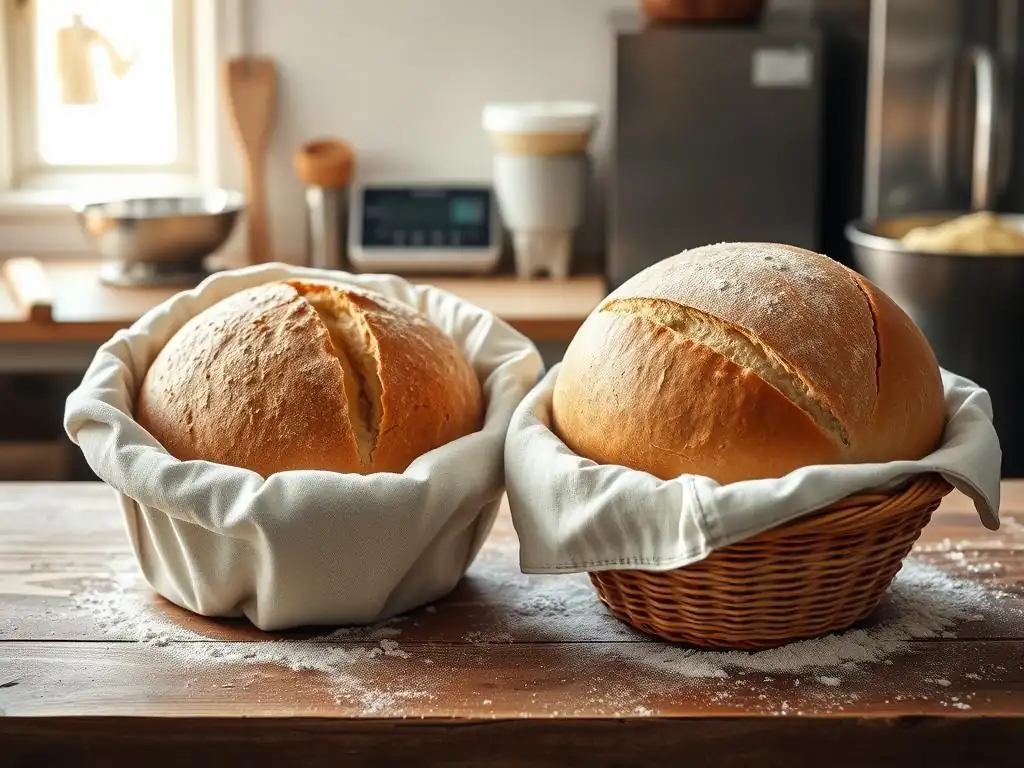
Many professional and experienced home bakers have strong opinions on the linen vs cotton proofing debate, often based on years of hands-on experience. While some swear exclusively by linen for its traditional qualities and perceived superior moisture control, others find cotton perfectly adequate and appreciate its affordability and ease of use.
For instance, a baker running a small artisan bakery producing hundreds of loaves weekly might state that their linen couches, some decades old, are indispensable due to their durability and consistent performance in managing high-hydration sourdoughs, citing a noticeable difference in crust development compared to cotton they might have used early on. They might mention that while the initial investment was higher, the longevity has made them far more cost-effective over time.
Conversely, a home baker specializing in lower-hydration enriched doughs like challah or brioche might find that a cotton proofing cloth provides sufficient support and moisture absorption, and they appreciate its lower cost and accessibility. They might note that while linen is often touted as superior, they haven't experienced significant issues with sticking or crust quality using cotton, especially with proper flouring.
Some bakers even use a combination, perhaps reserving linen for their wettest sourdoughs and using cotton for less demanding doughs or smaller batches. The consensus often highlights that while linen might offer marginal advantages in specific areas like high-hydration moisture management and durability, cotton is a perfectly viable and effective proofing cloth option for most home bakers, proving that the "best" choice in the linen vs cotton proofing showdown is highly dependent on individual needs and preferences.
Conclusion: Selecting the Ideal Proofing Cloth for Baking Success
Choosing the right proofing cloth is a small but significant step in elevating your artisan bread baking. Both linen and cotton offer distinct advantages and disadvantages when used as a couche. Linen is prized for its superior durability, excellent moisture-wicking properties that promote a dry dough surface and crisp crust, and its natural resistance to mold. However, it is typically more expensive and initially stiffer than cotton.
Cotton, on the other hand, is more affordable, readily available, and softer, making it easy to handle and manipulate. It provides good support and moisture absorption, although perhaps not as rapidly or efficiently as linen, particularly with very wet doughs. Cotton requires careful drying to prevent mold and can be more prone to lint.
Recap: Linen and Cotton Proofing Cloths Compared
Here's a quick summary of the linen vs cotton proofing comparison:
- Linen:
- Pros: Highly durable, excellent moisture wicking, promotes dry skin and crisp crust, naturally mold resistant, low lint.
- Cons: More expensive, initially stiff, can be harder to find.
- Cotton:
- Pros: Affordable, widely available, soft and flexible, good absorbency.
- Cons: Less durable, holds moisture more, requires careful drying to prevent mold, can produce lint.
Recommendations: Choosing the Best Option for Your Baking Needs
When deciding between a linen vs cotton proofing cloth, consider your priorities.
- For frequent bakers, high-hydration doughs, or those seeking maximum durability and optimal crust development: A linen proofing cloth is likely the best investment. Its performance benefits with wet doughs and its longevity can justify the higher initial cost.
- For occasional bakers, those on a budget, or bakers primarily working with standard or enriched doughs: A cotton proofing cloth is an excellent, accessible choice. It provides ample support and moisture control for many types of bread and is easy to acquire.
Ultimately, both linen and cotton couches can significantly improve your bread proofing compared to using no cloth at all. Many bakers successfully use both, choosing based on the specific dough or batch size. Whichever you choose, proper flouring and diligent drying are key to success. Experimenting with both materials if possible can help you determine which feel and performance you prefer, leading you to select the ideal proofing cloth to support your journey towards baking artisan-quality bread.
Frequently Asked Questions
What exactly is a proofing cloth, and why is it important in baking?
A proofing cloth, also known as a couche, is a heavy linen or cotton fabric used to support the shape of dough during its final proof. It helps maintain structure and prevents spreading, leading to better oven spring and a more appealing loaf.
What are the main differences between linen and cotton proofing cloths?
Linen is generally preferred for its superior moisture-wicking properties and ability to release dough easily. Cotton, while more affordable, can retain more moisture, potentially leading to stickier dough.
Which type of dough benefits most from using a linen proofing cloth?
Doughs with high hydration levels, such as those used for sourdough or artisan breads, particularly benefit from linen. The linen's ability to wick away moisture helps create a crispier crust and prevents a gummy texture.
How do I properly care for my linen or cotton proofing cloth?
Avoid washing your proofing cloth with soap. Instead, allow it to dry completely after each use and brush off any excess flour. Occasional cleaning with a dry brush or vacuuming is sufficient.
Is there a significant difference in price between linen and cotton proofing cloths?
Yes, linen proofing cloths are typically more expensive than cotton options. The higher price reflects linen's durability and superior performance, especially for consistent bread baking.
Final Reflection: The Enduring Elegance of Choice in Artisan Bread Baking
The quest for the perfect proofing cloth is a journey into the heart of artisan bread baking, a pursuit as nuanced and rewarding as the loaves themselves. The choice between linen and cotton, as explored in this article, isn't merely a matter of fabric; it's a reflection of the baker's values, their approach to craft, and their ultimate vision for the finished product. The subtle differences in texture, absorbency, and longevity directly impact the final rise and the overall quality of the bread.
The enduring appeal of both linen and cotton proofing cloths speaks volumes about the evolving landscape of artisan baking. The rise in popularity of sourdough and naturally leavened breads has, in turn, fueled a renewed interest in traditional techniques and materials. This focus on quality and craftsmanship extends beyond the ingredients themselves, encompassing every aspect of the baking process, including the seemingly humble proofing cloth. The details are not the details. They make the design.
– Charles Eames. This quote perfectly encapsulates the importance of seemingly small choices like the type of cloth used in achieving truly exceptional results.
Now, consider your own baking journey. Which qualities resonate most with your personal style? Do you value the luxurious drape and exceptional absorbency of linen, or the affordability and ease of care offered by cotton? The answer, ultimately, lies in your hands. Experiment, explore, and discover the proofing cloth that best complements your baking philosophy. Embrace the process, savor the results, and let the journey of crafting exceptional bread continue to inspire and delight you.
Here's a Call to Action (CTA) tailored for the article "Proofing Cloth Showdown: Linen vs Cotton for Artisan-Quality Rises" on BakeWithEase.com:
Unleash Your Inner Baker: Choose the Perfect Proofing Cloth
Thanks for exploring the world of proofing cloths with us! You've now got the knowledge to elevate your baking game. Ready to put your new-found expertise to the test?
- Choose your champion: Order your preferred linen or cotton proofing cloth today and experience the difference firsthand! Think about the texture and breathability you're looking for.
- Share your baking journey: Show us your perfectly risen loaves on social media using #BakeWithEaseProofing. Let's inspire each other!
- Dive deeper: Explore our other baking resources on BakeWithEase.com for even more tips and tricks.
Which proofing cloth will you choose for your next baking masterpiece, and why? Let us know in the comments below!