
Storing Decorated Cakes: Preserve Your Masterpiece (and Flavor!)

Welcome to BakeWithEase, your trusted guide in the delightful world of baking! Ever wondered how to keep that beautifully decorated cake fresh and vibrant after all your hard work? This article dives deep into essential decorated cake storage tips, revealing secrets to preserve not only its stunning appearance but also its irresistible flavor. Discover the best methods, avoid common pitfalls, and ensure your masterpiece tastes as amazing as it looks! Let's unlock the secrets to cake longevity together.
- Introduction: Keeping Decorated Cakes Fresh for Longer
- Best Practices for Decorated Cake Storage
- Specific Decorated Cake Storage Tips Based on Frosting Type
- Troubleshooting Common Decorated Cake Storage Problems
- Decorated Cake Storage FAQ
- Conclusion: Enjoying Your Perfectly Preserved Decorated Cake
-
Frequently Asked Questions
- What's the best way to store a decorated cake at room temperature?
- How long can I keep a decorated cake in the refrigerator?
- Can I freeze a decorated cake, and if so, how?
- What's the best way to thaw a frozen decorated cake?
- How do I prevent my buttercream frosting from sweating after refrigeration?
- Final Reflection: The Enduring Sweetness of a Perfectly Stored Cake
- Unlock Your Cake's Full Potential: Freshness & Flavor, Guaranteed!
Introduction: Keeping Decorated Cakes Fresh for Longer
Baking a beautiful cake is a rewarding experience, but preserving its freshness and stunning appearance after it's decorated can feel like a whole new challenge. Whether you've spent hours crafting intricate buttercream swirls or delicate fondant details, you want your masterpiece to look and taste its best until it's served. Mastering decorated cake storage tips is crucial for any baker looking to avoid disappointment and ensure their hard work pays off.
Proper storage isn't just about preventing spoilage; it's also about maintaining the cake's texture and the integrity of the decoration. Imagine a perfectly moist sponge turning dry or a vibrant frosting losing its shape – these are common woes that can be avoided with the right techniques. This guide will walk you through the essential decorated cake storage tips, covering everything from initial cooling to long-term freezing, so you can confidently preserve your edible art.
Why Proper Decorated Cake Storage Matters
Storing decorated cakes correctly is paramount for several reasons, primarily focusing on food safety, aesthetic preservation, and flavor maintenance. A cake left exposed can quickly dry out, absorb off-flavors from its surroundings, or worse, become a breeding ground for bacteria, especially if it contains perishable fillings or frostings like cream cheese or fresh fruit. Effective decorated cake storage tips help extend the cake's edible life while keeping it looking as fantastic as it did fresh out of the oven.
Beyond safety and aesthetics, proper storage significantly impacts the cake's taste and texture. A cake that's allowed to become stale or absorbs moisture incorrectly can lose its delicate crumb structure and moistness. Frostings can become hard, sticky, or develop an unpleasant film. Implementing sound decorated cake storage tips ensures that each slice enjoyed retains the intended flavor profile and delightful texture you worked so hard to achieve.
Understanding the Challenges of Storing Decorated Cakes
Storing a plain cake is relatively straightforward, but adding frosting, fillings, and elaborate decorations introduces unique challenges. Different types of frosting react differently to temperature and humidity. Buttercream can soften or melt, fondant can sweat and become sticky, and whipped cream requires constant refrigeration. These variations mean there's no one-size-fits-all approach to decorated cake storage tips.
Furthermore, the sheer size and shape of decorated cakes, especially multi-tiered creations, can make finding suitable storage containers difficult. Protecting intricate details from being smudged or crushed requires careful handling and appropriately sized storage solutions. Dealing with condensation when moving cakes between different temperature environments is another common hurdle that can ruin delicate decorations. Navigating these complexities is key to successful decorated cake storage.
Best Practices for Decorated Cake Storage
Initial Cooling and Setting the Frosting
Before even thinking about storing a decorated cake, ensuring the cake layers are completely cooled is vital. Attempting to frost or decorate warm cake layers will lead to melting frosting and a crumbly mess. Once the cake is assembled and decorated, allowing the frosting to 'set' slightly at room temperature or in a cool place can help firm up the outer layer, making it more resistant to smudging during the storage process.
For frostings like buttercream or ganache, a brief chill in the refrigerator for about 15-30 minutes can significantly help set the outer layer. This creates a firm crust (known as crusting buttercream) or a stable surface, which is particularly helpful before covering or boxing the cake. This initial setting step is a fundamental decorated cake storage tip that protects your design from accidental bumps or rubs.
Choosing the Right Storage Container for Your Decorated Cake
Selecting the appropriate container is one of the most critical decorated cake storage tips. The container needs to be large enough to accommodate the cake without touching the sides or lid, which could damage the decorations. Ideally, the container should also be airtight to prevent the cake from drying out and to protect it from absorbing odors from the refrigerator or pantry.
Specialty cake carriers with locking lids are excellent options for decorated cakes as they are designed with height and width in mind. If a dedicated cake carrier isn't available, a large plastic container or even a sturdy cardboard cake box can work, provided it's sealed effectively. For cardboard boxes, consider wrapping the entire box in plastic wrap to create a better seal, enhancing your decorated cake storage efforts.
The Importance of Airtight Containers
An airtight environment is crucial for maintaining the freshness and moisture of a decorated cake. Exposure to air causes the cake to dry out rapidly, leading to a stale texture. It also allows external odors to permeate the cake, which can ruin the flavor. Think about how quickly a cut onion can make everything in your fridge smell – you don't want your beautiful cake to taste faintly of last night's dinner!
Using an airtight container creates a barrier against these environmental factors. It helps keep the cake's internal moisture locked in, preserving its soft, tender crumb. Furthermore, it protects the delicate flavors of the cake and frosting from being contaminated by other foods. This simple step is a cornerstone of effective decorated cake storage tips.
Cake Boxes vs. Plastic Containers: Which is Best?
Both cake boxes and plastic containers have their place in decorated cake storage, each with pros and cons. Cardboard cake boxes are readily available, often provided by bakeries, and are excellent for transport. They offer good structural support and height for tall cakes. However, standard cardboard boxes are not airtight, which means the cake can dry out if stored for more than a day or two. To improve their effectiveness for storage, they need to be wrapped tightly in plastic wrap.
Plastic containers, on the other hand, are typically airtight, making them superior for preserving freshness and moisture over longer periods. They are also reusable and offer better protection against accidental bumps. The main challenge with plastic containers is finding one large enough for a multi-tiered or unusually shaped decorated cake. For optimal decorated cake storage, a dedicated, large, airtight plastic cake carrier is often the best investment for frequent bakers.
Storing Decorated Cakes at Room Temperature
Storing a decorated cake at room temperature is often preferred for taste and texture, as refrigeration can sometimes alter these qualities. However, this is only safe and advisable for certain types of cakes and frostings. Generally, cakes made with stable ingredients and frostings that don't require refrigeration can be stored this way, following specific decorated cake storage tips.
Cakes covered in fondant, ganache, or traditional buttercream made primarily from butter and powdered sugar (without perishable additions like milk or cream beyond minimal amounts) are often suitable for room temperature storage. Ensure the environment is cool (ideally below 70°F or 21°C) and away from direct sunlight or heat sources, which could melt the frosting.
When Room Temperature Storage is Appropriate
Room temperature storage is appropriate for decorated cakes that will be consumed within 1-2 days and are made with non-perishable components. This includes most sponge cakes, pound cakes, and cakes frosted with shelf-stable buttercreams, ganache, or fondant. Cakes with fruit fillings cooked to a high temperature or those containing alcohol also tend to be more stable at room temperature.
However, it is crucial to exercise caution. If your kitchen is particularly warm or humid, or if the cake contains ingredients like fresh cream, cream cheese, fresh fruit fillings, or egg-based custards, refrigeration is mandatory. When in doubt, refrigerate to ensure food safety. Following recommended decorated cake storage tips for specific ingredients is key.
Shelf Life of Decorated Cakes at Room Temperature
The shelf life of a decorated cake at room temperature varies depending heavily on its ingredients and the ambient conditions. A general guideline for cakes with stable frostings (like classic buttercream or fondant) stored in a cool, airtight environment is typically 1 to 2 days. After this period, while the cake might still be safe to eat, its quality in terms of moisture and freshness will likely decline.
Cakes with perishable components should not be stored at room temperature for more than a couple of hours total (including time spent serving). For example, a cake with cream cheese frosting should be refrigerated promptly. Always err on the side of caution regarding food safety; if you're unsure about an ingredient's stability, follow refrigerated decorated cake storage tips instead.
Refrigerating Decorated Cakes: A Detailed Guide
Refrigeration is often the go-to method for storing decorated cakes, especially those containing perishable ingredients or when storing for more than a couple of days. While effective, refrigeration can sometimes dry out cake layers or affect frosting texture if not done correctly. Following specific decorated cake storage tips for refrigeration is essential to mitigate these potential issues.
The cold environment of a refrigerator slows down bacterial growth and keeps perishable components safe. However, the dry air inside can draw moisture out of the cake. The main challenge with refrigerating decorated cakes is preventing them from drying out and avoiding condensation when they are brought back to room temperature.
Preparing Your Decorated Cake for Refrigeration
Before placing a decorated cake in the refrigerator, it's crucial to prepare it properly. If the frosting is firm (like a crusted buttercream or ganache), you can initially chill it uncovered for about 15-30 minutes to let the outer layer harden. This helps prevent the wrapping material from sticking to the decoration.
Once the outer layer is firm, the cake should be carefully wrapped. For whole cakes, wrap the entire cake tightly in plastic wrap, ensuring the wrap doesn't press too hard against delicate decorations. For cut cakes, cover the exposed surfaces with plastic wrap before placing the cake in an airtight container. This wrapping step is a vital decorated cake storage tip to protect against dryness and odors.
The Impact of Refrigeration on Different Types of Frosting
Different frostings react uniquely to the cold environment of a refrigerator. Understanding these reactions is crucial for successful decorated cake storage. Some frostings, like buttercream, will firm up significantly, while others, like whipped cream, maintain a softer texture but require constant cold.
Knowing how your specific frosting will behave helps you anticipate potential issues and take appropriate steps during storage and thawing. For instance, a very firm buttercream might need more time to soften at room temperature before serving, while a delicate whipped cream requires careful handling to avoid deflation.
Buttercream Frosting and Refrigeration
Buttercream frosting, particularly American buttercream (made with butter and powdered sugar), becomes quite hard when refrigerated. This is generally beneficial for protecting the cake during storage and transport. However, it means the frosting will need time to soften before serving.
When refrigerating buttercream-frosted cakes, ensure they are well-wrapped or in an airtight container to prevent the frosting from drying out or absorbing odors. To serve, remove the cake from the refrigerator and let it sit at room temperature for at least 30-60 minutes (depending on size and room temperature) to allow the buttercream to soften back to a pleasant texture. This slow warming helps minimize condensation as well – a key decorated cake storage tip.
Cream Cheese Frosting and Refrigeration
Cream cheese frosting, due to its dairy content, must be refrigerated. It has a softer consistency than traditional buttercream and will firm up in the cold, but usually not as hard as pure butter-based frostings.
Store cream cheese frosted cakes in an airtight container in the refrigerator. While it firms up, cream cheese frosting can sometimes develop a slightly different texture after refrigeration. To serve, allow the cake to sit at room temperature for 20-40 minutes to allow the frosting to soften slightly, which improves its texture and flavor profile. Proper refrigeration is a non-negotiable decorated cake storage tip for cream cheese frosting.
Whipped Cream Frosting and Refrigeration
Whipped cream frosting is the most delicate and requires constant refrigeration. It is highly susceptible to heat and can deflate or melt quickly at warmer temperatures. It also provides a hospitable environment for bacteria if left out.
Cakes decorated with whipped cream should be stored in an airtight container in the coldest part of the refrigerator (usually the back). Avoid placing them in the refrigerator door, where temperatures fluctuate more. Whipped cream frosting does not need significant time to soften before serving, but allowing the cake layers themselves to warm slightly can improve texture. Handle whipped cream cakes with extreme care during storage and serving. This is one of the most critical decorated cake storage tips for perishable frostings.
Preventing Condensation on Decorated Cakes
Condensation is a major enemy of decorated cakes, especially those covered in fondant or with delicate sugar decorations. When a cold cake is moved into a warmer, more humid environment, moisture from the air condenses on the cold surface, creating beads of water. This can cause fondant to sweat, sugar decorations to melt or become sticky, and colors to bleed.
To prevent condensation, the best method is to allow the cake to warm up gradually. If the cake is in an airtight container, remove the container from the refrigerator and let it sit at room temperature without opening it for 1-2 hours. As the cake slowly warms inside the container, the condensation will form on the outside of the container, not on the cake itself. Once the container reaches room temperature, you can open it. This slow acclimatization is a crucial decorated cake storage tip for preserving appearance.
Freezing Decorated Cakes: Long-Term Storage Solutions
Freezing is an excellent option for storing decorated cakes for longer periods, preserving freshness for weeks or even months. While it can sometimes affect very delicate decorations or textures, many decorated cakes freeze surprisingly well when prepared correctly. This is particularly useful for saving tiers of a wedding cake or preparing celebratory cakes in advance.
Effective freezing relies on protecting the cake from freezer burn, which occurs when air comes into contact with the cake's surface, causing ice crystals to form and drawing out moisture. Proper wrapping and packaging are paramount to successful long-term decorated cake storage using this method.
Choosing the Right Cake for Freezing
Most types of cakes and many frostings are suitable for freezing, but some fare better than others. Pound cakes, sponge cakes, and dense butter-based cakes freeze exceptionally well. Frostings like buttercream and ganache also freeze successfully.
However, cakes with very delicate fillings (like fresh fruit not cooked down), custards, or very light, airy textures (like angel food cake) might not freeze as well. Whipped cream frosting can sometimes lose its texture upon thawing, becoming slightly watery or grainy. Fondant-covered cakes can be frozen, but condensation upon thawing must be managed carefully to prevent the fondant from becoming excessively sticky or losing its shape. Consider the components when deciding if freezing is the right decorated cake storage tip for your creation.
Preparing Your Decorated Cake for Freezing: A Step-by-Step Guide
- Chill the Cake: Ensure the frosting is completely set and firm by chilling the decorated cake in the refrigerator for several hours or until the frosting is hard to the touch. This prevents the wrapping material from sticking to the decoration.
- Initial Wrap (Plastic Wrap): Carefully wrap the chilled cake tightly in several layers of plastic wrap. Ensure the wrap adheres directly to the frosting and cake surface as much as possible, minimizing air pockets. Use multiple sheets if needed to cover the entire cake securely.
- Second Wrap (Foil): After the plastic wrap, wrap the cake again tightly in a layer of aluminum foil. The foil provides an extra layer of protection against freezer burn and helps prevent the cake from absorbing freezer odors.
- Outer Container: Place the double-wrapped cake in a sturdy, airtight container or a specialized cake freezing box. This protects the cake from being crushed by other items in the freezer.
- Labeling: Label the container with the cake type and the date it was frozen. This is a simple but essential decorated cake storage tip for organization.
Wrapping Techniques for Freezing Decorated Cakes
Effective wrapping is the cornerstone of preventing freezer burn and maintaining the quality of decorated cakes during freezing. The goal is to create an airtight barrier around the cake. Start with high-quality plastic wrap; look for brands specifically designed for freezing, as they tend to be thicker and less permeable. Wrap tightly, pressing the wrap gently against the cake surface where possible without damaging decorations.
Follow the plastic wrap with a layer of heavy-duty aluminum foil. Foil is excellent at blocking air and light. Ensure the foil is wrapped snugly around the plastic-wrapped cake, crimping the edges to create a tight seal. For extra protection, especially for delicate designs, you can first freeze the unwrapped cake for a short period (1-2 hours) until the exterior is firm, then proceed with the wrapping steps. This prevents the wrap from distorting soft frosting. These detailed wrapping techniques are vital decorated cake storage tips for freezing.
Thawing Decorated Cakes Properly
Thawing a frozen decorated cake correctly is just as important as freezing it properly to preserve its texture and appearance. The key is slow and gradual thawing to minimize condensation and prevent drastic temperature changes that can damage the cake or frosting.
Remove the wrapped cake from the freezer and place it in the refrigerator. Allow it to thaw completely in the refrigerator. This can take anywhere from 24 hours for a standard 8-inch cake to 48-72 hours for a large or multi-tiered cake. Once thawed in the refrigerator, move the still-wrapped cake to a cool room temperature location and let it sit for 1-2 hours before unwrapping it.
This final step helps prevent condensation from forming on the cake itself. Only unwrap when the cake and wrapping feel cool, not cold, to the touch. This careful thawing process is a critical decorated cake storage tip.
Specific Decorated Cake Storage Tips Based on Frosting Type
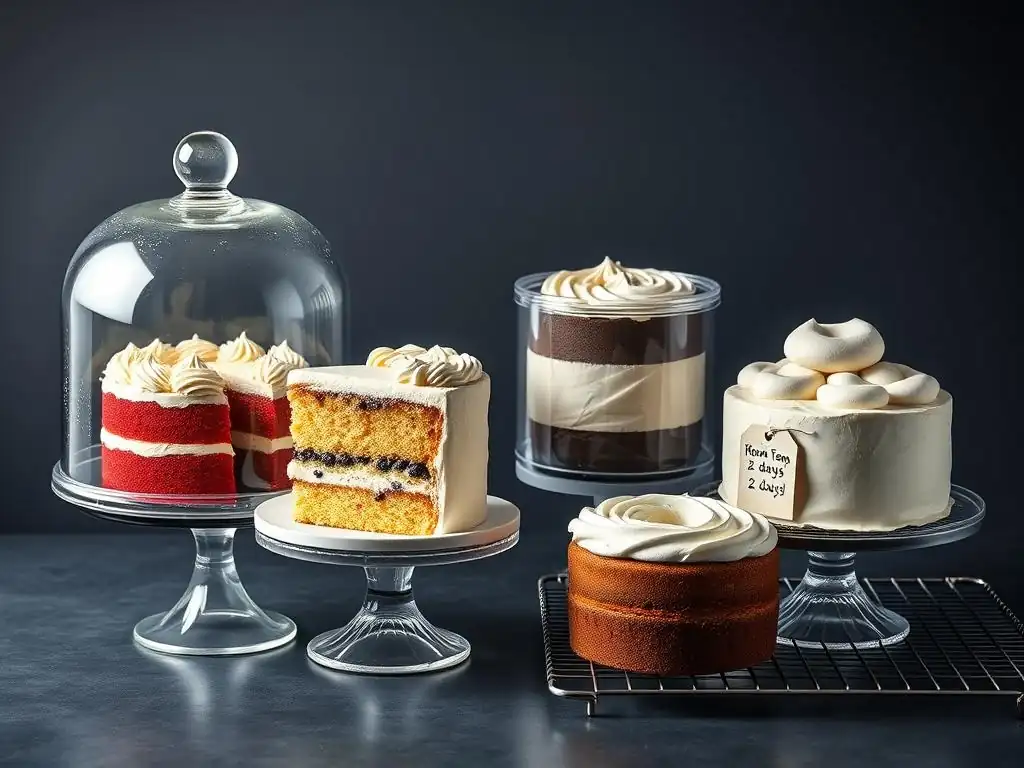
The type of frosting used significantly influences the best decorated cake storage tips. Each frosting has unique properties that react differently to temperature and humidity. Tailoring your storage method to the specific frosting is crucial for preserving both the look and taste of your cake.
Understanding the characteristics of buttercream, fondant, royal icing, ganache, and whipped cream will guide your decisions on whether to store at room temperature, refrigerate, or freeze, and how to best protect the cake during storage.
Storing Cakes with Fondant Frosting
Fondant-covered cakes are generally quite stable and can often be stored at cool room temperature for 1-2 days, provided the filling and cake layers are also shelf-stable. Fondant acts as a barrier, helping to keep the cake underneath moist. However, fondant's main challenge is humidity, which can cause it to become sticky, soft, and "sweat."
Avoid refrigerating fondant cakes unless absolutely necessary, as the transition from cold to warm environments almost guarantees condensation. If refrigeration is unavoidable (e.g., due to a perishable filling), follow the slow thawing method described earlier meticulously to minimize condensation on the fondant surface. Store fondant cakes in a cool, dry place away from direct sunlight.
Preventing Fondant from Sweating
Preventing fondant from sweating is primarily about managing temperature transitions and humidity. If you must refrigerate a fondant cake, ensure it is in an airtight container. When removing it, place the unopened container at room temperature and let it come to temperature slowly over several hours before opening. This allows condensation to form on the outside of the container instead of on the fondant.
Avoid storing fondant cakes in humid environments like basements or near sources of steam (like kitchens during cooking). If the fondant does sweat slightly, sometimes gentle blotting with a paper towel (be very careful not to rub or lift the fondant) can help, or simply allowing it to air dry in a cool, dry place. Managing humidity is a key decorated cake storage tip for fondant.
Storing Cakes with Royal Icing
Royal icing decorations, such as intricate piping, flowers, or lettering, dry hard and are quite fragile. Cakes decorated solely with royal icing (like some fruitcakes) can often be stored at cool room temperature for extended periods, as both the cake and icing are very stable.
The primary concern with royal icing is preventing breakage. Store cakes with royal icing decorations in a sturdy box or container that protects the delicate elements from being bumped or crushed. Avoid stacking anything on top of the box. Royal icing is very sensitive to moisture, so protect it from humidity and condensation. Do not refrigerate royal icing decorations unless the cake underneath requires it, and if you do, follow the slow thawing process carefully. Protecting delicate details is a crucial decorated cake storage tip for royal icing.
Storing Cakes with Ganache
Ganache, a mixture of chocolate and cream, sets up firmly at cool temperatures. Cakes covered in ganache can often be stored at cool room temperature if the environment is stable and below approximately 70°F (21°C). In warmer conditions, or if storing for more than 1-2 days, refrigeration is recommended.
When refrigerating ganache-covered cakes, they will become quite firm. Store them in an airtight container. To serve, allow the cake to sit at room temperature for 30-60 minutes to allow the ganache to soften slightly, which restores its smooth, melt-in-your-mouth texture. If the ganache appears dull after refrigeration, sometimes a quick, gentle buff with a soft cloth (if the design allows) can restore some sheen, though this should be done cautiously. Proper temperature control is essential for decorated cake storage with ganache.
Troubleshooting Common Decorated Cake Storage Problems
Despite following best practices, you might occasionally encounter issues when storing decorated cakes. Knowing how to identify and address common problems like dryness, smudging, and texture changes can help salvage your cake or prevent the issue from recurring.
Many storage problems stem from improper wrapping, incorrect temperature, or inadequate protection of the decorations. Addressing these root causes is key to successful decorated cake storage.
Preventing Dry Cake
A dry cake is usually the result of moisture loss during storage, typically due to exposure to air. The best way to prevent this is by using effective airtight storage solutions. Whether storing at room temperature, in the refrigerator, or the freezer, ensure the cake is completely sealed in plastic wrap and/or an airtight container.
For cut cakes, always cover the exposed cut surfaces directly with plastic wrap before placing the cake in a container. This creates a barrier that locks moisture into the cake crumb. Using a moistening syrup on cake layers before frosting can also help maintain moisture, though this is done during baking/assembly, not storage. Proper sealing is the most effective decorated cake storage tip against dryness.
Avoiding Smudging and Melting Frosting
Smudging and melting frosting are often caused by physical contact, heat, or humidity. To avoid smudging, ensure the storage container is large enough that the cake's sides and top do not touch the container walls or lid. Handle the cake carefully when moving it into and out of storage.
Melting frosting is a temperature issue. Store cakes with heat-sensitive frostings (like buttercream, whipped cream, or ganache) in a cool environment, either at cool room temperature (if appropriate for the frosting type) or in the refrigerator. Keep cakes away from direct sunlight, warm appliances, or hot rooms. If transporting a cake, especially in warm weather, use a cooler or insulated carrier. Maintaining a stable, cool temperature is a critical decorated cake storage tip.
Dealing with Changes in Cake Texture
Changes in cake texture, such as becoming dense, crumbly, or gummy, can occur due to improper storage temperatures or moisture issues. Refrigeration can sometimes slightly alter the texture of certain cake types, making them feel denser or drier if not properly wrapped. Freezing and thawing can also impact texture, especially for very delicate sponges.
To minimize texture changes, follow the recommended storage temperatures for your specific cake type and frosting. Ensure cakes are always stored in airtight conditions to prevent moisture loss. When thawing frozen cakes, do so gradually in the refrigerator to allow the moisture to redistribute evenly within the cake structure, helping to restore its original texture. Patience during thawing is a valuable decorated cake storage tip.
Decorated Cake Storage FAQ
How Long Can Decorated Cakes Be Stored?
The storage duration for decorated cakes varies significantly based on ingredients and storage method.
- Room Temperature: Cakes with stable ingredients (buttercream, ganache, fondant on stable cake/filling) typically last 1-2 days in a cool, airtight environment.
- Refrigeration: Most decorated cakes can be stored in the refrigerator for 3-5 days when properly wrapped in an airtight container.
- Freezing: When correctly wrapped and stored in an airtight container, decorated cakes can last in the freezer for up to 2-3 months while maintaining good quality.
Always check for signs of spoilage (off odors, mold) before consuming, especially for longer storage times.
Can I Store a Decorated Cake in the Fridge Before Adding Frosting?
Yes, you can store unfrosted cake layers in the refrigerator before decorating. This is a common practice that can make layers easier to handle and crumb coat. Ensure the cooled cake layers are wrapped tightly in plastic wrap to prevent them from drying out or absorbing odors.
Wrapped, unfrosted cake layers can typically be stored in the refrigerator for 2-3 days. This allows you to bake ahead of time and focus on decorating closer to your event. This is a helpful step in the overall decorated cake storage process, even before the final decoration is applied.
Is it Better to Store a Decorated Cake Whole or Cut?
It is generally better to store a decorated cake whole whenever possible. A whole cake retains moisture more effectively than a cut cake because the exterior frosting and crumb act as a protective barrier. Once a cake is cut, the exposed surfaces immediately begin to lose moisture and can absorb odors.
If you must store a cut decorated cake, the most important decorated cake storage tip is to cover the exposed cut surfaces directly with plastic wrap before placing the cake in an airtight container. This minimizes air exposure to the vulnerable interior crumb. While storing whole is preferred, proper handling of cut cakes can still preserve freshness reasonably well.
Conclusion: Enjoying Your Perfectly Preserved Decorated Cake
Mastering decorated cake storage tips is an invaluable skill for any baker. By understanding the unique needs of different frostings and cake types, choosing the right containers, and employing proper wrapping and temperature control techniques, you can significantly extend the life of your beautiful creations. From preventing dreaded condensation on fondant to keeping buttercream moist and flavorful, the principles outlined here provide a roadmap for success.
Whether you're planning to enjoy your cake the next day or saving a special tier for an anniversary, implementing these decorated cake storage tips ensures that your masterpiece remains a delight to behold and, more importantly, a joy to eat. So go forth and bake with confidence, knowing you have the knowledge to preserve every crumb and swirl!
Frequently Asked Questions
What's the best way to store a decorated cake at room temperature?
The best way is in an airtight container or securely covered with plastic wrap. This prevents the cake from drying out and protects the delicate decorations from damage.
How long can I keep a decorated cake in the refrigerator?
Generally, decorated cakes can last in the refrigerator for 3-4 days. Ensure it's properly covered to prevent it from absorbing other flavors and drying out.
Can I freeze a decorated cake, and if so, how?
Yes, you can! Wrap the cake tightly in plastic wrap, then aluminum foil for maximum protection from freezer burn. This preserves the cake's flavor and texture.
What's the best way to thaw a frozen decorated cake?
Thaw it in the refrigerator overnight. This allows for a gradual temperature change, preventing condensation and maintaining the integrity of the decorations.
How do I prevent my buttercream frosting from sweating after refrigeration?
Let the cake sit at room temperature for a few hours before serving. This allows the frosting to gradually warm up, minimizing condensation and preventing a sticky texture.
Final Reflection: The Enduring Sweetness of a Perfectly Stored Cake
The art of cake decorating is only half the battle; preserving its beauty and flavor is the other, equally crucial, half. A stunning cake, meticulously crafted, deserves to be enjoyed at its peak, not wilted and stale. This article has explored the multifaceted world of decorated cake storage, highlighting the importance of proper techniques to maintain both aesthetic appeal and delicious taste.
The impact of a perfectly stored cake extends beyond the immediate enjoyment; it speaks to the care and attention given to the creation itself. It's a testament to the baker's dedication, a symbol of celebration preserved, and a delicious memory waiting to be made. As the old saying goes, A cake is a celebration of life, a moment of joy, and a delicious reward for all the hard work that went into making it.
This sentiment is amplified when the cake itself is kept in pristine condition, ready to be savored at its finest.
So, the next time you find yourself admiring a beautifully decorated cake, remember the simple yet powerful techniques discussed here. Consider the impact of proper storage – not just on the cake's appearance, but on the overall experience of sharing it with loved ones. Take the time to learn and apply these tips; your future cakes – and the memories they create – will thank you for it.
Unlock Your Cake's Full Potential: Freshness & Flavor, Guaranteed!
Thanks for taking the time to learn how to keep your beautifully decorated cakes fresh and flavorful! You've now got the secrets to preserving your culinary masterpieces. Ready to put your new knowledge into action?
- Master the art of cake storage: Put your newly acquired techniques to the test! Experiment with different storage methods and see which works best for your creations. This is your chance to become a true cake-preservation pro!
- Share your cake-saving wisdom: Inspire other bakers by sharing your favorite tip or success story on our BakeWithEase community forum. Let’s build a collaborative space where we can all learn and grow!
- Challenge yourself with a new recipe: Now that you know how to keep your cakes perfect, why not try decorating a more complex cake?
Ready to show off your cake-preserving skills? What's your biggest challenge when it comes to keeping cakes fresh, and what will you try next?