
Is Your Oven Calibrated? How Incorrect Temps Cause Cake Problems

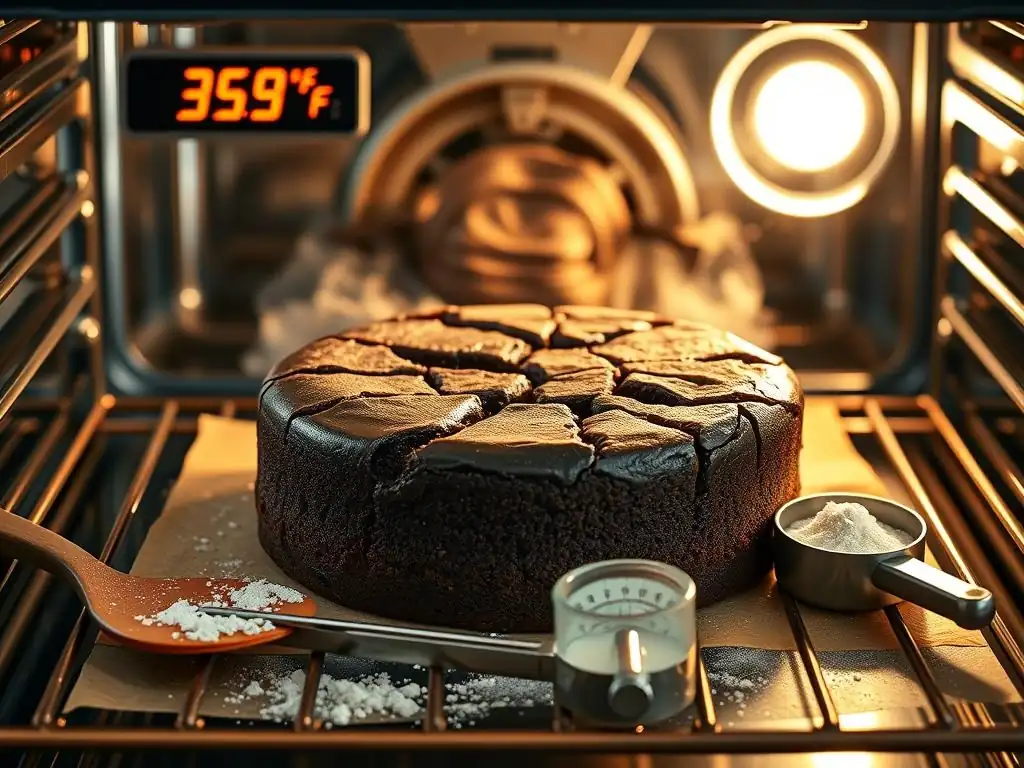
Welcome to BakeWithEase! Ever wondered why your perfectly mixed cake batter ends up a sunken, sad disaster? It might not be your fault! Dive in as we unravel a surprisingly common culprit: oven temperature calibration problems. Learn how to diagnose and fix this hidden baking saboteur, ensuring your next cake rises to delicious perfection. Let's get baking!
- Bake Like a Pro: Troubleshooting Cake Baking Issues
- The Importance of Accurate Oven Temperature for Perfect Cakes
- Common Cake Problems Caused by Inaccurate Oven Temperature
- Recognizing the Signs of an Uncalibrated Oven
- How to Calibrate Your Oven for Baking Success: A Step-by-Step Guide
- Solutions Beyond Calibration: Addressing External Factors
- Preventing Future Temperature Issues
- Delicious Cakes Start with Accurate Oven Temperatures
-
Frequently Asked Questions
- How do I know if my oven temperature is inaccurate when baking cakes?
- What are some common cake problems caused by incorrect oven temperatures?
- How do I calibrate my oven for baking cakes?
- Can the type of cake batter affect how temperature discrepancies impact the final result?
- What steps should I take if my oven doesn't have a calibration feature?
- Final Reflection: The Crucial Role of Oven Calibration in Baking Success
- Unlock Your Baking Potential: Perfect Cakes Every Time!
Bake Like a Pro: Troubleshooting Cake Baking Issues
Every home baker dreams of pulling a perfectly baked cake out of the oven – golden, evenly risen, and moist throughout. Yet, sometimes, despite following a recipe precisely, the result is less than ideal. Cakes might sink, be dry, or bake unevenly. While many factors can contribute to these disappointments, one of the most overlooked culprits is often right under your nose: your oven's temperature accuracy. Understanding oven temperature calibration problems for cake baking is crucial for consistent success.
Achieving reliable results in baking, especially with delicate items like cakes, hinges significantly on environmental control, and temperature is arguably the most critical element. An oven that doesn't heat correctly can sabotage even the best ingredients and techniques. This guide will walk you through how incorrect temperatures lead to common cake problems and how to identify and address oven temperature calibration problems for cake perfection.
Recognizing that your cake's woes stem from temperature issues is the first step toward fixing them. Common signs include cakes that brown too quickly on the outside while remaining raw inside, or cakes that rise beautifully only to collapse as they cool. These symptoms often point directly to an oven that isn't heating to the temperature you've set. For instance, an oven running 50°F (about 28°C) hotter than indicated can lead to a burnt crust and a dense, undercooked interior because the outside sets before the inside has a chance to cook through properly.
Other indicators include cakes that are consistently too dry or take significantly longer (or shorter) to bake than the recipe specifies. A cake that should take 30-35 minutes but is still gooey after 45 minutes might suggest an oven running too cool, preventing the batter from reaching the necessary internal temperature for structure and doneness. Conversely, a cake ready in 20 minutes might be experiencing excessively high heat, causing moisture to evaporate too rapidly, resulting in a dry crumb. Identifying these patterns helps pinpoint oven temperature calibration problems cake bakers frequently encounter.
The Importance of Accurate Oven Temperature for Perfect Cakes
Precision is paramount in baking, and temperature is the cornerstone of that precision, particularly when baking cakes. The chemical reactions that cause cakes to rise, set, and brown occur within specific temperature ranges. Yeast activity, gluten development, protein coagulation, and sugar caramelization all depend on the heat level and distribution within the oven cavity. When the temperature is off, these processes are disrupted, leading to structural failures and undesirable textures.
Think of baking a cake like following a scientific experiment; minor deviations can lead to vastly different outcomes. A recipe calls for a specific temperature not just for the final cooking but for the entire process – from the initial heat shock that helps leavening agents activate to the gradual setting of the crumb. An inaccurate oven temperature means you're running a different experiment than the recipe intended, making consistent, perfect cakes challenging to achieve. This highlights why addressing oven temperature calibration problems for cake baking is so important.
Why Oven Calibration Matters for Baking Success
Oven calibration ensures that the temperature inside your oven accurately reflects the temperature you've set on the dial or digital display. Over time, oven thermostats can drift, leading to discrepancies that might seem small but have a significant impact on sensitive baked goods like cakes. A difference of just 15-25°F (about 8-14°C) can be enough to turn a light, airy cake into a dense, heavy one, or cause it to burn before it's cooked through.
For bakers striving for consistency, especially when trying new recipes or perfecting favorites, knowing that your oven is heating accurately removes a major variable. It allows you to trust the baking times provided in recipes and troubleshoot other potential issues like ingredient measurement or mixing techniques with greater confidence. Addressing oven temperature calibration problems cake results depend on is a fundamental step in improving your baking skills.
The Impact of Incorrect Oven Temperature on Cake Texture
The texture of a cake is highly dependent on how heat is applied and distributed during baking. If the oven is too hot, the outside of the cake sets too quickly, forming a thick crust before the interior has fully risen or cooked. This can trap moisture unevenly and result in a cake that is dry near the edges but potentially gummy or underbaked in the center. The rapid heat can also cause leavening agents to overactivate initially, leading to a quick rise followed by a collapse as the structure isn't strong enough to hold.
Conversely, an oven that is too cool can lead to a cake that takes too long to bake, allowing excessive moisture to evaporate, resulting in a dry crumb. The slow, low heat might also fail to activate leavening agents properly or set the protein structure effectively, leading to a dense, squat cake. Furthermore, incorrect temperatures can affect sugar caramelization and protein browning, impacting both the color and flavor of the crust. Recognizing these impacts helps diagnose oven temperature calibration problems cake bakers face.
Common Cake Problems Caused by Inaccurate Oven Temperature
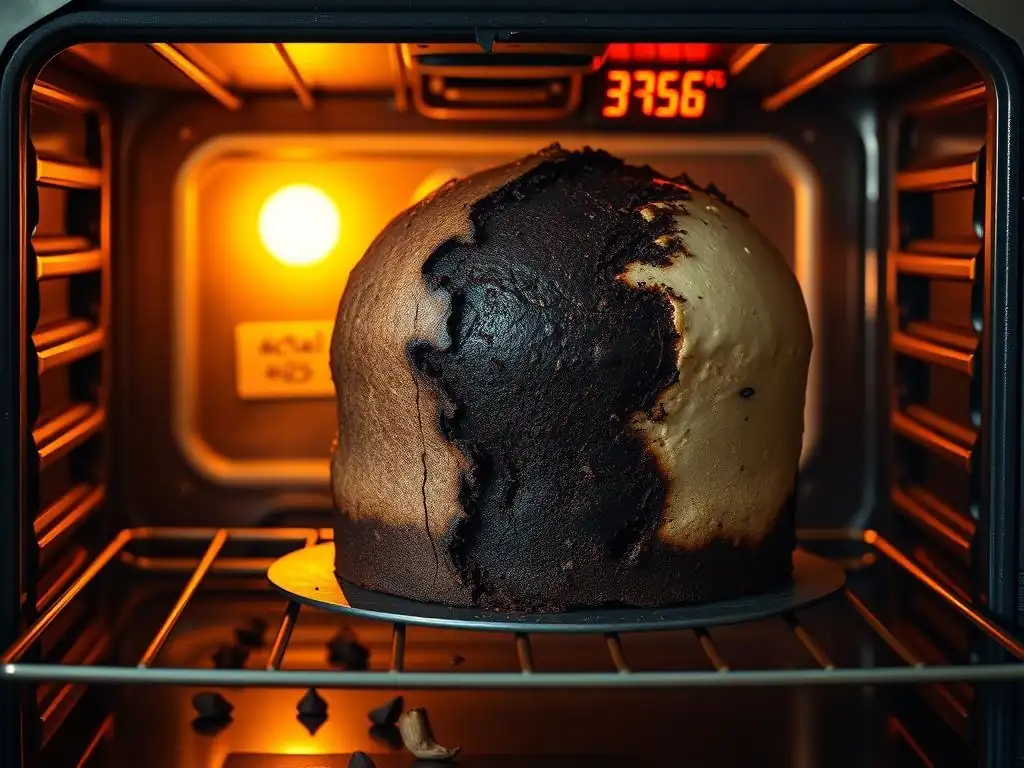
Incorrect oven temperatures are behind many common cake baking frustrations. From cakes that overflow their pans to those that stubbornly refuse to cook in the middle, temperature issues play a significant role. Understanding the specific ways temperature impacts the baking process helps in diagnosing and solving these problems, improving your overall success in the kitchen and tackling oven temperature calibration problems cake recipes are sensitive to.
Pinpointing the temperature-related cause allows for targeted adjustments, whether it's calibrating the oven, adjusting rack position, or simply being aware that your oven runs hot or cool. This knowledge empowers you to adapt recipes or baking techniques to your specific oven's quirks, leading to more reliable and delicious results every time you bake a cake.
Sunken Cakes: The Overheating Connection
One of the most disheartening sights for a baker is a cake that sinks in the middle after being removed from the oven. While opening the oven door too early is a common culprit, overheating is another major factor. When an oven runs significantly hotter than the set temperature, the outside of the cake bakes and sets rapidly. However, the intense heat can cause the interior to rise too quickly before its structure is stable.
As the cake cools, the unstable, undercooked interior collapses, pulling the center down. This is often seen when the oven is 25-50°F (approx. 14-28°C) too hot. The outside looks done, perhaps even slightly burnt, but a toothpick inserted into the center comes out with wet batter. This specific outcome is a strong indicator of oven temperature calibration problems cake batters are vulnerable to when exposed to excessive heat.
Dry Cakes: Underbaking and Low Oven Temperature
A dry cake is disappointing and often a sign that the cake either baked for too long or at too low a temperature. While overbaking is a possibility, an oven running too cool can also lead to dryness. When the temperature is lower than required, the cake takes much longer to reach the necessary internal temperature for doneness. During this extended baking time, moisture continues to evaporate from the cake batter.
By the time the center is finally cooked through, the rest of the cake has been exposed to heat for an excessive period, leading to a significant loss of moisture and a dry, crumbly texture. If your cakes consistently take much longer than the recipe states and turn out dry, it's a good sign your oven might be running cool, pointing to potential oven temperature calibration problems cake quality suffers from.
Uneven Baking: Temperature Hotspots and Cold Spots
Even if your oven's average temperature is correct, uneven heat distribution can cause parts of your cake to bake faster than others. Ovens often have hotspots (areas that are hotter than the average) and cold spots (areas that are cooler). This leads to cakes that are burnt on one side or in a specific corner, while other sections remain undercooked or less browned.
These temperature variations can be caused by heating elements, fans (in convection ovens), or even poor insulation. While rotating your cake pan halfway through baking can help mitigate this, significant hotspots indicate a potential issue with the oven's internal temperature regulation and distribution, contributing to oven temperature calibration problems cake bakers need to manage for uniform results.
Crust Problems: Temperature Extremes and Their Effects
The temperature your oven reaches significantly impacts the cake's crust. Too high a temperature, as mentioned, leads to a thick, hard, and potentially burnt crust because the Maillard reaction and caramelization happen too quickly on the surface. The sugars and proteins brown rapidly, creating a tough exterior before the interior is ready.
Conversely, an oven that is too cool might result in a pale, soft, or even soggy crust. Without sufficient heat, the surface doesn't dry out and brown properly. The sugars don't caramelize fully, and the proteins don't set into a firm crust. This lack of proper crust formation can also contribute to structural weakness and potentially a sunken center. Both extremes in temperature negatively affect the appearance, texture, and flavor of the cake's exterior, highlighting how oven temperature calibration problems cake aesthetics and structure depend on accurate heat.
Recognizing the Signs of an Uncalibrated Oven
Identifying an uncalibrated oven doesn't always require specialized equipment initially; often, the symptoms in your baking are the first clue. Pay attention to consistent issues with your cakes that aren't resolved by adjusting ingredients or mixing techniques. These persistent problems strongly suggest that your oven's internal temperature is not matching the setting you select, indicating potential oven temperature calibration problems cake quality reveals.
Observing how different types of baked goods perform can also provide clues. If cookies bake perfectly but cakes consistently fail, it might relate to how the oven holds temperature over a longer baking time or how heat is distributed. Learning to read these signs empowers you to investigate further and confirm if calibration is needed.
Visual Clues: Burnt Edges, Raw Centers
One of the most obvious visual signs of an oven running too hot is a cake with dark, possibly burnt edges or bottom, while the center is still wet and undercooked. The rapid, intense heat cooks the exterior much faster than the interior can catch up. This contrast is a tell-tale sign that the oven temperature is likely significantly higher than indicated.
Conversely, if your cakes consistently have pale tops and sides and take an unusually long time to set in the middle, even after the edges seem done, your oven might be running cool. The lack of sufficient heat prevents proper browning and setting within the expected timeframe. These visual cues are often the first indicators of oven temperature calibration problems cake bakers notice.
The Smell Test: Over-Browning and Burning
Sometimes, your nose knows before you even see the problem. If you start smelling a strong aroma of burnt sugar or browning much earlier than expected during the cake's baking time, it's a strong hint that the oven temperature is too high. This premature browning smell indicates that the outer layers of the cake are cooking too quickly and potentially burning.
A lack of any pleasant baking aroma until very late in the process might suggest the opposite – an oven that isn't getting hot enough. The chemical reactions responsible for those wonderful baking smells, like caramelization and the Maillard reaction, require specific temperatures to occur effectively. A delayed or absent aroma can be a subtle sign of oven temperature calibration problems cake results rely on accurate heat for.
The Thermometer Test: Confirming Temperature Discrepancies
The most reliable way to confirm if your oven is calibrated correctly is to use a separate, accurate oven thermometer. Do not rely on the oven's built-in display, as this is precisely what you are testing. Place an oven thermometer in the center of the middle rack and preheat the oven to a standard baking temperature, like 350°F (175°C). Let the oven preheat for at least 20-30 minutes after the preheat cycle finishes to allow the temperature to stabilize.
Check the thermometer reading without opening the door. Most ovens cycle on and off to maintain temperature, so the reading might fluctuate. Observe the range over a few minutes. If the thermometer consistently reads more than 25°F (about 14°C) above or below the set temperature, your oven is likely out of calibration. This simple test provides concrete data on oven temperature calibration problems cake performance is affected by.
How to Calibrate Your Oven for Baking Success: A Step-by-Step Guide
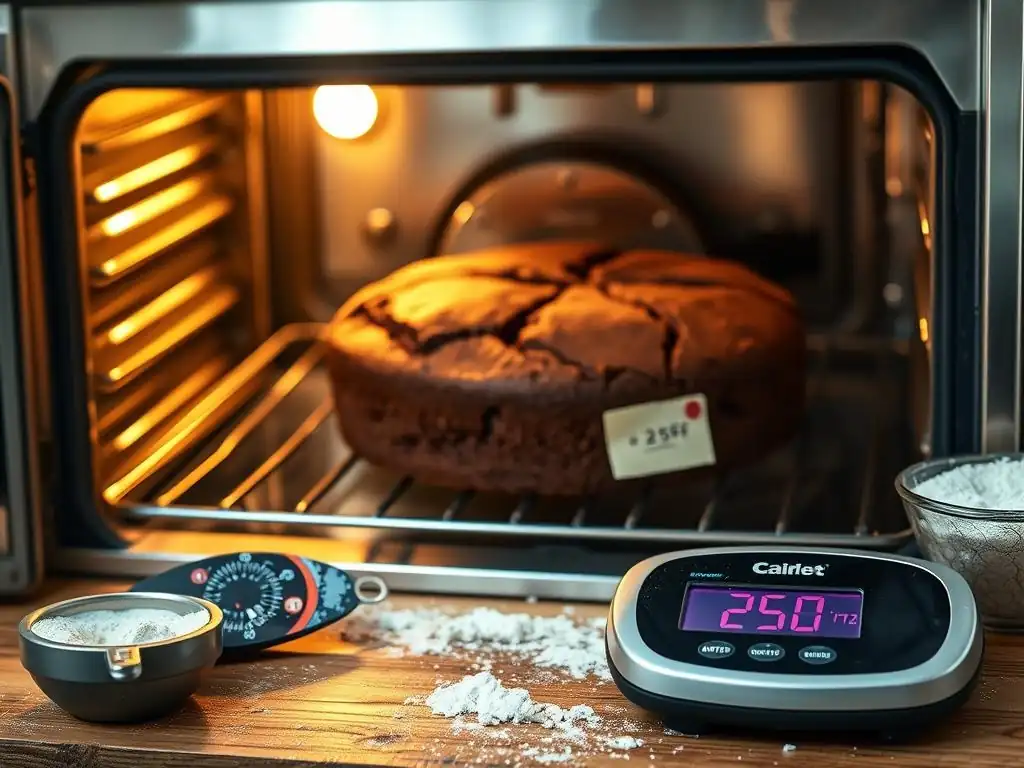
Once you've confirmed that your oven's temperature is inaccurate using a separate thermometer, you can often recalibrate it yourself. The process varies slightly depending on whether you have a mechanical or digital oven, but the principle is the same: adjusting the thermostat setting to match the actual temperature reading. This step is essential for addressing oven temperature calibration problems cake recipes depend on accurate settings for.
Before you begin, consult your oven's manual. It will provide specific instructions for your model, as the adjustment method can differ. Some digital ovens have a calibration setting in their menu, while older mechanical ovens might require adjusting a screw behind the temperature knob. Always ensure the oven is cool and unplugged before attempting any physical adjustments.
Gathering Your Tools: Oven Thermometer and Screwdriver (If Needed)
To calibrate your oven, you will definitely need a reliable, standalone oven thermometer. These are relatively inexpensive and readily available at kitchen supply stores. Avoid the small dial-type thermometers if possible; digital oven thermometers that can record minimum and maximum temperatures offer greater accuracy and make monitoring fluctuations easier.
If you have a mechanical oven, you might need a screwdriver (usually Phillips or flathead, depending on the knob) to access the adjustment screw behind the temperature dial. For digital ovens, you typically won't need any tools, just access to the control panel menu as described in your manual. Having the right tools on hand makes the calibration process smoother and helps effectively tackle oven temperature calibration problems cake baking success depends on.
Setting Up the Oven Thermometer
Place your oven thermometer in the center of the middle rack. This position usually provides the most representative temperature reading of the main baking area. Avoid placing it too close to the walls, door, or heating elements, as these areas can have temperature variations that don't reflect the overall cavity temperature.
Ensure the thermometer is placed so you can easily read it without opening the oven door excessively. Some digital thermometers have probes that can be placed inside while the display stays outside, which is ideal for continuous monitoring without heat loss. Proper thermometer placement is key to getting an accurate reading of the oven temperature calibration problems cake results are reacting to.
Monitoring the Oven Temperature: Adjusting as Needed
Preheat your oven to a common baking temperature, like 350°F (175°C), and let it stabilize for at least 20-30 minutes after the preheat indicator goes off. Note the temperature reading on your external oven thermometer. If it consistently differs from the set temperature, you'll need to make an adjustment.
Consult your manual for the specific steps to adjust the calibration. For digital ovens, this is usually done through a menu setting where you can add or subtract degrees from the displayed temperature. For mechanical ovens, you might loosen a screw on the back of the knob and rotate it slightly to align with the actual temperature shown on your thermometer.
Make small adjustments (e.g., 10-15°F or 5-8°C increments), then re-test the temperature by preheating and monitoring again. Repeat until the thermometer reading closely matches the set temperature. This iterative process directly addresses oven temperature calibration problems cake bakers face.
Understanding Oven Cycling and Temperature Fluctuations
It's important to understand that oven temperatures naturally fluctuate as the heating elements cycle on and off to maintain the set temperature. This cycling can cause the temperature to swing within a range, typically ±15-25°F (approx. ±8-14°C) around the set point. What you're looking for during calibration is whether the average temperature, or the temperature it stabilizes around, matches your setting.
A good oven thermometer will show these fluctuations. Don't be alarmed by a temporary dip or spike. The goal is to ensure that the mid-point of these fluctuations is the desired temperature. Recognizing this natural cycling is part of understanding oven temperature calibration problems cake baking involves; you're aiming for the correct average, not a perfectly static temperature.
Solutions Beyond Calibration: Addressing External Factors
While calibrating your oven is a crucial step in solving temperature-related cake problems, sometimes external factors also contribute to uneven heating or inaccurate results. These can range from the oven's environment to the tools you use inside it. Considering these elements in conjunction with calibration provides a more holistic approach to achieving perfect cakes.
Addressing these external factors ensures that even a perfectly calibrated oven performs optimally. It's about creating the best possible environment within the oven cavity for your cake to bake evenly and correctly. This broader perspective helps tackle oven temperature calibration problems cake success ultimately relies on consistent heat for.
Oven Placement and Air Circulation
Where your oven is located and the air circulation around it can impact its performance. Ensure the oven vents are not blocked, as proper airflow is necessary for the oven to regulate its temperature effectively. Placing an oven too close to a wall or in a tight, enclosed space might affect its ability to dissipate heat or draw in cool air as needed.
Within the oven itself, proper air circulation around your cake pan is vital for even baking. Avoid placing pans too close to the walls or to each other, especially if using multiple racks. Crowding the oven can obstruct airflow and create cold spots or areas where heat cannot circulate properly, exacerbating oven temperature calibration problems cake results might already be showing. Use the middle rack whenever possible, as this position generally provides the most even heat distribution.
Baking Stone or Pizza Stone for Even Heat Distribution
For ovens with significant temperature fluctuations or uneven heating, a baking stone or pizza stone placed on a rack below your cake can help. The stone absorbs and radiates heat, acting as a thermal mass that stabilizes the temperature within the oven cavity. This can help minimize swings and reduce hotspots, leading to more consistent baking.
Place the stone on the rack below where you will bake your cake and allow it to preheat with the oven for at least 30-60 minutes. This gives the stone ample time to heat up. The stone helps create a more stable temperature environment, mitigating some oven temperature calibration problems cake batters are sensitive to.
Adjusting Baking Times Based on Oven Performance
Even after calibration, it's wise to get to know your specific oven's personality. Use your oven thermometer regularly to confirm its accuracy. If you consistently find that cakes take a little longer or shorter than the recipe suggests, make a note of it. Don't be afraid to adjust baking times based on your oven's actual performance rather than strictly adhering to recipe times if your test for doneness (like the toothpick test) indicates otherwise.
Recipes provide guidelines, but factors like pan material, batter temperature, and even humidity can affect baking time. Your calibrated oven provides a reliable baseline, but empirical observation is still valuable. Learning to make these small adjustments based on experience with your oven helps overcome residual oven temperature calibration problems cake baking involves variations in.
Preventing Future Temperature Issues
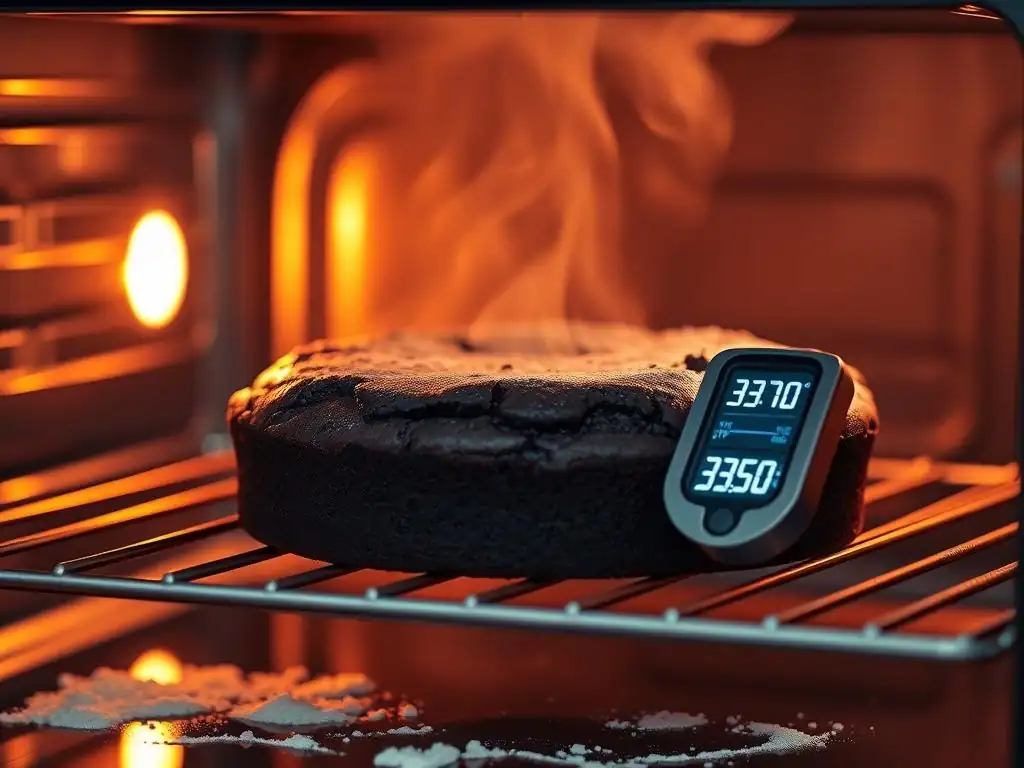
Maintaining your oven's calibration and performance requires a bit of ongoing attention. Just like any appliance, ovens can drift over time. Regular checks and maintenance can help prevent future oven temperature calibration problems cake bakers dread. Proactive steps ensure your oven remains a reliable partner in your baking adventures.
Making these practices a part of your routine minimizes surprises and helps you consistently achieve great baking results. It's easier to prevent problems than to troubleshoot them after a cake has failed.
Regular Oven Temperature Checks
Make it a habit to check your oven's temperature with a reliable thermometer periodically, perhaps every few months or whenever you notice a change in baking performance. This quick check confirms that your calibration is holding true or alerts you if the thermostat has started to drift again. It's a simple step that takes only a few minutes but can save you from future oven temperature calibration problems cake results depend on accurate heat for.
If you notice a significant discrepancy during these checks, recalibrate your oven following the steps outlined earlier. Consistent monitoring is key to maintaining accuracy.
Professional Oven Servicing (Every 1-2 Years)
While home calibration can correct minor discrepancies, significant or persistent temperature issues might indicate a problem with a component like the heating element or thermostat itself. Consider having your oven professionally serviced every 1-2 years, especially if it's an older model or you use it frequently for baking.
A technician can diagnose and fix underlying mechanical or electrical issues that affect temperature regulation. This can be a worthwhile investment to ensure your oven performs optimally and avoids significant oven temperature calibration problems cake consistency requires.
Investing in a Reliable Oven Thermometer
A good quality oven thermometer is an indispensable tool for any serious baker. It's the most direct way to know what temperature your oven is actually at, not just what it says it is. Look for a thermometer that is easy to read and, ideally, one that can track temperature ranges or averages.
Think of it as a small investment that pays off in consistently better baking results. Relying on your oven's internal thermostat alone is risky, as even new ovens can have slight inaccuracies. A reliable external thermometer is your best defense against oven temperature calibration problems cake disasters often stem from.
Delicious Cakes Start with Accurate Oven Temperatures
Achieving consistently delicious cakes is a journey that involves mastering ingredients, techniques, and understanding the tools you use. Your oven is perhaps the most critical tool, and its temperature accuracy plays a starring role in every bake. By understanding how incorrect temperatures cause common cake problems and taking steps to ensure your oven is calibrated, you remove a major variable standing between you and baking success.
Don't let oven temperature calibration problems cake hopes are built on derail your efforts. Invest in a thermometer, perform regular checks, and learn your oven's unique characteristics. With a properly functioning oven, you'll find that recipes work as intended, troubleshooting becomes easier, and the joy of pulling a perfectly baked cake from the oven becomes a regular experience. Happy baking!
Bake Like a Pro: Your Partner in Perfect Baking
At BakeWithEase.com, we're dedicated to helping you master the art of baking, one delicious treat at a time. From understanding the science behind baking to troubleshooting common issues like oven temperature calibration problems cake bakers encounter, we provide the tips, techniques, and recipes you need to succeed. Our goal is to make baking accessible, enjoyable, and consistently rewarding for everyone, regardless of their experience level.
We believe that with the right knowledge and tools, anyone can bake like a pro. By addressing critical factors like accurate oven temperature, you're already on your way to elevating your baking game. Explore our site for more guides, recipes, and tips designed to help you navigate the wonderful world of baking with ease and confidence.
Frequently Asked Questions
How do I know if my oven temperature is inaccurate when baking cakes?
An inaccurate oven can lead to uneven baking, burnt edges, or a cake that is undercooked in the center. These are tell-tale signs your oven might need calibration.
What are some common cake problems caused by incorrect oven temperatures?
Incorrect temps can cause a cake to sink in the middle, become too dry, or even fail to rise properly. These issues are often linked to oven temperature inaccuracies.
How do I calibrate my oven for baking cakes?
You can use an oven thermometer to check the actual temperature against the set temperature. Adjust the oven's calibration settings, if available, or consult an appliance repair technician if needed.
Can the type of cake batter affect how temperature discrepancies impact the final result?
Yes, delicate cake batters like chiffon or angel food are particularly sensitive to temperature fluctuations. Sturdier recipes might be more forgiving, but accuracy is always preferred.
What steps should I take if my oven doesn't have a calibration feature?
Consider using an oven thermometer for continuous monitoring. Adjust baking times and temperatures based on your thermometer readings, or consult an appliance repair service for professional assistance.
Final Reflection: The Crucial Role of Oven Calibration in Baking Success
In the world of baking, the precision of oven temperature can make or break your culinary creations. With the rise of home baking, especially during challenging times, understanding how to calibrate your oven has never been more relevant. The difference between a perfectly risen cake and a flat disappointment often lies in the accuracy of your oven's temperature settings. As we embrace the joy of baking, we must also acknowledge the importance of mastering the fundamentals to ensure our sweet treats turn out as intended.
Calibrating your oven is not just a technical task; it is a vital part of the baking journey that connects us to the art and science of cooking. The impact of incorrect temperatures extends beyond the kitchen; it influences our confidence, creativity, and even our relationships with those we share our baked goods with. As the renowned pastry chef Pierre Hermé once said, Baking is both an art and a science, and precision is the key to success.
This quote resonates deeply as it underscores the ongoing influence of precision in our culinary endeavors, reminding us that even the smallest miscalculation can lead to unexpected outcomes.
As you reflect on your baking practices, consider taking the time to ensure your oven is calibrated correctly. Embrace the challenge of perfecting your baking skills, and remember that each cake you create is an opportunity to learn and grow. By prioritizing oven calibration, you not only enhance your baking results but also cultivate a deeper appreciation for the craft. So, the next time you step into the kitchen, let the knowledge of oven temperature calibration guide you toward baking success and inspire you to share your delicious creations with the world.
Unlock Your Baking Potential: Perfect Cakes Every Time!
Thanks for taking the time to learn about oven calibration and its impact on your baking! We hope you gained valuable insights into achieving consistently delicious cakes. Now, it's time to put that knowledge into action:
- Calibrate your oven today! Follow our simple guide (linked in the article) to ensure accurate temperatures for perfect results. This is the key step to transforming your baking.
- Share your calibration experience! Tell us about your results—did you discover a significant temperature difference? Let's build a community of bakers dedicated to precision.
- Explore our recipe collection for more delicious cake inspiration, now that you have a perfectly calibrated oven!
Ready to bake your most flawless cake yet? What's the first recipe you'll tackle with your perfectly calibrated oven?