
Savvy Tips to Stop Cookie Dough from Sticking to Parchment Paper

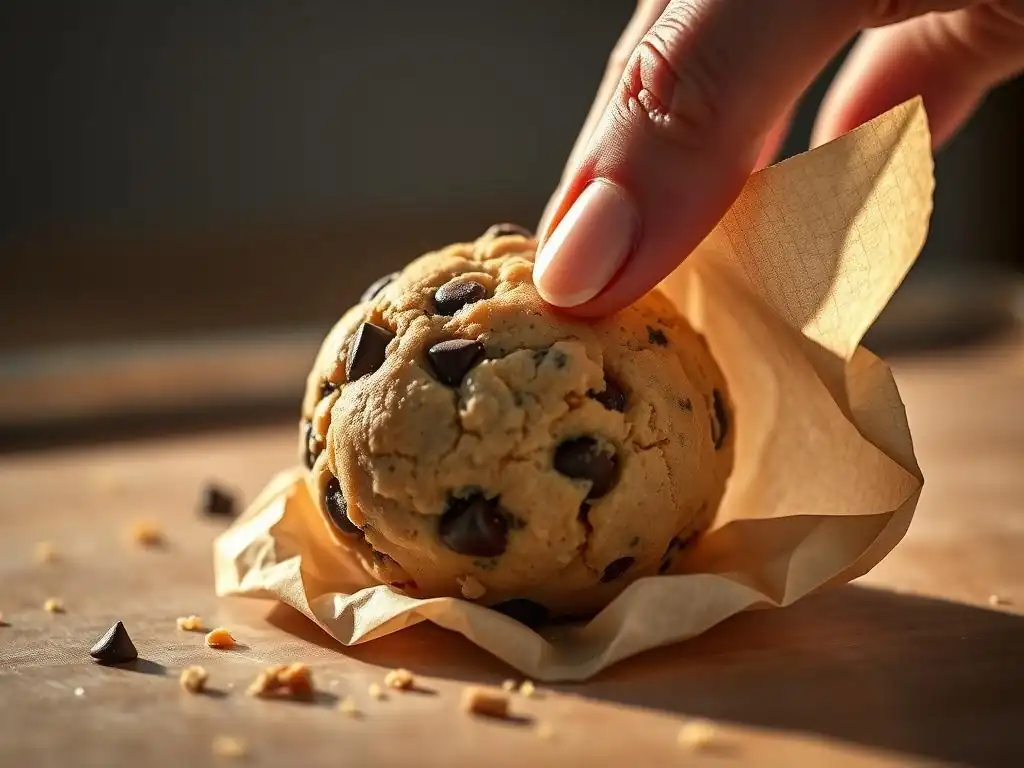
Welcome to BakeWithEase, your trusted guide to baking bliss! Ever wrestled with frustratingly sticky cookie dough clinging to your parchment paper? You're not alone! Discover savvy tips to stop cookie dough from sticking to parchment paper in our latest article, and unlock a world of perfectly baked cookies, every single time. Prepare to say goodbye to frustrating messes and hello to effortless baking… Let's get started!
- Understanding Why Cookie Dough Sticks to Parchment Paper: A Baker's Perspective
- Prepping Your Parchment Paper for Cookie Baking Success
- Essential Techniques to Prevent Cookie Dough from Sticking
- Alternative Solutions When Parchment Paper Fails
- Troubleshooting Sticky Cookie Dough: Advanced Tips
- The Ultimate Guide to Non-Stick Cookie Baking: Key Takeaways
- Frequently Asked Questions
- Final Reflection: The Sweet Science of Non-Stick Cookie Dough
- Unleash Your Inner Baking Pro: Perfectly Baked Cookies Await!
Sticky cookie dough clinging stubbornly to your parchment paper is a common frustration in the baking world. It can ruin the shape of your carefully crafted cookies and leave you scraping instead of enjoying the aroma of freshly baked treats. Understanding the underlying reasons for this adhesion is the first step towards preventing it and ensuring your cookie dough parchment paper stick woes are a thing of the past. It's a battle between the properties of your dough and the surface it's resting on.
At its core, the sticking issue often boils down to the interaction between moisture, sugar, and fat in the cookie dough and the surface of the parchment paper. As cookies bake, the fats melt, and sugars caramelize. If the surface isn't sufficiently non-stick or the dough is too warm or wet, these sticky components can bond with the paper fibers. This is particularly true for doughs with high sugar content or those that spread significantly during baking.
The primary culprits behind cookie dough sticking to parchment are moisture and sugar. Cookie dough contains water from ingredients like butter, eggs, and vanilla extract, as well as dissolved sugar. When heated, this water turns to steam, and the sugar melts and caramelizes. Parchment paper is designed to be non-stick because it's treated with a silicone coating. However, if this coating is compromised or the dough is excessively wet or sticky, the melted sugar and moisture can seep into the paper's pores, creating a bond as the cookie cools and the sugar solidifies.
Think of it like sticky candy cooling on a surface; if the surface isn't non-stick, it will adhere. The science involves capillary action, where liquid (melted fat and sugar) is drawn into tiny gaps, and adhesion, the tendency for dissimilar particles or surfaces to cling to one another. A well-made parchment paper minimizes these gaps and offers a low-adhesion surface, but dough characteristics play a huge role in whether this barrier is sufficient to prevent cookie dough parchment paper stick.
Several factors can exacerbate the problem of cookie dough sticking to parchment. Dough temperature is critical; warm dough is softer, spreads more quickly, and is more likely to fuse with the paper. Similarly, the dough's composition matters – recipes with higher ratios of sugar or liquid ingredients tend to be stickier than drier, lower-sugar doughs. For instance, a chewy chocolate chip cookie dough with lots of brown sugar might be more prone to sticking than a shortbread dough.
Another factor is the quality of the parchment paper itself. Not all parchment papers are created equal; some have a more effective non-stick coating than others. Using parchment paper designed for baking, typically rated for oven temperatures up to 400-450°F (200-230°C), is essential. Reusing parchment paper or using paper that isn't specifically parchment (like wax paper in the oven) can also lead to significant sticking because the non-stick properties are diminished or absent under baking heat.
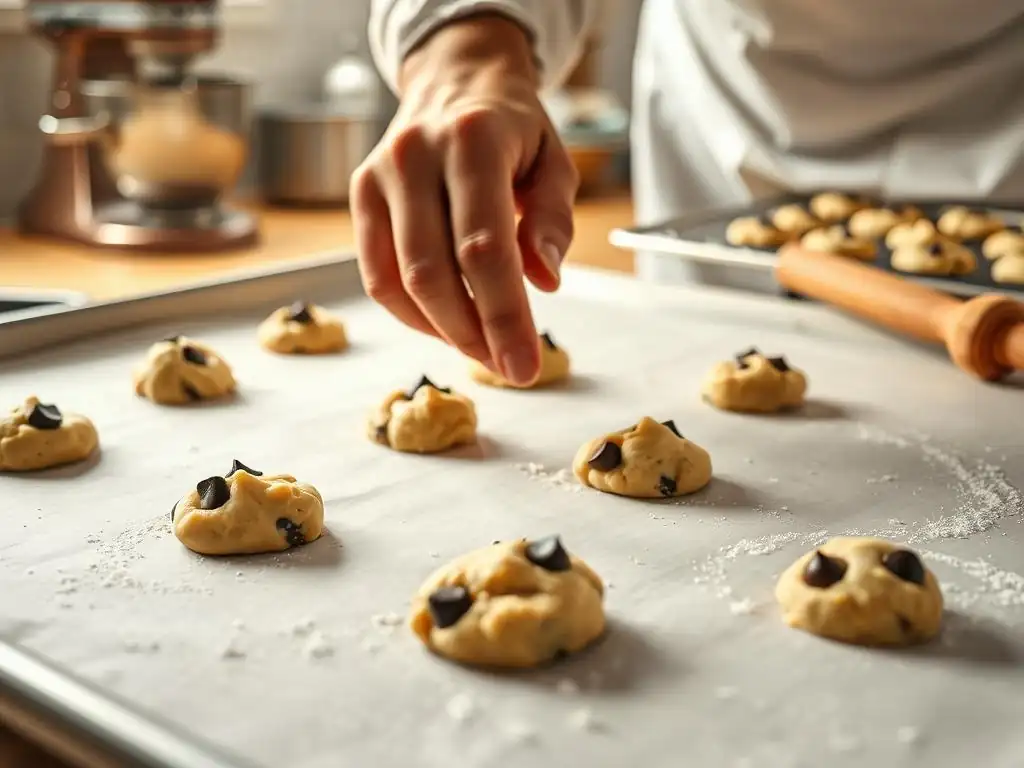
Proper preparation before your cookie dough even touches the paper can drastically reduce the chances of frustrating sticking incidents. It's not just about having parchment; it's about how you use it. Taking a few extra moments to prepare your baking sheet and the parchment itself can save you a lot of hassle later when it's time to remove those golden-brown cookies.
Ensuring the parchment lays flat and covers the baking surface adequately is key. A crumpled piece of parchment can create uneven surfaces where dough might pool and stick. Making sure the paper is secure prevents it from shifting during the baking process, which could also distort cookies or lead to uneven heat distribution, contributing to sticking in certain spots.
Selecting the correct parchment paper is foundational to preventing cookie dough from sticking. Look for parchment paper specifically labeled for baking, which indicates it's treated with a food-grade silicone coating. Standard home baking parchment is typically sufficient for most cookie recipes and is rated for oven temperatures well above typical cookie baking temperatures (often 350-375°F or 175-190°C). Avoid using wax paper, butcher paper, or freezer paper in the oven, as these lack the necessary non-stick coating and can smoke or even catch fire at high temperatures, besides guaranteeing sticky cookies.
While bleached and unbleached parchment papers are available, their sticking properties are generally similar, as the non-stick coating is the critical factor, not the bleaching process. Some heavy-duty parchment papers offer a slightly more robust non-stick surface and can be more resistant to tears or punctures. For particularly sticky doughs or high-temperature baking, investing in a higher-quality, heavier-weight parchment might offer an extra layer of protection against cookie dough parchment paper stick issues.
Properly Securing Parchment Paper to Your Baking Sheet
Even the best parchment paper can cause problems if it's not secured properly. A common issue is the paper curling up at the edges, especially if it's cut from a roll. This curling can make it difficult to place dough evenly and can lead to cookies baking unevenly or running off the edge if the sheet isn't level. To secure the parchment, you can place small dabs of cookie dough or butter in the corners of the baking sheet before laying the parchment down. This acts as an adhesive to hold the paper flat.
Alternatively, some bakers use small magnetic clips on the edges of the baking sheet, provided the sheet is metal and the clips are oven-safe (check manufacturer instructions carefully). For standard home baking sheets, simply folding the edges slightly under the sheet can sometimes help keep it flat. Ensuring the parchment covers the entire surface where cookies will be placed prevents any dough from touching the bare metal sheet, which is far more prone to sticking than parchment.
Beyond choosing and securing your parchment, several practical techniques can significantly reduce the likelihood of cookie dough sticking. These methods focus on altering the interaction between the dough and the paper, making it harder for that stubborn adhesion to occur. Implementing even one or two of these tips can make a noticeable difference in your baking results, ensuring your cookies release cleanly every time.
These techniques often involve managing the temperature and surface properties of both the dough and the parchment. They are simple steps that require minimal effort but yield maximum results in achieving beautifully shaped, non-stick cookies. Let's explore some of the most effective strategies bakers use to prevent cookie dough parchment paper stick.
Tip 1: Grease the Parchment Paper Lightly
While parchment paper is non-stick, adding a very light layer of fat can create an extra barrier, especially for notoriously sticky doughs. A quick, even mist of baking spray or a light wipe with a paper towel dipped in melted butter or oil across the parchment surface provides an additional layer of lubrication. This reduces the surface tension and minimizes points where the dough can adhere as it spreads and bakes.
Best Oils & Fats for Greasing Parchment
When choosing a fat for greasing parchment, consider options with a high smoke point to avoid burning or imparting off-flavors. Vegetable oil, canola oil, or a non-stick baking spray are excellent choices. Melted butter can also be used but contains milk solids that can brown more quickly.
Apply just a thin, almost invisible layer – too much grease can cause cookies to spread excessively. A quick pass with a spray can or a single swipe with an oil-moistened paper towel across the entire sheet of parchment is usually sufficient to enhance its non-stick properties and combat cookie dough parchment paper stick.
Chilling cookie dough is a widely recommended step for many recipes, and preventing sticking is one of its key benefits. Cold dough is firmer and less prone to spreading rapidly when it hits the hot baking sheet. This slower spread gives the parchment's non-stick coating more time to work effectively before the dough reaches its maximum temperature and potential stickiness.
Why Chilling Helps Prevent Sticking
Chilling solidifies the fats in the dough (like butter), making the dough structure more stable. When cold dough is placed on a hot baking sheet, the edges set slightly before the fat fully melts, limiting excessive spread.
This controlled spread means less surface area of extremely hot, sticky dough is in contact with the parchment for prolonged periods. A typical chill time of at least 30 minutes in the refrigerator is often enough, but chilling for several hours or even a couple of days can further improve texture and prevent cookie dough parchment paper stick issues, resulting in beautifully formed cookies that lift off effortlessly.
Using a cookie scoop or dispenser is a simple yet effective way to handle dough without overly warming it with your hands. Many scoops have a mechanism that helps release the dough cleanly, depositing a perfectly portioned mound onto the parchment paper with minimal contact. This technique is particularly useful for soft or sticky doughs that are difficult to roll or shape by hand.
Achieving Uniformity and Avoiding Direct Contact
Cookie scoops ensure that each cookie is roughly the same size, which leads to more even baking. More importantly for preventing stickiness, using a scoop reduces the amount of time your hands are in contact with the dough. Body heat from your hands can quickly warm up chilled dough, making it softer and stickier before it even gets to the oven. By scooping directly from the chilled bowl onto the parchment, you maintain the dough's cool temperature and firm texture, significantly reducing the risk of cookie dough parchment paper stick.
Tip 4: Ensure Your Baking Sheet is Clean and Dry
A clean baking sheet is just as important as the parchment itself in preventing sticking. Residue from previous baking sessions – caramelized sugars, grease, or burnt crumbs – can create hot spots or uneven surfaces that compromise the parchment's effectiveness. Even a small amount of leftover sticky residue under the parchment can cause issues.
How a Dirty Baking Sheet Affects Sticking
If your baking sheet isn't clean, old, burnt-on residues can transfer heat unevenly to the parchment and the dough. This can lead to certain areas of the parchment becoming hotter or more compromised, potentially causing the dough in those spots to spread faster or stick more aggressively. Additionally, moisture left on the sheet from washing can create steam under the parchment, affecting its non-stick properties. Always ensure your baking sheets are thoroughly washed and completely dry before lining them with parchment paper to avoid any contribution to cookie dough parchment paper stick from the pan itself.
Alternative Solutions When Parchment Paper Fails
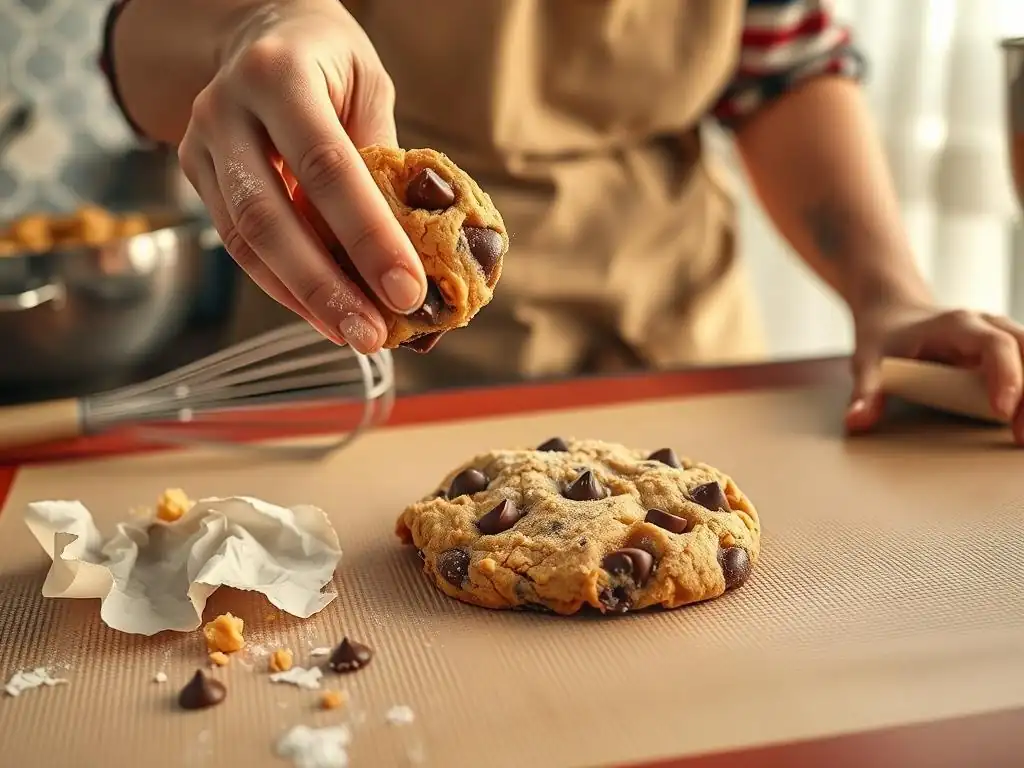
Sometimes, despite your best efforts with parchment paper, you might still encounter sticking problems, or perhaps you're out of parchment altogether. Thankfully, there are excellent alternative surfaces that offer superior non-stick properties, providing reliable solutions for preventing cookie dough from sticking. These alternatives can be valuable additions to your baking toolkit, offering different benefits compared to traditional parchment paper.
Exploring these options gives you flexibility and ensures you're never stuck unable to bake due to a lack of parchment. While they might have a slightly different feel or require a small adjustment in baking time, they are highly effective at preventing that frustrating cookie dough parchment paper stick issue.
Using Silicone Baking Mats as a Non-Stick Alternative
Silicone baking mats, often sold under brand names like Silpat, are reusable, flexible mats made from food-grade silicone and fiberglass mesh. They are exceptionally non-stick and can withstand very high oven temperatures, typically up to 480°F (250°C). Placing a silicone mat directly on your baking sheet creates a completely non-stick surface that requires no additional greasing, even for the stickiest doughs.
Silicone Mats vs. Parchment Paper: A Comparison
Silicone mats offer superior non-stick performance compared to most parchment papers and are highly durable and reusable, making them an environmentally friendly and cost-effective option over time. A single mat can last for hundreds, if not thousands, of baking cycles. However, silicone mats can sometimes cause cookies to spread slightly more than parchment paper due to their smoother surface.
They also retain heat differently, which might require a minute or two adjustment in baking time. Parchment paper is disposable, convenient for quick cleanup, and its slightly more textured surface can sometimes help contain spread for certain types of cookies. Ultimately, both are excellent non-stick options, but silicone mats generally provide a more guaranteed release, effectively eliminating cookie dough parchment paper stick issues.
In a pinch, you can bake cookies directly on a metal baking sheet, provided it is properly prepared. This method relies entirely on a layer of grease to create a non-stick barrier between the dough and the metal. While not as foolproof as parchment or silicone, it is a viable option when alternatives are unavailable.
Risks and Rewards of Baking Without Parchment
The main risk of baking directly on a greased sheet is uneven baking and increased potential for sticking, especially with delicate or high-sugar doughs. Cookies may spread more, and the bottoms can brown faster due to direct contact with the hot metal. However, for certain sturdy cookie types like shortbread or some drop cookies, a well-greased sheet can work adequately.
The "reward" is being able to bake when you don't have parchment or silicone. To minimize risks, use a generous, even coating of a high smoke point fat (like vegetable shortening or baking spray) across the entire surface where cookies will be placed. Be prepared for potentially more effort required to remove the cookies without breaking them compared to using a non-stick liner.
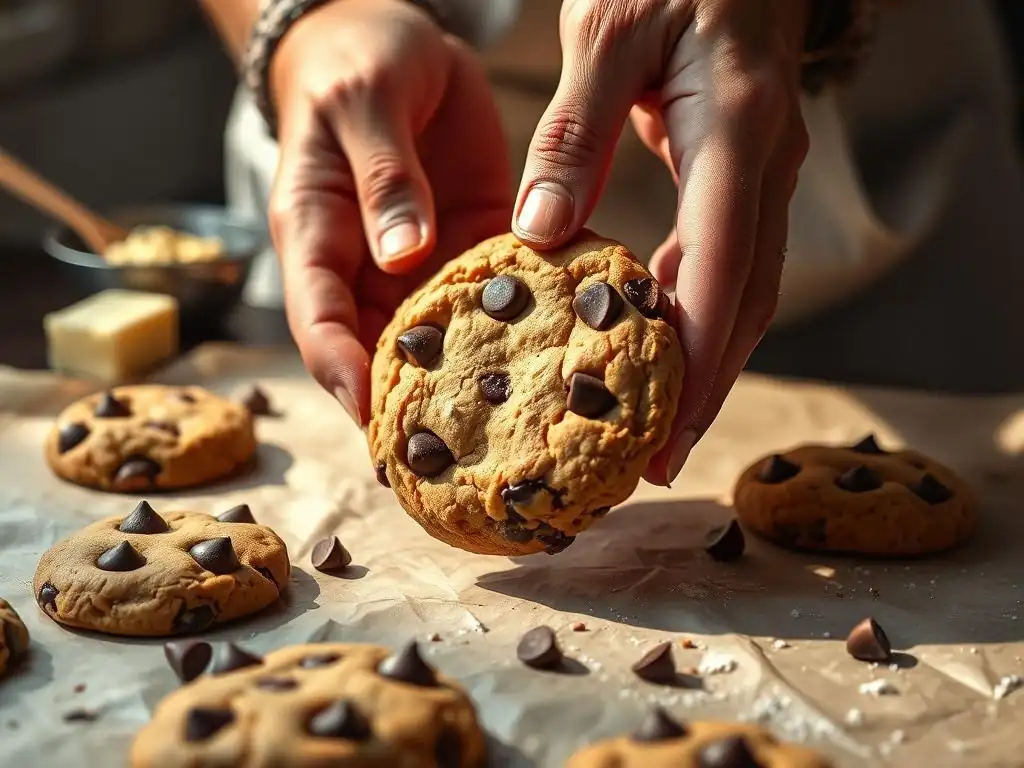
Sometimes, the issue isn't just the parchment; it's the dough itself. If you find your cookie dough is consistently too sticky to handle or is still adhering to parchment despite using standard precautions, you might need to look at the recipe or how the dough is being prepared. Addressing the dough's consistency directly can be the most effective way to prevent future cookie dough parchment paper stick problems.
These advanced tips involve understanding how ingredients affect dough texture and making minor adjustments. While you don't want to drastically alter a recipe, subtle changes can sometimes improve handling and reduce stickiness without compromising the final cookie's taste or texture.
If a particular recipe consistently yields overly sticky dough, slight modifications might be necessary. This doesn't mean completely reformulating the recipe, but rather understanding how the balance of ingredients affects the dough's hydration and structure. The goal is to achieve a dough that is pliable and easy to work with, not a sticky mess that bonds with everything it touches, including parchment paper.
Reducing Sugar Content for Better Results
Sugar is hygroscopic, meaning it attracts and retains moisture. High sugar content can contribute significantly to dough stickiness. While you can't dramatically reduce sugar in most cookie recipes without affecting texture and sweetness, a very slight reduction (perhaps 10-15% if the recipe seems excessively sweet or sticky) might help, though this can change the cookie's spread and chewiness.
A more practical approach is to ensure the sugar is fully dissolved when creaming it with butter; undissolved sugar crystals can contribute to stickiness and uneven spreading. Ensure you're using the correct type of sugar called for in the recipe, as brown sugar adds more moisture than granulated sugar.
Adding More Flour to the Dough
Adding a small amount of extra flour is another potential way to reduce dough stickiness. Flour absorbs moisture and provides structure. If your dough feels excessively wet or sticky after mixing, you can try adding just a tablespoon or two of flour at a time, mixing until just combined, until the dough reaches a manageable consistency.
Be cautious not to add too much flour, as this can result in dry, tough cookies that don't spread properly. This method is best used as a slight adjustment for doughs that are clearly too wet, rather than a standard practice for all recipes. It's a delicate balance to prevent cookie dough parchment paper stick without compromising the cookie's quality.
Despite all preventative measures, you might occasionally find a cookie or two stubbornly stuck to the parchment after baking. Don't panic and don't try to force them off while they're hot, as this is when they are most fragile and likely to break apart. Patience is key here.
Gentle Removal Techniques to Save Your Cookies
The best approach for stuck cookies is to let them cool completely on the baking sheet. As cookies cool, their structure firms up, and the caramelized sugars that might be causing the adhesion harden. Once cool, try gently sliding a thin, flexible metal spatula underneath the cookie, starting from the edge and working your way towards the center.
If the cookie still resists, you can sometimes place the entire sheet of parchment with the cookies back into a slightly warm (turned off) oven for just a minute or two to slightly soften the sugar bond, then try the spatula trick again immediately upon removing. This gentle warming can sometimes release the cookie without melting it completely or causing it to fall apart.
Preventing cookie dough from sticking to parchment paper is a common challenge, but one that can be easily overcome with the right techniques and understanding. By paying attention to the properties of your dough, the quality of your parchment, and implementing simple preparation and handling methods, you can ensure your cookies release cleanly every time.
To recap the most effective strategies for avoiding cookie dough parchment paper stick:
- Understand that warm, high-sugar doughs are more prone to sticking.
- Choose high-quality parchment paper specifically designed for baking.
- Secure the parchment paper flat on a clean, dry baking sheet.
- Consider lightly greasing the parchment for extra insurance with sticky doughs.
- Definitely chill your cookie dough thoroughly before scooping and baking.
- Use a cookie scoop to minimize handling and maintain dough temperature.
- Consider using silicone baking mats for a highly reliable non-stick surface.
- As a last resort, ensure a metal baking sheet is very well greased if baking directly.
- For consistently sticky recipes, minor adjustments to flour or sugar might help (use with caution).
- Always allow baked cookies to cool completely before attempting removal.
Mastering the art of non-stick cookie baking is a skill that improves your overall baking experience. It reduces frustration, saves your cookies from breaking, and leads to consistently beautiful results. By implementing the tips discussed, you're not just preventing cookie dough parchment paper stick; you're enhancing the baking process itself. Paying attention to dough temperature, using the right materials, and employing careful handling techniques are hallmarks of successful baking. Embrace these savvy tips, and you'll be well on your way to achieving perfectly formed, easily released cookies batch after batch. Happy baking!
Frequently Asked Questions
Cookie dough often sticks because of insufficient fat in the recipe or uneven heat distribution in your oven. Also, ensure your parchment paper is of good quality.
Yes, you can typically reuse parchment paper for baking cookies multiple times, as long as it's not torn or excessively browned. Just be mindful of potential flavor transfer with certain cookies.
Alternatives include a silicone baking mat, greasing the baking sheet with butter or cooking spray, or using a well-seasoned baking sheet without any lining.
Baking at a too low temperature can cause cookies to spread and stick more easily. Preheating your oven properly to the correct temperature is crucial.
What if I don't have parchment paper?
If you don't have parchment paper, lightly grease and flour your baking sheet. This creates a barrier that prevents the cookie dough from direct contact with the pan.
The seemingly simple act of baking cookies is fraught with potential pitfalls, and none more frustrating than cookie dough stubbornly clinging to parchment paper. This seemingly minor inconvenience can ruin a batch of perfectly crafted cookies, leaving bakers feeling defeated and their creations less than perfect. But as we've explored, understanding the science behind sticking – from temperature to moisture content – empowers us to conquer this culinary challenge.
This exploration into the world of non-stick baking has been more than just a guide to preventing a sticky mess; it's a reminder of the small details that can make or break a baking experience. The seemingly insignificant act of properly preparing your parchment paper, or choosing the right kind, can transform a frustrating experience into a joyful one. As Julia Child wisely said, Find something you're passionate about and keep tremendously interested in it.
For many, that passion is baking, and mastering even the smallest details, like preventing sticking, adds to the overall joy and satisfaction of the process.
Now, consider your own baking experiences. Have you encountered the frustration of stuck cookie dough? Remember the tips and tricks we've discussed – from chilling your dough to using silicone baking mats. The next time you're ready to bake, apply these techniques and experience the difference. Embrace the science, enjoy the process, and savor the perfectly formed, flawlessly released cookies that await you. Let the joy of baking, free from sticky surprises, be your reward.
Thanks for joining us on this delicious journey to perfectly baked cookies! We hope you gained valuable insights into preventing that frustrating cookie dough sticking. Now it's time to put your new knowledge to the test.
- Try our recommended parchment paper trick: Immediately after baking, let the cookies cool completely on the parchment paper before transferring. You’ll be amazed at the difference!
- Share your baking success (or even your baking fails!) with our community by commenting below – we love hearing from you! Let's learn together!
- Experiment with different baking surfaces – silicone mats are another great option! Which one becomes your new favorite?
Ready to bake a batch of perfectly unstuck cookies? What's your go-to tip for preventing sticking?