
Slice and Serve: Baking Times for Layer Cakes That Stay Moist and Tender

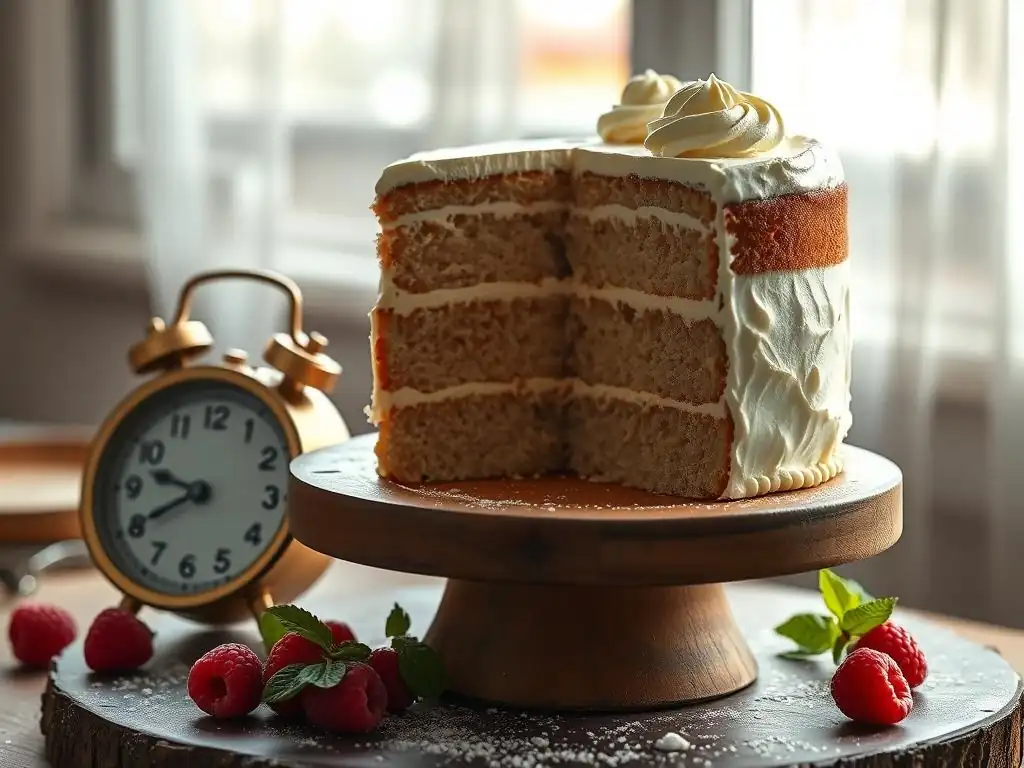
Welcome to BakeWithEase, your haven for all things baking! Ever wondered if your layer cake baking times are truly optimized for moist, tender perfection? Discover the secrets behind achieving bakery-worthy results at home. Get ready to unlock the knowledge that will transform your layer cakes from good to unforgettable. Dive in and let's bake!
- Understanding Layer Cake Baking Times for Perfect Results
- Mastering the Art of Layer Cake Baking: Time and Temperature Guide
- Layer Cake Baking Times by Cake Type: A Comprehensive Guide
- Achieving Moist and Tender Layer Cakes: Beyond Baking Time
- Troubleshooting Layer Cake Baking Issues: Time and Texture
- Cooling and Storing Layer Cakes for Lasting Moistness
- Conclusion: Mastering Layer Cake Baking Times for Baking Success
-
Frequently Asked Questions
- What is the ideal temperature for baking most layer cakes to ensure they stay moist?
- How can I tell if my layer cake is done baking, even if the baking time hasn't elapsed?
- Does the size of the cake pan affect the layer cake baking times significantly?
- What can I do if my layer cake is browning too quickly on top while baking?
- How important is it to let layer cakes cool completely before frosting them?
- Final Reflection: The Sweet Science of Perfect Layer Cakes
- Unlock Your Inner Cake Boss: Perfect Layers Every Time!
Understanding Layer Cake Baking Times for Perfect Results
Why Accurate Baking Times are Crucial for Moist Layer Cakes
Getting your layer cake baking times just right is arguably the most critical factor in achieving a moist, tender crumb. When you bake a cake, a complex chemical reaction is happening: proteins are coagulating, starches are gelatinizing, and leavening agents are producing gases that create the cake's structure. This process requires the right amount of heat for the right duration.
Underbaking leaves the center raw and gooey, while overbaking causes moisture evaporation and toughens the proteins, resulting in a dry, crumbly, and less flavorful cake. Think of a simple vanilla layer cake; just 5-10 minutes too long in the oven can transform it from a wonderfully soft treat to something akin to a sponge suitable only for soaking up liquid.
Moreover, precise layer cake baking times ensure even cooking throughout the layers. The edges and bottom of the cake pan heat up faster than the center, and the oven air circulates heat around the sides and top. Finding the sweet spot in time allows the heat to penetrate the center adequately without drying out the outer parts. This balance is essential for that desirable uniform texture from edge to center, ensuring each slice is consistently delicious and moist. It’s not just about preventing a raw center; it’s about optimizing the entire structure and moisture content of the cake.
Factors Affecting Layer Cake Baking Time
Several variables significantly influence the required layer cake baking time. One primary factor is the oven itself; ovens can vary widely in actual temperature compared to their dial setting, sometimes by as much as 25-50°F. Altitude also plays a role; at higher altitudes, liquids evaporate faster and leavening agents work more quickly, often requiring adjustments to both temperature and time. The ingredients in your batter also matter; recipes high in sugar or fat tend to take slightly longer to bake as sugar inhibits gluten development and raises the coagulation temperature of proteins, while fat can slow heat transfer.
Beyond the oven and ingredients, the physical properties of your cake layers and pans are key determinants of layer cake baking times. The thickness and diameter of the cake batter in the pan directly impact how long it takes for heat to reach the center. A thicker layer in a smaller pan will take longer than a thinner layer in a larger pan, even with the same amount of batter.
The material and color of your cake pans also affect heat absorption and transfer, as we will discuss in more detail later. Recognizing and understanding these factors allows you to anticipate potential variations and adjust your baking approach accordingly.
Mastering the Art of Layer Cake Baking: Time and Temperature Guide
Recommended Oven Temperatures for Baking Layer Cakes
The most common recommended oven temperature range for baking layer cakes is between 325°F (160°C) and 350°F (175°C). While some recipes might call for slightly higher temperatures, baking at a slightly lower temperature, like 325°F, often allows the cake to bake more evenly and rise more gradually.
This gentler heat helps prevent the edges from setting too quickly and potentially drying out before the center is fully cooked, contributing significantly to maintaining a moist crumb. For instance, a standard 8-inch two-layer vanilla cake recipe might specify 350°F for 30-35 minutes, but baking it at 325°F might require 35-40 minutes, often yielding a slightly better texture and dome.
However, the optimal temperature can depend on the specific cake recipe and the desired outcome. Dense cakes like carrot or fruitcakes might benefit from a slightly lower temperature and longer bake time to ensure the interior cooks through without burning the exterior. Lighter sponge cakes might handle a slightly higher temperature for a shorter period to achieve a delicate texture.
Always check the recipe's specific recommendation first, but be prepared to adjust based on your oven and pan choices. For most classic butter-based layer cakes, starting with 350°F is standard, but if you consistently find your cakes drying out, dropping to 325°F is a common and effective strategy to improve moisture retention and manage layer cake baking times.
The Impact of Cake Pan Size on Baking Time
The size and depth of your cake pan have a substantial impact on the required layer cake baking time. A pan with a larger diameter and shallower depth will typically result in a shorter baking time because the heat has less distance to travel to reach the center of the batter.
For example, an 8-inch round cake pan filled with a standard amount of batter might take approximately 25-35 minutes to bake at 350°F. In contrast, a 6-inch round pan filled with the same volume of batter will result in a much thicker layer, requiring significantly longer, potentially 35-45 minutes or even more, as the heat must penetrate further into the denser mass of batter.
Similarly, using multiple smaller pans instead of fewer larger ones for the same recipe volume will decrease the layer cake baking times per pan, although you'll need to account for potentially crowding the oven if baking them all at once. A recipe designed for two 9-inch pans might require 28-38 minutes per layer, whereas splitting that same batter into three 8-inch pans could reduce the time per layer to around 22-32 minutes.
Always consult your specific recipe, but understand that these are guidelines, and pan size is a major variable you must consider. If substituting pan sizes, anticipate adjustments to the baking time.
Adjusting Baking Times for Dark vs. Light Cake Pans
The color and material of your cake pans significantly affect how quickly heat is absorbed and transferred to the batter, which directly influences layer cake baking times. Dark-colored pans, especially those made of non-stick materials, absorb and radiate heat more efficiently than light-colored metal pans. This means they can cause the edges and bottom of your cake to brown and set faster. If you use a dark pan with a recipe developed for a light-colored pan, your cake might bake faster than expected, potentially leading to dry edges or a cracked top.
To compensate for the increased heat absorption of dark pans, it's often recommended to reduce the oven temperature by about 25°F (around 15°C) and potentially slightly increase the layer cake baking time to ensure the center cooks through without the exterior overbaking. For example, if a recipe calls for baking at 350°F in a light pan for 30 minutes, you might try baking at 325°F in a dark pan for 30-35 minutes.
Conversely, shiny, light-colored aluminum pans reflect heat, resulting in a more gradual and often more even bake, which is why they are preferred by many professional bakers for classic layer cakes. If using a light pan with a recipe designed for dark pans, you might need to increase the temperature slightly or extend the baking time.
Layer Cake Baking Times by Cake Type: A Comprehensive Guide
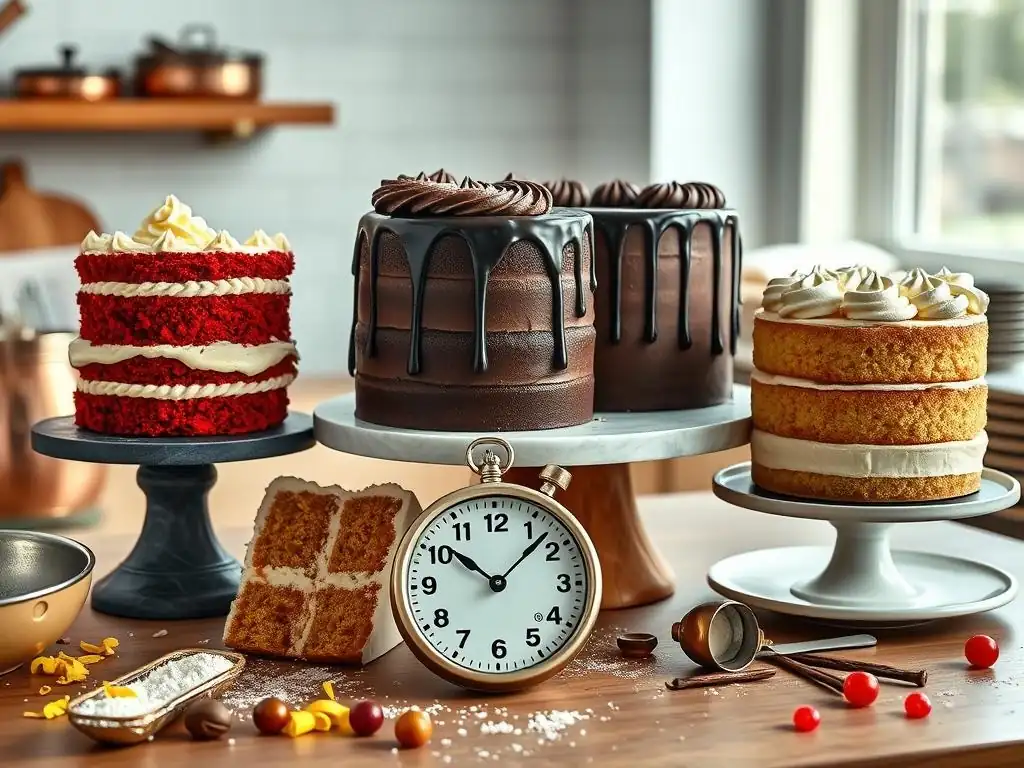
Classic Vanilla Layer Cake Baking Time
Classic vanilla layer cakes, typically made with butter, sugar, eggs, flour, and milk, usually require a baking time of approximately 25 to 35 minutes per 8-inch layer when baked at 350°F (175°C). This range accounts for slight variations in batter thickness, pan color, and oven calibration. For 9-inch layers, the time might be slightly shorter, perhaps 22-32 minutes, as the layers are usually thinner.
The goal is to bake until the cake is set, springs back when gently touched, and a toothpick inserted into the center comes out clean or with just a few moist crumbs attached. Overbaking a vanilla cake is one of the quickest ways to lose its delicate moisture, so paying close attention around the 20-25 minute mark is key for 8-inch pans.
When baking vanilla layer cakes, look for visual cues like the cake pulling slightly away from the sides of the pan and a light golden-brown color on top. Since vanilla cakes have a relatively simple structure compared to those with added fruits or cocoa, their layer cake baking times are often a good baseline. If you are using smaller 6-inch pans, expect the time to increase significantly, potentially 35-45 minutes or even longer depending on the depth of the batter. Always remember to start checking for doneness at the lower end of the estimated time range.
Rich Chocolate Layer Cake Baking Time Recommendations
Chocolate layer cakes often have slightly different layer cake baking times compared to vanilla, primarily due to the presence of cocoa powder, which can affect the batter's texture and how it cooks. A standard 8-inch chocolate layer cake baked at 350°F (175°C) typically requires around 30 to 40 minutes per layer. The cocoa powder can make it slightly harder to judge doneness visually, as the cake is already dark. Therefore, relying on the toothpick test is especially important. A toothpick inserted into the center should come out with moist crumbs, not wet batter.
Some chocolate cake recipes, particularly those using melted chocolate in addition to or instead of cocoa powder, can be denser and might require a few extra minutes in the oven. For instance, a rich devil's food cake might lean towards the longer end of the 30-40 minute range for an 8-inch layer.
When checking chocolate cakes, be aware that a few moist crumbs are perfectly fine and indicate a tender, moist cake; a completely clean toothpick can sometimes mean it's already slightly overbaked. Pay attention to the smell of baked chocolate and the slight pull away from the pan sides as additional indicators.
Delicate Lemon Layer Cake Baking Time Guide
Lemon layer cakes, often based on a vanilla cake structure with added lemon zest and juice, generally follow similar layer cake baking times to classic vanilla cakes. For an 8-inch layer baked at 350°F (175°C), anticipate a baking time of approximately 25 to 35 minutes. The acidity from the lemon juice can sometimes interact with leavening agents, but typically doesn't drastically alter the overall baking time needed compared to a standard vanilla recipe of similar density.
The key with lemon layer cakes is to preserve their delicate texture and bright flavor by not overbaking. Just like vanilla cakes, they are prone to drying out if left in the oven too long. Rely on the standard doneness tests: spring back when lightly touched and a toothpick coming out clean or with a few moist crumbs. If your recipe incorporates ingredients like yogurt or sour cream for added moisture, the bake time might slightly extend towards the longer end of the range. Checking around the 20-minute mark for 8-inch pans is advisable.
Red Velvet Layer Cake Baking Time and Temperature
Red velvet layer cake, traditionally a type of chocolate cake with added buttermilk, vinegar, and red food coloring, has layer cake baking times comparable to many chocolate cakes. For 8-inch layers baked at 350°F (175°C), a typical range is 30 to 40 minutes. The buttermilk and vinegar in the batter contribute to its characteristic tender crumb and slight tang, and these ingredients can influence the rate at which the cake sets.
Because of its distinctive red color, it can be difficult to judge the doneness of a red velvet cake by browning alone. The toothpick test is your most reliable indicator. Insert it into the center; it should come out with moist crumbs.
If it comes out wet, it needs more time. If it comes out completely clean and dry, it might be on the verge of being overbaked. Some bakers prefer a slightly lower temperature, like 325°F, for red velvet to ensure a more even bake and vibrant color retention, which might extend the baking time slightly to 35-45 minutes.
Carrot Layer Cake Baking Time
Carrot layer cakes, due to the added moisture and density from grated carrots, sometimes nuts, and raisins, typically require longer layer cake baking times than lighter sponge or butter cakes. For standard 8-inch layers baked at 350°F (175°C), expect a baking time of approximately 35 to 45 minutes. The higher moisture content means it takes more time for the internal temperature to reach the point where the cake structure is fully set.
When testing a carrot cake for doneness, a toothpick inserted into the center should come out clean or with a few moist crumbs. Because of the chunky ingredients like carrots, nuts, or raisins, ensure you're testing the cake batter itself, not hitting a piece of carrot or nut. If the toothpick comes out with wet batter, it definitely needs more time.
The cake should also be firm to the touch in the center and starting to pull away from the sides of the pan. Baking at 325°F might extend the time to 40-50 minutes but can help prevent the edges from getting too dark before the center is done.
Spice Layer Cake Baking Time
Spice layer cakes, often containing warm spices like cinnamon, nutmeg, cloves, and sometimes ginger, share similarities in density with vanilla cakes but the spices themselves don't significantly alter the fundamental layer cake baking times. For 8-inch layers baked at 350°F (175°C), a typical baking time is between 25 and 35 minutes. If the recipe includes ingredients like applesauce, pumpkin puree, or molasses for added moisture and flavor, the baking time might lean towards the longer end of this range, similar to a denser cake.
As with other cake types, rely on visual cues such as the cake pulling away from the sides of the pan and the spring-back test. The toothpick test is crucial; it should come out clean or with a few moist crumbs. The wonderful aroma of baked spices will also fill your kitchen, serving as a pleasant indicator that the cake is nearing completion. Just be mindful not to let the edges become too dark before the center is fully baked, which can happen if the temperature is too high or the time is too long.
Achieving Moist and Tender Layer Cakes: Beyond Baking Time
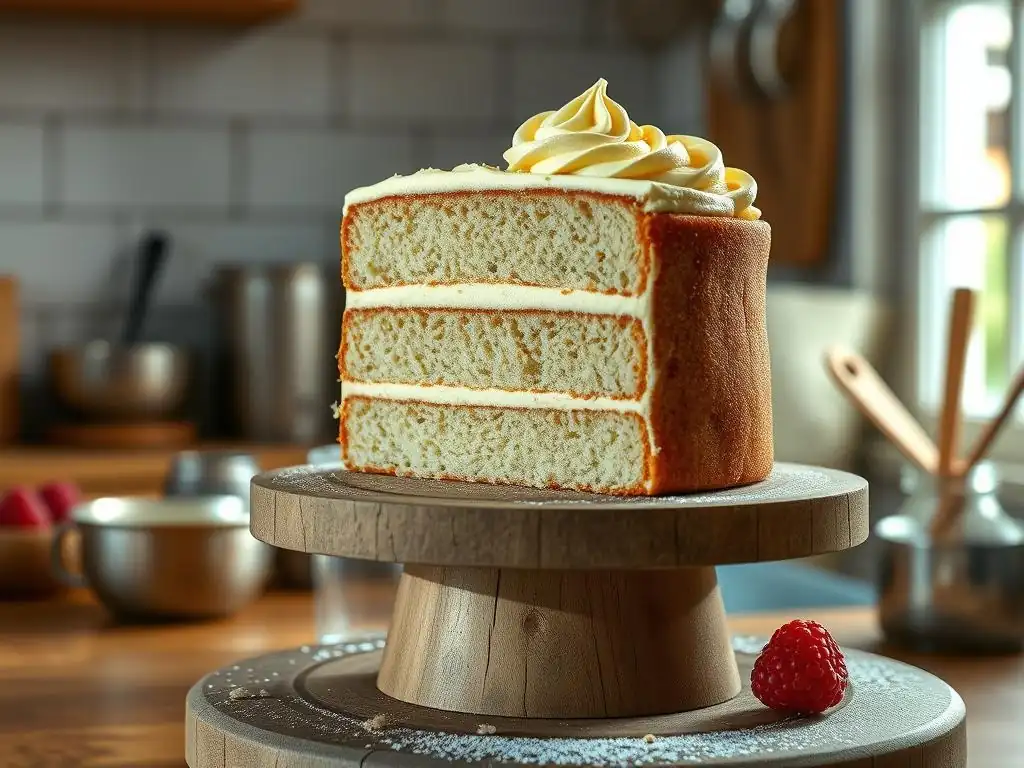
Tips for Preventing Dry Layer Cakes
Achieving a moist and tender layer cake involves more than just nailing the layer cake baking times. Several factors in your preparation and baking process contribute to moisture retention. First, avoid overmixing the batter once the dry ingredients are added. Overmixing develops gluten, leading to a tough, dry texture. Mix only until just combined. Second, ensure your wet-to-dry ingredient ratio is balanced according to a reliable recipe. Ingredients like buttermilk, sour cream, yogurt, oil, or even melted butter (instead of just creamed butter) contribute significantly to moisture.
Third, don't overbake! This is the most critical point related to layer cake baking times. Baking even a few minutes too long can evaporate precious moisture. Fourth, consider brushing warm cake layers with a simple syrup (equal parts sugar and water, heated until sugar dissolves) immediately after removing them from the pan. This adds moisture back into the cake as it cools. Finally, ensure your ingredients, especially butter and eggs, are at the correct temperature (usually room temperature) as specified by the recipe, as this impacts how they emulsify and contribute to the cake's structure and moisture.
The Importance of Oven Calibration for Accurate Baking
An accurately calibrated oven is fundamental to consistent baking success, directly impacting layer cake baking times. Oven temperatures can fluctuate significantly or be consistently off by as much as 25-50°F (15-30°C) compared to the setting you choose.
An oven that runs too hot will cause your cakes to bake much faster, potentially drying out the edges before the center is done, or resulting in a dense, uneven texture. Conversely, an oven that runs too cool will dramatically extend your layer cake baking times, potentially leading to a heavy, sunken cake if the leavening agents expend their power before the cake structure sets.
Investing in an inexpensive oven thermometer placed inside your oven is the best way to check its accuracy. Place it in the center of the middle rack and check the temperature after the oven has preheated for at least 15-20 minutes. If it consistently reads differently from your set temperature, you'll need to adjust accordingly when baking.
For example, if your oven thermometer reads 325°F when set to 350°F, you know to set it to 375°F to achieve an actual temperature of 350°F. This simple step can dramatically improve your layer cake baking times consistency and the overall quality of your baked goods.
Using a Cake Tester to Determine Doneness
While relying on recommended layer cake baking times is a good starting point, the most reliable way to determine if your cake is perfectly baked is by using a cake tester. The classic method involves inserting a wooden skewer or toothpick into the very center of the cake layer. If it comes out completely clean and dry, the cake is likely done. If it comes out with wet batter clinging to it, it needs more time.
However, for moist cakes, a toothpick that comes out with a few moist crumbs attached is often the ideal indicator of doneness, suggesting the cake is cooked through but hasn't dried out. Another useful test is the "spring back" test: gently press the top of the cake layer in the center. If it springs back readily, it's usually done.
If the indentation remains, it needs more time. Combining the toothpick test with the spring-back test and observing whether the cake has slightly pulled away from the sides of the pan will give you the most accurate assessment of doneness, ensuring you stop baking at the perfect moment to preserve moisture.
Troubleshooting Layer Cake Baking Issues: Time and Texture
What to Do if Your Layer Cake is Baking Too Quickly
If you notice your layer cake is browning too quickly on the top or edges while the center is still clearly underbaked (wet or jiggly), it's a sign that your oven temperature might be too high or your pan material/color is causing excessive heat absorption. First, check your oven thermometer to confirm the actual temperature. If it's running hot, reduce the temperature by 25°F (15°C) for subsequent layers or future bakes.
For the current cake in the oven, you can carefully tent the top loosely with aluminum foil. This will shield the top from direct radiant heat, slowing down the browning process and allowing the center more time to catch up without the edges or top drying out or burning. You'll still need to monitor the layer cake baking time and use the toothpick test to determine final doneness, but tenting is an effective temporary fix for over-browning.
If your layer cake baking times are significantly longer than the recipe suggests and the cake still isn't set in the center, several factors could be at play. Your oven temperature might be too low (again, check with an oven thermometer), your batter might be too cold when it went into the oven, or you might have used a pan size or material that requires more time than the recipe assumed. If your oven is running cool, increase the temperature by 25°F (15°C).
For the cake currently baking slowly, continue to bake it, checking doneness every 5-10 minutes with the toothpick test. Avoid opening the oven door too frequently, as this causes temperature drops that further slow down baking. If the cake seems to be rising well but isn't setting, ensure you're testing the very center, as the edges will always bake faster. Patience is key here; let it continue to bake until the toothpick comes out clean or with moist crumbs.
Addressing Uneven Baking in Layer Cakes
Uneven baking, where one side of the cake bakes faster or higher than the other, is a common issue often related to hot spots in your oven. Most ovens have areas that are hotter than others, usually near the back or sides. If you consistently see one side of your layer cakes baking faster, rotate the pans halfway through the layer cake baking time. For example, if an 8-inch layer is expected to take 30 minutes, rotate the pan 180 degrees after 15 minutes.
Another cause of uneven baking can be placing pans too close together, which obstructs airflow, or placing them too close to the oven walls. Ensure there is adequate space (at least 1-2 inches) around each pan and between pans if baking multiple layers at once. If your oven has a significant hot spot despite rotation, you might need to adjust pan placement slightly or even consider getting your oven's heating element or calibration checked by a professional. Consistent layer cake baking times and even results depend on even heat distribution.
Cooling and Storing Layer Cakes for Lasting Moistness
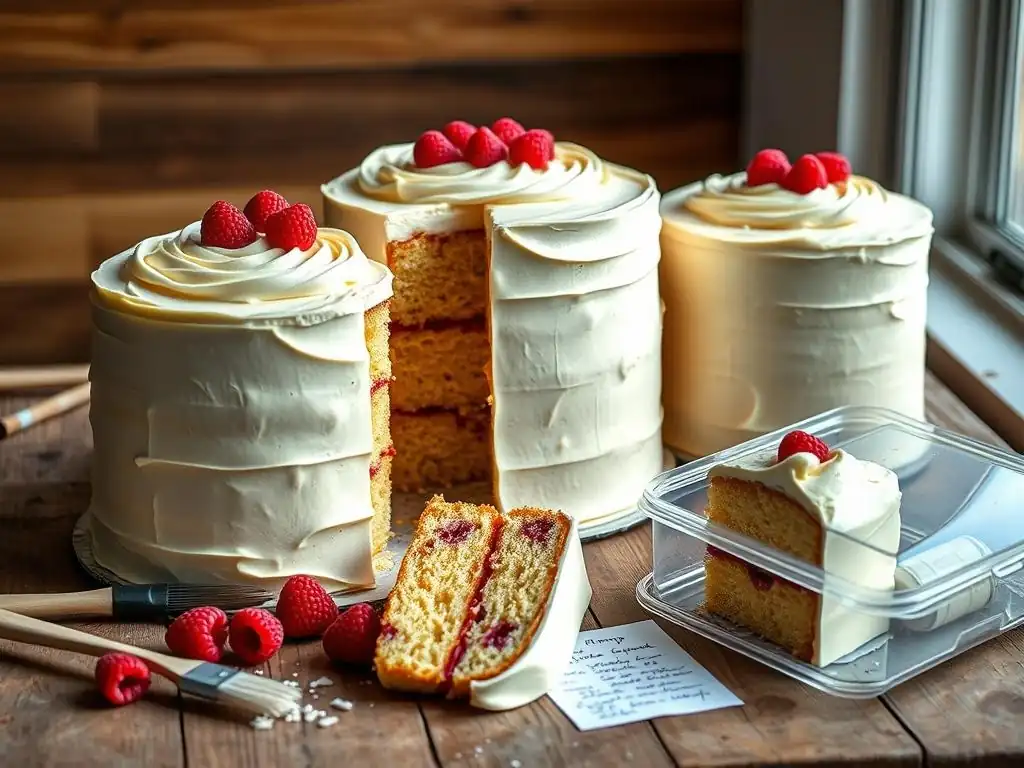
Proper Cooling Techniques to Prevent Soggy Cakes
Once your layer cakes are perfectly baked according to the optimal layer cake baking times and test done, proper cooling is crucial to maintain their texture and prevent them from becoming soggy or collapsing. First, allow the cakes to cool in their pans on a wire rack for the amount of time specified in the recipe, usually 10-20 minutes. This initial cooling period allows the cake to firm up slightly within the supportive structure of the pan. Cooling on a wire rack allows air to circulate underneath, preventing condensation from making the bottom soggy.
After the initial cooling in the pan, carefully invert the cakes onto the wire rack to cool completely. Ensure the rack allows plenty of air circulation around all sides. Cooling completely on a wire rack is vital before frosting or storing. Placing a warm or even slightly warm cake in an airtight container or frosting it will trap steam, leading to a soggy exterior and potentially compromising the cake's structure. Patience during the cooling phase, which can take 1-2 hours, is just as important as getting the layer cake baking times right.
Best Practices for Storing Baked Layer Cakes
Proper storage is key to keeping your baked layer cakes moist and fresh after achieving the perfect layer cake baking times. Once the layers are completely cool, wrap each layer individually and tightly in plastic wrap. Ensure the plastic wrap adheres snugly to the cake's surface to prevent air exposure, which leads to staleness and dryness. For extra protection, you can then wrap the plastic-wrapped layers in a layer of aluminum foil or place them in an airtight container.
Stored this way at room temperature, plain cake layers (without perishable fillings or frostings) will stay fresh for 2-3 days. If you need to store them longer, wrapped layers can be refrigerated for up to a week or frozen for up to 2-3 months. To thaw frozen layers, transfer them to the refrigerator overnight, then let them come to room temperature (still wrapped) before unwrapping and using. Proper wrapping minimizes moisture loss, ensuring that the moisture you worked so hard to achieve with correct layer cake baking times is preserved.
Conclusion: Mastering Layer Cake Baking Times for Baking Success
Mastering layer cake baking times is a fundamental skill for any baker aiming for consistently moist and tender results. While recipes provide essential guidelines, understanding the variables—from oven temperature and pan type to cake ingredients and altitude—allows you to adapt and troubleshoot effectively. Paying close attention to visual cues and using reliable tests like the toothpick method are indispensable tools that go hand-in-hand with recommended baking durations.
Achieving baking success with layer cakes is a blend of following instructions and developing an intuitive feel for when your cake is perfectly done. By focusing on accurate temperatures, appropriate layer cake baking times for different cake types and pan sizes, preventing overbaking, and ensuring proper cooling and storage, you'll significantly increase your chances of slicing into a beautifully moist and tender cake every time. Happy baking!
Frequently Asked Questions
What is the ideal temperature for baking most layer cakes to ensure they stay moist?
Most layer cakes bake best at around 350°F (175°C). This temperature allows for even cooking and prevents the edges from drying out before the center is done. Consistent temperature control is essential.
How can I tell if my layer cake is done baking, even if the baking time hasn't elapsed?
Use the toothpick test. Insert a toothpick into the center; if it comes out with a few moist crumbs, the cake is done. Avoid overbaking, which leads to dryness.
Does the size of the cake pan affect the layer cake baking times significantly?
Yes! Smaller pans require shorter baking times, while larger pans need longer times. Always adjust the time based on the pan size and depth.
What can I do if my layer cake is browning too quickly on top while baking?
Tent the cake with foil. Loosely covering the cake with aluminum foil will help to prevent excessive browning while allowing the cake to continue baking evenly.
How important is it to let layer cakes cool completely before frosting them?
Extremely important! Allow the cakes to cool completely in the pans before inverting them onto a wire rack to cool further. This prevents the frosting from melting and ensures a stable cake structure.
Final Reflection: The Sweet Science of Perfect Layer Cakes
The quest for the perfect layer cake is a timeless pursuit, and mastering baking times is the key to unlocking its moist, tender heart. This seemingly simple act—knowing precisely when to remove a cake from the oven—is the difference between a culinary triumph and a disappointing collapse. Getting it right requires understanding not just recipes, but the science behind heat transfer and moisture retention.
The enduring appeal of layer cakes transcends mere dessert; they represent celebration, comfort, and the artistry of baking. They are canvases for creativity, each layer a testament to patience and precision. The subtle nuances of baking times, often overlooked, profoundly impact the final product. As Julia Child wisely said, A party without cake is just a meeting.
This simple quote highlights the social and emotional significance of a perfectly baked cake, a significance amplified by the care taken in achieving the ideal baking time.
Now, armed with this knowledge, I invite you to embark on your own baking journey. Don't be afraid to experiment, to adjust baking times based on your oven and the specific recipe. Embrace the process, savor the aroma, and most importantly, enjoy the sweet reward of a perfectly baked layer cake. The journey to mastering baking times is a continuous learning process, but the delicious results are well worth the effort. So, preheat your oven, gather your ingredients, and let the baking begin!
Unlock Your Inner Cake Boss: Perfect Layers Every Time!
Thanks for joining us on this delicious journey into the world of perfectly moist layer cakes! We hope you've gained valuable insights into achieving that perfect bake. Ready to put your new knowledge to the test?
- Bake your dream layer cake: Try out one of the recipes and timing suggestions from the article – we bet you’ll be amazed by the results! Don't forget to adjust based on your oven.
- Share your baking triumph: Show us your beautiful creations! Post a picture on social media and tag us – we love seeing your baking adventures.
- Experiment with different flavors and frostings: Unleash your creativity and discover your new signature layer cake!
What unexpected flavor combination will you try next to create your masterpiece?